
NFT Royalties in Virtual Worlds: Supporting Creators and Artists

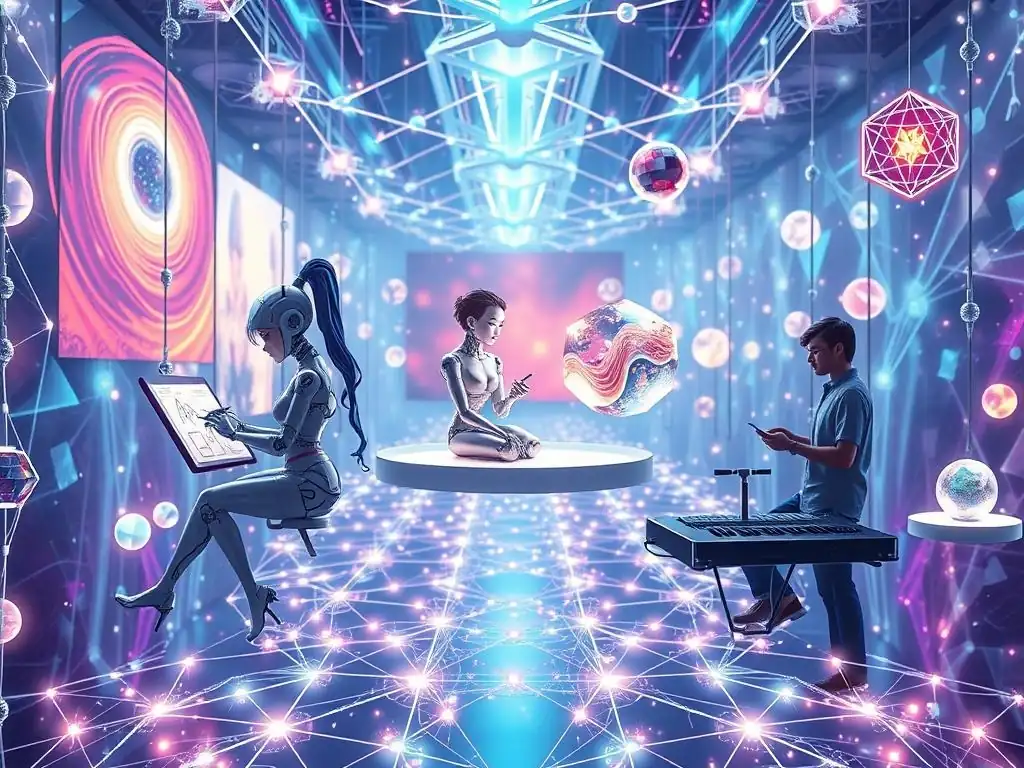
Welcome to Blockchain Trends, your guide to understanding the revolutionary applications of blockchain technology! Are NFT royalties truly sustainable for virtual world creators? Delve into our latest analysis exploring how these innovative mechanisms are shaping the digital landscape and supporting artists in the metaverse, and uncover the challenges and opportunities that lie ahead.
NFT Royalties in Virtual Worlds: Supporting Creators
- Introduction: NFTs and Virtual Worlds
- Understanding NFT Royalties
- NFT Royalties: The Creator's Perspective
- Challenges and Opportunities
- Models for Implementing NFT Royalties
- NFT Marketplaces and Royalty Distribution
- Ensuring Fair Royalty Distribution
- The Future of NFT Royalties
- Benefits of NFT Royalties
- Conclusion: Royalties in the Creator Economy
-
Frequently Asked Questions
- What are NFT royalties in the context of virtual worlds?
- How do NFT royalties support virtual world creators and artists?
- Why are NFT royalties important for the future of decentralized systems in virtual worlds?
- What are some challenges in implementing NFT royalties in virtual worlds?
- How might regulations impact NFT royalties and virtual world creators?
- Final Reflection: Empowering Creators in the Metaverse
- Seize Your Creative Power: Build the Future of Virtual Worlds!
Introduction: NFTs and Virtual Worlds
The Intersection of NFTs and Metaverse Platforms
Non-Fungible Tokens (NFTs) have rapidly become foundational elements within metaverse platforms, fundamentally altering how digital ownership and value are perceived. These unique digital assets, secured on blockchain, provide verifiable proof of ownership for a wide range of virtual items, from digital art and collectibles to in-game assets and virtual land. Metaverse platforms leverage NFTs to create persistent, user-owned digital economies, where users can truly own, trade, and monetize their virtual possessions. This integration allows for a level of digital scarcity and authenticity previously unattainable, fostering new forms of digital commerce and creative expression within these immersive environments.
The synergy between NFTs and metaverse platforms extends beyond simple digital ownership. NFTs enable interoperability and portability of digital assets across different virtual worlds, albeit still in nascent stages. Imagine owning a unique virtual garment represented by an NFT, which can be worn by your avatar not just in one specific game, but across multiple compatible metaverse platforms.
This potential for cross-platform utility significantly enhances the value proposition of NFTs within virtual worlds, making them more than just collectibles; they become versatile tools within the evolving digital landscape. This interconnectedness is a key driver for the growth and maturity of both the NFT market and the metaverse ecosystem.
NFT Royalties for Virtual World Creators
NFT royalties are a crucial mechanism for supporting creators in virtual worlds, offering a revolutionary way for artists, developers, and designers to continuously benefit from their creations. Unlike traditional digital content distribution models where creators often receive a one-time payment, NFT royalties ensure that creators receive a percentage of the sale price every time their NFT is resold on a secondary market. This creates a perpetual income stream that directly rewards creators for the ongoing value and demand of their digital works, fostering a more sustainable and equitable creator economy within virtual worlds.
In the context of virtual worlds, NFT royalties are particularly significant. Creators are building immersive experiences, designing unique avatars, crafting virtual items, and developing interactive environments. Royalties incentivize this creative output by providing a direct link between the secondary market value of these digital creations and the original creators' earnings.
This system not only rewards initial creation but also recognizes the ongoing cultural and economic value that these digital assets hold within the metaverse, encouraging further innovation and investment in the virtual world ecosystem. NFT royalties are thus becoming a cornerstone of the creator economy in virtual worlds, empowering individuals and fostering a vibrant digital ecosystem.
Understanding NFT Royalties
What are NFT Royalties?
NFT royalties are essentially a predetermined percentage of the sale price that is automatically paid to the original creator of an NFT each time it is sold or resold on a secondary marketplace. This mechanism is encoded directly into the smart contract of the NFT, ensuring that the royalty payment is triggered programmatically whenever a sale occurs and meets the royalty conditions.
Think of it as a digital resale right, similar to artist resale rights in the physical art world, but automated and enforced by blockchain technology. This ensures that creators continue to benefit financially from the appreciation and trading of their digital creations in the secondary market, long after the initial sale.
The percentage of NFT royalties can vary depending on the platform, the creator's preference, and sometimes, community standards. Typical royalty rates range from 2.5% to 10%, although some platforms and projects may offer different ranges. This percentage is applied to the sale price each time the NFT changes hands.
For example, if a virtual world creator sets a 5% royalty on a digital artwork initially sold for 1 ETH, and it is later resold for 2 ETH, the original creator would automatically receive 0.1 ETH (5% of 2 ETH) as a royalty payment. This continuous revenue stream is a fundamental shift in how digital creators can monetize their work and participate in the value they create.
Smart Contracts and Royalty Enforcement
Smart contracts are the technological backbone that enables the automatic enforcement of NFT royalties. These self-executing contracts, written in code and deployed on a blockchain, contain the terms and conditions governing the NFT, including the royalty percentage and the designated recipient (typically the creator's wallet address). When an NFT is traded on a marketplace that supports royalty enforcement, the smart contract automatically executes the royalty payment as part of the transaction process. This eliminates the need for manual tracking or intermediaries, ensuring transparency and efficiency in royalty distribution.
The process is typically integrated into the marketplace's smart contracts. When a sale is initiated, the marketplace's smart contract interacts with the NFT's smart contract. The NFT's smart contract then calculates the royalty amount based on the sale price and the pre-defined royalty percentage. This royalty amount is automatically deducted from the buyer's payment and transferred to the creator's wallet address, all within the same transaction. This automated system provides creators with assurance that they will receive their royalties whenever their NFTs are traded on participating platforms, fostering trust and encouraging broader participation in the NFT ecosystem.
Common Royalty Structures
While the underlying principle of NFT royalties remains consistent, the specific structures and implementations can vary slightly across different platforms and virtual worlds. The most common structure is a fixed percentage royalty, where creators set a specific percentage (e.g., 5%, 7.5%, or 10%) that applies to all secondary sales. This is straightforward and easy to understand for both creators and buyers. Many major NFT marketplaces, like those initially prevalent for digital art and now expanding into virtual world assets, default to this fixed percentage model.
Another emerging structure is tiered royalties, where the royalty percentage might change based on certain conditions, such as the sale price or the volume of trades. For instance, a creator might set a higher royalty percentage for sales above a certain price threshold, incentivizing higher-value transactions.
Alternatively, some experimental models explore dynamic royalties that could adjust based on market demand or time elapsed since the initial creation. While fixed percentage royalties are currently the norm due to their simplicity and predictability, the space is evolving, and more complex and adaptable royalty structures may become more prevalent as the NFT market matures and virtual world economies grow in sophistication.
NFT Royalties: The Creator's Perspective
Empowering Metaverse Artists and Developers
NFT royalties are fundamentally empowering for metaverse artists and developers, shifting the power dynamic in the digital content creation landscape. In traditional systems, creators often lose control and financial benefit once their work is sold for the first time. NFT royalties, however, provide a mechanism for creators to maintain a stake in the ongoing value of their creations within virtual worlds. This continuous revenue stream allows artists to build sustainable careers and invest further in their creative endeavors, fostering a more vibrant and innovative metaverse ecosystem.
For metaverse artists designing avatars, creating virtual fashion, or building interactive experiences, royalties represent a direct link to the market success of their work. If their creations become highly sought after and traded in the secondary market, they directly benefit financially. This empowerment extends beyond individual artists to development teams and studios creating virtual world assets and experiences. Royalties can provide a crucial source of funding for ongoing development, updates, and community engagement, ensuring the long-term viability and growth of metaverse projects.
Incentivizing Content Creation
The existence of NFT royalties acts as a powerful incentive for metaverse content creation, encouraging artists, developers, and designers to contribute high-quality and innovative digital assets and experiences. Knowing that they will receive a percentage of future sales provides creators with a tangible financial motivation to invest their time and effort into creating valuable and engaging content for virtual worlds. This incentive is particularly critical in the early stages of metaverse development, where attracting talented creators is crucial for building rich and diverse virtual environments.
Furthermore, royalties incentivize creators to focus on building long-term value into their creations. Instead of just aiming for a quick initial sale, creators are encouraged to produce assets and experiences that will retain their appeal and value over time, as this directly translates into continued royalty income. This shift in focus towards long-term value creation benefits the entire metaverse ecosystem, leading to higher quality content, more engaging experiences, and a more robust and sustainable creator economy. The promise of ongoing royalties can attract more talent to the metaverse, fostering a virtuous cycle of creativity and economic opportunity.
Decentraland's Royalty System
Decentraland, a leading decentralized virtual world, offers a notable example of royalty implementation within a metaverse platform. While Decentraland's initial LAND NFTs did not incorporate royalties, the platform has actively explored and implemented royalty mechanisms for various types of NFTs within its ecosystem, particularly for wearables and other in-world assets. This demonstrates a commitment to supporting creators and fostering a fair and sustainable economy within its virtual world.
Decentraland's Marketplace, for example, typically supports royalties on wearables and other digital collectibles. Creators who design and mint wearables for avatars in Decentraland can set a royalty percentage, often around 2.5% or higher, which is automatically paid to them on secondary sales within the Decentraland Marketplace. This implementation provides a practical example of how NFT royalties can function within a live metaverse environment, directly benefiting creators and contributing to the growth of Decentraland's digital economy. Decentraland's ongoing efforts to refine and expand its royalty system underscore the increasing importance of creator support in the metaverse space.
Challenges and Opportunities
Technical Challenges: Cross-Platform Compatibility
A significant technical challenge facing NFT royalties in virtual worlds is the lack of universal cross-platform compatibility. Currently, royalty enforcement is primarily dependent on individual marketplaces and platforms supporting and implementing royalty standards within their own systems. This fragmented approach means that royalties are not consistently enforced across all platforms where an NFT might be traded, especially when NFTs move outside of their native ecosystem. If a virtual world asset is traded on a marketplace that doesn't recognize or enforce the original royalty terms, the creator may not receive their due compensation.
Achieving true cross-platform royalty compatibility requires industry-wide standardization and collaboration. Efforts are underway to develop universal royalty standards that can be recognized and implemented by different marketplaces and virtual world platforms. This would involve establishing common protocols and smart contract functionalities that ensure royalty payments are automatically triggered and routed to creators, regardless of where the NFT is traded. Overcoming this technical hurdle is crucial for ensuring fair and consistent royalty distribution and realizing the full potential of NFT royalties for creators in the metaverse.
Legal and Regulatory Considerations
The legal and regulatory landscape surrounding NFTs and NFT royalties is still evolving and presents considerable uncertainties. The legal classification of NFTs varies across jurisdictions, which can impact how royalties are treated from a legal and tax perspective. Questions remain regarding the enforceability of royalty clauses in different legal systems, particularly in cross-border transactions common in the global nature of the metaverse and NFT markets.
Furthermore, regulatory bodies are increasingly scrutinizing the NFT space, and future regulations could directly impact NFT royalties. For example, regulations concerning digital asset sales, consumer protection, or intellectual property rights could have implications for how royalties are structured, enforced, and taxed. Navigating this evolving legal and regulatory environment requires careful consideration and proactive engagement from NFT platforms, marketplaces, and creators to ensure compliance and promote a sustainable and legally sound framework for NFT royalties in virtual worlds. Clarity and harmonization in legal frameworks are essential for fostering trust and long-term stability in the NFT creator economy.
New Royalty Models
Beyond the standard fixed percentage royalty model, the NFT space is exploring innovative and potentially more equitable royalty structures. One such model is dynamic royalties, where the royalty percentage could adjust based on factors like the time since creation, the number of previous sales, or the current market value of the NFT. This could allow for more flexible and responsive royalty systems that better reflect the evolving value of digital assets over time.
Another promising area is revenue-sharing models, where royalties could be distributed not only to the original creator but also to other contributors or stakeholders in the NFT ecosystem. For example, in a collaborative virtual world project, royalties could be shared among artists, developers, and community members who contributed to the creation and ongoing value of the digital assets.
Exploring these new royalty models can lead to more sophisticated and nuanced systems that better incentivize collaboration, community building, and long-term value creation in the metaverse. These models could foster more sustainable and participatory economies within virtual worlds, moving beyond simple creator-centric royalties to broader ecosystem-based reward systems.
Models for Implementing NFT Royalties
On-Chain Royalty Enforcement
On-chain royalty enforcement represents the most robust and decentralized approach to ensuring creator royalties. In this model, the royalty logic and payment mechanism are directly embedded within the NFT's smart contract itself. This means that the royalty rules are permanently and immutably encoded on the blockchain, making them inherently transparent and auditable. When an on-chain enforced NFT is traded on a marketplace that supports this standard, the royalty payment is automatically executed as part of the transaction, without relying on the marketplace's infrastructure or goodwill.
The primary advantage of on-chain enforcement is its decentralization and trustlessness. It removes the reliance on intermediaries and ensures that royalties are consistently paid regardless of the platform where the NFT is traded (as long as the platform supports the on-chain royalty standard). However, on-chain enforcement can be technically more complex to implement and may have higher transaction costs (gas fees) compared to off-chain solutions. Despite these challenges, on-chain royalty enforcement is often seen as the gold standard for ensuring long-term creator rights and fostering a truly decentralized NFT ecosystem.
Off-Chain Royalty Solutions
Off-chain royalty solutions offer a more pragmatic and readily implementable approach to royalty enforcement, particularly in the current fragmented NFT landscape. In this model, royalty enforcement relies on agreements and technical implementations at the marketplace level, rather than being directly encoded into the NFT's smart contract. Marketplaces that adopt off-chain royalty solutions agree to respect and enforce royalty terms set by creators when NFTs are traded on their platforms. This typically involves the marketplace's smart contracts and backend systems being programmed to automatically deduct and distribute royalties during secondary sales.
Off-chain solutions are generally easier and faster to implement than on-chain enforcement, as they don't require changes to existing NFT smart contract standards. Many major NFT marketplaces currently utilize off-chain royalty solutions, demonstrating their practicality and widespread adoption. However, off-chain enforcement relies on the integrity and cooperation of individual marketplaces. If a marketplace chooses not to support or enforce royalties, creators may not receive their due compensation when NFTs are traded on that platform. This reliance on marketplace compliance is the main drawback of off-chain solutions compared to the inherent robustness of on-chain enforcement.
Hybrid Models
Hybrid models represent a middle ground, attempting to combine the benefits of both on-chain and off-chain approaches to NFT royalty enforcement. These models typically involve encoding core royalty information on-chain, such as the royalty percentage and creator address, while relying on off-chain infrastructure for the actual royalty payment processing and distribution. This can offer a balance between decentralization and practicality, leveraging the transparency and immutability of the blockchain for royalty terms while utilizing marketplace infrastructure for efficient payment execution.
One example of a hybrid model is the use of "royalty registries" on-chain. These registries store royalty information for NFTs, allowing marketplaces to easily access and verify royalty terms. Marketplaces then use this on-chain information to enforce royalties within their off-chain systems. Hybrid models aim to improve the reliability and transparency of off-chain solutions by anchoring royalty information on the blockchain, while still maintaining the ease of implementation and lower transaction costs associated with off-chain processing. These models are evolving and may offer a viable path towards more robust and widely adopted royalty enforcement in the NFT space.
NFT Marketplaces and Royalty Distribution
Marketplace Standards for Royalty Payments
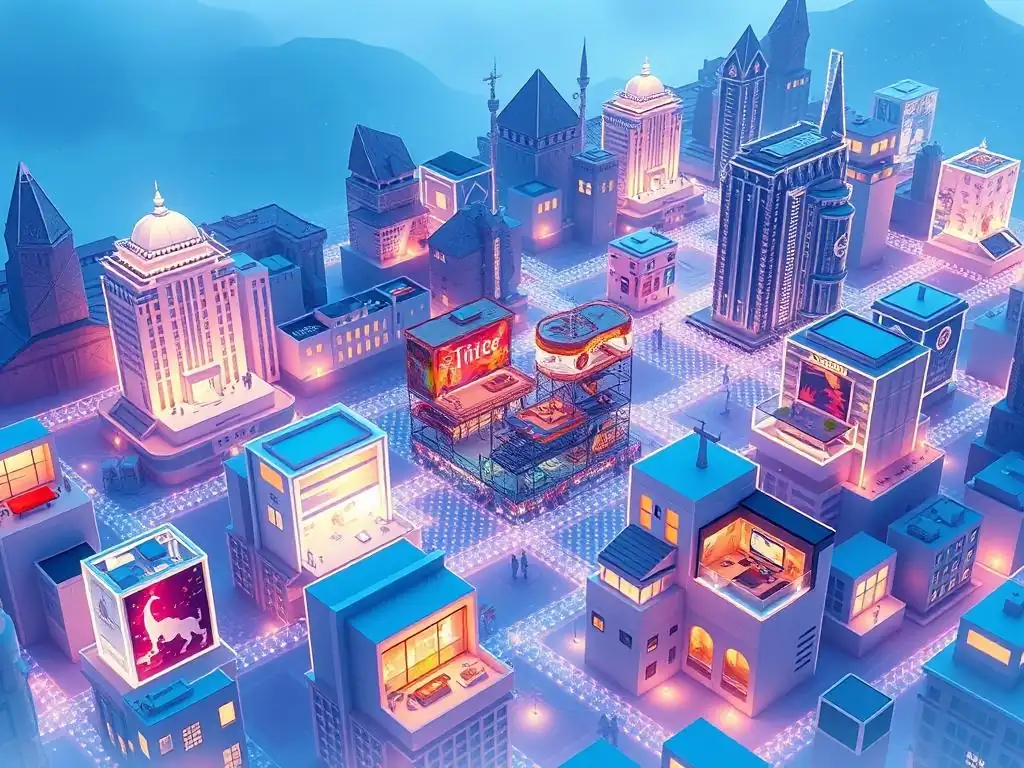
NFT marketplaces play a crucial role in ensuring fair royalty distribution within virtual world economies. The adoption of clear and consistent marketplace standards for royalty payments is essential for building trust and fostering a healthy creator ecosystem. These standards should encompass several key aspects, including the transparent display of royalty information, the reliable and automated execution of royalty payments, and mechanisms for dispute resolution in case of royalty discrepancies. Marketplace standards should aim to create a level playing field for creators and ensure that royalties are consistently honored across different platforms.
Ideally, marketplace standards should be industry-wide and interoperable, allowing for seamless royalty enforcement regardless of where an NFT is initially minted or subsequently traded. Industry bodies and community-driven initiatives are working towards establishing such standards, promoting best practices for royalty implementation and fostering greater consistency across the NFT marketplace landscape. The widespread adoption of robust marketplace standards is critical for solidifying NFT royalties as a fundamental right for creators and ensuring the long-term sustainability of the NFT creator economy in virtual worlds.
Royalty Payments in Virtual World Economies
Royalty payments are becoming an integral part of the economic fabric of virtual worlds. As virtual economies mature and digital asset ownership becomes more prevalent, royalties contribute to a more sustainable and equitable distribution of value within these ecosystems. By channeling a portion of secondary market transactions back to creators, royalties help to incentivize ongoing content creation, innovation, and community engagement. This creates a positive feedback loop where creators are rewarded for their contributions, leading to richer and more vibrant virtual world experiences.
In virtual world economies, royalties can function as a form of universal basic income for creators, providing a continuous stream of revenue that supplements initial sales and commissions. This can be particularly important for independent artists and developers who rely on their virtual world creations for their livelihoods.
Furthermore, royalties can foster a stronger sense of ownership and participation within virtual world communities, as creators and users alike benefit from the growth and success of the ecosystem. The effective implementation of royalty payments is therefore not just about supporting individual creators, but about building more robust and sustainable economies within virtual worlds as a whole.
OpenSea's Royalty Implementation
OpenSea, one of the largest NFT marketplaces, provides a prominent example of royalty implementation in the broader NFT space, and its approach has significant implications for virtual world assets traded on its platform. OpenSea has traditionally supported creator royalties through an off-chain system, where creators can set royalty percentages when minting their NFTs, and OpenSea's platform is designed to automatically enforce these royalties on secondary sales occurring within its marketplace.
OpenSea's royalty implementation has evolved over time, reflecting the ongoing debates and challenges in the NFT royalty landscape. Initially, OpenSea aimed to enforce creator-set royalties across all trades on its platform. However, challenges arose related to off-platform trading and the emergence of marketplaces that did not honor royalties.
OpenSea has since adapted its approach, and while it still aims to support creator royalties, the enforcement mechanisms and creator control over royalty settings have been subject to adjustments and ongoing discussions within the NFT community. OpenSea's experiences highlight the complexities of implementing and maintaining royalty systems in a decentralized and rapidly evolving NFT ecosystem, and its choices significantly influence royalty expectations and practices across the broader NFT market, including for virtual world assets.
Ensuring Fair Royalty Distribution
Community Governance and Standards
Ensuring fair royalty distribution in virtual worlds requires not only technical solutions but also strong community governance and established standards. Community governance mechanisms can play a vital role in defining and enforcing royalty norms, resolving disputes, and adapting royalty systems to the evolving needs of creators and the virtual world ecosystem. Decentralized Autonomous Organizations (DAOs) and other forms of community-led governance can empower creators and users to collectively shape royalty policies and practices.
Community-driven standards are also crucial for fostering consistency and interoperability in royalty enforcement. These standards can define best practices for royalty implementation, clarify royalty terms, and establish guidelines for marketplace behavior. Industry-wide collaboration and open dialogue within the NFT community are essential for developing and promoting these standards. Strong community governance and widely adopted standards are vital for building trust and ensuring that NFT royalties are perceived as fair and equitable by all participants in virtual world economies.
Addressing Royalty Evasion
Royalty evasion is a significant challenge that threatens the sustainability of NFT royalties and the creator economy in virtual worlds. Evasion can occur through various methods, including direct peer-to-peer sales outside of marketplaces, the use of marketplaces that do not enforce royalties, or the manipulation of smart contracts to bypass royalty payments. Addressing royalty evasion requires a multi-faceted approach that combines technical solutions, community vigilance, and potential legal or regulatory interventions.
Technical solutions to mitigate royalty evasion include enhanced on-chain royalty enforcement mechanisms, improved NFT tracking and monitoring tools, and the development of secure and tamper-proof smart contracts. Community vigilance plays a crucial role in identifying and reporting instances of royalty evasion, fostering a culture of respect for creator rights and royalty obligations. Ultimately, a combination of technical safeguards, community awareness, and potentially supportive legal frameworks will be necessary to effectively combat royalty evasion and ensure fair compensation for creators in the metaverse.
Royalty Monitoring Tools
To ensure fair royalty distribution and combat evasion, the development and adoption of robust royalty monitoring tools are essential. These tools can provide creators with transparency and visibility into the secondary market activity of their NFTs, allowing them to track sales, verify royalty payments, and identify potential instances of evasion. Royalty monitoring tools can range from simple dashboards that display sales data to more sophisticated analytics platforms that provide in-depth insights into NFT trading patterns and royalty compliance.
Advanced royalty monitoring tools can leverage blockchain analytics and data aggregation techniques to track NFT transactions across multiple marketplaces and platforms. They can automatically calculate expected royalty payments and compare them to actual payments received, flagging discrepancies and potential issues. For virtual world creators managing a portfolio of NFTs, these tools can be invaluable for ensuring accurate and timely royalty payments, protecting their income, and fostering greater trust in the NFT royalty system. The continued development and accessibility of user-friendly and comprehensive royalty monitoring tools are crucial for empowering creators and promoting fairness in the NFT ecosystem.
The Future of NFT Royalties
Dynamic Royalties and Revenue Sharing
The future of NFT royalties is likely to see a shift towards more dynamic and flexible models, moving beyond the traditional fixed percentage approach. Dynamic royalties, as mentioned earlier, could adjust based on various factors, such as the time since creation, the number of sales, or market conditions. This could allow for more nuanced and responsive royalty systems that better reflect the evolving value and demand for digital assets in virtual worlds. For instance, royalties could decrease over time as an asset becomes older, or they could increase during periods of high demand.
Revenue-sharing models represent another promising direction, potentially expanding the scope of royalty distribution beyond just the original creator. These models could allow for royalties to be shared with collaborators, community contributors, or even charitable causes. In virtual world projects, revenue sharing could be used to reward active community members or fund ongoing development and maintenance of the virtual environment. Dynamic royalties and revenue-sharing models offer the potential for more adaptable, equitable, and community-centric royalty systems in the future of NFTs.
DAOs and Royalty Governance
Decentralized Autonomous Organizations (DAOs) are poised to play an increasingly significant role in the governance of NFT royalties in virtual worlds. DAOs can provide a decentralized and community-driven framework for setting royalty standards, resolving disputes, and managing royalty-related funds. Within a virtual world, a DAO could be established to oversee the royalty system for assets within that world, allowing creators and users to collectively participate in shaping royalty policies.
DAOs can also facilitate the implementation of more complex royalty models, such as dynamic royalties or revenue-sharing arrangements. Smart contracts governed by DAOs can be programmed to automatically adjust royalty percentages based on predefined rules or community votes. DAOs can also manage funds generated from royalties, distributing them according to community-agreed upon mechanisms, potentially funding community projects or supporting creator grants. The integration of DAOs into NFT royalty governance can foster greater transparency, fairness, and community ownership in virtual world economies.
Predictions for NFT Royalties
Looking ahead, NFT royalties are expected to become even more deeply integrated into the fabric of virtual world economies and the broader creator economy. Predictions include the widespread adoption of on-chain royalty enforcement as technical standards mature and transaction costs decrease. Cross-platform royalty compatibility is also likely to improve as industry collaboration and standardization efforts progress, ensuring more consistent royalty payments across different metaverse platforms and marketplaces.
Furthermore, we can anticipate the emergence of more sophisticated royalty models, including dynamic royalties, revenue-sharing arrangements, and potentially even fractionalized royalties, where royalty rights can be divided and shared among multiple stakeholders. DAOs and community governance will likely play a central role in shaping and managing these evolving royalty systems, fostering greater creator empowerment and community participation. Overall, the future of NFT royalties points towards a more robust, equitable, and adaptable system that truly supports creators and drives the growth of the metaverse creator economy.
Benefits of NFT Royalties
Creator Sustainability
NFT royalties are paramount for ensuring creator sustainability in virtual worlds. By providing a continuous income stream beyond the initial sale, royalties enable artists, developers, and designers to build viable and long-term careers creating digital assets and experiences for the metaverse. This financial sustainability is crucial for attracting and retaining talent in the virtual world space, fostering a vibrant and innovative creator ecosystem. Without royalties, creators would be largely reliant on one-time sales or upfront commissions, which may not be sufficient to support ongoing creative work and investment in new projects.
Royalties offer a pathway for creators to monetize their passion and expertise in the digital realm, transforming digital creation from a hobby or side-gig into a sustainable profession. This is particularly important for independent creators and small studios who may lack the resources and infrastructure of larger companies. NFT royalties level the playing field, empowering individual creators and fostering a more diverse and decentralized creator economy within virtual worlds. Creator sustainability, fueled by royalties, is essential for the long-term health and growth of the metaverse ecosystem.
A Thriving Metaverse Economy
NFT royalties contribute directly to a thriving metaverse economy by incentivizing content creation, fostering innovation, and promoting a more equitable distribution of value. When creators are fairly compensated for their work through royalties, they are more motivated to produce high-quality digital assets and experiences, enriching the virtual world and attracting more users. This increased content and user engagement drives economic activity within the metaverse, creating a virtuous cycle of growth and prosperity.
Royalties also encourage investment in the metaverse economy. Creators are more likely to invest their time, resources, and creativity into building virtual world assets and experiences when they know they can benefit from the long-term value of their creations through royalties. This investment fuels innovation and expands the range of digital assets and experiences available in the metaverse, making it a more attractive and engaging platform for users. A thriving metaverse economy, underpinned by fair royalty systems, is essential for realizing the full potential of virtual worlds and their transformative impact.
Attracting New Talent
The presence of NFT royalties acts as a powerful magnet for attracting new talent to the virtual world space. The promise of ongoing royalty income makes digital content creation in the metaverse a more appealing and financially viable career path for artists, developers, and designers. This influx of new talent brings fresh perspectives, innovative ideas, and a wider range of skills to the metaverse ecosystem, further enriching the virtual world and driving its evolution.
For emerging artists and developers, NFT royalties offer a unique opportunity to monetize their creations and build a portfolio in the digital realm. The transparent and decentralized nature of NFT royalties can be particularly attractive to creators who are seeking greater control over their work and a more direct connection to their audience. By attracting new talent and empowering creators of all backgrounds, NFT royalties contribute to a more diverse, dynamic, and innovative metaverse ecosystem, ensuring its continued growth and evolution.
Conclusion: Royalties in the Creator Economy
Long-Term Significance
The long-term significance of NFT royalties in virtual worlds extends far beyond individual creator compensation. Royalties are fundamentally reshaping the creator economy, establishing a new paradigm for digital ownership, value distribution, and creator empowerment. By ensuring that creators continuously benefit from the ongoing value of their digital creations, royalties are fostering a more sustainable, equitable, and innovative creator ecosystem within the metaverse and beyond. This shift towards creator-centric models has profound implications for the future of digital content creation and consumption.
In the long run, NFT royalties are likely to become a standard feature of digital marketplaces and virtual platforms, representing a fundamental right for creators in the digital age. As the metaverse continues to evolve and digital asset ownership becomes more mainstream, the importance of fair and transparent royalty systems will only increase. NFT royalties are not just a technical mechanism; they are a foundational element of a new creator economy that values and rewards digital creativity in a more just and sustainable manner.
Supporting Digital Art
NFT royalties are particularly impactful in supporting digital art within virtual worlds. Digital artists creating virtual sculptures, paintings, interactive installations, and other forms of digital art within metaverse environments benefit directly from royalty systems. Royalties provide a mechanism for digital artists to monetize their unique creations and participate in the secondary market value of their artwork, similar to how traditional artists benefit from resale rights in the physical art world. This support is crucial for fostering a thriving digital art scene within virtual worlds and recognizing the cultural and economic value of digital artistic expression.
NFT royalties empower digital artists to pursue their creative passions and build sustainable careers in the metaverse. By providing a continuous income stream, royalties encourage digital artists to invest time and resources into creating high-quality and innovative digital artworks, enriching the virtual world and contributing to its cultural landscape. The support of digital art through NFT royalties is essential for fostering a diverse and vibrant metaverse that values and celebrates digital creativity in all its forms.
Supporting Fair Royalty Distribution
Ultimately, the success and long-term viability of NFT royalties in virtual worlds hinge on ensuring fair royalty distribution. This requires ongoing efforts to improve technical infrastructure, establish industry standards, foster community governance, and address challenges like royalty evasion. Fair royalty distribution is not just about compensating creators; it's about building trust, fostering equity, and creating a sustainable ecosystem where all participants can benefit.
Ensuring fair royalty distribution requires collaboration across the NFT space, involving marketplaces, platforms, creators, and the broader community. Continued innovation in royalty models, improved monitoring tools, and proactive measures to combat evasion are essential for maintaining the integrity of royalty systems. By prioritizing fair royalty distribution, we can unlock the full potential of NFT royalties to empower creators, drive innovation, and build thriving and equitable economies within virtual worlds and beyond.
Frequently Asked Questions
What are NFT royalties in the context of virtual worlds?
NFT royalties are payments made to the original creator of an NFT each time it's resold in a virtual world. They ensure artists and creators continue to benefit financially from their work.
How do NFT royalties support virtual world creators and artists?
Royalties provide a sustainable income stream for creators. This allows them to continue creating and fosters a thriving ecosystem within the virtual world.
Why are NFT royalties important for the future of decentralized systems in virtual worlds?
They are crucial for incentivizing creativity and innovation. This helps establish a fairer and more equitable system for digital content creators.
What are some challenges in implementing NFT royalties in virtual worlds?
Enforcement across different virtual world platforms and marketplaces can be complex. There's also the challenge of circumventing royalty structures through alternative trading methods.
How might regulations impact NFT royalties and virtual world creators?
Regulations could clarify the legal status of royalties, providing stronger protection for creators. However, overly strict regulations could stifle innovation in the virtual world space.
Final Reflection: Empowering Creators in the Metaverse
The exploration of NFT royalties within virtual worlds underscores a crucial point: the future of digital creation hinges on sustainable support for artists. The mechanisms we establish today will determine whether the metaverse becomes a thriving ecosystem for innovation or simply another platform exploiting creative talent. The promise of NFTs lies in their ability to directly connect creators with their audience and ensure fair compensation for their work, a promise we must actively cultivate.
This evolving landscape has profoundly influenced the way we perceive ownership and value in the digital realm. Witnessing the emergence of new economic models within virtual worlds has been both inspiring and challenging, forcing us to reconsider traditional notions of copyright and intellectual property. The best way to predict the future is to create it.
This quote resonates deeply as we navigate the complexities of NFT royalties, reminding us that we have the power to shape a more equitable and rewarding future for virtual world creators.
As you venture further into the metaverse, consider the impact of your choices. Support creators who are building the worlds you inhabit, advocate for fair royalty structures, and actively participate in shaping a digital future where artistic expression is not only valued but also sustainably supported. The power to build a thriving ecosystem rests in your hands.
Seize Your Creative Power: Build the Future of Virtual Worlds!
Thank you for exploring the exciting world of NFT royalties with us. We hope you've gained valuable insights into how these mechanisms empower creators within virtual environments. Now, let's put that knowledge into practice and work together to shape the future of the metaverse.
Here's how you can get involved:
- Explore virtual worlds and analyze how they implement NFT royalties. Identify what works well, what doesn't, and areas for improvement.
- Share your insights and ideas on social media. Use hashtags like #NFTRoyalties and #VirtualWorlds to connect with others and foster meaningful discussions.
- Engage with artists and developers in virtual spaces. Ask about their experiences with NFT royalties and gather their ideas on enhancing the ecosystem. Their perspectives are invaluable!
What innovative approaches can NFT royalties take to create a more sustainable and rewarding environment for creators in the metaverse? Share your thoughts in the comments below!
Leave a Reply