
NFTs for Virtual Avatars: Customization and Personalization Options

Welcome to Blockchain Trends, your guide to understanding the revolutionary power of blockchain beyond the headlines. Delve into the world of decentralized finance, enterprise solutions, and the evolving regulatory landscape.
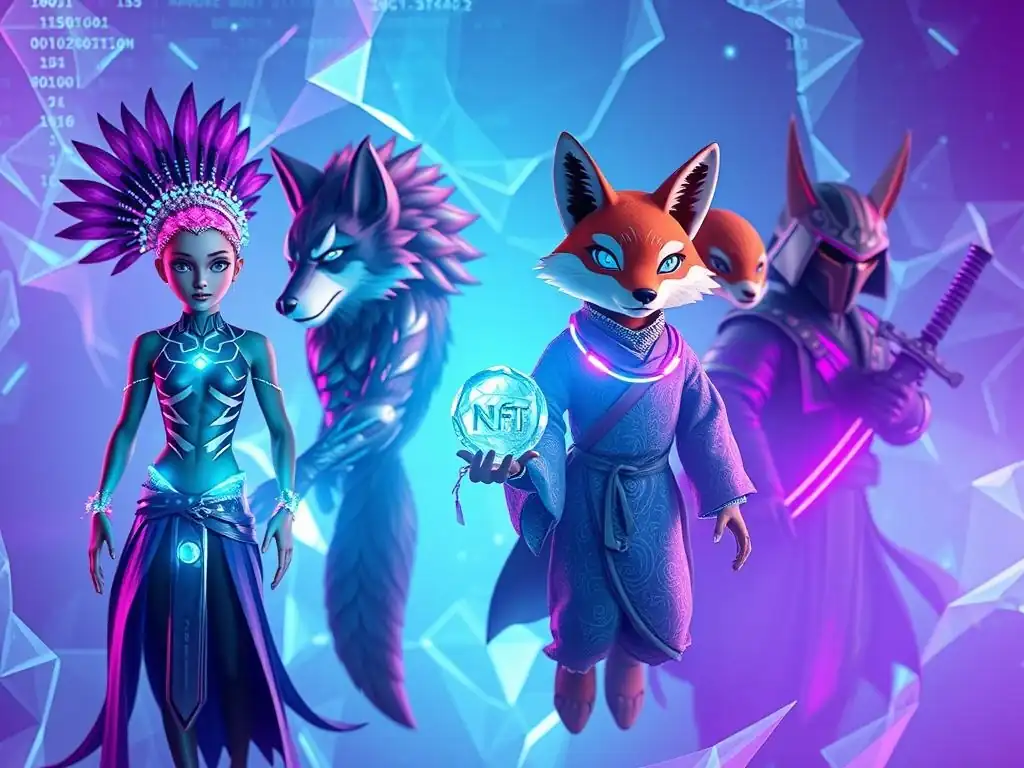
Intrigued by the intersection of blockchain and the metaverse? Then you won't want to miss our deep dive into NFT avatars, where we explore the exciting customization options that are redefining digital identity. How can you truly make your virtual self stand out? Let's uncover the possibilities...
- Digital Collectibles for Virtual Avatars: Customization and Personalization Options
- Exploring Digital Collectible Avatars Customization Options
- Advanced Digital Collectible Avatar Personalization Strategies
- Unique Digital Collectible Avatar Customization Use Cases and Examples
- Benefits of Digital Collectible Avatar Customization
- Challenges and Considerations for Digital Collectible Avatar Personalization
- The Future of Digital Collectible Avatar Customization: Trends and Predictions
- Conclusion: Embracing the Potential of Digital Collectible Avatar Customization
-
Frequently Asked Questions
- How can NFT avatars be customized to reflect individual identity?
- What are the benefits of owning a customizable NFT avatar compared to a traditional avatar?
- What types of customization options are typically available for NFT avatars?
- How does blockchain technology ensure the uniqueness and scarcity of customized NFT avatars?
- What is the future potential for NFT avatar customization and personalization within the metaverse?
- Final Reflection: Embracing Digital Identity Through NFT Avatars
- Level Up Your Avatar: Claim Your Unique Identity!
Digital Collectibles for Virtual Avatars: Customization and Personalization Options
What are Digital Collectible Avatars? A Deep Dive
Digital collectible avatars are unique, verifiable digital representations of individuals within virtual environments, existing as Non-Fungible Tokens (NFTs) on a blockchain. Unlike generic in-game avatars, these digital collectibles offer provable ownership and scarcity, attributes inherent to blockchain technology. Think of them as digital identities that users can own, trade, and utilize across various metaverse platforms. Each NFT avatar is distinct, often characterized by a unique combination of traits, such as visual appearance, accessories, and sometimes even embedded functionalities within virtual worlds.
These avatars represent a paradigm shift in how we perceive digital identity and ownership in virtual spaces. Early examples, like CryptoPunks and Bored Ape Yacht Club, although initially conceived as profile pictures, inadvertently laid the groundwork for avatar adoption. The underlying technology allows for transparent tracking of ownership and authenticity, ensuring that each digital collectible avatar is verifiably unique and belongs to its rightful owner. This foundational aspect of verifiable digital scarcity is crucial for their value and utility within the burgeoning metaverse ecosystem.
The Growing Popularity of Digital Collectible Avatars in the Metaverse
The metaverse, envisioned as a network of persistent, shared virtual worlds, is rapidly driving the demand for digital collectible avatars. As individuals spend increasing amounts of time in these digital realms for work, socializing, and entertainment, the desire for personalized and expressive virtual identities intensifies. Digital collectible avatars serve as the visual embodiment of these virtual identities, allowing users to project their personality, status, and affiliations within the metaverse.
This trend is mirrored by the significant growth in NFT avatar sales. In 2021, NFT sales volume reached approximately $25 billion, with a substantial portion attributed to avatar-related projects, demonstrating a clear market appetite for unique digital representations.
This surge in popularity is further fueled by celebrity endorsements and brand integrations. Notable figures across entertainment and sports have embraced NFT avatars, showcasing them on social media and incorporating them into their personal branding. Furthermore, major brands are recognizing the marketing potential of avatar-based engagement, launching their own NFT avatar collections or partnering with existing projects to reach metaverse audiences. This mainstream adoption significantly contributes to the perceived value and desirability of digital collectible avatars, pushing their integration deeper into metaverse experiences.
The Synergy Between Blockchain, Digital Collectibles, and Virtual Avatars
The convergence of blockchain technology, digital collectibles, and virtual avatars creates a powerful synergy that redefines digital ownership and identity. Blockchain provides the foundational infrastructure for verifying ownership and scarcity of digital assets, making digital collectible avatars truly unique and ownable. This inherent scarcity, coupled with the cryptographic security of blockchain, ensures that these avatars maintain their value and authenticity, unlike traditional in-game avatars which are often tied to specific platforms and lack verifiable ownership outside those ecosystems.
Digital collectibles, as NFTs, leverage this blockchain infrastructure to represent avatars as unique digital assets. This tokenization enables features previously unavailable to virtual avatars, such as cross-platform interoperability (in theory, if platforms adopt compatible standards), provable scarcity, and the potential for decentralized marketplaces for trading and customization.
Virtual avatars, in turn, provide a compelling use case for digital collectibles, giving them a visual and functional purpose within virtual worlds. This synergy is creating a new economy around digital identity, where users have genuine ownership and control over their virtual representations and can participate in thriving ecosystems built upon these digital assets.
Exploring Digital Collectible Avatars Customization Options
Fundamental Digital Collectible Avatar Customization Techniques
Digital collectible avatars offer a wide spectrum of customization options, ranging from basic appearance modifications to more intricate personalizations. These customization techniques allow users to express their individuality and create avatars that resonate with their personal style and virtual persona. Initial customization often revolves around altering the fundamental visual aspects of the avatar, such as skin tones, hairstyles, and facial features. This level of customization mirrors character creation in traditional video games but with the added dimension of these avatars being owned digital assets.
Beyond basic appearance, customization extends to clothing and accessories. Users can equip their avatars with digital garments, ranging from everyday wear to fantastical costumes, and adorn them with accessories like hats, glasses, and jewelry. These digital items, often also represented as NFTs, further enhance personalization and can signify rarity or exclusivity. Finally, emotes and animations add another layer of personality, enabling avatars to express a range of emotions and perform actions within virtual environments. These fundamental customization techniques collectively empower users to craft unique and expressive digital identities within the metaverse.
Changing Appearance: Skins, Hair, and Facial Features
The most immediate form of avatar customization lies in altering the foundational visual elements: skin, hair, and facial features. NFT avatar projects often offer a diverse palette of skin tones, ranging from realistic to fantastical, allowing users to reflect their real-world identity or adopt entirely new personas. Hair customization typically includes a variety of styles, colors, and lengths, enabling users to create hairstyles that match their preferences or current trends. Facial feature customization allows for nuanced personalization, with options to adjust eye shape, nose size, mouth form, and other details to create a unique and recognizable digital face.
For example, projects like World of Women NFTs are celebrated for their diverse and inclusive representation of female avatars, offering a wide array of skin tones and hairstyles that cater to a global audience. Similarly, many metaverse platforms are incorporating increasingly sophisticated avatar creation tools, enabling users to fine-tune facial features with granular control, mirroring the level of detail found in modern video game character creators. This focus on detailed appearance customization reflects the importance of visual identity in virtual spaces and the desire for users to feel authentically represented.
Clothing and Accessories: Personalizing Your Virtual Look
Clothing and accessories are pivotal in further personalizing digital collectible avatars, allowing users to express their style and affiliations. NFT fashion is becoming a significant sector within the metaverse, with designers and brands creating digital garments and accessories that can be equipped on avatars. These digital fashion items range from common clothing like t-shirts and jeans to haute couture virtual outfits, offering a spectrum of styles and price points. Accessories, such as hats, eyewear, jewelry, and even digital pets, provide additional layers of personalization and can denote status or membership within specific communities.
Platforms like Decentraland and The Sandbox actively support NFT wearables, allowing users to purchase and equip digital clothing and accessories for their avatars. Luxury brands are also entering this space, with examples like Gucci and Balenciaga releasing limited-edition digital fashion items for avatars, often selling for significant sums. This integration of fashion into the metaverse underscores the importance of visual presentation and self-expression in virtual environments, mirroring real-world trends where clothing and accessories are key components of personal identity.
Emotes and Animations: Adding Personality and Expression
Beyond static visual appearance, emotes and animations inject personality and dynamism into digital collectible avatars. Emotes are pre-set expressions or gestures that avatars can perform, conveying emotions like happiness, sadness, anger, or excitement. These can range from simple facial expressions to full-body animations, allowing for non-verbal communication and social interaction within virtual worlds. Animations extend beyond static poses and emotes, encompassing movement styles, dance routines, and other dynamic actions that bring avatars to life.
Many metaverse platforms and NFT avatar projects incorporate libraries of emotes and animations that users can access and assign to their avatars. For instance, avatars in VRChat are known for their highly expressive emotes and full-body tracking capabilities, allowing for nuanced communication and performance. Some NFT avatar collections even include unique emotes or animations as inherent traits, adding another layer of rarity and collectibility. The ability to express oneself through emotes and animations is crucial for social interaction in virtual spaces and significantly enhances the sense of presence and personality embodied by digital collectible avatars.
Advanced Digital Collectible Avatar Personalization Strategies
Integrating External Data for Dynamic Avatar Customization
Moving beyond static customization, advanced strategies are emerging that leverage external data to dynamically alter avatar appearance and attributes. This integration of real-world or external data streams opens up exciting possibilities for creating avatars that are not just static representations but evolving digital identities that reflect user activity and achievements. This dynamic customization adds a layer of depth and responsiveness to digital collectible avatars, making them more engaging and personalized.
One prominent approach involves linking avatar attributes to real-world achievements or activities. For example, an avatar's appearance might change based on fitness goals reached in a linked fitness app, or its clothing could reflect achievements earned in external games or platforms. Another strategy utilizes APIs to pull data from various sources, such as social media activity or even real-time weather data, to influence avatar appearance or behavior. These advanced techniques move beyond simple visual customization and towards creating avatars that are truly dynamic and contextually aware digital representations.
Linking Real-World Achievements to Avatar Attributes
Connecting real-world achievements to digital collectible avatar attributes creates a powerful feedback loop that enhances user engagement and provides tangible rewards for real-life accomplishments within the metaverse. Imagine an avatar whose clothing subtly changes color as the user achieves fitness milestones tracked by a wearable device. Or consider an avatar that unlocks new accessories or emotes upon completing certain educational courses or professional certifications in the real world. This type of dynamic customization creates a direct link between real-world progress and virtual identity.
This concept is gaining traction in gamified fitness and education platforms within the metaverse. Projects are exploring partnerships with fitness trackers and online learning platforms to enable users to earn virtual rewards and avatar customizations based on their real-world activity. This integration not only incentivizes positive real-world behaviors but also enhances the personalization and sense of accomplishment associated with digital collectible avatars, bridging the gap between the physical and virtual realms.
Using APIs to Update Avatar Appearance Based on Data Feeds
Leveraging APIs (Application Programming Interfaces) to integrate external data feeds offers another sophisticated avenue for dynamic avatar customization. APIs allow for real-time data exchange between different systems, enabling avatar appearances to be updated based on a wide range of external factors. For instance, an avatar's clothing could automatically adjust to reflect the real-time weather in the user's location, changing from light attire in sunny conditions to heavier clothing when it's raining. Or, an avatar's accessories could change based on the user's social media activity, displaying badges or symbols related to trending topics or recent posts.
This API-driven customization allows for highly contextual and responsive avatars. Imagine attending a virtual concert where your avatar's clothing dynamically syncs with the music's tempo and color palette, creating a visually immersive and personalized experience. Similarly, in virtual workspaces, avatar backgrounds or accessories could reflect the user's current project status or team affiliation, providing at-a-glance contextual information. The use of APIs unlocks a vast potential for creating avatars that are not static images but dynamic, data-driven representations that evolve in real-time.
Programmable Digital Collectibles and Their Potential for Avatar Evolution
Programmable digital collectibles represent the cutting edge of avatar personalization, offering the potential for avatars to evolve and change over time based on pre-defined rules or smart contracts. Unlike static NFTs with fixed traits, programmable NFTs can be designed to adapt and morph, unlocking new appearances, functionalities, or attributes based on specific conditions. This programmability introduces a dynamic and evolving dimension to digital collectible avatars.
Imagine an avatar that starts as a basic form and gradually evolves in appearance and complexity as the user interacts within the metaverse, completes tasks, or reaches certain milestones. These evolutions could be visually represented through changes in clothing, accessories, or even the avatar's core form. Programmable NFTs could also incorporate scarcity mechanisms, with avatar traits becoming rarer or more desirable as they evolve, further enhancing their collectibility and value. This concept of evolving avatars opens up entirely new possibilities for long-term engagement and personalization within the metaverse, moving beyond static digital representations towards dynamic and living digital identities.
Unique Digital Collectible Avatar Customization Use Cases and Examples
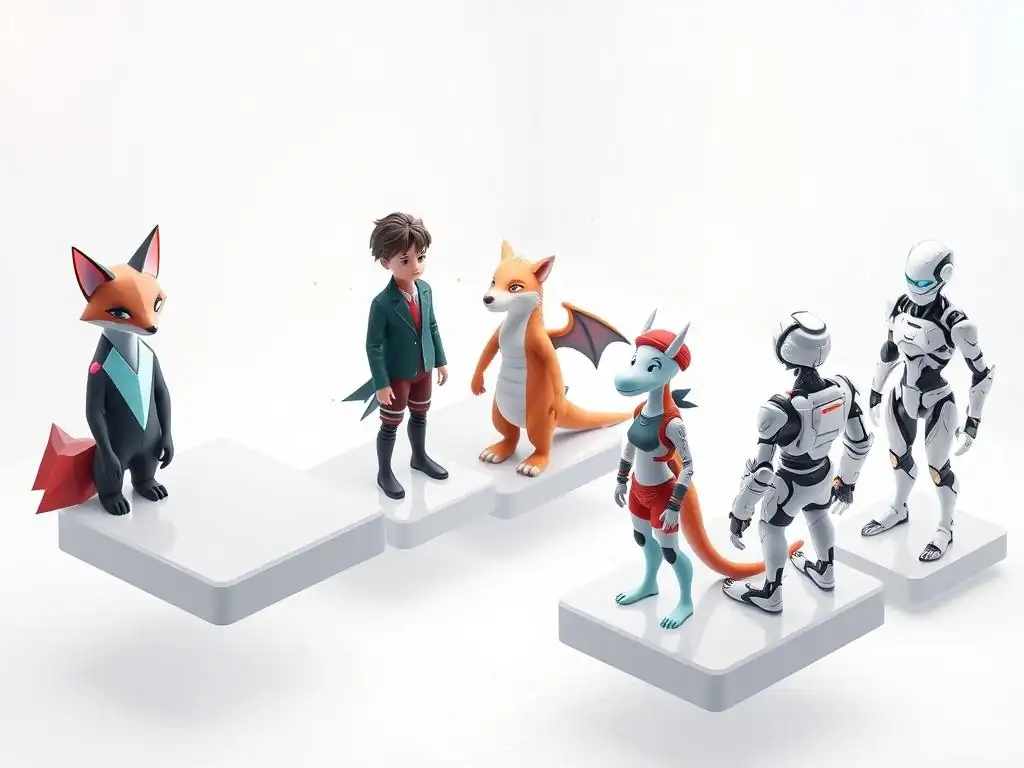
Digital Collectible Avatars in Virtual Games: Fortnite and Roblox
Virtual games like Fortnite and Roblox, while not inherently blockchain-based in their core avatar systems, offer valuable examples of avatar customization within expansive virtual worlds and are increasingly incorporating NFT elements. Fortnite, with its vast array of character skins and cosmetic items, demonstrates the strong demand for avatar personalization in gaming. Players invest significantly in acquiring unique skins and accessories to express their individuality and stand out within the game environment. While these skins are not typically NFTs and lack ownership outside of Fortnite, they illustrate the fundamental principles of avatar customization driving user engagement.
Roblox, with its user-generated content platform, takes avatar customization a step further by empowering users to create and sell their own avatar clothing and accessories. This creator-driven economy mirrors aspects of the NFT ecosystem, although in-game items are generally platform-bound. However, Roblox's success demonstrates the potential of user-generated avatar customization and the economic opportunities it can create. These examples, while pre-dating widespread NFT adoption, highlight the established market demand and user behaviors that are now being amplified by the integration of blockchain and digital collectible avatars in newer metaverse gaming experiences.
Social VR platforms like VRChat and Meta's Horizon Worlds are at the forefront of digital collectible avatar adoption, offering immersive environments where personalized avatars are central to the user experience. VRChat, known for its highly customizable avatar system, allows users to import and use a wide range of avatars, often sourced from the broader 3D modeling community. While not all VRChat avatars are NFTs, the platform fosters a culture of avatar creation and sharing, demonstrating the importance of visual identity in social VR interactions.
Horizon Worlds, Meta's social VR platform, is actively integrating NFT avatars, allowing users to bring their purchased NFT avatars into the metaverse environment. This integration signifies a major step towards interoperability and cross-platform avatar usage. As these platforms evolve, digital collectible avatars are poised to become increasingly central to social interaction and identity representation in virtual reality, driving demand for diverse and customizable avatar options that extend beyond platform-specific limitations.
Digital Collectible Avatars for Digital Identity and Branding
Beyond gaming and social VR, digital collectible avatars are emerging as powerful tools for digital identity and personal branding. NFT avatars can serve as unique profile pictures and digital representations across various online platforms, extending beyond metaverse environments to social media, professional networking sites, and personal websites. Owning a distinctive NFT avatar can signal membership within a specific community, denote digital status, or simply serve as a unique and verifiable online identity.
Celebrities and influencers are increasingly using NFT avatars as profile pictures on platforms like Twitter and Instagram, leveraging their visual distinctiveness and the inherent status associated with NFT ownership. Brands are also exploring the use of NFT avatars for marketing campaigns and digital representations of their brand personas. This application of digital collectible avatars for digital identity and branding highlights their potential to transcend metaverse-specific use cases and become a broader component of online identity management and digital self-expression.
Benefits of Digital Collectible Avatar Customization
Enhanced Self-Expression and Identity in the Metaverse
The primary benefit of digital collectible avatar customization lies in the enhanced self-expression and identity formation it enables within the metaverse. In virtual worlds, avatars are the primary visual representation of an individual, and customization options empower users to craft avatars that authentically reflect their personality, style, and aspirations. This level of personalization goes beyond generic in-game avatars, allowing for nuanced self-expression through visual appearance, clothing, accessories, emotes, and even dynamic behaviors.
Digital collectible avatars, with their inherent uniqueness and ownership, amplify this sense of self-expression. Owning a distinct NFT avatar becomes a statement of digital identity, allowing users to curate a virtual persona that is uniquely theirs. This enhanced self-expression is crucial for fostering a sense of belonging and individualization within the metaverse, allowing users to project their desired identities and connect with others who share similar aesthetic or community affiliations.
Increased Engagement and Community Building
Customizable digital collectible avatars contribute significantly to increased user engagement and community building within metaverse platforms. The ability to personalize avatars fosters a sense of ownership and investment in the virtual experience, encouraging users to spend more time in these environments and actively participate in virtual communities. Avatar customization becomes a form of creative expression and self-discovery, drawing users deeper into the metaverse ecosystem.
Furthermore, unique and recognizable avatars facilitate community building. Distinctive avatars allow users to identify and connect with others who share similar aesthetic preferences or belong to the same avatar communities. NFT avatar collections often cultivate strong online communities around shared ownership and appreciation for specific art styles or traits. This sense of community, fostered by personalized avatars, is a vital component of a thriving metaverse ecosystem, driving social interaction and collaborative experiences.
Monetization Opportunities for Creators and Users
Digital collectible avatar customization opens up diverse monetization opportunities for both creators and users within the metaverse economy. Creators, including artists, designers, and developers, can monetize their avatar designs and customization assets by selling them as NFTs. This creator economy empowers individuals to profit from their artistic skills and contributions to the metaverse. The NFT marketplace provides a transparent and efficient platform for creators to reach a global audience and earn royalties on secondary sales.
Users can also monetize their engagement with customizable avatars through various mechanisms. They can acquire rare or desirable avatar traits and accessories and trade them on NFT marketplaces for profit. Furthermore, in some metaverse platforms, users can earn cryptocurrency or in-game rewards by showcasing their unique avatars or participating in avatar-related events. This monetization potential creates a vibrant virtual economy around digital collectible avatars, incentivizing both creation and active participation within the metaverse.
Challenges and Considerations for Digital Collectible Avatar Personalization
Technical Limitations and Interoperability Issues
Despite the exciting potential, digital collectible avatar personalization faces technical limitations and interoperability challenges. One key challenge is the lack of standardized avatar formats and protocols across different metaverse platforms. Currently, avatars created for one platform may not be easily transferable or compatible with others, limiting cross-platform avatar portability and interoperability. This fragmentation hinders the vision of a truly interconnected metaverse where users can seamlessly carry their digital identities across different virtual worlds.
Technical limitations also arise in rendering complex avatar customizations across diverse devices and network conditions. Highly detailed avatars with intricate animations and dynamic customizations can be computationally demanding, potentially leading to performance issues on lower-end devices or in environments with limited bandwidth. Addressing these technical limitations and establishing interoperability standards are crucial for realizing the full potential of digital collectible avatar personalization.
Security Risks and Intellectual Property Concerns
Security risks and intellectual property concerns are significant considerations in the realm of digital collectible avatar personalization. NFTs, while providing ownership and authenticity, are still susceptible to security vulnerabilities, including phishing scams, wallet hacks, and smart contract exploits. Users need to be vigilant in protecting their NFT avatar assets and exercising caution when interacting with NFT marketplaces and metaverse platforms.
Intellectual property rights are another complex area. While users own their purchased NFT avatars, the underlying intellectual property rights to the avatar designs and traits often remain with the creators or projects. This can lead to ambiguities regarding commercial use, derivative works, and the extent of user rights over their customized avatars. Clear legal frameworks and community guidelines are needed to address these intellectual property concerns and ensure fair and transparent practices within the NFT avatar ecosystem.
Scalability of Complex Digital Collectible Avatar Customizations
The scalability of complex digital collectible avatar customizations presents another challenge as metaverse adoption grows. As users demand increasingly detailed and personalized avatars with dynamic features and interoperability across multiple platforms, the underlying infrastructure needs to scale to support this complexity. Storing and processing vast amounts of avatar data, ensuring real-time rendering of intricate customizations, and maintaining seamless interoperability across a growing number of platforms require significant technological advancements and efficient architectural solutions.
Scalability challenges also extend to the creator economy. As the demand for avatar customization assets increases, platforms need to provide scalable tools and infrastructure for creators to design, mint, and distribute their creations efficiently. Addressing these scalability challenges is crucial for ensuring that the digital collectible avatar ecosystem can accommodate the anticipated growth and complexity of the metaverse.
The Future of Digital Collectible Avatar Customization: Trends and Predictions
AI-Powered Avatar Creation and Personalization
Artificial intelligence (AI) is poised to revolutionize digital collectible avatar creation and personalization. AI-powered tools can streamline avatar creation, enabling users to generate personalized avatars quickly and easily based on text prompts, images, or even biometric data. Imagine using a selfie to instantly create a 3D avatar that captures your likeness and style, or describing your desired avatar in natural language and having AI generate a range of customizable options.
AI can also enhance avatar personalization by dynamically adapting avatar appearances based on user behavior, preferences, and contextual factors. AI algorithms can learn user styles, suggest personalized customization options, and even automatically adjust avatar appearances to match virtual environments or social contexts. This integration of AI will make avatar creation and personalization more accessible, efficient, and deeply tailored to individual user needs and preferences.
Cross-Platform Avatar Compatibility and Interoperability
Cross-platform avatar compatibility and interoperability are crucial trends that will shape the future of digital collectible avatar customization. Industry initiatives and standardization efforts are underway to establish common avatar formats and protocols that enable avatars to be seamlessly transferred and utilized across different metaverse platforms and applications. This interoperability will unlock the true potential of digital collectible avatars as portable digital identities that users can take with them across the entire metaverse.
Achieving cross-platform avatar compatibility will require collaboration among metaverse platforms, avatar creators, and technology providers. Open standards and shared protocols will be essential for ensuring that avatars created in one environment can be easily imported and rendered consistently in others. This trend towards interoperability will significantly enhance the utility and value of digital collectible avatars, making them more versatile and universally applicable digital assets.
The Rise of Decentralized Avatar Identity Systems
Decentralized avatar identity systems are emerging as a transformative trend that will empower users with greater control and ownership over their digital identities. These systems leverage blockchain technology and decentralized identifiers (DIDs) to create self-sovereign avatar identities that are not controlled by any single platform or entity. Users will have full control over their avatar data, customization preferences, and associated digital assets, and can manage their digital identities across different metaverse platforms in a secure and privacy-preserving manner.
Decentralized avatar identity systems will address many of the current limitations of platform-centric avatar systems, enhancing user privacy, security, and control. These systems will also foster greater interoperability and portability of digital identities across the metaverse, paving the way for a more open and user-centric virtual world. The rise of decentralized avatar identity systems represents a fundamental shift towards user empowerment and self-sovereignty in the digital realm.
Conclusion: Embracing the Potential of Digital Collectible Avatar Customization
Digital collectible avatar customization stands at the forefront of metaverse innovation, offering users unprecedented opportunities for self-expression, community building, and digital identity formation. From fundamental appearance modifications to advanced data-driven personalizations and the promise of AI-powered creation, the possibilities for crafting unique and dynamic virtual representations are constantly expanding. While challenges related to technical limitations, security, and scalability persist, the trajectory is clear: digital collectible avatars are becoming increasingly integral to the metaverse experience.
Embracing the potential of digital collectible avatar customization requires ongoing collaboration across technology providers, metaverse platforms, creators, and users to address existing challenges and foster a more interoperable, secure, and user-centric ecosystem. As the metaverse continues to evolve, personalized digital collectible avatars will undoubtedly play a pivotal role in shaping our virtual identities and experiences, unlocking new forms of creativity, social interaction, and economic opportunity within these emerging digital realms.
Frequently Asked Questions
How can NFT avatars be customized to reflect individual identity?
NFT avatars offer various customization options, including changing appearance, clothing, accessories, and even personality traits. These features are often achieved through metadata updates or integrated into metaverse platforms for seamless personalization.
What are the benefits of owning a customizable NFT avatar compared to a traditional avatar?
Unlike traditional avatars, NFT avatars provide verifiable ownership and unique digital identity. Customization options allow for greater self-expression and the potential for interoperability across different virtual worlds.
What types of customization options are typically available for NFT avatars?
Customization options can range from basic adjustments like hair color and clothing to more advanced features like animated emotes and personalized backgrounds. Some projects even allow for trait upgrades using additional NFTs.
How does blockchain technology ensure the uniqueness and scarcity of customized NFT avatars?
Blockchain's immutable ledger guarantees the uniqueness of each NFT avatar, even after customization. Limited edition traits and accessories further enhance scarcity, making certain avatars more valuable and collectible.
What is the future potential for NFT avatar customization and personalization within the metaverse?
The future holds exciting possibilities, including AI-powered avatar creation, dynamic customization based on user behavior, and integration with real-world data. This will lead to more immersive and personalized experiences in the metaverse.
Final Reflection: Embracing Digital Identity Through NFT Avatars
The rise of NFT avatars and their customization options isn't just a technological trend; it's a fundamental shift in how we express ourselves in the digital realm. What began as a niche interest is rapidly evolving into a mainstream avenue for self-expression, community building, and digital ownership, impacting everything from gaming to social media.
This evolution has profoundly influenced the cultural landscape, blurring the lines between our physical and virtual identities. The ability to curate and own a unique digital representation, powered by NFTs, offers a level of personalization previously unimaginable. It allows us to project our personalities, values, and aspirations into the metaverse. Identity is no longer just what you are, but what you create.
- Unknown
As we navigate this exciting frontier, let us consider the power we wield in shaping our digital selves. Let us explore the endless possibilities that NFT avatars offer for customization and personalization, and let us use these tools to build a more vibrant, inclusive, and authentic digital world. The future of identity is in our hands; let's craft it with intention and creativity.
Level Up Your Avatar: Claim Your Unique Identity!
Thank you for exploring the exciting world of NFT avatars with us! We hope you've discovered the endless possibilities for personalizing your digital self. Now, it's time to turn that vision into reality.
- Start browsing NFT marketplaces to find the perfect avatar or accessories that match your style. This is your opportunity to own a truly unique piece in the digital universe!
- Dive into the communities surrounding your favorite avatar projects on platforms like Discord. You might uncover hidden utilities and connect with fellow collectors.
- Consider commissioning a custom NFT avatar from a digital artist! Create something entirely original that genuinely reflects your personality.
What creative avatar will you bring to the metaverse? Share your vision in the comments below!
Leave a Reply