
Otherside NFTs: Exploring Yuga Labs' Metaverse Land Strategy


Welcome to Blockchain Trends, your go-to source for dissecting the real impact of blockchain technology. Beyond the buzzwords and hype, we delve into the transformative potential of decentralized systems across industries. Curious about how blockchain is reshaping the metaverse? Dive into our analysis of Yuga Labs' metaverse land strategy and uncover the key moves shaping the future of digital ownership. What does this mean for the future of digital property rights? Let's explore together...
Otherside NFTs: Exploring Yuga Labs' Metaverse Land Strategy
- Introduction: Unveiling Yuga Labs' Ambitions in the Metaverse
- Understanding Otherside Land NFTs: Key Features and Mechanics
- Yuga Labs' Metaverse Land Strategy: A Deep Dive
- The Economy of Otherside: Value Drivers and Marketplace Dynamics
- Competitive Landscape: Comparing Otherside to Other Metaverse Land Projects
- Challenges and Opportunities for Yuga Labs' Metaverse Land Strategy
- The Future of Otherside: Roadmap and Upcoming Developments
- Conclusion: Yuga Labs and the Future of Metaverse Land Ownership
-
Frequently Asked Questions
- What exactly is Otherside and how does it relate to Yuga Labs' overall metaverse strategy?
- How does the land in Otherside, known as Otherdeeds, function and what utility do they offer holders?
- What were the key factors driving the initial demand and subsequent market fluctuations for Otherdeeds NFTs?
- How has Yuga Labs adapted their Otherside land strategy in response to community feedback and evolving market conditions?
- What are some of the regulatory challenges and considerations that Yuga Labs faces in developing and operating the Otherside metaverse, particularly concerning land ownership and virtual economies?
- Final Reflection: Navigating the Metaverse Frontier
- Ignite Your Metaverse Journey!
Introduction: Unveiling Yuga Labs' Ambitions in the Metaverse
The Rise of Yuga Labs and its Impact on the NFT Space
Yuga Labs emerged as a dominant force in the NFT space, primarily recognized for the creation of the Bored Ape Yacht Club (BAYC). Launched in April 2021, BAYC quickly transcended its initial offering of 10,000 ape NFTs to become a cultural phenomenon and a status symbol.
The project's success was not solely attributed to its unique artwork but also to the strong community it fostered and the utility it offered holders, including exclusive access to online spaces and real-world events. This strategic combination of art, community, and utility established Yuga Labs as a pioneer in leveraging NFTs beyond simple digital collectibles, setting a new standard for NFT projects and demonstrating the potential for digital assets to represent membership and access within exclusive groups.
Building on the monumental success of BAYC, Yuga Labs strategically expanded its ecosystem with subsequent projects like Mutant Ape Yacht Club (MAYC) and Bored Ape Kennel Club (BAKC). These expansions further solidified their position within the NFT market, attracting a broader audience and reinforcing the value proposition of the BAYC brand.
The acquisition of CryptoPunks and Meebits IP from Larva Labs in March 2022 marked a pivotal moment, bringing two of the most historically significant NFT collections under Yuga Labs' umbrella. This acquisition not only consolidated their market leadership but also signaled a clear ambition to build a comprehensive and interconnected metaverse ecosystem centered around their expanding portfolio of iconic NFT brands.
Defining Otherside: Yuga Labs' Metaverse Vision
Otherside represents Yuga Labs' ambitious foray into the metaverse, envisioned as a dynamic and interoperable virtual world. Unlike many metaverse projects focusing on singular experiences, Otherside aims to create a platform that connects various NFT communities and brands, starting with its own prominent collections like BAYC, MAYC, CryptoPunks, and Meebits.
The project is designed as a massively multiplayer online role-playing game (MMORPG) environment, suggesting a focus on immersive experiences, social interaction, and player-driven narratives within a persistent virtual world. This vision extends beyond simple land ownership, aiming to create a vibrant digital society where users can interact, play, and participate in a decentralized ecosystem.
The core concept of Otherside revolves around "Voyagers," individuals who own Otherdeed NFTs, representing plots of land within the metaverse. These deeds are not just digital real estate; they are presented as keys to participating in the Otherside universe and shaping its future. Yuga Labs has emphasized decentralization and community involvement in the development of Otherside, suggesting a governance model that empowers landowners to influence the direction of the metaverse. This approach contrasts with more centralized metaverse platforms, positioning Otherside as a potentially more democratic and user-owned virtual world, aligning with the core principles of blockchain and Web3.
The Significance of Land Ownership in the Metaverse
Land ownership within metaverses like Otherside is a foundational element, mirroring real-world concepts of property and territory in a digital context. In the metaverse, land NFTs represent ownership of virtual space, granting holders rights to develop, customize, and monetize their digital plots.
This ownership model is crucial for fostering a user-driven metaverse, as it empowers individuals and communities to build their own experiences and economies within the virtual world, rather than being solely reliant on centralized platforms. The scarcity of land in many metaverses, including Otherside, further elevates its significance, making it a potentially valuable asset within the digital economy.
Beyond mere ownership, metaverse land often serves as a gateway to various in-world utilities and opportunities. In Otherside, land NFTs are expected to provide access to resources, gameplay mechanics, and governance participation.
Land can be developed for various purposes, such as hosting virtual events, creating interactive experiences, building virtual businesses, or simply as a digital space for social interaction and self-expression. The potential for monetization through rent, advertising, or the creation of in-world services adds another layer of value to metaverse land, making it a significant component of the emerging digital asset landscape and a key aspect of Yuga Labs' metaverse land strategy.
Understanding Otherside Land NFTs: Key Features and Mechanics
What are Otherside Deeds? Exploring the Land NFT Standard
Otherside Deeds are the official NFTs representing land parcels within the Otherside metaverse. These NFTs, minted on the Ethereum blockchain, are not merely static images; they are dynamic digital assets that serve as access passes and ownership certificates for virtual land. The initial sale of Otherdeed NFTs in April 2022 was structured in a tiered system, with different types of land plots offered, each possessing varying characteristics and resource allocations. This tiered approach introduced an element of rarity and strategic value to different land parcels, influencing their desirability and market value within the Otherside ecosystem.
The standard for Otherdeed NFTs is based on the ERC-721 token standard, commonly used for NFTs on Ethereum, but with specific metadata and attributes tailored to the Otherside metaverse. Each Otherdeed NFT contains information about the land's location within the Otherside world, its tier or rarity, and potentially embedded resources or Kodas, which are enigmatic beings associated with the Otherside lore. This metadata is crucial for defining the unique properties of each land plot and its utility within the metaverse, forming the foundation of Yuga Labs' metaverse land strategy and the Otherside economy.
Resources and Utility: What Can You Do with Otherside Land?
Otherside land is designed to be more than just a visual representation of virtual space; it is intended to be a functional asset within the Otherside metaverse ecosystem. Land plots are expected to grant owners access to various resources within the game world, crucial for crafting, building, and potentially earning within the metaverse.
While the full extent of these resources and their utility is still unfolding, Yuga Labs has indicated that land will play a central role in the Otherside gameplay loop, offering practical advantages to landowners. This resource-driven utility is a key component of the Otherside land value proposition, distinguishing it from purely aesthetic or speculative metaverse land NFTs.
Beyond resource access, Otherside land is anticipated to provide opportunities for customization and development. Landowners are expected to be able to build structures, create experiences, and potentially host events on their plots. This ability to develop and personalize virtual land is crucial for fostering a vibrant and user-generated metaverse environment. Furthermore, land ownership is also expected to be tied to governance rights within Otherside, allowing landowners to participate in decision-making processes that shape the future of the metaverse, emphasizing the community-driven aspect of Yuga Labs' metaverse land strategy.
Kodas and Other Mysterious Elements: Unlocking the Secrets of Otherside Plots
Kodas are enigmatic and highly sought-after beings that were randomly distributed to a subset of Otherdeed NFTs during the initial land sale. These Kodas are presented as mysterious entities with unique appearances and potentially significant roles within the Otherside lore and gameplay. Their inclusion in certain land plots significantly increased the perceived value of those deeds, turning them into highly coveted assets within the Otherside market. The mystery surrounding Kodas and their purpose has fueled speculation and excitement within the Otherside community, adding a layer of intrigue to Yuga Labs' metaverse land strategy.
In addition to Kodas, Otherdeed NFTs also contain other mysterious elements and varying resource distributions, contributing to the uniqueness of each land plot. These elements are intentionally designed to be discovered and explored within the Otherside metaverse, encouraging exploration and community collaboration. The inclusion of these hidden features and rarities adds a layer of gameification to land ownership, making the acquisition and exploration of Otherside land an engaging and potentially rewarding experience, further driving interest in Yuga Labs' metaverse land strategy.
Yuga Labs' Metaverse Land Strategy: A Deep Dive
The Initial Otherside Land Sale: Genesis and Aftermath
The initial Otherside land sale, held in April 2022, was a landmark event in the metaverse space, generating unprecedented demand and transaction volume. Yuga Labs opted for a Dutch auction mechanism to distribute 55,000 Otherdeed NFTs, aiming for a more equitable distribution and price discovery process.
However, the immense demand for the sale led to significant congestion on the Ethereum network, resulting in soaring gas fees and widespread transaction failures. Despite the technical challenges, the sale was overwhelmingly successful in terms of revenue generation, raising hundreds of millions of dollars and establishing Otherside as a major player in the metaverse land market.
The aftermath of the initial sale saw a volatile secondary market for Otherdeed NFTs. Prices initially surged as demand outstripped supply, but subsequently corrected as the initial hype subsided and the broader crypto market experienced downturns.
Despite the price fluctuations, the Otherside land sale demonstrated the strong interest in Yuga Labs' metaverse vision and the potential value of virtual land within established NFT ecosystems. The event also highlighted the challenges of scaling metaverse land sales and the need for more efficient and user-friendly mechanisms for future launches, lessons learned that will likely inform Yuga Labs' metaverse land strategy moving forward.
Decentralization and Community Ownership in Otherside
A core tenet of Yuga Labs' metaverse land strategy for Otherside is the emphasis on decentralization and community ownership. Unlike centralized metaverse platforms where land and assets are controlled by a single entity, Otherside is designed to be a more decentralized ecosystem where landowners have a greater degree of autonomy and influence. This approach aligns with the broader ethos of blockchain and Web3, aiming to empower users and distribute control rather than centralizing it. The commitment to decentralization is evident in the planned governance mechanisms for Otherside and the focus on user-generated content and experiences.
Community ownership in Otherside is fostered through the distribution of land NFTs to a wide range of individuals and groups, including BAYC and MAYC holders, as well as participants in the public sale. This diverse ownership base is intended to create a more democratic and representative metaverse community.
Furthermore, Yuga Labs has indicated plans for decentralized autonomous organization (DAO) governance for Otherside, potentially giving land owners voting rights and the ability to shape the future development and direction of the metaverse. This commitment to community governance is a key differentiator in Yuga Labs' metaverse land strategy, aiming to build a user-centric and sustainable virtual world.
Staking and Earning: The Potential for Passive Income with Otherside Land
While the specific staking and earning mechanisms for Otherside land are still under development, Yuga Labs has hinted at potential opportunities for landowners to generate passive income from their virtual assets. Staking, a common mechanism in blockchain ecosystems, could involve locking up Otherdeed NFTs to earn rewards, potentially in ApeCoin or other in-game currencies. This would incentivize long-term land ownership and participation in the Otherside ecosystem, aligning with Yuga Labs' metaverse land strategy to create a vibrant and active virtual world.
Beyond staking, the utility of Otherside land in resource generation and in-world development could also create avenues for passive income. Landowners might be able to rent out their virtual spaces to other players or businesses, or generate revenue from resources extracted from their plots.
The development of user-generated experiences and virtual businesses on Otherside land could further expand the earning potential for landowners. These potential income streams add another layer of attractiveness to Otherside land NFTs, making them not only digital collectibles but also potentially productive assets within the metaverse economy, a key aspect of Yuga Labs' metaverse land strategy to attract and retain users.
The Economy of Otherside: Value Drivers and Marketplace Dynamics
Assessing the Value of Otherside Land NFTs: Factors Influencing Price
The value of Otherside land NFTs is influenced by a complex interplay of factors, reflecting both intrinsic and extrinsic elements. Intrinsic factors include the land's tier or rarity, resource allocation, and the presence of Kodas or other special attributes. Land plots with higher tiers, richer resource deposits, or Kodas are generally considered more valuable due to their perceived utility and scarcity within the Otherside metaverse. These intrinsic qualities are fundamental drivers of value in Yuga Labs' metaverse land strategy.
Extrinsic factors, such as market sentiment, overall crypto market conditions, and the perceived success of the Otherside project, also significantly impact land NFT prices. Positive news and developments related to Otherside, such as successful gameplay launches or partnerships, tend to drive up demand and prices. Conversely, negative market trends or concerns about the project's future can lead to price declines. Furthermore, broader trends in the NFT and metaverse markets also influence the valuation of Otherside land, highlighting the dynamic and speculative nature of the digital asset market and its impact on Yuga Labs' metaverse land strategy.
The ApeCoin Ecosystem and its Role in the Otherside Metaverse
ApeCoin (APE) is the utility and governance token of the BAYC ecosystem and plays a central role in the Otherside metaverse. APE is intended to be the primary currency within Otherside, used for transactions, governance, and potentially staking and rewards. The integration of ApeCoin into Otherside creates a synergistic relationship between the BAYC ecosystem and the metaverse project, leveraging the established community and brand recognition of BAYC to drive adoption and value for Otherside. This strategic integration of ApeCoin is a cornerstone of Yuga Labs' metaverse land strategy, aiming to create a cohesive and interconnected ecosystem.
The ApeCoin DAO, a decentralized autonomous organization governing the ApeCoin ecosystem, also plays a significant role in shaping the direction of Otherside. ApeCoin holders can participate in governance proposals related to Otherside, influencing key decisions about the metaverse's development and evolution. This decentralized governance model further reinforces the community-driven nature of Otherside and empowers ApeCoin holders to have a stake in the metaverse's future, a key element of Yuga Labs' metaverse land strategy focused on decentralization and community engagement.
The Otherside Marketplace: Trading and Interacting within the Metaverse
The Otherside marketplace is the dedicated platform for trading Otherdeed NFTs and potentially other in-world assets within the metaverse ecosystem. This marketplace facilitates peer-to-peer transactions, allowing users to buy, sell, and trade land NFTs and other digital assets. The existence of a dedicated marketplace is crucial for creating liquidity and price discovery for Otherside land, enabling a vibrant and active secondary market. This marketplace infrastructure is essential for the functioning of the Otherside economy and a key component of Yuga Labs' metaverse land strategy to foster a thriving virtual ecosystem.
Beyond trading, the Otherside marketplace is envisioned as a central hub for interacting with the metaverse ecosystem. It may incorporate features for exploring land plots, viewing metadata, and potentially interacting with in-world experiences directly from the marketplace interface. This integration of trading and interaction functionalities aims to create a seamless and user-friendly experience for navigating the Otherside metaverse and engaging with its digital assets. The marketplace is therefore not just a trading platform but also a gateway to the broader Otherside experience, supporting Yuga Labs' metaverse land strategy to build a comprehensive and accessible virtual world.
Competitive Landscape: Comparing Otherside to Other Metaverse Land Projects
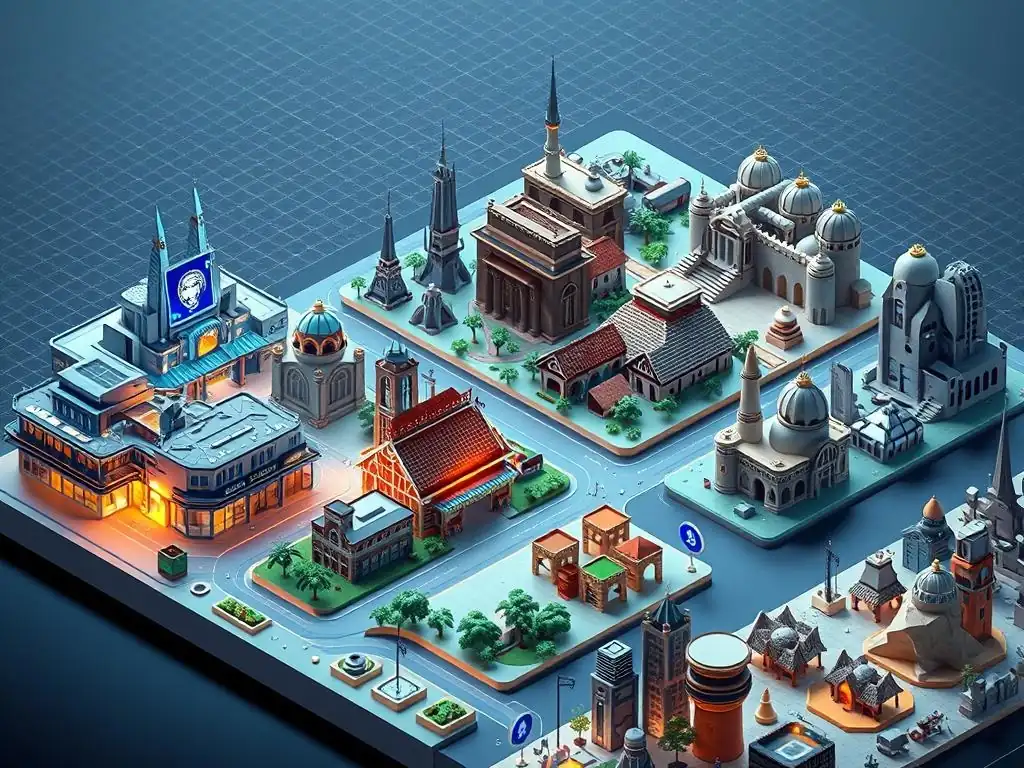
Otherside vs. Decentraland: A Comparative Analysis
Decentraland, launched in 2020, is one of the pioneers in the metaverse land space, offering a decentralized and user-owned virtual world. Compared to Otherside, Decentraland is more established and has a longer track record, with a functioning virtual world that users can explore and interact with. Decentraland's land NFTs, known as LAND, have been traded for several years and have established a mature market. However, Decentraland's graphics and gameplay are generally considered less advanced than what is anticipated for Otherside, which is leveraging Yuga Labs' significant resources and experience in community building and NFT innovation.
Otherside differentiates itself from Decentraland primarily through its association with the BAYC ecosystem and its focus on interoperability and community integration. While Decentraland is open to various projects and communities, Otherside is explicitly designed to be a metaverse for the BAYC ecosystem and related NFT brands, potentially attracting a more targeted and engaged user base.
Furthermore, Otherside's emphasis on MMORPG-style gameplay and resource utility contrasts with Decentraland's more open-ended and social-focused environment. Yuga Labs' metaverse land strategy for Otherside appears to be geared towards creating a more immersive and gamified experience compared to Decentraland's more established but potentially less dynamic virtual world.
Otherside vs. The Sandbox: Key Differences and Similarities
The Sandbox is another prominent metaverse platform that focuses on user-generated content and voxel-based world-building. Similar to Otherside, The Sandbox features land NFTs, known as LANDs, which users can use to create and monetize experiences. The Sandbox has gained significant traction through partnerships with major brands and celebrities, attracting a diverse user base and showcasing the potential for metaverse land in entertainment and commerce. Both Otherside and The Sandbox emphasize user ownership and creative expression within their virtual worlds.
Key differences between Otherside and The Sandbox lie in their visual style, target audience, and ecosystem focus. The Sandbox adopts a distinctive voxel art style, appealing to users who appreciate block-based building and gaming experiences. Otherside, while details are still emerging, is expected to have a more visually sophisticated and potentially realistic aesthetic, leveraging Yuga Labs' brand image and aiming for a broader appeal.
Furthermore, Otherside's strong association with the BAYC ecosystem and its focus on interoperability with other NFT communities differentiate it from The Sandbox's more open and brand-partnership-driven approach. Yuga Labs' metaverse land strategy for Otherside appears to be focused on leveraging its existing community and brand power to create a distinct and potentially more exclusive metaverse experience compared to The Sandbox's wider appeal.
Evaluating the Long-Term Potential of Otherside in the Metaverse Arena
Evaluating the long-term potential of Otherside requires considering both its strengths and the broader challenges facing the metaverse space. Otherside benefits from Yuga Labs' strong brand, established NFT communities, and significant financial resources. The association with BAYC, CryptoPunks, and Meebits provides a built-in user base and brand recognition, giving Otherside a significant advantage in attracting users and developers. Yuga Labs' metaverse land strategy, focused on community ownership, interoperability, and immersive gameplay, positions Otherside to be a major player in the metaverse arena.
However, the long-term success of Otherside, like all metaverse projects, is contingent on overcoming challenges related to user adoption, scalability, and the evolving regulatory landscape. Attracting and retaining a large and active user base is crucial for the vibrancy of any metaverse. Scalability issues, particularly in handling large numbers of concurrent users and transactions, need to be addressed to ensure a smooth and enjoyable user experience.
Furthermore, regulatory uncertainties surrounding virtual assets and metaverse land ownership pose potential risks. Despite these challenges, Otherside's strong foundation and Yuga Labs' strategic approach suggest significant long-term potential within the metaverse arena, contingent on successful execution of Yuga Labs' metaverse land strategy and adaptation to the evolving metaverse landscape.
Challenges and Opportunities for Yuga Labs' Metaverse Land Strategy
Regulatory Hurdles and Legal Considerations for Metaverse Land
The nascent nature of metaverse land ownership brings with it a range of regulatory hurdles and legal considerations that Yuga Labs and Otherside must navigate. The legal classification of metaverse land as property is still evolving in most jurisdictions, creating uncertainty around ownership rights, taxation, and legal recourse in case of disputes. Regulatory bodies are beginning to pay closer attention to NFTs and metaverse assets, and future regulations could significantly impact the metaverse land market and Yuga Labs' metaverse land strategy.
Compliance with anti-money laundering (AML) and know your customer (KYC) regulations also poses challenges for metaverse platforms. Transactions involving metaverse land NFTs may fall under regulatory scrutiny, requiring platforms to implement compliance measures. Furthermore, cross-border legal issues arise in the metaverse, as virtual worlds transcend geographical boundaries, creating complexities in jurisdiction and enforcement. Addressing these regulatory hurdles and legal considerations is crucial for the long-term sustainability and legitimacy of Otherside and Yuga Labs' metaverse land strategy.
Scalability and Performance Issues in Virtual Worlds
Scalability and performance are critical technical challenges for large-scale metaverses like Otherside. Hosting thousands or even millions of concurrent users in a seamless and interactive virtual environment requires significant computational resources and network infrastructure. Lag, latency, and performance issues can detract from the user experience and hinder adoption. Yuga Labs must address these scalability challenges to ensure that Otherside can handle a growing user base and deliver a smooth and engaging metaverse experience, a crucial aspect of Yuga Labs' metaverse land strategy for long-term success.
Optimizing performance while maintaining visual fidelity and interactivity is a complex balancing act. Technological advancements in areas like cloud computing, edge computing, and blockchain scaling solutions are crucial for overcoming these limitations. Furthermore, efficient game engine design and optimized network protocols are essential for delivering a performant metaverse experience. Addressing these scalability and performance issues is paramount for Yuga Labs to realize the full potential of Otherside and execute its metaverse land strategy effectively.
The Future of Interoperability and Cross-Metaverse Experiences
The future of the metaverse is increasingly envisioned as an interconnected web of virtual worlds, rather than isolated platforms. Interoperability, the ability for users and assets to move seamlessly between different metaverses, is seen as crucial for realizing this vision. Yuga Labs' metaverse land strategy for Otherside acknowledges the importance of interoperability, with plans to integrate with other NFT communities and potentially other metaverse platforms. However, achieving true interoperability across diverse metaverse ecosystems presents significant technical and standardization challenges.
Developing common standards for avatars, assets, and data exchange across metaverses is essential for enabling interoperability. Collaboration among metaverse platforms and industry stakeholders is needed to establish these standards and foster a more open and interconnected metaverse ecosystem. The success of interoperability initiatives will significantly impact the user experience and the overall potential of the metaverse, including Otherside. The ability for Otherside users to bring their avatars and assets to other metaverses, and vice versa, would enhance the value proposition of Otherside land and contribute to the broader metaverse ecosystem.
The Future of Otherside: Roadmap and Upcoming Developments
Yuga Labs' Vision for the Evolution of Otherside
Yuga Labs' vision for the evolution of Otherside is centered on creating a dynamic, user-owned, and interoperable metaverse experience. The roadmap for Otherside is expected to involve iterative development, with new features, functionalities, and experiences rolled out over time. Gameplay mechanics, resource utility, and social interaction features are likely to be expanded upon as the metaverse evolves. Yuga Labs' metaverse land strategy is likely to adapt and evolve based on user feedback, market trends, and technological advancements, ensuring the long-term relevance and appeal of Otherside.
Community involvement and decentralized governance are expected to remain core principles in the future development of Otherside. Yuga Labs is likely to continue to empower landowners and ApeCoin holders to participate in shaping the metaverse's direction through governance mechanisms and community feedback loops. This commitment to decentralization and user empowerment is a key differentiator for Otherside and a central element of Yuga Labs' metaverse land strategy for building a sustainable and thriving virtual world.
Potential Partnerships and Collaborations within the Metaverse
Partnerships and collaborations are likely to play a significant role in the future growth and expansion of Otherside. Yuga Labs may seek partnerships with other metaverse platforms, gaming studios, brands, and content creators to enrich the Otherside ecosystem and broaden its reach. Collaborations with other NFT projects could further enhance interoperability and community integration within the metaverse. Strategic partnerships will be crucial for Yuga Labs' metaverse land strategy to expand the functionality and appeal of Otherside and position it as a central hub within the broader metaverse landscape.
Potential areas for partnerships include integrating with existing gaming ecosystems, incorporating branded experiences within Otherside, and collaborating on interoperability standards with other metaverse platforms. These partnerships could bring new users, content, and functionalities to Otherside, enhancing its value proposition and attracting a wider audience. Strategic alliances will be a key driver of growth and innovation for Otherside and an integral part of Yuga Labs' metaverse land strategy to build a comprehensive and interconnected virtual world.
The Impact of Otherside on the Broader Blockchain and Metaverse Ecosystem
Otherside has the potential to significantly impact the broader blockchain and metaverse ecosystem. As a high-profile metaverse project backed by Yuga Labs and the BAYC community, Otherside can drive further adoption of NFTs and metaverse land ownership. Its success could inspire other brands and creators to explore metaverse initiatives and contribute to the growth of the overall metaverse market. Yuga Labs' metaverse land strategy, with its focus on community ownership and interoperability, could set a precedent for future metaverse projects and influence the evolution of the metaverse landscape.
Furthermore, Otherside's integration of ApeCoin and its emphasis on decentralized governance can contribute to the development of decentralized autonomous organizations (DAOs) and the broader Web3 ecosystem. The project's technological innovations and approaches to scalability and interoperability could also provide valuable lessons and insights for other metaverse developers. The impact of Otherside on the blockchain and metaverse ecosystem will likely extend beyond its own platform, shaping the future direction of virtual worlds and the digital asset landscape as a whole.
Conclusion: Yuga Labs and the Future of Metaverse Land Ownership
Recap of Yuga Labs' Metaverse Land Strategy
Yuga Labs' metaverse land strategy for Otherside centers around building a dynamic, community-owned, and interoperable virtual world leveraging the power of NFTs and the BAYC ecosystem. The strategy emphasizes decentralization, user empowerment, and immersive gameplay experiences, aiming to create a metaverse that is both engaging and economically sustainable. The initial land sale, the integration of ApeCoin, and the focus on community governance are key components of this strategy. Yuga Labs aims to establish Otherside as a leading metaverse platform by combining its brand power, community engagement expertise, and innovative approach to metaverse land ownership.
The strategy also acknowledges the challenges and opportunities inherent in the nascent metaverse space, including regulatory uncertainties, scalability issues, and the need for interoperability. Yuga Labs is positioning Otherside to navigate these challenges through a combination of technological innovation, strategic partnerships, and a commitment to community-driven development. The long-term success of Yuga Labs' metaverse land strategy will depend on its ability to execute its vision, adapt to the evolving metaverse landscape, and foster a thriving and engaged community within Otherside.
The Transformative Potential of NFTs in Virtual Worlds Like Otherside
NFTs are proving to be transformative assets in virtual worlds like Otherside, enabling verifiable digital ownership, creating new economic models, and empowering users within metaverse ecosystems. Otherside land NFTs represent not just virtual real estate but also access passes, utility tokens, and governance rights, demonstrating the multifaceted potential of NFTs in metaverse environments. The success of Otherside and other metaverse projects is showcasing how NFTs can underpin decentralized virtual economies and create new forms of digital ownership and interaction.
The transformative potential of NFTs extends beyond land ownership to avatars, in-game items, and virtual experiences. NFTs can enable true ownership of digital assets, allowing users to control and monetize their creations and contributions within metaverses. This shift towards user-owned digital assets has the potential to revolutionize the gaming and entertainment industries, creating more equitable and user-centric virtual worlds. Otherside and Yuga Labs' metaverse land strategy are at the forefront of this transformation, demonstrating the power of NFTs to shape the future of the metaverse and digital ownership.
Frequently Asked Questions
What exactly is Otherside and how does it relate to Yuga Labs' overall metaverse strategy?
Otherside is Yuga Labs' ambitious metaverse project, centered around digital land ownership. It's designed to be an interoperable MMORPG world where various NFT collections can interact and participate. This forms a key part of their broader strategy to build a dominant presence in the Web3 gaming and metaverse space.
How does the land in Otherside, known as Otherdeeds, function and what utility do they offer holders?
Otherdeeds are NFTs representing land parcels within the Otherside metaverse. They offer utility through resource gathering, storytelling integration, and potential for building interactive experiences. Owners can develop their land and participate in the evolving Otherside ecosystem.
What were the key factors driving the initial demand and subsequent market fluctuations for Otherdeeds NFTs?
Initial demand was fueled by the Yuga Labs brand reputation and the promise of a groundbreaking metaverse experience. Market fluctuations were influenced by factors like gas fees during the mint, overall NFT market trends, and speculation surrounding the metaverse's development.
How has Yuga Labs adapted their Otherside land strategy in response to community feedback and evolving market conditions?
Yuga Labs has adjusted their strategy by prioritizing community feedback on gameplay and land development. They are also exploring different ownership and governance models to better align with the decentralized ethos of Web3. This helps to ensure the long-term sustainability of the project.
What are some of the regulatory challenges and considerations that Yuga Labs faces in developing and operating the Otherside metaverse, particularly concerning land ownership and virtual economies?
Regulatory challenges include clarifying the legal status of virtual land and NFTs, addressing concerns about securities laws, and navigating evolving regulations around virtual economies and taxation. Yuga Labs must ensure compliance to avoid legal hurdles.
The exploration of Yuga Labs' Otherside NFT project reveals more than just a digital land grab; it showcases a bold vision for the future of online interaction and community building. As we've seen, their strategy is multifaceted, blending scarcity, utility, and a strong brand identity to create a compelling metaverse experience. In a world increasingly defined by digital ownership and virtual spaces, understanding these strategies is crucial for anyone seeking to navigate the evolving landscape of the internet.
The impact of Otherside, and Yuga Labs' broader metaverse ambitions, extends far beyond the realm of cryptocurrency and NFTs. It's shaping how we think about identity, ownership, and social interaction in the digital age. This project, and others like it, are not just technological advancements; they are cultural experiments, pushing the boundaries of what it means to connect and create in a virtual world. The metaverse is coming, and it will affect every product, company, and person that exists in the real world.
- Matthew Ball, Metaverse Expert. This quote underscores the profound and potentially transformative impact of these emerging technologies.
Now, as you consider the implications of Yuga Labs' metaverse land strategy, I invite you to reflect on your own role in this evolving digital frontier. How will you participate in the creation of these new virtual worlds? What values will you bring to these spaces? The future of the metaverse is not predetermined; it is being shaped by the choices we make today. Embrace the opportunity to learn, experiment, and contribute to a future where digital spaces are inclusive, empowering, and truly reflective of the best aspects of human connection.
Ignite Your Metaverse Journey!
Thank you for exploring the world of Otherside and Yuga Labs' innovative approach to metaverse land development. Now that you have gained valuable insights into this groundbreaking project, it's time to elevate your understanding and involvement.
Here's how you can get more involved:
- Explore available land plots within the Otherside ecosystem and consider investing. This is your opportunity to become part of the future of virtual worlds.
- Join the Otherside community: Connect with fellow enthusiasts, share your ideas, and learn from others actively shaping the metaverse landscape.
- Contribute to ongoing discussions by proposing unique game concepts or experiences that could thrive within the Otherside environment.
What creative experience will you bring to the Otherside universe, and how will you use your knowledge to make it a reality?
Leave a Reply