
Unlocking the Metaverse: The Essential Role of Blockchain Interoperability


Welcome to Blockchain Trends, your premier source for understanding the revolutionary impact of blockchain technology.
Dive into the exciting world of decentralized innovation and discover how blockchain is reshaping industries beyond just cryptocurrencies. Are you ready to explore the key to a truly interconnected digital future? Our deep dive into Blockchain interoperability metaverse standards unveils the crucial element unlocking seamless experiences within the metaverse. Uncover the potential, the challenges, and the groundbreaking solutions that are paving the way for a more unified and decentralized tomorrow. Let's explore!
Unlocking the Metaverse: The Essential Role of Blockchain Interoperability
- Introduction: The Metaverse and the Need for Seamless Blockchain Integration
- Understanding Blockchain Interoperability for Metaverse Environments
- The Role of Blockchain Interoperability in Shaping the Metaverse Experience
- Blockchain Interoperability Standards for the Metaverse: Defining the Future
-
Use Cases: Blockchain Interoperability in Action in the Metaverse
- Gaming: Enabling Cross-Game Asset Ownership and Utilization
- Digital Art and Collectibles (NFTs): Fostering a Unified Market Across Platforms
- Virtual Events and Social Experiences: Creating Interconnected Virtual Worlds
- Enterprise Metaverse Applications: Supply Chain Tracking Across Multiple Private Blockchains
- Addressing the Challenges of Blockchain Interoperability in the Metaverse
- The Future of Blockchain Interoperability and the Metaverse
- Conclusion: Realizing the Full Potential of the Metaverse Through Blockchain Interoperability
-
Frequently Asked Questions
- What is blockchain interoperability and why is it crucial for the metaverse?
- How does blockchain interoperability contribute to the standardization of the metaverse?
- What are some of the key challenges in achieving blockchain interoperability for the metaverse?
- How can metaverse standards benefit from advancements in blockchain technology?
- How does DeFi (Decentralized Finance) play a role in the interoperable metaverse?
- Final Reflection: Bridging Worlds, Building Futures
- Dive Deeper: Shape the Future of the Metaverse!
Introduction: The Metaverse and the Need for Seamless Blockchain Integration
Defining the Metaverse: A World of Interconnected Virtual Experiences
The metaverse, envisioned as the next evolution of the internet, is rapidly moving from science fiction to a tangible reality. It represents a persistent, shared, 3D virtual world where users can interact with each other, digital objects, and virtual environments in immersive and engaging ways. Imagine a future where you can seamlessly transition from a virtual concert to a collaborative workspace, all within the same interconnected digital realm.
This vision extends beyond gaming and entertainment, encompassing areas like education, commerce, and social interaction, promising a fundamental shift in how we live, work, and play. The metaverse, at its core, aims to blur the lines between the physical and digital worlds, creating a unified and persistent digital universe.
This expansive digital frontier is being built on a foundation of diverse technologies, and blockchain is emerging as a critical component. Blockchain technology offers decentralization, security, and transparency – essential elements for establishing trust and ownership within the metaverse. From managing digital identities and assets to facilitating secure transactions and governance, blockchain's potential applications are vast and varied. However, the current blockchain landscape is fragmented, with numerous independent networks operating in silos. This fragmentation presents a significant hurdle to realizing the full potential of a truly interconnected and seamless metaverse.
The Challenge of Siloed Blockchains in the Metaverse
The current blockchain ecosystem resembles a collection of walled gardens, each operating independently with its own rules, currencies, and ecosystems. This lack of communication and compatibility between different blockchains poses a significant challenge to the development of a unified metaverse. Imagine owning a digital asset, like a unique avatar skin, on one blockchain-based metaverse platform, but being unable to use or transfer it to another platform built on a different blockchain.
This scenario highlights the friction and limitations imposed by siloed blockchains. Users are essentially locked into specific ecosystems, hindering the free flow of assets, data, and experiences across the metaverse.
This fragmentation not only limits user experience but also stifles innovation and growth within the metaverse space. Developers are forced to choose a specific blockchain ecosystem to build upon, potentially limiting their reach and interoperability with other platforms. The lack of interoperability can lead to duplicated efforts, fragmented user bases, and a less cohesive overall metaverse experience. For the metaverse to truly flourish as an open and interconnected digital realm, it must overcome these limitations and embrace solutions that enable seamless communication and interaction between different blockchain networks.
Why Blockchain Interoperability is Crucial for Metaverse Success
Blockchain interoperability, the ability for different blockchains to communicate and share information with each other, is not just a technical nicety, but a fundamental requirement for a thriving metaverse. It is the key to unlocking the true potential of a decentralized and interconnected digital world. Without interoperability, the metaverse risks becoming a collection of isolated virtual islands, rather than the unified digital continent envisioned by its proponents.
Imagine the internet without the ability for different websites and servers to communicate – it would be a fragmented and significantly less useful tool. Similarly, a metaverse built on siloed blockchains will fall short of its transformative potential.
Interoperability is crucial for enabling the seamless transfer of digital assets across different metaverse platforms, allowing users to own and control their virtual possessions regardless of the specific blockchain ecosystem they reside in. It also facilitates the creation of unified digital identities that can be used across multiple virtual worlds, eliminating the need for users to create and manage separate identities for each platform.
Furthermore, blockchain interoperability fosters greater collaboration and innovation by enabling developers to build applications and experiences that span multiple blockchain networks, creating a more vibrant and interconnected metaverse ecosystem. Ultimately, blockchain interoperability metaverse standards are essential to ensure a user-centric, open, and thriving metaverse.
Understanding Blockchain Interoperability for Metaverse Environments
What is Blockchain Interoperability? Breaking Down the Concept
Blockchain interoperability, at its core, refers to the capability of different blockchain networks to communicate, interact, and share data with each other. Think of it as creating bridges between isolated islands, allowing for the flow of traffic and resources. In a non-interoperable environment, each blockchain functions as a closed system, unable to access or utilize information from other blockchains directly. This isolation limits the potential for cross-chain applications and hinders the creation of a truly interconnected ecosystem. Blockchain interoperability aims to break down these silos, enabling the seamless transfer of assets and information across diverse blockchain platforms.
This concept is not merely about technical compatibility; it's about creating a unified and collaborative blockchain landscape. Interoperability involves establishing protocols and mechanisms that allow different blockchains, which may have varying consensus mechanisms, data structures, and governance models, to understand and interact with each other. It requires addressing challenges related to security, trust, and data consistency across heterogeneous networks. Successful blockchain interoperability solutions will pave the way for a more efficient, scalable, and user-friendly blockchain ecosystem, particularly within the context of the metaverse.
Types of Blockchain Interoperability Solutions: Bridges, Sidechains, and Cross-Chain Protocols
Various approaches are being developed to achieve blockchain interoperability, each with its own strengths and trade-offs. Three prominent categories of solutions include bridges, sidechains, and cross-chain protocols. Blockchain bridges act as intermediaries, facilitating the transfer of assets and data between two distinct blockchains. For example, a bridge might allow users to move tokens from an Ethereum-based metaverse platform to a platform built on Solana. These bridges often involve locking assets on one chain and minting equivalent wrapped assets on the other.
Sidechains are separate blockchains that run parallel to a main blockchain (the "mainchain") and are linked to it through a two-way peg. Sidechains can offer greater scalability and customization compared to the mainchain, while still benefiting from the security of the mainchain. In the metaverse context, sidechains could be used to create specialized environments or applications that require different performance characteristics, while maintaining interoperability with the broader metaverse ecosystem through the mainchain.
Cross-chain protocols, on the other hand, aim to enable direct communication and interaction between blockchains without relying on intermediaries or separate chains. Protocols like Cosmos' Inter-Blockchain Communication Protocol (IBC) and Polkadot's parachain system are examples of this approach, facilitating native cross-chain transactions and data sharing. Each of these blockchain interoperability solutions contributes in different ways to building a more connected metaverse.
Key Benefits of Interoperable Blockchains in the Metaverse: Enhanced User Experience and Expanded Opportunities
The implementation of blockchain interoperability within the metaverse unlocks a multitude of benefits, significantly enhancing user experience and expanding opportunities for both users and developers. For users, interoperability translates to seamless asset portability. Imagine purchasing a virtual land parcel in one metaverse world and being able to display your NFTs from another metaverse platform on your virtual property. This level of flexibility and ownership is only possible with interoperable blockchains. It empowers users to truly own their digital assets and move them freely across different virtual experiences.
Beyond asset portability, interoperability also streamlines user onboarding and reduces friction. Instead of creating separate accounts and managing assets across multiple isolated metaverse platforms, users can potentially utilize a single, unified identity and wallet across the entire metaverse. This simplifies the user experience and encourages broader adoption.
For developers, blockchain interoperability opens up new avenues for innovation and collaboration. They can build applications and experiences that leverage the strengths of different blockchain platforms, creating more complex and feature-rich metaverse environments. Interoperability also fosters a more competitive and dynamic metaverse ecosystem, driving innovation and ultimately benefiting users through enhanced experiences and expanded opportunities.
The Role of Blockchain Interoperability in Shaping the Metaverse Experience
Enabling Seamless Asset Transfer Across Metaverse Platforms
One of the most tangible benefits of blockchain interoperability in the metaverse is the ability to seamlessly transfer digital assets across different virtual platforms. Currently, many metaverse platforms operate as walled gardens, meaning assets purchased or earned within one platform are often confined to that specific ecosystem. This lack of portability restricts user freedom and limits the true potential of digital ownership. Interoperability breaks down these walls, allowing users to move their digital assets, such as avatars, virtual land, in-game items, and NFTs, freely between different metaverse worlds.
Consider a scenario where a user owns a rare digital sword acquired in a blockchain-based game built on Ethereum. With interoperability, this user could potentially take that same sword and use it in another metaverse platform built on a different blockchain, like Polygon or Solana. This cross-platform asset utilization enhances the value and utility of digital assets, fostering a more open and user-centric metaverse economy.
Furthermore, seamless asset transfer reduces vendor lock-in, giving users greater control over their digital possessions and encouraging the development of a more interconnected and collaborative metaverse ecosystem. This capability is fundamental for realizing the vision of a truly open and interoperable metaverse.
Facilitating Cross-Platform Identity and Data Management
Beyond asset transfer, blockchain interoperability is crucial for enabling seamless cross-platform identity and data management within the metaverse. In a fragmented metaverse landscape, users are often required to create separate identities and profiles for each platform they engage with. This creates a disjointed and inefficient user experience. Interoperability can pave the way for unified digital identities that can be used across multiple metaverse platforms, simplifying user onboarding and enhancing personalization. Imagine having a single metaverse identity that allows you to seamlessly navigate different virtual worlds, maintaining your social connections, preferences, and reputation across platforms.
Furthermore, interoperability can facilitate the secure and private management of user data within the metaverse. Instead of data being siloed within individual platforms, interoperable blockchains can enable users to control their own data and selectively share it with different metaverse environments as needed. This user-centric approach to data management enhances privacy and empowers individuals to have greater control over their digital footprint in the metaverse. Achieving cross-platform identity and data management through blockchain interoperability is essential for creating a more user-friendly, secure, and personalized metaverse experience.
Promoting Collaboration and Innovation Through Open Standards
Blockchain interoperability is not just about technical solutions; it's also about fostering collaboration and innovation through the adoption of open standards. In the early days of the internet, the adoption of open protocols like TCP/IP was instrumental in enabling its widespread growth and interoperability. Similarly, establishing common blockchain metaverse standards is crucial for ensuring the long-term success and openness of the metaverse. Interoperability standards provide a common framework for different blockchain platforms and metaverse applications to interact, facilitating seamless communication and data exchange.
Open standards promote collaboration among developers, platform providers, and other stakeholders within the metaverse ecosystem. They reduce fragmentation, encourage innovation, and lower barriers to entry for new players. By establishing common protocols and specifications for asset transfer, identity management, and data exchange, interoperability standards can unlock the full potential of the metaverse as a collaborative and interconnected digital realm. The development and adoption of these standards are essential for ensuring that the metaverse evolves as an open, accessible, and interoperable space for all users.
Blockchain Interoperability Standards for the Metaverse: Defining the Future
The Importance of Establishing Common Metaverse Interoperability Standards
Establishing common metaverse interoperability standards is paramount for realizing the vision of a truly open, interconnected, and user-centric metaverse. Without these standards, the metaverse risks becoming a fragmented collection of walled gardens, hindering user experience and stifling innovation. Standards provide a common language and framework for different blockchain platforms, metaverse applications, and digital assets to interact seamlessly. They ensure that users can move freely between different virtual worlds, utilize their digital assets across platforms, and maintain a consistent identity throughout the metaverse.
Imagine the chaos of the internet if every website used a different set of protocols and languages. Standards are the foundational building blocks that enable interoperability and allow for the smooth functioning of complex systems. In the context of the metaverse, blockchain interoperability metaverse standards will define how different blockchains communicate, how assets are transferred, how identities are managed, and how data is exchanged. These standards are not just technical specifications; they are the key to unlocking the full potential of the metaverse as a collaborative and universally accessible digital realm.
Key Stakeholders in Developing Blockchain Metaverse Standards: W3C, Metaverse Standards Forum
The development of blockchain metaverse standards is a collaborative effort involving various key stakeholders, including industry consortia, standards organizations, and technology companies. Two prominent organizations playing a crucial role in this space are the World Wide Web Consortium (W3C) and the Metaverse Standards Forum. The W3C, known for its work in developing web standards, brings its expertise in standardization and interoperability to the metaverse domain. They are actively involved in initiatives related to webXR, decentralized identifiers (DIDs), and other technologies relevant to metaverse interoperability.
The Metaverse Standards Forum, launched in 2022, is a newer but rapidly growing industry consortium focused specifically on fostering interoperability standards for the metaverse. It brings together a wide range of companies, from technology giants to emerging metaverse startups, to collaborate on developing open and inclusive metaverse standards. Organizations like these, along with other standards bodies and industry working groups, are crucial for driving consensus and establishing widely adopted blockchain interoperability metaverse standards that will shape the future of the metaverse.
Exploring Existing Initiatives and Frameworks for Interoperability: Inter-Blockchain Communication Protocol (IBC), Polkadot
Several existing initiatives and frameworks are already laying the groundwork for blockchain interoperability and are relevant to the metaverse. Two notable examples are the Inter-Blockchain Communication Protocol (IBC) and Polkadot. IBC, developed by the Cosmos ecosystem, is a standardized protocol that enables secure and reliable communication between heterogeneous blockchains. It allows for the transfer of tokens and data across different Cosmos-based chains, fostering a network of interoperable blockchains. IBC is already being utilized by numerous projects and is demonstrating its effectiveness in enabling cross-chain interactions.
Polkadot, on the other hand, is a multi-chain platform that allows for the creation of interconnected parachains, each of which can have its own customized blockchain architecture. Polkadot provides a shared security and interoperability layer, enabling parachains to communicate and interact seamlessly. Both IBC and Polkadot represent significant advancements in blockchain interoperability and offer valuable frameworks and lessons for developing metaverse-specific interoperability standards. These existing initiatives demonstrate the feasibility and growing momentum towards a more interconnected and interoperable blockchain ecosystem, which is essential for the evolution of the metaverse.
Use Cases: Blockchain Interoperability in Action in the Metaverse
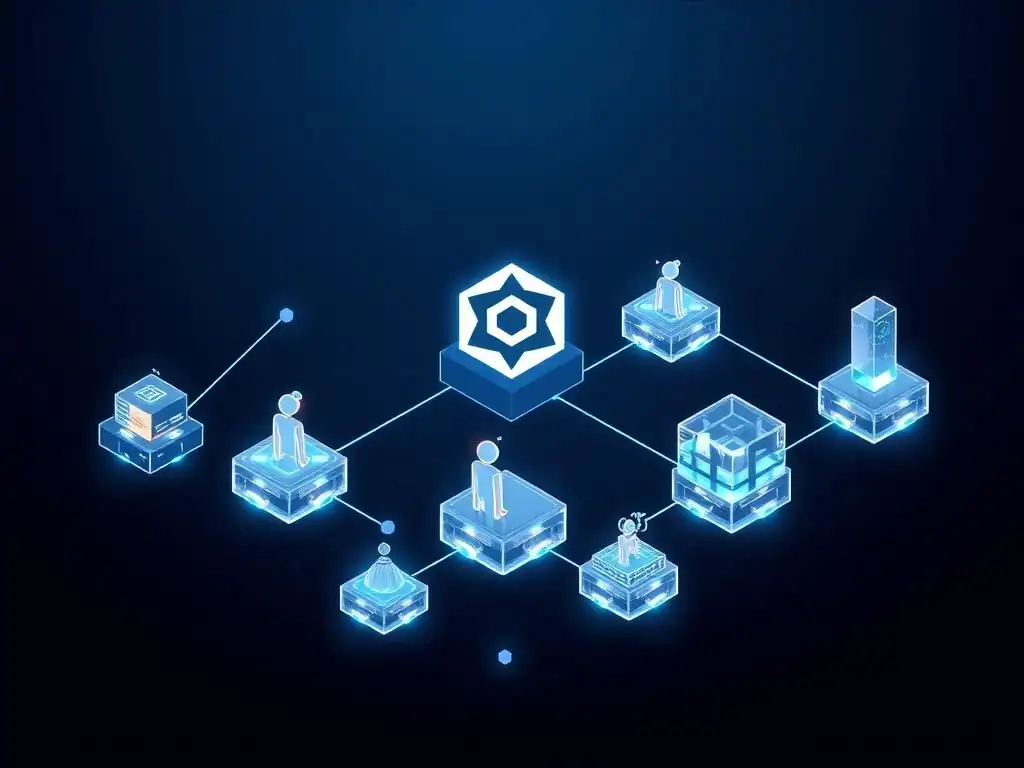
Gaming: Enabling Cross-Game Asset Ownership and Utilization
The gaming industry is poised to be one of the earliest and most impactful beneficiaries of blockchain interoperability in the metaverse. Currently, in-game assets are typically locked within specific game ecosystems, lacking true ownership and portability. Interoperability can revolutionize gaming by enabling cross-game asset ownership and utilization. Imagine purchasing a unique sword in one metaverse game and being able to use it in other compatible games, regardless of the underlying blockchain platforms. This cross-game asset portability enhances the value and utility of in-game items, fostering a more player-centric gaming experience.
Furthermore, blockchain interoperability can facilitate the creation of interconnected gaming universes, where players can seamlessly move between different games while retaining their identities and assets. This would create a more persistent and immersive gaming metaverse, fostering larger and more engaged player communities. Game developers can also benefit from interoperability by expanding their reach and attracting players from different gaming ecosystems. By embracing interoperability, the gaming industry can unlock new levels of player engagement, asset utility, and cross-game collaboration, paving the way for a more open and interconnected gaming metaverse.
Digital Art and Collectibles (NFTs): Fostering a Unified Market Across Platforms
Non-Fungible Tokens (NFTs) representing digital art and collectibles are another key area where blockchain interoperability can have a transformative impact in the metaverse. Currently, the NFT market is fragmented across different blockchain platforms and marketplaces, limiting liquidity and discoverability. Interoperability can help to create a more unified and accessible NFT market across the metaverse. Imagine being able to seamlessly display and trade your NFTs from various blockchain platforms on a single metaverse gallery or marketplace.
This cross-platform NFT interoperability would enhance the value and utility of NFTs, making them more accessible to a wider audience. Collectors could manage their NFT portfolios across different blockchains more easily, and artists could reach a broader market for their digital creations. Blockchain interoperability can also facilitate the development of cross-platform NFT standards and protocols, further streamlining the NFT ecosystem and fostering greater interoperability between different metaverse platforms and marketplaces. By breaking down the silos in the NFT space, interoperability can unlock the full potential of digital art and collectibles within the metaverse.
Virtual events and social experiences within the metaverse can also greatly benefit from blockchain interoperability. Currently, virtual events and social platforms are often isolated experiences, limiting user interaction and cross-platform engagement. Interoperability can enable the creation of interconnected virtual worlds, where users can seamlessly move between different events and social spaces while maintaining their identities and social connections. Imagine attending a virtual concert in one metaverse platform and then seamlessly transitioning to a virtual after-party hosted on a different platform, all within the same interconnected metaverse experience.
This level of cross-platform connectivity enhances the social and immersive nature of virtual events and experiences. Users can build and maintain social networks that span across different metaverse platforms, fostering a more vibrant and interconnected social metaverse. Blockchain interoperability can also facilitate the sharing of data and information between different virtual event platforms, enabling richer and more personalized experiences. By breaking down the barriers between virtual worlds, interoperability can pave the way for a more seamless and engaging social metaverse.
Enterprise Metaverse Applications: Supply Chain Tracking Across Multiple Private Blockchains
Beyond consumer-facing applications, blockchain interoperability is also crucial for enterprise metaverse applications, particularly in areas like supply chain management. Many enterprises are exploring the use of private or permissioned blockchains for supply chain tracking and transparency. However, supply chains often involve multiple organizations and stakeholders, each potentially using different blockchain platforms. Interoperability is essential to enable seamless data sharing and collaboration across these disparate blockchain networks.
Imagine a global supply chain where different stages are tracked on different private blockchains, operated by various suppliers, manufacturers, and logistics providers. Blockchain interoperability solutions can enable these different blockchains to communicate and share data, providing a comprehensive and transparent view of the entire supply chain. This enhanced visibility and data sharing can improve efficiency, reduce costs, and enhance trust and accountability across the supply chain ecosystem. In the enterprise metaverse, interoperability is key to unlocking the full potential of blockchain for collaborative and interconnected business applications.
Addressing the Challenges of Blockchain Interoperability in the Metaverse
Security Considerations: Mitigating Risks in Cross-Chain Transactions
While blockchain interoperability offers numerous benefits, it also introduces new security challenges that need to be carefully addressed. Cross-chain transactions, by their very nature, involve interactions between different blockchain networks, potentially increasing the attack surface and introducing new vulnerabilities. Bridges, in particular, have been identified as a potential point of weakness in interoperability solutions.
If a bridge is compromised, it could lead to the theft of assets locked within the bridge or the disruption of cross-chain transactions. Recent incidents, such as the Wormhole bridge exploit in 2022 which resulted in the loss of over $320 million, highlight the real security risks associated with cross-chain bridges.
Mitigating these security risks requires robust security protocols, rigorous auditing, and ongoing monitoring of interoperability solutions. Techniques like multi-signature schemes, secure multi-party computation, and formal verification are being explored to enhance the security of cross-chain transactions. Furthermore, the design of blockchain interoperability protocols needs to prioritize security and resilience from the outset. As the metaverse evolves and cross-chain interactions become more prevalent, ensuring the security of interoperability solutions will be paramount for maintaining user trust and preventing malicious attacks.
Scalability Issues: Ensuring Performance in High-Traffic Metaverse Environments
Scalability is another significant challenge for blockchain interoperability in the metaverse, particularly as metaverse environments become more populated and transaction volumes increase. Interoperability solutions need to be able to handle high throughput and low latency to support the demands of real-time interactions and seamless experiences within the metaverse. Some interoperability solutions, such as bridges, can introduce latency and bottlenecks, potentially impacting performance in high-traffic scenarios.
Addressing scalability issues requires the development of efficient and scalable interoperability protocols and infrastructure. Techniques like sharding, state channels, and layer-2 scaling solutions are being explored to improve the scalability of blockchain networks themselves, which in turn can enhance the scalability of interoperability solutions. Furthermore, optimizing the design of blockchain interoperability protocols to minimize overhead and latency is crucial for ensuring smooth performance in high-traffic metaverse environments. As the metaverse scales and user adoption grows, addressing scalability challenges will be essential for maintaining a seamless and responsive user experience.
Governance and standardization present further complexities for blockchain interoperability in the metaverse. In a multi-chain metaverse ecosystem, coordinating governance and establishing common standards across different blockchain platforms can be challenging. Different blockchains may have their own governance models, decision-making processes, and upgrade mechanisms. Reaching consensus and ensuring interoperability across these diverse governance structures requires careful coordination and collaboration among stakeholders.
Furthermore, establishing widely accepted blockchain metaverse standards requires navigating complex technical, legal, and organizational considerations. Standardization efforts need to involve diverse stakeholders, including blockchain developers, metaverse platform providers, industry consortia, and standards organizations. Developing standards that are both technically robust and widely adopted requires a collaborative and inclusive approach. Addressing governance and standardization challenges is crucial for ensuring the long-term sustainability, interoperability, and openness of the metaverse ecosystem.
The Future of Blockchain Interoperability and the Metaverse
Emerging Technologies and Trends: Zero-Knowledge Rollups, Optimistic Rollups
The future of blockchain interoperability in the metaverse is being shaped by emerging technologies and trends, particularly in the area of layer-2 scaling solutions. Zero-knowledge rollups (ZK-rollups) and optimistic rollups are gaining prominence as promising approaches to enhance both scalability and interoperability. Rollups essentially process transactions off-chain and then submit compressed transaction data and proofs to the main blockchain, reducing congestion and improving throughput.
ZK-rollups utilize zero-knowledge proofs to ensure the validity of off-chain transactions, offering strong security guarantees. Optimistic rollups, on the other hand, assume transactions are valid by default and allow for a challenge period where invalid transactions can be disputed. Both ZK-rollups and optimistic rollups have the potential to significantly improve the scalability and efficiency of blockchain networks, which in turn can enhance the performance of blockchain interoperability solutions. Furthermore, advancements in cross-chain messaging protocols and atomic swaps are also contributing to a more seamless and interoperable blockchain landscape, paving the way for a more connected metaverse.
The Potential Impact on User Adoption and Metaverse Growth
The advancements in blockchain interoperability are expected to have a significant positive impact on user adoption and overall metaverse growth. By addressing the limitations of siloed blockchains and enabling seamless cross-platform experiences, interoperability can remove key barriers to entry for users and developers alike. Users will benefit from greater asset portability, unified identities, and more seamless navigation across different metaverse environments. This enhanced user experience can drive broader adoption and engagement with the metaverse.
Developers, in turn, will have more opportunities to build innovative and interconnected metaverse applications that span multiple blockchain platforms. The reduced fragmentation and increased interoperability can foster a more vibrant and dynamic metaverse ecosystem, attracting more developers and driving further innovation. Ultimately, blockchain interoperability is a key enabler for realizing the full potential of the metaverse as a user-friendly, open, and interconnected digital realm, driving both user adoption and overall metaverse growth.
Predictions for the Evolution of Blockchain Interoperability Standards
The evolution of blockchain interoperability metaverse standards is likely to be a gradual and iterative process, driven by ongoing technological advancements and industry collaboration. In the near term, we can expect to see continued progress in the development and adoption of standards for cross-chain communication, asset transfer, and identity management. Organizations like the W3C and the Metaverse Standards Forum will play a crucial role in driving consensus and establishing widely accepted standards.
Over the longer term, we may see the emergence of more comprehensive and integrated blockchain interoperability metaverse standards that address a wider range of aspects, including data privacy, governance, and security. These standards will likely evolve in response to the evolving needs of the metaverse ecosystem and the ongoing advancements in blockchain technology. The ultimate goal is to create a set of open and interoperable standards that ensure the metaverse remains a user-centric, accessible, and innovative digital space for generations to come.
Conclusion: Realizing the Full Potential of the Metaverse Through Blockchain Interoperability
Blockchain interoperability is not merely a technical feature; it is the foundational pillar upon which the true potential of the metaverse will be realized. It is the key to transforming the metaverse from a collection of isolated virtual worlds into a truly interconnected and immersive digital universe. By enabling seamless asset transfer, cross-platform identity management, and fostering collaboration through open standards, interoperability unlocks a multitude of benefits for users, developers, and the metaverse ecosystem as a whole.
While challenges related to security, scalability, and governance remain, ongoing advancements in technology and standardization efforts are paving the way for a more interoperable metaverse future. Emerging technologies like rollups and cross-chain protocols are enhancing both scalability and interoperability, while industry consortia and standards organizations are driving the development of common blockchain metaverse standards.
As blockchain interoperability matures and becomes more widely adopted, we can expect to see the metaverse evolve into a more user-friendly, open, and transformative digital realm, fulfilling its promise as the next evolution of the internet and unlocking unprecedented opportunities for human interaction and digital experiences.
Frequently Asked Questions
What is blockchain interoperability and why is it crucial for the metaverse?
Blockchain interoperability refers to the ability of different blockchain networks to communicate and share data with each other. It's crucial for the metaverse because it allows for seamless transfer of assets and information across different virtual worlds, enabling a more unified and user-friendly experience.
How does blockchain interoperability contribute to the standardization of the metaverse?
By enabling different platforms to connect, blockchain interoperability fosters the development of common standards and protocols. This ensures that assets and identities can be easily transferred between virtual environments, paving the way for a more integrated and standardized metaverse experience.
What are some of the key challenges in achieving blockchain interoperability for the metaverse?
Significant challenges include technical complexities related to different blockchain architectures, the need for robust security measures to prevent fraud, and the establishment of governance models that promote collaboration and trust between different platforms.
How can metaverse standards benefit from advancements in blockchain technology?
Advancements in blockchain, like smart contracts and decentralized identity solutions, can provide a secure and transparent framework for establishing and enforcing metaverse standards. This helps ensure fairness, accountability, and user control within virtual environments.
How does DeFi (Decentralized Finance) play a role in the interoperable metaverse?
DeFi protocols can facilitate the seamless exchange and management of digital assets across different metaverse platforms. This enables users to participate in a broader range of financial activities within virtual worlds, fostering a more vibrant and interconnected digital economy.
Final Reflection: Bridging Worlds, Building Futures
The exploration of blockchain interoperability within the metaverse reveals not just a technological challenge, but a fundamental requirement for its sustainable growth. The ability for diverse blockchain ecosystems to seamlessly communicate and exchange value is no longer a futuristic aspiration, but a critical necessity for realizing the metaverse's full potential. Without it, we risk creating fragmented digital islands, hindering innovation and limiting the user experience.
The impact of blockchain interoperability extends far beyond the technical realm, shaping the very fabric of our digital interactions. The promise of a truly open and decentralized metaverse hinges on our ability to foster collaboration and break down the silos that currently exist. This is not merely about convenience; it's about empowering users, fostering creativity, and ensuring a more equitable distribution of value within these emerging virtual worlds. The future is already here – it's just not evenly distributed.
- William Gibson. This quote resonates deeply with the current state of the metaverse, highlighting the urgent need for interoperability to democratize access and opportunity.
As we stand on the cusp of this digital revolution, let us not forget the importance of building bridges, not walls. Consider how you can contribute to fostering a more interconnected and interoperable metaverse. Embrace open standards, support collaborative initiatives, and advocate for a future where digital assets and identities can seamlessly traverse virtual boundaries. The future of the metaverse is not predetermined; it is being shaped by the choices we make today. Let us choose to build a future where everyone can participate and thrive.
Dive Deeper: Shape the Future of the Metaverse!
Thank you for exploring the vital role of blockchain interoperability in unlocking the potential of the metaverse. You've gained valuable insights into how seamless connections are essential for creating a truly decentralized and thriving virtual world. Now, it's time to take action!
Here's how you can contribute to shaping the future of the metaverse:
- Support projects that focus on improving interoperability. Research and invest in initiatives working to connect different blockchain ecosystems. This is one of the most impactful steps you can take.
- Share this article with your network and start a discussion about the challenges and opportunities associated with blockchain interoperability. Your voice can help shape the conversation.
- Try out various metaverse platforms and document your experiences with different levels of interoperability. Your firsthand insights can assist others in understanding the practical implications.
What innovative interoperability solutions do you believe will be key to widespread metaverse adoption? Share your thoughts in the comments below!
Leave a Reply