
Beyond Borders: CrossBorder Philanthropy Made Easy with Blockchain


Welcome to Blockchain Trends, your compass in the evolving landscape of decentralized innovation.
Imagine a world where charitable giving transcends geographical limitations, ensuring transparency and efficiency in every transaction. Our latest exploration dives deep into blockchain philanthropy and its revolutionary potential to streamline crossborder donations. Discover how this technology is reshaping the future of social impact, fostering trust and accountability in a space ripe for disruption. Intrigued? Let's unlock the possibilities together.
Empowering Global Change: Blockchain Solutions for Cross-Border Philanthropy
- Introduction: Revolutionizing Global Philanthropy with Blockchain Technology
- Understanding Blockchain Philanthropy for Global Impact
- Streamlining Cross-Border Donations: How Blockchain Simplifies the Process
- Real-World Applications: Blockchain Empowering Global Philanthropy
- Addressing Challenges and Considerations in Blockchain-Based Global Giving
- The Future of Cross-Border Philanthropy: Blockchain's Role in Global Impact
- Conclusion: Embracing Blockchain for a More Efficient and Transparent World of Global Charity
-
Frequently Asked Questions
- How does blockchain technology facilitate cross-border philanthropy?
- What are the main benefits of using blockchain for cross-border donations, compared to traditional methods?
- How can blockchain address the challenges of regulatory compliance in cross-border philanthropy?
- What are some real-world examples of blockchain being used for cross-border charitable giving?
- What is the future outlook for blockchain-based cross-border philanthropy?
- Final Reflection: Embracing Borderless Generosity
- Unveil the Future of Giving: Make a Global Impact Today!
Introduction: Revolutionizing Global Philanthropy with Blockchain Technology
The Inefficiencies of Traditional International Donations
Traditional methods of international charitable giving are often plagued by inefficiencies that diminish the impact of donor contributions. A significant portion of donations can be consumed by intermediaries, including banks and payment processors, through transaction fees and unfavorable exchange rates.
For example, studies have shown that up to 10% or even 15% of international remittances are lost to fees, and while charitable donations may sometimes have negotiated lower rates, they are still not immune to these costs. Furthermore, the lack of transparency in traditional systems makes it difficult for donors to track where their money goes and ensure it reaches the intended recipients, fostering distrust and hindering the growth of cross-border philanthropy.
Adding to these financial burdens, bureaucratic hurdles and complex regulatory frameworks across different jurisdictions can significantly delay the delivery of aid. International transfers often involve multiple layers of compliance checks, anti-money laundering (AML) procedures, and varying legal requirements, leading to protracted processing times. This delay is especially critical in emergency situations where rapid response is crucial for saving lives and alleviating suffering. The cumbersome nature of these processes not only increases administrative costs for charitable organizations but also reduces the effectiveness of aid by slowing down its arrival to those in need.
Blockchain's Potential to Transform Global Charitable Giving
Blockchain technology emerges as a powerful tool to address the inherent inefficiencies of traditional international donations, offering a pathway towards a more transparent, efficient, and impactful global philanthropy sector. By leveraging its decentralized and immutable nature, blockchain can streamline cross-border transactions, significantly reducing reliance on intermediaries and their associated fees. Cryptocurrencies, operating on blockchain networks, enable direct peer-to-peer transfers, potentially lowering transaction costs to fractions of a percent compared to traditional banking systems. This efficiency translates to more of each donated dollar reaching the intended beneficiaries, maximizing the impact of charitable contributions.
Beyond cost reduction, blockchain offers unparalleled transparency and traceability in donation flows. Every transaction on a blockchain is recorded on a public ledger, creating an auditable and immutable record of the donation's journey from donor to recipient. This enhanced transparency empowers donors to track their contributions in real-time, fostering trust and accountability within charitable organizations. Furthermore, smart contracts, self-executing agreements coded on the blockchain, can automate the distribution of funds based on pre-defined conditions, ensuring that donations are used for their intended purpose and further enhancing accountability in global charitable initiatives.
Understanding Blockchain Philanthropy for Global Impact
What is Blockchain Philanthropy? A Transparent and Secure Approach
Blockchain philanthropy represents a paradigm shift in charitable giving, leveraging the core principles of blockchain technology – decentralization, transparency, and security – to enhance the effectiveness and reach of philanthropic efforts. At its heart, blockchain philanthropy utilizes cryptocurrencies and blockchain platforms to facilitate donations, track fund allocation, and ensure accountability in charitable projects. This approach moves away from opaque, intermediary-heavy traditional systems towards a more direct and transparent model where donors can have greater confidence in the impact of their contributions.
The essence of blockchain philanthropy lies in its ability to create a verifiable and immutable record of every transaction. This transparency is crucial for building trust, especially in cross-border giving where donors may be geographically distant from the recipients and projects they support. By providing a publicly accessible ledger of donations, blockchain empowers donors to see exactly where their money goes and how it is being utilized. This level of openness not only fosters trust but also encourages more people to participate in global charitable giving, knowing their contributions are being used effectively and ethically.
Key Benefits of Using Blockchain for International Charitable Donations
Utilizing blockchain for international charitable donations offers a multitude of compelling advantages over traditional systems, primarily centered around increased efficiency, enhanced transparency, and improved security. One of the most significant benefits is the reduction in transaction costs. Cross-border payments through traditional banking networks often incur substantial fees, sometimes reaching double-digit percentages, effectively diminishing the value of donations. Blockchain-based transactions, particularly using cryptocurrencies, can drastically minimize these fees, often to less than 1%, ensuring more of the donated funds reach the intended beneficiaries.
Furthermore, blockchain significantly enhances transparency in the donation process. Every transaction is recorded on a public and immutable ledger, providing a clear and auditable trail of funds from donor to recipient. This level of transparency is unprecedented in traditional philanthropy, where tracking donations across borders can be complex and opaque.
Blockchain's inherent traceability empowers donors to monitor the journey of their contributions, fostering greater trust and accountability among charitable organizations. This increased transparency can also help to combat fraud and corruption, ensuring that donations are used for their intended purpose and maximizing their positive impact on global communities in need.
Streamlining Cross-Border Donations: How Blockchain Simplifies the Process
Reducing Transaction Costs and Fees for International Giving
Blockchain technology offers a direct and efficient pathway for international charitable donations, bypassing many of the costly intermediaries inherent in traditional banking systems. When using cryptocurrencies for donations, transactions are processed on a decentralized network, significantly reducing or eliminating fees associated with banks, payment processors, and currency exchange services. For instance, sending a donation of $100 internationally via traditional wire transfer could incur fees ranging from $20 to $50, effectively reducing the actual donation amount. In contrast, a cryptocurrency transaction for the same amount could cost mere cents, ensuring that nearly the full $100 reaches the recipient organization.
This dramatic reduction in transaction costs is particularly impactful for smaller donations, which are often disproportionately affected by fixed transaction fees in traditional systems. Blockchain empowers individuals to make even small contributions across borders without being discouraged by high fees eating into their donation. For large-scale philanthropic initiatives, the cumulative savings on transaction costs can be substantial, freeing up more resources to be directly allocated to program implementation and beneficiary support. By minimizing financial friction, blockchain makes international charitable giving more accessible and efficient, enabling donors to maximize their impact globally.
Enhancing Transparency and Accountability in Donations
Transparency and accountability are paramount in fostering trust and maximizing the effectiveness of charitable donations, especially in cross-border contexts. Blockchain technology provides an unparalleled level of transparency through its distributed ledger system, where every transaction is recorded publicly and immutably. This means that donors can track their contributions from the moment they are sent to when they reach the recipient organization, and even potentially follow the funds as they are disbursed for specific projects. This level of visibility is often unattainable with traditional donation methods, where fund flows can be opaque and difficult to trace.
Smart contracts, self-executing agreements coded on the blockchain, further enhance accountability by automating the disbursement of funds based on predefined conditions. For example, a smart contract could be programmed to release funds to a recipient organization only upon verification of specific milestones or deliverables in a project.
This ensures that donations are used for their intended purpose and provides donors with greater assurance that their contributions are being utilized effectively and ethically. The combination of transparent ledgers and smart contract automation creates a robust framework for accountability in blockchain philanthropy, building trust and encouraging greater participation in global charitable giving.
Overcoming Geographical Barriers with Decentralized Solutions
Traditional cross-border philanthropy often faces significant geographical barriers, including varying banking regulations, currency exchange complexities, and political instability in certain regions. Blockchain, as a decentralized and borderless technology, offers solutions to many of these challenges. Cryptocurrencies operate independently of national borders and traditional financial institutions, enabling direct peer-to-peer transactions across geographical boundaries without the need for intermediaries or complex international banking procedures. This is particularly beneficial for reaching underserved or remote communities where access to traditional banking services may be limited or non-existent.
Furthermore, blockchain's decentralized nature can mitigate the impact of political instability or economic sanctions on charitable aid delivery. In regions where traditional financial channels are disrupted or restricted, blockchain-based donations can provide a viable alternative for channeling assistance directly to those in need.
The ability to bypass centralized authorities and operate on a distributed network makes blockchain a resilient and adaptable tool for facilitating cross-border philanthropy, particularly in challenging or volatile environments. By transcending geographical limitations, blockchain empowers charitable organizations to expand their reach and deliver aid more effectively to global populations in need, regardless of location or political circumstances.
Real-World Applications: Blockchain Empowering Global Philanthropy
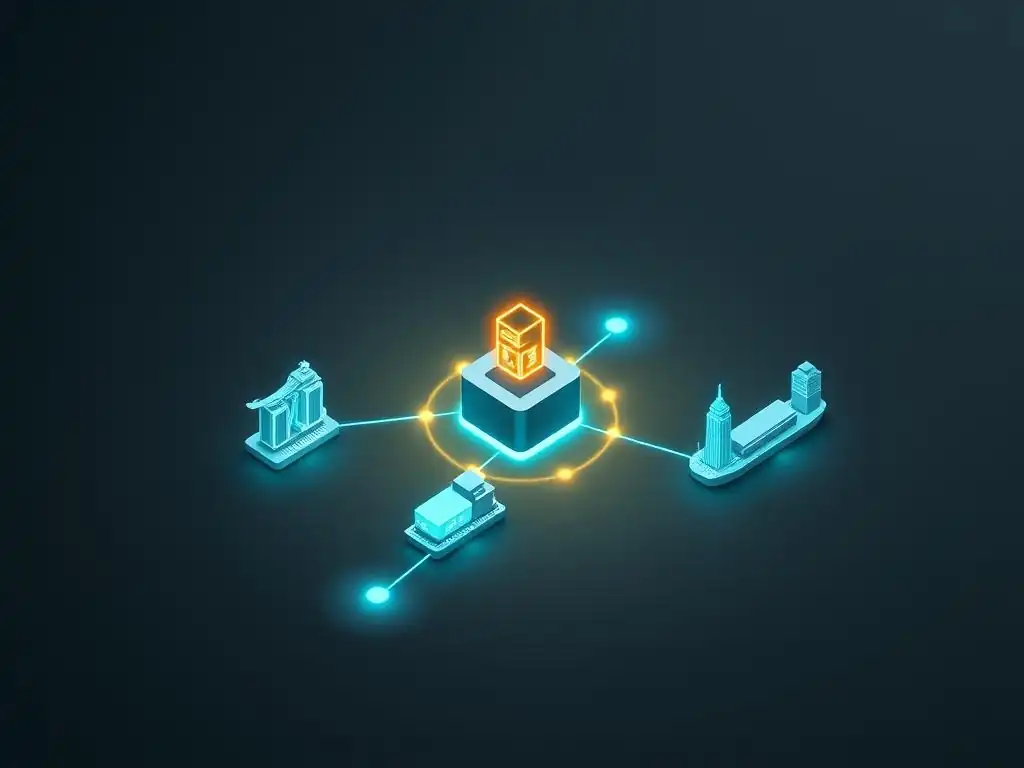
Case Study 1: UNICEF CryptoFund Supporting Open-Source Technology for Children
UNICEF's CryptoFund stands as a pioneering example of blockchain philanthropy in action, demonstrating the technology's potential to support innovative projects for children globally. Launched in 2019, the CryptoFund accepts, holds, and disburses donations in cryptocurrencies, specifically Ether and Bitcoin. This innovative funding mechanism allows UNICEF to support open-source technology projects that benefit children around the world, particularly focusing on areas like connectivity, education, and health. By utilizing cryptocurrency, UNICEF streamlines the donation process and reduces transaction costs, ensuring more funds are directly allocated to project implementation.
A key aspect of the CryptoFund is its focus on supporting early-stage technology ventures in developing countries. For instance, the fund has invested in projects like Prescrypto, a Mexican company developing a blockchain-based platform for managing prescriptions, and U-Report, UNICEF's global social messaging platform that empowers young people to speak out on issues they care about.
These investments exemplify how blockchain philanthropy can foster innovation and create scalable solutions to address pressing challenges faced by children worldwide. The transparent nature of blockchain also allows donors and the public to track the flow of funds and monitor the impact of the CryptoFund's investments, reinforcing accountability and trust in UNICEF's initiatives.
Case Study 2: Binance Charity Foundation Providing Transparent Aid Distribution
The Binance Charity Foundation (BCF) provides a compelling case study of how blockchain can enhance transparency and efficiency in large-scale humanitarian aid distribution. BCF utilizes blockchain technology to track donations and ensure they reach intended recipients directly, minimizing leakage and maximizing impact. One notable initiative is BCF's "Lunch for Children" program in Uganda, which provides school lunches to children in need. Using blockchain, BCF tracks the distribution of meals, ensuring that donations are used specifically for their intended purpose and providing donors with verifiable proof of impact.
Through its blockchain-based donation platform, BCF offers donors complete transparency into the journey of their contributions. Donors can track their donations on the blockchain ledger, viewing when and how the funds are disbursed and used. This level of transparency builds trust and accountability, encouraging greater participation in charitable giving. Furthermore, BCF's use of blockchain allows for faster and more efficient aid delivery, bypassing traditional banking systems and reducing administrative overhead. This case study demonstrates the practical application of blockchain in streamlining aid distribution and enhancing the effectiveness of humanitarian efforts on a global scale.
The Impact of Blockchain on Global Philanthropic Initiatives
The application of blockchain technology in philanthropic initiatives is demonstrating a significant impact across various sectors, ranging from humanitarian aid to environmental conservation and social development. By enhancing transparency, reducing costs, and improving efficiency, blockchain is empowering charitable organizations to operate more effectively and maximize the impact of their programs. For example, in disaster relief efforts, blockchain can facilitate rapid and transparent disbursement of aid to affected populations, ensuring that resources reach those in need quickly and efficiently.
Moreover, blockchain is fostering greater financial inclusion in philanthropy. By enabling micro-donations and reducing transaction barriers, blockchain makes charitable giving more accessible to individuals worldwide, regardless of their geographical location or economic status. This democratization of philanthropy has the potential to unlock a massive pool of untapped giving potential globally. As blockchain technology matures and adoption expands, its impact on global philanthropic initiatives is expected to grow exponentially, leading to a more efficient, transparent, and impactful charitable sector that can address global challenges more effectively.
Addressing Challenges and Considerations in Blockchain-Based Global Giving
Regulatory Landscape for Blockchain Philanthropy: A Global Perspective
Navigating the regulatory landscape for blockchain philanthropy presents a complex challenge, as regulations surrounding cryptocurrencies and blockchain technology vary significantly across jurisdictions globally. While some countries have adopted a welcoming and supportive approach to blockchain, others maintain a more cautious or even restrictive stance. This fragmented regulatory environment creates uncertainty for charitable organizations operating internationally and utilizing blockchain for fundraising and aid distribution. Understanding and complying with diverse and evolving regulations is crucial for ensuring the legality and sustainability of blockchain philanthropy initiatives.
Key regulatory considerations include anti-money laundering (AML) and know-your-customer (KYC) compliance, tax implications of cryptocurrency donations, and securities regulations related to tokenized fundraising. Charitable organizations operating in the blockchain space need to implement robust compliance frameworks that adhere to international standards and local regulations in each jurisdiction where they operate.
Collaboration with legal and regulatory experts is essential to navigate this complex landscape and ensure that blockchain philanthropy initiatives operate within legal boundaries and maintain the trust and confidence of donors and beneficiaries alike. Harmonization of regulations across jurisdictions would significantly facilitate the growth and scalability of blockchain philanthropy globally.
Ensuring Security and Privacy in Decentralized Donation Platforms
Security and privacy are paramount considerations in the design and implementation of blockchain-based donation platforms. While blockchain itself offers inherent security features through cryptography and decentralization, vulnerabilities can arise at different levels, including smart contract security, wallet security, and data privacy. Ensuring the security of smart contracts that govern donation distribution is crucial to prevent exploits and ensure that funds are used as intended. Robust security audits and best practices in smart contract development are essential for mitigating these risks.
Protecting the privacy of donors and beneficiaries is another critical consideration. While blockchain transactions are transparent, pseudonymity can be maintained through the use of wallet addresses. However, linking wallet addresses to real-world identities can compromise privacy. Implementing privacy-enhancing technologies and adhering to data privacy regulations are important for building trust and ensuring the responsible use of blockchain in philanthropy. Striking a balance between transparency for accountability and privacy for individuals is a key challenge in developing secure and privacy-preserving blockchain donation platforms.
Overcoming Technical Barriers to Adoption of Blockchain in Charity
Despite its transformative potential, the widespread adoption of blockchain in the charity sector faces technical barriers that need to be addressed. One significant challenge is the technical complexity of blockchain technology itself. Understanding and implementing blockchain solutions requires specialized expertise that may be lacking in many charitable organizations, particularly smaller ones with limited resources. Simplifying user interfaces and providing accessible educational resources are crucial for lowering the technical barrier to entry and enabling broader adoption.
Scalability and interoperability are also important technical considerations. Some blockchain networks may face limitations in transaction throughput, which could become a bottleneck for large-scale donation platforms. Interoperability between different blockchain networks and traditional financial systems is also essential for seamless integration and wider adoption. Addressing these technical challenges through ongoing development and standardization efforts is crucial for unlocking the full potential of blockchain to revolutionize the charity sector and empower global giving.
The Future of Cross-Border Philanthropy: Blockchain's Role in Global Impact
Emerging Trends in Blockchain for International Charitable Giving
Several emerging trends are shaping the future of blockchain in international charitable giving, pointing towards increased adoption and innovation in the sector. One prominent trend is the rise of Decentralized Autonomous Organizations (DAOs) for philanthropy. DAOs offer a novel governance model for charitable organizations, enabling decentralized decision-making, increased transparency, and community participation in philanthropic initiatives. DAOs can empower donors and beneficiaries to have a greater say in how funds are allocated and projects are managed.
Another trend is the integration of blockchain with other emerging technologies, such as Artificial Intelligence (AI) and the Internet of Things (IoT). AI can enhance the efficiency and effectiveness of charitable programs by analyzing data and optimizing resource allocation, while IoT can improve monitoring and evaluation of projects on the ground. Combining these technologies with blockchain can create even more powerful and impactful solutions for global philanthropy. Furthermore, the development of user-friendly blockchain platforms and tools specifically tailored for the charity sector is making it easier for organizations to adopt and utilize this technology, driving wider adoption and innovation.
Predictions for the Growth of Blockchain Philanthropy in the Next Decade
The next decade is poised to witness significant growth in blockchain philanthropy, driven by increasing awareness of its benefits, technological advancements, and evolving regulatory landscapes. Experts predict a substantial increase in the volume of charitable donations made through blockchain platforms and cryptocurrencies. As more individuals and institutions recognize the transparency, efficiency, and security advantages of blockchain, adoption is expected to accelerate across the charity sector. Industry analysts forecast that blockchain-based donations could represent a significant portion of total global charitable giving within the next decade.
Furthermore, the development of more mature and user-friendly blockchain infrastructure will lower barriers to entry for charitable organizations, enabling even smaller organizations to leverage the benefits of this technology. The increasing focus on impact measurement and accountability in philanthropy will also drive adoption of blockchain, as its inherent transparency provides a powerful tool for demonstrating the effectiveness of charitable programs. As regulatory frameworks become clearer and more supportive of blockchain innovation, the growth trajectory of blockchain philanthropy is expected to be substantial, transforming the landscape of global charitable giving.
How Blockchain Can Foster Greater Trust and Engagement in Global Giving
Blockchain's inherent characteristics of transparency, security, and efficiency have the potential to significantly enhance trust and engagement in global giving. By providing donors with unprecedented visibility into the flow of their donations and ensuring accountability in fund utilization, blockchain can address a key barrier to greater participation in philanthropy – lack of trust. The immutable and auditable nature of blockchain transactions builds confidence that donations are being used for their intended purpose and are reaching the intended beneficiaries.
This increased trust, in turn, can foster greater engagement from both donors and beneficiaries. Donors are more likely to contribute when they have confidence in the transparency and effectiveness of charitable organizations. Beneficiaries can also be more engaged when they are empowered with greater visibility into aid distribution and project implementation.
Blockchain can facilitate direct engagement between donors and beneficiaries, fostering a sense of community and shared purpose in global philanthropic initiatives. By building trust and fostering engagement, blockchain has the potential to unlock a new era of more effective and impactful global giving, driving positive change across communities worldwide.
Conclusion: Embracing Blockchain for a More Efficient and Transparent World of Global Charity
The Transformative Power of Blockchain in International Philanthropy
Blockchain technology is not merely an incremental improvement but a transformative force in the realm of international philanthropy. It fundamentally alters the landscape of charitable giving by addressing long-standing challenges related to transparency, efficiency, and trust. By reducing transaction costs, enhancing accountability, and overcoming geographical barriers, blockchain empowers charitable organizations to operate more effectively and maximize their impact on a global scale. The shift towards blockchain philanthropy represents a move towards a more direct, transparent, and efficient model of charitable giving, benefiting both donors and beneficiaries alike.
The case studies of UNICEF CryptoFund and Binance Charity Foundation illustrate the practical applications and tangible benefits of blockchain in real-world philanthropic initiatives. These examples showcase how blockchain can streamline aid distribution, enhance transparency, and foster innovation in the charity sector. As adoption expands and technology matures, the transformative power of blockchain in international philanthropy is expected to become even more pronounced, reshaping the way we approach global charitable giving and driving greater impact for communities in need worldwide.
Moving Forward: Embracing Innovation for Greater Global Impact Through Blockchain
Embracing innovation is crucial for realizing the full potential of blockchain to create a more efficient and transparent world of global charity. Charitable organizations, donors, policymakers, and technology developers all have a role to play in fostering the responsible and effective adoption of blockchain in the philanthropic sector. Continued investment in research and development, education and awareness initiatives, and supportive regulatory frameworks are essential for driving innovation and overcoming barriers to adoption.
Moving forward, collaboration and knowledge sharing will be key to maximizing the impact of blockchain philanthropy. Sharing best practices, developing industry standards, and fostering dialogue among stakeholders will accelerate the learning curve and enable the creation of more robust and scalable blockchain solutions for charitable giving. By embracing innovation and working collaboratively, we can harness the transformative power of blockchain to build a more efficient, transparent, and impactful global charity sector that effectively addresses the pressing challenges facing humanity and creates a more equitable and sustainable world for all.
Frequently Asked Questions
How does blockchain technology facilitate cross-border philanthropy?
Blockchain provides transparent and secure tracking of donations, ensuring funds reach their intended recipients efficiently. It also reduces the reliance on intermediaries, minimizing transaction fees and delays typically associated with cross-border transfers.
What are the main benefits of using blockchain for cross-border donations, compared to traditional methods?
Blockchain offers enhanced transparency and traceability, allowing donors to track their contributions in real-time. It also reduces transaction costs and processing times, and improves security against fraud and corruption.
How can blockchain address the challenges of regulatory compliance in cross-border philanthropy?
Blockchain can facilitate automated reporting and compliance with international regulations through smart contracts. It can also provide an immutable audit trail for regulators and donors, ensuring accountability and transparency.
What are some real-world examples of blockchain being used for cross-border charitable giving?
Several organizations are using blockchain to facilitate direct donations to beneficiaries, bypassing traditional banking systems. Some platforms are also utilizing blockchain for impact measurement and reporting, providing donors with verifiable data on the outcomes of their contributions.
What is the future outlook for blockchain-based cross-border philanthropy?
The future involves wider adoption of blockchain for greater transparency and efficiency in charitable giving. We can expect to see the development of more decentralized and secure platforms connecting donors and recipients globally, fostering greater trust and impact.
Final Reflection: Embracing Borderless Generosity
The journey we've explored through the landscape of blockchain philanthropy reveals a powerful truth: technology can dismantle barriers to global giving. What was once a complex web of regulations, fees, and trust issues is now being reimagined as a transparent, efficient, and accessible ecosystem, empowering individuals and organizations to make a tangible difference across borders with unprecedented ease.
This shift is not merely a technological advancement; it's a cultural evolution. The potential to democratize philanthropy, allowing even small donations to have a significant impact globally, is profoundly inspiring. It reminds us that compassion knows no boundaries, and blockchain is providing the tools to translate that compassion into action. The best way to find yourself is to lose yourself in the service of others.
- Mahatma Gandhi. This sentiment perfectly encapsulates the spirit of blockchain philanthropy, where the focus shifts from the donor to the impact they can create in the lives of others, regardless of geographical limitations.
As we conclude this exploration, I invite you to consider the role you can play in this emerging landscape. How can you leverage the power of blockchain to support causes you believe in, transcending borders and making a real difference in the world? The future of philanthropy is borderless, transparent, and accessible – a future where every act of generosity, no matter how small, contributes to a more equitable and compassionate world. Embrace this opportunity to be a part of something truly transformative.
Unveil the Future of Giving: Make a Global Impact Today!
Thank you for exploring how blockchain is revolutionizing cross-border philanthropy! We hope you're feeling inspired by the potential to create positive change on a global scale. Now, let's turn that inspiration into action.
Here's how you can be a part of the change:
- Start your journey by donating to a blockchain-verified charity. It's a simple way to experience the transparency and efficiency firsthand.
- Explore Blockchain Trends' resources on ethical giving and discover vetted organizations using blockchain for good.
- Share this article with your network and ignite a conversation about the future of philanthropy!
What steps will you take to leverage blockchain for global impact?
Leave a Reply