
Beyond Profits: How Blockchain is Redefining Ethical Supply Chain Management

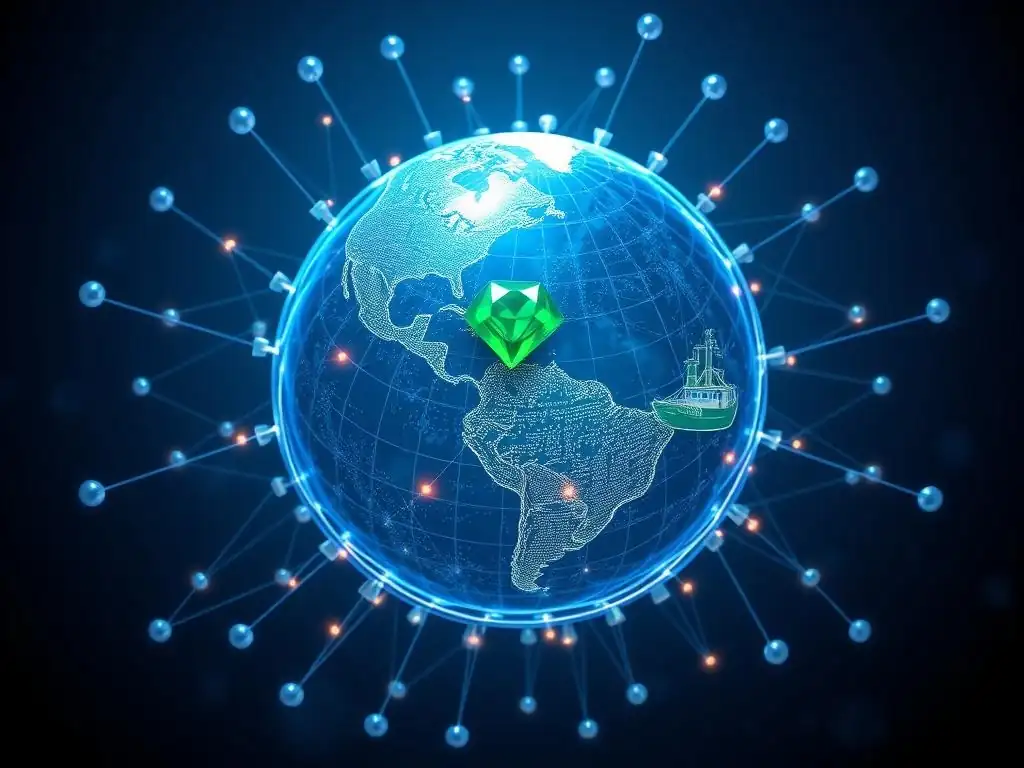
Welcome to Blockchain Trends, your go-to source for understanding the revolutionary impact of blockchain beyond the hype. In a world demanding greater transparency, the question isn't if blockchain will reshape industries, but how. Dive into our exploration of ethical supply chain blockchain solutions and discover how this technology is empowering businesses to build trust, ensure accountability, and create a more sustainable future. Ready to uncover the potential? Let's begin.
Beyond Profits: How Blockchain is Redefining Ethical Supply Chain Management
- Introduction: The Urgent Need for Ethical Supply Chains and Blockchain's Promise
- Understanding Ethical Supply Chain Blockchain Solutions
-
Use Cases: Blockchain Applications for Ethical Supply Chains
- Tracking Conflict Minerals with Blockchain: Ensuring Responsible Sourcing
- Combating Counterfeit Goods in the Pharmaceutical Industry: Blockchain's Role
- Fair Trade Coffee and Blockchain: Empowering Farmers and Consumers
- Sustainable Seafood and Blockchain: Ensuring Traceability and Combating Illegal Fishing
- Benefits of Implementing Ethical Supply Chain Blockchain Solutions
- Overcoming Challenges in Adopting Blockchain for Ethical Supply Chains
-
The Future of Blockchain and Ethical Supply Chains
- Emerging Trends in Ethical Supply Chain Blockchain Solutions
- The Role of Artificial Intelligence (AI) and Internet of Things (IoT) in Enhancing Blockchain's Capabilities
- The Potential for Decentralized Autonomous Organizations (DAOs) in Supply Chain Governance
- Predictions and Future Outlook for Blockchain-Powered Ethical Supply Chains
- Conclusion: Blockchain as a Foundation for a More Ethical and Sustainable Future
-
Frequently Asked Questions
- How does blockchain technology improve ethical supply chain management?
- What are some key benefits of using ethical supply chain blockchain solutions?
- What industries can benefit most from ethical supply chain blockchain solutions?
- What are the main challenges in implementing blockchain for ethical supply chains?
- How does blockchain help with regulatory compliance in ethical supply chains?
- Final Reflection: Embracing Transparency and Trust
- Revolutionize Your Supply Chain: Embrace Transparency!
Introduction: The Urgent Need for Ethical Supply Chains and Blockchain's Promise
The Growing Consumer Demand for Transparency and Ethical Sourcing
Modern consumers are no longer solely focused on price and product availability; they are increasingly concerned with the ethical implications of their purchasing decisions. A 2023 study by Nielsen found that 73% of global consumers are willing to pay more for products from brands committed to sustainability and ethical practices.
This represents a significant shift in consumer behavior, driven by increased awareness of issues like forced labor, environmental degradation, and unfair trade practices prevalent in global supply chains. Consumers are actively seeking transparency and demanding to know the origins of products, the conditions under which they are made, and the environmental impact of their journey from raw material to finished good.
This demand for ethical sourcing is further amplified by social media and the rapid dissemination of information. Negative news about unethical practices can quickly go viral, causing significant reputational damage and financial losses for brands. For instance, the Rana Plaza factory collapse in Bangladesh in 2013, which killed over 1,100 garment workers, highlighted the devastating consequences of neglecting ethical considerations in fashion supply chains.
This tragedy, and numerous others like it, have fueled consumer activism and pressure on companies to adopt more responsible and transparent supply chain practices. Consequently, businesses are under immense pressure to prove their commitment to ethical sourcing and demonstrate tangible improvements in their supply chain management.
Challenges in Traditional Supply Chain Management: Lack of Visibility and Accountability
Traditional supply chain management systems often struggle to provide the level of transparency and accountability that consumers and stakeholders now demand. Many supply chains are complex and multi-tiered, involving numerous intermediaries, suppliers, and subcontractors across different geographical locations. This complexity makes it incredibly difficult to track goods from origin to consumer, creating opacity and hindering the ability to verify ethical practices at each stage. Information is often siloed, residing in disparate systems managed by different entities, leading to data fragmentation and a lack of a single, unified view of the entire supply chain.
Furthermore, traditional systems are often reliant on paper-based documentation and manual processes, which are prone to errors, manipulation, and fraud. Auditing and compliance processes can be lengthy, costly, and often provide only a snapshot in time, failing to capture the dynamic nature of supply chains.
For example, a 2018 report by the Ethical Trading Initiative (ETI) highlighted that even with regular audits, issues like child labor and unsafe working conditions persist in many global supply chains, indicating the limitations of traditional audit-based approaches. The lack of real-time visibility and immutable records in traditional systems makes it challenging to effectively address ethical concerns and ensure accountability across the entire supply chain network.
Blockchain as a Catalyst for Ethical Transformation in Supply Chains
Blockchain technology offers a compelling solution to address the challenges inherent in traditional supply chain management and pave the way for more ethical and transparent practices. Its fundamental properties – decentralization, immutability, and transparency – are perfectly aligned with the requirements of ethical supply chains. By providing a shared, tamper-proof ledger, blockchain can create a single source of truth for supply chain data, accessible to authorized stakeholders. This enhanced visibility can significantly improve traceability, allowing businesses and consumers to track products from origin to consumption with unprecedented clarity.
Moreover, blockchain can foster greater accountability by recording every transaction and event within the supply chain in an immutable manner. This creates a permanent audit trail, making it significantly harder to conceal unethical practices or manipulate data. Smart contracts, self-executing agreements coded on the blockchain, can automate processes and enforce compliance with ethical standards.
For instance, payments to suppliers can be automatically released upon verification of ethical certifications or milestones achieved. By leveraging these features, blockchain has the potential to revolutionize ethical supply chain management, moving beyond mere compliance to proactive assurance and fostering a more responsible and sustainable global trade ecosystem.
Understanding Ethical Supply Chain Blockchain Solutions
Defining Ethical Supply Chain Management: Key Principles and Objectives
Ethical supply chain management goes beyond simply complying with legal regulations; it embodies a commitment to responsible and sustainable practices throughout the entire value chain. It encompasses a broad spectrum of considerations, including human rights, labor standards, environmental sustainability, and fair trade practices. Key principles of ethical supply chain management include ensuring fair wages and safe working conditions for laborers, preventing forced labor and child labor, promoting environmental protection by minimizing waste and pollution, and sourcing materials responsibly, avoiding conflict minerals and deforestation-linked commodities.
The objectives of ethical supply chain management are multifaceted. Primarily, it aims to mitigate risks associated with unethical practices, such as reputational damage, legal liabilities, and supply chain disruptions. Furthermore, it seeks to enhance brand value and consumer trust by demonstrating a genuine commitment to ethical sourcing.
Beyond risk mitigation and brand enhancement, ethical supply chain management strives to create positive social and environmental impact. This includes empowering marginalized communities, promoting sustainable development in sourcing regions, and contributing to a more equitable and responsible global economy. Implementing ethical supply chain blockchain solutions is a strategic approach to achieving these objectives in a verifiable and transparent manner.
How Blockchain Technology Enhances Supply Chain Ethics: A Technical Overview
Blockchain technology enhances supply chain ethics by providing a secure, transparent, and immutable platform for tracking and verifying product journeys and associated ethical claims. At its core, blockchain is a distributed ledger, meaning data is not stored in a central repository but rather across a network of computers. Each block in the chain contains a set of validated transactions, and these blocks are cryptographically linked together, creating a tamper-proof record. This decentralized and immutable nature of blockchain is fundamental to its application in ethical supply chains.
When applied to supply chains, blockchain allows for the creation of a shared record of product provenance, certifications, and ethical attributes. As a product moves through the supply chain – from raw material sourcing to manufacturing, distribution, and retail – each stage can be recorded as a transaction on the blockchain. This data can include details such as origin of materials, processing methods, labor certifications, and environmental impact assessments.
Smart contracts can automate verification processes and trigger actions based on pre-defined ethical criteria. For instance, a smart contract could automatically verify a Fair Trade certification and update the product's status on the blockchain, ensuring the integrity of ethical claims and providing consumers with verifiable information. This technical architecture inherently promotes transparency and accountability, crucial elements for ethical supply chain blockchain solutions.
Key Features of Blockchain for Ethical Sourcing: Immutability, Transparency, and Traceability
Three key features of blockchain technology are particularly crucial for enhancing ethical sourcing within supply chains: immutability, transparency, and traceability. Immutability ensures that once data is recorded on the blockchain, it cannot be altered or deleted. This is achieved through cryptographic hashing and consensus mechanisms, making the blockchain a highly secure and tamper-proof record. For ethical sourcing, immutability provides assurance that the recorded information about a product's ethical journey is authentic and has not been manipulated. This is vital for building trust and credibility in ethical claims.
Transparency, in the context of blockchain, refers to the ability of authorized stakeholders to access and view the data recorded on the ledger. While not all blockchain networks are fully public, permissioned blockchains allow for controlled access, enabling relevant parties, such as suppliers, manufacturers, retailers, auditors, and even consumers, to view specific supply chain data. This transparency allows for greater scrutiny and verification of ethical practices throughout the supply chain. For example, consumers can potentially scan a QR code on a product to access its blockchain record and verify its ethical sourcing claims.
Traceability, enabled by blockchain's immutability and transparency, allows for the tracking of products and materials throughout the entire supply chain journey, from origin to consumer. By recording each step on the blockchain, a complete and auditable trail is created. This granular level of traceability is essential for verifying the origin of raw materials, tracking the movement of goods, and ensuring compliance with ethical standards at each stage of production.
For instance, in the case of conflict minerals, blockchain-based traceability can help ensure that minerals are sourced from conflict-free mines and not contributing to human rights abuses. These three features, working in concert, make blockchain a powerful tool for implementing robust ethical supply chain blockchain solutions.
Use Cases: Blockchain Applications for Ethical Supply Chains
Tracking Conflict Minerals with Blockchain: Ensuring Responsible Sourcing
The sourcing of conflict minerals, such as tin, tantalum, tungsten, and gold (3TG), has been linked to human rights abuses and armed conflicts in regions like the Democratic Republic of Congo. Ensuring responsible sourcing of these minerals is a significant challenge due to complex and opaque supply chains. Blockchain technology offers a powerful solution to improve traceability and transparency in conflict mineral supply chains.
For instance, the Responsible Minerals Initiative (RMI) has explored blockchain applications for tracking tantalum from mine to smelter. Companies like Circulor are using blockchain to trace cobalt, another critical mineral often associated with unethical mining practices, enabling manufacturers to verify the origin of their materials and ensure they are sourced responsibly.
By recording data at each stage of the mineral supply chain – from mining sites to processing facilities, smelters, and manufacturers – blockchain creates an immutable and auditable record of provenance. This allows companies to verify that their minerals are sourced from conflict-free mines and are not contributing to human rights violations. For example, a blockchain-based system can track the chain of custody of tantalum ore, recording details like mine of origin, transportation routes, and certifications at each stage.
This enhanced transparency can help companies comply with regulations like the Dodd-Frank Act in the US and the EU Conflict Minerals Regulation, which mandate due diligence in conflict mineral sourcing. Ethical supply chain blockchain solutions in this area are crucial for promoting responsible mineral sourcing and mitigating the risks associated with conflict minerals.
Combating Counterfeit Goods in the Pharmaceutical Industry: Blockchain's Role
The pharmaceutical industry is heavily impacted by counterfeit drugs, which pose serious risks to public health and undermine patient safety. The World Health Organization (WHO) estimates that counterfeit drugs account for approximately 10% of all medicines in low- and middle-income countries, and even in developed countries, the problem is significant. Blockchain technology offers a robust solution to combat the proliferation of counterfeit pharmaceuticals by enhancing supply chain traceability and verifying drug authenticity. For example, platforms like MediLedger are utilizing blockchain to create a secure and interoperable network for pharmaceutical supply chain participants to track and verify drug products.
By recording the journey of pharmaceutical products from manufacturing to dispensing on a blockchain, each unit can be uniquely identified and tracked. This allows for verification of authenticity at various points in the supply chain, including pharmacies and hospitals. For instance, a patient could potentially scan a QR code on a medication package to verify its authenticity against the blockchain record, ensuring it is a genuine product.
Blockchain can also facilitate the secure sharing of data between pharmaceutical companies, distributors, and regulators, enabling better collaboration in combating counterfeiting. The use of ethical supply chain blockchain solutions in the pharmaceutical industry is critical for safeguarding the integrity of the drug supply chain and protecting patient health from the dangers of counterfeit medications.
Fair Trade Coffee and Blockchain: Empowering Farmers and Consumers
The coffee industry, while a global multi-billion dollar market, often faces criticism for its complex supply chains and the challenges faced by coffee farmers, particularly smallholder farmers in developing countries. Fair Trade certifications aim to address these issues by ensuring farmers receive fair prices for their coffee and adhere to ethical and sustainable practices. However, verifying Fair Trade claims in complex coffee supply chains can be challenging.
Blockchain technology can enhance transparency and traceability in Fair Trade coffee supply chains, empowering both farmers and consumers. For example, initiatives like Farmer Connect are using blockchain to connect coffee consumers directly with farmers, providing transparency about the coffee's origin, journey, and the farmers who grew it.
By recording data about coffee beans – from farm to cup – on a blockchain, consumers can gain insights into the coffee's journey and verify Fair Trade certifications. This can include information about the farm location, farmer details, processing methods, and certifications. Smart contracts can also facilitate direct payments to farmers upon verification of Fair Trade compliance, ensuring they receive fair compensation for their produce.
For instance, a blockchain-based system could track coffee beans from a Fair Trade certified cooperative in Colombia, recording details of each transaction and certification along the supply chain. Consumers scanning a QR code on a coffee bag could then access this information, verifying the Fair Trade claim and learning more about the farmers who produced their coffee. Ethical supply chain blockchain solutions in the coffee industry can foster greater transparency, fairness, and direct connections between consumers and producers.
Sustainable Seafood and Blockchain: Ensuring Traceability and Combating Illegal Fishing
Illegal, unreported, and unregulated (IUU) fishing is a major global problem, contributing to overfishing, environmental damage, and human rights abuses. Tracing seafood from catch to consumer is crucial for combating IUU fishing and promoting sustainable seafood practices. Blockchain technology offers a valuable tool for enhancing seafood traceability and transparency, enabling consumers to make informed choices about the seafood they consume. For instance, projects like OpenSC are utilizing blockchain to track seafood supply chains, providing consumers with information about the origin, journey, and sustainability certifications of their seafood.
By recording data at each stage of the seafood supply chain – from fishing vessel to processing plant, distributor, and retailer – blockchain creates a transparent and auditable record of the seafood's journey. This can include information about the fishing vessel, fishing location, fishing method, and certifications related to sustainability and legality. Consumers can potentially scan a QR code on seafood packaging to access this information, verifying its origin and sustainability credentials.
For example, a blockchain-based system can track tuna from a sustainably certified fishery in the Pacific Ocean, recording details of the catch, processing, and transportation. This enhanced traceability helps combat IUU fishing by making it harder to introduce illegally caught fish into the supply chain and empowers consumers to support sustainable seafood choices. Ethical supply chain blockchain solutions in the seafood industry are vital for promoting ocean health and ensuring the long-term sustainability of fish stocks.
Benefits of Implementing Ethical Supply Chain Blockchain Solutions
Enhanced Transparency and Traceability Across the Supply Chain
Implementing ethical supply chain blockchain solutions delivers a significant benefit in the form of enhanced transparency and traceability. Blockchain's inherent architecture allows for the creation of a shared, immutable record of all transactions and events within the supply chain. This eliminates information silos and provides a single source of truth accessible to authorized stakeholders, fostering unprecedented visibility. For instance, a manufacturer using blockchain can track the origin of raw materials, the journey of components through different production stages, and the final product's distribution to retailers, all in real-time.
This enhanced transparency extends to consumers as well. Through QR codes or other mechanisms, consumers can potentially access blockchain-based information about the products they purchase, verifying ethical sourcing claims and gaining insights into the product's journey. Traceability is significantly improved as blockchain allows for the tracking of products at a granular level, often down to individual units or batches.
This granular traceability is crucial for verifying the origin of materials, tracking product recalls efficiently, and identifying points of risk within the supply chain. For example, in the food industry, blockchain-based traceability can enable rapid identification of the source of contamination in case of a foodborne illness outbreak, minimizing the impact and protecting consumers. The combination of enhanced transparency and traceability is a cornerstone benefit of ethical supply chain blockchain solutions.
Improved Accountability and Reduced Risk of Fraud and Corruption
Blockchain technology inherently improves accountability within supply chains and reduces the risk of fraud and corruption. The immutable nature of blockchain records means that once data is entered, it cannot be altered or deleted. This creates a permanent audit trail of all transactions and events, making it significantly harder to manipulate data or conceal unethical practices. For example, if a supplier attempts to falsify certifications or misrepresent the origin of materials, the immutable blockchain record will expose these discrepancies, enhancing accountability.
Smart contracts further enhance accountability by automating processes and enforcing pre-defined rules and agreements. These self-executing contracts can trigger actions based on verified data, reducing reliance on manual processes and human intervention, which are often vulnerable to fraud and corruption.
For instance, payment to a supplier could be automatically released by a smart contract only upon verification of ethical certifications or delivery milestones recorded on the blockchain. The transparency and immutability of blockchain, coupled with the automation capabilities of smart contracts, significantly reduce the opportunities for fraud, corruption, and unethical behavior within supply chains, fostering a more accountable and trustworthy system.
Increased Consumer Trust and Brand Loyalty
In today's consumer landscape, where ethical considerations are increasingly important, implementing ethical supply chain blockchain solutions can significantly increase consumer trust and brand loyalty. By providing verifiable evidence of ethical sourcing and transparent supply chain practices, businesses can build stronger relationships with consumers who are seeking products aligned with their values. Consumers are more likely to trust brands that demonstrate a genuine commitment to ethical and sustainable practices and are willing to pay a premium for products they believe are ethically sourced.
Blockchain's transparency enables brands to communicate their ethical commitments more effectively and credibly to consumers. By allowing consumers to access blockchain-verified information about product origins and ethical attributes, brands can build trust and differentiate themselves in a competitive market. For example, a clothing brand using blockchain to track the origin of its organic cotton and ensure fair labor practices in its factories can communicate this information directly to consumers, building trust and fostering brand loyalty among ethically conscious shoppers. Increased consumer trust and loyalty translate to stronger brand reputation, improved customer retention, and ultimately, enhanced business value.
Streamlined Auditing and Compliance Processes
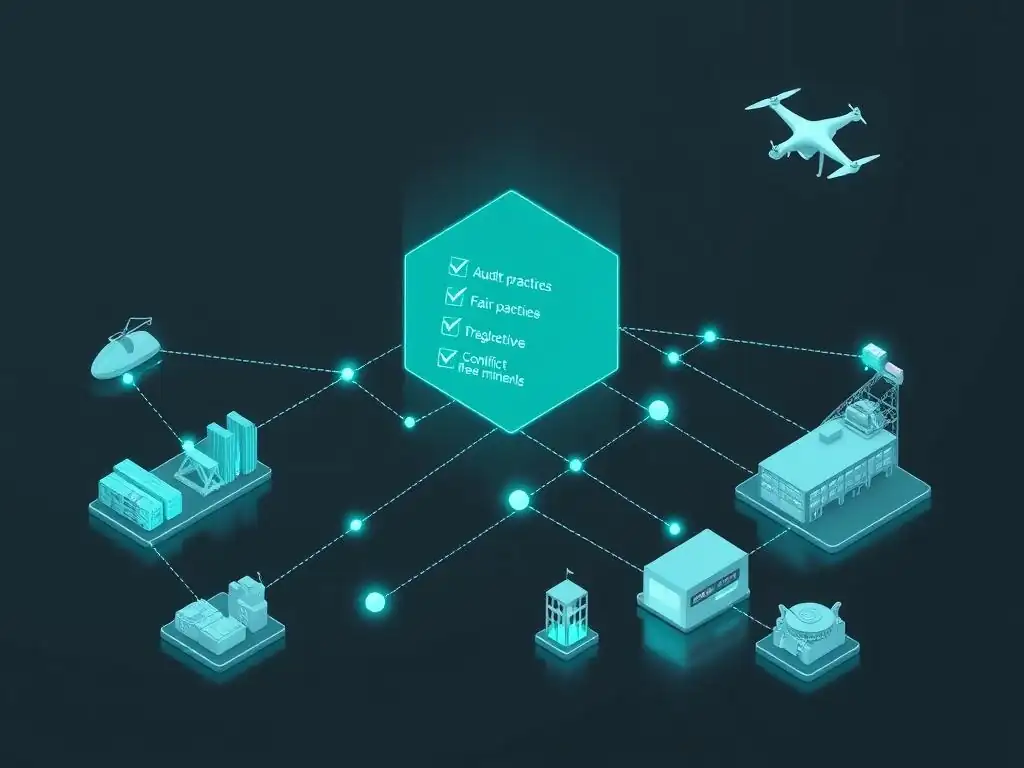
Traditional auditing and compliance processes in supply chains are often time-consuming, costly, and resource-intensive. They typically involve manual data collection, paper-based documentation, and on-site inspections, which can be inefficient and prone to errors. Ethical supply chain blockchain solutions can significantly streamline auditing and compliance processes by providing real-time access to verified data and automating many manual tasks. The immutable blockchain record serves as a readily available audit trail, eliminating the need for extensive manual data gathering and reconciliation.
Smart contracts can automate compliance checks and trigger alerts if any deviations from ethical standards are detected. For instance, a smart contract could automatically verify supplier certifications against a blockchain-based registry and flag any expired or invalid certifications. This proactive monitoring and automated compliance checks reduce the burden on auditors and compliance teams, allowing them to focus on more strategic and value-added activities.
Furthermore, blockchain's transparency facilitates easier collaboration and information sharing between auditors, regulators, and supply chain participants, streamlining the overall compliance process and reducing administrative overhead. The efficiency gains and cost savings achieved through streamlined auditing and compliance are significant benefits of adopting ethical supply chain blockchain solutions.
Cost Savings and Efficiency Gains through Automation
Beyond streamlining auditing and compliance, ethical supply chain blockchain solutions can generate broader cost savings and efficiency gains through automation of various supply chain processes. Smart contracts can automate tasks such as payment processing, contract enforcement, and verification of certifications, reducing manual administrative work and associated costs. For example, automated payment release upon verified delivery milestones can reduce delays and disputes, improving efficiency and cash flow management.
Reduced paperwork and manual data entry through blockchain-based systems also contribute to cost savings and efficiency gains. Digitizing supply chain documentation on a blockchain eliminates the need for paper-based records, reducing storage costs and improving data accessibility. Real-time visibility and improved data accuracy enabled by blockchain can lead to better inventory management, reduced waste, and optimized logistics, further contributing to cost savings.
For instance, improved traceability of perishable goods can help minimize spoilage and waste in food supply chains. The cumulative effect of these automation-driven efficiencies and cost savings makes ethical supply chain blockchain solutions a financially attractive proposition for businesses.
Overcoming Challenges in Adopting Blockchain for Ethical Supply Chains
Data Privacy and Security Concerns: Implementing Secure Blockchain Solutions
While blockchain offers enhanced security compared to traditional systems, data privacy and security concerns remain crucial considerations when implementing ethical supply chain blockchain solutions. The transparent nature of blockchain, while beneficial for traceability, raises questions about the confidentiality of sensitive business information and personal data. It's essential to implement blockchain solutions that address these privacy concerns through appropriate security measures and data management strategies. Permissioned blockchains, where access to data is controlled and restricted to authorized participants, are often preferred for supply chain applications to balance transparency with data privacy.
Data encryption and anonymization techniques can further enhance data privacy on blockchain networks. For sensitive data, zero-knowledge proofs and other privacy-enhancing technologies can be employed to allow verification of information without revealing the underlying data itself. Robust cybersecurity measures are also crucial to protect blockchain networks from attacks and vulnerabilities. Regular security audits, penetration testing, and implementation of best practices in blockchain security are essential to mitigate risks. Addressing data privacy and security concerns proactively through careful design and implementation of secure blockchain solutions is paramount for successful adoption of ethical supply chain blockchain solutions.
Scalability Issues and Potential Bottlenecks
Scalability is a significant challenge for many blockchain technologies, particularly public blockchains. As the volume of transactions and data on a blockchain network increases, processing speeds can slow down, and transaction fees can rise, potentially creating bottlenecks and limiting the network's ability to handle large-scale supply chain operations. While private and permissioned blockchains often offer better scalability than public blockchains, scalability remains a factor to consider when designing ethical supply chain blockchain solutions.
To address scalability issues, various techniques are being explored, including layer-2 scaling solutions, sharding, and optimized consensus mechanisms. Choosing a blockchain platform that is designed for scalability and can handle the anticipated transaction volume of the supply chain application is crucial. Careful design of the blockchain architecture and data storage strategies can also help optimize performance and minimize potential bottlenecks.
For large and complex supply chains, a hybrid approach combining blockchain with other technologies may be necessary to achieve the required scalability and efficiency. Addressing scalability proactively is essential for ensuring the long-term viability and effectiveness of ethical supply chain blockchain solutions.
Interoperability with Existing Systems: Integration Strategies
Integrating blockchain-based systems with existing legacy systems and diverse technology landscapes within supply chains poses a significant challenge. Many businesses have already invested heavily in enterprise resource planning (ERP) systems, supply chain management (SCM) software, and other IT infrastructure. Ensuring interoperability between these existing systems and new blockchain solutions is crucial for seamless data flow and efficient operations. Lack of interoperability can lead to data silos, duplication of effort, and reduced efficiency, hindering the benefits of blockchain adoption.
Developing integration strategies that facilitate data exchange and communication between blockchain platforms and existing systems is essential. APIs (Application Programming Interfaces) play a crucial role in enabling interoperability by providing standardized interfaces for different systems to interact. Middleware solutions can also be used to bridge the gap between blockchain and legacy systems, translating data formats and protocols.
Adopting open standards and protocols for blockchain interoperability can further facilitate seamless integration across different platforms and systems. Careful planning and execution of integration strategies are critical for overcoming interoperability challenges and maximizing the value of ethical supply chain blockchain solutions within existing IT ecosystems.
Regulatory Uncertainty and Compliance Requirements
The regulatory landscape for blockchain technology and its applications in supply chains is still evolving and remains uncertain in many jurisdictions. Lack of clear regulatory frameworks and standards can create challenges for businesses seeking to adopt ethical supply chain blockchain solutions, particularly in areas like data privacy, cross-border data transfer, and legal recognition of blockchain-based records. Compliance with existing regulations and anticipating future regulatory requirements are crucial considerations.
Businesses need to stay informed about evolving regulations and engage with regulatory bodies to shape the future regulatory landscape for blockchain. Adopting a proactive approach to compliance, incorporating privacy-by-design principles into blockchain solutions, and seeking legal counsel to navigate regulatory complexities are essential steps. Industry collaborations and standardization efforts can also play a vital role in promoting regulatory clarity and harmonization. Addressing regulatory uncertainty and ensuring compliance are critical for fostering trust and accelerating the adoption of ethical supply chain blockchain solutions on a wider scale.
The Importance of Collaboration and Standardization
Implementing ethical supply chain blockchain solutions effectively requires collaboration and standardization across the supply chain ecosystem. Supply chains are inherently collaborative networks involving multiple stakeholders, including suppliers, manufacturers, distributors, retailers, and consumers. Successful blockchain adoption requires buy-in and participation from all relevant stakeholders. Lack of collaboration and data sharing among stakeholders can limit the effectiveness of blockchain solutions and hinder their ability to deliver on their full potential.
Standardization is also crucial for ensuring interoperability, scalability, and widespread adoption of ethical supply chain blockchain solutions. Developing common standards for data formats, protocols, and processes within blockchain-based supply chain networks is essential for facilitating seamless data exchange and collaboration. Industry consortia and standardization bodies play a vital role in driving collaboration and developing industry-wide standards for blockchain in supply chains. Open collaboration and standardization efforts are key to overcoming fragmentation, fostering interoperability, and accelerating the adoption of ethical supply chain blockchain solutions across industries and sectors.
The Future of Blockchain and Ethical Supply Chains
Emerging Trends in Ethical Supply Chain Blockchain Solutions
Several emerging trends are shaping the future of ethical supply chain blockchain solutions. One significant trend is the increasing focus on sustainability and environmental, social, and governance (ESG) factors. Blockchain is being increasingly used to track and verify sustainability claims, such as carbon footprint, water usage, and circular economy initiatives, alongside traditional ethical sourcing concerns. For example, blockchain is being explored for tracking recycled materials and verifying the authenticity of sustainable certifications.
Another trend is the rise of decentralized identity (DID) solutions in supply chains. DID allows individuals and organizations to control their own digital identities and data, enhancing privacy and security in blockchain-based supply chains. This is particularly relevant for ethical sourcing, where protecting the privacy of workers and farmers is crucial. Tokenization of assets and products within supply chains is also gaining traction.
Tokens can represent ownership, provenance, or ethical attributes of products, enabling new business models and incentivizing ethical behavior. For instance, tokens could be used to reward sustainable farming practices or incentivize ethical sourcing. These emerging trends indicate a broadening scope and increasing sophistication of ethical supply chain blockchain solutions.
The Role of Artificial Intelligence (AI) and Internet of Things (IoT) in Enhancing Blockchain's Capabilities
The integration of Artificial Intelligence (AI) and the Internet of Things (IoT) with blockchain is poised to significantly enhance the capabilities of ethical supply chain blockchain solutions. IoT sensors can provide real-time data from various points in the supply chain, capturing environmental conditions, product location, and other relevant information. This data can be securely recorded on the blockchain, providing richer and more granular insights into supply chain operations. For example, IoT sensors can monitor temperature and humidity during the transportation of temperature-sensitive goods, ensuring product quality and compliance with ethical standards.
AI can analyze the vast amounts of data generated by blockchain and IoT to identify patterns, anomalies, and risks within supply chains. AI-powered analytics can enhance predictive capabilities, enabling proactive risk management and optimization of supply chain operations. For example, AI can analyze blockchain data to identify potential risks of forced labor or environmental violations in a supplier network. The combination of blockchain's secure and transparent data infrastructure with the real-time data collection capabilities of IoT and the analytical power of AI creates a powerful synergy for advancing ethical and efficient supply chain management.
The Potential for Decentralized Autonomous Organizations (DAOs) in Supply Chain Governance
Decentralized Autonomous Organizations (DAOs) offer a novel approach to supply chain governance, potentially enhancing transparency, fairness, and stakeholder participation in ethical supply chain management. DAOs are organizations governed by rules encoded in smart contracts and executed automatically on a blockchain, eliminating the need for centralized intermediaries. In the context of supply chains, DAOs could be used to govern ethical standards, enforce compliance, and distribute benefits more equitably among stakeholders.
For instance, a DAO could be established to govern a Fair Trade coffee supply chain, with farmers, roasters, retailers, and consumers participating in decision-making through token-based voting. Smart contracts within the DAO could automatically distribute Fair Trade premiums to farmers based on verified sales data recorded on the blockchain. DAOs have the potential to democratize supply chain governance, empower stakeholders, and create more transparent and accountable systems. While DAOs are still an emerging concept, their potential for transforming supply chain governance, particularly in ethical supply chain blockchain solutions, is significant.
Predictions and Future Outlook for Blockchain-Powered Ethical Supply Chains
The future outlook for blockchain-powered ethical supply chains is promising, with widespread adoption expected across various industries in the coming years. As consumer demand for ethical sourcing and transparency continues to grow, businesses will increasingly turn to blockchain to meet these demands and gain a competitive advantage. The decreasing cost of blockchain technology and increasing ease of implementation will further accelerate adoption. Analysts predict significant growth in the blockchain supply chain market, with estimates reaching billions of dollars in the next few years.
Blockchain is expected to become an integral part of supply chain management systems, providing a foundational layer for data integrity, transparency, and traceability. Interoperability between different blockchain platforms and integration with existing enterprise systems will improve, facilitating seamless data flow and wider adoption. Collaboration and standardization efforts will further mature, leading to industry-wide standards and best practices for ethical supply chain blockchain solutions. The future of supply chains is increasingly decentralized, transparent, and ethical, with blockchain technology playing a pivotal role in driving this transformation.
Conclusion: Blockchain as a Foundation for a More Ethical and Sustainable Future
Blockchain technology is not merely a technological innovation; it represents a paradigm shift in how supply chains can be managed and governed. By providing a foundation for transparency, immutability, and traceability, blockchain is redefining ethical supply chain management, moving beyond traditional, opaque systems towards a future where ethical sourcing and sustainability are verifiable and ingrained in every product's journey.
Ethical supply chain blockchain solutions are empowering consumers to make informed choices, holding businesses accountable for their practices, and ultimately contributing to a more ethical and sustainable global economy. As blockchain technology matures and adoption accelerates, its potential to transform supply chains and foster a more responsible and equitable world becomes increasingly evident.
Frequently Asked Questions
How does blockchain technology improve ethical supply chain management?
Blockchain provides immutable records of each transaction, creating transparency and traceability. This allows for easy verification of product origins, labor practices, and environmental compliance, combating fraud and unethical behavior.
What are some key benefits of using ethical supply chain blockchain solutions?
Implementing these solutions offers benefits like enhanced consumer trust, reduced risk of reputational damage, and improved operational efficiency. It also allows for easier compliance with regulations regarding ethical sourcing and production.
What industries can benefit most from ethical supply chain blockchain solutions?
Industries with complex supply chains and high consumer demand for ethical products, such as fashion, food and beverage, and electronics, stand to benefit the most. These solutions can help ensure fair labor practices and sustainable sourcing.
What are the main challenges in implementing blockchain for ethical supply chains?
Challenges include data standardization, lack of interoperability between different blockchains, and the initial cost of implementation. Overcoming these hurdles is crucial for widespread adoption.
How does blockchain help with regulatory compliance in ethical supply chains?
Blockchain's transparent and auditable records simplify the process of demonstrating compliance with regulations related to ethical sourcing and labor practices. This reduces the risk of penalties and improves accountability.
Final Reflection: Embracing Transparency and Trust
The journey through the potential of blockchain in ethical supply chain management reveals a powerful truth: technology can be a force for good. No longer confined to the realm of cryptocurrency, blockchain's inherent transparency and immutability offer a tangible path towards building supply chains that prioritize human rights, environmental sustainability, and fair labor practices. This is not just about boosting profits; it's about building a future where commerce aligns with conscience.
The ripple effect of ethical supply chain blockchain solutions extends far beyond the immediate benefits of traceability and accountability. It influences consumer behavior, empowers marginalized communities, and fosters a culture of corporate responsibility. The ability to trace a product's journey from origin to consumer, knowing that each step has been verified and ethically sourced, is a powerful tool for change. The future of supply chains is not just about efficiency; it's about ethics. Blockchain provides the infrastructure to build trust and transparency, ensuring that products are not only delivered on time but also made with integrity.
- Dr. Jane Goodall
As we stand at the cusp of this technological revolution, it's time to ask ourselves: what role will we play in shaping this future? Let us embrace the potential of ethical supply chain blockchain solutions, not just as businesses seeking a competitive edge, but as individuals committed to creating a more just and sustainable world. Consider how your choices, both as consumers and professionals, can contribute to a supply chain that reflects your values. The power to build a better future is in our hands; let's use it wisely.
Revolutionize Your Supply Chain: Embrace Transparency!
Thank you for exploring how blockchain technology can transform ethical supply chains. We hope you gained valuable insights into how this innovation can foster greater responsibility and openness. Are you ready to take the next step?
Here are some ways to get started:
- Launch a pilot project: Select a specific product line within your supply chain and track its journey from origin to consumer using blockchain technology. Document your process and share your experiences to inspire others.
- Explore collaboration opportunities: Connect with industry peers to learn how blockchain can enhance transparency across the supply chain. Attend industry events or webinars focused on this subject.
- Become an advocate: Share this article and your newfound understanding of blockchain's potential in ethical supply chain management with your network. Help raise awareness about the importance of transparency and accountability.
What will be your first step toward making your supply chain more ethical and transparent with blockchain? Share your ideas in the comments below!
Leave a Reply