
Beyond Traceability: How Blockchain Ensures Ethical Sourcing and Production

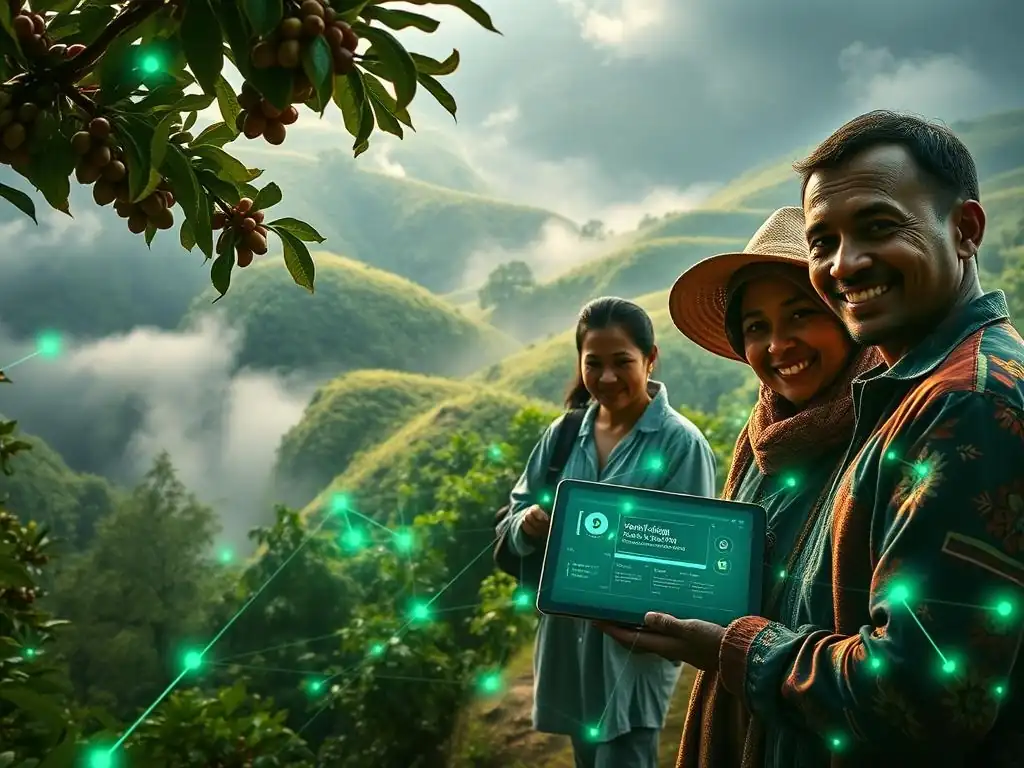
Welcome to Blockchain Trends, your compass in the ever-evolving world of decentralized innovation. Dive into the transformative potential of blockchain, far beyond the hype of cryptocurrencies. Are you ready to discover how this technology is reshaping industries and addressing crucial global challenges?
Today, we're exploring a critical application of blockchain's power: ethical sourcing blockchain solutions. Uncover how blockchain is moving beyond simple traceability to ensure truly ethical and transparent supply chains, fostering a future where products are not only of high quality but also ethically produced. What impact will this have on your business and the world around you? Read on to find out.
Beyond Traceability: How Blockchain Ensures Ethical Sourcing and Production
- Introduction: The Urgent Need for Ethical Sourcing and Production Transparency
- Blockchain's Role in Revolutionizing Ethical Sourcing
- Ethical Sourcing Blockchain Solutions: A Deep Dive
- Use Cases: Blockchain in Action for Ethical Supply Chains
- Benefits of Implementing Ethical Sourcing Blockchain Solutions
- Challenges and Considerations for Blockchain Adoption in Ethical Sourcing
- Overcoming the Challenges: Strategies for Successful Blockchain Integration
- The Future of Ethical Sourcing: Blockchain and Beyond
- Conclusion: Embracing Blockchain for a More Ethical and Sustainable Future
-
Frequently Asked Questions
- How does blockchain technology enhance ethical sourcing beyond simple tracking?
- What are some practical applications of ethical sourcing blockchain solutions in different industries?
- What are the main benefits for businesses adopting ethical sourcing blockchain solutions?
- What are the primary challenges in implementing ethical sourcing blockchain solutions?
- How can blockchain technology help combat fraud and counterfeiting in ethical sourcing claims?
- Final Reflection: Empowering Ethical Futures with Blockchain
- Empower Your Supply Chain: Embrace Ethical Blockchain Now!
Introduction: The Urgent Need for Ethical Sourcing and Production Transparency
The Growing Demand for Ethical Products
Consumers globally are increasingly prioritizing ethical considerations when making purchasing decisions. A 2021 report by Deloitte found that approximately one-third of consumers stopped buying products from companies they perceived as having unethical or unsustainable practices. This shift in consumer behavior is not merely a trend but a fundamental change, driving companies to demonstrate genuine commitment to social responsibility and environmental stewardship throughout their supply chains. The demand spans various sectors, from food and fashion to electronics and minerals, highlighting a universal desire for transparency regarding product origins and the conditions under which they were produced.
This heightened consumer awareness is amplified by social media and news outlets, which quickly expose unethical practices, leading to significant reputational damage and financial losses for businesses. For instance, reports of forced labor in certain manufacturing hubs or environmentally destructive mining operations can instantly tarnish a brand's image. As a result, businesses are under pressure from both consumers and regulatory bodies to implement robust systems that go beyond basic compliance, actively proving their adherence to ethical standards. This necessitates a deeper level of visibility into every stage of the supply chain, from raw material extraction to final product delivery.
Limitations of Traditional Traceability Systems
Traditional supply chain traceability systems often rely on fragmented databases, paper records, and centralized ledgers. These systems are inherently vulnerable to manipulation, errors, and data silos, making it difficult to establish a single, trustworthy source of truth. Information about a product's journey might be stored in disparate systems managed by different intermediaries, including farmers, processors, manufacturers, distributors, and retailers. This lack of interoperability creates blind spots, making it challenging to verify claims about origin, labor conditions, or environmental impact.
Furthermore, these conventional methods typically provide only a snapshot of certain points in the supply chain, rather than a continuous, end-to-end view. For example, a certificate might attest to a product's fair-trade status at one stage, but there's limited assurance that these standards were maintained throughout the entire process. This opacity makes it difficult for companies to proactively identify and address unethical practices, and even harder to confidently communicate ethical credentials to consumers. The manual nature of many traditional processes also introduces delays and inefficiencies, hindering the ability to react quickly to issues or provide timely information.
Blockchain's Role in Revolutionizing Ethical Sourcing
What is Blockchain and How Does it Work for Supply Chains?
Blockchain is a decentralized, distributed ledger technology that records transactions across multiple computers. Each transaction, or 'block,' is linked to the previous one using cryptographic hash, forming a chain that is extremely difficult to alter without the consensus of the network participants. In a supply chain context, blockchain creates a shared, immutable record of a product's journey, from its origin to its final destination. Every step, such as harvesting, processing, shipping, or quality checks, can be recorded as a transaction on the blockchain.
This distributed nature means that no single entity controls the data, reducing the risk of manipulation or fraud. Participants in the supply chain network (farmers, manufacturers, logistics providers, retailers, etc.) can have access to the shared ledger, depending on their permissions, allowing for unprecedented transparency. Smart contracts, self-executing contracts with the terms of the agreement directly written into code, can be deployed on the blockchain to automate processes, such as payments upon successful delivery or verification of specific conditions, further enhancing efficiency and trust.
Enhanced Transparency and Immutable Records with Blockchain Technology
The core strength of blockchain for ethical sourcing lies in its ability to provide enhanced transparency and create immutable records. Once data is recorded on the blockchain, it cannot be retrospectively changed or deleted without the consensus of the network. This provides a high level of data integrity and trustworthiness that is often lacking in traditional systems. For a product's ethical journey, this means that claims about its origin, the materials used, the labor involved, or its environmental footprint can be verified against a secure, shared ledger.
Consider the journey of a garment. Details about the cotton farm (location, labor certifications), the spinning mill (energy consumption, water usage), the dyeing factory (chemical use, waste disposal), and the sewing workshop (worker wages, safety conditions) can all be recorded on the blockchain. Each participant adds their specific data, creating a comprehensive, tamper-proof history. This level of granular transparency allows consumers, auditors, and businesses themselves to trace the product back to its source and verify ethical claims, making blockchain a powerful tool for implementing ethical sourcing blockchain solutions.
Ethical Sourcing Blockchain Solutions: A Deep Dive
Key Features of Blockchain Platforms for Ethical Sourcing
Ethical sourcing blockchain solutions are designed with specific functionalities to address the complexities of global supply chains and ethical considerations. A fundamental feature is the creation of a digital identity for products, materials, or even batches, often linked via QR codes or RFID tags.
This digital identity serves as the anchor for all subsequent data entries on the blockchain. Another crucial feature is the ability to record granular data points at each stage of the supply chain, such as the date of harvest, the location of processing, certifications obtained (e.g., Fair Trade, organic), labor hours recorded, or environmental impact metrics (e.g., carbon emissions per unit).
Furthermore, these platforms often incorporate smart contracts to automate compliance checks and payments based on predefined ethical criteria. For instance, a smart contract could ensure that payment is released to a farmer only after verification of fair wages paid to workers, recorded and validated on the blockchain. Access control is also a key feature, allowing different participants (suppliers, manufacturers, auditors, consumers) varying levels of access to the data, ensuring privacy for sensitive business information while maintaining transparency for relevant ethical data points. These combined features create a robust framework for validating and proving ethical claims.
Real-time Tracking and Verification of Product Origin
One of the immediate benefits of implementing ethical sourcing blockchain solutions is the capability for real-time tracking and verification of a product's origin. As goods move through the supply chain, each transfer of custody or transformation step can be recorded on the blockchain ledger. This provides an up-to-the-minute view of where a product is, who handled it, and when. Unlike traditional systems where tracking updates can be delayed or incomplete, a blockchain-based system offers near-instantaneous visibility across the network.
This real-time tracking is invaluable for verifying claims about origin, which is critical for combating fraud, ensuring product authenticity, and supporting geographical indications (e.g., identifying coffee from a specific region or olive oil from a particular grove). By scanning a QR code on the final product, a consumer or auditor can access the immutable history stored on the blockchain, seeing the sequence of events from the source farm or factory. This verifiable history builds significant trust and empowers stakeholders with accurate information about the product's journey.
Ensuring Fair Labor Practices and Environmental Sustainability with Blockchain
Beyond tracking physical goods, blockchain can be utilized to record and verify data related to fair labor practices and environmental sustainability. Information such as worker hours, wages paid, safety training completion, or adherence to child labor laws can be entered onto the blockchain, potentially validated by third-party auditors or even worker-reported data (with appropriate privacy safeguards). Similarly, environmental data like energy consumption, water usage, waste disposal methods, or certifications like ISO 14001 can be recorded and linked to specific product batches or production sites.
Smart contracts can be programmed to trigger alerts or actions if recorded data falls outside predefined ethical or environmental thresholds. For example, a contract could flag a supplier if recorded wages consistently fall below a set minimum, or if energy consumption per unit exceeds a sustainability target. By making this data transparent and verifiable on an immutable ledger, blockchain solutions provide a powerful mechanism for holding supply chain partners accountable for their social and environmental impact, driving improvements in ethical and sustainable practices across the network.
Use Cases: Blockchain in Action for Ethical Supply Chains
Case Study 1: Farmer Connect - Implementing Blockchain for Fair Trade Coffee
Farmer Connect is a company that has implemented blockchain technology to improve transparency and fairness in the coffee supply chain. Partnering with major players like IBM, this initiative allows consumers to trace their coffee back to the individual farms where the beans were grown. By scanning a QR code on the product packaging, consumers can access information about the farmer, the origin of the beans, pricing details, and even learn about the farmer's story and community projects supported by their purchase.
The platform records transactions and data points along the coffee's journey, from the farm to the roaster and retailer. This level of traceability, enabled by blockchain, assures consumers that they are purchasing ethically sourced coffee and that farmers are receiving a fair share of the revenue. While specific percentages can vary, initiatives like these aim to increase the portion of the final retail price that reaches the farmer, often significantly more than through traditional opaque supply chains where farmers might receive only a small fraction, sometimes less than 10%, of the final price.
Case Study 2: Provenance - Tracking Sustainable Seafood with Blockchain
Provenance is another pioneering company using blockchain to bring transparency to supply chains, with a notable focus on the seafood industry. Seafood supply chains are notoriously complex and prone to issues like illegal fishing, mislabeling, and unsustainable practices. Provenance's blockchain platform allows fish and seafood products to be tracked from the point of catch or farm through processing, distribution, and retail.
By assigning a digital token to each batch of seafood and recording data points such as catch location, vessel details, species, processing date, and certifications (e.g., Marine Stewardship Council), Provenance creates a verifiable history. Consumers can access this data via a QR code, confirming the origin and sustainability credentials of the seafood they purchase. This not only combats fraud and mislabeling – a significant issue in the seafood industry where studies have shown high rates of species substitution – but also empowers consumers to make informed choices supporting sustainable fishing practices.
Case Study 3: De Beers - Verifying Conflict-Free Diamonds using Blockchain
The diamond industry has long faced challenges related to conflict diamonds and opaque supply chains. De Beers, a leading diamond company, launched the Tracr platform, a blockchain-based system designed to track diamonds from mine to retailer. The objective is to provide assurance to consumers that their diamonds are natural and conflict-free, adhering to ethical sourcing standards.
Tracr assigns a unique ID to each rough diamond, which is then recorded on the blockchain along with its characteristics. As the diamond is cut, polished, and traded, each step is recorded on the immutable ledger. This creates a secure and verifiable record of the diamond's provenance and journey. While initially focused on high-value stones, the aim is to expand the system to track a significant portion of the diamonds handled by De Beers and its partners, offering a powerful example of how ethical sourcing blockchain solutions can bring much-needed transparency to industries plagued by ethical concerns.
Benefits of Implementing Ethical Sourcing Blockchain Solutions

Increased Consumer Trust and Brand Reputation
In an era where consumers demand accountability and transparency, implementing ethical sourcing blockchain solutions can significantly boost consumer trust and enhance brand reputation. By providing a verifiable, immutable history of a product's ethical journey, companies can back up their sustainability and fair labor claims with concrete data accessible to the public. This level of transparency goes far beyond traditional marketing messages and builds genuine confidence.
A brand known for its commitment to ethical practices, demonstrably proven through blockchain transparency, stands out in a crowded market. This can lead to increased customer loyalty and attract new ethically-minded consumers. For example, a company that can prove its coffee beans are sourced directly from farmers paid fair wages, or that its fashion is made using sustainable materials under safe working conditions, creates a powerful narrative supported by data. This enhanced trust translates directly into a stronger brand image and a competitive advantage, potentially leading to increased sales and market share.
Improved Supply Chain Efficiency and Reduced Costs
While the primary focus of ethical sourcing blockchain solutions is on transparency and ethics, their implementation can also lead to significant improvements in supply chain efficiency and cost reduction. By creating a single, shared source of truth accessible to all authorized participants, blockchain reduces reliance on manual processes, paper documentation, and fragmented communication. This streamlines operations, reduces administrative overhead, and minimizes delays caused by data reconciliation issues.
Furthermore, increased transparency can help identify bottlenecks and inefficiencies within the supply chain. Real-time tracking capabilities allow for better inventory management, optimized logistics, and faster dispute resolution. Reduced fraud and errors, inherent benefits of an immutable ledger, also contribute to cost savings. While initial investment in blockchain technology can be substantial, the long-term benefits in terms of operational efficiency, reduced risk, and enhanced reputation can yield a positive return on investment.
Enhanced Compliance with Ethical and Regulatory Standards
Global supply chains are subject to an ever-growing list of ethical and regulatory standards, ranging from labor laws and environmental regulations to specific industry certifications (e.g., responsible minerals sourcing, sustainable forestry). Ensuring compliance across complex, multi-tier supply chains is a significant challenge using traditional methods. Ethical sourcing blockchain solutions provide a robust framework for managing and demonstrating compliance.
By recording compliance data directly on the blockchain – such as audit reports, certifications, permits, and labor records – companies create a verifiable and easily auditable trail. Smart contracts can automate checks against regulatory requirements, triggering alerts or preventing transactions if compliance data is missing or invalid. This proactive approach helps companies avoid costly fines, legal disputes, and reputational damage associated with non-compliance, providing a strong business case for adopting blockchain for ethical sourcing and production.
Challenges and Considerations for Blockchain Adoption in Ethical Sourcing
Scalability and Interoperability Issues
Despite the promising potential of ethical sourcing blockchain solutions, several challenges need to be addressed for widespread adoption. Scalability is a major concern, particularly for large, complex supply chains involving millions of transactions daily. Public blockchains, while offering high decentralization, can face limitations in transaction speed and throughput. Private or consortium blockchains can offer better scalability but introduce questions about the degree of decentralization and control.
Interoperability is another significant hurdle. Different companies and industries may adopt different blockchain platforms or versions, creating silos that mirror the problems of traditional systems. For true end-to-end supply chain transparency, these disparate blockchain networks need to be able to communicate and share data seamlessly. Developing standards and protocols for cross-chain interoperability is crucial for the widespread success of blockchain in ethical sourcing.
Data Privacy and Security Concerns
While blockchain is known for its security and immutability, implementing ethical sourcing blockchain solutions raises specific data privacy concerns. Supply chain data, particularly sensitive information about suppliers, pricing, production volumes, or proprietary processes, needs to be protected. Placing all data on a public, transparent ledger is often not feasible or desirable for businesses.
Solutions involve using permissioned blockchains where access is restricted, employing cryptographic techniques like zero-knowledge proofs to verify information without revealing the underlying data, or storing sensitive data off-chain while using the blockchain for verification hashes. Ensuring the security of the data entered onto the blockchain, as well as the security of the systems interacting with the blockchain (e.g., IoT devices, user interfaces), is paramount to maintaining trust in the system.
The Importance of Collaboration and Standardization in Blockchain Implementations
Successful implementation of ethical sourcing blockchain solutions requires extensive collaboration among all supply chain participants – from raw material suppliers and manufacturers to logistics providers, retailers, and even third-party auditors and regulators. A blockchain network is only as effective as the participation and data quality provided by its members. Getting all stakeholders to agree on a common platform, data standards, and governance rules can be a complex and time-consuming process.
Lack of standardization in data formats, terminology, and processes across different companies and regions hinders seamless data flow onto the blockchain. Developing industry-wide standards for ethical sourcing data on blockchain is essential. Initiatives by organizations like the World Economic Forum or industry-specific consortia are working towards this, but achieving broad consensus and adoption remains a significant challenge that requires ongoing effort and commitment from all parties involved.
Overcoming the Challenges: Strategies for Successful Blockchain Integration
Choosing the Right Blockchain Platform for Your Needs
Selecting the appropriate blockchain platform is a critical first step for organizations looking to implement ethical sourcing blockchain solutions. The choice often depends on the specific requirements of the supply chain, including the number of participants, the volume of transactions, the need for data privacy, and the desired level of decentralization. Options range from public blockchains like Ethereum (though often used with private layers for enterprise) to consortium blockchains like Hyperledger Fabric or private blockchains developed by companies like IBM or SAP.
For many enterprise ethical sourcing blockchain solutions, permissioned or consortium blockchains are preferred due to their better scalability, control over access, and data privacy features compared to purely public networks. Companies should carefully evaluate platforms based on factors such as transaction speed, cost per transaction, ease of integration with existing systems, availability of smart contract capabilities, and the maturity and support of the platform's ecosystem. Piloting different platforms with a subset of the supply chain can provide valuable insights before committing to a full-scale deployment.
Building a Robust Data Management and Governance Framework
The success of any blockchain initiative, especially those focused on ethical sourcing, hinges on the quality and integrity of the data entered onto the ledger. Implementing a robust data management and governance framework is therefore essential. This involves establishing clear protocols for data collection, validation, and entry at each stage of the supply chain. It also requires defining who is responsible for providing specific data points and ensuring that data is accurate and timely.
Governance extends to defining access rights on the blockchain, establishing procedures for handling disputes or errors (even though data is immutable, subsequent transactions can correct errors), and setting rules for network participation. Companies must invest in training personnel across the supply chain to understand the importance of data accuracy and the processes for interacting with the blockchain platform. A well-defined governance model ensures trust and reliability in the data recorded, which is the foundation for verifiable ethical claims.
Fostering Collaboration Across the Supply Chain Ecosystem
As highlighted earlier, collaboration is key. Successfully implementing ethical sourcing blockchain solutions requires bringing together disparate entities within the supply chain – often competitors or entities with previously limited interaction – onto a shared platform. This necessitates building trust and demonstrating the value proposition of blockchain for every participant.
Engaging stakeholders early in the process, clearly communicating the benefits (e.g., reduced audits, faster payments, enhanced brand image), and addressing their concerns (e.g., data privacy, cost of participation) are crucial. Establishing a consortium or working group involving representatives from different tiers of the supply chain can help build consensus and ensure the platform meets the needs of all parties. Shared governance models where participants have a voice in the network's evolution can also foster a sense of ownership and commitment, driving wider adoption and ensuring the network's long-term viability.
The Future of Ethical Sourcing: Blockchain and Beyond
The Convergence of Blockchain with IoT and AI for Enhanced Transparency
The future of ethical sourcing blockchain solutions is likely to involve the convergence of blockchain with other cutting-edge technologies like the Internet of Things (IoT) and Artificial Intelligence (AI). IoT devices, such as sensors, GPS trackers, and environmental monitors, can automatically collect real-time data directly from the physical world – think temperature sensors on a refrigerated container, GPS data tracking a shipment, or humidity sensors in a storage facility.
This data can then be fed directly onto the blockchain, providing objective, automated verification of conditions and events, reducing reliance on manual data entry which can be prone to error or manipulation.
AI can play a role in analyzing the vast amounts of data collected on the blockchain and from IoT devices. AI algorithms can identify patterns indicative of potential ethical breaches or inconsistencies, such as unusual delays in a shipment, discrepancies between claimed production volumes and raw material inputs, or anomalies in labor hour reporting. By combining the secure, immutable record-keeping of blockchain with the automated data collection of IoT and the analytical power of AI, companies can create highly robust, proactive, and verifiable systems for ensuring ethical sourcing and production.
The Role of Blockchain in Promoting Sustainable Consumption and Production
Beyond just tracking existing practices, blockchain has the potential to actively promote more sustainable consumption and production models. By providing consumers with granular, verifiable information about the environmental footprint of products – such as carbon emissions associated with transportation, water usage in manufacturing, or the source of renewable energy used – blockchain empowers individuals to make truly sustainable choices. This increased demand for sustainable products can, in turn, incentivize businesses to adopt more environmentally friendly practices.
Furthermore, blockchain can facilitate circular economy initiatives. By tracking the lifecycle of products and materials, blockchain can enable efficient recycling, repair, and reuse programs. For example, a digital twin of a product on the blockchain could store information about its components, materials, and repair history, making it easier to recycle or refurbish at the end of its life. This level of transparency and tracking is foundational for shifting towards a more sustainable and circular global economy.
Predicting Future Trends in Ethical Sourcing Blockchain Solutions
Looking ahead, several trends are likely to shape the landscape of ethical sourcing blockchain solutions. We can anticipate increased industry-specific consortia forming to develop tailored blockchain platforms and data standards for sectors like textiles, electronics, and agriculture. The focus will likely shift from basic traceability to incorporating more comprehensive data points related to social impact, worker well-being, biodiversity, and climate resilience.
The integration of regulatory technology ("RegTech") with blockchain will likely grow, enabling automated reporting and verification against evolving ethical and sustainability regulations. Furthermore, the development of more scalable and energy-efficient blockchain protocols will address current technological limitations. Ultimately, the goal is to move towards interconnected blockchain networks that create a global, transparent, and verifiable ecosystem for ethical and sustainable commerce, making ethical sourcing not just an option, but a standard practice.
Conclusion: Embracing Blockchain for a More Ethical and Sustainable Future
Key Takeaways on Blockchain's Impact on Ethical Sourcing
Blockchain technology offers a transformative approach to addressing the long-standing challenges of transparency and trust in global supply chains, particularly concerning ethical sourcing and production. By providing an immutable, decentralized, and shared ledger, blockchain enables companies to move beyond basic traceability to create verifiable records of product origins, labor practices, environmental impacts, and certifications. This enhanced transparency builds consumer trust, strengthens brand reputation, and empowers stakeholders with accurate information.
Implementing ethical sourcing blockchain solutions can streamline operations, reduce costs associated with audits and compliance, and proactively identify and mitigate risks related to unethical practices. While challenges related to scalability, interoperability, and data privacy exist, ongoing technological advancements and collaborative efforts are paving the way for broader adoption. The successful case studies across various industries demonstrate the tangible benefits already being realized.
Call to Action: Explore Blockchain Solutions for Your Supply Chain
The increasing global demand for ethically sourced products, coupled with growing regulatory pressures, makes transparency in supply chains no longer optional but essential for business success and sustainability. Companies that proactively embrace innovative technologies like blockchain are better positioned to meet these demands, build resilience, and foster genuine trust with their stakeholders.
Now is the time for businesses across all sectors to explore how ethical sourcing blockchain solutions can be tailored to their specific supply chain needs. Start by identifying critical areas where transparency is lacking or where ethical risks are highest. Research available blockchain platforms and consider piloting a solution with a key supplier or product line. Engaging in industry consortia and collaborating with supply chain partners will be vital for successful implementation. By leveraging the power of blockchain, businesses can not only enhance ethical practices but also contribute to a more sustainable and equitable global economy.
Frequently Asked Questions
How does blockchain technology enhance ethical sourcing beyond simple tracking?
Blockchain offers immutable records and transparent supply chains, ensuring accountability and preventing data manipulation. This extends beyond simple tracking by verifying ethical claims at each stage of production.
What are some practical applications of ethical sourcing blockchain solutions in different industries?
Examples include food supply chains tracking organic certifications, fashion industries ensuring fair labor practices, and mining operations verifying conflict-free sourcing of minerals.
What are the main benefits for businesses adopting ethical sourcing blockchain solutions?
Adopting such solutions can improve brand reputation, enhance consumer trust, and comply with increasing regulatory demands for supply chain transparency and ethics.
What are the primary challenges in implementing ethical sourcing blockchain solutions?
Challenges include the high initial cost of implementation, the need for industry-wide collaboration, and ensuring data accuracy throughout the supply chain.
How can blockchain technology help combat fraud and counterfeiting in ethical sourcing claims?
Blockchain's unalterable ledger makes it difficult to forge certifications or falsify origin information. Smart contracts can automate verification processes, further reducing the risk of fraud.
Final Reflection: Empowering Ethical Futures with Blockchain
The journey from simple traceability to genuine ethical sourcing, as explored throughout this article, highlights the transformative power of blockchain. The ability to verify and validate every step of a product's journey, from raw material to consumer, is no longer a futuristic ideal, but a tangible reality thanks to ethical sourcing blockchain solutions. This shift is crucial in a world increasingly demanding transparency and accountability from businesses.
This technology's influence extends far beyond mere compliance; it's reshaping consumer expectations and fostering a culture of conscious consumption. The potential for blockchain to empower marginalized communities and ensure fair labor practices is immense, and it's a responsibility we all share to advocate for its widespread adoption. The future of ethical sourcing lies in technologies that can provide irrefutable proof of origin and process, ensuring that products are not only traceable but also truly ethical.
As we conclude this exploration of ethical sourcing blockchain solutions, I invite you to consider your own role in shaping a more ethical future. What choices can you make as a consumer to support businesses committed to transparency? How can you advocate for the adoption of blockchain technology to ensure fair labor practices and environmental sustainability? The power to create a more just and equitable world lies within each of us. Let us embrace the potential of blockchain to build a future where ethical sourcing is not just a buzzword, but a fundamental principle.
Empower Your Supply Chain: Embrace Ethical Blockchain Now!
Thank you for exploring the importance of ethical sourcing and sustainable production with us. We hope you've gained a clear understanding of how blockchain technology can enhance transparency across your supply chain. Are you ready to take action?
Here are some steps you can take today:
- Conduct a small-scale pilot project to integrate blockchain into a segment of your supply chain. This will help you assess its effectiveness and uncover potential challenges.
- Explore open-source blockchain platforms designed for supply chain management to find solutions suited to your industry.
- Share this article with colleagues and industry peers to start a conversation about how blockchain can promote ethical practices.
What is one small change you can make this week to improve the ethical traceability of your product's journey using blockchain technology?
Leave a Reply