
Blockchain for Ethical Agriculture: Ensuring Fair Prices and Sustainable Practices

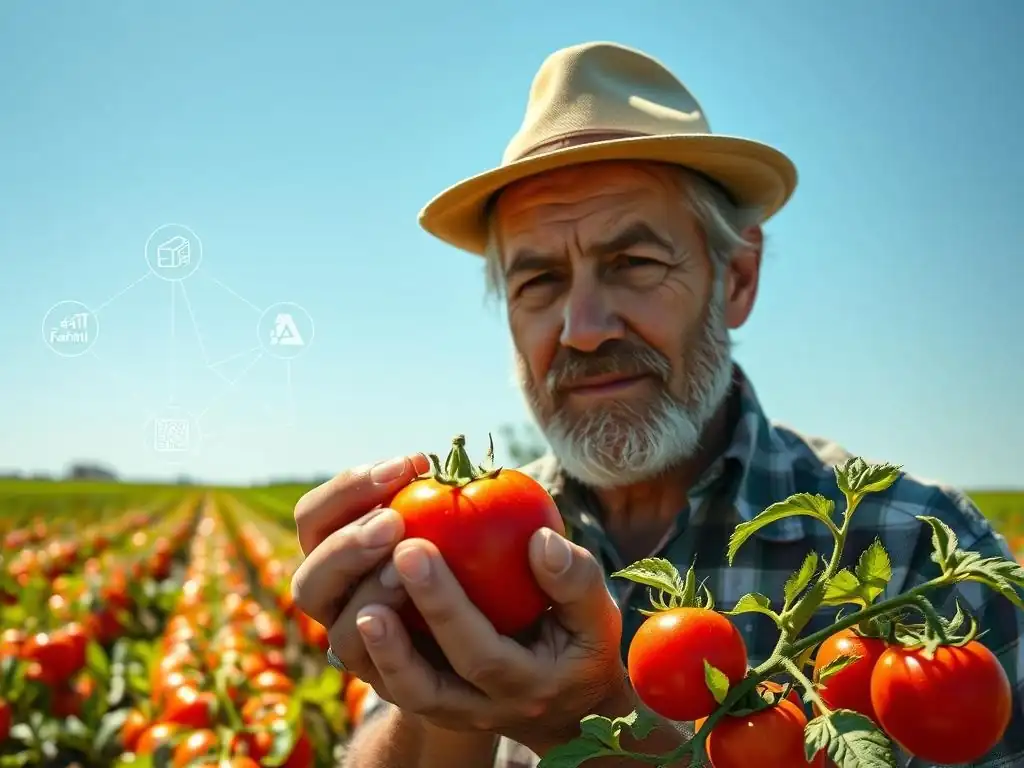
Welcome to Blockchain Trends, your compass in the rapidly evolving world of decentralized technology. Beyond the buzzwords, lies a profound potential for transformation. But can blockchain truly revolutionize industries beyond finance? In this issue, we delve into one such exciting application: blockchain traceability in the food supply chain. Discover how this innovative approach is paving the way for ethical agriculture, ensuring fair prices for farmers, and promoting sustainable practices. Are you ready to explore the future of food, powered by the blockchain? Let's begin...
Blockchain for Ethical Agriculture: Ensuring Fair Prices and Sustainable Practices
- Introduction: The Need for Transparency in Agriculture
- Blockchain Traceability Food Supply: Enhancing Transparency and Accountability
- Fair Prices for Farmers: Empowering Producers Through Decentralization
- Sustainable Agricultural Practices: Promoting Environmental Responsibility
- Case Studies: Blockchain Success Stories in Agriculture
- Overcoming Challenges to Blockchain Adoption in Agriculture
- The Future of Blockchain in Ethical and Sustainable Agriculture
- Conclusion: Towards a More Transparent and Equitable Agricultural Future
-
Frequently Asked Questions
- What role does blockchain play in ensuring fair prices for farmers?
- How does blockchain contribute to sustainable practices in agriculture?
- Can blockchain help combat food fraud in the agricultural sector?
- What are some of the key challenges to implementing blockchain in agriculture?
- How does blockchain traceability specifically improve the food supply?
- Final Reflection: Cultivating Trust in Every Bite
Introduction: The Need for Transparency in Agriculture
Challenges in the Modern Agricultural Supply Chain
The modern agricultural supply chain is a complex global network fraught with opacity and inefficiencies. Food often travels vast distances, passing through numerous intermediaries from farm to consumer. This intricate journey makes it incredibly difficult to trace the origin of food products, verify their quality, or ensure ethical practices at each stage.
Consumers are increasingly demanding to know where their food comes from, how it was produced, and whether it aligns with their values, but the current system struggles to provide this transparency. This lack of visibility can lead to food fraud, safety concerns, and a disconnect between consumers and producers, undermining trust in the entire food system.
Furthermore, the complexity of the supply chain contributes to significant information asymmetry and power imbalances. Farmers, who are the foundation of the food system, often lack bargaining power and are vulnerable to price fluctuations and unfair trading practices. Intermediaries, processors, distributors, and retailers all add layers of complexity and cost, often taking a disproportionate share of the profit while farmers struggle to receive fair compensation for their labor and produce. This opaque system not only disadvantages farmers but also hinders the adoption of sustainable and ethical practices throughout the agricultural sector.
How Blockchain Technology Can Revolutionize Agricultural Practices
Blockchain technology, with its inherent characteristics of transparency, immutability, and decentralization, offers a powerful solution to address the challenges in the modern agricultural supply chain. By creating a shared, distributed ledger that records every transaction and movement of agricultural products, blockchain can bring unprecedented transparency and traceability to the food system. This technology allows for the secure and verifiable tracking of food products from farm to fork, providing consumers with detailed information about origin, production methods, and handling processes.
Moreover, blockchain can empower farmers by enabling direct connections with consumers and reducing reliance on intermediaries. Smart contracts, self-executing agreements coded on the blockchain, can automate payments and ensure fair pricing for farmers based on pre-defined conditions, fostering trust and efficiency in transactions. Beyond traceability and fair pricing, blockchain can also play a crucial role in promoting sustainable agricultural practices by verifying certifications, tracking environmental impact, and incentivizing eco-friendly farming methods. By harnessing the power of blockchain, the agricultural sector can move towards a more transparent, efficient, and ethical future, benefiting both producers and consumers alike.
Blockchain Traceability Food Supply: Enhancing Transparency and Accountability
Understanding Blockchain's Role in Food Traceability
Blockchain technology provides a robust and tamper-proof system for tracking food products throughout the supply chain, a concept often referred to as blockchain traceability food supply. Imagine a head of lettuce. Using blockchain, every step of its journey, from planting the seed to reaching the supermarket shelf, can be recorded on the distributed ledger. This includes information such as farm location, planting date, harvesting date, transportation details, processing information, and even storage conditions. Each participant in the supply chain, from farmers to processors to retailers, can add information to the blockchain, creating an immutable record of the product's history.
This system of blockchain traceability food supply relies on unique identifiers, often QR codes or RFID tags, attached to agricultural products or batches. Scanning these identifiers at each stage of the supply chain updates the blockchain with relevant data, creating a comprehensive and verifiable audit trail. This level of detail is far superior to traditional paper-based systems, which are prone to errors, fraud, and loss. Blockchain's decentralized nature ensures that no single entity controls the data, enhancing trust and accountability among all stakeholders in the food supply chain.
Benefits of Blockchain Implementation in Agriculture
Implementing blockchain for blockchain traceability food supply brings a multitude of benefits to the agricultural sector and consumers. Firstly, enhanced food safety is a primary advantage. In the event of a foodborne illness outbreak, blockchain allows for rapid and precise identification of contaminated products and their origin, enabling swift recalls and minimizing the impact on public health. For example, if a batch of spinach is found to be contaminated with E. coli, blockchain can quickly pinpoint the farm and even the specific field where it was grown, preventing further distribution and protecting consumers.
Secondly, blockchain fosters greater consumer trust and transparency. Consumers gain access to detailed information about the food they purchase, empowering them to make informed choices based on their values and preferences. They can verify claims of organic certification, fair trade practices, or sustainable sourcing directly by scanning a QR code, building confidence in the food system.
Furthermore, blockchain can help combat food fraud and counterfeiting. By providing an immutable record of origin and authenticity, it becomes significantly harder to mislabel or substitute inferior products, protecting both consumers and reputable producers. This enhanced transparency and accountability throughout the blockchain traceability food supply chain ultimately strengthens the integrity and resilience of the entire agricultural ecosystem.
Fair Prices for Farmers: Empowering Producers Through Decentralization
The Problem of Price Volatility and Intermediaries
Farmers, particularly smallholder farmers in developing countries, often face significant challenges related to price volatility and the dominance of intermediaries in the agricultural supply chain. Commodity prices for agricultural products are notoriously susceptible to fluctuations due to factors like weather patterns, global demand, and speculative trading. Farmers, lacking market information and bargaining power, are often price takers, vulnerable to exploitation by intermediaries who control access to markets and dictate prices. This price volatility creates income insecurity and hinders farmers' ability to invest in sustainable practices or improve their livelihoods.
The traditional agricultural supply chain is characterized by multiple layers of intermediaries – aggregators, processors, distributors, and retailers – each taking a cut of the profit. While some intermediaries provide valuable services, the lack of transparency in pricing and profit margins often results in farmers receiving a disproportionately small share of the final consumer price. Studies have shown that in some commodity chains, farmers receive as little as 10-20% of the retail price, with the majority going to intermediaries. This system perpetuates poverty among farmers and discourages investment in sustainable and ethical agriculture.
Blockchain-Based Solutions for Direct Farmer-Consumer Connections
Blockchain technology offers innovative solutions to address the issues of price volatility and intermediary dominance by facilitating direct farmer-consumer connections and disintermediation. By creating platforms that connect farmers directly with consumers, retailers, or food processors, blockchain eliminates unnecessary intermediaries and allows farmers to capture a larger share of the value they create. These platforms can operate on a local, regional, or even global scale, depending on the specific agricultural product and target market.
Direct-to-consumer (D2C) models enabled by blockchain can empower farmers to set their own prices, build direct relationships with their customers, and receive faster and more transparent payments. Consumers, in turn, benefit from access to fresher, higher-quality produce, often at competitive prices, and gain a deeper understanding of the origin and production of their food. Blockchain-based marketplaces can also provide farmers with access to market information, financial services, and other resources that were previously inaccessible, leveling the playing field and fostering greater economic empowerment.
Smart Contracts: Automating Fair Payment Mechanisms
Smart contracts, self-executing agreements written in code and stored on the blockchain, offer a powerful tool for automating fair payment mechanisms in agricultural transactions. These contracts can be programmed to automatically release payments to farmers upon fulfillment of pre-defined conditions, such as delivery of goods of a specified quality or completion of certain milestones. This eliminates the need for manual payment processing and reduces the risk of payment delays or disputes, enhancing trust and efficiency in transactions.
For example, a smart contract could be set up between a farmer and a buyer that specifies the price, quantity, and quality of produce to be delivered. Upon verification of delivery and quality through blockchain-based tracking and quality assurance mechanisms, the smart contract automatically triggers payment from the buyer's account to the farmer's digital wallet. This automated and transparent payment system reduces transaction costs, eliminates the need for intermediaries in payment processing, and ensures that farmers receive timely and fair compensation for their produce, promoting financial inclusion and stability in the agricultural sector.
Sustainable Agricultural Practices: Promoting Environmental Responsibility
Using Blockchain to Verify Sustainable Farming Methods
Blockchain technology can play a crucial role in promoting sustainable agricultural practices by providing a transparent and verifiable system for tracking and verifying sustainable farming methods and certifications. Traditional certification processes often rely on paper-based systems and manual audits, which are prone to fraud, inefficiencies, and lack of transparency. Blockchain offers a digital and immutable ledger to record and verify sustainable farming practices, such as organic farming, water conservation, reduced pesticide use, and fair labor standards.
Farmers adopting sustainable practices can register their methods and certifications on the blockchain, creating a verifiable record that is accessible to consumers, retailers, and other stakeholders. Independent auditors or certification bodies can also use blockchain to record their assessments and certifications, adding an extra layer of trust and credibility. Consumers can then easily verify these claims by scanning a QR code on the product, ensuring that they are supporting genuinely sustainable and ethical agricultural practices. This transparency and verifiability incentivize farmers to adopt sustainable methods and differentiate their products in the market.
Tracking Carbon Footprint and Environmental Impact with Blockchain
Beyond verifying sustainable practices, blockchain can also be utilized to track and measure the carbon footprint and environmental impact of agricultural production. The agricultural sector is a significant contributor to greenhouse gas emissions and environmental degradation. Blockchain can provide a platform for recording and tracking data related to energy consumption, water usage, fertilizer and pesticide application, and transportation emissions throughout the agricultural supply chain.
By integrating with IoT sensors and data analytics platforms, blockchain can capture real-time data on environmental performance at various stages of production. This data can be used to calculate the carbon footprint of specific products or farms, providing consumers with information about the environmental impact of their food choices. Furthermore, blockchain can facilitate the creation of carbon credits or environmental impact tokens that incentivize farmers to reduce their environmental footprint and adopt climate-smart agricultural practices.
Incentivizing Eco-Friendly Practices Through Tokenization
Tokenization, the process of representing real-world assets or rights as digital tokens on a blockchain, offers a powerful mechanism for incentivizing eco-friendly practices in agriculture. Farmers who adopt sustainable and environmentally responsible practices can be rewarded with digital tokens that represent their positive environmental impact. These tokens can be used in various ways to incentivize further sustainable behavior and create new revenue streams for eco-conscious farmers.
For example, farmers who implement regenerative agriculture practices that sequester carbon in the soil could earn "carbon tokens" based on verified carbon sequestration data. These tokens could be traded on carbon markets, exchanged for discounts on inputs, or used to access premium markets for eco-friendly products. Similarly, farmers who conserve water or reduce pesticide use could earn "water tokens" or "biodiversity tokens" that recognize and reward their environmental stewardship. Tokenization creates a market-based mechanism to incentivize sustainable agriculture and drive positive environmental change in the food system.
Case Studies: Blockchain Success Stories in Agriculture
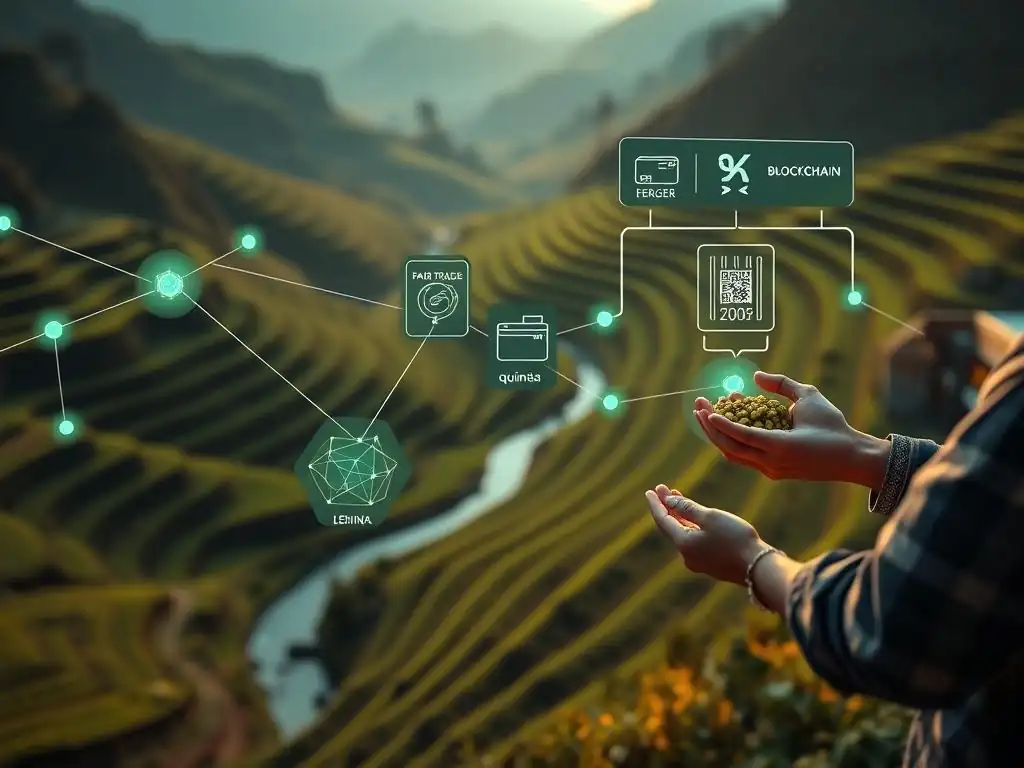
GrainChain: Revolutionizing Grain Trading and Payments
GrainChain is a real-world example of blockchain successfully transforming grain trading and payments. This platform utilizes blockchain to create a transparent and efficient system for grain farmers to manage their inventory, track deliveries, and receive faster payments. Traditional grain trading often involves lengthy payment cycles and a lack of price transparency, leaving farmers vulnerable to price fluctuations and payment delays. GrainChain addresses these issues by providing a real-time, auditable record of grain transactions on the blockchain.
Farmers using GrainChain can digitally record their grain inventory, track deliveries to buyers, and receive instant payments upon verification of delivery. The platform utilizes smart contracts to automate payments and ensure fair pricing based on agreed-upon terms. In regions where GrainChain has been implemented, farmers have reported significant reductions in payment times and increased price transparency, leading to improved cash flow and greater financial stability. GrainChain demonstrates the practical application of blockchain in streamlining agricultural trade and empowering farmers in the grain industry.
Provenance: Enhancing Seafood Traceability and Combating Illegal Fishing
Provenance is a blockchain platform focused on enhancing traceability in complex supply chains, with notable success in the seafood industry. Illegal, unreported, and unregulated (IUU) fishing is a major global problem, contributing to overfishing, environmental damage, and unfair competition for legitimate fishers. Provenance leverages blockchain to create a transparent and verifiable chain of custody for seafood, from catch to consumer, helping to combat IUU fishing and ensure sustainable seafood sourcing.
Using Provenance, fishers, processors, and retailers can record data about the origin, processing, and journey of seafood products on the blockchain. Consumers can scan QR codes on seafood packaging to access detailed information about the fish they are buying, including where and when it was caught, the fishing method used, and any certifications. This enhanced traceability empowers consumers to make informed choices about seafood and supports efforts to combat illegal fishing and promote sustainable fisheries management. Provenance showcases the power of blockchain in addressing ethical and sustainability challenges in global supply chains, particularly in the seafood sector.
Lessons Learned from Early Blockchain Adoption in Agriculture
Early adopters of blockchain in agriculture have provided valuable lessons for the broader industry. One key lesson is the importance of focusing on specific pain points and demonstrating clear value propositions for stakeholders. Blockchain is not a silver bullet, and successful implementations address specific challenges, such as lack of traceability, inefficient payments, or lack of transparency, and offer tangible benefits to farmers, consumers, or other supply chain actors.
Another lesson is the need for collaboration and interoperability. Agricultural supply chains involve diverse stakeholders, and successful blockchain solutions require collaboration and data sharing across different actors. Interoperability between different blockchain platforms and existing systems is crucial for seamless data exchange and widespread adoption. Furthermore, user-friendliness and accessibility are essential for farmer adoption. Blockchain solutions need to be designed with the needs and capabilities of farmers in mind, offering simple interfaces and accessible technology, particularly in regions with limited digital infrastructure. These early experiences highlight the importance of a pragmatic, problem-focused, and collaborative approach to blockchain implementation in agriculture.
Overcoming Challenges to Blockchain Adoption in Agriculture
Addressing Data Security and Privacy Concerns
While blockchain offers enhanced security compared to traditional systems, data security and privacy concerns remain important considerations for its adoption in agriculture. Farmers and other stakeholders may be hesitant to share sensitive data on a public or permissioned blockchain, particularly information related to farm yields, pricing, or business strategies. Addressing these concerns requires careful consideration of data governance, access control, and encryption mechanisms.
Solutions include implementing permissioned blockchains where access to data is restricted to authorized participants, utilizing zero-knowledge proofs to verify data without revealing sensitive information, and adopting robust data encryption protocols to protect data at rest and in transit. Clear data privacy policies and user agreements are also crucial to build trust and ensure that participants understand how their data will be used and protected. Addressing data security and privacy concerns is essential for fostering confidence and encouraging widespread adoption of blockchain in the agricultural sector.
The Importance of Interoperability and Standardization
Interoperability and standardization are critical for realizing the full potential of blockchain in agriculture. The agricultural supply chain is a complex ecosystem involving diverse actors and systems. For blockchain to effectively streamline processes and enhance transparency across the entire chain, different blockchain platforms and systems need to be able to communicate and exchange data seamlessly. Lack of interoperability can lead to data silos, inefficiencies, and hinder widespread adoption.
Industry-wide standards for data formats, protocols, and APIs are needed to facilitate interoperability and ensure that different blockchain solutions can work together effectively. Collaboration among industry stakeholders, technology providers, and standards organizations is essential to develop and promote these standards. Furthermore, bridging blockchain systems with existing agricultural data management systems, such as farm management software and traceability platforms, is crucial for seamless integration and maximizing the value of blockchain in the agricultural sector.
Overcoming Resistance to Change and Technological Barriers
Resistance to change and technological barriers are significant hurdles to overcome for wider blockchain adoption in agriculture, particularly among smallholder farmers and in developing countries. Many farmers are unfamiliar with blockchain technology and may be hesitant to adopt new digital tools. Lack of digital literacy, limited access to internet connectivity and smartphones, and concerns about the cost and complexity of implementation can all contribute to resistance to change.
Addressing these barriers requires targeted education and training programs to build digital literacy among farmers and agricultural stakeholders. Developing user-friendly and accessible blockchain solutions that are tailored to the specific needs and context of farmers is crucial. Providing financial and technical support for implementation, including access to affordable internet and devices, can also help overcome technological barriers. Building trust, demonstrating clear benefits, and providing ongoing support are essential for fostering wider adoption of blockchain and other digital technologies in the agricultural sector.
The Future of Blockchain in Ethical and Sustainable Agriculture
Emerging Trends and Innovations in Agri-Blockchain
The field of agri-blockchain is rapidly evolving, with several emerging trends and innovations shaping its future. One key trend is the increasing integration of blockchain with other technologies, such as the Internet of Things (IoT), Artificial Intelligence (AI), and Big Data analytics. Combining blockchain with IoT sensors can enable real-time data collection and monitoring of agricultural processes, enhancing traceability and efficiency. AI and Big Data analytics can be used to analyze blockchain data to gain insights into supply chain performance, optimize logistics, and improve decision-making.
Another trend is the development of more specialized and tailored blockchain solutions for specific agricultural subsectors, such as livestock, dairy, fruits and vegetables, and specialty crops. These solutions address the unique traceability, certification, and supply chain challenges of each subsector. Furthermore, the emergence of decentralized finance (DeFi) applications in agriculture is creating new opportunities for farmers to access financing, insurance, and other financial services through blockchain-based platforms, promoting financial inclusion and resilience.
The Role of Governments and Regulatory Bodies
Governments and regulatory bodies play a crucial role in shaping the future of blockchain in ethical and sustainable agriculture. Supportive regulatory frameworks are needed to foster innovation, promote adoption, and address potential risks associated with blockchain technology. Governments can play a proactive role in developing standards, providing funding for research and development, and promoting pilot projects to demonstrate the benefits of blockchain in agriculture.
Regulatory clarity around data privacy, smart contracts, and digital identities is essential to create a stable and predictable environment for blockchain adoption. Governments can also leverage blockchain technology themselves to improve agricultural subsidies distribution, enhance food safety monitoring, and streamline trade processes. Public-private partnerships and international collaboration are crucial to ensure that blockchain technology is used responsibly and effectively to advance ethical and sustainable agriculture globally.
Blockchain's Potential to Transform the Entire Food System
Blockchain technology has the potential to fundamentally transform the entire food system, creating a more transparent, efficient, equitable, and sustainable future for agriculture. By enhancing traceability, empowering farmers, promoting sustainable practices, and fostering greater trust and collaboration among stakeholders, blockchain can address many of the systemic challenges facing the food system today. Imagine a future where consumers can easily trace the origin and environmental impact of every food product they purchase, farmers receive fair prices and direct access to markets, and sustainable agricultural practices are incentivized and rewarded at scale.
While challenges remain, the progress made in agri-blockchain in recent years demonstrates its transformative potential. As technology matures, adoption expands, and collaboration deepens, blockchain is poised to play an increasingly important role in building a more resilient, ethical, and sustainable food system that benefits both people and the planet.
Conclusion: Towards a More Transparent and Equitable Agricultural Future
Recap of Blockchain's Key Benefits for Ethical Agriculture
Blockchain technology offers a compelling suite of benefits for ethical agriculture, primarily centered around enhancing transparency, accountability, and efficiency throughout the supply chain. Blockchain traceability food supply becomes significantly improved, allowing consumers to verify the origin and journey of their food. Farmers are empowered through direct market access and fairer pricing mechanisms, reducing reliance on intermediaries and mitigating price volatility. Sustainable agricultural practices are incentivized and verifiable, promoting environmental responsibility and consumer trust. Ultimately, blockchain fosters a more equitable and transparent system, benefiting all stakeholders from farm to fork.
Call to Action: Embracing Blockchain for Sustainable Food Systems
The transition to a more sustainable and ethical agricultural future requires a collective effort, and embracing blockchain technology is a crucial step in this direction. Farmers, technology providers, policymakers, consumers, and industry stakeholders all have a role to play in realizing the transformative potential of blockchain for food systems.
By investing in research and development, supporting pilot projects, fostering collaboration, and promoting education and awareness, we can unlock the full benefits of blockchain to create a more transparent, equitable, and sustainable agricultural future for generations to come. Let us embrace the power of blockchain to build a food system that is not only efficient and productive but also ethical, resilient, and environmentally responsible.
Frequently Asked Questions
What role does blockchain play in ensuring fair prices for farmers?
Blockchain provides transparent and immutable records of transactions, allowing consumers and businesses to track the entire supply chain. This increased transparency can help ensure farmers receive a fair price for their goods, bypassing traditional intermediaries.
How does blockchain contribute to sustainable practices in agriculture?
By recording data on farming methods, resource usage, and certifications, blockchain enables consumers to verify if products are produced using sustainable and ethical practices. This encourages farmers to adopt eco-friendly techniques and promotes responsible sourcing.
Can blockchain help combat food fraud in the agricultural sector?
Yes, blockchain's tamper-proof nature makes it difficult to alter or falsify information about food products. This helps consumers verify the authenticity and origin of their food, reducing the risk of fraudulent labeling and adulteration.
What are some of the key challenges to implementing blockchain in agriculture?
Challenges include the initial cost of implementation, the need for digital literacy and training among farmers, and ensuring interoperability between different blockchain platforms within the supply chain.
How does blockchain traceability specifically improve the food supply?
Blockchain traceability allows for end-to-end visibility of the food supply chain, from farm to consumer. This enables quick identification and resolution of food safety issues, improves supply chain efficiency, and builds consumer trust.
Final Reflection: Cultivating Trust in Every Bite
The promise of blockchain traceability in the food supply extends far beyond mere efficiency; it represents a fundamental shift towards ethical agriculture, where fair prices for farmers and sustainable practices become the norm, not the exception. This isn't just about tracking produce; it's about building a system of trust, one block at a time, that empowers producers and informs consumers, creating a more equitable and environmentally responsible food system.
The ongoing influence of blockchain technology on agriculture is undeniable, offering a tangible solution to issues of transparency and accountability that have plagued the industry for decades. Witnessing the potential for direct connection between farmers and consumers, bypassing exploitative intermediaries, is profoundly inspiring. The ultimate goal of farming is not the growing of crops, but the cultivation and perfection of human beings.
- Masanobu Fukuoka. This quote encapsulates the essence of what blockchain can enable: a system that prioritizes the well-being of both the land and the people who cultivate it.
As you consider the journey of your food from farm to table, I invite you to reflect on the power you hold as a consumer. By demanding transparency and supporting initiatives that embrace blockchain traceability, you can actively contribute to a more ethical and sustainable agricultural future. Let us all strive to make informed choices that nourish not only our bodies but also the planet and the communities that sustain us.
Okay, I'm ready. Please provide the article content so I can craft a call to action based on it. I need to understand the main themes and key takeaways to create a compelling and relevant message.
Leave a Reply