
Blockchain and Supply Chain Security: Strengthening Ethical Practices Against Threats

Welcome to Blockchain Trends, your gateway to understanding the revolutionary impact of blockchain technology beyond the headlines. Delve into the world of decentralized finance, enterprise solutions, and regulatory landscapes shaping the future. Are you aware of the hidden vulnerabilities lurking within blockchain supply chain security risks? Explore our latest article to uncover how blockchain can be both a solution and a potential weakness, and discover strategies for fortifying ethical practices against emerging threats. Prepare to unlock the potential and navigate the complexities of this transformative technology.
Blockchain and Supply Chain Security: Strengthening Ethical Practices Against Threats
- Introduction: Addressing Blockchain Supply Chain Security Risks
- Understanding the Current State of Supply Chain Vulnerabilities
- Blockchain Solutions for Enhanced Supply Chain Security
- Key Blockchain Supply Chain Security Risks and Challenges
- Strengthening Ethical Practices with Blockchain in Supply Chains
- Case Studies: Real-World Applications of Blockchain for Supply Chain Security
- Implementing Blockchain for Supply Chain Security: Best Practices
- The Future of Blockchain in Supply Chain Management
- Overcoming Barriers to Blockchain Adoption in Supply Chains
- Conclusion: Leveraging Blockchain for a More Secure and Ethical Supply Chain
-
Frequently Asked Questions
- What are the primary security risks that blockchain aims to mitigate in supply chains?
- How does blockchain enhance ethical practices within supply chains?
- What are some real-world examples of blockchain being used to improve supply chain security?
- What are the main regulatory challenges surrounding the use of blockchain in supply chain management?
- How can businesses assess the potential ROI of implementing blockchain for supply chain security?
- Final Reflection: Securing Trust in a Connected World
- Embrace a Secure Future: Fortify Your Supply Chain Today!
Introduction: Addressing Blockchain Supply Chain Security Risks
The Growing Need for Enhanced Security in Supply Chains
Global supply chains have become increasingly complex, spanning multiple countries, jurisdictions, and intermediaries. This intricate web, while enabling global trade and efficiency, also introduces significant vulnerabilities. The interconnectedness means that a security breach or ethical lapse at one point in the chain can have cascading effects, impacting product integrity, consumer safety, and brand reputation.
Recent years have seen a surge in cyberattacks specifically targeting supply chain infrastructure, with incidents like the SolarWinds breach in 2020 highlighting how attackers can compromise an organization by exploiting weaknesses in its suppliers' systems. Such attacks can lead to massive data theft, operational disruption, and financial losses estimated potentially in the billions of dollars globally each year across various industries. Furthermore, the lack of transparency in these complex networks makes it difficult to pinpoint the source of issues quickly, exacerbating the impact of security incidents and ethical failures.
Beyond cyber threats, physical security risks, cargo theft, and the introduction of counterfeit goods or unethically sourced materials pose substantial challenges. The World Bank estimates that trade fraud, much of which occurs within supply chains, could account for trillions of dollars in illicit financial flows annually.
These issues not only represent financial losses for businesses and governments but also carry profound ethical implications, ranging from supporting forced labor and environmental damage to endangering public health through substandard or fake products. Addressing these multifaceted blockchain supply chain security risks requires a fundamental shift from siloed, reactive security measures to a more integrated, transparent, and proactive approach that can ensure both security and ethical compliance throughout the product journey.
How Blockchain Technology Can Improve Supply Chain Integrity
Blockchain technology offers a promising paradigm shift for enhancing supply chain integrity by providing a decentralized, immutable, and transparent ledger. At its core, blockchain creates a shared, tamper-proof record of transactions or events, visible to all authorized participants in the network. This inherent transparency allows stakeholders—from suppliers and manufacturers to logistics providers and retailers—to track goods and verify information about their origin, handling, and status in near real-time.
By recording each step on the blockchain, a verifiable history is built, making it significantly harder for malicious actors to introduce fraudulent data or counterfeit products without detection. This foundational capability directly mitigates many traditional blockchain supply chain security risks by providing a single source of truth that cannot be easily manipulated.
The immutability of blockchain records means that once data is added to the ledger through consensus mechanisms, it cannot be altered or deleted retroactively. This feature is crucial for maintaining data integrity throughout the supply chain. For instance, if a product's temperature is recorded at various points during transit using IoT sensors linked to the blockchain, that record is permanent and verifiable.
Any attempt to tamper with the sensor data or the blockchain record would be immediately evident to network participants. This high level of data integrity is essential for verifying product quality, ensuring compliance with regulatory requirements, and building trust among supply chain partners and ultimately, consumers. By securing data at its source and ensuring its persistence, blockchain technology lays a robust foundation for addressing pervasive blockchain supply chain security risks related to data manipulation and fraud.
Understanding the Current State of Supply Chain Vulnerabilities
Common Supply Chain Attacks and Security Breaches
Supply chains are attractive targets for cyber attackers due to their interconnectedness and the valuable data they process. Phishing attacks targeting employees of logistics companies or suppliers are common entry points, aiming to steal credentials or deploy malware. Ransomware attacks, like the one that significantly impacted the Colonial Pipeline in 2021, can cripple critical infrastructure within a supply chain, leading to widespread disruptions and economic fallout.
Data breaches are also prevalent, often targeting centralized databases containing sensitive information about shipments, customers, or inventory. The average cost of a data breach in the transportation sector, according to IBM's 2023 Cost of a Data Breach Report, was approximately $4.95 million, highlighting the significant financial consequences of these security failures. These incidents underscore the urgent need for enhanced security measures to combat sophisticated blockchain supply chain security risks.
Beyond cyber threats, physical security breaches and cargo theft remain persistent problems. Organized crime rings specifically target high-value goods in transit. The pharmaceutical industry, for example, faces substantial losses from theft and the diversion of legitimate medicines into the black market, often replaced by dangerous counterfeits.
Insider threats, where employees or partners facilitate theft or fraud, also contribute significantly to supply chain vulnerabilities. Traditional security measures, while necessary, often operate in silos and lack the overarching visibility and tamper-proof auditing capabilities needed to effectively counter these diverse threats. The fragmented nature of current systems makes it difficult to track goods reliably and verify the integrity of handling processes at every step, contributing to systemic blockchain supply chain security risks.
The Impact of Counterfeit Goods and Unethical Sourcing
The global trade in counterfeit goods is a massive and growing problem, impacting almost every industry. Estimates suggest that the value of international trade in counterfeit and pirated goods could exceed $2 trillion annually, representing significant losses for legitimate businesses and governments. Counterfeit products range from luxury items and electronics to critical goods like pharmaceuticals and food, posing serious health and safety risks to consumers.
For instance, substandard or fake medicines can be ineffective or even harmful, leading to illness or death. The inability to definitively prove a product's authenticity at any point in the supply chain is a major vulnerability that fuels this illicit market and poses severe blockchain supply chain security risks related to product integrity.
Unethical sourcing practices, including forced labor, child labor, unsafe working conditions, and environmentally destructive methods, are often hidden within complex, opaque supply chains. Companies face increasing pressure from consumers, regulators, and investors to ensure their products are ethically produced, but verifying compliance deep within multi-tiered supply networks is incredibly challenging with traditional methods. Reports of labor abuses in various industries, from fashion to electronics, highlight the difficulty companies face in gaining visibility beyond their direct suppliers.
The lack of transparency allows unethical practices to persist, damaging brand reputation and potentially leading to legal repercussions. Addressing these issues requires a system that can provide verifiable proof of compliance with ethical standards at every step, a capability often lacking in current supply chain management, thus contributing to ethical blockchain supply chain security risks.
Limitations of Traditional Supply Chain Management Systems
Traditional supply chain management systems often rely on centralized databases, electronic data interchange (EDI), and paper-based records. While these systems have facilitated global trade for decades, they suffer from several inherent limitations that contribute to blockchain supply chain security risks. Centralized databases are single points of failure, making them vulnerable to cyberattacks and insider threats.
A breach in one system can compromise data across a significant portion of the supply chain. Data is often siloed within different organizations, making it difficult to share information efficiently and maintain a unified view of the supply chain flow. This fragmentation hinders traceability and makes it challenging to quickly identify the source of problems like contamination or fraud.
Furthermore, traditional systems often lack true immutability. Records can potentially be altered or deleted, either intentionally or unintentionally, without leaving a transparent audit trail. This makes it difficult to verify the accuracy of historical data and complicates investigations into security incidents or ethical violations.
The reliance on intermediaries and manual processes for data entry also introduces opportunities for error, delay, and fraud. Paper manifests, spreadsheets, and disparate electronic systems require trust between multiple parties, and verification processes can be slow and costly. These limitations make traditional supply chain management inherently less resilient to fraud, tampering, and ethical non-compliance compared to the potential offered by blockchain technology in mitigating blockchain supply chain security risks.
Blockchain Solutions for Enhanced Supply Chain Security
Blockchain's Role in Traceability and Transparency
Blockchain technology fundamentally transforms traceability in supply chains by creating a shared, append-only ledger that records the movement and status of goods at each stage. Every time a product or batch changes hands, location, or undergoes a process (like manufacturing, packaging, or inspection), this event can be recorded as a transaction on the blockchain.
Each transaction is cryptographically linked to the previous one, forming an unbroken chain of custody. This creates a transparent and verifiable history, accessible to all authorized participants in the network.
For example, tracking a shipment of coffee beans might involve recording its origin farm, washing station, export facility, shipping container details, import customs, roasting facility, and finally, the retail store. This level of granular tracking makes it incredibly difficult for unauthorized products to enter the supply chain or for legitimate products to be diverted without detection, directly addressing key blockchain supply chain security risks related to provenance and authenticity.
The transparency offered by blockchain is selective; while the ledger is shared, the specific data visible to each participant can be controlled through permissions, especially in private or permissioned blockchains suitable for enterprise use. However, the existence of the record and its link to the previous step is verifiable by all. This allows stakeholders to verify claims made by their partners.
A retailer can verify the origin of goods claimed by a distributor, and a consumer might scan a QR code on a product to see its journey. This enhanced visibility not only helps prevent fraud and the introduction of counterfeit goods but also facilitates faster recalls in case of contamination or quality issues. The ability to trace a product back to its source in minutes, rather than days or weeks with traditional systems, is a significant improvement in managing blockchain supply chain security risks and ensuring consumer safety.
Immutability and Data Integrity: Core Blockchain Security Features
One of the most powerful security features of blockchain is its immutability. Once data is added to a block and that block is validated and added to the chain through the network's consensus mechanism, it is virtually impossible to alter or delete that data retroactively without the change being detected by the network.
This is because each block contains a cryptographic hash of the previous block, creating a chain where any modification to an earlier block would change its hash, breaking the link to the subsequent block and invalidating the entire chain from that point forward. For a public blockchain like Bitcoin, altering a record would require recalculating the hashes for the modified block and all subsequent blocks, plus gaining control of more than 50% of the network's computing power (a 51% attack), which is prohibitively expensive and difficult.
In permissioned or private blockchains used in supply chains, immutability is enforced by the network's governance rules and consensus protocols, which are controlled by the consortium members. While a single entity could theoretically collude to alter data in some private setups, well-designed permissioned blockchains distribute validation rights among multiple trusted parties, making collusion difficult. This inherent resistance to tampering ensures the integrity of the supply chain data recorded on the ledger.
Companies can trust that the history of a product, its handling conditions, and compliance certifications, once recorded, are accurate and haven't been altered. This trust in data integrity is fundamental to mitigating blockchain supply chain security risks related to data manipulation, fraudulent reporting, and non-compliance.
Smart Contracts for Automated Compliance and Ethical Sourcing
Smart contracts are self-executing contracts with the terms of the agreement directly written into lines of code. They run on the blockchain, automatically executing predefined actions when specific conditions are met and verified on the ledger. In supply chains, smart contracts can automate compliance checks, payments, and logistical steps based on verifiable data recorded on the blockchain.
For example, a smart contract could be programmed to release payment to a supplier automatically only after the goods arrive at a specified location and their quality inspection data is recorded on the blockchain and meets predefined standards. This eliminates the need for manual verification processes and reduces the risk of disputes or delayed payments.
For ethical sourcing, smart contracts can enforce compliance with labor standards, environmental regulations, or fair trade certifications. A smart contract could require verifiable proof (e.g., a digital certificate linked to the blockchain, or data from an IoT device measuring working hours) that certain conditions have been met before triggering the next step in the supply chain or releasing payment. For instance, a contract might ensure that coffee farmers receive a specific fair trade premium per pound, with the payment automatically triggered upon verification of the coffee's origin and quantity on the blockchain.
This automation reduces the potential for human error, oversight, or intentional deviation from ethical requirements. By embedding and automating compliance rules, smart contracts significantly enhance the enforceability of ethical practices and help address related blockchain supply chain security risks by making non-compliance detectable and actions conditional on ethical standards being met.
Key Blockchain Supply Chain Security Risks and Challenges
51% Attacks and Consensus Mechanism Vulnerabilities
While blockchain is often lauded for its security, it is not without its own set of vulnerabilities, particularly concerning certain network types. A significant risk in public, proof-of-work (PoW) blockchains is the 51% attack.
This occurs when a single entity or group gains control of more than 50% of the network's total computing power (hash rate). With this majority control, the attacker could potentially disrupt the network by preventing new transactions from being confirmed, reversing completed transactions (double-spending), or preventing other miners from finding blocks.
While highly impractical for massive networks like Bitcoin due to the immense computational resources required, smaller or less established public blockchains could be more susceptible. If a supply chain application relies on such a vulnerable network, a successful 51% attack could compromise the integrity of the recorded data, leading to confusion, disputes, and a breakdown of trust, representing a critical blockchain supply chain security risk for that implementation.
Permissioned blockchains, which are more commonly used in enterprise supply chain solutions, mitigate the 51% attack risk by having a controlled set of known participants who validate transactions. Consensus mechanisms like Proof-of-Authority (PoA) or variations of Proof-of-Stake (PoS) are often used, where validation rights are granted based on identity or stake rather than computational power. However, these systems introduce different potential vulnerabilities.
If the validating nodes are compromised or collude, they could potentially manipulate the ledger. Ensuring the security and integrity of the validating nodes and implementing robust governance frameworks are crucial for maintaining the security of permissioned blockchain supply chain security risks related to consensus manipulation.
Data Privacy Concerns and GDPR Compliance in Blockchain Supply Chains
A core feature of blockchain – immutability – presents challenges when dealing with sensitive supply chain data, especially in light of data privacy regulations like the General Data Protection Regulation (GDPR) in Europe. GDPR grants individuals rights over their personal data, including the right to access, rectify, and, crucially, the "right to erasure" (the right to be forgotten).
Putting personally identifiable information or highly sensitive business data directly onto an immutable public or permissioned ledger poses a conflict, as the data cannot be easily deleted or modified if a request for erasure is made or if the data needs to be corrected. This is a significant blockchain supply chain security risk from a compliance perspective.
To address these privacy concerns and ensure compliance with regulations like GDPR, supply chain blockchain solutions often employ strategies such as storing sensitive data off-chain in traditional databases or encrypted storage systems. Only a cryptographic hash or a reference pointer to the data is stored on the blockchain. This allows the integrity of the data to be verified via the immutable hash on the chain, while the actual data itself can be modified or deleted from the off-chain storage if necessary, satisfying privacy requirements.
Permissioned blockchains also offer better control over data visibility, allowing participants to share data only with authorized parties. Implementing robust access control mechanisms and carefully designing what data goes on-chain versus off-chain are essential steps in mitigating these privacy-related blockchain supply chain security risks and ensuring regulatory compliance.
Scalability Issues and Performance Bottlenecks in Enterprise Blockchain Implementations
Scalability remains a significant challenge for many blockchain platforms, particularly when attempting to handle the high volume of transactions characteristic of large, complex global supply chains. Public blockchains like Ethereum (especially pre-Eth 2.0) have historically faced limitations in transaction throughput, often processing only tens of transactions per second.
While enterprise-focused permissioned blockchains like Hyperledger Fabric or Corda offer better performance, they can still face bottlenecks compared to traditional centralized database systems that can handle thousands or tens of thousands of transactions per second. A supply chain involving millions of products, frequent movements, and numerous data points recorded at each step can generate a massive amount of data and require high transaction speeds, potentially overwhelming some blockchain networks.
Performance bottlenecks can lead to delays in recording transactions, slow data retrieval, and increased costs (especially on platforms with transaction fees), impacting the efficiency and feasibility of a blockchain-based supply chain solution. If data cannot be recorded and verified quickly, the real-time visibility benefit of blockchain is diminished. Addressing these scalability issues is crucial for widespread enterprise adoption.
Solutions being explored and implemented include sharding, layer 2 scaling solutions (like state channels or optimistic rollups), and optimizing consensus mechanisms for higher throughput. For enterprise supply chains, choosing a platform designed for high transaction volume and low latency, and carefully structuring the data recorded on-chain, are vital steps in overcoming these performance-related blockchain supply chain security risks, ensuring the system can handle the operational demands of the supply chain.
Strengthening Ethical Practices with Blockchain in Supply Chains
Ensuring Fair Labor Practices Through Blockchain Transparency
Blockchain technology offers a powerful tool for increasing transparency around labor practices within supply chains, making it harder for companies to hide unethical treatment of workers. By creating an immutable record of transactions and events, blockchain can track compliance with labor standards, wage payments, and working conditions from the raw material source to the final product.
For instance, a system could record data points such as worker certifications, hours worked (potentially verified via biometric data or authenticated time logs), and digital proof of wage payments linked to specific product batches. This verifiable trail makes it significantly more difficult for suppliers to claim compliance with fair labor standards if the on-chain data indicates otherwise.
Companies can use blockchain to trace the origin of materials and components to specific factories or farms, and then link this provenance data to audits, certifications (like SA8000), or even real-time data feeds related to working conditions. Smart contracts could be designed to release payments to suppliers only upon verification that fair wages have been paid or safe working conditions maintained, based on data recorded on the blockchain by independent auditors or verified sensors.
This level of transparency empowers stakeholders, including brands, consumers, and NGOs, to hold suppliers accountable and helps ensure that commitments to fair labor are not just paper promises but verifiable realities. This directly addresses ethical blockchain supply chain security risks related to labor exploitation by making it visible and auditable.
Combating Counterfeit Goods and Protecting Intellectual Property
Blockchain provides a robust mechanism for combating the proliferation of counterfeit goods and protecting intellectual property by enabling verifiable product authenticity and chain of custody. Products can be assigned unique digital identities on the blockchain, often linked to physical identifiers like QR codes, NFC tags, or serial numbers. As the product moves through the supply chain, each transfer of ownership or handling event is recorded against its digital identity on the distributed ledger.
This creates an immutable history that consumers and businesses can verify. By scanning a QR code on a luxury handbag or a pharmaceutical product, for example, a consumer could access the product's blockchain history and confirm its legitimate journey from the manufacturer. If the history is incomplete, inconsistent, or absent, it's a strong indicator of a potential counterfeit.
Brands can use blockchain to track and manage licensed products, ensuring only authorized manufacturers produce goods using their intellectual property. The immutable record proves provenance and helps identify points in the supply chain where counterfeits might be introduced. The global economic impact of counterfeiting is enormous, estimated to cost the world economy hundreds of billions, potentially even trillions, of dollars annually in lost sales, tax revenues, and enforcement costs.
Implementing blockchain-based anti-counterfeiting solutions can help businesses protect their revenue, brand reputation, and most importantly, ensure consumer safety by guaranteeing the authenticity of products like medicines or food. This directly mitigates one of the most prevalent blockchain supply chain security risks – product fraud.
Promoting Sustainable Sourcing and Environmental Responsibility
Ensuring sustainable sourcing and environmental responsibility throughout complex supply chains is a major challenge, often hampered by a lack of verifiable data and transparency regarding environmental impacts. Blockchain can help address this by tracking materials from their origin to the final product and recording data points related to environmental certifications, resource usage, waste disposal, and carbon emissions at each stage.
For example, tracking timber could involve recording its source forest, logging permits, transportation methods, and processing facilities, linking this data to certifications like FSC (Forest Stewardship Council). This verifiable history makes it difficult to pass off unsustainably sourced materials as compliant.
Smart contracts can automate checks against environmental regulations or corporate sustainability pledges. A contract might require proof of proper waste disposal or verification of low-carbon transport methods before releasing payment or authorizing the next step in the chain. Furthermore, blockchain can be used to track carbon credits or environmental offsets, providing a transparent and immutable record of sustainability efforts.
By providing a verifiable audit trail for environmental practices, blockchain empowers companies to demonstrate their commitment to sustainability credibly and allows consumers to make informed choices based on verified data. This capability is vital for addressing ethical blockchain supply chain security risks related to environmental damage and greenwashing.
Case Studies: Real-World Applications of Blockchain for Supply Chain Security
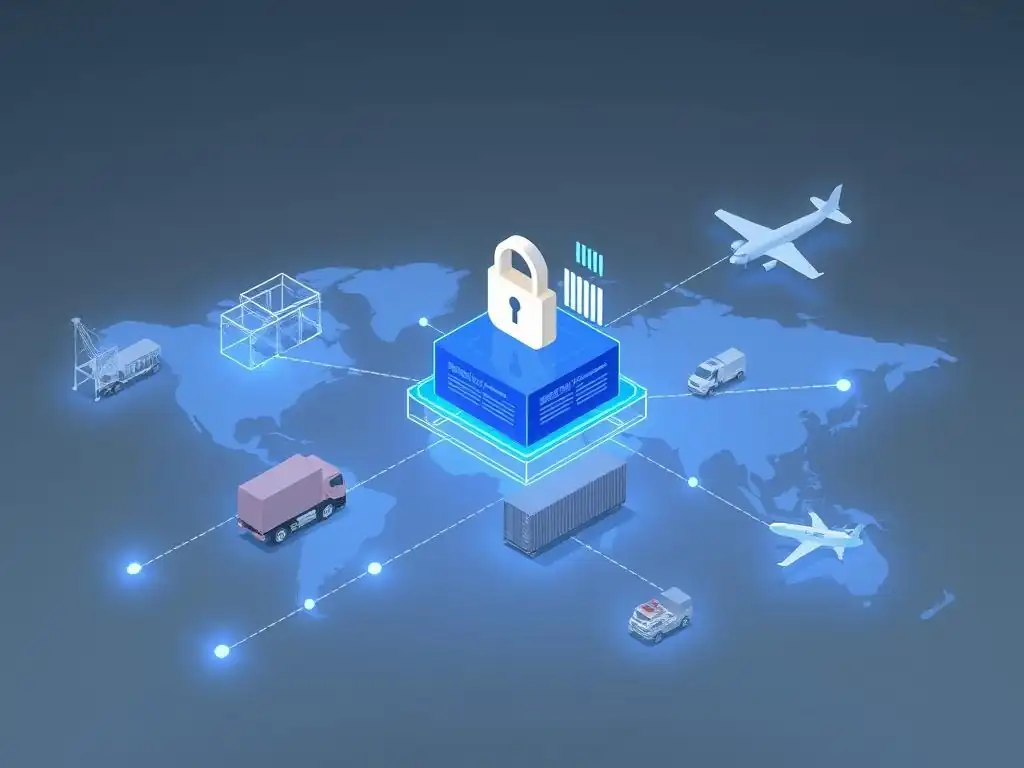
Tracking Tuna from Ocean to Table: A Blockchain Solution for Food Safety
Food supply chains are notoriously complex and prone to issues like fraud, mislabeling, and safety concerns. A notable example of blockchain application is in tracking seafood, such as tuna. Projects supported by organizations like the World Wildlife Fund (WWF) and implemented by companies like SAP and IBM have piloted blockchain solutions to track tuna from the point of catch at sea, through processing plants, distributors, and eventually to the retailer.
Data recorded on the blockchain includes the vessel name, catch location (verified by GPS), date of catch, species, weight, and information about processing, freezing, and transportation. This data is often captured using rugged tablets or mobile devices at sea and uploaded to the distributed ledger.
This initiative aims to combat illegal, unreported, and unregulated (IUU) fishing, which accounts for significant losses and damages marine ecosystems. By providing an immutable and transparent record, the blockchain allows regulators, businesses, and consumers to verify that the tuna was caught legally and sustainably, adhering to quotas and fishing practices.
It also enhances food safety by ensuring proper handling and temperature control are recorded throughout the journey. The ability to trace a specific piece of tuna back to its source boat and catch date in seconds drastically improves the speed of recalls if a safety issue arises, mitigating critical blockchain supply chain security risks related to food fraud and contamination.
De Beers' Tracr: Verifying Diamond Provenance and Ethical Sourcing
The diamond industry has historically faced challenges regarding provenance and the trade of 'blood diamonds' or conflict diamonds, which fund warfare. De Beers, a leading diamond company, launched the Tracr platform, a blockchain-based system to track high-value diamonds from mine to retailer. Tracr assigns a unique identifier to each rough diamond, recording its weight, characteristics, and origin at the mine.
As the diamond is cut, polished, and traded through various intermediaries, each step is recorded on the blockchain, creating a secure and immutable digital trail. Data such as cutting specifications, certification grades, and ownership transfers are added to the ledger.
This platform provides verifiable assurance to retailers and consumers about a diamond's authenticity and ethical sourcing. By having a complete, tamper-proof history on the blockchain, participants can confirm that the diamond did not originate from conflict zones and has passed through legitimate channels. Tracr has successfully tracked millions of diamonds, demonstrating blockchain's capability to bring transparency and accountability to complex, high-value supply chains where ethical sourcing is a major concern. This initiative directly addresses ethical blockchain supply chain security risks specific to the diamond trade by providing an auditable record of provenance.
Walmart's Blockchain Initiative: Enhancing Traceability of Produce
Walmart, one of the world's largest retailers, partnered with IBM to implement a blockchain solution (built on IBM Food Trust) for tracking leafy greens and other produce. The initiative was spurred by the need to improve food safety and traceability in the wake of E. coli outbreaks linked to contaminated produce. In traditional systems, tracing the origin of leafy greens from a store back to the farm could take days or even weeks, making it difficult to quickly identify the source of contamination and contain an outbreak.
Using the blockchain platform, Walmart and its suppliers record data points such as farm origin, processing dates, shipping information, and arrival times at distribution centers and stores. This data is accessible to authorized network participants. The key benefit demonstrated by Walmart is the drastic reduction in tracing time.
In pilots, the time required to trace a package of mangoes from store to farm was reduced from seven days to just two seconds. This rapid traceability is critical for isolating contaminated produce, minimizing the scope of recalls, and protecting public health. Walmart's initiative is a prime example of how blockchain can significantly enhance food safety and mitigate blockchain supply chain security risks related to contamination and traceability.
Implementing Blockchain for Supply Chain Security: Best Practices
Choosing the Right Blockchain Platform for Your Supply Chain Needs
Selecting the appropriate blockchain platform is a critical first step in implementing a supply chain security solution. The choice depends heavily on the specific requirements of the supply chain, including the number of participants, the need for privacy, scalability requirements, and governance models. Public blockchains like Ethereum (with its focus on smart contracts) offer high decentralization and transparency but may have issues with scalability, transaction costs (gas fees), and data privacy for sensitive commercial information.
Permissioned blockchains, such as Hyperledger Fabric, R3 Corda, or VeChain, are often preferred for enterprise supply chains. These platforms allow organizations to control who can join the network, validate transactions, and access data, offering better privacy and scalability while still providing the core benefits of immutability and shared ledger.
Evaluating platforms requires considering factors such as transaction throughput capabilities (transactions per second), latency (how quickly transactions are confirmed), data storage solutions (on-chain vs. off-chain), smart contract functionality, interoperability with other systems, and the underlying consensus mechanism. For example, a supply chain tracking high-value but low-volume goods (like diamonds) might have different requirements than one tracking high-volume, low-margin goods (like fresh produce). Consulting with blockchain experts and potentially running pilot programs on different platforms can help determine the best fit for addressing specific blockchain supply chain security risks and operational needs.
Integrating Blockchain with Existing Supply Chain Systems
Integrating a new blockchain solution with existing legacy supply chain management systems (like ERP, WMS, TMS, and IoT platforms) is a major technical and operational challenge. Most companies rely on established systems for day-to-day operations, and a blockchain solution needs to seamlessly interact with these systems to pull and push relevant data without disrupting existing workflows. This requires developing robust application programming interfaces (APIs) and middleware to connect the blockchain ledger to centralized databases and software applications. Data mapping and standardization are crucial to ensure that information flowing between systems is consistent and accurate.
The integration process must address how data from various sources—such as sensor data from IoT devices, shipping updates from logistics providers, or quality control reports from manufacturers—will be captured, validated, and written onto the blockchain. Ensuring data accuracy before it is recorded on the immutable ledger is paramount, as incorrect data cannot be easily corrected once on-chain.
Implementing secure data ingestion mechanisms and validation rules is essential. A phased approach to integration, starting with a specific use case or a limited set of partners, can help manage complexity and identify potential issues before a wider rollout, mitigating implementation-related blockchain supply chain security risks.
Data Security and Access Control Considerations
While blockchain's immutability secures data on the chain, the security of data before it gets recorded is equally critical. Data originates from various sources, including human input, enterprise systems, and IoT devices. Ensuring the security of these data sources is vital to prevent the input of fraudulent or compromised data onto the immutable ledger.
This involves securing APIs, implementing strong authentication and authorization mechanisms for users and devices interacting with the blockchain system, and protecting the endpoints where data is generated or accessed. For IoT devices, this includes measures like secure boot, encrypted communication, and device authentication to prevent tampering or spoofing.
In permissioned supply chain blockchains, robust access control is necessary to manage who can view and write specific data. Not all participants in a supply chain need access to all information (e.g., a raw material supplier doesn't need to see retail sales data).
Designing granular access permissions based on roles and relationships within the supply chain ensures data privacy and confidentiality while maintaining the necessary transparency for relevant parties. Cryptographic keys are fundamental to blockchain security; implementing secure key management practices, including secure storage and lifecycle management of private keys, is paramount to preventing unauthorized access or transaction signing, thereby protecting against significant blockchain supply chain security risks.
The Future of Blockchain in Supply Chain Management
Emerging Trends in Blockchain and Supply Chain Integration
The integration of blockchain into supply chain management is evolving rapidly, driven by increasing awareness of its benefits for security, transparency, and efficiency. One major trend is the development of industry-specific blockchain consortia and platforms tailored to the unique needs of sectors like food, pharmaceuticals, logistics, and luxury goods. These consortia facilitate collaboration among key players to establish shared standards and governance models. Another trend is the increasing focus on interoperability, developing protocols and standards that allow different blockchain networks to communicate and share data, which is essential for complex, multi-network supply chains.
The concept of "Supply Chain as a Service" (SCaaS) built on blockchain is also gaining traction, offering businesses access to blockchain capabilities without needing to build and maintain their own infrastructure. Furthermore, expect to see more sophisticated uses of smart contracts for automating complex processes like dynamic pricing based on supply chain conditions, automated insurance claims triggered by verifiable events (like delays or temperature excursions), and decentralized financing options linked to verifiable supply chain assets recorded on the blockchain. These advancements promise to further enhance supply chain resilience and reduce operational blockchain supply chain security risks.
The Role of AI and IoT in Enhancing Blockchain Supply Chain Security
The combination of Artificial Intelligence (AI) and the Internet of Things (IoT) with blockchain is poised to create highly intelligent and secure supply chains. IoT devices (sensors, trackers, cameras) can collect vast amounts of real-time data about the status, location, and environmental conditions of goods in transit or storage. This data, once verified and recorded on the immutable blockchain, provides an unprecedented level of visibility and trustworthiness. For example, temperature sensors in a refrigerated container can automatically log temperature data onto the blockchain at regular intervals, providing verifiable proof of temperature compliance for perishable goods.
AI can then analyze this rich, tamper-proof data stored on the blockchain to identify anomalies, predict potential disruptions, detect fraudulent patterns, or optimize routes and inventory. For instance, AI could analyze historical blockchain data to spot unusual delays or inconsistent data entries that might indicate tampering or diversion, flagging potential blockchain supply chain security risks for human investigation.
AI can also enhance smart contracts by enabling more complex, data-driven decision-making. The synergistic combination of IoT for data capture, blockchain for data integrity and transparency, and AI for data analysis creates a powerful framework for building highly secure, efficient, and ethical supply chains.
Predictions for the Adoption of Blockchain in Supply Chain Ethics
Predictions suggest a significant increase in the adoption of blockchain specifically for strengthening ethical practices in supply chains over the next few years. As consumer demand for ethically and sustainably sourced products grows, and regulatory pressures increase, companies will increasingly leverage blockchain's transparency features to provide verifiable proof of compliance. Market research firms forecast substantial growth in the blockchain in supply chain market, with some predicting it could reach tens of billions of dollars globally by the late 2020s, a significant portion of which will be driven by use cases related to traceability, authenticity, and ethical sourcing.
Expect to see more industry-wide initiatives similar to those in diamonds or food, establishing common standards for tracking specific ethical parameters (e.g., fair wages in textiles, conflict-free minerals in electronics, sustainable practices in agriculture). The development of user-friendly interfaces and mobile applications that allow consumers to access blockchain-verified product histories will also accelerate adoption and empower conscious consumerism.
While challenges remain, the clear value proposition of using blockchain to build trust and verify ethical claims suggests its role in combating unethical sourcing and ensuring labor and environmental standards will become increasingly central to supply chain management, directly addressing key ethical blockchain supply chain security risks.
Overcoming Barriers to Blockchain Adoption in Supply Chains
Addressing Concerns about Cost and Complexity
One of the primary barriers to widespread blockchain adoption in supply chains is the perceived cost and complexity of implementation. Developing or integrating with a blockchain platform, redesigning workflows, and training personnel can require significant upfront investment in technology, expertise, and organizational change.
Businesses, particularly small and medium-sized enterprises (SMEs) within a supply chain, may lack the resources or technical capabilities to adopt blockchain independently. Furthermore, the benefits, while potentially significant, may not always be immediately apparent or easily quantifiable in traditional ROI terms, especially for ethical use cases where the return is in reputation or risk mitigation rather than direct revenue.
To overcome these concerns, businesses can start with pilot projects focused on specific, high-value use cases where the benefits of enhanced security or traceability are clear and measurable, such as tracking high-value goods prone to counterfeiting or managing compliance for critical components. Utilizing Blockchain-as-a-Service (BaaS) platforms offered by major tech providers can reduce the technical burden and upfront infrastructure costs.
Focusing on collaborative implementations within industry consortia can share costs and leverage collective expertise. Clearly articulating the long-term benefits – such as reduced losses from fraud (addressing blockchain supply chain security risks), improved efficiency, enhanced brand reputation, and increased consumer trust – can help build a strong business case for investment.
Educating Stakeholders on the Benefits of Blockchain Technology
Lack of understanding about how blockchain technology works and its specific benefits for supply chain security and ethics is a significant barrier. Many stakeholders, from senior management to frontline workers and supply chain partners, may view blockchain with skepticism or confusion, associating it primarily with cryptocurrencies rather than a tool for business process improvement. This lack of awareness can hinder adoption, collaboration, and effective utilization of the technology. People need to understand the value proposition – how blockchain can improve transparency, reduce fraud, automate compliance, and build trust – to embrace its implementation.
Addressing this requires comprehensive education and change management programs. Workshops, training sessions, and clear communication materials explaining the technology in simple terms and highlighting its practical applications within the specific supply chain context are essential. Demonstrating successful pilot projects and showcasing real-world case studies (like those mentioned earlier) can help illustrate the tangible benefits. Engaging all stakeholders early in the process, addressing their concerns, and highlighting how the technology can improve their specific roles or business outcomes is crucial for fostering buy-in and overcoming resistance to change, which is vital for mitigating implementation-related blockchain supply chain security risks.
Fostering Collaboration and Interoperability
Supply chains inherently involve multiple independent organizations that may be competitors or have differing priorities and technological capabilities. Implementing a shared blockchain ledger requires a high degree of collaboration and agreement among these parties on everything from the choice of platform and data standards to governance rules and access controls. Reaching consensus among diverse stakeholders can be challenging and time-consuming. Furthermore, as different industries or companies adopt different blockchain platforms, ensuring interoperability between these networks becomes crucial for end-to-end supply chain visibility across multiple value chains.
Industry consortia and collaborative initiatives play a vital role in fostering the necessary cooperation and establishing common standards. Open standards and protocols for blockchain interoperability are being developed to allow data exchange between different ledgers. Companies need to prioritize partnerships and build trust among supply chain members. Focusing on mutual benefits, such as shared cost savings from reduced fraud (mitigating blockchain supply chain security risks) or increased market opportunities from verifiable ethical sourcing, can incentivize collaboration. A phased, collaborative approach, starting with a smaller group of willing partners, can build momentum and demonstrate value, encouraging broader participation over time.
Conclusion: Leveraging Blockchain for a More Secure and Ethical Supply Chain
The Potential of Blockchain to Transform Supply Chain Management
Blockchain technology holds immense potential to fundamentally transform supply chain management, moving it from opaque, fragmented systems to transparent, secure, and highly efficient networks. By providing an immutable and shared ledger, blockchain enhances traceability, ensuring the verifiable provenance of goods from origin to destination. Its inherent data integrity features significantly reduce the risk of fraud, tampering, and errors that plague traditional systems, directly addressing numerous blockchain supply chain security risks. Furthermore, smart contracts enable the automation of compliance and transactions based on verifiable data, streamlining processes and reducing reliance on intermediaries.
Beyond efficiency and security, blockchain is proving to be a powerful enabler of ethical practices within supply chains. It provides the transparency needed to verify fair labor conditions, combat counterfeit goods, and ensure sustainable sourcing. The ability to provide verifiable proof of ethical compliance strengthens brand reputation, meets growing consumer demand for responsible products, and helps companies navigate complex regulatory landscapes. While challenges related to cost, complexity, and collaboration exist, the demonstrated benefits in real-world applications across various industries underscore blockchain's transformative potential.
Call to Action: Embracing Blockchain for a Sustainable Future
The vulnerabilities inherent in traditional supply chains pose significant blockchain supply chain security risks that threaten not only business profitability but also ethical standards and consumer trust. Embracing blockchain technology is no longer just a matter of technological innovation; it is becoming a strategic imperative for companies aiming to build resilient, secure, and ethically sound supply chains fit for the 21st century.
Businesses should begin exploring blockchain solutions, starting with pilot projects in areas where traceability, authenticity, or ethical compliance are critical pain points. Engaging with industry consortia, collaborating with supply chain partners, and investing in educating stakeholders are essential steps towards successful adoption. By leveraging the power of blockchain, companies can move towards a future where supply chains are not only more secure against threats but also serve as transparent pathways for ethical practices, contributing to a more sustainable and trustworthy global economy.
Frequently Asked Questions
What are the primary security risks that blockchain aims to mitigate in supply chains?
Blockchain supply chain security helps combat risks such as counterfeiting, theft, and lack of transparency by providing an immutable record of product movement. This increases trust and reduces opportunities for fraudulent activities.
How does blockchain enhance ethical practices within supply chains?
Blockchain promotes ethical practices by ensuring traceability and accountability. This allows consumers to verify the origin and ethical sourcing of products, addressing concerns about labor practices and environmental impact.
What are some real-world examples of blockchain being used to improve supply chain security?
Several companies are using blockchain to track products from origin to consumer. Examples include tracking diamonds to prevent conflict minerals entering the market, and tracing food products to ensure food safety and authenticity.
What are the main regulatory challenges surrounding the use of blockchain in supply chain management?
Regulatory challenges include a lack of standardized frameworks for blockchain adoption, concerns about data privacy and compliance, and the need for interoperability between different blockchain systems.
How can businesses assess the potential ROI of implementing blockchain for supply chain security?
Businesses can assess ROI by considering factors like reduced fraudulent activities, improved operational efficiency, enhanced brand reputation, and increased customer trust. A thorough cost-benefit analysis is crucial.
Final Reflection: Securing Trust in a Connected World
The exploration of blockchain's role in fortifying supply chain security against ethical and practical threats reveals a critical truth: trust in global commerce is increasingly reliant on transparent and immutable systems. As we navigate an era defined by complex supply networks and heightened consumer awareness, the vulnerabilities exposed by traditional methods demand innovative solutions like blockchain to ensure accountability and combat risks.
The integration of blockchain technology is not merely a technological upgrade; it represents a fundamental shift in how we perceive and manage ethical responsibility within the supply chain. This shift is profoundly important because it empowers consumers and businesses alike to demand and verify the integrity of the products they consume and produce. The future of supply chains is not just about efficiency, it's about resilience, transparency, and ethical responsibility.
This quote encapsulates the ongoing influence of blockchain in shaping a more conscientious and secure global marketplace.
As you consider the potential of blockchain to mitigate supply chain security risks, I invite you to reflect on your own role in fostering ethical practices. How can you, as a consumer, a business leader, or a technology enthusiast, champion the adoption of transparent and secure systems? Let us all strive to build a future where trust is not a commodity, but a fundamental principle underpinning every transaction, every product, and every connection within the global supply chain.
Okay, I understand. Here's a Call to Action (CTA) based on the title "Blockchain and Supply Chain Security: Strengthening Ethical Practices Against Threats" for a web article on Blockchain Trends (blockchaintrends.org):
Embrace a Secure Future: Fortify Your Supply Chain Today!
Thank you for exploring how blockchain can revolutionize supply chain security and bolster ethical practices. Now that you understand the potential, let's put this knowledge into action and create a more transparent and secure world together!
- Commit to researching blockchain solutions tailored to your specific supply chain needs and ethical goals. This is your primary step towards lasting change.
- Explore open-source blockchain projects relevant to supply chain traceability and consider contributing to their development – a powerful way to strengthen the community.
- Share this article with your colleagues and network to spark conversations about implementing blockchain for enhanced security and ethical accountability within your industry.
What's one small, yet impactful, step you can take this week to integrate blockchain thinking into your supply chain strategy?
Leave a Reply