
BlockchainBased Microinsurance: Protecting Vulnerable Populations Through Innovation


Welcome to Blockchain Trends, your gateway to understanding the revolutionary applications of blockchain technology!
Ever wondered how blockchain can empower vulnerable communities and mitigate risks in entirely new ways? Dive into our latest article, " BlockchainBased Microinsurance: Protecting Vulnerable Populations Through Innovation," and discover how this cutting-edge technology is disrupting traditional insurance models, offering blockchain microinsurance risk protection to those who need it most. Explore its potential within the realm of Blockchain and Social Impact, and uncover the possibilities for a more equitable and resilient future. Intrigued? Keep reading to learn more!
Blockchain-Based Microinsurance: Protecting Vulnerable Populations Through Innovation
- Introduction: Empowering the Underserved with Blockchain Microinsurance
- Understanding Traditional Microinsurance and its Limitations
- Blockchain for Microinsurance: A Paradigm Shift in Risk Management
- Benefits of Blockchain-Based Microinsurance for Vulnerable Populations
- Real-World Applications and Case Studies of Blockchain Microinsurance
- Overcoming Challenges and Barriers to Blockchain Microinsurance Adoption
- The Future of Blockchain and Inclusive Insurance Solutions
- Conclusion: Blockchain Microinsurance as a Catalyst for Social Impact
-
Frequently Asked Questions
- What is blockchain-based microinsurance and how does it differ from traditional insurance?
- How can blockchain enhance risk protection for vulnerable populations through microinsurance?
- What are some potential regulatory challenges for blockchain-based microinsurance?
- Beyond cryptocurrencies, what other applications of blockchain are relevant to microinsurance?
- What is the future outlook for blockchain-based microinsurance and its impact on decentralized systems?
- Final Reflection: Empowering Resilience Through Blockchain
- Empower Communities: Start Your Blockchain Microinsurance Journey!
Introduction: Empowering the Underserved with Blockchain Microinsurance
The Urgent Need for Affordable Risk Protection in Vulnerable Communities
Globally, billions of people, particularly in low- and middle-income countries, lack access to effective mechanisms for managing risks that threaten their livelihoods. These risks include unpredictable weather events like droughts and floods, illness, death, theft, and market fluctuations. Without access to affordable and accessible financial tools like insurance, vulnerable populations are often forced to cope with shocks by selling productive assets, taking on high-interest debt, or pulling children out of school, perpetuating cycles of poverty.
Estimates suggest that less than 10% of the population in many developing countries has any form of insurance coverage, leaving them highly exposed to economic devastation from even minor shocks. This significant gap highlights a critical need for innovative solutions that can deliver reliable and affordable risk protection.
Traditional insurance models often fail to serve these populations effectively due to high administrative costs associated with small premium sizes and claims, limited physical infrastructure in remote areas, and a lack of trust among potential policyholders. The cost of underwriting, policy administration, and claims processing for microinsurance policies can be disproportionately high compared to the premium collected, making it economically unviable for traditional insurers to reach the poorest segments of society profitably.
Furthermore, the complexity of traditional insurance products and the opaque nature of claims processes can be intimidating and confusing for those with low literacy levels or limited financial experience, further hindering adoption and trust in obtaining essential blockchain microinsurance risk protection.
How Blockchain Technology Can Revolutionize Microinsurance Offerings
Blockchain technology offers a compelling pathway to overcome many of the inherent limitations of traditional microinsurance models. By providing a decentralized, transparent, and immutable ledger, blockchain can fundamentally alter how insurance products are designed, distributed, and administered. The core features of blockchain – immutability, transparency, security, and the ability to execute self-executing contracts (smart contracts) – are particularly well-suited to address the challenges of serving low-income populations who require reliable and cost-effective risk transfer mechanisms. Leveraging blockchain technology can streamline operations, reduce reliance on costly intermediaries, and build a higher level of trust among policyholders.
The application of blockchain in microinsurance can lead to significant efficiency gains, potentially lowering the operational costs that make traditional microinsurance expensive. Smart contracts can automate claims processing based on predefined triggers and verified data, eliminating manual assessment delays and reducing administrative overhead.
This automation not only speeds up payouts, providing crucial funds when they are most needed, but also minimizes opportunities for fraud and disputes. By recording policy details and transactions on a transparent, immutable ledger, blockchain technology can also enhance trust, allowing policyholders to verify the terms of their coverage and the status of their claims, thereby revolutionizing the landscape of blockchain microinsurance risk protection.
Understanding Traditional Microinsurance and its Limitations
Challenges in Traditional Microinsurance Models: High Costs, Inefficiency, Lack of Trust
Traditional microinsurance models face significant structural challenges that limit their reach and effectiveness. One of the primary hurdles is the high administrative cost relative to the small premiums involved. Handling numerous small policies manually incurs substantial expenses for underwriting, distribution, premium collection, and claims processing.
These operational costs can sometimes represent 40-60% of the collected premiums, making it difficult for providers to offer truly affordable coverage while remaining sustainable. The need for physical infrastructure, agents in remote locations, and extensive paperwork further contributes to these high overheads, creating a barrier for both providers and potential clients seeking affordable blockchain microinsurance risk protection.
Inefficiency is another major drawback of traditional microinsurance. Claims processing, in particular, can be slow and cumbersome, often requiring extensive documentation and manual verification. For individuals living on the edge, delays of weeks or even months in receiving a payout can negate the benefit of the insurance entirely, as they may need immediate funds to recover from a shock.
Furthermore, the lack of transparency in traditional insurance operations can erode trust among policyholders. Complex policy language, opaque claims assessment processes, and perceived unfairness in payouts can lead to dissatisfaction and reluctance to renew policies or recommend them to others, undermining the potential for widespread adoption and impact.
The Impact of Limited Insurance Access on Vulnerable Populations
The absence of accessible and affordable insurance leaves vulnerable populations highly susceptible to economic shocks. When a disaster strikes – be it a natural calamity, a health crisis, or the death of a breadwinner – families without insurance often have no safety net. They are forced to resort to detrimental coping strategies, such as selling livestock or tools essential for their livelihood, taking children out of school to work, or borrowing money at exorbitant interest rates.
These strategies can trap families in a cycle of poverty, making it harder to recover and build resilience against future shocks. For example, a single major health event can push a family earning just above the poverty line back into extreme poverty.
The lack of blockchain microinsurance risk protection also inhibits economic development and entrepreneurship within these communities. Without the ability to transfer risk, individuals are less likely to invest in potentially higher-return but riskier ventures, such as adopting new farming techniques or starting small businesses. Insurance provides a layer of security that encourages investment and innovation. Its absence means that potential economic growth is stifled, and communities remain vulnerable to external forces beyond their control. Providing effective risk protection is not just about disaster relief; it's a fundamental component of financial inclusion and sustainable development.
Blockchain for Microinsurance: A Paradigm Shift in Risk Management
Decentralized Insurance: Leveraging Blockchain's Key Features
Decentralized insurance models built on blockchain technology represent a significant departure from traditional centralized structures. By operating on a distributed ledger, these models can reduce or eliminate the need for traditional intermediaries like brokers and administrative back offices. This decentralization can lead to lower operational costs, as overhead associated with large centralized organizations is significantly reduced. Furthermore, the distributed nature of the blockchain network enhances security and resilience, as there is no single point of failure that can be exploited or disrupted. This architecture supports a more direct relationship between the risk pool and the policyholders.
Blockchain's inherent features, such as immutability and transparency, are crucial for building trust, which is often lacking in traditional microinsurance. Once information is recorded on the blockchain, it cannot be altered, providing a permanent and verifiable record of policies, premiums, and claims. While privacy concerns exist regarding sensitive data, various techniques (like zero-knowledge proofs or off-chain data storage with on-chain hashes) can be employed to balance transparency with privacy needs. This transparent and immutable record-keeping is foundational for creating reliable blockchain microinsurance risk protection systems that vulnerable populations can trust.
Smart Contracts: Automating Claims Processing and Payouts
Smart contracts are self-executing contracts with the terms of the agreement directly written into lines of code. Deployed on a blockchain, these contracts automatically execute predefined actions when specific conditions are met and verified by external data feeds (oracles). In microinsurance, smart contracts can automate the entire claims process.
For instance, in parametric insurance products, where payouts are triggered by objective, verifiable data (like rainfall levels or wind speed exceeding a threshold), a smart contract can automatically initiate a payout once the oracle confirms the trigger event has occurred. This eliminates the need for manual claims assessment, which is often slow, subjective, and prone to errors or manipulation.
The automation offered by smart contracts dramatically speeds up payouts. Instead of waiting weeks or months for a claim to be processed, policyholders can receive funds within minutes or hours of the trigger event being confirmed. This rapid access to funds is critical for vulnerable populations who need immediate resources to recover from shocks. Moreover, because the rules for payout are coded into the smart contract and visible on the blockchain, the process is transparent and predictable, increasing policyholder confidence in the insurance product and the reliability of blockchain microinsurance risk protection.
Transparency and Trust: Building Confidence in Insurance Services
Transparency is a cornerstone of blockchain technology, and its application in microinsurance can help build much-needed trust among underserved populations. Details of policies, premiums paid, and claim triggers can be recorded on the blockchain, creating a transparent and auditable trail. While policyholder identity might be masked for privacy, the logic of the smart contract and the data triggering payouts can often be publicly verifiable. This openness contrasts sharply with the often opaque processes of traditional insurance, where policyholders may feel powerless or confused about how claims are handled.
By allowing policyholders (or trusted community representatives) to view and verify the operational logic and transaction history, blockchain fosters a sense of fairness and accountability. Knowing that the rules for payouts are predetermined and automatically executed based on verifiable data, rather than subject to manual review and potential bias, can significantly increase confidence in the insurance mechanism. This enhanced trust is vital for encouraging adoption and sustained engagement with blockchain microinsurance risk protection schemes, particularly in communities where trust in formal financial institutions may be low.
Benefits of Blockchain-Based Microinsurance for Vulnerable Populations
One of the most significant benefits of blockchain-based microinsurance for vulnerable populations is the potential for increased affordability. By leveraging smart contracts and decentralization, blockchain solutions can drastically reduce the administrative costs associated with traditional microinsurance. Automating processes like policy issuance, premium collection (especially when integrated with mobile money), and claims payout minimizes the need for manual intervention, extensive paperwork, and large administrative teams. These efficiency gains directly translate into lower operational overheads for the insurance provider.
When administrative costs are reduced from potentially 40-60% to a much lower percentage, providers can afford to offer insurance policies at significantly lower premiums. This makes essential blockchain microinsurance risk protection accessible to individuals and families who previously could not afford coverage. For example, a reduction in overhead could mean the difference between a farmer being able to afford drought insurance for their small plot or being forced to rely on chance, thereby unlocking a new level of financial resilience for low-income households.
Enhanced Accessibility: Reaching Remote Areas and Unbanked Individuals
Blockchain technology, particularly when combined with mobile technology, can dramatically enhance the accessibility of microinsurance in remote and underserved areas. Traditional insurance often requires physical branches or agents, which are scarce in rural or impoverished regions. Blockchain-based solutions, accessible via mobile phones (even basic feature phones capable of SMS), can overcome these geographical barriers. Policy registration, premium payments (via mobile money integration), and claims payouts can all be handled digitally, eliminating the need for physical infrastructure.
Furthermore, blockchain-based microinsurance can serve the unbanked population. While a bank account is typically required for traditional insurance transactions, blockchain solutions can operate with digital wallets that are not tied to traditional banking systems. This is particularly relevant in regions where a significant portion of the population lacks access to formal banking services but has access to mobile phones. By providing a digital pathway for managing policies and receiving payouts, blockchain facilitates access to crucial blockchain microinsurance risk protection for those previously excluded from the formal financial system.
Faster Claim Settlements: Streamlining the Payout Process with Smart Contracts
The speed of claim settlement is paramount for vulnerable populations facing immediate needs after a shock. Smart contracts deployed on a blockchain network can automate the payout process based on verifiable, external data feeds (oracles). For instance, in a weather-indexed crop insurance product, the smart contract can be programmed to automatically release funds to policyholders in a specific geographic area if validated data from weather stations shows rainfall below a predefined threshold. This eliminates the time-consuming process of manual claims assessment, site visits, and paperwork.
With smart contracts, payouts can be triggered and executed within minutes or hours of the data being confirmed, rather than the weeks or months often required in traditional microinsurance. This rapid response ensures that individuals receive the financial aid they need precisely when they need it most – to repair homes, purchase food, or replant crops. This efficiency not only provides timely relief but also significantly increases policyholder satisfaction and trust in the reliability of the blockchain microinsurance risk protection mechanism.
Reduced Fraud: Leveraging Blockchain's Immutability for Secure Data
Fraud is a significant challenge in insurance, impacting both insurers and policyholders through increased costs and denied legitimate claims. Blockchain's immutable ledger provides a secure and tamper-proof record of all transactions, including policy details, premium payments, and claim triggers. Once data is recorded on the blockchain, it cannot be retroactively altered or deleted without the consensus of the network, making it extremely difficult for fraudulent activities to go undetected. This transparency and immutability help reduce potential fraud from various angles.
For insurers, it minimizes the risk of false claims or manipulation of policy data. For policyholders, it protects against potential fraud by agents or intermediaries and ensures that their policy details and payment history are accurately recorded and cannot be disputed. In parametric insurance, where payouts are based on objective data verified by oracles, the risk of subjective assessment fraud is inherently reduced. The secure and verifiable nature of blockchain records contributes significantly to building a trustworthy system for blockchain microinsurance risk protection.
Real-World Applications and Case Studies of Blockchain Microinsurance
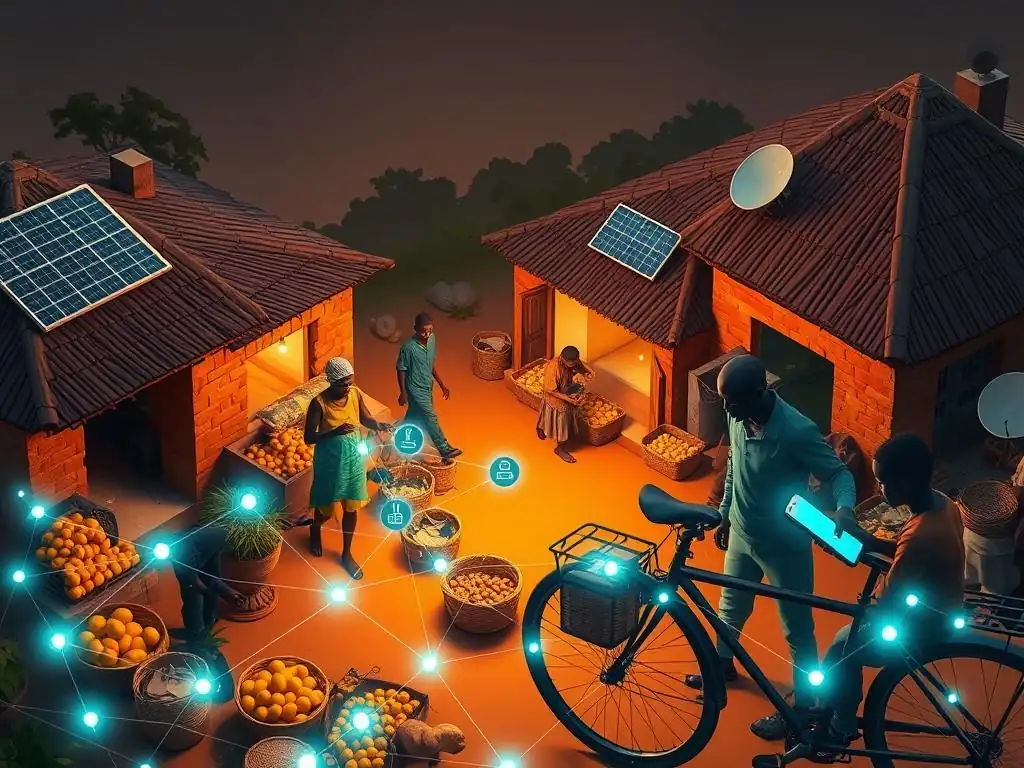
Case Study: Etherisc's Crop Insurance for Smallholder Farmers in Sri Lanka
Etherisc, a decentralized insurance platform, partnered with Aon and Oxfam to pilot a blockchain-based crop insurance product for smallholder rice farmers in Sri Lanka. The project aimed to provide affordable protection against the risk of extreme weather events, specifically drought and excessive rainfall, which are critical concerns for rain-fed agriculture. The insurance product was designed as a parametric insurance policy, meaning payouts were triggered automatically based on pre-defined weather index data rather than individual loss assessments.
The pilot leveraged the Ethereum blockchain and smart contracts to automate the insurance process. Weather data from satellite sources served as the oracle, feeding verified information into the smart contract. If the rainfall levels in a specific geographical area fell below or exceeded the defined thresholds during critical growth periods, the smart contract automatically initiated payouts to the registered farmers in that area.
This approach significantly reduced the administrative costs and time associated with traditional crop insurance claims, providing farmers with faster access to funds (within days of the weather event being confirmed) to help them recover and replant. The pilot demonstrated the feasibility of using blockchain for delivering efficient and transparent blockchain microinsurance risk protection directly to vulnerable farmers.
Case Study: Oxfam's Disaster Relief Insurance in Vanuatu
Oxfam, in collaboration with partners like Etherisc and Sempo, explored using blockchain technology to facilitate rapid disaster relief payouts in vulnerable island nations like Vanuatu, which are highly susceptible to tropical cyclones. The goal was to provide faster and more transparent financial aid to affected communities immediately following a major weather event, supplementing traditional humanitarian response efforts.
The pilot project focused on creating a decentralized, parametric insurance-like mechanism where payouts were triggered by predefined wind speed thresholds verified by external weather data sources. Funds were distributed through mobile money or local agents, leveraging blockchain's efficiency and transparency to track the flow of aid.
This approach aimed to cut down the significant delays often experienced in traditional disaster relief funding and distribution, ensuring that aid reaches those in need more quickly and efficiently. While not a traditional insurance policy in the commercial sense, it demonstrated the potential of blockchain and smart contracts for automating conditional cash transfers based on verifiable events, effectively providing a form of blockchain microinsurance risk protection against natural disasters.
Case Study: ACRE Africa's Weather Index Insurance Using Blockchain
ACRE Africa, an agricultural insurance service provider in East Africa, explored blockchain technology to enhance its weather index insurance offerings for smallholder farmers. Weather index insurance pays out based on predefined weather parameters (like rainfall or temperature) rather than actual crop damage, making it suitable for remote areas where individual farm visits are impractical. However, traditional weather data collection and claim verification can still be slow and prone to disputes.
ACRE Africa investigated using blockchain to record policy information, premium payments, and most critically, the weather data from verified weather stations that trigger payouts. By recording this data immutably on the blockchain and using smart contracts to link the data to payout rules, they aimed to increase the transparency and trustworthiness of the process.
Farmers could potentially verify the weather data themselves or through trusted intermediaries, ensuring that payouts were triggered fairly and automatically when conditions were met. This application focused on using blockchain to improve the integrity and efficiency of data management and claims processing within an existing microinsurance framework, enhancing the reliability of blockchain microinsurance risk protection.
Overcoming Challenges and Barriers to Blockchain Microinsurance Adoption
Regulatory Hurdles and Compliance Issues
Navigating the existing regulatory landscape presents a significant challenge for blockchain-based microinsurance initiatives. Insurance is a heavily regulated industry, and current regulations were designed for traditional, centralized models. Decentralized autonomous organizations (DAOs) or smart contract-based insurance protocols may not fit neatly into existing legal frameworks concerning licensing, capital requirements, consumer protection, and oversight. Regulators are still developing their understanding of blockchain technology and its applications in finance, leading to uncertainty and potential barriers to entry for innovative microinsurance providers.
Ensuring compliance with diverse regulations across different jurisdictions where vulnerable populations reside is also complex. Each country may have unique requirements regarding data privacy (e.g., GDPR or local equivalents), anti-money laundering (AML), and know-your-customer (KYC) regulations, which can be challenging to implement in a decentralized or pseudo-anonymous environment. Addressing these regulatory challenges requires proactive engagement with policymakers, developing clear legal frameworks for decentralized insurance, and designing solutions that can adapt to varying national requirements while still delivering effective blockchain microinsurance risk protection.
Scalability and Interoperability Challenges
For blockchain microinsurance solutions to serve millions of low-income individuals effectively, the underlying blockchain networks need to be highly scalable. Public blockchains like Ethereum, where many early smart contract applications were built, have faced limitations in transaction throughput and high transaction fees (gas costs), which can make processing numerous small microinsurance policies economically unviable. While layer 2 scaling solutions and alternative blockchain protocols offer improvements, ensuring consistent performance and low costs at scale remains a challenge.
Interoperability is another technical hurdle. Microinsurance solutions often need to interact with external data sources (oracles for weather data, health data, etc.) and integrate with existing financial infrastructure, such as mobile money platforms or local payment gateways, for premium collection and payout distribution. Ensuring seamless, reliable, and secure communication between the blockchain, oracles, and traditional systems requires robust interoperability standards and infrastructure. Achieving widespread adoption of blockchain microinsurance risk protection depends on overcoming these technical barriers to ensure the systems are fast, cheap, and well-connected.
Digital Literacy and Access to Technology
While mobile phone penetration is increasing globally, digital literacy and access to reliable internet or network connectivity remain significant barriers for many vulnerable populations. Operating blockchain-based applications, even simplified mobile interfaces, requires a basic level of digital understanding. Many potential microinsurance clients may not be familiar with smartphones, digital wallets, or the concepts behind blockchain technology. This digital divide can exclude the most marginalized individuals who could benefit most from affordable risk protection.
Addressing this requires designing user interfaces that are intuitive and accessible, potentially leveraging simpler technologies like SMS or USSD for interaction where internet access is limited. It also necessitates significant investment in digital literacy training and community-based support systems to help people understand how the insurance product works, how to interact with the technology, and how to claim payouts. Building trust and facilitating adoption of blockchain microinsurance risk protection solutions requires bridging this gap in technological access and understanding through dedicated educational efforts.
Data Privacy and Security Concerns
While blockchain offers immutability and transparency, it also raises significant data privacy concerns, especially when dealing with sensitive personal information or financial data required for insurance. Public blockchains, by design, make transaction data visible to anyone, which can be problematic when dealing with identifiable individuals or sensitive claim details. Balancing the need for transparency to build trust with the requirement to protect policyholder privacy is a critical design challenge.
Furthermore, the security of digital wallets used to hold funds or access policies is paramount. Users in vulnerable communities may be particularly susceptible to phishing attacks or losing access to their wallets if they lose their private keys. Ensuring robust security measures for digital assets and providing user-friendly, secure ways for individuals to manage their digital identities and funds is essential. Developers of blockchain microinsurance risk protection systems must prioritize privacy-preserving techniques (like zero-knowledge proofs, private blockchains, or off-chain storage of sensitive data) and implement strong security protocols and user education to mitigate these risks.
The Future of Blockchain and Inclusive Insurance Solutions
Emerging Trends in Decentralized Risk Protection
The field of blockchain microinsurance is rapidly evolving, with several emerging trends shaping its future. One key trend is the development of more sophisticated decentralized insurance protocols that go beyond simple parametric triggers to cover a wider range of risks, including health, life, and property.
These protocols are exploring innovative ways to aggregate risk, potentially creating larger and more robust risk pools that can offer better coverage at lower costs. The use of decentralized autonomous organizations (DAOs) for governance of these protocols is also gaining traction, allowing policyholders and other stakeholders to have a say in the management and evolution of the insurance pool.
Another trend is the integration of blockchain insurance with other emerging technologies, such as the Internet of Things (IoT) and Artificial Intelligence (AI). IoT devices could provide more granular and real-time data for parametric triggers (e.g., sensors monitoring crop health or water levels), increasing the accuracy and fairness of payouts. AI could be used for risk assessment or fraud detection, further enhancing the efficiency and integrity of blockchain microinsurance risk protection systems. These integrations promise to create more dynamic, responsive, and data-driven insurance products tailored to the specific needs of vulnerable populations.
The Role of Blockchain in Building Resilient Communities
Blockchain microinsurance has a crucial role to play in building the resilience of vulnerable communities against various shocks. By providing a reliable and timely financial safety net, it empowers individuals and families to recover more quickly from adverse events without resorting to distress sales of assets or taking on crippling debt. This ability to bounce back faster means that shocks are less likely to derail long-term development progress, such as investing in education, health, or sustainable farming practices.
Furthermore, by making risk protection accessible and affordable, blockchain microinsurance encourages investment and economic activity at the community level. Knowing that certain risks are covered can enable small business owners to expand, farmers to adopt higher-yield but riskier crops, and households to invest in improving their homes. This contributes to overall economic stability and growth within the community, reinforcing resilience from the ground up. The transparent and community-oriented nature of some blockchain models can also foster greater collective action and mutual support in managing shared risks, solidifying the role of blockchain microinsurance risk protection in community development.
Opportunities for Innovation and Collaboration
The nascent stage of blockchain microinsurance presents significant opportunities for innovation and collaboration among various stakeholders. Technology developers can focus on building more user-friendly interfaces, developing robust and scalable blockchain infrastructure, and creating reliable oracle networks for diverse data sources. Insurance providers can collaborate with tech firms to design and pilot new blockchain-based products tailored to specific risks faced by vulnerable groups, such as climate risk, health emergencies, or market volatility.
Non-governmental organizations (NGOs) and international development agencies have a vital role in driving adoption by leveraging their deep understanding of community needs, existing trust networks, and capacity-building expertise. They can help design culturally appropriate products, provide digital literacy training, and facilitate the last-mile distribution of payouts where digital access is limited. Collaboration between the blockchain community, insurers, NGOs, regulators, and local communities is essential to overcome challenges, build trust, and scale effective blockchain microinsurance risk protection solutions that can truly make a difference in the lives of vulnerable populations.
Reimagining Risk Protection for a More Equitable World
Blockchain-based microinsurance offers a powerful new approach to reimagining risk protection, particularly for the billions of people historically excluded from formal financial services. By addressing the fundamental challenges of high costs, inefficiency, and lack of trust inherent in traditional models, blockchain technology can make insurance more affordable, accessible, and reliable.
The transparency and automation provided by smart contracts empower policyholders and ensure that payouts are delivered quickly and fairly when needed most. This shift is not just about technology; it's about creating a more equitable world where everyone, regardless of their income level or location, has access to essential tools for managing risk and protecting their livelihoods.
The potential social impact of widespread blockchain microinsurance risk protection is immense. It can act as a critical safety net, preventing vulnerable households from falling deeper into poverty after a shock. It can encourage investment and entrepreneurship, fostering economic growth and resilience within communities. While challenges related to regulation, scalability, digital literacy, and data privacy remain, ongoing innovation and collaborative efforts are actively working to overcome them. The journey towards scaling blockchain microinsurance is complex but holds the promise of delivering significant social good by democratizing access to crucial financial protection.
The Potential of Blockchain to Drive Financial Inclusion and Sustainable Development
Ultimately, blockchain microinsurance is a powerful catalyst for broader financial inclusion and sustainable development. By bringing reliable and affordable insurance to underserved populations, it integrates them into the formal financial system in a meaningful way. Access to insurance complements other financial services like savings, credit, and payments, creating a more complete suite of tools for managing financial lives and building resilience. This inclusion is fundamental for empowering individuals and communities to take control of their economic futures.
As blockchain microinsurance solutions mature and scale, they have the potential to contribute significantly to global development goals, such as poverty reduction, food security, and climate change adaptation. By mitigating the financial impact of climate shocks on farmers, for example, it supports sustainable agriculture and food security. By protecting vulnerable households from health shocks, it contributes to well-being. The inherent transparency and efficiency of blockchain also align with principles of good governance and accountability in development initiatives. Embracing the potential of blockchain microinsurance risk protection is a crucial step towards building a more inclusive, resilient, and sustainable world.
Frequently Asked Questions
What is blockchain-based microinsurance and how does it differ from traditional insurance?
Blockchain-based microinsurance leverages blockchain technology to offer affordable and accessible insurance products to vulnerable populations. This differs from traditional insurance by reducing overhead costs and increasing transparency through smart contracts.
How can blockchain enhance risk protection for vulnerable populations through microinsurance?
Blockchain enables automated claims processing, reduces fraud, and offers transparent payouts, which can significantly improve risk protection. This empowers vulnerable populations by providing reliable and efficient financial protection.
What are some potential regulatory challenges for blockchain-based microinsurance?
Regulations surrounding data privacy, smart contract security, and cross-border transactions pose significant challenges. Ensuring compliance with existing and emerging laws is crucial for adoption.
Beyond cryptocurrencies, what other applications of blockchain are relevant to microinsurance?
Blockchain's capabilities in supply chain management and identity verification can enhance microinsurance offerings. This can lead to improved risk assessment and more tailored insurance products.
What is the future outlook for blockchain-based microinsurance and its impact on decentralized systems?
The future involves wider adoption, enhanced interoperability between blockchain networks, and integration with other decentralized technologies. This will foster a more inclusive and resilient financial ecosystem for vulnerable populations.
Final Reflection: Empowering Resilience Through Blockchain
The exploration of blockchain-based microinsurance reveals a potent synergy between technological innovation and social responsibility. This intersection offers a tangible pathway to providing crucial risk protection to vulnerable populations, a demographic often excluded from traditional insurance markets due to cost, accessibility, and trust barriers. The potential to transform lives and build more resilient communities is undeniable, making this a field ripe with opportunity and responsibility.
The impact of blockchain microinsurance extends far beyond simple financial transactions. It fosters a sense of security and empowerment, allowing individuals to invest in their futures with greater confidence. Witnessing the potential of this technology to uplift communities, particularly in the face of climate change and economic instability, underscores its profound importance. The ultimate measure of a man is not where he stands in moments of comfort and convenience, but where he stands at times of challenge and controversy.
- Martin Luther King, Jr. This quote resonates deeply, reminding us that our commitment to innovation should be driven by a desire to serve those most in need.
As we conclude this exploration, I invite you to consider the role you can play in shaping the future of blockchain microinsurance. Reflect on how you can contribute to bridging the gap between technological advancement and social impact. Whether through research, investment, advocacy, or simply spreading awareness, your actions can help unlock the transformative potential of this technology and empower vulnerable populations to build a more secure and prosperous future.
Empower Communities: Start Your Blockchain Microinsurance Journey!
Thank you for exploring how blockchain technology is transforming microinsurance and providing essential protection to vulnerable populations. Now, it's time to turn knowledge into action!
Ready to make a difference? Here are some ways to get started:
- Learn More: Research existing blockchain-based microinsurance platforms and identify areas where your skills or expertise can make an impact. Understanding the current landscape is the first step.
- Share the Knowledge: Help raise awareness by sharing this article with your network and encouraging discussions about innovative insurance solutions. Let’s expand the conversation!
- Innovate Together: Look for opportunities to participate in or even create open-source blockchain insurance projects. Together, we can build a more inclusive financial future.
What skills or resources can you contribute to help make blockchain-based microinsurance accessible to vulnerable communities? Share your ideas in the comments below!
Leave a Reply