
Blockchain's Promise for Ethical and Resilient Global Supply Chains

Welcome to Blockchain Trends!
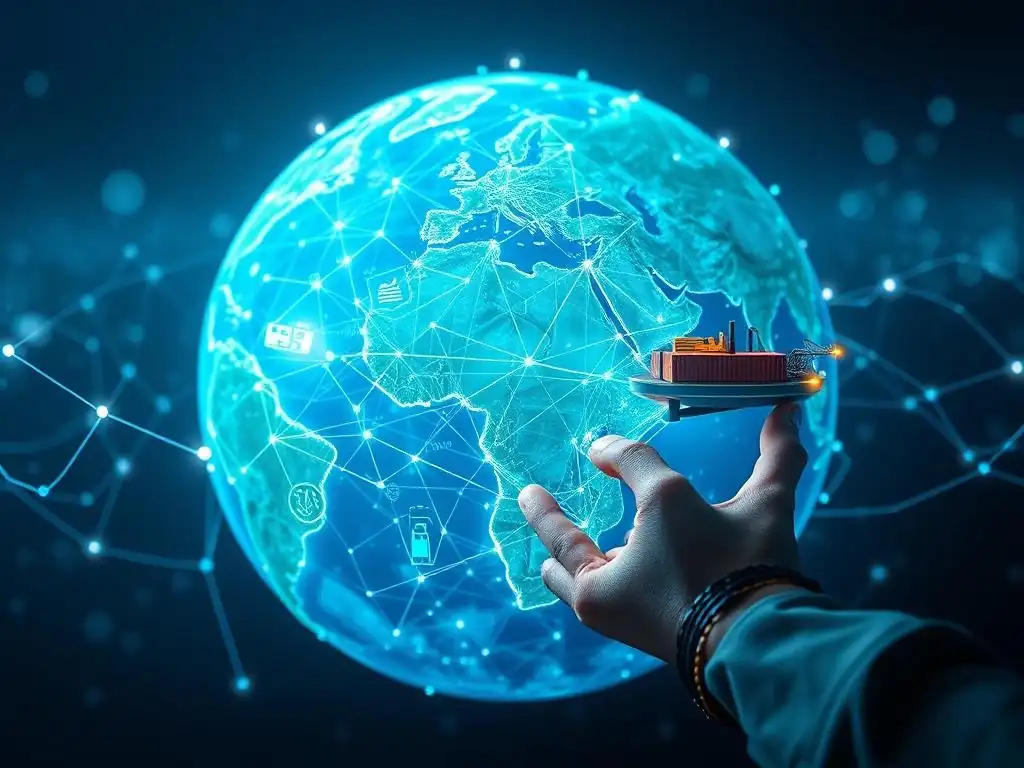
Dive into the transformative world of blockchain technology, where we go beyond cryptocurrencies to explore its vast potential. Ever wondered how blockchain can revolutionize global supply chains, ensuring ethical sourcing and resilient operations? This is more than just a concept; it's a tangible solution. Explore our in-depth analysis of Ethical supply chain blockchain solutions and discover how this innovative technology is reshaping industries and fostering a more transparent and responsible future. Curious to learn more? Let's begin.
Blockchain's Promise for Ethical and Resilient Global Supply Chains
- Introduction: The Need for Ethical and Transparent Supply Chains
- Understanding the Challenges of Traditional Supply Chains
- Ethical Supply Chain Blockchain Solutions: A Deep Dive
- Benefits of Implementing Blockchain for Ethical Supply Chains
- Real-World Examples of Blockchain in Ethical Supply Chains
- Overcoming the Challenges of Blockchain Adoption in Supply Chains
- The Future of Ethical Supply Chains: Powered by Blockchain
- Conclusion: Blockchain as a Catalyst for Ethical and Resilient Global Trade
-
Frequently Asked Questions
- What are the primary benefits of using blockchain for ethical supply chain management?
- How can blockchain help ensure fair labor practices within global supply chains?
- What are some of the challenges to implementing ethical supply chain blockchain solutions?
- How does blockchain contribute to the resilience of supply chains in the face of disruptions?
- What role do regulations play in the development and implementation of blockchain-based ethical supply chain solutions?
- Final Reflection: Forging a Future of Trust
- Ignite Your Supply Chain Revolution!
Introduction: The Need for Ethical and Transparent Supply Chains
The Growing Demand for Supply Chain Accountability
Consumers, regulators, and investors are increasingly scrutinizing the origins of goods and demanding greater accountability throughout complex global supply chains. This pressure stems from a heightened awareness of social and environmental issues, ranging from labor exploitation in manufacturing hubs to unsustainable resource extraction and the environmental footprint of logistics.
Reports from organizations like the International Labour Organization (ILO) highlight the persistent issue of forced labor, estimating that 27.6 million people were in forced labor in 2021, many embedded within the intricate networks of global commerce. This statistic underscores the urgent need for mechanisms that provide genuine visibility into labor practices across tiers of suppliers.
Furthermore, regulatory landscapes are evolving rapidly. In Europe, directives like the German Supply Chain Due Diligence Act (LkSG) and proposed EU-wide legislation are mandating that companies take proactive steps to identify, prevent, and mitigate human rights and environmental risks within their supply chains. Failure to comply can result in significant fines, impacting a company's bottom line and reputation. A 2021 IBM study found that 71% of consumers would pay a premium for products that offer full traceability and transparency, demonstrating a clear market demand that aligns with regulatory push, driving companies to seek robust ethical supply chain blockchain solutions.
How Blockchain Can Revolutionize Supply Chain Management
Blockchain technology offers a compelling solution to many of the inherent challenges in traditional supply chain management, particularly concerning ethics and resilience. Its core characteristics – decentralization, immutability, and transparency – provide a foundation for building systems where the flow of goods, information, and payments can be tracked and verified in a trustworthy manner. Unlike centralized databases that can be altered or are opaque to external parties, a blockchain ledger creates a shared, tamper-evident record of transactions and events across the supply chain network.
By implementing blockchain, stakeholders can gain unprecedented visibility into the provenance of materials, the conditions under which goods are produced, and the journey they take from origin to consumer. This shared source of truth facilitates collaboration and trust among disparate parties who may not otherwise trust each other directly.
Furthermore, the integration of smart contracts can automate compliance checks and payments based on predefined conditions, ensuring that ethical standards and contractual obligations are met at each step. This shift towards a transparent, verifiable, and automated system powered by blockchain is fundamentally changing how ethical and resilient supply chains are envisioned and managed.
Understanding the Challenges of Traditional Supply Chains
Lack of Transparency and Traceability in Global Supply Networks
Traditional global supply chains are notoriously complex, often involving dozens or even hundreds of intermediaries across multiple countries. This multi-tiered structure creates significant blind spots. A company selling a finished product might have direct relationships only with its Tier 1 suppliers, who in turn source components or raw materials from Tier 2 suppliers, and so on, down to the origin of raw materials or labor.
This fragmentation means that visibility into the deeper tiers of the supply chain is often limited or non-existent. Without a clear line of sight, it becomes exceedingly difficult to verify the authenticity, origin, or ethical sourcing of materials and components.
This opacity makes it challenging to track the journey of goods accurately, leading to issues like product diversion, gray markets, and an inability to pinpoint the source of contamination or defects quickly. For instance, in the food industry, tracing a contaminated item back to its origin point through traditional paper-based or siloed digital systems can take days or even weeks, potentially leading to widespread outbreaks and costly recalls.
The lack of a single, verifiable record across the entire chain hinders effective management, risk assessment, and the ability to assure consumers about the integrity and ethical credentials of the products they purchase.
The Prevalence of Unethical Practices and Human Rights Violations
The lack of transparency in traditional supply chains unfortunately creates fertile ground for unethical practices and human rights abuses. Without effective monitoring mechanisms, issues such as forced labor, child labor, unsafe working conditions, and unfair wages can persist undetected deep within supplier networks.
Reports from various non-governmental organizations consistently document cases of exploitation in industries ranging from apparel manufacturing in Southeast Asia to mining operations in Africa and agricultural work globally. For example, a 2022 report by the Human Rights Watch detailed forced labor issues linked to the production of specific goods in certain regions, underscoring the systemic nature of the problem.
Environmental damage is another critical concern. Illegal logging, unsustainable agricultural practices leading to deforestation, pollution from manufacturing processes, and irresponsible waste disposal often occur out of sight within complex supply chains. A 2020 WWF report highlighted how global supply chains contribute significantly to biodiversity loss and environmental degradation worldwide.
The traditional reliance on periodic audits, which can be costly, time-consuming, and sometimes susceptible to manipulation, has proven insufficient to eradicate these deeply rooted issues. This necessitates more robust, continuous, and verifiable systems to ensure that goods are produced ethically and sustainably, driving the need for ethical supply chain blockchain solutions.
Inefficiencies and Vulnerabilities in Existing Systems
Beyond ethical concerns, traditional supply chains are plagued by significant operational inefficiencies and vulnerabilities. Information flow is often disjointed, with different parties using incompatible systems or relying on manual processes like paper documentation. This leads to delays, errors, and disputes. For example, processing trade finance documents manually can take days, incurring significant costs and slowing down the movement of goods. A 2018 Maersk and IBM report estimated that a single shipment of refrigerated goods from East Africa to Europe could involve up to 200 communications and interactions among 30 different parties, highlighting the complexity and potential for friction.
Furthermore, these systems are susceptible to disruptions, whether from natural disasters, geopolitical events, or cyberattacks. The COVID-19 pandemic, for instance, exposed the fragility of just-in-time supply chains with limited visibility and poor communication across tiers, leading to critical shortages of goods ranging from medical supplies to consumer electronics.
The lack of real-time, shared information makes it difficult for companies to react quickly and effectively to unforeseen events, reroute shipments, or find alternative suppliers. Building resilient supply chains requires systems that provide end-to-end visibility and the ability to verify information instantaneously – capabilities that ethical supply chain blockchain solutions are designed to provide.
Ethical Supply Chain Blockchain Solutions: A Deep Dive
What are Ethical Supply Chain Blockchain Solutions?
Ethical supply chain blockchain solutions refer to the application of distributed ledger technology to enhance transparency, traceability, and accountability within global supply chains, specifically with the goal of ensuring ethical practices and sustainability. These solutions leverage blockchain's core features to create a secure, immutable, and shared record of transactions and events related to the production, handling, and movement of goods. This goes beyond simple logistics tracking; it involves recording verifiable data points related to labor conditions, environmental impact, certifications, and the provenance of raw materials at every step of the chain.
The aim is to move away from opaque systems where information is siloed or easily manipulated towards a collaborative ecosystem where trusted data about ethical compliance and sustainability is accessible (with appropriate permissions) to all relevant stakeholders, including consumers, regulators, and auditors. By providing this verifiable history, ethical supply chain blockchain solutions empower companies to prove their claims about fair labor, sustainable sourcing, and responsible production, while also enabling external parties to verify these claims independently. This builds trust and helps combat issues like greenwashing or misleading ethical certifications.
Key Features of Blockchain-Based Ethical Supply Chains
Enhanced Transparency and Traceability
One of the most significant features of ethical supply chain blockchain solutions is their ability to provide enhanced transparency and traceability. By recording each transaction or movement of goods on a distributed ledger, a comprehensive and verifiable history is created from the point of origin to the final destination.
This record can include details about the source of raw materials, manufacturing locations, processing steps, certifications (e.g., Fair Trade, organic), and transportation routes. Unlike traditional systems where data might reside in separate databases owned by different companies, blockchain can provide a single, shared view of this information across the entire network.
For example, in the coffee industry, a blockchain-based system could track a specific batch of beans from the farm where it was grown, recording details about farming practices, wages paid to farmers, and transportation to the mill. At the mill, data about processing and quality checks would be added. This information follows the beans through export, roasting, packaging, and distribution to the retailer.
Consumers could potentially scan a QR code on the final product to access this verifiable history, confirming the coffee's origin and ethical credentials. This level of granular, end-to-end traceability was previously difficult or impossible to achieve reliably across complex international supply chains.
Immutable Data Records for Accountability
A core characteristic of blockchain technology is the immutability of its data records. Once information is added to a block and validated by the network, it is extremely difficult and computationally expensive to alter or delete it. This feature is crucial for building trust and ensuring accountability in ethical supply chains. If data points related to labor practices, environmental compliance, or product quality are recorded on a blockchain, they create a permanent and tamper-evident audit trail. This prevents parties from later changing records to hide unethical behavior or compliance failures.
For instance, if a supplier certifies that a batch of materials meets certain ethical sourcing standards and records this on the blockchain, that record is permanent. If an audit later reveals non-compliance, the historical record on the blockchain serves as undeniable evidence of the original claim and the subsequent discrepancy.
This immutability holds all participants accountable for the data they contribute and the actions they take within the supply chain. It shifts the paradigm from relying on trust in individual parties to relying on the verifiable data recorded on the shared, immutable ledger, making ethical supply chain blockchain solutions inherently more reliable for verifying compliance.
Smart Contracts for Automated Compliance
Smart contracts are self-executing contracts with the terms of the agreement directly written into lines of code. They run on the blockchain and automatically execute when predefined conditions are met. This capability is invaluable for automating compliance and ensuring ethical practices within supply chains. Smart contracts can be programmed to trigger actions, such as releasing payments, only when certain verifiable conditions recorded on the blockchain are met, such as the successful delivery of goods, verification of certifications, or confirmation of fair wage payments.
Consider a scenario in the apparel industry where a brand wants to ensure its suppliers pay workers a living wage. A smart contract could be set up to release the final payment for a batch of garments only after verifiable data (e.g., payroll records uploaded and validated by a trusted third party or IoT devices in the factory) confirming fair wage payments is recorded on the blockchain.
This automation reduces the need for manual checks, minimizes the potential for human error or deliberate manipulation, and provides a near real-time enforcement mechanism for ethical standards. Smart contracts embedded within ethical supply chain blockchain solutions streamline operations while simultaneously strengthening compliance and accountability.
Benefits of Implementing Blockchain for Ethical Supply Chains
Improved Traceability and Provenance of Goods
Implementing blockchain technology offers a significant leap forward in improving the traceability and provenance of goods within supply chains. By creating a shared, distributed ledger that records every step of a product's journey, from raw material extraction to final sale, businesses and consumers gain unprecedented visibility. This end-to-end traceability allows for instant verification of a product's origin, history, and handling.
For example, a food producer using blockchain can trace a specific ingredient back to the farm and even the specific harvest lot within seconds, compared to hours or days with traditional systems. This capability is critical for verifying claims of origin, such as "Made in Italy" or "Colombian Coffee," and for quickly identifying and isolating contaminated products during a recall, potentially saving lives and reducing financial losses.
Furthermore, enhanced provenance information builds trust with consumers who are increasingly interested in knowing where their products come from and how they were produced. A 2020 survey by Deloitte found that 55% of consumers are willing to switch brands for those that offer more transparency. By providing verifiable data on the blockchain, companies using ethical supply chain blockchain solutions can effectively communicate their commitment to responsible sourcing and production, differentiating themselves in the market. This transparency can also deter fraudulent claims about origin or quality.
Ensuring Fair Labor Practices and Ethical Sourcing
Blockchain can play a transformative role in ensuring fair labor practices and ethical sourcing throughout the supply chain. By recording key data points related to working conditions, wages, and certifications on an immutable ledger, companies can monitor compliance beyond just their direct suppliers. For instance, timestamps and geolocations recorded via mobile apps or IoT devices can verify that work is being done in approved facilities during standard hours.
Payment records, if integrated, can provide evidence of fair wage distribution. Certifications from ethical sourcing bodies (e.g., SA8000, Fairtrade) can be tokenized or linked on the blockchain, making their verification instantaneous and reliable.
Several initiatives are exploring how blockchain can empower workers. For example, some pilot projects are using blockchain to facilitate direct, transparent payments to farmers or artisans, ensuring they receive a fair share of the final product price, bypassing layers of intermediaries. This direct line of sight and verifiable data makes it much harder for exploitation to occur undetected. By making ethical performance transparent and verifiable, ethical supply chain blockchain solutions incentivize companies at all tiers to adhere to labor standards, knowing that non-compliance is more likely to be exposed on the shared ledger.
Reducing Counterfeiting and Fraud in Supply Chains
Counterfeiting and fraud are major issues across many industries, costing businesses billions annually and potentially endangering consumers with fake products (e.g., pharmaceuticals, auto parts). Blockchain's ability to create a unique, verifiable digital identity for products and track their movement makes it a powerful tool against counterfeiting.
By assigning a unique identifier (like a QR code or serial number) to each item or batch at the point of manufacturing and recording its journey on the blockchain, companies can create a secure chain of custody. Consumers or distributors can scan the code and verify the product's authenticity and history against the immutable blockchain record.
Luxury goods, pharmaceuticals, and electronics are industries where blockchain is being actively explored or implemented to combat fakes. For example, LVMH, Prada, and Cartier are part of the Aura Blockchain Consortium, using blockchain to provide verifiable authenticity certificates for luxury items.
In the pharmaceutical supply chain, regulations like the US Drug Supply Chain Security Act (DSCSA) are pushing for greater electronic traceability, and blockchain is seen as a potential technology to meet these requirements and prevent counterfeit drugs from entering the supply chain. By providing a secure, verifiable record of a product's life cycle, ethical supply chain blockchain solutions significantly raise the bar for counterfeiters and fraudsters.
Strengthening Supply Chain Resilience Against Disruptions
The transparency and real-time data capabilities offered by blockchain can significantly strengthen supply chain resilience against disruptions. By having a shared, accurate, and up-to-date view of inventory levels, shipment locations, and production statuses across the entire network, companies can more effectively identify potential bottlenecks or disruptions as they happen. Smart contracts can be designed to automatically reroute shipments or trigger alternative sourcing strategies based on predefined conditions, such as delays detected on the blockchain or force majeure events.
During the COVID-19 pandemic, companies with limited visibility struggled to adapt quickly to factory closures or transportation limitations. Blockchain-enabled systems, however, can provide the necessary transparency to assess the impact of disruptions across multiple tiers of the supply chain simultaneously.
For instance, if a key supplier in a specific region is affected by a natural disaster, the blockchain record can instantly show which downstream products and customers will be impacted, allowing for faster communication and mitigation efforts. This enhanced visibility and automated response capability make supply chains powered by ethical supply chain blockchain solutions more agile and robust in the face of unforeseen challenges.
Real-World Examples of Blockchain in Ethical Supply Chains
Case Study 1: De Beers' Blockchain-Based Traceability System for Diamonds
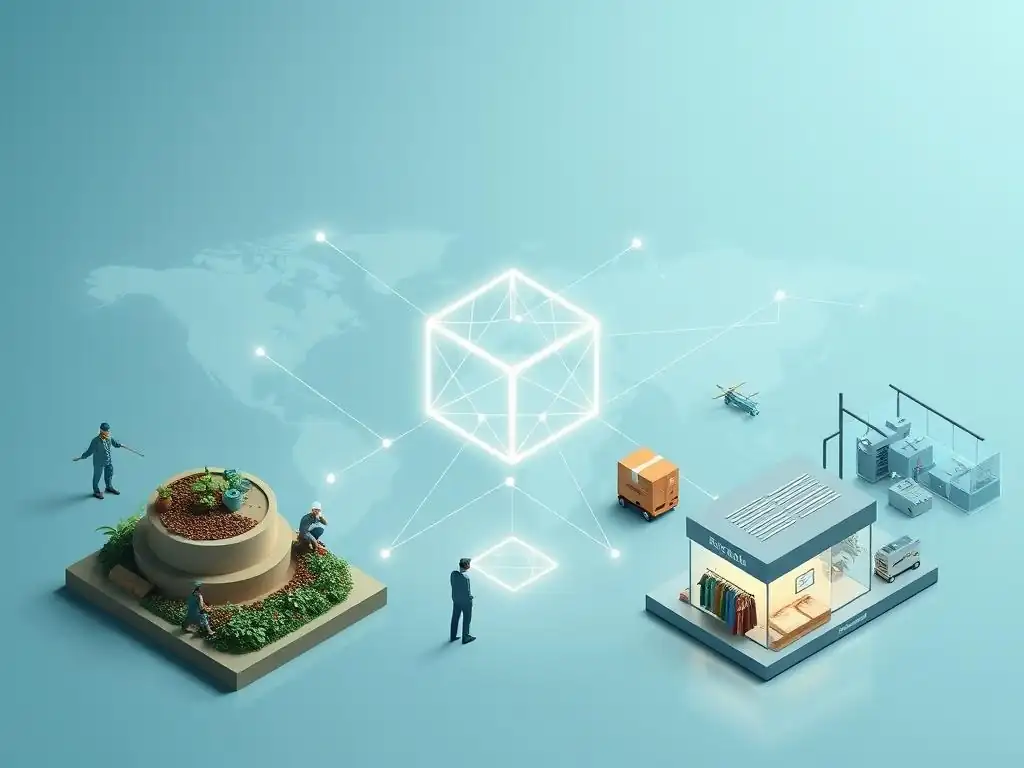
De Beers, a leading diamond company, launched its Tracr platform in 2018, a blockchain-based system designed to track diamonds from mine to retailer. The diamond industry has long faced challenges regarding provenance, often linked to concerns about 'blood diamonds' or stones mined and traded to fund conflict. Tracr aims to provide immutable proof of a diamond's origin, characteristics, and ownership history at various points along the value chain. Each rough diamond is registered on the platform, and its unique journey is recorded as it is cut, polished, and traded.
By assigning a unique ID to each stone and recording key attributes and transactions on the blockchain, Tracr creates a secure and tamper-proof digital trail. This allows participants in the diamond pipeline, and potentially consumers, to verify the authenticity and ethical sourcing of a diamond. As of 2020, Tracr had already registered over 100,000 high-value diamonds. This initiative demonstrates how ethical supply chain blockchain solutions can provide the transparency needed in industries historically associated with ethical concerns, building trust and ensuring that diamonds are sourced responsibly.
Case Study 2: Provenance's Use of Blockchain to Trace Tuna Supply Chains
Provenance, a technology company focused on supply chain transparency, implemented a blockchain pilot project to trace tuna caught in Indonesian waters. The seafood industry often suffers from issues like illegal fishing, mislabeling of species, and poor labor practices. The Provenance project aimed to provide verifiable data about the origin and ethical journey of tuna fillets sold in sushi restaurants and retailers. Fishermen used mobile apps to record catch data, including location and time, which was then linked to the blockchain. This data followed the fish through processing, export, and distribution.
By creating digital 'passports' for fish batches on the blockchain, Provenance enabled businesses and consumers to scan a code and see the verifiable history of the tuna, confirming where it was caught, by whom, and whether it met sustainability standards. This pilot successfully demonstrated the feasibility of using blockchain to bring transparency to complex, multi-stakeholder supply chains involving small-scale producers. It highlighted how ethical supply chain blockchain solutions can empower consumers to make informed choices based on verifiable information about ethical sourcing and sustainability.
Case Study 3: IBM Food Trust's Implementation for Food Safety and Traceability
IBM Food Trust is one of the most prominent examples of blockchain being used for food supply chain traceability and safety. Launched in 2017, the platform connects growers, processors, wholesalers, distributors, manufacturers, retailers, and others through a permissioned blockchain network. The primary goal is to improve food safety by drastically reducing the time it takes to trace contaminated food back to its source during an outbreak. In a demonstration, IBM and Walmart showed that tracing a mango from store shelf back to its farm took just 2.2 seconds using Food Trust, compared to days or weeks with traditional methods.
Beyond safety, Food Trust also facilitates the sharing of data related to certifications, freshness, and ethical practices. Suppliers can upload verifiable data about organic certifications, fair labor audits, or cold chain temperatures onto the shared ledger. This transparency allows retailers and consumers to trust the claims made about the food they purchase. As of 2022, IBM Food Trust had onboarded hundreds of participants across various food categories, demonstrating the significant impact ethical supply chain blockchain solutions can have on improving both the safety and ethical profile of the global food system.
Overcoming the Challenges of Blockchain Adoption in Supply Chains
Scalability and Interoperability Issues
Despite the promise, the widespread adoption of ethical supply chain blockchain solutions faces several challenges. One significant hurdle is scalability. Public blockchains like Bitcoin or Ethereum, while decentralized, can process a limited number of transactions per second compared to traditional payment networks or enterprise databases. While permissioned blockchains often used in supply chain contexts offer higher throughput, scaling these networks to accommodate the massive volume of transactions and data generated by global supply chains remains a technical challenge. Solutions like sharding, layer-2 protocols, and specialized enterprise blockchain platforms are being developed to address this.
Interoperability is another critical issue. Supply chains involve numerous disparate systems (ERP, WMS, TMS, IoT devices, etc.) used by different companies. Integrating these legacy systems with blockchain platforms can be complex and costly. Furthermore, connecting different blockchain networks or allowing data exchange between them is necessary for true end-to-end supply chain visibility, but interoperability standards and solutions are still evolving. Ensuring seamless data flow between different participants' systems and the blockchain platform is crucial for the successful implementation of ethical supply chain blockchain solutions.
Data Privacy and Security Concerns
While blockchain is designed to be secure and immutable, implementing it in supply chains raises specific data privacy concerns. Supply chain data, including supplier identities, pricing information, and logistics details, is often highly sensitive and proprietary. While public blockchains are transparent, enterprise or permissioned blockchains allow for controlled access, but determining who sees what data requires careful design. Companies need assurances that their confidential business information will not be exposed to competitors on the shared ledger. Techniques like zero-knowledge proofs and data partitioning are being explored to allow verification of data without revealing the underlying sensitive details.
Furthermore, the security of the data before it is recorded on the blockchain is paramount. If incorrect or malicious data is entered into the system, the immutability of the blockchain means that false information becomes permanently recorded. Ensuring the integrity of data input, often from numerous sources including IoT devices and manual entries, is a critical security challenge. Robust identity management and access control mechanisms are essential to ensure that only authorized and trusted parties can contribute data to ethical supply chain blockchain solutions.
Regulatory Uncertainty and Compliance
The regulatory landscape surrounding blockchain technology is still evolving globally, creating uncertainty for businesses looking to implement blockchain-based solutions. Different countries have varying approaches to regulating digital assets, smart contracts, and data privacy on distributed ledgers. Compliance with existing regulations, such as GDPR in Europe regarding data privacy or industry-specific traceability mandates (like those in pharmaceuticals or food), needs to be carefully considered when designing blockchain solutions. The immutable nature of blockchain can sometimes conflict with 'right to be forgotten' principles in data protection regulations, requiring careful architectural choices.
Moreover, establishing legal frameworks for smart contracts and determining liability when automated processes go wrong are ongoing challenges. Businesses need legal clarity on the enforceability of smart contracts and how they interact with traditional legal agreements. Navigating this complex and changing regulatory environment requires careful legal counsel and collaboration between technology providers, businesses, and policymakers to ensure that ethical supply chain blockchain solutions can operate within established legal boundaries while still delivering their intended benefits.
The Importance of Collaboration and Standardization
Perhaps the most significant non-technical challenge to adopting ethical supply chain blockchain solutions is the need for extensive collaboration and standardization across entire industries. A supply chain involves multiple independent entities – suppliers, manufacturers, logistics providers, distributors, retailers, and sometimes third-party auditors or certifiers. For a blockchain network to be effective, a critical mass of these participants must agree to join the network, share data, and adhere to common standards and protocols. This requires overcoming inertia, building trust among potentially competitive parties, and establishing clear governance models for the network.
Developing common data standards (e.g., for product identifiers, location codes, event types) and interoperability protocols is essential to ensure that data from different sources can be seamlessly integrated and understood by all participants on the blockchain. Industry consortia and standards bodies play a crucial role in driving this collaboration and developing the necessary frameworks. Without widespread adoption and agreement on standards, blockchain implementations risk remaining isolated pilots rather than transforming entire supply chain ecosystems into truly ethical and resilient networks.
The Future of Ethical Supply Chains: Powered by Blockchain
Emerging Trends in Blockchain and Supply Chain Technology
The convergence of blockchain with other emerging technologies is shaping the future of ethical supply chains. The Internet of Things (IoT), for instance, is increasingly being integrated with blockchain solutions. IoT sensors (temperature, humidity, location) can automatically record data directly onto the blockchain, providing real-time, verifiable information about conditions during transport or storage, crucial for maintaining the integrity of perishable goods or sensitive materials. Artificial intelligence (AI) can analyze the vast amounts of data collected on blockchain ledgers to identify patterns related to inefficiencies, potential risks, or suspicious activities indicative of unethical practices or fraud.
Furthermore, advancements in blockchain technology itself, such as more scalable consensus mechanisms, layer-2 solutions, and interoperability protocols (like cross-chain bridges), are addressing current limitations. Decentralized Identifiers (DIDs) and Verifiable Credentials (VCs) based on blockchain are emerging standards that could revolutionize how identities and certifications (e.g., ethical sourcing certificates, quality checks) are managed and verified within supply chains, offering greater privacy and control over personal and organizational data. These technological synergies are enhancing the capabilities of ethical supply chain blockchain solutions, making them more robust, efficient, and comprehensive.
Beyond ethical labor practices, blockchain is poised to play a significant role in promoting environmental sustainability and broader social responsibility within supply chains. By tracking materials and products from origin, blockchain can verify claims related to sustainable sourcing, such as certified timber, responsibly mined minerals, or sustainably harvested agricultural products. Data related to carbon footprint, water usage, or waste management at various stages of production can be recorded on the blockchain, allowing for verifiable environmental impact assessments.
Blockchain can also facilitate circular economy initiatives by tracking the lifecycle of products and materials, enabling efficient recycling, reuse, and repair programs. Smart contracts can incentivize sustainable behavior, for example, by automatically rewarding suppliers who meet specific environmental targets recorded on the blockchain. By providing transparent and verifiable data on environmental and social performance, ethical supply chain blockchain solutions enable companies to measure, report, and improve their sustainability efforts credibly, meeting the growing expectations of consumers and regulators for corporate social responsibility.
Predictions for the Growth of Ethical Supply Chain Blockchain Solutions
Industry analysts predict significant growth in the adoption of blockchain technology for supply chain management, with a strong focus on areas like traceability, provenance, and ethical sourcing. Reports suggest the global supply chain blockchain market is expanding rapidly, projected to reach billions of dollars in the coming years. This growth is driven by increasing regulatory pressure, consumer demand for transparency, and the demonstrated benefits seen in early implementations across various sectors.
As the technology matures, becomes more scalable, and interoperability challenges are addressed, the cost and complexity of implementation are expected to decrease, making ethical supply chain blockchain solutions more accessible to a wider range of businesses, including small and medium-sized enterprises (SMEs). The development of industry-specific blockchain consortia and standardized platforms will further accelerate adoption. While challenges remain, the trajectory points towards blockchain becoming an increasingly integral part of building the transparent, ethical, and resilient supply chains required for future global trade.
Conclusion: Blockchain as a Catalyst for Ethical and Resilient Global Trade
Embracing Blockchain for a More Transparent and Accountable Future
The complexities and opacities of traditional global supply chains have long presented significant challenges to ensuring ethical practices, human rights, and environmental sustainability. The growing demand from consumers, regulators, and investors for greater accountability has highlighted the urgent need for more transparent and verifiable systems. Blockchain technology, with its inherent characteristics of immutability, transparency, and decentralization, offers a powerful framework for addressing these issues head-on. By creating shared, tamper-evident records of transactions and events, ethical supply chain blockchain solutions enable end-to-end traceability and accountability across multi-tiered networks.
Embracing these solutions means moving towards a future where the journey and production story of every product can be verified, where claims of ethical sourcing and fair labor are supported by immutable data, and where stakeholders can trust the information they receive. While the path to widespread adoption involves navigating technical hurdles like scalability and interoperability, as well as fostering unprecedented levels of collaboration, the potential benefits for building a more responsible global economy are immense.
Companies that proactively implement ethical supply chain blockchain solutions are not only mitigating risks but also building trust, enhancing brand reputation, and positioning themselves as leaders in ethical and sustainable trade.
The Potential for Blockchain to Transform Global Supply Chains for Good
Blockchain technology has the potential to be a true catalyst for transforming global supply chains for the better. It offers a credible mechanism to combat long-standing problems like forced labor, environmental degradation, and counterfeiting by providing the transparency and accountability that traditional systems lack. From ensuring that miners receive fair wages for critical minerals to verifying that agricultural products are grown sustainably and that consumer goods are produced in safe and ethical conditions, ethical supply chain blockchain solutions provide the tools needed to build supply chains that reflect our shared values.
As the technology continues to evolve and gain wider acceptance, its integration with other innovations like IoT and AI will further enhance its capabilities, creating intelligent, self-auditing, and highly resilient supply networks. The future of global trade hinges on building systems that are not only efficient but also fundamentally ethical and sustainable.
Blockchain provides a foundational layer for achieving this vision, empowering businesses to operate with integrity, enabling consumers to make informed choices, and fostering a global economy where transparency and accountability are the norms, not the exceptions. The journey towards truly ethical supply chains is ongoing, and blockchain is proving to be an indispensable technology on that path.
Frequently Asked Questions
What are the primary benefits of using blockchain for ethical supply chain management?
Blockchain enhances traceability and transparency, allowing consumers and businesses to verify product origins and manufacturing processes. This fosters trust and combats counterfeit goods and unethical labor practices.
How can blockchain help ensure fair labor practices within global supply chains?
Blockchain can track worker conditions, wages, and certifications, creating a verifiable record of ethical labor standards. This data can be used to incentivize compliance and penalize exploitative practices.
What are some of the challenges to implementing ethical supply chain blockchain solutions?
Challenges include data privacy concerns, interoperability issues between different blockchain platforms, and the need for industry-wide adoption to achieve maximum effectiveness.
How does blockchain contribute to the resilience of supply chains in the face of disruptions?
Blockchain enables real-time tracking of goods and materials, allowing businesses to quickly identify and respond to disruptions like natural disasters or geopolitical events. This promotes supply chain agility and reduces downtime.
What role do regulations play in the development and implementation of blockchain-based ethical supply chain solutions?
Clear regulations can establish industry standards, protect consumer rights, and encourage responsible innovation. This includes addressing data security and ensuring compliance with international trade laws.
Final Reflection: Forging a Future of Trust
The exploration of blockchain's potential to revolutionize global supply chains culminates in a crucial understanding: ethical and resilient practices are no longer optional, but essential for sustainable growth. The intricate web of production and distribution, often shrouded in opacity, demands a transparent and accountable system, and blockchain offers a compelling pathway towards achieving this.
The impact of ethical sourcing and responsible production resonates deeply within the cultural and social fabric. Our collective responsibility to ensure fair labor practices, environmental sustainability, and product authenticity is paramount. The true cost of a product isn't just the price tag; it's the impact it has on the people and the planet.
This quote underscores the urgent need for solutions like blockchain to empower consumers and businesses alike to make informed choices that contribute to a more just and equitable world.
As we stand at the cusp of a new era in supply chain management, I invite you to reflect on your own role in shaping a more ethical future. Consider how you can leverage the insights gained from this exploration to advocate for transparency, support businesses committed to responsible practices, and demand accountability from those who fall short.
The power to build a supply chain rooted in trust and integrity lies within each of us. Let us embrace the potential of blockchain and work together to forge a future where ethical considerations are not just an afterthought, but the very foundation of global commerce.
Okay, I'm ready. Here's a CTA crafted according to your specifications for an article titled "Blockchain's Promise for Ethical and Resilient Global Supply Chains" on the website "Blockchain Trends" (blockchaintrends.org):
Ignite Your Supply Chain Revolution!
Thank you for exploring how blockchain technology can revolutionize global supply chains! We hope you've gained valuable insights into creating more ethical and resilient systems. Now, let's put that knowledge into action and build a better future, one block at a time.
Here's how you can get started:
- Champion Transparency: Begin advocating for blockchain adoption within your organization or industry. Share this article with key stakeholders to start the conversation.
- Explore practical applications: Research specific blockchain platforms designed for supply chain management, focusing on use cases relevant to your field.
- Join the Community: Engage in discussions on Blockchain Trends and other online forums. Share your thoughts and experiences to help shape the future of blockchain-powered supply chains.
What concrete steps will you take this week to make your supply chain more transparent and ethical using blockchain? Share your plans in the comments below!
Leave a Reply