
Building Bridges of Trust: Blockchain and the Future of Ethical Aid Delivery


Welcome to Blockchain Trends, your compass in the ever-evolving world of decentralized innovation!
Delve into the transformative power of blockchain beyond the hype, as we explore its profound impact on various sectors. Are you ready to witness how this technology is reshaping industries and redefining trust? This week, we're focusing on a critical application: ethical aid delivery systems. Discover how blockchain's inherent transparency and security are paving the way for more accountable and effective humanitarian efforts. Could this be the key to unlocking a future where aid reaches those who need it most, without corruption or delay? Read on to find out and explore the future of humanitarian aid.
Building Bridges of Trust: Blockchain and the Future of Ethical Aid Delivery
- The Urgent Need for Ethical Aid Delivery: Addressing Corruption and Inefficiency
- Blockchain Technology: A Paradigm Shift for Aid Distribution
- Blockchain Ethical Aid Delivery Systems: Key Benefits and Applications
- Real-World Examples: Blockchain Projects Transforming Humanitarian Aid
- Overcoming the Challenges of Implementing Blockchain in Aid
- The Future of Blockchain and Ethical Aid: Trends and Predictions
- Conclusion: Blockchain's Potential to Revolutionize Ethical Aid Delivery
-
Frequently Asked Questions
- How can blockchain technology improve the transparency of aid delivery?
- What role does traceability play in ethical aid distribution using blockchain?
- What are the potential challenges in implementing blockchain-based aid delivery systems?
- How does decentralization contribute to the ethical nature of blockchain aid delivery?
- Beyond transparency, how can blockchain enhance the efficiency of aid operations?
- Final Reflection: Forging a Future of Trust
- Amplify Aid: Become a Blockchain Champion!
The Urgent Need for Ethical Aid Delivery: Addressing Corruption and Inefficiency
Challenges in Traditional Aid Systems: Transparency and Accountability Gaps
Traditional humanitarian aid systems, while vital, often grapple with significant challenges related to transparency and accountability. Funds and resources typically pass through multiple layers of intermediaries – including large international organizations, national governments, local NGOs, and various logistical partners – before reaching the intended beneficiaries.
This complex pipeline creates numerous points where visibility is lost, making it difficult for donors to track exactly where their money goes and for recipients to verify the aid they receive aligns with what was allocated. The sheer volume and speed required during emergencies further exacerbate these issues, leading to rushed processes and insufficient oversight.
Compounding these issues is the reliance on manual reporting and disparate data systems, which are prone to errors, delays, and manipulation. Without a single, verifiable source of truth, reconciling financial flows with physical goods or services delivered becomes a formidable task. This lack of a clear, end-to-end audit trail means that pinpointing exactly where inefficiencies occur or where funds may have been diverted is incredibly challenging. This opacity erodes trust among donors, who may become hesitant to contribute, and among recipient communities, who may feel disempowered and subject to unfair practices.
The Cost of Corruption: How Inefficiency Impacts Humanitarian Efforts
The financial cost of corruption and inefficiency in aid delivery is staggering, representing not just monetary loss but a direct impact on human lives. While precise figures are difficult to ascertain globally, various reports and investigations suggest that a significant percentage of humanitarian aid, potentially ranging from 10% to 30% in some contexts, may be lost or diverted through corruption, mismanagement, or administrative inefficiencies. This diversion translates directly into fewer meals provided, fewer vaccinations administered, less shelter constructed, and less critical support reaching vulnerable populations during times of crisis.
Beyond the immediate financial drain, corruption undermines the very goals of humanitarian aid. It can distort priorities, favor certain groups over others, and weaken the capacity of local organizations. When aid is siphoned off, it not only deprives those in desperate need but also fuels cynicism and distrust in the aid system as a whole.
This loss of faith can make future relief efforts harder to fund and implement, creating a vicious cycle where the most vulnerable suffer the most. The ethical imperative to ensure aid reaches its intended recipients is paramount, driving the search for more robust and trustworthy delivery mechanisms.
Blockchain Technology: A Paradigm Shift for Aid Distribution
Understanding Blockchain's Core Principles: Decentralization, Transparency, and Immutability
At its heart, blockchain technology is a distributed ledger that records transactions across a network of computers. Unlike traditional databases, which are typically centralized and controlled by a single entity, a blockchain is decentralized, meaning no single point of failure exists and control is shared among participants. Each block in the chain contains a batch of verified transactions, and once added, it is linked cryptographically to the previous block, forming an immutable chain. This structure makes it extremely difficult to alter past records without the consensus of the network participants, ensuring data integrity.
The inherent features of blockchain—decentralization, transparency (where applicable and appropriate), and immutability—offer a fundamental shift in how data is managed and trust is established. Transactions recorded on a blockchain are timestamped and publicly or semi-publicly visible to network participants, depending on the type of blockchain (public, private, consortium). This transparency allows for unprecedented oversight.
The immutability means that once a transaction is confirmed and added to the chain, it cannot be retroactively changed or deleted, creating a permanent, auditable record of activity. These core principles lay the groundwork for building trust in systems where it has traditionally been lacking, such as complex aid distribution networks.
How Blockchain Can Enhance Trust and Traceability in Aid Supply Chains
Blockchain technology can significantly enhance trust and traceability throughout the complex aid supply chain, from the initial donation to the final delivery to a beneficiary. By creating a shared, immutable ledger, blockchain allows every transaction—be it a transfer of funds, the movement of goods, or a confirmation of receipt—to be recorded in a way that is transparent and verifiable by authorized parties.
Imagine a pallet of medical supplies: each transfer of custody, from the manufacturer to the shipping company, to the receiving warehouse, and finally to the local clinic, could be logged as a transaction on the blockchain, complete with timestamps and digital signatures.
This level of granular traceability provides an unparalleled audit trail. Donors could potentially track their contribution's journey, seeing when funds were dispersed, when goods were purchased, and even when they were confirmed as received by a distribution point or beneficiary (where privacy considerations allow). This visibility helps build trust by demonstrating exactly how resources are being utilized.
Furthermore, smart contracts—self-executing contracts with the terms of the agreement directly written into code—can automate conditional disbursements of funds or trigger actions only when certain criteria are met (e.g., proof of delivery), reducing reliance on manual approvals and minimizing opportunities for discretionary misuse. This robust tracking mechanism is a cornerstone of effective blockchain ethical aid delivery systems.
Blockchain Ethical Aid Delivery Systems: Key Benefits and Applications
Increased Transparency: Tracking Aid From Donor to Recipient
One of the most compelling benefits of implementing blockchain ethical aid delivery systems is the dramatic increase in transparency they offer. By recording transactions on a distributed ledger, a verifiable and tamper-proof history of aid flows can be created. This allows stakeholders, from large institutional donors to individual contributors, to gain unprecedented visibility into the journey of their contributions. They can potentially see when funds are disbursed, which implementing partners receive them, and how those funds translate into goods or services delivered on the ground.
This enhanced transparency extends beyond financial tracking to the movement of physical goods. Using blockchain in conjunction with technologies like QR codes or IoT sensors, the provenance and chain of custody for items like food, medicine, or shelter materials can be meticulously recorded. This means that when a shipment of vaccines arrives at a remote clinic, its journey from the manufacturer, including transportation details and storage conditions, could potentially be verified on the blockchain. This end-to-end visibility builds trust by providing concrete proof of delivery and utilization.
Reduced Corruption: Minimizing Opportunities for Diversion and Mismanagement
Blockchain ethical aid delivery systems inherently reduce opportunities for corruption and mismanagement by removing opacity and central points of control that are vulnerable to exploitation. In traditional systems, cash transfers and manual processes create loopholes where funds can be diverted or goods stolen without leaving a clear trace. Blockchain's immutable ledger makes it incredibly difficult to falsify records or secretly alter transactions; any attempt to do so would be visible to the network and immediately raise flags.
Furthermore, the use of smart contracts allows for the automation of aid distribution based on predefined, transparent rules. For instance, funds could be automatically released to a local partner only upon verified confirmation of a specific milestone being reached, such as the registration of beneficiaries or the delivery of a shipment. This algorithmic approach reduces the need for human intermediaries to make discretionary decisions about fund disbursement, thereby minimizing the potential for bribery or favoritism. By creating a system based on verifiable facts recorded on an immutable ledger, blockchain significantly strengthens the anti-corruption framework in aid operations.
Improved Efficiency: Streamlining Processes and Reducing Administrative Overhead
Beyond transparency and anti-corruption, blockchain ethical aid delivery systems offer substantial potential for improving operational efficiency and reducing administrative overhead. Traditional aid processes often involve extensive paperwork, manual data entry, and complex reconciliation across different organizational systems. This leads to delays, increased costs, and a higher likelihood of errors. Blockchain can automate many of these processes and provide a single, shared source of truth for all transaction data.
By digitizing and automating processes through smart contracts and a shared ledger, activities such as payment disbursements, inventory tracking, and reporting can be significantly streamlined. This reduces the administrative burden on aid organizations, allowing staff to focus more on program delivery rather than bureaucratic tasks. Estimates vary, but the potential reduction in administrative costs could be considerable, freeing up more resources to be directed towards direct assistance. For example, pilots have shown potential to reduce transaction fees and processing times compared to traditional financial channels, leading to faster and more cost-effective aid delivery.
Enhanced Accountability: Empowering Stakeholders and Fostering Trust
A key outcome of implementing blockchain ethical aid delivery systems is enhanced accountability across the entire aid ecosystem. With a transparent and immutable record of all transactions and activities, every participant—from the donor and the international agency to the local implementer and even the recipient—can be held accountable for their part. Donors have a verifiable way to see how their contributions were spent, enabling them to hold implementing agencies accountable for delivering on their promises.
Conversely, implementing agencies can use the blockchain record to prove their activities and demonstrate the effective use of funds, building trust with donors and the public. Crucially, blockchain can empower beneficiaries by giving them a digital identity and a verifiable record of the aid they received, allowing them to confirm receipt and report discrepancies directly onto the ledger or associated systems. This shift in power dynamics fosters greater trust and ensures that the voices and needs of the vulnerable populations being served are central to the accountability framework.
Real-World Examples: Blockchain Projects Transforming Humanitarian Aid
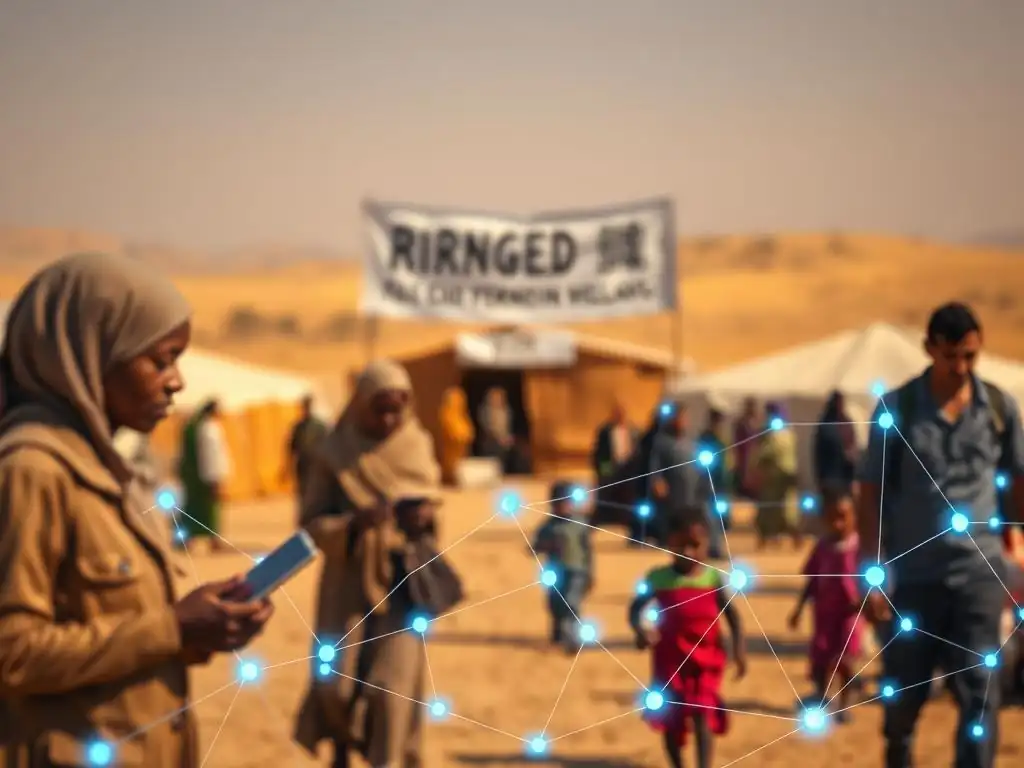
World Food Programme's Building Blocks: Blockchain for Syrian Refugees in Jordan
The World Food Programme (WFP) has been a pioneer in leveraging blockchain for humanitarian aid with its innovative Building Blocks project. Launched in 2017, the program initially aimed to improve the efficiency and security of cash-based transfers to Syrian refugees living in camps in Jordan. Instead of relying on traditional banks or cash distribution, WFP implemented a private, permissioned blockchain network to record and process assistance.
Under the Building Blocks system, refugees' identities were linked to blockchain accounts. When visiting participating local shops within the camps, beneficiaries could pay for goods using an eye-scanning technology (iris recognition) linked to their account. The transaction was instantly recorded on the blockchain, debiting their allocated assistance amount.
This system significantly reduced transaction fees paid to financial intermediaries, ensured that aid reached the intended recipients directly, and provided WFP with a secure, transparent, and real-time overview of fund utilization. By late 2018, Building Blocks was processing transactions for over 100,000 refugees in Jordan, and by 2020, it was scaled up to serve over a million refugees across multiple countries, processing millions of dollars in aid value monthly.
BanQu: Empowering Economic Inclusion for Displaced Populations
BanQu is another notable example of a company leveraging blockchain technology to create economic identity and traceability for people living in extreme poverty, including refugees and internally displaced persons. Many vulnerable individuals lack formal identification or verifiable transaction history, making it difficult for them to access financial services, prove their income, or participate effectively in the formal economy. BanQu's platform provides a blockchain-based economic identity that records transactions, such as selling goods, receiving aid, or participating in value chains.
By documenting these transactions on an immutable ledger, BanQu helps individuals build a verifiable economic history, or "economic passport," which can be used to access micro-loans, prove income for housing or employment, or simply track their own economic activity. The platform also provides supply chain traceability, allowing corporations to track goods sourced from vulnerable communities, ensuring fair wages and ethical practices. BanQu has worked with populations in various regions, including refugees in East Africa, connecting them to global supply chains and financial opportunities, demonstrating how blockchain can empower individuals to escape cycles of poverty and dependency.
AID:Tech is a social enterprise that utilizes blockchain technology to provide digital identity and streamline the distribution of aid and social welfare payments. Recognizing the challenges of ensuring aid reaches the right people transparently, especially in contexts where traditional identification might be lacking or compromised, AID:Tech developed solutions based on blockchain-anchored digital identities.
Their projects have included distributing aid to Syrian refugees in Lebanon in partnership with the Irish Red Cross, using blockchain to track the delivery of entitlements directly to individuals. They have also worked with governments to disburse social welfare payments efficiently and transparently.
By providing individuals with a secure digital identity linked to the blockchain, AID:Tech ensures that aid is delivered directly to the intended beneficiary, reducing the risk of diversion and providing an immutable record of the transaction. This approach enhances accountability for both the aid provider and the recipient, paving the way for more effective and ethical aid distribution.
Overcoming the Challenges of Implementing Blockchain in Aid
Scalability and Interoperability: Ensuring Widespread Adoption
One significant hurdle for widespread adoption of blockchain ethical aid delivery systems is ensuring scalability. Humanitarian crises often involve assisting millions of people simultaneously, requiring systems capable of handling a massive volume of transactions quickly and reliably, even in areas with limited infrastructure. Many current blockchain platforms, particularly public ones, can face limitations in transaction speed and capacity compared to centralized databases. Designing or selecting a blockchain architecture that can scale to meet the demands of global humanitarian operations is critical.
Furthermore, interoperability between different blockchain networks and with existing legacy systems is essential. Aid organizations work with numerous partners, each potentially using different technologies or data standards. For blockchain solutions to be effective, they must be able to seamlessly interact with other systems, exchange information, and integrate into established workflows. Developing common standards and protocols for blockchain use in the aid sector is necessary to prevent fragmentation and ensure that data can flow freely and securely across the ecosystem.
Data Privacy and Security: Protecting Sensitive Information
While transparency is a key benefit of blockchain, the sensitive nature of humanitarian work necessitates careful consideration of data privacy and security. Aid beneficiaries are often vulnerable individuals whose personal data—including identity, location, health status, and aid received—must be protected from misuse, surveillance, or exploitation. Public blockchains, while transparent, may not be suitable for storing highly sensitive personal information due to its inherent visibility.
Implementing blockchain ethical aid delivery systems requires robust strategies to balance transparency with privacy. This can involve using permissioned or private blockchains where access is restricted, storing sensitive data off-chain while using the blockchain only for verifying transaction hashes or proofs, or employing privacy-enhancing technologies like zero-knowledge proofs. Ensuring the security of the underlying blockchain infrastructure, protecting against cyberattacks, and establishing clear data governance policies are paramount to maintaining trust and safeguarding the interests of aid recipients.
Digital Literacy and Accessibility: Bridging the Digital Divide
Implementing blockchain solutions in aid contexts often requires a certain level of digital literacy and access to technology, which can be significant challenges in many crisis-affected regions. Beneficiaries may lack access to smartphones, reliable internet connectivity, or the technical skills needed to interact with blockchain-based systems, even through simplified interfaces. Relying solely on digital solutions risks excluding the most marginalized populations who are already at a disadvantage.
Addressing the digital divide requires a multi-faceted approach. This includes designing user interfaces that are intuitive and accessible, even for individuals with limited literacy or technical experience. It also involves investing in digital literacy training for both aid workers and beneficiaries where feasible. Furthermore, solutions need to be adaptable to low-connectivity environments and consider offline capabilities. Partnerships with local organizations and community leaders are vital to ensure that technology is introduced in a culturally appropriate and inclusive manner, ensuring that blockchain serves to empower, not exclude.
The regulatory landscape surrounding blockchain technology is still evolving globally, presenting complex challenges for aid organizations operating across multiple jurisdictions. Laws regarding digital assets, data privacy (like GDPR), identity management, and financial regulations vary significantly from country to country. Navigating this patchwork of legal frameworks can be difficult and time-consuming, potentially slowing down the implementation of blockchain ethical aid delivery systems.
Aid organizations must carefully assess the legal implications of using blockchain in each specific operational context. This involves understanding local laws on digital signatures, the legal status of smart contracts, regulations around cryptocurrency or token usage (even if stablecoins or private ledgers are used), and data protection laws. Collaboration with regulators, legal experts, and local authorities is crucial to ensure compliance and build a supportive legal environment for innovative aid delivery methods. Developing best practices and standard legal frameworks for blockchain in humanitarian action would greatly facilitate wider adoption.
The Future of Blockchain and Ethical Aid: Trends and Predictions
The Rise of Decentralized Autonomous Organizations (DAOs) in Aid Governance
Looking ahead, a significant trend in the future of blockchain ethical aid delivery systems could be the increased involvement of Decentralized Autonomous Organizations (DAOs). DAOs are organizations whose rules and decision-making processes are coded onto a blockchain, operating transparently and often governed by token holders. In the context of aid, DAOs could potentially offer a new model for funding and managing projects.
Imagine a humanitarian fund managed by a DAO, where donors' contributions are held in a smart contract, and decisions on how to allocate those funds are made through a transparent, on-chain voting process involving verified stakeholders, potentially including representatives from donor communities, implementing partners, and even beneficiary groups. This could significantly increase transparency in governance, reduce administrative overhead associated with traditional organizational structures, and allow for more direct participation from affected communities in deciding their own relief and development priorities.
While challenges around legal status, accountability in emergencies, and equitable participation need to be addressed, DAOs represent a powerful potential application for decentralized, ethical aid governance.
Integration with Other Technologies: IoT, AI, and Big Data
The true potential of blockchain ethical aid delivery systems will be further unlocked through integration with other emerging technologies. The Internet of Things (IoT) can provide real-world data that is then recorded and verified on the blockchain. For instance, IoT sensors can track the temperature of vaccine shipments or the location of food supplies in transit, with this data immutably logged on the ledger to ensure quality and prevent diversion.
Artificial intelligence (AI) and big data analytics can process the vast amounts of information generated by blockchain transactions and IoT devices. AI algorithms could analyze transaction patterns to detect potential fraud or identify areas where aid is most needed based on real-time data. Big data analytics can provide insights into the effectiveness of different aid interventions, helping organizations optimize resource allocation and improve program design. This convergence of technologies promises to create highly efficient, intelligent, and transparent aid systems.
Building a More Resilient and Sustainable Aid Ecosystem
Ultimately, the future trajectory of blockchain in humanitarian action points towards building a more resilient and sustainable aid ecosystem. By fostering transparency and accountability, blockchain ethical aid delivery systems can help restore and strengthen trust between donors and aid organizations, potentially leading to increased funding and more predictable support for long-term development initiatives, not just emergency response.
Furthermore, by empowering local communities through digital identity and verifiable transaction histories, blockchain can facilitate greater economic inclusion and self-reliance, shifting the focus from dependency to sustainable development. The ability to track resources effectively, reduce waste, and ensure aid reaches the intended recipients makes humanitarian efforts more impactful and sustainable in the long run. Blockchain is poised to be a foundational technology in creating a more equitable and effective global response to humanitarian needs.
Conclusion: Blockchain's Potential to Revolutionize Ethical Aid Delivery
Empowering Vulnerable Communities Through Transparency and Accountability
Blockchain technology holds transformative potential for revolutionizing ethical aid delivery by directly addressing the systemic issues of transparency, corruption, and inefficiency that have long plagued the sector. By providing a decentralized, immutable, and transparent ledger for recording transactions and interactions, blockchain ethical aid delivery systems can create an unprecedented level of visibility into the flow of resources from the point of donation to the point of impact. This transparency is not merely an administrative improvement; it is a fundamental shift that empowers all stakeholders.
For vulnerable communities receiving aid, this means gaining a verifiable identity and a clear record of entitlements and receipts, reducing their vulnerability to exploitation and enabling them to hold providers accountable. For donors, it means renewed confidence that their generosity is reaching those in need, fostering greater trust and potentially increasing willingness to contribute. For aid organizations, it offers tools to streamline operations, reduce costs, and demonstrate their impact with verifiable data. The core benefits of blockchain—trust through transparency and accountability—are precisely what the humanitarian sector needs to become more effective and ethical.
A Call to Action: Investing in Blockchain Solutions for a More Equitable World
The examples and potential applications discussed demonstrate that blockchain is no longer a theoretical concept for aid but a practical tool already being implemented with promising results. While challenges related to scalability, privacy, digital literacy, and regulation remain, they are surmountable with focused effort and collaboration. The potential benefits in terms of reducing corruption, increasing efficiency, and empowering vulnerable populations are too significant to ignore.
Therefore, there is a clear call to action for the humanitarian community, governments, technology providers, and donors: invest in the development, piloting, and scaling of blockchain ethical aid delivery systems. This requires dedicated funding for research and development, fostering partnerships between aid organizations and blockchain experts, developing common standards and best practices, and investing in digital infrastructure and literacy programs in recipient countries. By embracing blockchain, we can build bridges of trust in aid delivery, ensuring that humanitarian assistance is delivered ethically, efficiently, and effectively, contributing to a more equitable and resilient world for all.
Frequently Asked Questions
How can blockchain technology improve the transparency of aid delivery?
Blockchain provides an immutable and transparent ledger, allowing donors and beneficiaries to track aid in real-time. This enhances accountability and reduces the potential for corruption.
What role does traceability play in ethical aid distribution using blockchain?
Traceability enables complete tracking of aid items, from origin to recipient. This ensures that aid reaches the intended beneficiaries and minimizes the risk of diversion or misuse.
What are the potential challenges in implementing blockchain-based aid delivery systems?
Challenges include lack of digital literacy among beneficiaries, high implementation costs, and the need for robust data security measures to protect sensitive information.
How does decentralization contribute to the ethical nature of blockchain aid delivery?
Decentralization reduces reliance on centralized authorities who might be prone to corruption or bias. This promotes a more equitable and transparent distribution of aid resources.
Beyond transparency, how can blockchain enhance the efficiency of aid operations?
Blockchain can automate processes like identity verification and payment distribution. This reduces administrative overhead and ensures that aid reaches beneficiaries more quickly and efficiently.
Final Reflection: Forging a Future of Trust
The exploration of blockchain's potential in ethical aid delivery systems culminates in a powerful realization: transparency and accountability are no longer utopian ideals, but achievable realities. The promise of immutable ledgers and decentralized control offers a tangible solution to the pervasive challenges of corruption and inefficiency that have plagued the humanitarian sector for far too long. This is not just about technology; it's about restoring faith in the very act of giving.
The impact of blockchain on aid delivery extends far beyond mere efficiency gains. It fundamentally reshapes the relationship between donors, aid organizations, and beneficiaries, fostering a sense of shared ownership and mutual respect. Witnessing the potential for direct, verifiable impact is profoundly moving, reminding us that technology, at its best, can amplify our humanity. The best way to find yourself is to lose yourself in the service of others.
- Mahatma Gandhi. This quote encapsulates the spirit of ethical aid, and blockchain provides the tools to ensure that service is delivered with integrity and effectiveness.
As we look to the future, let us not simply marvel at the technological prowess of blockchain, but actively champion its adoption within the aid sector. Consider how you, as an individual, can support initiatives that prioritize transparency and accountability. Research organizations that are embracing blockchain solutions, advocate for policies that encourage ethical aid practices, and most importantly, never lose sight of the human element at the heart of every act of giving. The future of ethical aid delivery is not just about technology; it's about us, and the choices we make to build a world where trust prevails.
Amplify Aid: Become a Blockchain Champion!
Thank you for exploring how blockchain technology can transform ethical aid delivery. We hope you're inspired by the potential to create a more transparent and accountable world. Now, it's time to turn that inspiration into action!
- Share this article with colleagues or friends who are passionate about ethical aid. Spreading awareness helps support innovative solutions.
- Research blockchain-based aid organizations: Learn about initiatives that utilize blockchain for social good and explore how they operate.
- Consider your skills: Volunteer your expertise or propose a blockchain-based solution to a local nonprofit working in charitable causes.
What is one small step you can take today to promote greater transparency and accountability in aid efforts? Share your ideas in the comments below!
Leave a Reply