
From Conflict Minerals to Clean Sourcing: Blockchain's Ethical Intervention

Welcome to Blockchain Trends, your source for in-depth analysis on the revolutionary applications of blockchain technology.
Ever wondered how blockchain can ensure the ethical sourcing of materials, combating issues like conflict minerals and promoting fair labor practices? Dive into our latest article, "From Conflict Minerals to Clean Sourcing: Blockchain's Ethical Intervention," where we explore the transformative potential of blockchain ethical supply chain tracking and its profound impact on creating a more transparent and responsible world. Discover how this innovative technology is reshaping industries and paving the way for a future of verifiable integrity. Keep reading to uncover the solutions and challenges involved!
From Conflict Minerals to Clean Sourcing: Blockchain's Ethical Intervention
- The Urgent Need for Ethical Mineral Sourcing and Supply Chain Transparency
- Blockchain's Promise: Revolutionizing Ethical Supply Chain Tracking
- Blockchain Ethical Supply Chain Tracking: A Detailed Explanation
- Case Studies: Blockchain in Action for Ethical Mineral Sourcing
- Overcoming Challenges in Implementing Blockchain for Ethical Sourcing
- The Future of Blockchain Ethical Supply Chain Tracking
- Beyond Minerals: Expanding Blockchain's Role in Ethical Supply Chains
- Conclusion: Blockchain as a Catalyst for Ethical Sourcing and Supply Chain Integrity
-
Frequently Asked Questions
- What exactly is Blockchain ethical supply chain tracking, and how does it relate to the issue of conflict minerals?
- How does blockchain's transparency benefit consumers in the context of ethical supply chains?
- Beyond conflict minerals, what other areas can benefit from blockchain-based ethical supply chain solutions?
- What are some of the challenges in implementing blockchain for ethical supply chain tracking on a larger scale?
- What role do regulations and international standards play in promoting the adoption of blockchain for ethical supply chains?
- Final Reflection: Empowering Ethical Consumption Through Transparency
- Unleash the Power of Ethical Sourcing!
The Urgent Need for Ethical Mineral Sourcing and Supply Chain Transparency
Understanding the Conflict Minerals Problem: A Legacy of Exploitation
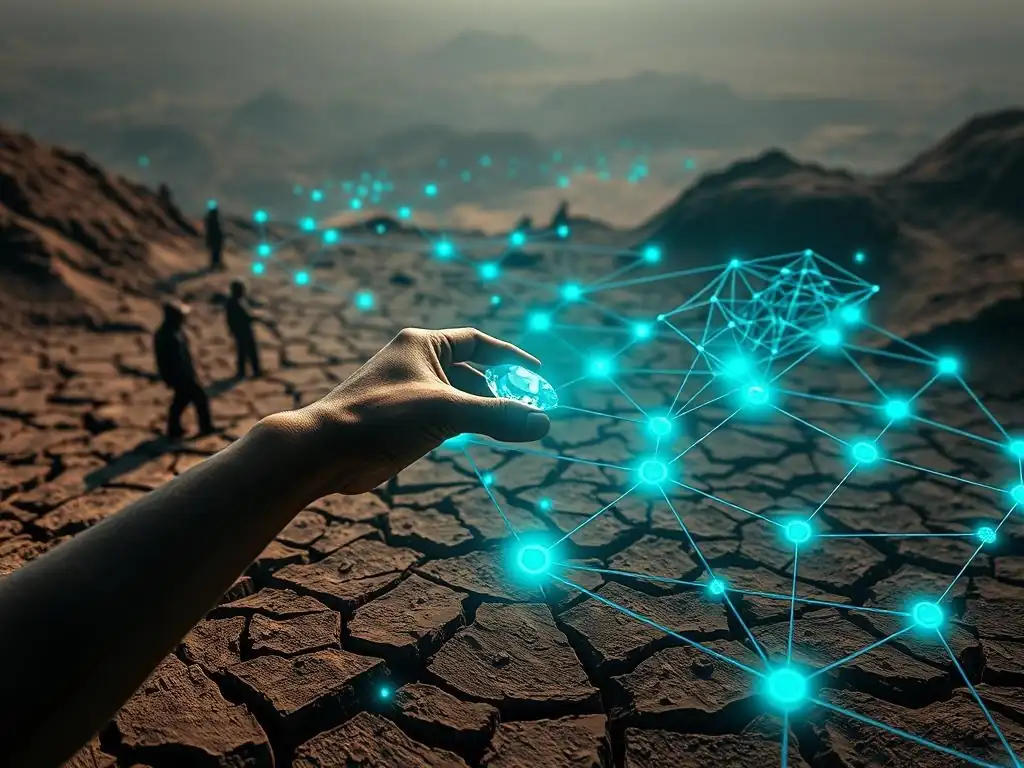
The issue of conflict minerals traces back decades, primarily centered around resources like tin, tantalum, tungsten, and gold (collectively known as 3TG). These minerals are essential components in countless electronic devices, from smartphones to electric vehicles. However, their extraction and trade have historically fueled armed conflict, human rights abuses, and environmental devastation in fragile regions, most notably in the eastern Democratic Republic of Congo (DRC) and surrounding areas. Armed groups have seized control of mines and transport routes, using forced labor and violence to profit from the mineral trade, creating a vicious cycle of conflict and poverty.
Reports from organizations like the United Nations and various NGOs have consistently documented the devastating impact. For example, estimates have placed the annual value of the conflict mineral trade linked to armed groups in the DRC at hundreds of millions of dollars.
This illicit trade not only perpetuates violence but also undermines legitimate economic development and governance. The complexity of global supply chains, often involving multiple intermediaries, refiners, and manufacturers, makes it incredibly difficult for companies and consumers to ascertain the true origin and ethical sourcing of these materials, obscuring the link between everyday products and the suffering at the source.
The Demand for Sustainable and Ethical Supply Chains: A Growing Trend
Driven by increasing consumer awareness, regulatory pressures, and corporate social responsibility initiatives, the demand for sustainable and ethical supply chains is no longer a niche concern but a mainstream expectation. Consumers are increasingly scrutinizing the provenance of the products they purchase, wanting assurance that they were produced without causing harm to people or the environment. Surveys consistently show a significant percentage of consumers are willing to pay a premium for ethically sourced goods.
Regulations such as Section 1502 of the Dodd-Frank Act in the United States and the European Union's Conflict Minerals Regulation mandate due diligence requirements for companies importing 3TG minerals, requiring them to report on their efforts to source responsibly. Beyond minerals, similar pressures and regulations are emerging for other commodities like cobalt, palm oil, and timber. This regulatory landscape, coupled with the reputational risks associated with unethical sourcing, is compelling businesses across industries to seek robust mechanisms for achieving and demonstrating supply chain transparency and ethical compliance.
Blockchain's Promise: Revolutionizing Ethical Supply Chain Tracking
How Blockchain Technology Enhances Supply Chain Visibility
Blockchain technology offers a fundamentally new approach to supply chain management, promising unprecedented levels of visibility. By creating a shared, distributed ledger across multiple participants in a supply chain – from the mine or farm to the manufacturer and retailer – blockchain records every transaction and transfer of ownership. Each step, such as extraction, transportation, refining, and manufacturing, can be logged as a block of data, cryptographically linked to the previous one. This chain of blocks forms an immutable history of the product's journey.
Unlike traditional centralized databases, where information is often siloed and prone to manipulation, a blockchain provides a single, verifiable version of the truth accessible to authorized parties. This means that stakeholders can track the origin and movement of goods in near real-time, verifying checkpoints and certifications along the way. For complex mineral supply chains, this means potentially tracking a specific batch of ore from a verified, conflict-free mine through various processing stages, offering a level of granular detail previously unattainable. This enhanced visibility is a cornerstone of effective Blockchain ethical supply chain tracking.
Immutability and Transparency: Key Benefits of Blockchain for Ethical Sourcing
The core technical properties of blockchain – immutability and transparency – are particularly valuable for ethical sourcing. Immutability ensures that once data is recorded on the blockchain, it cannot be altered or deleted without the consensus of the network participants. This makes the ledger highly resistant to tampering or fraud, providing a trustworthy record of provenance and compliance activities. For ethical sourcing, this means that claims about a mineral's origin or whether it passed a specific due diligence check are recorded permanently and reliably.
Transparency, depending on the type of blockchain (public or permissioned), allows authorized parties to audit the recorded transactions. In a supply chain context, this could mean allowing auditors, regulators, or even end consumers (via a product code or QR scan) to verify the ethical journey of a product. This shared, verifiable record builds trust among supply chain partners and provides demonstrable evidence of ethical practices, moving beyond mere assertions to verifiable facts. This capability is central to effective Blockchain ethical supply chain tracking solutions.
Blockchain Ethical Supply Chain Tracking: A Detailed Explanation
Implementing Blockchain Solutions for Mineral Traceability
Implementing Blockchain ethical supply chain tracking for minerals typically involves several key steps. First, minerals or batches of minerals are assigned unique digital identities, often linked to physical identifiers like tags, serial numbers, or even chemical markers. Data about the mineral's origin, including GPS coordinates of the mine, date of extraction, and initial weight, is recorded on the blockchain. As the mineral moves through the supply chain – from miners to aggregators, refiners, manufacturers, and distributors – each transaction, transfer of custody, and processing step is logged on the distributed ledger.
This process creates a comprehensive digital trail that mirrors the physical movement of the mineral. At each handover point or processing facility, participants in the supply chain record relevant data, such as quantity received, processes performed, and destination. This data is linked to the mineral's digital identity on the blockchain. This requires collaboration among diverse actors and the establishment of agreed-upon data standards to ensure interoperability across different stages and systems within the supply chain.
Tokenization and Digital Identity: Enhancing Provenance in Mineral Supply Chains
Tokenization plays a significant role in enhancing provenance within mineral supply chains using blockchain. A digital token, representing a specific quantity or batch of a mineral, is created on the blockchain. This token is intrinsically linked to the physical asset and carries all its associated data – origin, certifications, processing history, etc. As the physical mineral changes hands or undergoes transformation (e.g., ore refined into metal), the corresponding digital token is transferred or updated on the blockchain.
This approach simplifies the tracking and management of mineral assets. Instead of tracking physical bulk quantities that are difficult to delineate precisely, companies can track and transfer digital tokens that represent verified, ethically sourced units. This digital representation makes the supply chain more modular and easier to audit. It also enables the creation of a clear chain of ownership and custody for the mineral, making it evident who was responsible for the material at each stage of its journey. This digital identity and tokenization are crucial components of advanced Blockchain ethical supply chain tracking systems.
Smart Contracts: Automating Ethical Compliance and Due Diligence
Smart contracts are self-executing contracts with the terms of the agreement directly written into code on the blockchain. In the context of Blockchain ethical supply chain tracking, smart contracts can automate aspects of ethical compliance and due diligence processes. For example, a smart contract could be programmed to verify that a mineral batch originated from a mine certified as conflict-free before allowing the next transaction in the supply chain to proceed. It could automatically trigger payments only when verifiable data confirming ethical handling or certification is recorded on the ledger.
Smart contracts can also automate reporting requirements. They can collect and aggregate data from various points in the supply chain recorded on the blockchain to generate compliance reports for regulators or internal audits. This automation reduces the need for manual checks, minimizes the risk of human error or intentional fraud, and significantly speeds up the verification process. By embedding ethical rules directly into the transaction logic, smart contracts enforce compliance programmatically, strengthening the integrity of the ethical sourcing process.
Case Studies: Blockchain in Action for Ethical Mineral Sourcing
De Beers' Tracr Platform: Diamond Tracking from Mine to Retail
One prominent example of Blockchain ethical supply chain tracking in action is De Beers' Tracr platform. Launched by the world's leading diamond company, Tracr aims to provide immutable digital provenance for natural diamonds, tracking them individually from the mine to the retailer. Each rough diamond is registered on the platform, creating a unique digital identity linked to its physical characteristics. As the diamond moves through cutting, polishing, and setting stages, data about its transformation and custody is added to its record on the blockchain.
The platform is designed to provide confidence in the diamond's origin and ethical journey. Participants on the Tracr network, including miners, sightholders (authorized buyers), cutters, polishers, and retailers, contribute to the shared ledger. The immutability of the blockchain ensures that the diamond's history cannot be altered. While the platform is permissioned, allowing only authorized industry participants, it demonstrates how blockchain can be used to track high-value, complex assets like diamonds, providing a layer of trust and transparency previously difficult to achieve across a multi-stakeholder value chain.
Circulor and Volvo: Cobalt Traceability in Electric Vehicle Batteries
Circulor is another company leveraging Blockchain ethical supply chain tracking, notably in partnership with Volvo Cars for tracing cobalt used in electric vehicle batteries. Cobalt sourcing has faced scrutiny due to concerns about child labor and unsafe working conditions in artisanal mines, particularly in the DRC. Circulor's platform tracks cobalt from the mine through the refining process, battery manufacturing, and into the final vehicle.
The system uses a combination of blockchain for maintaining a secure and transparent chain of custody, along with other technologies like GPS and potentially biometrics at mining sites to verify the origin and movement of the material. By recording data at key points, such as when cobalt leaves a verified mine site or arrives at a refinery, the platform provides Volvo and its suppliers with visibility into the material's journey and helps ensure it comes from responsible sources. This initiative highlights how Blockchain ethical supply chain tracking is critical for complex, multi-layered supply chains like those for EV batteries.
Analyzing the Results: Increased Transparency and Accountability
The results from such initiatives, while still evolving, demonstrate tangible benefits. Platforms like Tracr and Circulor have shown the technical feasibility of using blockchain to create verifiable audit trails for minerals. De Beers reported successfully tracking millions of diamonds on the Tracr platform, demonstrating scalability for high-volume assets. Volvo's use of Circulor has provided greater assurance regarding the ethical sourcing of cobalt in its battery supply chain, helping meet both regulatory requirements and consumer expectations.
These case studies illustrate how Blockchain ethical supply chain tracking enhances transparency by making provenance data accessible and auditable to authorized parties. This increased visibility, in turn, fosters greater accountability among supply chain participants. Knowing that their actions and data inputs are being permanently recorded on a shared ledger incentivizes companies to adhere to ethical sourcing standards and conduct thorough due diligence. While challenges remain, these examples showcase the significant potential of blockchain to drive positive change in mineral supply chains.
Overcoming Challenges in Implementing Blockchain for Ethical Sourcing
Data Integration and Interoperability: Connecting Existing Systems
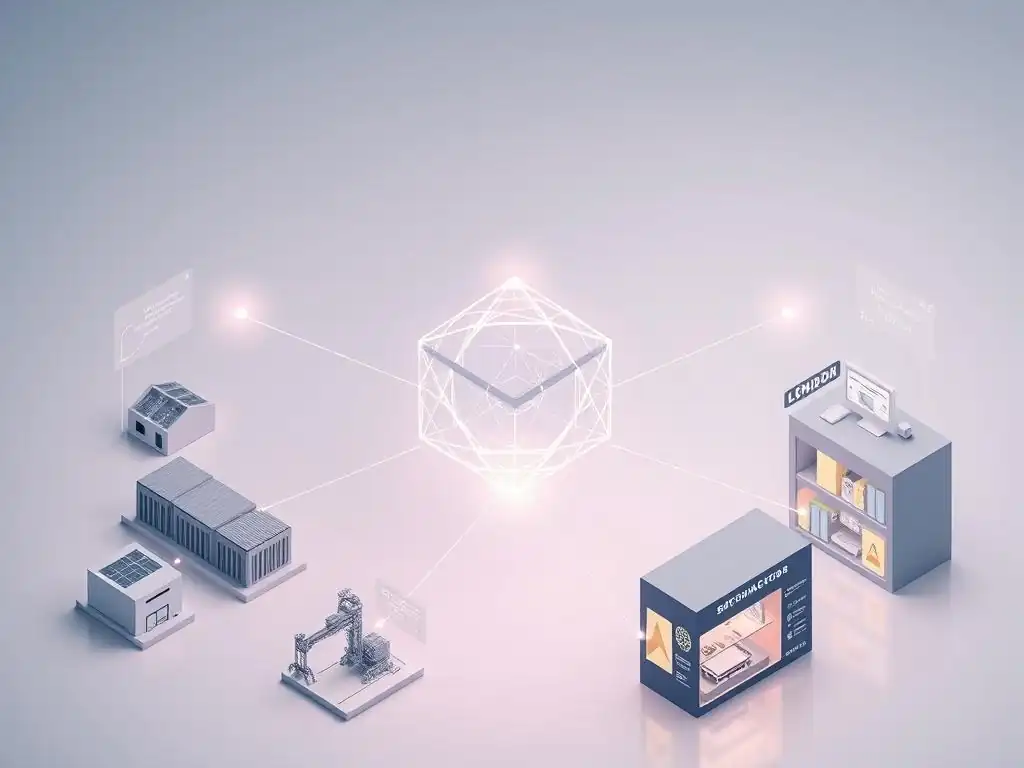
A significant challenge in deploying Blockchain ethical supply chain tracking is integrating blockchain platforms with existing legacy systems used by companies across the supply chain, such as Enterprise Resource Planning (ERP) systems, Supply Chain Management (SCM) software, and various databases. Many participants, particularly smaller miners or intermediaries, may have limited technological infrastructure. Getting these disparate systems to communicate and exchange data seamlessly with a blockchain network requires significant technical effort and standardization.
Ensuring data consistency and quality across the entire chain is also complex. The accuracy of the blockchain record is only as good as the data entered at each point. Establishing reliable methods for capturing data at the source – often in remote or challenging environments – and ensuring its integrity before it's committed to the ledger is crucial. Developing middleware, APIs, and standardized data formats are necessary steps to bridge the gap between traditional systems and blockchain platforms, facilitating smoother data flow and interoperability.
Scalability and Performance: Ensuring Blockchain Can Handle Complex Supply Chains
Another challenge relates to the scalability and performance of blockchain networks when dealing with the vast volume and velocity of transactions in global supply chains. Tracking millions or billions of individual items or batches across numerous stages generates a significant amount of data and requires high transaction throughput. Public blockchains, while highly decentralized, can sometimes face limitations in transaction speed and cost (e.g., gas fees). Permissioned blockchains, often favored for enterprise supply chains, offer better performance but require careful design to maintain sufficient decentralization and trust.
Ensuring the network can handle peak loads and maintain low latency is essential for real-world supply chain operations. As more participants join and more data is recorded, the network's capacity needs to scale proportionally. Ongoing research and development in blockchain technology, including layer-2 scaling solutions and more efficient consensus mechanisms, are addressing these performance issues. However, deploying a Blockchain ethical supply chain tracking solution at scale requires careful consideration of the underlying blockchain infrastructure's capabilities.
Navigating the complex and evolving regulatory landscape is a crucial challenge for Blockchain ethical supply chain tracking initiatives. Different countries have varying regulations regarding data privacy (e.g., GDPR), digital assets, electronic signatures, and supply chain due diligence. Integrating a global blockchain solution that complies with all relevant national and international laws adds complexity. For instance, data recorded on an immutable ledger might conflict with the "right to be forgotten" under certain data privacy regulations.
Furthermore, establishing clear legal frameworks for the use of blockchain in supply chains, including the legal standing of smart contracts and tokenized assets, is still a work in progress in many jurisdictions. Companies implementing these solutions must ensure their platforms and processes align with current and anticipated legal requirements. This often involves close collaboration with legal experts and potentially engaging with policymakers to help shape future regulations that support the secure and effective use of blockchain for ethical sourcing and supply chain transparency.
The Future of Blockchain Ethical Supply Chain Tracking
Emerging Technologies: Combining Blockchain with IoT and AI
The future of Blockchain ethical supply chain tracking lies in its integration with other emerging technologies, particularly the Internet of Things (IoT) and Artificial Intelligence (AI). IoT devices, such as sensors attached to mineral containers or transportation vehicles, can automatically collect real-time data on location, temperature, humidity, or tampering attempts. This data can then be directly fed onto the blockchain, providing automated, objective verification points along the supply chain journey without manual input.
AI can analyze the vast amounts of data recorded on the blockchain and generated by IoT devices. AI algorithms can identify anomalies or red flags in the supply chain data that might indicate potential risks, fraud, or deviations from ethical standards. For example, AI could detect unusual patterns in the reported origin data or identify inconsistencies between reported quantities and transport routes. This combination of secure data recording (blockchain), automated data collection (IoT), and intelligent analysis (AI) promises to create highly robust and proactive ethical supply chain monitoring systems.
Collaboration and Standardization: Building a Unified Ethical Sourcing Ecosystem
Achieving widespread adoption and maximum impact for Blockchain ethical supply chain tracking requires significant collaboration and standardization across industries. Currently, multiple pilot projects and platforms exist, often operating in silos. For a mineral supply chain that spans numerous companies and geographies, interoperability between different blockchain networks and data standards is essential. Industry-wide consortia and initiatives are forming to address this need, aiming to develop common protocols, data models, and governance frameworks.
Establishing universally accepted standards for recording provenance data, conducting due diligence checks, and verifying certifications on the blockchain is crucial. This involves cooperation not only among businesses but also with auditing bodies, NGOs, and governmental agencies. Building a unified ethical sourcing ecosystem based on shared blockchain infrastructure and standards would reduce fragmentation, lower implementation costs, and create a more comprehensive and trustworthy network for tracking minerals and other commodities from source to consumer.
The Long-Term Impact: Towards a More Sustainable and Ethical Future for Mineral Supply Chains
The long-term impact of successful Blockchain ethical supply chain tracking solutions is profound. By providing verifiable transparency and accountability, blockchain can help eradicate the trade of conflict minerals and other unethically sourced materials. It enables companies to confidently demonstrate their commitment to responsible sourcing, building trust with consumers, investors, and regulators. This shift towards verifiable ethical practices can also empower legitimate miners and producers in developing regions by providing them access to global markets and fairer prices, decoupling their livelihoods from armed conflict.
Ultimately, blockchain technology has the potential to fundamentally reshape mineral supply chains, making them not only more efficient but also inherently more sustainable and ethical. It moves the industry towards a future where the provenance and ethical footprint of every mineral can be traced and verified, ensuring that the resources powering our modern world are sourced responsibly and do not contribute to human suffering or environmental damage. This vision of verifiable ethical sourcing is a key driver behind the development and deployment of Blockchain ethical supply chain tracking technologies.
Beyond Minerals: Expanding Blockchain's Role in Ethical Supply Chains
Tracking Other Commodities: From Coffee to Textiles
The principles and technologies used for Blockchain ethical supply chain tracking of minerals are highly transferable to other commodities facing similar ethical and sustainability challenges. For instance, in the agricultural sector, blockchain can track coffee beans from individual farms, recording data on fair trade certifications, organic practices, and farmer income. This provides consumers with assurance about the ethical and sustainable origins of their coffee. Similarly, in the textile industry, blockchain can trace fibers from their origin (e.g., cotton farm, recycled material source) through spinning, weaving, dyeing, and manufacturing, ensuring compliance with labor standards and environmental regulations.
Supply chains for products like seafood, palm oil, and even luxury goods can benefit from similar blockchain-based traceability. The core requirement is the ability to create a unique digital identity for the commodity or batch and record its journey through a series of verifiable steps. The specific data points recorded will vary depending on the commodity and the ethical concerns relevant to its production (e.g., deforestation for palm oil, forced labor in garment factories, illegal fishing), but the underlying mechanism of a shared, immutable ledger remains applicable.
Empowering Consumers: Making Informed Purchasing Decisions
One of the most significant potential impacts of Blockchain ethical supply chain tracking is the empowerment of consumers. By making provenance and ethical sourcing data accessible and verifiable, blockchain allows consumers to make genuinely informed purchasing decisions. Imagine scanning a QR code on a product – whether it's a piece of jewelry, a smartphone, or a t-shirt – and instantly accessing a summary of its journey, including certifications, origin details, and ethical compliance reports, all validated on a blockchain.
This level of transparency goes beyond simple labels or claims; it provides verifiable evidence. Armed with this information, consumers can choose to support brands and products that align with their values, driving market demand for ethically sourced goods. This consumer pressure, backed by verifiable data provided by blockchain, creates a powerful incentive for companies across all industries to invest in transparent and ethical supply chain practices, ultimately contributing to a more responsible global economy.
Conclusion: Blockchain as a Catalyst for Ethical Sourcing and Supply Chain Integrity
The complex and often opaque nature of global supply chains has historically made it challenging to ensure and verify ethical sourcing, particularly for commodities like conflict minerals. Blockchain technology, with its inherent properties of immutability, transparency, and distributed consensus, offers a powerful solution to this challenge. By enabling verifiable tracking of goods from their origin to the final product, Blockchain ethical supply chain tracking creates an unprecedented level of visibility and accountability throughout the value chain.
While challenges related to data integration, scalability, and regulatory frameworks remain, ongoing technological advancements and increasing industry collaboration are paving the way for wider adoption. Real-world case studies in sectors like diamonds and electric vehicle batteries demonstrate the practical application and potential benefits of using blockchain for ethical sourcing.
As the technology matures and integrates with other tools like IoT and AI, its capacity to ensure supply chain integrity will only grow. Ultimately, blockchain is poised to act as a significant catalyst, transforming mineral sourcing and broader supply chain practices towards a more ethical, sustainable, and transparent future for all stakeholders.
Frequently Asked Questions
What exactly is Blockchain ethical supply chain tracking, and how does it relate to the issue of conflict minerals?
It's the use of blockchain technology to create a transparent and immutable record of a product's journey, from origin to consumer. This helps ensure that materials aren't sourced from areas where they fund conflict or exploitation, promoting responsible sourcing.
How does blockchain's transparency benefit consumers in the context of ethical supply chains?
Blockchain's immutable and shared ledger provides consumers with verifiable proof of a product's origin and ethical sourcing practices. This empowers them to make informed purchasing decisions and support businesses committed to ethical standards.
Beyond conflict minerals, what other areas can benefit from blockchain-based ethical supply chain solutions?
Beyond minerals, blockchain can enhance transparency in areas like food safety, sustainable agriculture, and fair labor practices in the garment industry. It allows for tracking and verification of compliance with various ethical and environmental standards.
What are some of the challenges in implementing blockchain for ethical supply chain tracking on a larger scale?
Challenges include the complexity of integrating with existing supply chain systems, the need for industry-wide collaboration to establish common standards, and ensuring data accuracy and privacy throughout the blockchain.
What role do regulations and international standards play in promoting the adoption of blockchain for ethical supply chains?
Regulations and standards provide a framework for interoperability, accountability, and consumer protection. They can incentivize businesses to adopt blockchain-based solutions and build trust in the system as a whole, promoting widespread adoption.
Final Reflection: Empowering Ethical Consumption Through Transparency
The journey from conflict minerals to clean sourcing, as explored in this article, highlights the urgent need for ethical supply chain tracking. Blockchain technology offers a powerful solution, transforming opaque and exploitative systems into transparent and accountable ones. This shift isn't just about compliance; it's about empowering consumers and businesses to make informed choices that align with their values, fostering a more just and sustainable global economy.
The promise of blockchain in ethical supply chain management extends far beyond mere traceability; it's about building trust and fostering a culture of responsibility. This technology has the potential to reshape how we interact with the products we consume, forcing us to confront the human cost behind them. The ultimate measure of a man is not where he stands in moments of comfort and convenience, but where he stands at times of challenge and controversy.
- Martin Luther King, Jr. This quote resonates deeply as we navigate the complexities of global supply chains and strive to create a more equitable world.
Now, consider the power you hold as a consumer and a member of this global community. Armed with the knowledge of blockchain's potential to revolutionize ethical sourcing, what steps will you take to demand greater transparency from the brands you support? Let us all embrace this opportunity to champion ethical practices and contribute to a future where every purchase reflects a commitment to human dignity and environmental sustainability.
Unleash the Power of Ethical Sourcing!
Thanks for diving into the world of blockchain and ethical sourcing! We hope you've gained valuable insights into how this technology can revolutionize industries and contribute to a more responsible global economy. Now it's time to put that knowledge into action!
Here are a few ways you can champion ethical sourcing using blockchain:
- Explore: Research companies that are actively using blockchain to track their supply chains and support them with your purchasing power. This is the most impactful step you can take right now.
- Share: Spread the word! Share this article with your network on social media to raise awareness about the importance of clean sourcing and the role of blockchain.
- Suggest: If you work for a company that relies on complex supply chains, suggest exploring blockchain solutions for greater transparency and accountability.
How will you use your newfound knowledge to advocate for ethical and transparent supply chains?
Leave a Reply