
Cutting Out Middlemen: Blockchain for Direct Charitable Aid Delivery

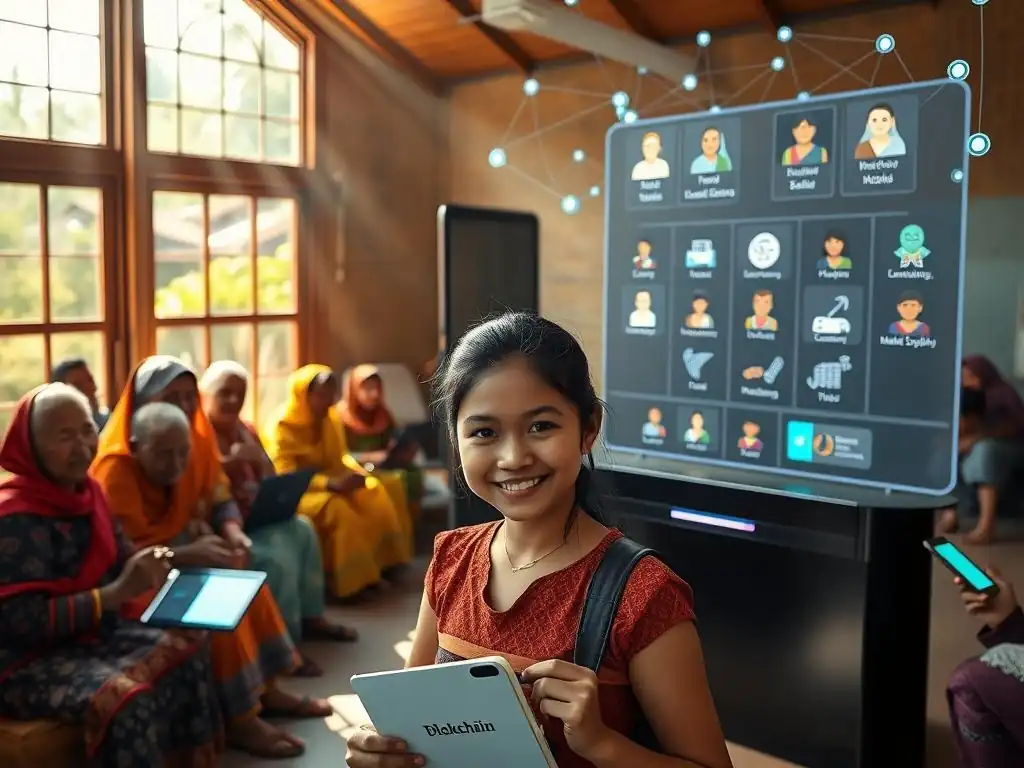
Welcome to Blockchain Trends, your go-to source for understanding the real-world applications of blockchain technology. Forget just cryptocurrencies; we're diving deep into DeFi, enterprise solutions, and the future of decentralized systems. Ever wondered how blockchain can revolutionize charitable giving? Our latest article, "Cutting Out Middlemen: Blockchain for Direct Charitable Aid Delivery," explores exactly that – and you might be surprised by the potential. Discover how this innovative technology is reshaping the landscape of aid distribution and creating a more transparent, efficient, and impactful system. Read on to uncover the possibilities and the challenges.
Understanding the Inefficiencies of Traditional Charitable Aid Distribution
Traditional charitable aid distribution models, while driven by noble intentions, often grapple with significant inefficiencies that can impede the effective delivery of resources to those in need. One primary concern is the substantial portion of donations consumed by administrative overhead and logistical complexities.
Estimates vary widely depending on the organization and type of aid, but reports and analyses by watchdog groups and researchers have highlighted instances where a significant percentage of donor funds, sometimes cited as ranging from 15% to over 30%, is allocated to operational costs, fundraising, salaries, and intermediary fees before reaching the final beneficiaries. This includes costs associated with international transfers, local distribution networks, and monitoring, reducing the net amount available for direct impact.
The multi-layered structure involving various non-profit entities, governmental agencies, and local partners, while sometimes necessary, adds layers of complexity and cost, making it difficult for donors to ensure their contribution directly supports the intended cause.
Beyond financial leakage, traditional systems frequently suffer from a critical lack of transparency and traceability. Donors typically receive high-level reports about how funds were used, but granular details about the journey of their specific donation are rarely available. This opacity makes it challenging to track funds through the chain of intermediaries and delivery points.
Furthermore, the reliance on manual processes and disparate record-keeping systems across different organizations can lead to delays in aid delivery, especially in urgent situations like disaster relief. These inefficiencies not only diminish the volume of aid reaching beneficiaries but also erode donor trust.
When donors cannot see the direct impact of their contributions or are concerned about potential fund diversion or misuse within complex distribution channels, it can discourage future giving. The absence of a unified, transparent, and verifiable ledger of transactions is a fundamental limitation that traditional models struggle to overcome, underscoring the need for more robust systems capable of facilitating Blockchain charity direct aid.
- How can blockchain technology improve charitable aid delivery?
- What are the key benefits of using blockchain for "Blockchain charity direct aid"?
- What types of "Blockchain charity direct aid" projects are currently being implemented?
- What are the challenges to widespread adoption of blockchain in charitable giving?
- How does blockchain ensure that donations reach the intended recipients in "Blockchain charity direct aid"?
Frequently Asked Questions
How can blockchain technology improve charitable aid delivery?
Blockchain enables direct aid delivery by cutting out intermediaries, ensuring greater transparency and accountability. This minimizes fraud and administrative overhead, maximizing the impact of donations.
What are the key benefits of using blockchain for "Blockchain charity direct aid"?
The main advantages are increased efficiency through automation, reduced corruption due to immutability, and enhanced trust among donors. These factors contribute to more effective aid distribution.
What types of "Blockchain charity direct aid" projects are currently being implemented?
Projects range from providing digital identities to refugees for accessing aid to using smart contracts to automate fund disbursement. Some initiatives also track the entire supply chain of goods.
What are the challenges to widespread adoption of blockchain in charitable giving?
Challenges include scalability issues with blockchain networks, the technical expertise required to implement and manage systems, and regulatory uncertainty. Public perception and trust in blockchain are also hurdles.
How does blockchain ensure that donations reach the intended recipients in "Blockchain charity direct aid"?
Blockchain's immutable ledger records every transaction, making it easy to track the flow of funds. Verification mechanisms and identity solutions ensure that aid is delivered to the correct individuals or organizations.
Final Reflection: Empowering Compassion Through Blockchain
The promise of direct, transparent, and efficient charitable aid is no longer a distant dream, but a tangible possibility thanks to the innovative application of blockchain technology. This article has explored how cutting out traditional middlemen can revolutionize the way aid reaches those who need it most, fostering trust and maximizing impact in a world desperately seeking solutions to humanitarian crises.
The shift towards decentralized systems, powered by blockchain, represents a profound change in how we approach philanthropy. It empowers individuals to directly support causes they believe in, fostering a deeper sense of connection and accountability. This resonates deeply in a world increasingly skeptical of centralized institutions. The best way to predict the future is to create it.
- Peter Drucker. This sentiment perfectly encapsulates the proactive and transformative potential of blockchain in reshaping the landscape of charitable giving.
As we conclude, let us consider the profound implications of this technological advancement. How can we, as individuals and as a global community, embrace the potential of blockchain to build a more equitable and compassionate world? Let us each explore how we can contribute to this revolution, ensuring that aid reaches those who need it most, directly and without compromise. The future of charity is in our hands, and it is powered by the promise of blockchain.
Empower Change: Deliver Aid Directly!
Thank you for exploring how blockchain can revolutionize charitable aid delivery. You've gained valuable insights into bypassing intermediaries and ensuring more of your donation reaches those who need it most. Now, let's put that knowledge into action!
Here's how you can get involved and make a real difference:
- Take the first step and donate directly to a charity that uses blockchain technology for aid distribution. Look for reputable organizations that utilize transparent smart contracts to ensure your donation is used effectively. Consider supporting smaller, emerging projects to maximize your impact.
- Share this article with your network to raise awareness about the potential of blockchain for ethical and efficient philanthropy. Help spread the word!
- Explore other articles on Blockchain Trends to deepen your understanding of blockchain applications across various sectors.
How will you leverage blockchain to contribute to a more transparent and impactful future for charitable giving? Share your thoughts and ideas in the comments below!
Leave a Reply