
The DAO Difference: Why Decentralization is a Game Changer for Social Organizations

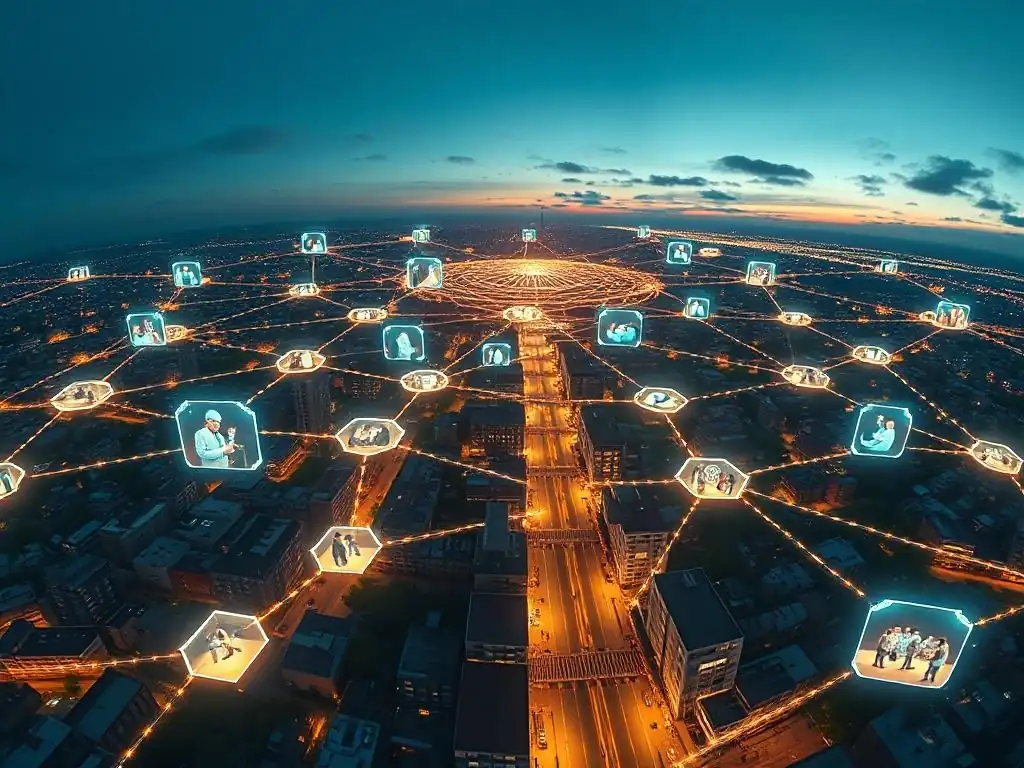
Welcome to Blockchain Trends, your guide to understanding the revolutionary potential of blockchain technology beyond the headlines. Dive into the world of decentralized finance, enterprise solutions, and the evolving regulatory landscape.
Are you ready to unlock the future of collaboration? This week, we're exploring the DAO Difference and revealing the surprising decentralized social organization benefits that are reshaping how communities and organizations function. Discover how blockchain is creating more transparent, equitable, and efficient systems – and why this is a game-changer for social impact. Ready to learn more?
- The Advantages of DAOs for Social Change
-
Frequently Asked Questions
- What are the primary decentralized social organization benefits offered by DAOs compared to traditional organizations?
- How does blockchain technology specifically enable these decentralized social organization benefits?
- What are some potential challenges in implementing DAOs and realizing decentralized social organization benefits?
- Beyond governance, what other areas of social organizations can benefit from decentralization, contributing to realizing decentralized social organization benefits?
- How might regulatory frameworks adapt to support the growth and acceptance of DAOs and enable decentralized social organization benefits in the future?
- Final Reflection: Embracing the Decentralized Future
- Unlock the Power of Decentralization!
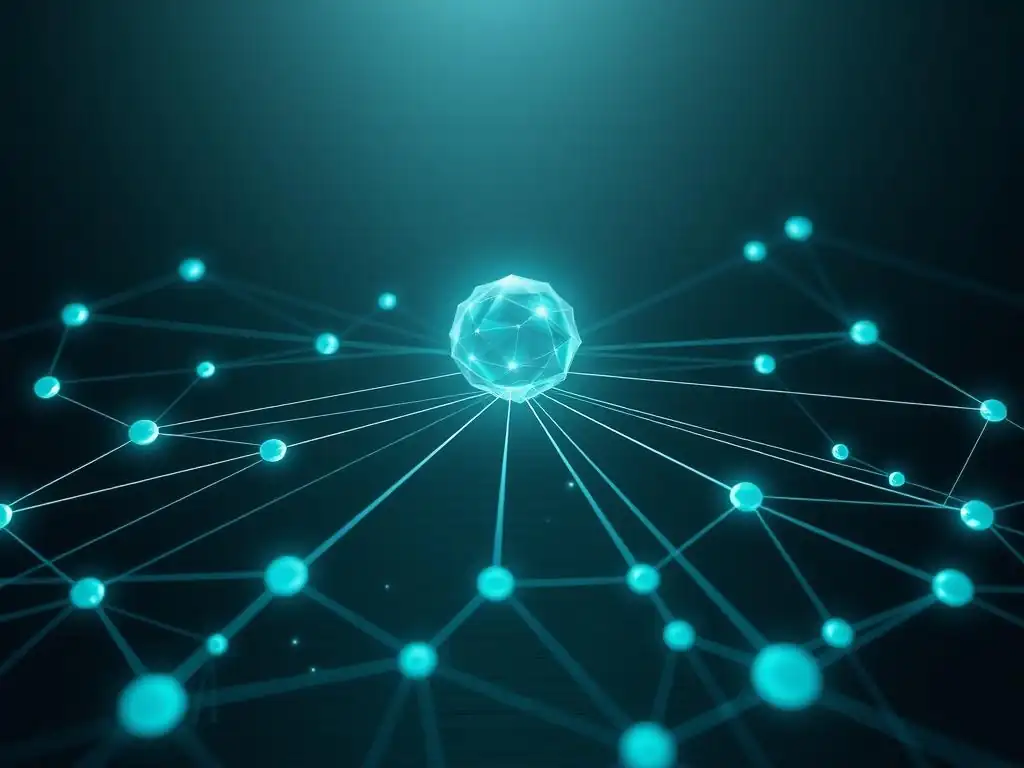
One of the most significant decentralized social organization benefits is the inherent transparency provided by blockchain technology. Unlike traditional non-profits where financial and operational data might be siloed or require specific audits to access, DAOs operate on a public ledger. Every transaction, whether it's a donation received, funds allocated to a project, or a vote cast on a proposal, is recorded immutably and is verifiable by anyone.
This unprecedented level of openness ensures that stakeholders, from small donors to large grantors and community members, can see exactly where funds are coming from and where they are going, building a foundation of trust that is often challenging to achieve in centralized structures. For instance, tracking funds intended for a specific relief effort can be done directly on the blockchain explorer, providing real-time insight into fund flows, a stark contrast to waiting for annual reports.
This transparency directly leads to enhanced accountability. With all actions recorded on the blockchain, it becomes significantly harder for funds to be misused or for decisions to be made behind closed doors. Smart contracts can be programmed to automatically disburse funds only upon the completion of specific milestones, as verified by oracles or community consensus, ensuring that capital reaches its intended target efficiently and securely.
This programmatic accountability minimizes the risk of corruption and ensures that the organization remains aligned with its mission and the will of its members. For example, a climate action DAO could use smart contracts to release funding for verified carbon removal only after proof of work is submitted and validated on-chain, reducing the administrative layers and potential for diversion seen in traditional grant-making processes.
Increased Participation and Community Ownership
Decentralized social organizations fundamentally shift the power dynamic from a centralized board or executive team to the community itself. Through the use of governance tokens, members who contribute financially, with their time, or through their expertise, can earn the right to participate in decision-making processes. This token-based governance allows a broad base of stakeholders to propose new initiatives, vote on the allocation of resources, and shape the strategic direction of the organization.
This model dramatically increases participation beyond traditional donor or volunteer roles, turning passive supporters into active co-owners and contributors. A DAO focused on educational access, for example, might allow teachers, students, and parents who participate in pilots to earn tokens and vote on curriculum development or funding priorities for new schools.
This distributed governance model fosters a profound sense of ownership among participants. When individuals have a direct voice and stake in the organization's success and impact, they are more likely to be engaged, contribute their skills, and advocate for its mission. This collective ownership is a potent decentralized social organization benefit, cultivating a dedicated and resilient community around the social cause.
Rather than relying on a small group of leaders, the wisdom and energy of the crowd are harnessed, leading to more innovative solutions and a stronger collective commitment to achieving the desired social outcomes. This contrasts sharply with traditional non-profits where engagement might be limited to donating funds or volunteering for specific tasks, without a direct say in core operations or strategy.
Improved Efficiency and Resource Allocation through Decentralization
Traditional social organizations often face significant administrative overheads, with substantial portions of donations sometimes allocated to salaries, office space, and bureaucratic processes rather than direct program delivery. Decentralized social organizations offer a path to improved efficiency through automation and peer-to-peer interactions enabled by blockchain technology.
Smart contracts can automate many administrative tasks, such as processing donations, distributing funds based on pre-defined rules, or managing membership rights, drastically reducing the need for large administrative teams and associated costs. Estimates suggest that administrative costs in some traditional non-profits can range from 10% to over 25% of total expenses; DAOs aim to significantly lower this figure by streamlining operations through code.
Furthermore, DAOs facilitate direct resource allocation from the community to projects or beneficiaries. Donors can contribute funds directly to specific proposals they support, and these funds can be released automatically via smart contracts once certain conditions are met. This bypasses multiple layers of intermediaries often present in traditional funding pipelines, reducing transaction costs and ensuring that a greater percentage of donated capital reaches the intended cause.
For instance, a DAO funding micro-grants for small-scale farmers could enable donors to contribute directly to individual farmer proposals, with funds released upon verification of planting or harvest via oracles, cutting out the lengthy application and disbursement processes of traditional grant bodies. This directness and automation are key decentralized social organization benefits, maximizing the impact of every contribution.
The open and permissionless nature of DAOs creates an environment ripe for innovation and experimentation in addressing social challenges. Anyone within the community, regardless of their formal title or position, can propose new ideas, projects, or approaches to tackling a problem. This democratized ideation process taps into a wider pool of creativity and expertise than typically found in centralized organizations.
Proposals can be rapidly vetted, discussed, and voted upon by the community, allowing promising concepts to receive funding and support much faster than navigating traditional bureaucratic approval cycles. This agility enables decentralized social organizations to quickly pivot and adapt based on feedback and results.
Moreover, the decentralized structure allows for a portfolio approach to social problem-solving. A DAO can fund multiple small, experimental projects simultaneously without putting the entire organization at risk if one fails. This encourages a culture of trying new things and learning from both successes and failures.
The transparent nature of DAOs also means that the results and lessons learned from these experiments can be openly shared with the community and the wider world, accelerating collective learning in the social impact space. This capacity for rapid ideation, funding, and iteration is a powerful decentralized social organization benefit, enabling the development of novel and potentially more effective solutions to complex global issues like poverty, inequality, and environmental degradation. Consider a global health DAO funding multiple pilot programs using different technologies for vaccine distribution in remote areas, quickly identifying which methods are most effective and scalable.
Frequently Asked Questions
DAOs offer increased transparency and member participation in decision-making, fostering a more democratic and accountable environment. This contrasts with traditional organizations where power is often concentrated at the top.
Blockchain provides an immutable ledger for recording transactions and decisions, ensuring transparency and preventing manipulation. Smart contracts automate processes, reducing the need for intermediaries and building trustless systems.
Challenges include governance complexities, such as reaching consensus and addressing potential conflicts. Security vulnerabilities in smart contracts and regulatory uncertainty can also hinder adoption.
Decentralization can improve funding mechanisms through tokenized fundraising and direct support from community members. It also facilitates data ownership and privacy for participants within the organization.
Regulations may need to clarify the legal status of DAOs, address liability concerns, and provide guidance on taxation and compliance. This clarity will encourage wider adoption and responsible innovation.
Final Reflection: Embracing the Decentralized Future
The exploration of Decentralized Autonomous Organizations (DAOs) and their potential to revolutionize social organizations culminates in a powerful realization: the future of collaborative action is undeniably decentralized. The benefits, ranging from increased transparency and democratic governance to enhanced efficiency and global reach, are no longer theoretical possibilities but tangible advantages reshaping how communities organize and achieve their shared goals. This shift isn't just about technology; it's about empowering individuals and fostering a more equitable and participatory society.
This movement towards decentralization has profoundly influenced, and continues to influence, the cultural and social landscape. The promise of DAOs lies in their ability to dismantle traditional hierarchies and create spaces where every voice matters, fostering a sense of ownership and collective responsibility. This resonates deeply in a world increasingly disillusioned with centralized power structures. Never doubt that a small group of thoughtful, committed citizens can change the world; indeed, it's the only thing that ever has.
- Margaret Mead. This quote perfectly encapsulates the spirit of DAOs, highlighting the potential for even small, decentralized groups to enact significant change.
As we stand at the cusp of this decentralized revolution, I invite you to reflect on the principles of transparency, inclusivity, and community ownership. Consider how you can apply these lessons in your own life, whether it's within your local community, your workplace, or your online interactions. Embrace the power of collective action, explore the potential of DAOs, and become an active participant in building a more decentralized and equitable future for all.
Unlock the Power of Decentralization!
Thank you for exploring the transformative potential of DAOs! Now that you understand how decentralization can revolutionize social organizations, let's put that knowledge into action. Ready to make a real difference?
Here's how to take the next step:
- Dive deep and propose a DAO for a cause you are passionate about! Use the insights from this article to structure your proposal and present it to your community.
- Explore existing DAOs:Research different decentralized autonomous organizations and join their communities to learn from their experiences and contribute your skills.
- Share this article with fellow changemakers: Help spread the word about the power of DAOs and inspire others to embrace decentralization!
What's one small step you can take today to explore the possibility of a DAO in your own community?
Leave a Reply