
Decentralization Dilemmas: Addressing Governance Hurdles in Social Impact DAOs


Welcome to Blockchain Trends, your compass in the ever-evolving landscape of decentralized technologies. Delve into the transformative potential of blockchain, extending far beyond the realm of cryptocurrencies.
Intrigued by the future of decentralized systems and their impact on social good? Our latest exploration, "Decentralization Dilemmas: Addressing Governance Hurdles in Social Impact DAOs," tackles the crucial question of blockchain governance DAOs challenges, revealing the complexities and opportunities within this burgeoning field. Discover the hurdles and promising solutions shaping the future of decentralized social impact initiatives and find out what it all means.
Decentralization Dilemmas: Addressing Governance Hurdles in Environmental Conservation DAOs
- Introduction: The Promise of Environmental Conservation DAOs and Governance Challenges
-
Core Governance Dilemmas in Environmental Conservation DAOs
- Decision-Making Processes: Balancing Scientific Expertise and Community Input in DAO governance
- Funding and Resource Allocation: Ensuring Transparency and Accountability in DAO Finances for Conservation Projects
- Community Engagement and Participation: Fostering Active Involvement in Environmental Conservation DAOs
- Legal and Regulatory Uncertainties: Navigating the Evolving Landscape for Blockchain DAOs in Environmental Regulation
- Strategies for Overcoming Governance Challenges in Environmental Conservation DAOs
- Case Studies: Successful Approaches to Environmental Conservation DAO Governance
- The Future of Environmental Conservation DAO Governance: Trends and Innovations
- Conclusion: Building Resilient and Effective Environmental Conservation DAOs Through Strong Governance
-
Frequently Asked Questions
- What are the primary challenges faced by Social Impact DAOs in relation to blockchain governance?
- How can DAOs leverage blockchain technology to ensure transparency and accountability in their operations, specifically within the social impact sector?
- What role does regulation play in shaping the future of DAOs, particularly concerning their ability to operate effectively in different jurisdictions and address social impact initiatives?
- What are some strategies for overcoming the challenges associated with decentralized governance in Social Impact DAOs, such as low participation rates and governance token distribution inequalities?
- How can Social Impact DAOs effectively measure and report on their impact, demonstrating the real-world benefits of their decentralized approach and securing ongoing support from stakeholders?
- Final Reflection: Embracing the Evolution of Decentralized Governance
- Ignite Change: Shape the Future of Impact DAOs!
Introduction: The Promise of Environmental Conservation DAOs and Governance Challenges
Understanding the Potential of Decentralized Autonomous Organizations (DAOs) for Environmental Protection
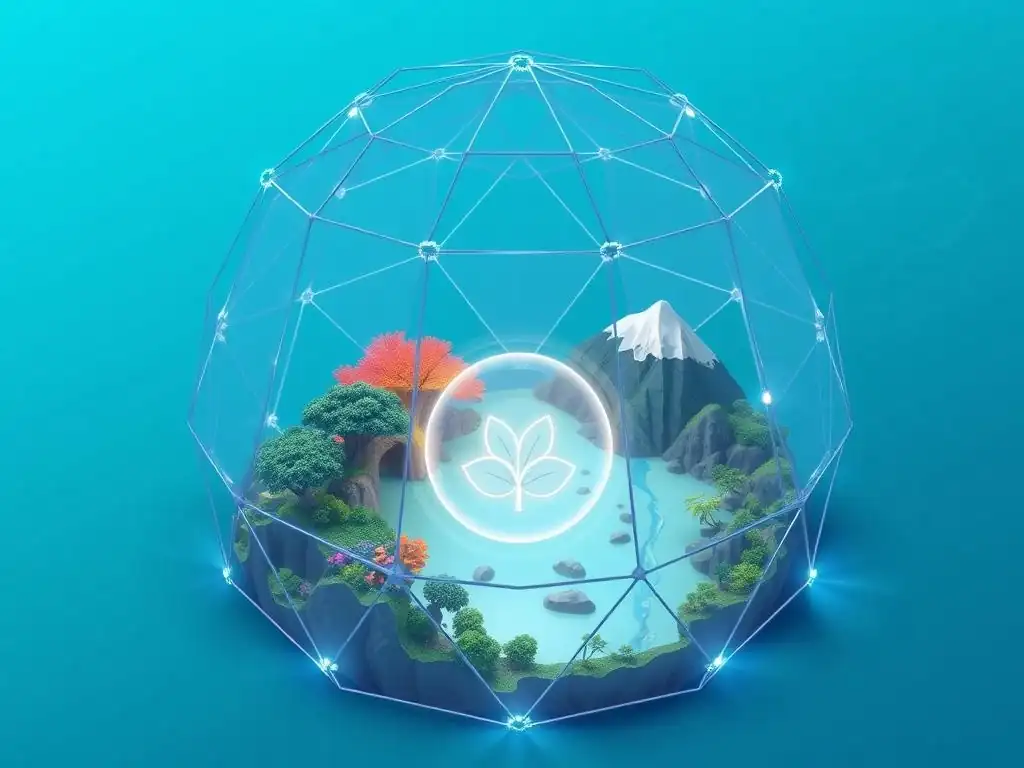
Decentralized Autonomous Organizations (DAOs) represent a paradigm shift in organizational structure, offering a potential avenue for more transparent, collaborative, and efficient approaches to environmental protection. By leveraging blockchain technology, DAOs can enable global communities to pool resources, make collective decisions, and directly fund conservation projects without relying on traditional, often bureaucratic, intermediaries. This model holds significant promise for initiatives like carbon sequestration, biodiversity preservation, and sustainable land management, potentially unlocking new funding mechanisms and fostering greater public participation in environmental stewardship.
The core appeal lies in the decentralized nature, where decision-making power is distributed among token holders or participants rather than concentrated in a central authority. This can theoretically lead to more resilient and corruption-resistant structures for managing shared environmental resources or executing conservation mandates. For instance, a conservation DAO could manage a treasury funded by global donors, with decisions on which ecological projects to support made through on-chain voting, ensuring every transaction and vote is publicly verifiable on the blockchain ledger.
The Unique Governance Challenges Faced by Environmental Conservation DAOs
Despite their potential, Environmental Conservation DAOs face a distinct set of governance challenges that differ from typical DeFi protocols or investment DAOs. These hurdles stem from the complex interplay between decentralized digital structures and the tangible, often localized, realities of environmental work. Decisions frequently require specialized scientific knowledge, involve diverse stakeholders with competing interests (e.g., local communities, scientists, policymakers, token holders), and are subject to complex, often country-specific, legal and regulatory frameworks related to land use and environmental protection. Addressing these blockchain governance DAOs challenges is paramount for their long-term effectiveness.
Furthermore, the very nature of environmental conservation demands long-term commitment and nuanced understanding, which can conflict with the often short-term, token-weighted voting mechanisms prevalent in many DAO designs. Ensuring that governance processes adequately incorporate scientific expertise, protect vulnerable ecosystems, and navigate legal complexities while remaining decentralized and inclusive presents significant blockchain governance DAOs challenges. Overcoming these requires innovative governance models tailored specifically to the unique demands of environmental stewardship.
Core Governance Dilemmas in Environmental Conservation DAOs
Decision-Making Processes: Balancing Scientific Expertise and Community Input in DAO governance
Decision-making is at the heart of any DAO, but for environmental conservation, it presents a unique dilemma: how to balance the critical need for expert scientific analysis with the foundational principle of community input and decentralized consensus. Conservation decisions, such as selecting reforestation sites, determining invasive species management strategies, or assessing the ecological impact of a proposed project, often require deep knowledge in fields like ecology, biology, hydrology, and climate science. Ignoring expert advice could lead to ineffective or even harmful outcomes for the environment.
Conversely, a core tenet of blockchain governance DAOs is democratic participation. Excluding community members, especially those local to the conservation area, risks alienating key stakeholders and ignoring valuable traditional ecological knowledge. For example, a DAO might vote on a land management plan where token holders lack site-specific understanding, while local inhabitants possess crucial insights into seasonal changes or wildlife behavior. Finding a governance mechanism that effectively weights both expert recommendations and broader community sentiment is a significant hurdle, potentially requiring hybrid models that incorporate reputation, delegated expertise, or multi-signature approvals informed by expert panels.
The Trade-off Between Expert Analysis and Community Consensus
The inherent trade-off lies in efficiency versus inclusivity. Relying solely on a panel of environmental scientists for decisions might be efficient and scientifically sound, but it centralizes power and contradicts the decentralized ethos of a DAO. Conversely, a simple token-weighted vote among all token holders, regardless of their expertise or stake in the specific environmental issue, can lead to decisions driven by speculative interests or a lack of understanding of complex ecological systems. This tension is a major challenge in blockchain governance DAOs focused on environmental impact.
Consider a conservation DAO tasked with managing a protected marine area. Decisions on fishing quotas or tourism access require detailed population data, ecological modeling, and understanding of local economic impacts. A simple token vote might prioritize short-term economic gains (e.g., higher tourism) over long-term ecological health if token holders are not directly invested in the marine ecosystem's sustainability. Bridging this gap requires governance designs that perhaps allow experts to propose scientifically vetted options, which the community then votes on, or implements quadratic voting mechanisms that give more weight to smaller, more numerous stakeholders like local community members.
Optimizing Voting Mechanisms for Environmental Impact Assessment
Optimizing voting mechanisms is crucial for ensuring that DAO decisions genuinely contribute to positive environmental outcomes. Standard token-weighted voting (1 token = 1 vote) can be problematic as it concentrates power among the wealthiest token holders, who may not prioritize environmental health over financial returns. Alternative mechanisms are being explored to address this specific blockchain governance DAOs challenge.
- Quadratic Voting: Aims to mitigate the influence of large token holders by making the cost of additional votes increase quadratically, potentially empowering individuals and smaller stakeholders.
- Conviction Voting: Allows participants to signal the intensity and duration of their support for a proposal, favoring proposals with sustained, widespread backing over those with fleeting support from large token holders.
- Delegated Voting / Liquid Democracy: Allows token holders to delegate their vote to experts or trusted community members who specialize in environmental issues, combining decentralized principles with informed decision-making.
- Non-Transferable Soulbound Tokens (SBTs): Could potentially be used to represent environmental credentials, local residency, or participation history, granting voting power based on expertise or stake beyond mere token ownership.
Implementing these requires careful design to avoid new vectors for manipulation or Sybil attacks, while ensuring the mechanism is understandable and accessible to all potential participants, including non-technical environmentalists and community members.
Funding and Resource Allocation: Ensuring Transparency and Accountability in DAO Finances for Conservation Projects
Managing the treasury of an Environmental Conservation DAO presents significant challenges related to transparency and accountability, especially when funds are earmarked for tangible, on-the-ground conservation projects. While blockchain inherently offers transparency for on-chain transactions, tracking how funds translate into real-world impact—such as hectares of land preserved, number of trees planted, or species populations monitored—requires robust off-chain verification and reporting mechanisms integrated into the DAO governance.
A key challenge is ensuring that funds allocated for specific environmental goals are used effectively and honestly. Unlike simple digital asset transfers, conservation work involves procurement of materials, labor costs, land acquisition, scientific surveys, and long-term maintenance, all of which occur outside the direct view of the blockchain. Without clear governance procedures for reporting, auditing, and verifying the impact of funded projects, there is a risk of mismanagement or funds being diverted, undermining the DAO's credibility and mission. This is a core aspect of the financial blockchain governance DAOs challenges.
Managing DAO Treasuries for Maximum Environmental Impact
Effective management of a conservation DAO treasury requires more than just secure multi-signature controls over funds. It necessitates governance mechanisms that prioritize environmental impact and long-term sustainability. This includes processes for evaluating project proposals based on scientific merit, cost-effectiveness, and potential for measurable ecological benefit.
- Proposal Review Frameworks: Establishing clear criteria and a review process involving environmental experts and community representatives to assess project viability and impact.
- Milestone-Based Funding: Releasing funds in stages based on the successful completion of verifiable project milestones (e.g., land secured, initial planting completed, monitoring system deployed).
- Integrated Reporting Standards: Requiring funded projects to adhere to standardized reporting formats that include ecological metrics and financial breakdowns, verifiable by the DAO community or designated auditors.
- Reserve Allocation: Governance decisions on how much of the treasury should be held in stable assets versus potentially higher-yield but riskier investments, balancing financial sustainability with the need for readily available funds for urgent conservation needs.
Approximately, conservation projects can have high overheads, sometimes 20-30% of total budget for administration and monitoring. A DAO's governance must ensure these costs are reasonable and directly contribute to project success, not excessive administrative bloat.
Addressing Conflicts of Interest in Funding Decisions Related to Land Use
Conflicts of interest are particularly complex when a conservation DAO's activities involve land use or resource management, which is common in environmental projects. Token holders or governance participants may have personal or business interests that could conflict with the DAO's conservation goals. For example, a large token holder might also own land adjacent to a proposed conservation area, or have investments in industries that could be impacted by the DAO's policies (e.g., agriculture, logging, tourism).
Governance frameworks must include mechanisms to identify and mitigate these conflicts. This could involve mandatory disclosure requirements for participants involved in funding votes, or even excluding individuals with direct financial ties to a project from voting on its funding. The challenge lies in designing these rules transparently and enforcing them within a decentralized structure.
// Hypothetical DAO smart contract snippet illustrating a conflict disclosure function

interface IConservationProject {
    function getProponentAddress() external view returns (address);
    function getAssociatedLandParcelId() external view returns (uint256);
}

interface IDAOProposals {
    function getProposalDetails(uint256 proposalId) external view returns (address projectContract, uint256 fundingAmount);
}

contract DAOConflictChecker {
    mapping(address => uint256[]) public userLandHoldings; // Example: mapping user address to land parcel IDs they own

    function checkConflict(address voter, uint256 proposalId) public view returns (bool) {
        IDAOProposals daoProposals = IDAOProposals(DAO_PROPOSALS_CONTRACT); // Address of proposals contract
        (address projectContract, ) = daoProposals.getProposalDetails(proposalId);

        IConservationProject project = IConservationProject(projectContract);
        uint256 projectLandId = project.getAssociatedLandParcelId();

        // Simple check: Does the voter own land adjacent or related to the project land?
        // This is a simplification; real-world checks would be much more complex.
        for (uint i = 0; i < userLandHoldings[voter].length; i++) {
            if (userLandHoldings[voter][i] == projectLandId) {
                return true; // Potential conflict detected
            }
        }
        return false;
    }

    // Function for users to disclose land holdings (requires trust or external verification)
    function discloseLandHolding(uint256 landParcelId) public {
        userLandHoldings[msg.sender].push(landParcelId);
    }
}
This code snippet illustrates the idea of on-chain conflict checking, but highlights the difficulty: the userLandHoldings data needs to be accurate and verifiable, which often relies on off-chain real-world data (land registries) that are hard to integrate trustlessly.
Community Engagement and Participation: Fostering Active Involvement in Environmental Conservation DAOs
One of the core promises of DAOs is broad community engagement, but translating this into active and meaningful participation in environmental conservation DAOs faces significant hurdles. Conservation work often requires specialized knowledge, sustained effort over long periods, and coordination of diverse groups. Simply having a token does not automatically equate to informed or active participation in complex environmental decision-making or hands-on conservation efforts.
Furthermore, potential participants in environmental conservation DAOs may include individuals with limited technical or blockchain literacy – such as indigenous communities managing ancestral lands, local farmers implementing sustainable practices, or field biologists focused on data collection. Overcoming the technological barrier and making governance processes accessible and intuitive for these crucial stakeholders is a major blockchain governance DAOs challenge. Low participation rates can lead to centralized decision-making by a few active members or whales, undermining the decentralized ideal.
Overcoming Barriers to Participation in DAO Governance Related to Technical Expertise
A significant barrier for many potential participants in environmental conservation DAOs is the technical complexity of interacting with blockchain technology and DAO governance platforms. Wallets, gas fees, proposal interfaces, and voting mechanisms can be daunting for individuals whose expertise lies in environmental science or community organizing, not cryptography.
Strategies to lower this barrier are essential:
- User-Friendly Interfaces: Developing simplified, intuitive interfaces for proposal submission and voting, perhaps abstracting away some blockchain complexities.
- Education and Onboarding: Providing clear, accessible educational resources and support for new members on how the DAO works, its governance processes, and the technology involved.
- Gas Abstraction: Exploring solutions that abstract away gas fees for governance actions, reducing the financial burden on participants, especially for frequent, small votes or actions.
- Alternative Participation Methods: Investigating options for off-chain signaling or discussion forums that are easier to use, with critical decisions ultimately confirmed on-chain.
For instance, a conservation DAO working with forest communities might need to develop a mobile-first interface with local language support, allowing members to vote on land use proposals or report deforestation observations without needing deep technical knowledge.
Incentivizing Community Contributions and Engagement in Conservation Efforts
Beyond just voting on proposals, active environmental conservation requires tangible contributions: monitoring biodiversity, participating in clean-up drives, reporting environmental damage, or contributing scientific data. Incentivizing these diverse forms of participation within a DAO framework is crucial but complex. Token rewards alone may not be sufficient or appropriate for all types of contributions, and can sometimes lead to focus on token gain over genuine conservation impact.
Innovative incentive structures are needed:
- Reputation Systems: Implementing on-chain or off-chain reputation systems that reward verifiable contributions (e.g., submitting validated ecological data, completing conservation tasks) with increased governance influence or non-monetary recognition.
- Community-Specific Rewards: Designing incentives tailored to different types of contributors, such as grants for researchers, stipends for local monitors, or recognition for volunteers.
- Impact Certificates: Exploring mechanisms to issue non-fungible tokens (NFTs) or other digital credentials representing verifiable conservation impact achieved by participants, potentially linked to future benefits or recognition within the DAO ecosystem.
- Gamification: Using game mechanics to make participation in monitoring, data collection, or educational activities more engaging.
Approximately, volunteer hours in conservation are valued highly, often $25-30 per hour in developed countries. DAOs need governance structures that can recognize and value these non-monetary contributions effectively alongside financial investments.
The intersection of decentralized autonomous organizations and established environmental law and regulation presents a significant area of uncertainty and risk. Environmental protection is typically governed by national and international laws related to land ownership, resource use, pollution control, species protection, and conservation easements. These legal frameworks are often complex, jurisdiction-specific, and designed for traditional legal entities like non-profits or corporations, not decentralized, borderless DAOs.
This lack of clear legal status for DAOs creates significant blockchain governance DAOs challenges regarding liability, compliance, and the ability to legally own assets or enforce environmental protections in the physical world. Can a DAO legally acquire land for conservation? Who is liable if a DAO-funded project causes unintended environmental damage? How does a decentralized entity ensure compliance with local environmental permits or regulations? These questions highlight the need for careful legal consideration in the design and operation of environmental conservation DAOs.
The Impact of Environmental Regulatory Frameworks on Conservation DAOs
Environmental regulatory frameworks can profoundly impact the operations and governance of conservation DAOs. For example, land acquisition for conservation often involves complex legal processes, property rights, and zoning laws that vary significantly by region. A DAO aiming to purchase and protect rainforest land in Brazil faces vastly different legal hurdles than one focused on wetlands restoration in the United States or marine conservation in international waters.
- Permitting and Compliance: Conservation activities like habitat restoration, species relocation, or controlled burns often require government permits and adherence to specific methodologies. A decentralized governance structure must find ways to ensure these requirements are met, potentially through delegated roles or legally recognized entities acting on behalf of the DAO.
- Property Rights: The ability of a DAO to legally own or manage physical assets like land remains largely untested in most jurisdictions. Innovative legal wrappers (like foundations or trusts controlled by DAO governance) are often required, adding layers of complexity and potential centralization.
- Cross-Jurisdictional Issues: Environmental problems and conservation efforts are often transnational (e.g., migratory species, shared watersheds). A global conservation DAO must navigate a patchwork of differing national laws, making unified governance and compliance incredibly challenging. Estimates suggest there are over 190 different national legal systems, each potentially having unique environmental regulations.
Navigating this complex legal landscape is a critical blockchain governance DAOs challenge that requires expert legal counsel and careful structuring to ensure the DAO can operate effectively and legitimately.
Ensuring Compliance and Legitimacy in Decentralized Conservation Governance
Ensuring compliance with environmental laws and establishing legitimacy in the eyes of traditional institutions (governments, international bodies, local communities) is vital for the success and longevity of environmental conservation DAOs. A DAO that operates outside the legal framework risks encountering significant obstacles, including inability to secure necessary permits, legal challenges to its activities, or even being shut down.
Strategies to enhance compliance and legitimacy through governance include:
- Legal Wrapping: Establishing a legal entity (e.g., a non-profit foundation or trust) in a favorable jurisdiction that is controlled by the DAO's governance, allowing it to interact with the traditional legal system, own assets, and enter into contracts.
- Delegated Compliance Officers: Appointing or electing individuals or committees within the DAO governance structure whose specific role is to monitor regulatory changes and ensure compliance with relevant environmental laws and permits.
- Partnerships with Traditional Organizations: Collaborating with established environmental non-profits or governmental agencies who have experience navigating legal and regulatory landscapes and can act as implementing partners for DAO-funded projects.
- Transparent Reporting: Publicly reporting on compliance efforts and legal structuring through the DAO's communication channels to build trust and demonstrate commitment to operating within legal boundaries.
Building trust with traditional stakeholders and demonstrating a commitment to sound environmental practices and legal compliance is as important for a conservation DAO as its technical decentralization. Addressing these specific blockchain governance DAOs challenges is key to unlocking their full potential.
Strategies for Overcoming Governance Challenges in Environmental Conservation DAOs
Implementing Robust Governance Frameworks for Environmental Conservation DAOs
Overcoming the inherent blockchain governance DAOs challenges requires the implementation of governance frameworks specifically designed for the nuances of environmental conservation. This goes beyond simple token voting and necessitates structures that incorporate expertise, ensure long-term vision, and manage real-world complexities. A well-designed governance framework is the backbone of an effective environmental DAO.
Such frameworks must be clearly documented and transparent, often captured in a DAO's constitution or foundational documents. They need to define roles, responsibilities, decision-making thresholds, and processes for resolving disputes or adapting the framework itself. The goal is to create a resilient system that can navigate scientific uncertainties, community dynamics, and external regulatory pressures while remaining true to decentralized principles.
Designing Effective DAO Constitutions and Bylaws for Environmental Protection
The constitution and bylaws of an Environmental Conservation DAO are foundational documents that set the rules for its operation and governance. For environmental DAOs, these documents must explicitly integrate conservation principles and requirements into the governance structure, not just focus on token mechanics.
Key elements to include:
- Mission Alignment Clause: A clear statement requiring all proposals and decisions to demonstrably align with the DAO's core environmental protection mission.
- Expert Input Requirements: Mandates for seeking and considering input from qualified environmental scientists or relevant domain experts for specific types of proposals (e.g., those involving habitat alteration, species management, or climate impact).
- Stakeholder Representation: Provisions that encourage or formally incorporate input from diverse stakeholders, including local communities, indigenous groups, and relevant non-profits, potentially through designated governance roles or advisory committees.
- Transparency and Reporting Standards: Requirements for funded projects to adhere to specific reporting standards on environmental metrics and financial expenditure.
- Amendment Process: A robust process for amending the constitution itself, potentially requiring supermajority votes or multi-stage approvals to prevent hasty changes that could compromise the DAO's mission.
For example, a constitution might stipulate that any proposal involving significant land-use change must be reviewed by an elected "Science Committee" within the DAO before proceeding to a community vote, with the Science Committee's findings published alongside the proposal.
Establishing Clear Roles and Responsibilities within the DAO for Monitoring and Enforcement
Decentralized governance does not eliminate the need for clear roles and responsibilities, particularly for critical functions like monitoring the impact of funded projects and enforcing compliance with DAO rules and conservation agreements. In traditional organizations, these roles are held by staff or board members; in a DAO, they must be defined within the decentralized structure.
Possible roles and mechanisms include:
- Project Stewards/Managers: Elected or appointed individuals or teams responsible for overseeing funded conservation projects, reporting progress, and ensuring milestones are met.
- Verification Oracles/Committees: Groups tasked with verifying off-chain environmental data or project outcomes reported by stewards, potentially using decentralized oracle networks or expert review processes.
- Compliance Officers/Committees: Roles focused on monitoring external legal and regulatory requirements and ensuring the DAO's operations and funded projects adhere to them.
- Conflict Resolution Boards: Mechanisms for mediating disputes that arise within the DAO or between the DAO and external parties related to conservation activities.
Defining these roles, how individuals are selected (election, reputation, proof-of-expertise), how they are held accountable (reporting requirements, potential removal via governance vote), and how they are compensated (if applicable) is essential for effective operation and addressing blockchain governance DAOs challenges related to execution.
Leveraging Technology to Enhance DAO Governance for Environmental Monitoring
Blockchain technology and related decentralized tools offer unique opportunities to enhance governance processes, particularly in areas like transparency, accountability, and data management critical for environmental conservation. Leveraging these technologies effectively can help overcome some of the inherent limitations of traditional governance models when applied to decentralized environmental efforts.
This includes utilizing on-chain mechanisms for voting and treasury management, but also exploring how emerging technologies like decentralized identity and oracles can improve participation, verification, and the integration of real-world environmental data into DAO decision-making.
Utilizing On-Chain Governance Tools for Transparency and Accountability in Carbon Offset Projects
For environmental DAOs focused on areas like carbon offsetting, utilizing on-chain governance tools can provide unprecedented levels of transparency and accountability. Every decision regarding the allocation of funds to carbon projects, the approval of carbon credit purchases, or the retirement of credits can be recorded on an immutable public ledger.
- Transparent Treasury Management: All inflows (e.g., from token sales, donations) and outflows (e.g., payments to project developers, carbon credit purchases) from the DAO treasury are visible on-chain, allowing anyone to audit financial flows.
- Public Voting Records: The outcome and individual votes for every governance proposal related to carbon projects are permanently recorded, demonstrating how decisions were made.
- On-Chain Asset Representation: Carbon credits or tokenized environmental assets can be held and managed directly by the DAO's smart contracts, ensuring ownership and retirement are verifiable. For example, KlimaDAO manages KLIMA tokens backed by tokenized carbon credits (BCT, NCT), with governance decisions impacting the protocol's bonding and staking parameters directly on-chain.
This level of transparency helps build trust among participants and external stakeholders, proving that funds are being directed towards stated environmental goals, addressing a key blockchain governance DAOs challenge related to financial accountability.
Exploring Decentralized Identity (DID) Solutions for Improved Participation and Verification of Environmental Credentials
Decentralized Identity (DID) solutions and verifiable credentials offer promising avenues for improving participation and ensuring informed decision-making within environmental conservation DAOs. Instead of relying solely on token ownership for governance weight, DID allows participants to prove specific attributes about themselves in a privacy-preserving manner.
- Proof of Expertise: Environmental scientists could use DIDs to prove their academic qualifications or professional certifications, potentially gaining weighted votes or eligibility for expert committees.
- Proof of Location/Residency: Local community members could verify their residency within a specific conservation area, granting them specific voting rights or influence over proposals directly impacting their region.
- Proof of Contribution: Verifiable credentials could record tangible contributions to conservation efforts (e.g., participation in a clean-up, successful implementation of sustainable farming practices), building a reputation that translates into governance influence.
- Sybil Resistance: DIDs can help distinguish unique individuals from bots or malicious actors controlling multiple wallets, strengthening the integrity of community-based governance.
Implementing DID requires careful consideration of privacy and accessibility, but it has the potential to create a more nuanced and inclusive governance system that values diverse forms of capital and contribution beyond just financial tokens. This could significantly mitigate blockchain governance DAOs challenges related to equitable representation and informed participation.
Fostering a Culture of Collaboration and Trust within the DAO Community of Environmental Stakeholders
Technology and governance structures are necessary but not sufficient. The success of environmental conservation DAOs ultimately depends on fostering a strong culture of collaboration, trust, and shared purpose among a diverse group of stakeholders. Environmental issues often involve deeply held values, competing economic interests, and complex social dynamics. Effective DAO governance must facilitate constructive dialogue and collaboration to navigate these human elements.
This involves creating spaces for open communication, building consensus where possible, and implementing fair processes for resolving disagreements when they arise. A culture of trust encourages participants to share information, respect differing perspectives, and work together towards the common goal of environmental protection.
Promoting Open Communication and Constructive Dialogue Between Scientists, Local Communities, and Policymakers
Effective environmental conservation requires bridging the gaps between scientific knowledge, local wisdom, and regulatory realities. A key governance function for environmental DAOs is to facilitate open and constructive communication channels among these diverse groups.
- Dedicated Forums: Providing easy-to-access online forums or platforms specifically for discussions between scientists presenting research findings, local community members sharing observations and concerns, and policymakers explaining regulatory constraints or opportunities.
- Translated Information: Ensuring complex scientific data and governance proposals are explained in clear, accessible language and translated into relevant local languages.
- Hybrid Meetings: Organizing hybrid online/offline meetings or workshops in relevant geographic locations to allow for face-to-face interaction and dialogue between remote token holders/experts and local stakeholders.
- Listening Mechanisms: Implementing governance processes that require formal consideration of input received from specific stakeholder groups before a final vote or decision is made.
This proactive approach to communication helps ensure that decisions are informed by diverse perspectives and builds the trust necessary for successful collaboration on the ground, addressing a crucial social aspect of blockchain governance DAOs challenges.
Implementing Conflict Resolution Mechanisms for Disputes Over Resource Use
Disputes over resource use (land, water, forests, wildlife) are common in environmental conservation and can easily derail projects if not addressed effectively. A robust environmental conservation DAO governance framework must include clear and accessible mechanisms for resolving conflicts that may arise within the DAO or between the DAO and external parties.
Potential mechanisms include:
- Internal Mediation: Establishing a process for internal mediation by elected or appointed community members or a dedicated conflict resolution committee.
- Arbitration: Utilizing decentralized arbitration services or traditional legal arbitration processes agreed upon in the DAO's constitution for disputes that cannot be resolved internally.
- Community Juries: Empowering a randomly selected or elected jury of DAO members to hear evidence and make recommendations or binding decisions on specific disputes.
- Appeal Processes: Allowing parties involved in a dispute to appeal initial decisions to a higher governance body or a different resolution mechanism.
Having predefined, fair processes for conflict resolution helps prevent disputes from escalating and provides a clear path forward, maintaining stability and focus on the conservation mission despite disagreements. Approximately, 20-30% of large community-based conservation projects face significant internal or external conflicts annually; a DAO's governance must be prepared to handle these effectively.
Case Studies: Successful Approaches to Environmental Conservation DAO Governance
Case Study 1: KlimaDAO - Analyzing a DAO's Governance Model for Carbon Credit Management
KlimaDAO is a prominent example of a DAO operating in the environmental space, specifically focused on increasing the price floor of voluntary carbon market assets by accumulating and locking up tokenized carbon credits (like BCT and NCT) in its treasury. Its governance model provides insights into the challenges and approaches for managing environmental assets on-chain.
KlimaDAO utilizes a standard token-weighted governance model via Snapshot for signaling votes (off-chain) and on-chain voting for executing significant changes. Proposals often relate to protocol parameters, treasury management (e.g., bonding rates, staking rewards), and strategic direction. While successful in accumulating a large amount of tokenized carbon, this model has faced blockchain governance DAOs challenges common to token-weighted systems, including potential whale dominance and ensuring active participation from a broad base of token holders who may not be deeply involved in carbon market specifics.
The primary governance focus has been on protocol mechanics and treasury growth, rather than direct on-the-ground conservation project management or balancing diverse stakeholder interests inherent in traditional conservation. As of late 2023, KlimaDAO held millions of tokenized carbon credits, demonstrating the power of a DAO treasury, but governance remains a key area of evolution for such large-scale environmental finance protocols.
Case Study 2: Examining a DAO That Overcame Governance Challenges in Protecting a Specific Ecosystem
While specific examples of DAOs successfully overcoming complex governance hurdles specifically related to balancing scientific expertise, local input, and legal compliance in a tangible ecosystem are still nascent, we can examine a hypothetical approximation based on emerging trends. Imagine a "Ridge-to-Reef Conservation DAO" focused on protecting a specific coastal ecosystem.
Initially, this DAO might struggle with low participation from local fishing communities and scientists due to technical barriers and a governance model dominated by remote token holders. Decisions on marine protected areas, for instance, might be made without sufficient local ecological knowledge or consideration of livelihoods. Recognizing these blockchain governance DAOs challenges, the DAO could implement several changes:
- Simplified Interface: Develop a simple mobile app for local residents to receive updates and vote on specific proposals relevant to their area, using gas abstraction.
- Expert Committees: Establish elected "Science" and "Community Liaison" committees within the DAO governance structure. Proposals related to resource management must first receive recommendations from the Science Committee (informed by local experts) and input from the Community Liaison Committee before a main token holder vote.
- Reputation System: Introduce a system rewarding verifiable contributions like reporting illegal fishing or collecting water quality data with non-transferable "Steward" tokens that grant additional influence on ecosystem-specific proposals.
- Legal Wrapper: Form a local non-profit entity controlled by the DAO's governance multisig to legally acquire small, critical parcels of land and manage local permits, navigating regulatory hurdles.
By adapting its governance structure to incorporate specialized knowledge, empower local stakeholders, and interface with the traditional legal system, this hypothetical DAO could more effectively manage and protect its specific ecosystem, demonstrating a pathway for overcoming significant real-world blockchain governance DAOs challenges.
The Future of Environmental Conservation DAO Governance: Trends and Innovations
The field of environmental conservation DAO governance is rapidly evolving, driven by both technological advancements and the practical needs of managing complex environmental initiatives. Future trends point towards more sophisticated governance models that better integrate real-world data, leverage artificial intelligence, and explore novel forms of decentralized decision-making tailored for ecological systems.
Innovations are focused on making governance more informed, more inclusive, and more resilient to the unique pressures faced by organizations operating at the intersection of digital decentralization and tangible environmental action. Addressing future blockchain governance DAOs challenges will require continuous experimentation and learning.
The Role of AI in Enhancing DAO Governance Processes for Environmental Monitoring and Prediction
Artificial Intelligence (AI) holds significant potential to enhance environmental conservation DAO governance, particularly in processing and analyzing complex environmental data to inform decision-making. AI can help conservation DAOs move towards more data-driven and proactive governance.
Possible applications include:
- Environmental Data Analysis: AI algorithms can process vast amounts of satellite imagery, sensor data, and ecological surveys to monitor environmental conditions, detect changes (e.g., deforestation, pollution), and assess the impact of conservation projects.
- Predictive Modeling: AI can be used to build models predicting future environmental risks (e.g., wildfire probability, species migration patterns, climate impacts) or the potential outcomes of different conservation interventions, providing critical information for governance proposals.
- Proposal Evaluation Support: AI could assist in evaluating the scientific merit or potential impact of conservation proposals by analyzing submitted data and comparing it against known ecological principles or historical project outcomes.
- Anomaly Detection: AI can help identify unusual patterns in environmental data or DAO financial transactions that might indicate issues requiring governance attention.
While AI integration must be governed transparently to avoid bias or manipulation, its ability to derive actionable insights from complex environmental data could significantly improve the effectiveness and responsiveness of environmental DAO governance.
Exploring New Models of Decentralized Decision-Making for Ecosystem Management
Beyond standard token voting, researchers and practitioners are exploring new models of decentralized decision-making specifically suited for the complexities of ecosystem management. These models aim to better reflect ecological principles, incorporate long-term thinking, and manage interconnectedness.
- Ecosystem-Based Governance: Models where governance rights or influence are tied not just to tokens, but perhaps to verifiable ecological stewardship, contributions to ecosystem health, or representation of different ecological zones within a managed area.
- Parametric Environmental Governance: Using real-time environmental data (e.g., pollution levels, species counts) as direct triggers for automated governance actions or as weighted inputs into voting mechanisms, moving towards reactive governance based on ecological state.
- Polis-like Governance: Drawing inspiration from models of decentralized governance in other domains (like Polis in web3 social networks) to build robust, community-centric decision-making processes that prioritize deliberation and consensus-building alongside voting.
- Integration with Digital Twins: Exploring how digital twins of ecosystems, populated with real-time data and simulation capabilities, could be used within a DAO governance framework to model the potential impact of decisions before they are implemented in the physical world.
These experimental models aim to move environmental DAOs beyond purely financial or protocol-centric governance towards systems that are more intrinsically linked to the health and dynamics of the ecosystems they seek to protect, addressing the unique blockchain governance DAOs challenges of this domain.
Conclusion: Building Resilient and Effective Environmental Conservation DAOs Through Strong Governance
Emphasizing the Importance of Addressing Governance Hurdles in Conservation Efforts
The potential of Environmental Conservation DAOs to revolutionize environmental protection is immense, offering pathways for global collaboration, transparent funding, and community-driven stewardship. However, this potential can only be fully realized if the significant blockchain governance DAOs challenges are effectively addressed. Governance is not merely a technical detail; it is the core mechanism that determines a DAO's ability to make sound decisions, manage resources effectively, engage stakeholders meaningfully, and operate legitimately within the real world.
Ignoring governance hurdles related to balancing expertise and participation, ensuring financial accountability for real-world projects, overcoming technical and social barriers to engagement, and navigating legal complexities can lead to inefficiency, conflict, loss of trust, and ultimately, failure to achieve conservation goals. Prioritizing the development and implementation of robust, adaptable, and inclusive governance frameworks is paramount for any environmental initiative leveraging the DAO structure.
The Potential of Environmental Conservation DAOs to Drive Positive Change in Environmental Protection
Despite the challenges, Environmental Conservation DAOs represent a powerful evolution in organizational models for environmental action. By embracing transparency, leveraging decentralized technologies, and actively working to overcome governance dilemmas, these DAOs can unlock new levels of funding, coordination, and community involvement that were previously difficult to achieve through traditional structures.
Successful environmental DAOs, built on strong governance foundations, have the potential to:
- Mobilize significant global capital for conservation through tokenized economies.
- Enable direct, transparent funding of on-the-ground environmental projects.
- Empower local communities and diverse stakeholders in decision-making processes.
- Improve the tracking and verification of conservation impact using blockchain technology.
- Create resilient and adaptable organizations capable of responding to dynamic environmental challenges.
As governance models mature and legal clarity improves, Environmental Conservation DAOs are poised to become increasingly vital tools in the global effort to protect our planet, demonstrating the transformative power of decentralized systems when applied to urgent social and environmental needs.
Frequently Asked Questions
Social Impact DAOs often struggle with decision-making processes and achieving consensus due to diverse stakeholder interests. This can lead to slow progress and ineffective resource allocation in addressing social issues.
Blockchain's inherent transparency allows for openly tracking transactions and decisions. Smart contracts can automate processes, reducing the risk of corruption and ensuring accountability for social impact goals.
Regulation is still evolving, creating uncertainty for DAOs. Clearer guidelines are needed to ensure compliance and legitimacy, facilitating their ability to scale social impact projects across borders.
Strategies include incentivizing participation through rewards and simplifying voting processes. Addressing governance token distribution inequalities is crucial for ensuring fair representation and decision-making.
Establishing clear metrics for social impact is essential. Blockchain can facilitate transparent reporting and data verification, building trust and attracting further investment in decentralized initiatives.
Final Reflection: Embracing the Evolution of Decentralized Governance
The exploration of Blockchain governance DAOs challenges reveals a critical juncture in the evolution of decentralized organizations. The complexities we've examined, from participation incentives to scalability issues, underscore the inherent difficulties in translating idealistic visions of decentralized social impact into practical realities. The path forward requires a nuanced understanding of these challenges, not as insurmountable obstacles, but as opportunities for innovation and refinement.
The ongoing struggle to balance autonomy with effective governance within Social Impact DAOs profoundly influences the cultural landscape of online communities and the future of philanthropy. The very idea of empowering individuals to collectively drive positive change is both inspiring and demanding, requiring constant adaptation and a willingness to learn from our mistakes. The future of governance is not about replacing centralized authorities, but about creating systems that empower individuals to participate meaningfully in decisions that affect their lives.
- Don Tapscott
As we conclude this exploration, I invite you to reflect on your own role in shaping the future of decentralized governance. Consider how you can contribute to fostering more inclusive, transparent, and effective Blockchain governance DAOs. The potential for positive social impact is immense, but it requires a collective commitment to overcoming the challenges and building a future where decentralized organizations truly empower communities to thrive.
Ignite Change: Shape the Future of Impact DAOs!
Thank you for exploring the intricacies of governance in social impact DAOs. We hope you found valuable insights into navigating the challenges and maximizing their potential for positive change. Ready to put these insights into action?
Here's how you can contribute:
- Champion a streamlined governance model within your own social impact DAO or propose improvements to an existing one.
- Share this article with fellow DAO enthusiasts and spark a conversation about refining decentralized governance strategies.
- Explore unconventional governance structures, like quadratic voting or futarchy, to unlock innovative solutions for decision-making.
What specific governance hurdle have you observed in a social impact DAO, and what creative solution did you brainstorm?
Leave a Reply