
Decentralizing Trust: Blockchain's Promise for Accountable Aid Distribution

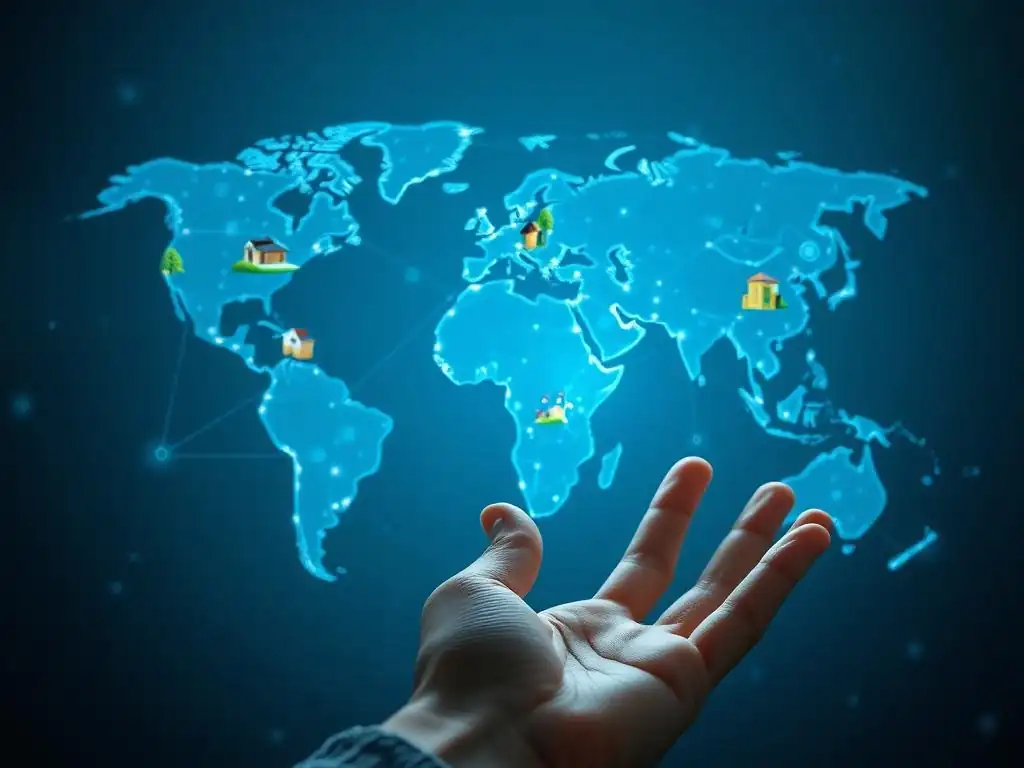
Welcome to Blockchain Trends, your compass in the ever-evolving world of decentralized technologies! Beyond the hype of cryptocurrencies, we delve into the real-world applications shaping our future. Ever wondered how blockchain can revolutionize humanitarian efforts? Dive into this article to uncover the potential of blockchain aid distribution accountability and discover how it's transforming trust in the delivery of critical resources. What if aid could be tracked with unyielding transparency, ensuring it reaches those who need it most? Let's explore the possibilities...
Decentralizing Trust: Blockchain's Promise for Accountable Aid Distribution
- Introduction: The Need for Transparency in Humanitarian Aid
- Understanding Blockchain Technology for Aid
- Blockchain Aid Distribution Accountability: Addressing Current Issues
- Real-World Applications of Blockchain in Aid Distribution
- Benefits of Blockchain for Accountable Aid Distribution
- Challenges and Limitations of Blockchain in Aid
- Future Trends in Blockchain and Humanitarian Aid
- Conclusion: Blockchain's Potential for Transforming Aid
-
Frequently Asked Questions
- How can blockchain technology improve aid distribution?
- What are the benefits of using blockchain for aid distribution accountability?
- What challenges exist in implementing blockchain for aid distribution?
- How does blockchain ensure transparency in blockchain aid distribution accountability?
- What is the future of blockchain aid distribution accountability and decentralized systems?
- Final Reflection: Embracing Transparency in Humanitarian Action
- Empower Change: Start Building a More Transparent Future!
Introduction: The Need for Transparency in Humanitarian Aid
The Challenge of Corruption in Aid Delivery
Humanitarian aid is a critical lifeline for millions globally, providing essential resources like food, shelter, and medical care in times of crisis. However, the complex and often opaque nature of aid distribution channels makes them vulnerable to corruption and mismanagement. Funds intended for vulnerable populations can be diverted, resources wasted, or aid simply fails to reach those most in need due to inefficient processes or fraudulent activities along the supply chain. This not only deprives recipients but also erodes trust among donors, potentially reducing future contributions and hindering the overall effectiveness of humanitarian efforts.
Estimates of losses due to corruption in aid vary widely and are difficult to pin down precisely, but reports from organizations like Transparency International and various watchdog groups highlight significant risks. Some studies focusing on specific regions or types of aid suggest that a substantial percentage, potentially ranging from 5% to 30% or even more in high-risk environments, could be lost or diverted before reaching the intended beneficiaries.
This financial leakage represents a profound failure of accountability, impacting the lives of those depending on the aid and undermining the integrity of the humanitarian system. Addressing this lack of blockchain aid distribution accountability is paramount.
Why Blockchain Offers a Solution for Aid Accountability
Blockchain technology, initially known for powering cryptocurrencies, offers a compelling solution to many of the transparency and accountability challenges plaguing traditional aid distribution. Its core features – decentralization, immutability, and transparency – provide a robust framework for tracking funds and resources from the point of donation or origin all the way to the final recipient. By creating a tamper-proof, shared ledger of transactions, blockchain can drastically reduce opportunities for diversion and mismanagement.
The distributed nature of blockchain means that no single entity has complete control over the data, making it resistant to manipulation. Every transaction recorded on the blockchain is timestamped, cryptographically secured, and visible to authorized participants, creating an indisputable audit trail. This inherent transparency forces accountability throughout the aid chain, allowing donors, aid agencies, auditors, and potentially even recipients to verify that resources are moving as intended. This foundational capability positions blockchain as a powerful tool for enhancing blockchain aid distribution accountability.
Understanding Blockchain Technology for Aid
How Blockchain Enhances Transparency and Security
At its heart, blockchain is a type of distributed ledger technology (DLT) that records transactions across a network of computers. Instead of a single central database controlled by one organization, the ledger is shared and synchronized among multiple participants. When a transaction occurs (e.g., funds being transferred, goods being registered), it is grouped into a "block" with other recent transactions. This block is then cryptographically linked to the previous block, forming a chain – hence, "blockchain."
The transparency comes from the fact that the ledger is shared; while specific details might be permissioned, the existence and flow of transactions can be publicly verifiable or verifiable by relevant stakeholders. Security is derived from cryptography: each block contains a unique digital fingerprint (hash) of the previous block, making it virtually impossible to alter a past transaction without invalidating the entire chain that follows. Any attempt to tamper with data would be immediately obvious to the network participants, thereby providing a high level of security and ensuring blockchain aid distribution accountability.
Key Features of Blockchain Relevant to Aid Distribution
Several key features of blockchain technology are particularly relevant and beneficial for improving the accountability and efficiency of aid distribution processes. These characteristics address specific pain points in traditional systems, offering novel ways to manage resources and verify their delivery. Understanding these features is crucial to appreciating the potential of blockchain aid distribution accountability.
Immutability and Auditability of Transactions
Once a transaction is recorded on a blockchain and confirmed by the network, it is extremely difficult, if not impossible, to alter or delete it. This property, known as immutability, means that every transfer of funds or goods recorded on the ledger creates a permanent, tamper-proof record. For aid distribution, this is invaluable. Every step, from a donor's contribution to the final distribution of resources to a beneficiary, can be logged on the blockchain, creating an unalterable history.
This immutability directly enables enhanced auditability. Auditors and oversight bodies can access the blockchain ledger to trace the entire journey of funds or resources, verifying that they were allocated and distributed according to the intended plan. This provides an unprecedented level of transparency and makes it significantly harder for corrupt actors to conceal illicit activities. The permanent, verifiable record is a cornerstone of blockchain aid distribution accountability.
Smart Contracts for Automated Aid Disbursement
Smart contracts are self-executing contracts with the terms of the agreement directly written into code. These contracts run on the blockchain and automatically execute predefined actions when specific conditions are met. For aid distribution, smart contracts can automate the disbursement of funds or resources based on verified criteria, such as recipient identity verification, geographical location, or completion of a specific aid milestone.
For example, a smart contract could be programmed to automatically release funds to a local implementing partner or directly to a beneficiary's digital wallet only after their identity has been verified and proof of need has been established on the chain. This automation reduces the need for manual processing, minimizes administrative overhead, and significantly limits opportunities for human error or malicious intervention, thereby bolstering blockchain aid distribution accountability.
Decentralized Ledger for Enhanced Trust
Traditional aid systems often rely on centralized databases and intermediaries, which can be points of failure or vulnerability to corruption. Donors must trust the central agency, the central agency must trust implementing partners, and so on. This chain of trust can be fragile. A decentralized ledger, by contrast, distributes the record-keeping and verification processes across a network of participants.
This decentralization removes reliance on a single point of authority or trust. Data recorded on the blockchain is validated by the network, not by a single organization. This shared, distributed source of truth enhances overall trust in the system, as no single party can unilaterally control or manipulate the ledger. Donors can have greater confidence that the data reflecting aid flows is accurate and secure, contributing significantly to blockchain aid distribution accountability.
Blockchain Aid Distribution Accountability: Addressing Current Issues
Current Problems in Aid Distribution: A Lack of Visibility
One of the most significant challenges in traditional aid distribution is the pervasive lack of end-to-end visibility. Funds and resources often pass through multiple layers of international organizations, national governments, local NGOs, and intermediaries before reaching the intended beneficiaries. At each handoff, there's a potential for delay, diversion, or loss, and tracking the exact path and usage of every dollar or item becomes incredibly difficult. This opaque "last mile" is where much of the corruption and inefficiency occurs.
Without a clear, unified system to track assets across these disparate entities, it's hard to verify whether aid reached the right people, in the right amount, and at the right time. Donors receive reports, but these reports are often aggregated and lack granular detail, making it difficult to ascertain the real impact or identify specific points of failure or leakage. This fundamental lack of visibility undermines efforts to ensure blockchain aid distribution accountability in current systems.
How Blockchain Solves the Transparency Problem in Aid
Blockchain directly addresses the visibility problem by creating a single, shared, and immutable ledger accessible to authorized stakeholders. Every transfer of value – whether financial aid, food vouchers, or medical supplies (represented digitally on the chain) – can be recorded as a transaction. From the initial donation by a government or individual donor to the final redemption of a voucher by a refugee, each step can be logged on the blockchain.
This creates a transparent and auditable trail that can be followed by anyone with permission to access the ledger. Donors can see precisely where their funds were sent, aid agencies can track the movement of resources through implementing partners, and auditors can verify the entire process. This level of granular, real-time transparency builds trust and makes it significantly harder for funds or resources to disappear without a trace, fundamentally improving blockchain aid distribution accountability.
Reducing Fraud and Mismanagement with Blockchain Technology
Fraud and mismanagement in aid distribution manifest in various ways, from outright theft and bribery to inefficient processes leading to wasted resources. Blockchain's inherent properties serve as powerful deterrents and mechanisms for detection against these issues. The immutability of the ledger means that once a transaction is recorded, it cannot be retroactively changed to hide fraudulent activity. Any attempt to manipulate the historical record would be immediately detectable by the network.
Furthermore, smart contracts can enforce strict rules for how and when funds are disbursed, removing discretionary power that can be exploited for bribery or favoritism. For example, funds for a specific project phase might only be released upon cryptographic verification of work completion or identity. The transparency of the ledger also acts as a deterrent; potential fraudsters know that their actions will create a permanent, visible record. By automating processes, enforcing rules, and creating an immutable audit trail, blockchain significantly reduces the scope for fraud and mismanagement, thereby enhancing blockchain aid distribution accountability.
Real-World Applications of Blockchain in Aid Distribution
Case Study: Building Blocks (World Food Programme)
One of the most prominent examples of blockchain being used in humanitarian aid is the World Food Programme's (WFP) Building Blocks project. Launched initially in Jordan to serve Syrian refugees, Building Blocks aimed to improve the efficiency, security, and accountability of cash-based transfers, which are a significant part of WFP's aid delivery. Instead of distributing physical vouchers or cash, the program sought a more modern, trackable system.
Project Goals and Implementation
The primary goals of Building Blocks were to reduce transaction fees charged by financial intermediaries, improve the security of aid distribution, enhance data privacy for beneficiaries, and increase the overall efficiency and accountability of the cash-based transfer program. The implementation involved registering Syrian refugees using biometric data (iris scans) linked to a digital identity on a private, permissioned blockchain network.
When a refugee needed to redeem their aid allowance at participating local shops within the camps, they would authenticate using their iris scan. This transaction would then be recorded on the blockchain, automatically debiting their account and crediting the retailer's account.
The system bypassed traditional banking infrastructure for the final step of aid delivery to recipients, reducing costs and increasing speed. By the end of 2018, WFP had processed blockchain-based transactions for over 100,000 Syrian refugees in Jordan's Azraq and Zaatari camps. The program later expanded significantly, aiming to process a much larger volume of transactions for potentially hundreds of thousands of beneficiaries.
Results and Impact on Aid Recipients
The Building Blocks project demonstrated tangible positive results. WFP reported significant savings on transaction fees by cutting out traditional financial intermediaries for beneficiary transactions, potentially saving millions of dollars annually that could be redirected to provide more aid. The system enhanced security, reducing the risk of cash or voucher theft. For aid recipients, the system provided a more dignified and secure way to access their assistance, allowing them to purchase needed goods at local markets rather than receiving pre-determined parcels.
Furthermore, the blockchain ledger provided WFP and auditors with an unprecedented level of detail and traceability on how aid funds were spent at the point of redemption. Every transaction was recorded, creating a clear audit trail that enhanced blockchain aid distribution accountability. This allowed for better program monitoring, fraud detection, and reporting to donors, proving the concept's viability at scale within a challenging humanitarian context.
Examples of Blockchain Platforms for Aid Distribution
Beyond large-scale projects like Building Blocks, several dedicated blockchain platforms and initiatives are emerging specifically to address the challenges of aid distribution and supply chain transparency. These platforms offer different approaches and focus areas within the broader goal of improving blockchain aid distribution accountability.
BanQu - Features and Benefits
BanQu is a platform that focuses on providing economic identity and supply chain traceability for people living in extreme poverty, including refugees and those in humanitarian settings. Many aid recipients lack formal identification or a verifiable economic history, making it difficult for them to access financial services or participate in formal economies. BanQu uses blockchain to create a secure, portable digital identity for individuals and track their interactions within supply chains or aid programs.
The platform allows aid organizations to record the distribution of goods or cash directly to an individual's BanQu identity, creating a verifiable record of aid received. This not only helps track aid delivery but also builds an economic passport for the recipient, potentially enabling them to access microfinance or other services in the future. BanQu's benefits include enhanced traceability of aid, empowerment of recipients through a digital identity, and the ability for organizations to gain deeper insights into the impact of their programs.
Disberse - Addressing Specific Needs
Disberse is another platform focused on improving financial transparency in aid. While some blockchain projects focus on the "last mile" to the beneficiary, Disberse primarily addresses the flow of funds from the initial donor organization through the various layers of implementing partners down to the final recipient organization on the ground. Their platform provides a transparent, auditable ledger for tracking financial disbursements across borders and organizations.
The platform allows aid organizations to send funds through the Disberse system, which records each transfer on a private blockchain. This creates an immutable record of where the money went, when it was sent, and who received it at each step of the chain. By providing this clear financial trail, Disberse helps reduce the risk of funds being diverted or lost between partner organizations and improves financial reporting and auditing. This focus on the financial pipeline is crucial for ensuring blockchain aid distribution accountability from donor to field.
Benefits of Blockchain for Accountable Aid Distribution
Increased Transparency and Traceability of Funds
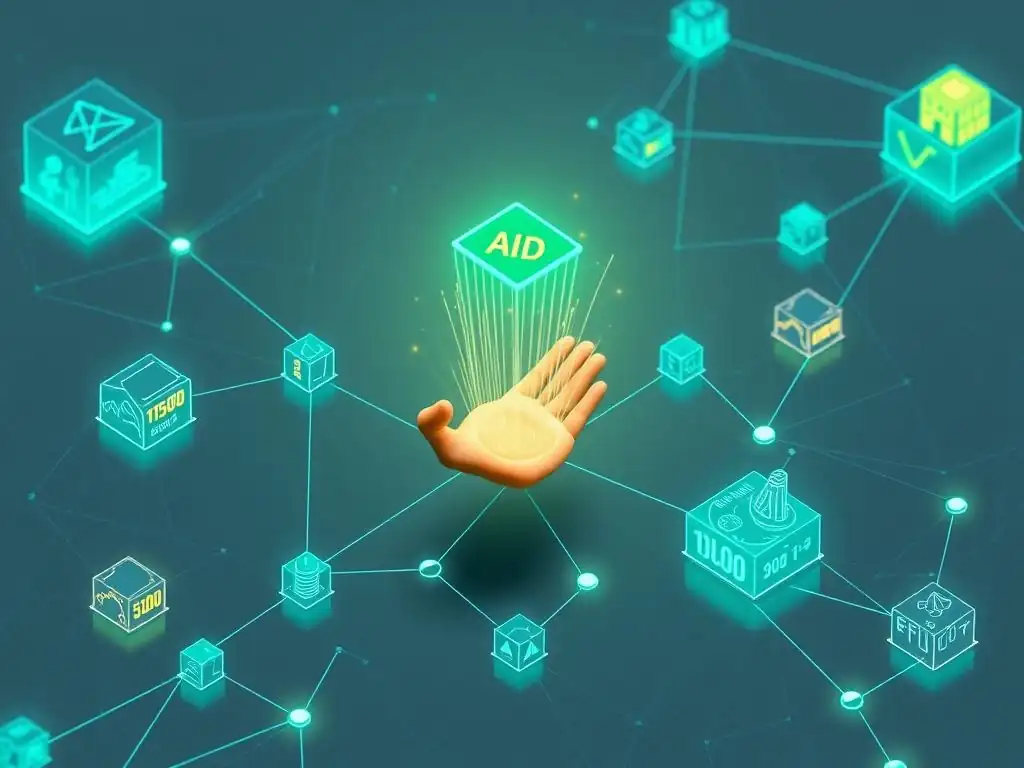
One of the most significant benefits of using blockchain in aid is the dramatic increase in transparency and traceability. Unlike traditional systems where funds can enter a complex web of bank accounts and intermediaries, blockchain allows for the creation of a visible, step-by-step record of financial flows. Every transfer, from the donor's initial contribution to the final disbursement to a beneficiary or implementing partner, can be logged on the distributed ledger.
This granular traceability means that stakeholders can verify the movement of funds at each stage. Donors can gain confidence that their money is reaching the intended destination, aid agencies can monitor the flow of resources through their network of partners, and auditors have access to a comprehensive, tamper-proof record for verification. This enhanced visibility is fundamental to achieving true blockchain aid distribution accountability.
Improved Efficiency and Reduced Administrative Costs
Blockchain and smart contracts have the potential to significantly streamline aid distribution processes, leading to improved efficiency and reduced administrative overhead. By automating disbursements based on predefined conditions via smart contracts, organizations can reduce the manual effort and time required for processing payments and verifying eligibility. This automation can speed up the delivery of aid to those who need it most.
Furthermore, by potentially bypassing traditional financial intermediaries for certain types of transactions, as seen in WFP's Building Blocks, organizations can reduce transaction fees and banking costs. While implementation requires initial investment, the long-term savings from reduced administrative burdens, lower transaction costs, and mitigated losses due to fraud can be substantial. Some estimates suggest potential administrative cost reductions of 10% to 20% or more in specific use cases, freeing up valuable resources for direct aid, thereby enhancing blockchain aid distribution accountability.
Enhanced Trust and Confidence in Aid Organizations
The persistent issues of corruption and inefficiency have, unfortunately, eroded public and donor trust in some humanitarian aid organizations. Demonstrating clear, verifiable accountability is essential to rebuilding that trust. Blockchain provides a powerful tool for organizations to prove that they are managing funds and resources responsibly.
By operating with a transparent and auditable system powered by blockchain, aid organizations can provide irrefutable evidence of how donations are being used. This level of transparency can reassure donors that their contributions are having the intended impact, encouraging continued support. Increased donor confidence translates into greater financial capacity for organizations to carry out their vital work, strengthening the entire humanitarian ecosystem built on blockchain aid distribution accountability.
Empowering Aid Recipients with Direct Access to Resources
Blockchain technology can empower aid recipients by providing them with secure digital identities and direct access to aid resources. In many traditional systems, recipients receive aid through intermediaries or in-kind donations that offer little choice. With blockchain-based cash or voucher programs, aid can be transferred directly to a recipient's digital wallet, giving them the agency to purchase what they need most from approved vendors.
Furthermore, the digital identity created on the blockchain can serve as a verifiable record of aid received, potentially helping recipients access other services. By providing a secure, transparent, and direct channel for aid delivery, blockchain not only improves accountability but also respects the dignity and autonomy of the beneficiaries, ensuring blockchain aid distribution accountability includes their perspective.
Challenges and Limitations of Blockchain in Aid
Scalability Issues in Blockchain Networks
While promising, blockchain technology still faces significant challenges, particularly regarding scalability. Public blockchains, like Ethereum or Bitcoin, can process a limited number of transactions per second, which might not be sufficient for large-scale aid operations serving millions of people simultaneously during a crisis. Transaction fees on some networks can also become prohibitively high, especially during periods of peak network congestion.
Permissioned or private blockchains, often used in enterprise or consortium settings like some aid projects, can offer higher transaction throughput and lower costs. However, even these networks require careful design and infrastructure to handle the immense volume of transactions that a global humanitarian crisis might generate. Ensuring the chosen blockchain solution can scale to meet the demands of a large-scale aid operation is critical for effective blockchain aid distribution accountability.
Regulatory Uncertainty and Legal Frameworks
The regulatory landscape surrounding blockchain technology is still evolving and varies significantly across different countries and jurisdictions. This uncertainty can pose challenges for international aid organizations operating in multiple regions. Questions surrounding the legal status of blockchain-based transactions, data ownership, smart contract enforceability, and compliance with financial regulations (like KYC/AML) need to be addressed.
Aid organizations must navigate this complex legal environment to ensure that their blockchain-based initiatives comply with all relevant national and international laws. The lack of clear, harmonized regulations can slow down implementation and adoption, creating legal risks for organizations and potentially impacting the reliability of blockchain aid distribution accountability.
Technical Expertise and Implementation Costs
Implementing blockchain solutions requires specialized technical expertise that may not be readily available within traditional aid organizations. Designing, deploying, and maintaining blockchain networks, developing smart contracts, and integrating them with existing systems require skilled personnel, which can be expensive to hire or train.
Furthermore, the initial costs associated with setting up blockchain infrastructure, developing necessary software, and potentially issuing digital tokens or identities can be substantial. While blockchain promises long-term savings, the upfront investment can be a barrier, particularly for smaller organizations. Overcoming the technical and financial hurdles is necessary to fully realize the potential of blockchain aid distribution accountability.
Data Privacy Concerns and Protection
While blockchain enhances transparency, it also raises significant data privacy concerns, especially when dealing with sensitive information about vulnerable aid recipients. Public blockchains, by their nature, are transparent, and data recorded on them is often pseudonymized but permanently stored. Even on permissioned blockchains, careful consideration must be given to what data is stored on-chain versus off-chain.
Organizations must comply with data protection regulations like GDPR, which grant individuals rights regarding their personal data, including the right to erasure. The immutable nature of blockchain conflicts with the "right to be forgotten." Aid projects must design their blockchain solutions carefully, potentially storing only hashed identifiers or encrypted data on-chain while keeping sensitive personal information in secure off-chain databases, linked only when necessary, to balance transparency with privacy and ensure responsible blockchain aid distribution accountability.
Future Trends in Blockchain and Humanitarian Aid
The Role of Blockchain in Sustainable Development Goals (SDGs)
Blockchain technology is increasingly recognized as a potential enabler for achieving various United Nations Sustainable Development Goals (SDGs) by 2030. Beyond direct aid distribution, blockchain can contribute to SDGs like ending poverty (SDG 1) through transparent financial inclusion, promoting good health and well-being (SDG 3) by securing health records and medical supply chains, and reducing inequalities (SDG 10) by providing digital identities to marginalized populations.
Its ability to create transparent systems, secure data, and facilitate efficient resource allocation aligns with the core principles of sustainable development. By improving blockchain aid distribution accountability, the technology directly supports SDG 16 (Peace, Justice, and Strong Institutions) by reducing corruption and promoting transparency, and SDG 17 (Partnerships for the Goals) by enabling more effective collaboration among diverse stakeholders in development and humanitarian efforts.
Integrating Blockchain with Other Technologies (AI, IoT) for Enhanced Impact
The future of blockchain in aid distribution likely involves integration with other emerging technologies to create more sophisticated and impactful systems. Combining blockchain's secure ledger with Artificial Intelligence (AI) can enable advanced analytics for fraud detection, predictive modeling for aid needs, and optimized resource allocation. AI can analyze the transparent data on the blockchain to identify anomalies or patterns indicative of mismanagement more effectively than manual processes.
Similarly, integrating blockchain with Internet of Things (IoT) devices can enhance the tracking of physical goods, such as food, medicine, or shelter materials, along the supply chain. IoT sensors can record data points like location, temperature, or handling events, which can then be immutably recorded on the blockchain, providing real-time, verifiable proof of condition and delivery. This convergence of technologies promises to create a more intelligent, efficient, and accountable aid ecosystem, further strengthening blockchain aid distribution accountability.
The Evolution of Decentralized Aid Platforms
Looking further ahead, the development of decentralized autonomous organizations (DAOs) and other decentralized governance models could influence the structure of aid organizations themselves. While traditional aid agencies are hierarchical and centralized, future models might involve more decentralized platforms where donors, recipients, and implementing partners interact directly on a blockchain network, with governance rules embedded in smart contracts.
Such platforms could allow for more direct funding, peer-to-peer aid, and community-led decision-making processes regarding resource allocation. While significant challenges remain regarding governance, scalability, and adoption, the evolution towards more decentralized aid platforms represents a potential paradigm shift, moving towards models where blockchain aid distribution accountability is not just a feature but a fundamental architectural principle.
Conclusion: Blockchain's Potential for Transforming Aid
Achieving Greater Accountability and Efficiency in Aid Distribution
The challenges of corruption, inefficiency, and lack of transparency have long plagued humanitarian aid distribution, hindering its effectiveness and eroding trust. Blockchain technology, with its core properties of immutability, transparency, and decentralization, offers a powerful set of tools to directly address these issues. By creating a secure, shared, and auditable ledger for tracking funds and resources, blockchain can provide unprecedented visibility into the aid pipeline, from donor to recipient.
Real-world examples, such as the World Food Programme's Building Blocks project, demonstrate that blockchain is not just a theoretical solution but one that can be successfully implemented at scale, leading to tangible benefits like reduced costs, increased speed, and enhanced security. The technology enables greater blockchain aid distribution accountability, making it significantly harder for funds to be diverted and easier for stakeholders to verify that aid reaches its intended destination.
Building a More Trustworthy and Transparent Humanitarian Ecosystem
Ultimately, the promise of blockchain in aid distribution extends beyond mere efficiency improvements; it lies in its potential to fundamentally transform the humanitarian ecosystem by building greater trust and transparency. By providing verifiable proof of how and where aid is used, blockchain helps rebuild confidence among donors, encouraging continued generosity. For aid organizations, it offers a means to demonstrate their commitment to responsible stewardship of resources.
For aid recipients, it can mean a more reliable, dignified, and empowering way to receive assistance. While challenges related to scalability, regulation, and implementation persist, the ongoing development and adoption of blockchain technology hold significant potential to create a more accountable, efficient, and trustworthy global system for delivering aid to those who need it most, solidifying blockchain aid distribution accountability as a cornerstone of future humanitarian efforts.
Frequently Asked Questions
How can blockchain technology improve aid distribution?
Blockchain provides a transparent and immutable ledger, ensuring that aid funds are tracked from donor to recipient. This reduces the risk of corruption and increases accountability in aid delivery.
What are the benefits of using blockchain for aid distribution accountability?
Blockchain's benefits include enhanced transparency, reduced fraud, and increased efficiency in aid delivery. This ultimately leads to better outcomes for beneficiaries and increased trust from donors.
What challenges exist in implementing blockchain for aid distribution?
Challenges include lack of technical infrastructure in some regions, data privacy concerns, and the need for interoperability between different blockchain systems. Overcoming these is crucial for successful implementation.
How does blockchain ensure transparency in blockchain aid distribution accountability?
Every transaction is recorded on a publicly accessible ledger, making it easy to track the movement of funds. This transparency builds trust and allows for greater scrutiny of aid activities.
What is the future of blockchain aid distribution accountability and decentralized systems?
The future involves wider adoption, integration with other technologies like IoT, and development of more user-friendly platforms. This will lead to more efficient and equitable aid distribution systems globally.
Final Reflection: Embracing Transparency in Humanitarian Action
The promise of blockchain aid distribution accountability is no longer a futuristic ideal, but a tangible solution urgently needed in a world grappling with complex humanitarian crises. The potential to eliminate corruption, streamline processes, and empower beneficiaries directly is not just a technological advancement, but a moral imperative, demanding immediate attention and widespread adoption.
The enduring impact of this technology lies in its ability to foster genuine trust between donors, aid organizations, and the communities they serve. This shift towards transparency and accountability is not merely a trend, but a fundamental re-evaluation of how we approach humanitarian assistance. Trust is the glue of life. It's the most essential ingredient in effective communication. It's the foundational principle that holds all relationships together.
- Stephen Covey. This quote perfectly encapsulates the transformative power of blockchain in rebuilding trust within the aid sector.
As we move forward, let us all consider how we can contribute to the widespread implementation of blockchain solutions in humanitarian aid. Reflect on the power of transparency and accountability, and ask yourself: how can you, in your own sphere of influence, champion the cause of ethical and effective aid distribution, ensuring that resources reach those who need them most, without compromise?
Empower Change: Start Building a More Transparent Future!
Thank you for exploring how blockchain technology can revolutionize aid distribution and foster greater trust. Now that you've learned about the potential, let's turn that knowledge into action!
Here are a few steps you can take to become part of this important movement:
- Advocate for Blockchain Adoption: Share this article with your network and initiate conversations about how blockchain can enhance aid accountability.
- Explore Open-Source Blockchain Platforms: Research existing open-source platforms focused on social impact and consider contributing to their development.
- Propose a Pilot Project: Think about your local community—are there aid initiatives where blockchain could improve transparency and efficiency? Consider drafting a brief proposal outlining the benefits.
Which aid organization do you believe would most benefit from implementing blockchain technology, and why? Share your thoughts in the comments below!
Leave a Reply