
Disaster Relief Reimagined: Blockchain Solutions for Rapid Aid Distribution

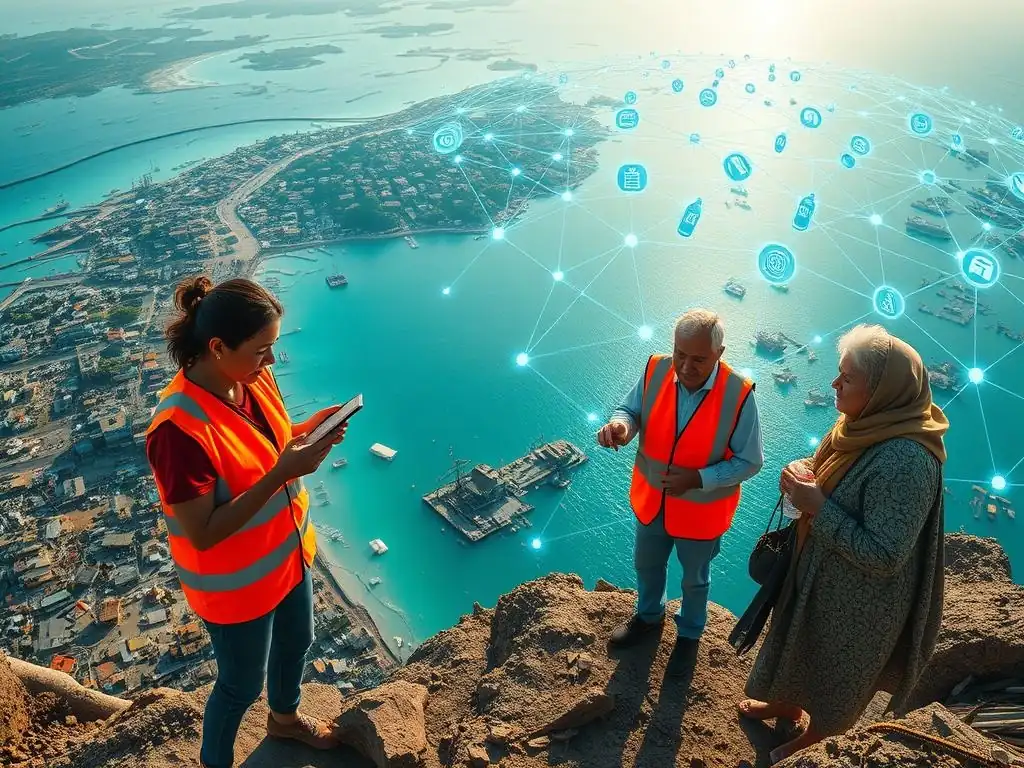
Welcome to Blockchain Trends, your compass in the ever-evolving world of decentralized innovation. Beyond the headlines of cryptocurrency, lie groundbreaking applications poised to reshape industries and solve pressing global challenges. Ever wondered how blockchain could revolutionize disaster response? Dive into our latest article exploring blockchain disaster relief distribution logistics, and discover how this technology is paving the way for more efficient, transparent, and equitable aid delivery in times of crisis. The potential is vast, and the future is decentralized. Let's explore it together!
Disaster Relief Reimagined: Blockchain Solutions for Rapid Aid Distribution
- Introduction: The Urgent Need for Efficient Disaster Relief
- Understanding the Inefficiencies in Current Disaster Relief Logistics
- How Blockchain Enhances Disaster Relief Distribution Logistics
- Blockchain Use Cases in Disaster Relief: Real-World Examples
- Benefits of Blockchain-Based Disaster Relief Distribution
- Overcoming the Challenges of Implementing Blockchain in Disaster Relief
- The Future of Blockchain in Humanitarian Aid: Beyond Disaster Relief
- Conclusion: Blockchain as a Catalyst for a More Effective and Equitable Disaster Relief System
-
Frequently Asked Questions
- How can blockchain technology improve disaster relief distribution?
- What are the key benefits of using blockchain for disaster relief logistics?
- How does blockchain address the challenges of trust in disaster relief situations?
- What types of disaster relief aid can be effectively tracked using blockchain?
- What are the potential challenges in implementing blockchain for disaster relief distribution?
- Final Reflection: Empowering Resilience Through Transparency
- Amplify Impact: Transform Disaster Relief Now!
Introduction: The Urgent Need for Efficient Disaster Relief
The Challenges of Traditional Aid Distribution in Disaster Zones
Natural disasters and humanitarian crises displace millions annually, creating an immediate and critical need for effective aid distribution. The traditional systems designed to deliver essential supplies like food, water, shelter, and medical assistance often struggle under the immense pressure of these events. Challenges include damaged infrastructure, lack of communication, security risks, and difficulty in identifying those most in need.
According to reports from various aid organizations, reaching affected populations in remote or heavily damaged areas can take days, sometimes weeks, leading to increased suffering and loss of life. For instance, following the 2010 Haiti earthquake, logistical bottlenecks severely hampered aid delivery in the crucial first days, impacting an estimated 3 million people.
Furthermore, coordinating the efforts of numerous governmental bodies, non-governmental organizations (NGOs), and international agencies adds layers of complexity. Different systems for tracking donations, managing inventory, and verifying beneficiaries can lead to duplication of efforts, resource waste, and gaps in coverage. The sheer volume of aid, often arriving from diverse sources, requires robust blockchain disaster relief distribution logistics to ensure it reaches the intended recipients efficiently. Without a unified, transparent system, managing the influx of goods and funds becomes a chaotic and error-prone process, undermining the best intentions of donors and aid workers alike.
Blockchain Technology: A Potential Game-Changer for Humanitarian Aid
In the face of these persistent challenges, the humanitarian sector is actively seeking innovative solutions. Blockchain technology, initially popularized by cryptocurrencies, offers unique features that could fundamentally transform blockchain disaster relief distribution logistics. Its decentralized and immutable ledger system provides an unprecedented level of transparency and security, addressing some of the most significant pain points in traditional aid delivery. By creating a shared, tamper-proof record of transactions and movements, blockchain can help track aid from its source to the final recipient.
The potential extends beyond simple tracking. Blockchain enables the use of digital identities and smart contracts, which can automate processes and ensure that aid is distributed equitably and efficiently. This shift towards decentralized systems promises to reduce administrative overhead, minimize opportunities for corruption, and build greater trust among all stakeholders involved in disaster response – from international donors and large NGOs to local volunteers and the affected communities themselves. Exploring the application of blockchain in disaster relief logistics is becoming increasingly vital as the frequency and intensity of global crises continue to rise.
Understanding the Inefficiencies in Current Disaster Relief Logistics
Lack of Transparency and Accountability in Aid Supply Chains
One of the most significant hurdles in traditional disaster relief is the opacity of the supply chain. Once aid leaves a donor or a central warehouse, its journey through multiple intermediaries can be difficult to trace. This lack of visibility makes it challenging to confirm whether supplies reach their intended destination or if they are diverted or lost along the way.
Reports from past crises have highlighted instances where essential goods disappeared or were sold on the black market, depriving those in desperate need. A study after a major African famine indicated that a significant percentage of aid never reached the most vulnerable populations due to complex and untraceable distribution networks.
This absence of a clear audit trail undermines accountability. When aid goes missing or is delayed, it is often difficult to pinpoint exactly where the breakdown occurred or who is responsible. This lack of transparency erodes trust among donors, potentially impacting future funding for critical relief efforts. Donors, whether individuals, corporations, or governments, want assurance that their contributions are effectively utilized. Implementing blockchain disaster relief distribution logistics offers a path towards creating fully transparent and auditable supply chains, where every transfer and distribution point is recorded on an immutable ledger.
Delays and Bottlenecks in Reaching Affected Populations
Disasters often destroy critical infrastructure, including roads, bridges, and communication networks, creating physical barriers to aid delivery. However, logistical bottlenecks also arise from administrative inefficiencies and poor coordination. Manual processes for inventory management, beneficiary registration, and distribution planning are slow and prone to errors, especially in chaotic post-disaster environments. Getting essential supplies like medical kits or food parcels to remote villages can involve multiple handoffs and approvals, each adding potential delays.
Consider the challenge of distributing cash assistance. Traditional methods might involve transporting large sums of physical currency or setting up complex banking relationships in areas with limited financial infrastructure. These methods are not only slow but also expose aid workers and beneficiaries to security risks. Even with digital transfers, verifying identities and ensuring funds reach the correct individuals quickly can be cumbersome. Blockchain solutions for aid distribution can significantly speed up these processes by enabling secure, near-instantaneous value transfers and streamlined identity verification, bypassing traditional intermediaries and reducing critical delays.
Corruption and Misappropriation of Funds in Disaster Relief Efforts
Unfortunately, the urgency and scale of disaster relief operations can create opportunities for corruption and misappropriation of funds and resources. Weak oversight, lack of transparency, and the difficulty of auditing complex cash flows and supply movements in unstable regions contribute to this risk. Estimates on the percentage of aid lost to corruption vary widely but are often cited as a significant concern by watchdog organizations. This diversion of resources means fewer people receive the help they desperately need, and it damages the reputation of the entire humanitarian sector.
Misappropriation can take many forms, from outright theft of goods to inflated procurement costs or siphoning off cash donations. The lack of granular tracking makes it hard to detect such activities.
For example, if a shipment of medicine is recorded as delivered to a regional warehouse but never reaches the intended clinics, tracing the point of failure in a paper-based or fragmented digital system is extremely difficult. By providing an immutable and shared record of every transaction and movement, blockchain for humanitarian logistics creates a powerful deterrent against corruption and provides the tools necessary to identify and investigate suspicious activities.
How Blockchain Enhances Disaster Relief Distribution Logistics
Blockchain's Key Features for Aid Management: Transparency, Security, and Traceability
At its core, blockchain technology is a distributed ledger that records transactions across a network of computers. This design inherently provides several features crucial for improving blockchain disaster relief distribution logistics. Transparency is achieved because the ledger is shared and visible to authorized participants; every transaction, from a donation being made to a food parcel being delivered, can be recorded. Security is paramount because each block of transactions is cryptographically linked to the previous one, making it virtually impossible to alter past records without being detected.
This combination of transparency and security enables unprecedented traceability. Unlike traditional systems where information is siloed or easily manipulated, a blockchain record provides an unbroken chain of custody for aid resources. Donors could potentially track their specific contribution, or a shipment of goods, from its origin point through various warehouses and distribution centers, all the way to the final recipient. This level of detail offers a powerful tool for monitoring the effectiveness of aid operations and ensuring accountability at every step of the blockchain in disaster relief logistics process.
Immutable Records: Ensuring Accountability in Aid Delivery
The immutability of blockchain records is perhaps its most compelling feature for humanitarian aid. Once a transaction or data point is added to the blockchain and validated by the network, it cannot be altered or deleted. This creates a permanent, tamper-proof history of all activities related to aid distribution. For aid organizations, this means having an indisputable record of where funds were sent, which supplies were delivered, and who received them.
This immutable ledger dramatically increases accountability. If a discrepancy arises – for example, if the number of relief kits recorded as leaving a distribution hub doesn't match the number recorded as arriving at a village – the blockchain record provides clear evidence of the transaction history, making it easier to investigate and identify the source of the issue. This contrasts sharply with paper-based ledgers or easily editable spreadsheets used in some traditional systems. Implementing blockchain disaster relief distribution logistics centered around immutable records provides a robust framework for auditing and verifying the integrity of the entire aid operation.
Smart Contracts: Automating Aid Distribution Based on Predefined Conditions
Smart contracts are self-executing contracts with the terms of the agreement directly written into lines of code. Stored on a blockchain, they automatically execute when predefined conditions are met, without the need for intermediaries. This capability has immense potential for automating and streamlining blockchain disaster relief distribution logistics. For instance, a smart contract could be programmed to release funds to a local distribution partner only after a shipment of goods has been verified as received at a specific location via a blockchain transaction.
Another powerful application is conditional cash transfers directly to beneficiaries. A smart contract could be set up to disburse a fixed amount of cryptocurrency or digital tokens to a beneficiary's digital wallet once their identity has been verified and they are confirmed to be in an affected zone. This automation eliminates manual processes, reduces administrative costs, and ensures aid is delivered promptly upon meeting the necessary criteria. The use of smart contracts in blockchain solutions for aid distribution allows for greater efficiency and ensures that aid delivery is guided by predefined, transparent rules accessible to all participants.
Blockchain Use Cases in Disaster Relief: Real-World Examples
Tracking Aid Distribution Following the 2015 Nepal Earthquake
Following the devastating earthquake in Nepal in 2015, several organizations explored innovative ways to improve aid delivery. While not a full-scale blockchain implementation across all aid, pilot projects demonstrated the potential for distributed ledger technology. One initiative focused on tracking the movement of specific goods. Though precise figures are difficult to obtain for the full scope of aid, small-scale pilots showed how recording key waypoints of shipments on a ledger could provide a clearer picture of delivery status compared to traditional methods.
These initial explorations highlighted the difficulties in achieving end-to-end visibility with existing systems. While not a complete blockchain disaster relief distribution logistics system, the experience underscored the need for a transparent, shared database that could coordinate the efforts of over 450 international and local agencies involved in the response. The challenges faced in tracking billions of dollars in aid and supplies in Nepal became a significant impetus for later explorations of blockchain's potential in humanitarian contexts globally.
Direct Aid Distribution Using Blockchain-Based Wallets for Syrian Refugees in Jordan
One of the most cited real-world examples of blockchain for humanitarian logistics is the World Food Programme's (WFP) Building Blocks program. Launched initially in Jordan in 2017, this program uses a private blockchain network to manage cash assistance for Syrian refugees. Instead of receiving physical cash or vouchers, beneficiaries have their identities registered on the blockchain and receive aid directly into blockchain-based accounts (wallets).
Refugees can then redeem their assistance at participating retailers using iris scanning technology for identification linked to their blockchain identity. This system processes over 1 million transactions per month, distributing tens of millions of dollars annually. By bypassing traditional banks and payment processors, WFP reported significant reductions in transaction fees (estimated savings of up to 98% on transaction costs compared to traditional methods) and increased speed and security of aid delivery. This is a concrete example of how blockchain solutions for aid distribution can directly empower beneficiaries and improve operational efficiency.
Verifying Beneficiary Identities with Blockchain Identity Solutions Post-Hurricane Maria in Puerto Rico
After Hurricane Maria devastated Puerto Rico in 2017, aid distribution faced immense logistical and administrative challenges, including verifying who was truly in need and preventing duplicate claims. Several initiatives explored using blockchain technology to create secure, digital identities for affected residents. One pilot project aimed to register individuals and link their verified identity to their eligibility for specific aid packages.
While not scaled to cover the entire affected population (estimated at over 3 million), these pilots demonstrated the feasibility of using immutable, blockchain-based identity records to streamline the verification process. By providing a secure and accessible way to prove identity and need, regardless of lost physical documents, these projects highlighted how blockchain disaster relief distribution logistics could improve targeting and reduce fraud. The ability to quickly and reliably identify beneficiaries is a critical component of efficient and equitable aid delivery in post-disaster scenarios.
Benefits of Blockchain-Based Disaster Relief Distribution
Increased Transparency and Reduced Corruption in Aid Allocation
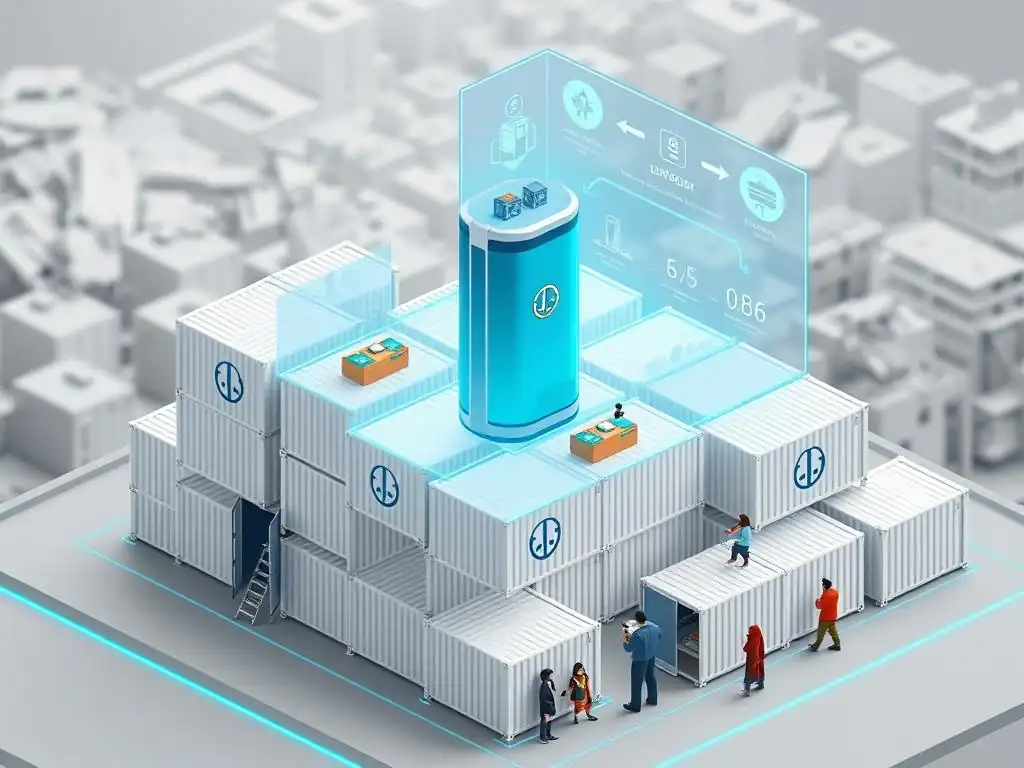
A primary benefit of integrating blockchain into humanitarian operations is the significant increase in transparency throughout the aid lifecycle. Every donation, allocation, shipment movement, and distribution event can be recorded on a shared, immutable ledger. This creates a visible audit trail accessible to authorized parties, including donors, aid organizations, and potentially even beneficiaries. This transparency makes it far more difficult for funds or resources to be diverted or misappropriated without detection.
With a clear, tamper-proof record of where aid is supposed to go and where it actually ends up, instances of corruption, such as inflated costs or theft, become much easier to identify and investigate. This enhanced accountability builds trust with donors, potentially encouraging greater contributions to future relief efforts. Implementing blockchain disaster relief distribution logistics fundamentally shifts the paradigm from opaque systems to a verifiable, open ledger approach that promotes integrity and reduces the potential for illicit activities.
Faster and More Efficient Aid Delivery to Those in Need
Blockchain technology can significantly accelerate various processes within disaster relief logistics. Smart contracts automate the execution of aid distribution based on predefined conditions, eliminating manual approvals and reducing delays. Digital identity solutions streamline beneficiary registration and verification, speeding up access to aid. Furthermore, secure digital payment systems built on blockchain can enable near-instantaneous cash transfers to affected populations, bypassing slow and costly traditional banking infrastructure, especially in areas with limited financial access.
For instance, direct cash transfers via blockchain wallets, as demonstrated by WFP, can get funds into the hands of beneficiaries within minutes, allowing them to purchase needed supplies locally, stimulating the local economy, and providing dignity. Streamlining supply chain tracking using a blockchain can also help optimize routes and identify bottlenecks in real-time, ensuring that physical goods reach distribution points faster. These efficiencies inherent in blockchain solutions for aid distribution are critical in time-sensitive post-disaster environments where every hour can make a difference.
Enhanced Trust and Accountability Among Donors and Recipients
Blockchain's transparency and immutability foster greater trust among all participants in the aid ecosystem. Donors can gain verifiable assurance that their contributions are reaching the intended beneficiaries, which can encourage continued and increased support for humanitarian causes. Aid organizations benefit from increased legitimacy and credibility, demonstrating their commitment to efficient and ethical operations.
For beneficiaries, systems built on blockchain can provide a more reliable and predictable flow of aid, ensuring they receive what they are entitled to without bureaucratic hurdles or potential corruption impacting delivery. The ability for recipients to potentially verify their aid allocation on a public or permissioned ledger also empowers them and increases accountability from the aid providers. This heightened level of trust and accountability is a crucial outcome of applying blockchain for humanitarian logistics.
Improved Coordination Among Aid Organizations and Stakeholders
Disaster relief often involves a multitude of organizations working in parallel, sometimes with overlapping mandates or uncoordinated efforts. A shared, permissioned blockchain ledger can act as a single source of truth for tracking aid flows, beneficiary registration, and resource allocation across different agencies. This shared visibility can significantly improve coordination, reduce duplication of efforts, and identify gaps in coverage.
For example, if multiple NGOs are providing food aid in the same region, a shared blockchain record of distribution could prevent individuals from receiving aid multiple times while others receive none. It could also help coordinate the delivery of different types of aid (e.g., food, water, medical supplies) to ensure comprehensive coverage. By providing a common operational picture built on transparent, real-time data, blockchain disaster relief distribution logistics facilitates better collaboration and more effective overall response efforts among diverse stakeholders.
Overcoming the Challenges of Implementing Blockchain in Disaster Relief
Addressing Technical Infrastructure Limitations in Disaster Zones
Implementing blockchain technology requires a certain level of technical infrastructure, including internet connectivity and electricity, which are often severely damaged or non-existent in disaster zones. Deploying and maintaining blockchain nodes and ensuring access for aid workers and beneficiaries in remote or affected areas presents a significant challenge. Relying solely on online systems can exclude the most vulnerable populations who lack access to necessary devices or connectivity.
Solutions being explored include utilizing satellite technology for connectivity, deploying ruggedized, off-grid blockchain nodes, and developing offline capabilities where transactions can be recorded locally and synced to the blockchain when connectivity is restored. Furthermore, developing user-friendly interfaces that work on basic mobile phones is crucial. Overcoming these infrastructure hurdles is essential for making blockchain disaster relief distribution logistics truly viable and inclusive in crisis environments.
Ensuring Data Privacy and Security in Blockchain-Based Systems
While blockchain offers enhanced security through cryptography and immutability, implementing it in humanitarian contexts raises critical data privacy concerns. Sensitive beneficiary information, such as identity details, medical conditions, or location, must be protected. Storing such data directly on a public or even a permissioned blockchain ledger could expose individuals to risks if not handled carefully.
Designing blockchain systems for aid requires implementing robust privacy-preserving techniques. This might involve storing only hashed or encrypted data on the blockchain, with sensitive details held off-chain in secure databases, accessible only to authorized personnel. Zero-knowledge proofs and other cryptographic methods can also be used to verify information (like identity or eligibility) without revealing the underlying data. Balancing the need for transparency and accountability with the imperative to protect the privacy and security of vulnerable populations is a critical design challenge for blockchain solutions for aid distribution.
Promoting Collaboration and Standardization Across Aid Organizations
The humanitarian sector comprises a vast array of organizations with diverse mandates, operating procedures, and existing technological systems. Achieving widespread adoption of blockchain for disaster relief logistics requires significant collaboration and standardization across these entities. Different organizations might favor different blockchain platforms or approaches, leading to interoperability issues.
Developing common standards for data representation, transaction types, and identity protocols on the blockchain is crucial to ensure seamless information sharing and coordination. This requires strong leadership and a willingness among major international NGOs, UN agencies, and local partners to agree on shared frameworks. Initiatives are underway through various consortia to explore common standards, but achieving broad consensus and integration remains a complex undertaking for the future of blockchain for humanitarian logistics.
Educating and Training Aid Workers on Blockchain Technology
Blockchain technology, with its underlying concepts like distributed ledgers, cryptography, and smart contracts, can be complex. Effective implementation in the field requires that aid workers, many of whom may have limited technical backgrounds, understand how to use these new systems. Training is needed not only on the technical aspects but also on the operational changes and benefits that blockchain brings to their workflows.
Developing simple, intuitive user interfaces and providing comprehensive training programs are essential steps. Aid workers need to be comfortable using blockchain-based applications for tasks such as registering beneficiaries, recording distribution events, or troubleshooting basic issues. Investing in capacity building and ensuring that local staff and volunteers are empowered to use these tools is fundamental to the successful deployment of blockchain disaster relief distribution logistics on the ground.
The Future of Blockchain in Humanitarian Aid: Beyond Disaster Relief
The potential of blockchain technology extends far beyond disaster relief logistics. Its core features of transparency, security, and traceability are valuable in numerous other areas of philanthropy and social impact. This includes tracking charitable donations to ensure they reach intended projects, managing supply chains for ethical sourcing and fair trade goods, and creating verifiable records for land ownership or identity in developing regions.
Blockchain can also support initiatives related to sustainable development goals (SDGs), such as tracking carbon emissions, managing renewable energy credits, or creating transparent voting systems. By providing a trustworthy infrastructure for recording and verifying data, blockchain can enhance accountability and effectiveness across the entire spectrum of social good initiatives. The successful application of blockchain solutions for aid distribution in disaster zones serves as a powerful proof-of-concept for these broader applications.
Exploring the Potential of Decentralized Autonomous Organizations (DAOs) for Disaster Response
Decentralized Autonomous Organizations (DAOs) are organizations represented by rules encoded as a transparent computer program, controlled by the organization's members, and not influenced by a central government. While still an emerging concept, DAOs could potentially play a role in future disaster response. A DAO could pool funds from donors, and smart contracts could automatically disburse funds to approved relief projects or directly to beneficiaries based on predefined triggers and verifiable data (e.g., confirmation of a disaster event, verification of need).
This model could potentially reduce administrative overhead, increase speed, and provide a highly transparent governance structure for aid allocation. However, significant challenges remain, including defining clear rules for decision-making, ensuring accountability in the absence of traditional legal structures, and integrating with existing humanitarian frameworks. Exploring the feasibility of DAOs in conjunction with blockchain for humanitarian logistics represents a frontier in decentralized philanthropy.
Integrating Blockchain with Other Emerging Technologies like IoT and AI for Enhanced Aid Delivery
The true power of blockchain in humanitarian aid will likely be realized through integration with other emerging technologies. Internet of Things (IoT) devices, such as sensors in warehouses or on aid shipments, can automatically record data (like location, temperature, or quantity) directly onto the blockchain, creating real-time, verifiable supply chain tracking. This provides unparalleled visibility into the movement and condition of goods.
Artificial intelligence (AI) can analyze the vast amounts of data recorded on a blockchain ledger to identify patterns, predict needs, detect potential fraud or bottlenecks, and optimize distribution routes. For example, AI could analyze blockchain records of past distributions alongside real-time data from IoT sensors and demographic information to predict where aid is most needed and optimize delivery schedules. The synergy between blockchain, IoT, and AI holds immense promise for creating highly efficient, intelligent, and responsive blockchain disaster relief distribution logistics systems in the future.
Conclusion: Blockchain as a Catalyst for a More Effective and Equitable Disaster Relief System
Key Takeaways: The Transformative Power of Blockchain in Humanitarian Assistance
The challenges inherent in traditional disaster relief logistics—lack of transparency, delays, and potential for corruption—underscore the urgent need for innovation. Blockchain technology offers a powerful suite of features that directly address these pain points. Its ability to create transparent, secure, and immutable records provides unprecedented accountability throughout the aid supply chain.
Smart contracts enable the automation of aid distribution based on verifiable conditions, speeding up delivery and reducing administrative burdens. Real-world examples, such as the WFP's Building Blocks program, demonstrate the tangible benefits of using blockchain for humanitarian logistics to deliver aid more efficiently and directly to those in need.
While significant challenges remain regarding infrastructure, privacy, standardization, and training, the potential rewards of implementing blockchain in disaster relief are substantial. Moving forward, collaborative efforts to develop robust, user-friendly, and interoperable blockchain solutions are crucial. The integration of blockchain with technologies like IoT and AI promises even greater efficiencies and capabilities in the future.
Call to Action: Embracing Blockchain Innovation for a More Resilient Future
The humanitarian sector stands at a critical juncture. The increasing frequency and intensity of global crises demand more resilient, efficient, and trustworthy systems for delivering aid. Embracing blockchain disaster relief distribution logistics is not just about adopting a new technology; it's about building a more transparent, accountable, and equitable framework for helping vulnerable populations in their most desperate moments.
Aid organizations, technology providers, donors, and governments must collaborate to pilot, refine, and scale blockchain-based solutions. Investing in the necessary infrastructure, developing common standards, and providing adequate training are essential steps. By harnessing the transformative power of blockchain, we can reimagine disaster relief, ensuring that aid reaches those who need it most, faster and more reliably, paving the way for a more resilient and compassionate global response to future crises.
Frequently Asked Questions
How can blockchain technology improve disaster relief distribution?
Blockchain offers increased transparency and traceability in aid distribution, reducing the risk of fraud and ensuring resources reach the intended recipients. It creates an immutable record of transactions, making it easier to track the flow of goods and funds.
What are the key benefits of using blockchain for disaster relief logistics?
The main benefits are enhanced efficiency in supply chain management, reduced corruption through transparent tracking, and faster delivery of aid to affected areas. This allows for quicker response times and more effective resource allocation.
How does blockchain address the challenges of trust in disaster relief situations?
Blockchain utilizes decentralized ledgers to create a trustless system, where transactions are verified and recorded by multiple parties. This eliminates the need for a central authority, preventing manipulation and fostering greater confidence in the process.
What types of disaster relief aid can be effectively tracked using blockchain?
Blockchain can be used to track a wide range of aid, including food supplies, medical equipment, financial assistance, and essential resources like water and shelter materials. Its versatility allows for comprehensive monitoring of various aid items.
What are the potential challenges in implementing blockchain for disaster relief distribution?
Challenges include lack of infrastructure in disaster-stricken areas, limited digital literacy among recipients, and scalability issues in handling large volumes of transactions. Addressing these challenges is crucial for successful implementation.
Final Reflection: Empowering Resilience Through Transparency
The exploration of blockchain technology in disaster relief, as presented throughout this article, highlights a critical need for enhanced efficiency and transparency in aid distribution. The current landscape, often plagued by logistical nightmares and accountability concerns, demands innovative solutions. Blockchain, with its inherent immutability and decentralized nature, offers a powerful pathway towards a more responsive and trustworthy system, capable of delivering aid directly to those who need it most, when they need it most.
This potential transformation extends far beyond mere technological advancement. It speaks to a fundamental shift in how we approach humanitarian assistance, fostering greater trust and empowering affected communities. Witnessing the potential of blockchain to cut through bureaucratic red tape and ensure aid reaches its intended recipients is profoundly inspiring. The ultimate measure of a man is not where he stands in moments of comfort and convenience, but where he stands at times of challenge and controversy.
- Martin Luther King, Jr. This quote resonates deeply, reminding us that our response to crises defines our humanity, and blockchain offers a tool to elevate that response.
Now, consider the implications of this technology in your own life. How can you support initiatives that champion transparency and accountability, not just in disaster relief, but in all aspects of society? Let us all strive to be catalysts for positive change, embracing innovative solutions like blockchain to build a more resilient and equitable future for all.
Amplify Impact: Transform Disaster Relief Now!
Thank you for exploring how blockchain technology can revolutionize disaster relief efforts. This innovative approach offers transparency, speed, and efficiency in distributing aid, ensuring resources reach those in need promptly. Together, we can build a more resilient and responsive future.
Here's how you can get involved:
- Become an Advocate: Share information about blockchain's role in humanitarian aid with your network to raise awareness and encourage discussions about secure and transparent relief efforts.
- Engage with Open-Source Projects: Contribute to or follow initiatives focused on applying blockchain technology to disaster response. Your involvement can help strengthen these vital solutions.
- Support Active Organizations: Consider donating or volunteering your skills to organizations implementing blockchain solutions for disaster relief, helping to expand their reach and effectiveness.
What application of blockchain inspires you the most in transforming disaster relief? What steps can you take this week to support its adoption?
Leave a Reply