
Emergency Response Reinvented: Blockchain for Efficient Disaster Aid Coordination


Welcome to Blockchain Trends, your guide to the groundbreaking applications of blockchain technology!
Imagine a world where disaster relief reaches those in need instantly and transparently. Our latest article delves into how blockchain disaster aid coordination is revolutionizing emergency response. Discover how this innovative approach cuts through red tape, ensures accountability, and delivers aid directly to those who need it most. Intrigued? Read on to explore the potential of decentralized systems to transform humanitarian efforts and build a more resilient future.
Emergency Response Reinvented: Blockchain for Efficient Disaster Aid Coordination
- The Urgent Need for Improved Disaster Relief Coordination
- Blockchain Disaster Aid Coordination: A Revolutionary Approach
- Key Benefits of Blockchain in Emergency Response
- Real-World Applications of Blockchain for Disaster Relief
- Overcoming Challenges to Blockchain Adoption in Disaster Relief
- The Future of Disaster Relief: Blockchain and Decentralized Solutions
- Blockchain for Disaster Preparedness: Building Resilient Communities
- Conclusion: Blockchain's Transformative Impact on Disaster Aid
-
Frequently Asked Questions
- How can blockchain technology improve disaster aid coordination?
- What are the key challenges in traditional disaster aid distribution that blockchain can address?
- What are some real-world examples of blockchain being used for disaster relief?
- How does blockchain ensure accountability and prevent fraud in disaster aid?
- What are the potential limitations or drawbacks of using blockchain for disaster aid coordination?
- Final Reflection: Empowering Resilience Through Transparency
- Ignite Change: Become a Blockchain-Powered First Responder!
The Urgent Need for Improved Disaster Relief Coordination
Challenges in Traditional Disaster Relief Efforts
Traditional disaster relief operations, while driven by immense humanitarian spirit, often face significant systemic challenges. Coordinating the influx of aid from numerous governmental bodies, NGOs, private donors, and international organizations in the chaotic aftermath of a disaster is inherently complex. Issues frequently arise around transparency in fund allocation and distribution, leading to concerns about how much of the donated aid actually reaches those in need.
Estimates suggest that a portion of humanitarian aid, potentially ranging from 1% to upwards of 5% or more depending on the context and region, can be lost to inefficiencies, mismanagement, or outright corruption before it reaches the intended recipients. This erosion of trust can dampen future donation efforts and slow down the critical flow of resources when they are needed most.
Furthermore, managing the supply chain for disaster relief is a logistical nightmare under conventional systems. Tracking goods from their origin points across borders to damaged infrastructure and finally to affected populations relies on disparate, often paper-based or non-interoperable digital systems. This lack of real-time visibility makes it difficult to assess needs accurately, prevent duplication of efforts, and ensure timely delivery of essential supplies like food, water, shelter, and medical aid.
Identifying and verifying the identity of aid recipients in displaced or severely affected populations also presents a significant hurdle, increasing the risk of aid being distributed unfairly or inefficiently. These challenges highlight a critical need for more robust, transparent, and efficient mechanisms for Blockchain disaster aid coordination.
The Potential of Blockchain Technology in Humanitarian Aid
Blockchain technology, best known as the underlying technology for cryptocurrencies like Bitcoin, offers a fundamentally different approach to managing transactions and data. At its core, a blockchain is a distributed, immutable ledger that records transactions across a network of computers. Once a transaction is added to the chain, it cannot be altered or deleted, creating a permanent and verifiable record. This inherent transparency and security contrast sharply with centralized databases or manual processes, which are more susceptible to errors, tampering, and single points of failure.
Applying these principles to humanitarian aid presents a compelling opportunity to address the long-standing issues plaguing traditional relief efforts. By providing a single, shared, and auditable record of transactions and aid movements, blockchain can foster unprecedented levels of transparency and accountability. This distributed trust mechanism eliminates the reliance on a single authority or intermediary, potentially speeding up processes and reducing administrative overhead. The potential for using blockchain technology in the realm of Blockchain disaster aid coordination lies in its ability to create a trustworthy foundation for tracking funds, supplies, and recipient identities in even the most challenging environments.
Blockchain Disaster Aid Coordination: A Revolutionary Approach
Enhancing Transparency and Accountability in Aid Distribution with Blockchain
One of the most significant promises of blockchain technology in humanitarian contexts is its ability to dramatically improve transparency and accountability in aid distribution. Every transaction, whether it's the transfer of funds from a donor to an aid agency, the allocation of resources to a field office, or the distribution of aid to an individual recipient, can be recorded on a blockchain.
This creates an immutable audit trail that is visible to authorized parties, which could include donors, aid organizations, regulators, and even recipients themselves (depending on the system design). Unlike traditional systems where fund flows can be opaque, a blockchain ledger provides a clear, verifiable history of where aid money and resources are going.
This level of verifiable transparency makes it significantly harder for funds or resources to be diverted or misappropriated without detection. Donors can potentially track their contributions to the point of distribution, gaining confidence that their money is reaching its intended destination. Aid agencies can demonstrate efficient use of funds and resources, building trust with their stakeholders. By providing a shared, tamper-proof record, blockchain technology fundamentally changes the dynamic of Blockchain disaster aid coordination, shifting from a system based on institutional trust alone to one augmented by cryptographic verification.
Streamlining Supply Chain Management for Disaster Relief Using Distributed Ledgers
Managing the logistics of getting supplies to affected areas after a disaster is incredibly complex. Supply chains are often fragmented, involving numerous actors from manufacturers and shipping companies to local distributors and last-mile delivery teams. Traditional tracking methods can be slow, prone to errors, and lack end-to-end visibility. A distributed ledger, powered by blockchain, can create a single, shared source of truth for the entire supply chain. As goods move from one point to the next, each handover or checkpoint can be recorded as a transaction on the blockchain.
This process provides real-time visibility into the location and status of aid shipments, from initial sourcing to final delivery. This enhanced tracking capability can help humanitarian organizations better manage inventory, predict and mitigate delays, and ensure the integrity of sensitive goods like medical supplies or temperature-controlled items. By streamlining documentation and verification processes across different parties, blockchain can potentially accelerate customs clearance and reduce administrative burdens, leading to faster and more efficient delivery of aid—a critical factor in effective Blockchain disaster aid coordination.
Key Benefits of Blockchain in Emergency Response
Faster and More Efficient Aid Delivery Through Blockchain Technology
In the aftermath of a disaster, speed is paramount. Delays in aid delivery can have life-threatening consequences. Traditional systems, often reliant on manual processes, multiple intermediaries, and bureaucratic hurdles, can slow down the flow of both funds and physical goods. Transferring money internationally through traditional banking channels can take days or even weeks, and coordinating logistics across different organizations using incompatible systems adds further delays.
Blockchain technology can significantly accelerate aid delivery by reducing or eliminating these bottlenecks. Direct cash transfers via blockchain-based stablecoins or cryptocurrencies can be nearly instantaneous, bypassing traditional banking infrastructure, which may be damaged or non-operational. Similarly, a streamlined supply chain ledger on a blockchain can expedite the movement of goods by providing instant verification and reducing the need for cumbersome paperwork. This ability to move value and track resources with greater speed and efficiency is a major benefit of implementing Blockchain disaster aid coordination.
Reducing Fraud and Corruption in Disaster Relief Funding with Blockchain
Fraud and corruption divert critical resources away from those who desperately need them, undermining the effectiveness of disaster relief efforts. The lack of transparency in traditional aid flows creates opportunities for illicit activities. Blockchain's immutable and transparent nature offers a powerful deterrent against such malfeasance. Every transaction is permanently recorded on the distributed ledger, creating a tamper-proof history that can be audited by authorized parties.
By using blockchain for financial aid distribution, organizations can ensure that funds are transferred directly to verified recipients or trusted local partners, minimizing the risk of intermediaries siphoning off money. Tracking the movement of goods on a blockchain also makes it harder to divert supplies from their intended destination. While not a complete panacea, the enhanced visibility and auditability provided by blockchain technology can significantly reduce opportunities for fraud and corruption, thereby increasing the percentage of aid that reaches the hands of those affected by disaster, strengthening Blockchain disaster aid coordination.
Improved Data Security and Privacy in Emergency Response Operations
Humanitarian organizations collect and manage vast amounts of sensitive data about vulnerable populations, including personal identification, health status, location, and eligibility for aid. Protecting this data is crucial, both for the privacy and safety of individuals and for maintaining trust. Centralized databases used in traditional systems can be vulnerable to cyberattacks, data breaches, or unauthorized access.
Blockchain technology can enhance data security through its decentralized nature and cryptographic principles. While storing all sensitive personal data directly on a public blockchain might raise privacy concerns due to its immutable nature, solutions exist. Hashed or encrypted references to sensitive data can be stored on-chain, while the actual data resides securely off-chain, accessible only to authorized parties via cryptographic keys managed on the blockchain. This approach ensures data integrity and availability when needed for emergency response while enhancing security and privacy compared to traditional centralized systems, which is vital for responsible Blockchain disaster aid coordination.
Real-World Applications of Blockchain for Disaster Relief
Case Study: World Food Programme's Building Blocks - Blockchain-Based Cash Transfers in Jordan
One of the most prominent examples of blockchain in humanitarian aid is the World Food Programme's (WFP) Building Blocks project. Launched initially in 2017, this initiative utilized a private, permissioned blockchain to deliver cash assistance to Syrian refugees living in camps in Jordan. The traditional method involved reliance on local banks and financial service providers, which incurred transaction fees and added layers of complexity.
With Building Blocks, WFP partnered with the iris-scanning technology provider IrisGuard. Refugees registered with WFP could simply look into an iris scanner at participating shops within the camps. The scanner would verify their identity against biometric data linked to their WFP account on the blockchain, authorizing the transaction.
This allowed refugees to purchase food directly from vendors without needing bank accounts, debit cards, or even smartphones. The transactions were recorded immutably on the blockchain, allowing WFP to track aid distribution in near real-time, reduce transaction costs (reportedly saving WFP millions of dollars annually), and enhance security and privacy by keeping sensitive biometric data off the blockchain itself while verifying identity via secure hashing. This project demonstrated the tangible benefits of Blockchain disaster aid coordination for large-scale cash assistance programs.
Case Study: Oxfam's Unblocked Cash Project - Delivering Aid to Vanuatu After Cyclone Pam
Another compelling case study comes from Oxfam's Unblocked Cash project, which piloted blockchain technology to deliver cash aid to communities affected by Cyclone Pam in Vanuatu in 2015 (though the blockchain component was developed and tested later based on the lessons learned from that response). Vanuatu, an archipelago nation, presents significant logistical challenges for aid delivery due to its remote islands and limited infrastructure. The project aimed to explore how blockchain could facilitate cash transfers in such difficult environments.
Oxfam used a private blockchain platform to issue digital tokens or vouchers to aid recipients via mobile agents equipped with tablets. These tokens could then be redeemed for goods at local participating vendors. The transactions were recorded on the blockchain, providing Oxfam with a transparent and efficient way to track the flow of funds and ensure aid reached the intended beneficiaries in remote locations. This project highlighted the potential of blockchain for delivering aid directly in last-mile scenarios and demonstrated its applicability in diverse geographic and infrastructural contexts, further illustrating possibilities for Blockchain disaster aid coordination.
Current Blockchain Platforms and Initiatives for Humanitarian Assistance
Beyond these specific case studies, numerous other organizations and platforms are exploring or actively implementing blockchain solutions for humanitarian assistance. Initiatives like Disberse (now part of Sempo) have focused on using blockchain to create a transparent pipeline for tracking aid funding from donor to recipient organization, providing visibility across multiple layers of intermediaries. Platforms such as AidCoin have aimed to create cryptocurrency-based donation systems with enhanced transparency.
Organizations like the United Nations Development Programme (UNDP) and various NGOs are also running pilot projects focusing on diverse applications, including supply chain tracking for medical goods, managing digital identities for refugees, and facilitating peer-to-peer donations directly to affected communities. This growing ecosystem of projects underscores the increasing recognition of blockchain's potential to improve various aspects of humanitarian response and preparedness, driving innovation in Blockchain disaster aid coordination.
Overcoming Challenges to Blockchain Adoption in Disaster Relief
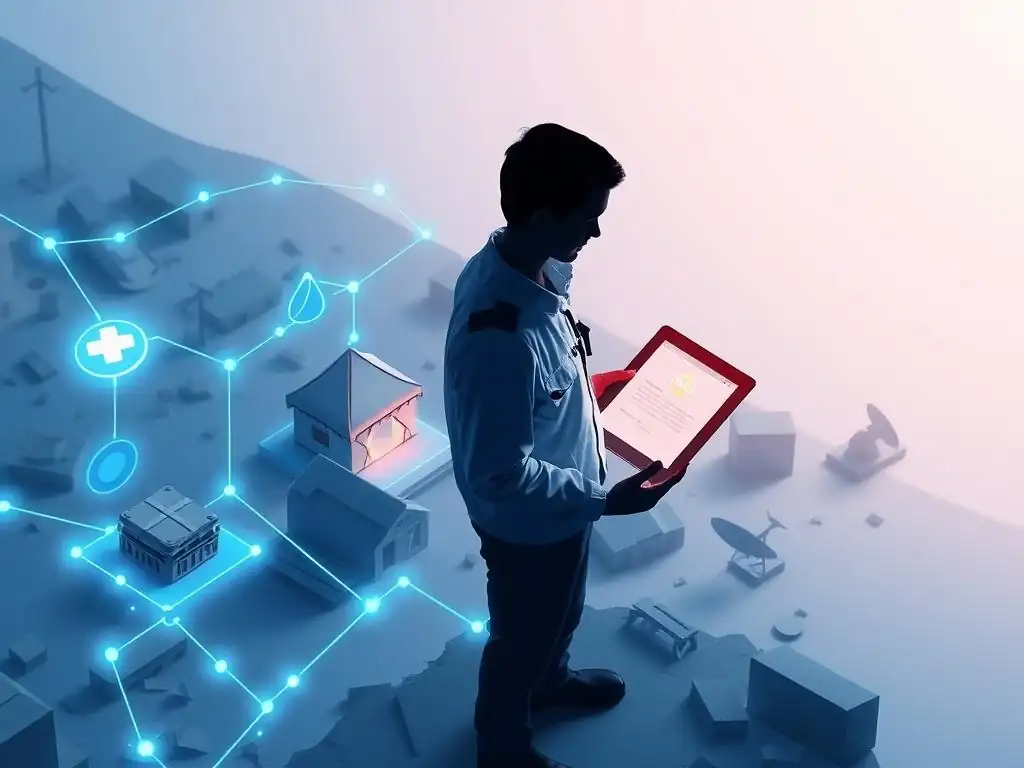
Addressing Scalability Issues in Blockchain-Based Disaster Response Systems
While blockchain offers significant advantages, implementing it at the scale required for a major disaster response presents challenges, particularly concerning scalability. Public blockchains, like Ethereum or Bitcoin, can face limitations in processing a high volume of transactions quickly and cost-effectively, which is essential during a widespread crisis demanding rapid aid distribution to potentially millions of people. Congestion can lead to slow transaction times and high fees.
Solutions are being explored and developed to address these scalability issues. Permissioned or private blockchains, like the one used by WFP's Building Blocks, offer greater control and potentially higher transaction throughput suitable for enterprise-level applications. Layer 2 scaling solutions, which process transactions off the main chain before settling them periodically on the main chain, can also increase capacity. Ongoing research into technologies like sharding and new consensus mechanisms aims to improve the performance of blockchain networks, making them more capable of handling the demands of large-scale Blockchain disaster aid coordination.
Ensuring Interoperability Between Different Blockchain Platforms for Aid Coordination
The landscape of blockchain technology is diverse, with various platforms and protocols available. As different humanitarian organizations or government agencies adopt different blockchain solutions for specific use cases (e.g., one for cash transfers, another for supply chain tracking, a third for identity management), ensuring these systems can communicate and share relevant information becomes crucial for effective coordination. A lack of interoperability can lead to new data silos, defeating some of the benefits of a shared ledger.
Developing standards and protocols that enable different blockchain networks and legacy systems to interact seamlessly is a key challenge. Middleware, APIs, and cross-chain technologies are potential avenues for achieving interoperability. Establishing common data standards for recording aid transactions, recipient information, and supply chain movements across different platforms is also essential. Achieving this level of coordination is vital for maximizing the effectiveness of Blockchain disaster aid coordination efforts when multiple actors are involved.
Regulatory Considerations and Legal Frameworks for Blockchain in Humanitarian Aid
Operating blockchain-based aid programs across different countries involves navigating a complex patchwork of legal and regulatory environments. Regulations regarding digital assets, data privacy (such as GDPR or similar laws), Know Your Customer (KYC), and Anti-Money Laundering (AML) requirements vary significantly from one jurisdiction to another. Using cryptocurrencies or tokens for aid distribution can raise concerns about volatility and compliance with financial regulations.
Establishing clear legal frameworks and obtaining necessary permissions to operate blockchain-based aid programs in recipient countries is critical. This requires close collaboration between humanitarian organizations, blockchain developers, local governments, and international bodies. Addressing concerns around data ownership, privacy, and accountability within a decentralized system is also necessary to build trust and ensure compliance. Navigating this regulatory landscape is a significant step towards widespread adoption of Blockchain disaster aid coordination.
The Future of Disaster Relief: Blockchain and Decentralized Solutions
The Role of Smart Contracts in Automated Aid Distribution
Smart contracts are self-executing contracts with the terms of the agreement directly written into code. They reside on a blockchain and automatically execute when predefined conditions are met, without the need for intermediaries. In the context of disaster relief, smart contracts can automate various processes, significantly increasing efficiency and reducing manual intervention.
For example, a smart contract could be programmed to automatically release funds to a local partner or directly to recipients once a specific event is verified on the blockchain, such as the delivery of goods to a distribution point or the verification of a recipient's identity via a decentralized identity system. Aid payments could be triggered based on predefined criteria, such as a government-declared state of emergency or data from IoT sensors indicating the scale of damage in an area.
This automation via smart contracts can ensure faster, more reliable, and conditional delivery of aid, revolutionizing Blockchain disaster aid coordination.
Integrating Blockchain with IoT and AI for Comprehensive Disaster Management
The combination of blockchain with other emerging technologies like the Internet of Things (IoT) and Artificial Intelligence (AI) holds immense potential for creating more comprehensive and intelligent disaster management systems. IoT sensors deployed in disaster-prone areas or along supply routes can collect real-time data on environmental conditions, infrastructure integrity, or the status of aid shipments.
This sensor data, once verified and recorded on a blockchain, becomes an immutable and trustworthy source of information. AI algorithms can then analyze this blockchain-verified data to gain deeper insights, predict evolving needs, optimize logistics routes in real-time based on actual conditions, or even identify potential instances of fraud or inefficiency by analyzing transaction patterns on the ledger. This integration creates a feedback loop where real-world data informs AI-driven decisions, recorded transparently on the blockchain, leading to more responsive and effective Blockchain disaster aid coordination.
Decentralized Identity and its Impact on Aid Recipient Verification
Verifying the identity of aid recipients, especially in populations displaced by conflict or disaster who may have lost traditional identification documents, is a major challenge. Decentralized Identity (DID) systems, often built on blockchain technology, empower individuals to control their own digital identities and verifiable credentials.
In a DID system, an individual's identity attributes (like name, date of birth, or eligibility status) are cryptographically verified and stored securely, often with references recorded on a blockchain. The individual holds the private key to this identity, allowing them to selectively share verified information with aid agencies without needing to rely on centralized databases or physical documents. This approach can significantly improve the speed, accuracy, and security of recipient verification, ensuring that aid reaches the right people while protecting their privacy, a crucial component for effective Blockchain disaster aid coordination.
Blockchain for Disaster Preparedness: Building Resilient Communities
Using Blockchain for Secure Data Storage of Vulnerable Populations
Disaster preparedness involves identifying and having ready access to information about vulnerable populations, such as the elderly, those with disabilities, or individuals with specific medical needs. Securely storing sensitive data like medical histories, family contacts, and location details before a disaster is critical for targeted assistance and rescue efforts. However, traditional centralized databases are vulnerable to physical destruction during a disaster or cyberattacks.
Blockchain technology offers a potential solution for creating secure, decentralized, and resilient data storage systems. While sensitive data itself might be stored off-chain in encrypted form, hashed or encrypted references to this data can be stored on a distributed ledger. This ensures that even if physical infrastructure is destroyed, the immutable record on the blockchain persists, indicating where encrypted data is stored and providing a secure mechanism for authorized parties (like emergency responders or medical personnel) to access it using cryptographic keys when needed. This preparedness measure strengthens the foundation for future Blockchain disaster aid coordination.
Fostering Community Engagement and Participation in Disaster Response through Blockchain
Beyond top-down aid distribution, blockchain can also empower affected communities and foster bottom-up participation in disaster response. Transparent blockchain-based donation platforms can allow individuals worldwide to send funds directly to affected communities or specific local projects, bypassing large international intermediaries. This can build trust and encourage greater community ownership.
Furthermore, blockchain-based token systems could potentially be used within communities to manage resources, coordinate local efforts, or even provide a transparent mechanism for community members to provide feedback on the effectiveness of aid received. By providing tools for transparent resource management and direct participation, blockchain can help build more resilient communities that are better equipped to respond to and recover from disasters, integrating local knowledge and efforts into overall Blockchain disaster aid coordination.
Conclusion: Blockchain's Transformative Impact on Disaster Aid
The Potential of Blockchain to Create a More Efficient and Equitable Disaster Relief System
The challenges inherent in traditional disaster relief – lack of transparency, inefficiency, potential for fraud, and logistical complexities – are significant hurdles in delivering timely and effective aid. Blockchain technology, with its core attributes of transparency, immutability, security, and distributed trust, offers compelling solutions to many of these problems. From enhancing the visibility of fund flows and supply chains to accelerating aid delivery and reducing corruption, blockchain has the potential to fundamentally transform how humanitarian assistance is provided in times of crisis.
Real-world examples, such as the World Food Programme's success with cash transfers in Jordan and Oxfam's exploration of aid delivery in remote areas, demonstrate that the application of blockchain in this domain is not just theoretical but is already yielding tangible benefits. While challenges related to scalability, interoperability, and regulation remain, ongoing development and collaborative efforts are steadily paving the way for wider adoption. The potential of Blockchain disaster aid coordination to create a more efficient, accountable, and equitable system for helping those affected by disasters is immense.
Call to Action: Encouraging Collaboration and Innovation in Blockchain-Based Humanitarian Solutions
The promise of blockchain technology in revolutionizing disaster aid can only be fully realized through continued innovation and concerted collaboration. Technologists must work hand-in-hand with humanitarian experts to build user-friendly, scalable, and robust blockchain platforms tailored to the unique and challenging environments of emergency response. Aid organizations should actively explore pilot programs and integrate successful blockchain solutions into their operations, sharing lessons learned across the sector.
Governments and international bodies have a crucial role to play in developing supportive regulatory frameworks that facilitate the responsible use of blockchain in humanitarian contexts while addressing potential risks. Finally, the global community of donors and the public can support initiatives that leverage technology for greater transparency and impact. By fostering a collaborative ecosystem focused on leveraging decentralized technologies, we can collectively build a more resilient and responsive global system for Blockchain disaster aid coordination, ensuring that aid reaches those who need it most, faster and more effectively than ever before.
Frequently Asked Questions
How can blockchain technology improve disaster aid coordination?
Blockchain offers a secure and transparent platform for tracking donations and ensuring aid reaches the intended recipients, minimizing corruption and improving accountability. This builds trust among donors and aid organizations.
What are the key challenges in traditional disaster aid distribution that blockchain can address?
Traditional systems often suffer from lack of transparency, inefficiencies in logistics, and difficulties in verifying the identity of beneficiaries. Blockchain can solve these issues through its immutable ledger and decentralized nature.
What are some real-world examples of blockchain being used for disaster relief?
While still nascent, some pilot projects are using blockchain for transparent fund disbursement and to create digital identities for affected individuals to streamline aid delivery, enhancing resource allocation.
How does blockchain ensure accountability and prevent fraud in disaster aid?
The immutable nature of blockchain records makes it difficult to tamper with data. Smart contracts can automate fund disbursement based on pre-defined criteria, reducing human error and preventing fraudulent activities.
What are the potential limitations or drawbacks of using blockchain for disaster aid coordination?
Scalability issues, regulatory uncertainties, and the need for technological infrastructure in disaster-stricken areas can pose challenges. Digital literacy among beneficiaries is also crucial for effective implementation.
Final Reflection: Empowering Resilience Through Transparency
The exploration of blockchain's potential in disaster aid coordination reveals a powerful truth: technology, when ethically applied, can be a lifeline in the face of unimaginable adversity. The ability to streamline aid distribution, ensure transparency, and combat corruption during emergencies is not just a theoretical possibility; it's a tangible solution ready to be implemented and refined, promising a more equitable and effective response to global crises.
This innovative application of blockchain is not merely a technological advancement; it's a shift in how we approach humanitarian aid. Witnessing the potential for decentralized, immutable records to cut through bureaucratic red tape and get resources to those who need them most is profoundly inspiring. It underscores the importance of embracing innovation to address some of the world's most pressing challenges. The ultimate measure of a man is not where he stands in moments of comfort and convenience, but where he stands at times of challenge and controversy.
- Martin Luther King, Jr. This quote resonates deeply, reminding us that our actions during crises define our humanity.
As you reflect on the potential of blockchain disaster aid coordination, consider how you can contribute to building a more resilient and compassionate world. What role can you play in advocating for the adoption of these technologies, supporting organizations that are pioneering these solutions, or simply raising awareness about the need for more efficient and transparent disaster relief efforts? The future of humanitarian aid is being written now, and your voice, your actions, can help shape a future where aid reaches those in need quickly, effectively, and without corruption.
Ignite Change: Become a Blockchain-Powered First Responder!
Thank you for exploring how blockchain is transforming disaster relief efforts. Now that you understand its potential to enhance coordination and transparency during emergencies, it's time to take action.
Here’s how you can contribute to building a more resilient future:
- Sign up to volunteer with an organization utilizing blockchain technology for disaster relief. Your skills can help coordinate aid and ensure resources reach those in need efficiently.
- Research existing blockchain projects focused on disaster response. Identify one that resonates with you and share its mission with your network to raise awareness.
- Consider contributing to open-source blockchain platforms dedicated to disaster relief. Even small contributions can make a significant difference.
What skills or ideas do you have that could support blockchain-based disaster response initiatives? Share your thoughts in the comments below!
Leave a Reply