
Ethical Mining and Metals: Blockchain for Responsible Resource Management


Welcome to Blockchain Trends, your guide to understanding the revolutionary impact of blockchain beyond the hype.
Dive into a world where decentralized technology reshapes industries and creates new possibilities. Ever wondered how blockchain can contribute to ethical and sustainable practices? Our featured article explores the critical role of responsible blockchain resource management systems in driving positive change. Uncover the potential of blockchain to revolutionize transparency and accountability in industries like mining and metals, and discover how it's paving the way for a more ethical and sustainable future. What if we could ensure every step of the supply chain is transparent and traceable? Read on to find out...
Ethical Mining and Metals: Blockchain for Responsible Resource Management
- The Urgent Need for Ethical Mining Practices
- Blockchain: A Solution for Transparent and Accountable Resource Management
- Implementing Responsible Blockchain Resource Management Systems
- Benefits of Blockchain in Ethical Mining and Metals
- Use Cases: Blockchain Applications in Ethical Mining
- Overcoming Challenges to Blockchain Adoption in Mining
- The Future of Responsible Blockchain Resource Management Systems
- Case Study: Minsur Implementing Blockchain for Tin Traceability
- Conclusion: Blockchain as a Catalyst for Ethical and Sustainable Mining
-
Frequently Asked Questions
- What is the core problem that Ethical Mining and Metals: Blockchain for Responsible Resource Management aims to address?
- How can blockchain technology contribute to responsible resource management in the mining sector?
- What are some potential enterprise applications of blockchain in the mining and metals industry?
- How does the initiative address the regulatory landscape surrounding blockchain and responsible resource management?
- What does the future hold for decentralized systems in the context of Responsible blockchain resource management systems?
- Final Reflection: Forging a Future of Ethical Extraction
- Unearth a More Ethical Future: Take Action Now!
The Urgent Need for Ethical Mining Practices
Challenges in Traditional Mining and Metal Supply Chains
The traditional supply chains for minerals and metals are notoriously complex, often involving numerous intermediaries between the mine site and the final product manufacturer or consumer. This complexity creates significant challenges in establishing transparency and accountability. Tracing the origin of materials like gold, cobalt, tin, or rare earth elements through multiple layers of refiners, traders, and component manufacturers is extremely difficult.
This opacity allows for the easy laundering of illegally extracted minerals, often linked to conflict zones, funding illicit activities, or sourced from operations with severe human rights or environmental abuses. The lack of a unified, verifiable record makes due diligence onerous and often ineffective for companies aiming for ethical sourcing.
Furthermore, the fragmented nature of data sharing within these traditional systems exacerbates the problem. Information about the mine of origin, extraction methods, labor conditions, and environmental impact is often kept in disparate, non-interoperable databases held by different stakeholders.
There is no single source of truth that can be easily accessed and verified by all parties, including regulators, auditors, and consumers. This makes it challenging to build trust and verify claims of ethical sourcing, contributing to a global market where it is difficult to distinguish between responsibly and irresponsibly sourced materials, thereby perpetuating unethical practices by providing a route to market.
Unethical mining practices have devastating environmental consequences. Artisanal and small-scale mining (ASM), while providing livelihoods for millions, can often involve the widespread use of toxic chemicals like mercury and cyanide for mineral extraction, leading to severe contamination of soil, water, and air. Large-scale industrial mining, if not properly regulated and managed, can result in significant habitat destruction, deforestation, soil erosion, and water pollution from tailings dams and acid mine drainage. Estimates suggest that mining activities globally are responsible for a substantial portion of environmental degradation in resource-rich regions, impacting biodiversity and climate.
Beyond environmental damage, unethical mining is frequently associated with grave social issues. These include forced labor, child labor, dangerous working conditions leading to frequent accidents, displacement of local communities without adequate compensation, and fueling conflict, particularly in regions rich in high-value minerals like coltan or diamonds. The lack of transparency in supply chains makes it difficult for companies and consumers to ensure that the products they purchase are not contributing to these human tragedies. Implementing responsible blockchain resource management systems is crucial to help mitigate these widespread and deeply ingrained problems.
Blockchain: A Solution for Transparent and Accountable Resource Management
How Blockchain Technology Enhances Supply Chain Visibility
Blockchain technology offers a fundamentally new way to manage and track assets, including raw materials like minerals and metals, throughout their journey from extraction to end product. By creating a distributed, shared ledger that records every transaction or movement of a material, blockchain provides an unprecedented level of transparency across the entire supply chain.
Each step, such as mining, transportation, refining, manufacturing, and distribution, can be recorded as a block of data linked cryptographically to the previous block. This chain of blocks forms an immutable history that is visible to all authorized participants in the network, replacing opaque, siloed databases.
This enhanced visibility allows stakeholders – from miners and refiners to manufacturers and consumers – to verify the provenance and journey of materials. For instance, a manufacturer can trace a batch of cobalt back to its specific mine of origin, verifying its location and potentially associated certifications. This level of granular tracking makes it significantly harder for illicitly sourced materials to enter the legitimate supply chain undetected. It provides the foundational data necessary for building effective responsible blockchain resource management systems that can monitor and verify ethical claims at each stage.
Immutability and Traceability: Key Blockchain Features for Ethical Mining
The immutability of blockchain is a critical feature for ensuring the integrity of resource management data. Once a transaction or data point is recorded on the blockchain, it cannot be altered or deleted without the consensus of the network, making it tamper-evident. This is vital in supply chains where data manipulation could be used to hide unethical practices or the true origin of minerals. Unlike traditional databases that can be easily modified, a blockchain record provides a reliable, unchangeable history of a material's journey, building trust among participants.
Traceability, enabled by immutability, allows for the creation of a verifiable audit trail for every unit or batch of mineral. Each step, from the point of extraction (often referred to as "mine of origin") through various processing stages to the final product, can be linked to a unique digital identifier on the blockchain.
This digital thread allows anyone with access to the ledger to follow the material's path and verify its provenance and associated data, such as ethical certifications or environmental impact reports. This robust traceability is the backbone of effective responsible blockchain resource management systems, providing the means to prove compliance with ethical sourcing standards.
Implementing Responsible Blockchain Resource Management Systems
Building a Blockchain-Based Platform for Mining Traceability
Implementing responsible blockchain resource management systems in the mining and metals sector requires the development or adoption of specialized platforms. These platforms typically involve creating a consortium or network of participants from different stages of the supply chain, including mining companies, logistics providers, refiners, manufacturers, and potentially auditors and regulators. The platform utilizes blockchain technology to create a shared, secure ledger where data points related to the material's identity, location, ownership changes, and associated certifications (e.g., fair labor practices, environmental compliance) are recorded.
Key technical considerations include selecting an appropriate blockchain network (e.g., private, consortium, or public depending on requirements for privacy and decentralization), designing data standards for recording material information, and developing interfaces (like web or mobile applications) for participants to input and access data. The system must be designed to handle the volume and velocity of transactions across complex supply chains and ensure data integrity from the point of origin.
This often involves integrating with existing enterprise systems and potentially using IoT devices at key points to automate data capture, ensuring that the digital twin on the blockchain accurately reflects the physical material flow.
Circulor: A Blockchain Platform for Ethical Mining
Circulor is a prominent example of a company providing a blockchain-based platform specifically designed for supply chain traceability, with a strong focus on ethical sourcing and responsible blockchain resource management systems in complex industries like mining and electric vehicle batteries. Their platform enables companies to track raw materials from source through manufacturing and recycling, providing visibility into their provenance and embedded carbon footprint. They work with companies in the automotive, electronics, and mining sectors to map their supply chains and record key data points on a distributed ledger.
The Circulor platform creates a digital identity for materials and tracks their transformation through various stages – for instance, tracking cobalt from specific artisanal or industrial mines, through refiners in different countries, to battery manufacturers and ultimately into electric vehicles. By recording data such as weight changes, process steps, and associated certificates (like RMI or OECD compliance), they build a verifiable history on the blockchain. This allows end consumers or regulators to have confidence that the materials used in products have been sourced responsibly, demonstrating a practical application of responsible blockchain resource management systems in action.
Benefits of Blockchain in Ethical Mining and Metals
Enhanced Transparency and Accountability in the Supply Chain
One of the most significant benefits of implementing responsible blockchain resource management systems is the dramatic increase in supply chain transparency. Every movement and transformation of a material, from the mine to the final product, can be recorded on an immutable ledger accessible to authorized parties. This eliminates information silos and provides a single, verifiable source of truth about the material's journey and provenance. This transparency makes it significantly harder for unethical practices, such as using conflict minerals or exploiting labor, to remain hidden.
This enhanced transparency directly leads to greater accountability. With a clear, tamper-proof record of responsibility at each stage of the supply chain, it becomes easier to identify where potential issues occurred and hold the relevant parties accountable. Companies can no longer claim ignorance about the source of their materials if they are participating in a responsible blockchain resource management system that provides this data. This pressure for accountability incentivizes stakeholders across the supply chain to adhere to ethical and sustainable practices, knowing their actions are recorded and auditable.
Improved Environmental Stewardship and Sustainability
Responsible blockchain resource management systems can play a crucial role in promoting better environmental practices in mining. By tracking materials from specific mines, the system can link the environmental performance and certifications of those mines to the materials they produce. Data such as energy consumption, water usage, waste generation, and adherence to environmental regulations can be recorded and verified on the blockchain. This allows buyers downstream to preferentially source from mines that demonstrate strong environmental stewardship.
Furthermore, blockchain can facilitate the tracking of materials through recycling loops, supporting the circular economy. By providing a verifiable history of a material's composition and origin, it becomes easier and more cost-effective to identify and recover valuable metals from recycled products. This reduces the need for primary extraction, which in turn lessens the environmental footprint of the metals industry. The transparency offered by these systems encourages investment and participation in sustainable practices across the value chain.
Empowering Local Communities and Miners
Implementing responsible blockchain resource management systems can have a positive impact on local communities and artisanal miners. By providing a verifiable record of origin and fair practices, these systems can help formalize artisanal mining operations and connect them directly to ethical supply chains, ensuring fair prices and better working conditions. For instance, tracking gold from certified fair-mined cooperatives on the blockchain can provide assurance to buyers that their purchase directly supports responsible practices and local development, bypassing exploitative intermediaries.
Transparency regarding payments and transactions recorded on the blockchain can also help ensure that royalties and taxes are paid correctly, benefiting local governments and communities through increased public revenue. By shining a light on the early stages of the supply chain, responsible blockchain resource management systems empower consumers and companies to support operations that respect human rights and contribute positively to local economies, rather than those associated with exploitation and conflict.
Reducing Conflict Minerals and Illegal Mining Activities
A primary driver for adopting responsible blockchain resource management systems in certain sectors is the need to combat conflict minerals and illegal mining. Minerals like tin, tantalum, tungsten, and gold (3TG), as well as cobalt, have been linked to funding armed conflict and human rights abuses in several regions, particularly in Central Africa. Regulatory frameworks like the Dodd-Frank Act in the US and the EU Conflict Minerals Regulation require companies to conduct due diligence on their sourcing of these minerals.
Blockchain provides a powerful tool for this due diligence by creating an immutable, traceable record from the point of extraction. By tagging minerals at the mine site and tracking them through refining and manufacturing, companies can gain assurance that their materials do not originate from conflict zones or illegal operations. This verifiable chain of custody makes it significantly more difficult for conflict minerals to be laundered into the legitimate global market, effectively choking off a funding source for armed groups and reducing the prevalence of illegal and harmful mining activities.
Use Cases: Blockchain Applications in Ethical Mining
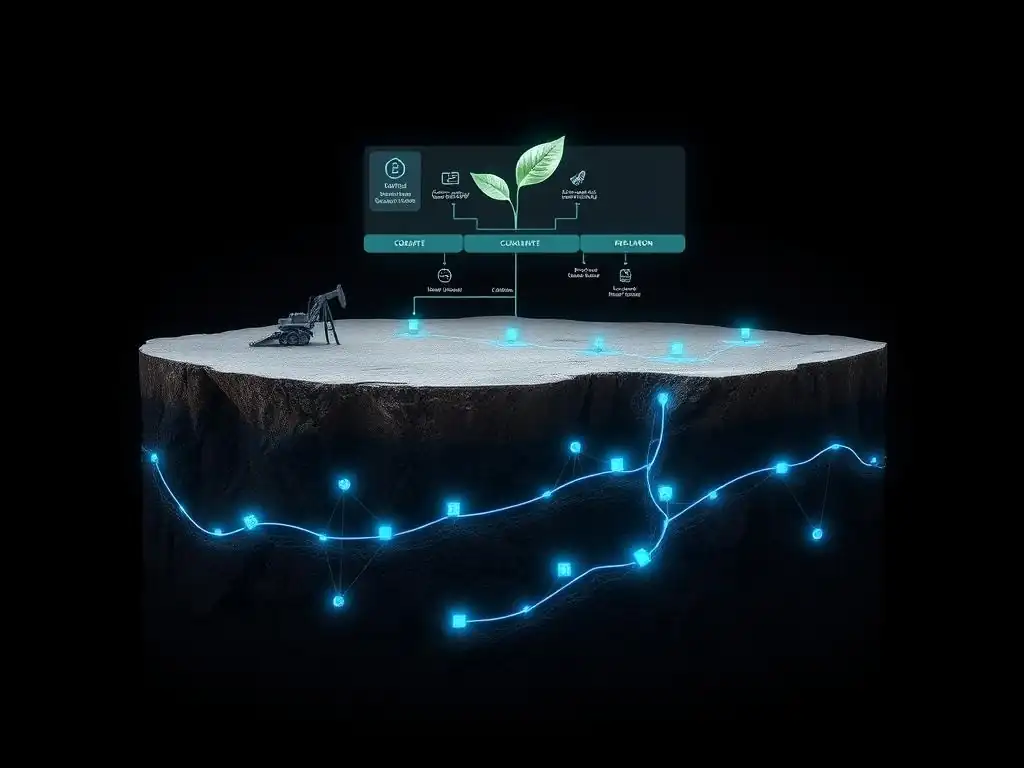
Tracing Gold from Mine to Market with Blockchain
Tracing gold ethically is a significant challenge due to its high value and ease of illicit trade. Responsible blockchain resource management systems are being deployed to create transparent supply chains for gold. Companies are implementing solutions where gold, often in the form of doré bars (partially refined gold), is tagged at the mine site with a unique identifier recorded on a blockchain. As the gold moves through refiners, assayers, and manufacturers, each transaction and transformation is logged, maintaining a digital twin linked to the physical metal.
Platforms allow participants to upload relevant documentation, such as chain of custody forms, assay reports, and ethical certifications (like Fairmined or Conflict-Free Gold Standard). This enables buyers of physical gold or gold-containing products to verify the gold's origin, ensuring it comes from responsible sources that adhere to strict environmental and social standards. This application provides verifiable proof of ethical sourcing, increasing consumer trust and differentiating responsibly produced gold in the market.
Ensuring Responsible Sourcing of Cobalt for Electric Vehicles
The boom in electric vehicles (EVs) has dramatically increased demand for cobalt, a key component in lithium-ion batteries. A significant portion of global cobalt supply comes from regions associated with artisanal mining and concerns about child labor and unsafe conditions. Responsible blockchain resource management systems are becoming essential for EV manufacturers and battery producers to ensure their cobalt is sourced responsibly.
Companies are working to map their complex cobalt supply chains, from artisanal and industrial mines, through aggregators, refiners, and battery component manufacturers. Blockchain platforms are used to record the flow of cobalt, linking batches to specific mines and documenting compliance with due diligence frameworks like the OECD Guidance. This provides manufacturers with the assurance that their cobalt supply chain is auditable and free from the worst human rights abuses, responding to increasing consumer and regulatory pressure for ethical EV batteries.
Verifying the Origin of Diamonds and Precious Metals
The diamond industry has long faced challenges related to "blood diamonds" funding conflict. While the Kimberley Process aims to prevent conflict diamonds, blockchain offers enhanced traceability and verification for diamonds and other precious metals. By creating a unique digital certificate for each stone or batch of metal at its point of origin (mine or authorized rough diamond tender), blockchain can track its journey through cutting, polishing, certification, and retail.
This digital record, often linked to physical markers or laser inscriptions on the stone, provides an immutable history that verifies the diamond's provenance and ethical journey. Retailers and consumers can access this information, gaining confidence that the diamond is conflict-free and sourced responsibly. Similar applications are being explored for other precious metals like platinum and palladium, offering a new level of transparency beyond traditional paper-based certificates.
Overcoming Challenges to Blockchain Adoption in Mining
Scalability and Interoperability Issues
Implementing responsible blockchain resource management systems across vast, global mining supply chains presents significant technical challenges, particularly regarding scalability and interoperability. Public blockchains, while highly decentralized, can face limitations in transaction throughput and speed, which might hinder their ability to track millions of tons of material movements annually across complex networks. Private or consortium blockchains offer better scalability and speed but require governance models among participating companies.
Furthermore, ensuring interoperability between different blockchain platforms used by various actors in the supply chain, or between blockchain systems and legacy enterprise resource planning (ERP) systems, is crucial. Materials often pass through multiple companies, each potentially using different technologies or blockchain networks. Achieving seamless data exchange while maintaining security and privacy is a complex task that requires industry-wide standards and technical solutions like cross-chain protocols or middleware.
Regulatory and Compliance Considerations
The regulatory landscape surrounding blockchain and digital assets is still evolving globally, which can create uncertainty for companies implementing responsible blockchain resource management systems. Regulations related to data privacy (like GDPR), digital identities, and the legal status of blockchain records vary significantly by jurisdiction. Ensuring that a blockchain platform complies with all relevant laws across the entire supply chain, which spans multiple countries, is a complex undertaking.
Additionally, integrating blockchain systems with existing compliance frameworks for mining and metals, such as OECD due diligence guidelines, RMI (Responsible Minerals Initiative) standards, or specific national regulations, requires careful mapping and technical implementation. Proving to auditors and regulators that the blockchain system effectively meets compliance requirements necessitates clear data standards and reporting capabilities. The lack of universally accepted standards for blockchain in supply chain verification also poses a challenge.
Data Privacy and Security Concerns
While blockchain offers inherent security through cryptography and immutability, implementing responsible blockchain resource management systems still requires addressing data privacy and security concerns. Supply chain data, particularly details about production volumes, prices, and customer relationships, is highly sensitive business information. Sharing this data on a distributed ledger, even a permissioned one, raises questions about who has access to what information and how competitive intelligence is protected.
Designing blockchain solutions with appropriate privacy-preserving techniques, such as zero-knowledge proofs or selective data disclosure mechanisms, is essential. Furthermore, securing the interfaces used to input data onto the blockchain is critical, as errors or malicious data entry at the source can compromise the integrity of the entire chain. Ensuring robust cybersecurity measures around the platform and participating nodes is paramount to prevent breaches or manipulation.
Addressing Scalability through Layer-2 Solutions and Interoperability via Cross-Chain Protocols
To combat scalability issues in responsible blockchain resource management systems, particularly for high-volume transactions or large data payloads associated with material tracking, developers are exploring Layer-2 scaling solutions. These technologies, such as state channels or sidechains, process transactions off the main blockchain network while periodically anchoring summaries back to the main chain, significantly increasing throughput and reducing transaction costs. For instance, processing bulk material movements or frequent location updates might leverage a Layer-2 solution before finalizing batches on the main ledger.
Interoperability challenges are being addressed through the development and adoption of cross-chain protocols and industry standards. Cross-chain technologies allow different blockchain networks to communicate and exchange data, enabling a seamless flow of information even if different supply chain participants use different platforms. Initiatives to create common data models and APIs for responsible blockchain resource management systems are also underway, aiming to establish industry-wide frameworks that facilitate data sharing and verification across disparate systems, whether blockchain-based or traditional.
The Future of Responsible Blockchain Resource Management Systems
Integration with IoT and Other Emerging Technologies
The future of responsible blockchain resource management systems lies in deep integration with other emerging technologies, particularly the Internet of Things (IoT). IoT devices, such as GPS trackers, environmental sensors, weight scales, and smart tags, can collect real-time, verifiable data directly from the physical world at various points in the supply chain – from the mine site to transit routes and processing facilities. This data, automatically captured and recorded onto the blockchain, reduces the reliance on manual data entry, which is prone to error or manipulation.
Combining blockchain's immutable ledger with real-time IoT data creates a powerful system for monitoring and verifying the physical flow and conditions of materials. For example, sensors can record temperature and humidity during transit, while GPS trackers confirm location and route adherence. This integration enhances the accuracy and trustworthiness of the data on the blockchain, providing a more comprehensive and reliable picture of the supply chain and strengthening the foundation for effective responsible blockchain resource management systems.
The Role of Smart Contracts in Ensuring Ethical Practices
Smart contracts, self-executing contracts with the terms of the agreement directly written into code, will play an increasingly vital role in responsible blockchain resource management systems. These automated agreements can be programmed to trigger specific actions or release funds automatically when predefined ethical or sustainability conditions are met and verified on the blockchain. For instance, a smart contract could release payment to a mining cooperative only after blockchain data confirms that a shipment originated from a certified site and associated environmental data meets specified thresholds.
Smart contracts can also automate compliance checks and penalty mechanisms. They can flag transactions or shipments that deviate from established ethical sourcing rules or fail to provide required documentation on the blockchain. This automation reduces the need for manual oversight, increases efficiency, and ensures consistent enforcement of ethical standards across the supply chain, making responsible blockchain resource management systems more proactive and effective in preventing non-compliant activities.
The Growing Demand for Responsibly Sourced Metals
Consumer and regulatory demand for responsibly sourced products, including those containing metals and minerals, is steadily increasing. Consumers are becoming more aware of the environmental and social impact of their purchases and are actively seeking products certified as ethically produced. This growing demand is putting pressure on manufacturers and brands, who in turn are demanding greater transparency and accountability from their suppliers further up the chain, including mining companies and refiners.
This market pressure is a significant driver for the adoption of responsible blockchain resource management systems. Companies that can credibly demonstrate the ethical provenance of their materials through verifiable blockchain records gain a competitive advantage, building trust with consumers and meeting regulatory requirements. As this demand grows, the investment and implementation of these blockchain-based systems will likely accelerate, transforming standard practice in the mining and metals industry towards greater responsibility and sustainability.
Case Study: Minsur Implementing Blockchain for Tin Traceability
The Problem: Lack of Transparency in Tin Supply Chain and Concerns over Illegal Mining
Minsur, a major global tin producer, faced significant challenges common to the mining industry, particularly regarding transparency in their supply chain. While Minsur operates large-scale, responsible mining operations, the broader tin supply chain involves complex routes and various intermediaries. There were concerns among downstream users and regulators about the potential for tin originating from illegal mining operations or areas with poor social and environmental practices to enter the legitimate supply chain, even inadvertently, through trading and refining processes.
Traditional paper-based documentation and fragmented data systems made it difficult to provide definitive, end-to-end proof of origin and ethical sourcing for every batch of tin. This lack of verifiable transparency posed a risk to Minsur's reputation and made it harder for their customers, particularly those in electronics and automotive sectors concerned about conflict minerals and responsible sourcing, to conduct their own due diligence effectively. There was a clear need for a more robust and trustworthy system to track tin from Minsur's mines through processing and distribution.
The Solution: Partnering with Circulor to Implement Blockchain for End-to-End Tin Traceability
To address these challenges and enhance the transparency and accountability of their tin supply chain, Minsur partnered with Circulor, a leading provider of responsible blockchain resource management systems for raw materials. The solution involved implementing Circulor's blockchain platform to create a digital trace of Minsur's tin concentrate from its mine site in Peru. The process began by tagging the material at the source and recording key data points on the blockchain as it moved through Minsur's operations.
As the tin concentrate was processed, transported, and refined, each step was documented on the distributed ledger. The system captured data related to weight, location, process type, and ownership changes. Importantly, it also linked the physical material to digital records verifying its origin from Minsur's certified mine and documenting compliance with responsible sourcing standards. This created an immutable, verifiable history of the tin's journey, accessible to authorized participants on the platform.
The Results: Improved Transparency, Reduced Risk of Sourcing from Illegal Mines, Enhanced Stakeholder Trust
The implementation of the blockchain-based traceability system yielded significant results for Minsur and its stakeholders. Firstly, it provided unprecedented end-to-end transparency for their tin supply chain. Customers and auditors could now access a verifiable record on the blockchain, confirming the origin and journey of the tin they purchased directly from Minsur's responsible mining operations. This dramatically improved the ability to perform due diligence.
Secondly, by creating a clear, verifiable chain of custody from Minsur's mine, the system significantly reduced the risk that tin sourced from illegal operations could be inadvertently mixed or substituted within Minsur's traceable supply chain. This strengthened Minsur's position as a responsible supplier. Finally, the enhanced transparency and verifiable data built greater trust among downstream partners and regulators, demonstrating Minsur's commitment to ethical sourcing and responsible blockchain resource management systems in practice. This case exemplifies how blockchain can be applied to complex metal supply chains to meet growing demands for ethical and sustainable materials.
Conclusion: Blockchain as a Catalyst for Ethical and Sustainable Mining
Embracing Responsible Blockchain Resource Management Systems for a Better Future
The mining and metals industry stands at a critical juncture, facing increasing pressure to address its significant environmental and social impacts. Traditional supply chain management systems, characterized by opacity and fragmentation, have proven inadequate in ensuring ethical sourcing and responsible practices. However, emerging technologies, particularly blockchain, offer a transformative solution by providing the necessary infrastructure for transparency, traceability, and accountability. Implementing responsible blockchain resource management systems is not merely a technical upgrade but a fundamental shift towards verifiable sustainability and ethics in resource extraction and distribution.
By creating immutable records of material provenance, processing, and associated data like certifications and environmental metrics, blockchain empowers stakeholders across the value chain to make informed decisions and hold parties accountable. From combating conflict minerals and illegal mining to promoting fair labor practices and environmental stewardship, responsible blockchain resource management systems provide the tools required to build truly ethical supply chains. Embracing these systems represents a commitment to a future where the extraction of valuable resources contributes to sustainable development and respects human rights, ensuring a better future for communities, the environment, and the industry itself.
Frequently Asked Questions
What is the core problem that Ethical Mining and Metals: Blockchain for Responsible Resource Management aims to address?
This initiative tackles the lack of transparency and accountability in the mining and metals supply chains. It aims to ensure ethical sourcing and responsible resource management.
How can blockchain technology contribute to responsible resource management in the mining sector?
Blockchain provides an immutable ledger for tracking materials from origin to end-user. This enhances traceability and transparency, making it harder to conceal unethical practices.
What are some potential enterprise applications of blockchain in the mining and metals industry?
Beyond tracking, blockchain can facilitate smart contracts for fair agreements, improve supply chain efficiency, and enable verified provenance for consumers.
How does the initiative address the regulatory landscape surrounding blockchain and responsible resource management?
The initiative aims to align with emerging regulations by promoting compliance standards and supporting transparent reporting mechanisms. It also advocates for responsible blockchain implementation.
What does the future hold for decentralized systems in the context of Responsible blockchain resource management systems?
The future envisions fully decentralized and transparent supply chains where stakeholders can verify ethical sourcing. This promotes consumer trust and drives sustainable practices in the industry.
Final Reflection: Forging a Future of Ethical Extraction
The promise of blockchain technology to revolutionize resource management is now inextricably linked to the urgent need for ethical mining practices. What began as a theoretical exploration of decentralized ledgers has rapidly evolved into a tangible solution for ensuring transparency and accountability within the often-opaque world of metal extraction. The stakes are high, and the potential for positive change is immense.
This journey into responsible blockchain resource management systems has profoundly impacted my understanding of the complex interplay between technology, ethics, and environmental stewardship. Witnessing the potential for blockchain to empower communities and hold corporations accountable has been truly inspiring. The earth is what we all have in common.
- Wendell Berry. This quote encapsulates the shared responsibility we have to protect our planet and its resources, and blockchain offers a powerful tool to achieve that goal.
Now, it's your turn. Consider how you can contribute to a future where technology serves as a catalyst for ethical and sustainable practices. Reflect on the power of transparency and accountability, and ask yourself: how can you advocate for responsible blockchain resource management systems in your own sphere of influence? The future of our planet depends on our collective commitment to building a more just and sustainable world.
Unearth a More Ethical Future: Take Action Now!
Thank you for exploring how blockchain is transforming ethical mining and responsible metals management. We hope this article has inspired you to recognize the significant potential of this technology in promoting sustainable resource practices. Now, it's time to turn insights into action.
Here’s how you can contribute to a more transparent and sustainable future:
- Learn More: Research specific blockchain-based mining initiatives and see how they are promoting ethical practices. Discover how technology is actively being used to ensure responsible sourcing.
- Share This Message: Spread awareness by sharing this article on social media to encourage discussions about responsible sourcing and the role of blockchain technology.
- Join the Conversation: Participate in the comments below! Share your thoughts on the biggest challenges facing ethical mining today and how blockchain can help overcome them.
What small step can you take today to support ethically sourced metals and minerals? Let us know in the comments!
Leave a Reply