
Ethical Pharmaceuticals: Blockchain for Secure and Transparent Drug Supply Chains


Welcome to Blockchain Trends, your premier source for understanding the revolutionary impact of blockchain technology.
Imagine a world free from counterfeit drugs, where every step of the pharmaceutical supply chain is transparent and secure. Our in-depth analysis, "Ethical Pharmaceuticals: Blockchain for Secure and Transparent Drug Supply Chains," delves into how blockchain is being leveraged to create a verifiable and ethical system, ensuring patient safety and building trust. Are you ready to explore the potential of blockchain to revolutionize the pharmaceutical industry and beyond? Let's dive in and uncover the future of secure drug supply!
Ethical Pharmaceuticals: Blockchain for Secure and Transparent Drug Supply Chains
- Introduction: Addressing Pharmaceutical Supply Chain Challenges with Blockchain
- The Problem: Counterfeit Drugs and Lack of Transparency in Pharmaceutical Supply Chains
- Blockchain's Solution: Enhancing Security and Transparency in Drug Distribution
-
Benefits of Blockchain in Pharmaceutical Supply Chain Management
- Improved Drug Provenance and Authentication using Blockchain
- Enhanced Patient Safety: Reducing the Risk of Counterfeit Drugs
- Streamlined Supply Chain Operations: Increased Efficiency and Reduced Costs
- Real-Time Tracking and Monitoring of Pharmaceutical Products
- Increased Trust and Transparency for Consumers and Stakeholders
- Implementing Blockchain for Secure Drug Supply: Key Considerations
- Use Cases: Blockchain in Action for Pharmaceutical Security
- Overcoming Challenges and Future Trends in Blockchain for Pharmaceuticals
- Conclusion: Blockchain as a Catalyst for Ethical and Secure Pharmaceuticals
-
Frequently Asked Questions
- How does blockchain enhance the security of the drug supply chain?
- Can blockchain help prevent the distribution of counterfeit drugs?
- What role does transparency play in blockchain-secured drug supply chains?
- What are the potential benefits of implementing blockchain in the pharmaceutical industry beyond security?
- How might regulations impact the adoption of blockchain technology in drug supply chains?
- Final Reflection: Securing Health, Empowering Trust
- Empower Ethical Healthcare: Trace Your Medications!
Introduction: Addressing Pharmaceutical Supply Chain Challenges with Blockchain
The pharmaceutical industry faces significant challenges in ensuring the integrity and safety of its global supply chains. From manufacturing through distribution to the patient, drugs must navigate complex networks susceptible to counterfeiting, diversion, and tampering. These vulnerabilities not only lead to substantial financial losses but, more critically, pose severe risks to public health, potentially causing illness or even death.
Blockchain technology, widely recognized for its role in cryptocurrencies, offers a powerful and innovative solution to these long-standing issues. Its inherent characteristics of immutability, transparency, and decentralization provide a robust framework for building secure and transparent drug supply chains. By creating a shared, tamper-proof ledger of transactions and product movements, blockchain can revolutionize how pharmaceuticals are tracked and verified, paving the way for truly ethical and secure drug distribution.
The Urgent Need for Transparency in the Pharmaceutical Industry
Transparency is paramount in the pharmaceutical industry to build trust among patients, healthcare providers, and regulators. Currently, opaque supply chains make it difficult to verify the origin, authenticity, and handling history of medications. This lack of visibility contributes directly to the proliferation of counterfeit drugs and allows legitimate products to be diverted or improperly stored, compromising their efficacy and safety.
Estimates suggest the market for counterfeit drugs is vast, potentially reaching hundreds of billions of dollars annually. The World Health Organization (WHO) has reported that in some parts of Asia, Africa, and Latin America, up to 30% of medicines on the market may be counterfeit. Achieving greater transparency by implementing a blockchain secure drug supply system is not just a matter of compliance or efficiency; it is a critical public health imperative to protect patients from harmful or ineffective treatments.
How Blockchain Technology Can Revolutionize Drug Supply Chains
Blockchain technology provides a decentralized, distributed ledger that records every transaction and interaction within the supply chain in a way that is transparent and tamper-proof. Each block of data, representing a step in the drug's journey (e.g., manufacturing, packaging, shipping, dispensing), is cryptographically linked to the previous one, creating an immutable chain. This structure ensures that once data is recorded, it cannot be altered or deleted without consensus from network participants.
Implementing a blockchain secure drug supply chain means creating a shared, verifiable history for every unit of medication. Stakeholders, including manufacturers, distributors, pharmacies, and even regulators, can access this shared ledger (with appropriate permissions) to track a drug's movement from its point of origin to the point of dispensing. This level of visibility and data integrity is unprecedented in traditional systems and forms the foundation for enhanced security, authenticity, and accountability within the pharmaceutical supply chain.
The Problem: Counterfeit Drugs and Lack of Transparency in Pharmaceutical Supply Chains
The global pharmaceutical supply chain is a complex, multi-tiered network involving numerous parties across international borders. This complexity, combined with varying regulatory environments and technological disparities, creates fertile ground for illicit activities, most notably the production and distribution of counterfeit pharmaceuticals. The lack of a unified, transparent tracking system exacerbates these vulnerabilities, making it difficult to distinguish genuine products from fakes.
Furthermore, traditional paper-based records or disparate electronic databases are susceptible to errors, loss, or malicious alteration. This makes reconstructing a drug's history challenging and unreliable. The absence of real-time, verifiable data contributes to inefficiencies, delays, and a general lack of trust among supply chain partners and the public. Addressing these fundamental issues requires a transformative approach that can provide end-to-end visibility and ensure the integrity of product information.
The Global Impact of Counterfeit Pharmaceuticals: A Growing Threat
Counterfeit pharmaceuticals represent a significant global health and economic threat. These fake medications may contain incorrect ingredients, insufficient or excessive dosages, or even toxic substances. They can fail to treat diseases effectively, cause adverse reactions, or lead to death. The WHO estimates that hundreds of thousands of deaths annually in developing countries could be linked to substandard and counterfeit medicines.
Beyond the human cost, the economic impact is staggering. The global trade in counterfeit goods, including pharmaceuticals, is estimated to be worth hundreds of billions of dollars annually. This illicit trade undermines legitimate businesses, erodes consumer trust, and deprives governments of tax revenue. The implementation of a robust blockchain secure drug supply system is crucial to combatting this pervasive and dangerous problem, protecting both public health and the integrity of the legitimate industry.
Current Vulnerabilities in Traditional Pharmaceutical Supply Chain Management
Traditional pharmaceutical supply chains often rely on fragmented systems and manual processes, creating numerous points of vulnerability. Paper-based records are easily forged or lost. Electronic databases used by different companies may not interoperate, leading to data silos and a lack of end-to-end visibility. Hand-offs between parties – manufacturers, wholesalers, distributors, pharmacies – represent potential points for diversion or the introduction of counterfeit products.
The lack of a single, authoritative source of truth makes verifying a drug's provenance difficult. If a batch of medication is compromised, tracing its origin and path through the supply chain can be a slow and arduous process, hindering timely recalls and investigations. These inherent weaknesses highlight the urgent need for a more secure, interconnected, and transparent system, such as one built on a secure drug supply chain blockchain, to safeguard the integrity of medications.
Lack of Traceability and Authentication: Key Challenges
A primary challenge in traditional pharmaceutical supply chains is the limited ability to trace a product comprehensively from its origin to the patient. While some tracking mechanisms exist, they are often limited in scope, lack interoperability, or are not sufficiently tamper-proof. Proving the authenticity of a specific drug package at any point in the chain, especially at the point of dispense, remains difficult without robust authentication mechanisms.
This lack of granular traceability means that identifying where and when a counterfeit entered the chain or where a legitimate product was diverted is incredibly challenging. Authentication often relies on physical security features that can be replicated or complex verification processes that are not feasible at scale. A blockchain secure drug supply solution offers a foundational layer of immutable traceability and supports advanced authentication methods, directly addressing these critical shortcomings.
Blockchain's Solution: Enhancing Security and Transparency in Drug Distribution
Blockchain technology offers a paradigm shift in how pharmaceutical supply chains are managed, providing a decentralized and transparent ledger that enhances security and builds trust. By recording every transaction and movement of a drug package as a block on the chain, it creates an indisputable audit trail accessible to authorized parties. This inherent transparency makes it significantly harder for illicit activities like counterfeiting or diversion to go unnoticed.
Furthermore, the decentralized nature of blockchain reduces reliance on single points of authority or vulnerable central databases. Data is distributed across a network of participants, making it highly resilient to cyberattacks or data breaches targeting a single entity. This distributed architecture, combined with cryptographic security, forms the core of a blockchain secure drug supply system, providing a robust defense against tampering and fraud.
Blockchain for Pharmaceutical Traceability: A Comprehensive Overview
Blockchain enables item-level traceability for pharmaceutical products, meaning that individual drug packages or serialized units can be tracked throughout their entire lifecycle. When a drug is manufactured, a unique identifier (like a serial number) is associated with its initial entry onto the blockchain. Subsequent events, such as packaging, shipping, receiving by a distributor, and dispensing to a pharmacy, are recorded as transactions linked to this unique identifier.
This creates a complete, chronological, and verifiable history for each product unit. Stakeholders with appropriate access can query the blockchain to view the entire chain of custody for a specific drug package, including timestamps, locations, and the parties involved at each step. This comprehensive level of traceability provided by a secure drug supply chain blockchain is essential for verifying authenticity, conducting targeted recalls, and investigating discrepancies.
Immutable Records: Ensuring Data Integrity and Preventing Tampering
One of the most powerful features of blockchain is its immutability. Once a transaction or data point is added to the blockchain and validated by the network, it is virtually impossible to alter or delete it without the consensus of a majority of network participants. This is achieved through cryptographic hashing, where each new block contains a hash of the previous block, creating a secure, linked chain.
In the context of a blockchain secure drug supply, this means that records of manufacturing dates, expiration dates, handling conditions (if integrated with sensors), and chain of custody cannot be tampered with undetected. Any attempt to alter past data would break the cryptographic link in the chain, immediately alerting network participants to the fraudulent activity. This ensures the integrity and reliability of the data used to verify a drug's legitimacy and history.
Decentralized Verification: Enhancing Trust and Accountability
Traditional supply chains often rely on trust between individual parties, which can be challenging to verify across a complex network. Blockchain introduces a system of decentralized verification. Transactions are validated by multiple participants in the network (depending on the blockchain type, e.g., proof-of-work or proof-of-stake) before being added to the ledger. This distributed validation process reduces the risk of collusion or errors introduced by a single entity.
Furthermore, the transparent nature of the blockchain allows authorized parties to audit the supply chain process, increasing accountability. If a discrepancy arises, the immutable ledger provides a clear record of which entity handled the product at which point in time, facilitating investigations and assigning responsibility. This decentralized verification and inherent accountability are key benefits of using blockchain for pharmaceutical security, building a foundation of trust among stakeholders.
Benefits of Blockchain in Pharmaceutical Supply Chain Management
Implementing a blockchain secure drug supply chain offers a multitude of benefits that address critical pain points in the industry. These advantages span improved security, enhanced patient safety, increased operational efficiency, and greater trust across the ecosystem. The adoption of this technology represents a significant step towards modernizing and securing the distribution of essential medicines.
From reducing the influx of dangerous counterfeit drugs to streamlining the complex logistics of drug distribution, the benefits are far-reaching. A secure drug supply chain blockchain provides a single, verifiable source of truth that can be accessed by all authorized stakeholders, replacing fragmented systems and manual processes. This leads to a more resilient, transparent, and efficient supply chain that ultimately benefits patients.
Improved Drug Provenance and Authentication using Blockchain
Blockchain technology provides an unparalleled level of drug provenance, creating a complete and verifiable history of a medication from its manufacturing facility to the point of dispense. By recording every step of the journey on an immutable ledger, stakeholders can easily track a drug's origin, manufacturing batch information, handling history, and chain of custody. This detailed history is essential for verifying the legitimacy of a product.
Authentication is also significantly improved. By scanning a serialized identifier on a drug package (like a 2D matrix code), authorized users – including pharmacists and potentially even patients – can query the blockchain to instantly verify the drug's provenance and confirm that its recorded history matches expectations. This ability to quickly and reliably authenticate drugs at any point in the supply chain is a major advantage of using blockchain for pharmaceutical security, directly combating the threat of counterfeits.
Enhanced Patient Safety: Reducing the Risk of Counterfeit Drugs
The most significant benefit of a blockchain secure drug supply is the direct enhancement of patient safety. By providing an effective means to track and authenticate medications, blockchain makes it significantly harder for counterfeit, substandard, or illegally diverted drugs to reach patients. The increased transparency and traceability allow for quicker identification and removal of suspicious products from the supply chain.
Furthermore, in the event of a recall or safety alert, the granular traceability provided by blockchain enables targeted and efficient recalls, minimizing the risk to patients who may have received affected batches. The ability to quickly verify the legitimacy of a drug at the point of dispense empowers healthcare professionals and provides patients with greater confidence in the medications they receive. Reducing the circulation of harmful fakes is a primary goal of implementing blockchain for pharmaceutical security.
Streamlined Supply Chain Operations: Increased Efficiency and Reduced Costs
Beyond security, a secure drug supply chain blockchain can lead to significant operational efficiencies and cost reductions. By providing real-time visibility and a shared, accurate record of inventory and shipments, it can reduce delays caused by data discrepancies or disputes. Automated processes, potentially through smart contracts, can handle tasks like payments or inventory updates upon verification of receipt on the blockchain.
Reducing the incidence of counterfeit drugs also lowers the costs associated with investigations, recalls, and managing the consequences of patient harm. Streamlined verification processes at various handoffs can speed up logistics. While initial implementation requires investment, the long-term benefits of increased efficiency, reduced waste, and improved security contribute to a more cost-effective and resilient pharmaceutical supply chain.
Real-Time Tracking and Monitoring of Pharmaceutical Products
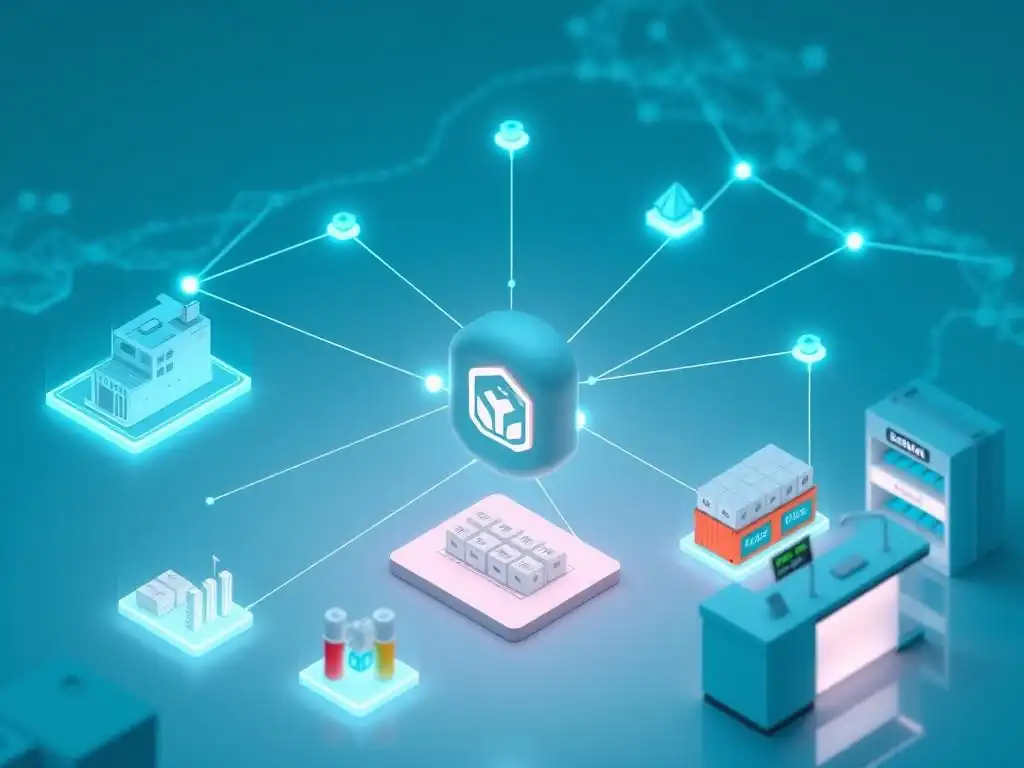
A blockchain-enabled system allows for near real-time tracking and monitoring of pharmaceutical products as they move through the supply chain. As each transaction is recorded on the ledger, the location and status of a serialized drug package can be updated and viewed by authorized network participants. This contrasts sharply with traditional systems that often rely on batch updates or manual reporting.
Integrating the blockchain with IoT devices, such as temperature sensors, can add another layer of real-time monitoring. Data regarding crucial handling conditions (e.g., cold chain requirements for vaccines) can be automatically recorded on the blockchain, providing an immutable record of compliance or deviations. This real-time visibility and monitoring capability is a powerful tool for ensuring product quality and enhancing blockchain secure drug supply operations.
Increased Trust and Transparency for Consumers and Stakeholders
The inherent transparency of blockchain technology, when implemented correctly with appropriate access controls, fosters greater trust among all stakeholders in the pharmaceutical ecosystem. Manufacturers can demonstrate the integrity of their production and distribution processes. Distributors and pharmacies can verify the authenticity of the products they handle. Regulators gain better oversight capabilities.
Ultimately, this increased transparency benefits the most important stakeholder: the patient. By potentially allowing patients or pharmacists to verify a drug's authenticity using a simple scan linked to the blockchain, it empowers them and builds confidence in the legitimacy and safety of the medication they are using. A blockchain secure drug supply chain creates a foundation of verifiable trust that is currently lacking in many parts of the world.
Implementing Blockchain for Secure Drug Supply: Key Considerations
Implementing a blockchain secure drug supply chain is a complex undertaking that requires careful planning and collaboration among multiple parties. It's not simply a matter of adopting technology; it involves addressing regulatory requirements, integrating with existing systems, and fostering cooperation across the industry. Success depends on navigating these considerations effectively.
- Choosing the right technology platform
- Ensuring data privacy and regulatory compliance
- Integrating with legacy systems
- Establishing governance and collaboration frameworks
These factors must be addressed comprehensively to build a functional and effective secure drug supply chain blockchain that meets the industry's needs and regulatory mandates.
Choosing the Right Blockchain Platform for Pharmaceutical Applications
Selecting the appropriate blockchain platform is a critical first step. Pharmaceutical supply chains typically involve multiple competing companies, suggesting that a permissioned blockchain (like Hyperledger Fabric or R3 Corda) is often more suitable than a public, permissionless one (like Bitcoin or Ethereum). Permissioned networks allow participating organizations to control who can join the network and what data they can access, addressing privacy and competitive concerns.
Factors to consider include the platform's scalability to handle millions or billions of serialized units, its transaction speed, data privacy features (e.g., private data collections), ease of integration, and the availability of development tools and support. The chosen platform must be robust enough to support the high volume of transactions and stringent security requirements inherent in a blockchain secure drug supply system.
Data Privacy and Security: Complying with Regulatory Requirements
While blockchain is known for transparency, pharmaceutical data involves sensitive information, including potentially patient-level data (though most supply chain solutions focus on product tracking, not patient identity). Compliance with regulations like HIPAA in the US or GDPR in Europe is paramount. Implementing a blockchain secure drug supply requires careful consideration of how data is stored and accessed.
Permissioned blockchains allow for granular access controls, ensuring that participants only see the data relevant to their role. Techniques like zero-knowledge proofs or off-chain data storage with on-chain hashes can also be used to protect sensitive information while still leveraging the blockchain's integrity features. Robust encryption and cybersecurity measures must be integrated alongside the blockchain itself to ensure overall data security.
Integration with Existing Pharmaceutical Supply Chain Systems
Pharmaceutical companies and their partners already have complex enterprise resource planning (ERP), warehouse management (WMS), and serialization systems in place. A new blockchain solution must be able to integrate seamlessly with these legacy systems to avoid disrupting existing operations and to ensure data flows correctly onto the blockchain. This integration is often one of the most significant technical challenges.
Developing APIs and middleware to connect existing databases and software with the blockchain platform is essential. The complexity varies depending on the age and architecture of the legacy systems. A phased approach to integration, perhaps starting with pilot programs focusing on specific segments or products, can help manage this challenge and ensure a smooth transition to a blockchain secure drug supply process.
Collaboration and Data Sharing Among Stakeholders
Successful implementation of a blockchain secure drug supply chain requires unprecedented levels of collaboration and data sharing among traditionally competitive or siloed entities – manufacturers, wholesalers, pharmacies, and even regulatory bodies. Establishing clear governance models, data sharing agreements, and operating rules for the network is crucial.
Building trust and alignment among these diverse stakeholders is perhaps the biggest non-technical hurdle. Participants need to agree on data standards, roles and responsibilities, and the value proposition for joining the network. Industry consortia and initiatives, like the MediLedger Network, play a vital role in bringing these parties together to define common standards and drive collective adoption of blockchain for pharmaceutical security.
Use Cases: Blockchain in Action for Pharmaceutical Security
Several initiatives and pilot programs are demonstrating the practical application of blockchain technology to enhance security and transparency in the pharmaceutical supply chain. These real-world examples showcase how a blockchain secure drug supply system can address specific industry challenges, from verifying product authenticity to improving visibility in complex distribution networks.
These use cases highlight the potential for blockchain to move beyond theoretical discussions and deliver tangible benefits in securing the drug supply. While still relatively early in widespread adoption, the successes of these pioneering projects provide valuable insights into the implementation and impact of blockchain for pharmaceutical security.
Case Study 1: Chronicled's MediLedger Network for Drug Supply Chain Integrity
The MediLedger Network, developed by Chronicled, is a prominent example of a permissioned blockchain network designed specifically for the pharmaceutical industry. It focuses on enabling compliance with regulations like the U.S. Drug Supply Chain Security Act (DSCSA), which mandates interoperable electronic tracing of prescription drug products at the package level.
The network allows participants (manufacturers, wholesalers, etc.) to share serialized product data and transaction information securely and immutably on the blockchain. This enables verification of product identifiers, validation of trading partner credentials, and streamlined returns processes. By providing a shared, trusted ledger for key supply chain events, MediLedger is building a foundation for a blockchain secure drug supply chain in the United States, demonstrating how collaboration on a shared infrastructure can improve industry-wide integrity.
Case Study 2: IBM Food Trust for Pharmaceutical Supply Chain Visibility
While primarily known for its application in food traceability, the underlying technology and principles of the IBM Food Trust platform (built on Hyperledger Fabric) are applicable to other supply chains, including pharmaceuticals. The platform focuses on providing end-to-end visibility and traceability for products.
Companies can upload data about their products, including origin, processing, and distribution, onto the shared network. This allows authorized participants to trace a product's journey in seconds, rather than days or weeks. While specific large-scale public pharmaceutical deployments using the exact Food Trust branding are less publicized than food use cases, IBM has worked with pharmaceutical companies on similar blockchain initiatives leveraging the same technology stack to enhance supply chain visibility and build a blockchain secure drug supply proof-of-concept. This demonstrates the platform's versatility for complex, regulated supply chains.
Case Study 3: The Use of Blockchain for Vaccine Distribution
The complex logistics and critical nature of vaccine distribution, particularly those requiring strict cold chain management, present a compelling use case for blockchain. Ensuring that vaccines remain within specific temperature ranges throughout their journey from manufacturer to patient is vital for their efficacy.
Blockchain can be used to record not only the chain of custody for vaccine shipments but also integrate data from IoT temperature sensors. This creates an immutable record of the vaccine's handling conditions. Several initiatives, including pilots in countries like Pakistan and with organizations like Gavi, the Vaccine Alliance, have explored using blockchain to track vaccine provenance, monitor temperature compliance, and ensure equitable distribution, contributing to a more robust and blockchain secure drug supply for critical public health initiatives.
Overcoming Challenges and Future Trends in Blockchain for Pharmaceuticals
While the potential of blockchain secure drug supply is clear, its widespread adoption faces several challenges. These include scaling solutions to handle the massive volume of pharmaceutical transactions globally, ensuring interoperability between different blockchain networks and legacy systems, and navigating the evolving regulatory landscape. Addressing these hurdles is crucial for realizing the full benefits of the technology.
The future of blockchain in pharmaceuticals is also intertwined with other emerging technologies. The integration of smart contracts for automating processes, the use of IoT devices for enhanced monitoring, and the development of industry-wide standards will play significant roles in shaping the secure drug supply chain of tomorrow. Continued innovation and collaboration are key to overcoming current limitations and unlocking new possibilities.
Addressing Scalability and Interoperability Issues
Scalability is a major concern for any blockchain application dealing with the vast volume of transactions in the global pharmaceutical market. Millions or billions of individual drug packages need to be tracked, generating a massive amount of data. Current blockchain platforms are continuously improving their transaction throughput, but scaling to this level while maintaining decentralization and security remains a challenge.
Interoperability is another critical issue. Different companies or regions may adopt different blockchain platforms or networks. Ensuring that these disparate systems can communicate and share data seamlessly is essential for creating a truly end-to-end blockchain secure drug supply chain. Industry standards and protocols for data exchange between networks are needed to overcome these interoperability barriers.
The Role of Smart Contracts in Pharmaceutical Supply Chain Automation
Smart contracts, self-executing contracts with the terms of the agreement directly written into code, have significant potential to automate processes within a blockchain secure drug supply chain. For example, a smart contract could automatically trigger payment to a distributor upon verifiable receipt of goods recorded on the blockchain, or initiate a notification if temperature data from an IoT sensor violates predefined conditions.
Smart contracts can reduce the need for manual intervention, minimize errors, and speed up processes like order fulfillment, invoicing, and quality control checks. They can enforce business logic directly on the blockchain, increasing efficiency and reducing administrative overhead. The integration of smart contracts is a key trend for enhancing the functionality and automation of blockchain for pharmaceutical security.
Integration with IoT Devices for Enhanced Tracking and Monitoring
The combination of blockchain and the Internet of Things (IoT) offers powerful capabilities for pharmaceutical supply chain management. IoT sensors can collect real-time data on critical parameters like temperature, humidity, and location during transit and storage. This data can then be fed onto the blockchain, creating an immutable and verifiable record of handling conditions.
This integration is particularly valuable for temperature-sensitive drugs and vaccines, ensuring cold chain integrity. If sensor data indicates a deviation from required conditions, the blockchain record provides clear evidence, potentially triggering alerts or automated actions via smart contracts. This convergence of technologies significantly enhances the monitoring and integrity capabilities of a blockchain secure drug supply.
The Future of Blockchain-Enabled Pharmaceutical Supply Chains
The future of blockchain in pharmaceuticals appears promising, with ongoing developments focused on greater industry adoption, regulatory clarity, and technological advancements. As pilot programs mature into production systems, the benefits of enhanced security, transparency, and efficiency are expected to drive wider implementation.
Future trends include increased collaboration on shared network infrastructure, the development of more sophisticated identity management and access control mechanisms, and the potential for patient-facing applications that allow consumers to verify their medications. The goal is to create a truly interconnected, intelligent, and blockchain secure drug supply chain that protects public health and builds trust across the entire ecosystem.
Conclusion: Blockchain as a Catalyst for Ethical and Secure Pharmaceuticals
The challenges of counterfeit drugs, lack of transparency, and inefficiencies in traditional pharmaceutical supply chains are significant and pose serious risks to public health and economic stability. Blockchain technology offers a powerful and transformative solution to these long-standing problems. By providing an immutable, transparent, and decentralized ledger, it creates a foundation for a truly ethical and secure drug supply.
Implementing a blockchain secure drug supply chain is not a simple endeavor, requiring collaboration, technological integration, and navigation of regulatory landscapes. However, the benefits – including enhanced traceability, improved authentication, greater efficiency, and, most importantly, increased patient safety – make it a critical technology for the future of pharmaceutical distribution.
Blockchain's Potential to Transform the Pharmaceutical Industry
Blockchain has the potential to fundamentally transform the pharmaceutical industry by introducing unprecedented levels of trust, transparency, and efficiency into supply chain operations. It moves the industry away from fragmented, opaque systems towards a connected, verifiable network where every step of a drug's journey is recorded and auditable.
This transformation extends beyond simply tracking packages; it enables new levels of collaboration, streamlines regulatory compliance (like DSCSA), and provides a robust defense against the illicit trade in counterfeit medicines. The adoption of blockchain for pharmaceutical security is poised to become a standard practice, driven by both regulatory mandates and the clear operational and safety benefits it provides.
Ensuring Patient Safety and Trust Through Transparent Drug Supply Chains
Ultimately, the most compelling reason to implement a blockchain secure drug supply is to ensure the safety and build the trust of patients. By providing a transparent and verifiable history for every medication, blockchain empowers healthcare providers and patients to have confidence in the authenticity and integrity of the drugs they handle and consume.
Reducing the risk of counterfeit drugs reaching the market saves lives and prevents harm. The ability to quickly and accurately trace products enables rapid response to safety issues and recalls. A transparent, blockchain-enabled supply chain demonstrates a commitment to patient well-being, building essential trust in an industry that provides life-saving treatments.
The Importance of Collaboration in Adopting Blockchain for Pharmaceutical Security
Achieving a truly blockchain secure drug supply chain is not something any single company can accomplish alone. It requires widespread adoption and collaboration across the entire ecosystem – from raw material suppliers and manufacturers to logistics providers, wholesalers, pharmacies, and regulatory bodies. Industry consortia and collaborative initiatives are essential for developing shared standards, governance models, and network infrastructure.
The success of pioneering networks like MediLedger underscores the power of collective action. As the industry continues to explore and implement blockchain solutions, sustained collaboration will be key to overcoming technical and organizational challenges, driving widespread adoption, and realizing the full potential of blockchain for pharmaceutical security and ethical distribution.
Frequently Asked Questions
How does blockchain enhance the security of the drug supply chain?
Blockchain creates an immutable and transparent record of each step in the supply chain. This prevents counterfeiting and tracks the provenance of drugs from manufacturer to consumer.
Can blockchain help prevent the distribution of counterfeit drugs?
Yes, by assigning a unique identifier to each drug and recording every transaction on the blockchain. This makes it easy to verify authenticity and detect fake medications.
What role does transparency play in blockchain-secured drug supply chains?
Transparency allows all stakeholders, including manufacturers, distributors, and consumers, to track the drug's journey. This increased visibility builds trust and reduces opportunities for fraud.
What are the potential benefits of implementing blockchain in the pharmaceutical industry beyond security?
Beyond security, blockchain can improve efficiency, reduce costs by streamlining processes, and enhance regulatory compliance through verifiable data trails.
How might regulations impact the adoption of blockchain technology in drug supply chains?
Regulations will play a crucial role in establishing standards and ensuring interoperability between different blockchain systems. Clear guidelines can accelerate adoption and build consumer confidence.
Final Reflection: Securing Health, Empowering Trust
The journey of pharmaceuticals from manufacturer to patient is fraught with vulnerabilities, and the promise of blockchain technology to secure and transparently track these drugs is more vital now than ever before. Counterfeit medications and compromised supply chains pose a significant threat to public health, and the insights explored in this article highlight the urgent need for innovative solutions to safeguard the integrity of our healthcare systems.
This exploration into blockchain's potential has profoundly underscored the importance of trust in the pharmaceutical industry. Knowing that the medications we rely on are authentic and untainted is fundamental to our well-being, and the implementation of blockchain offers a pathway to rebuild and reinforce that trust. Trust is the glue of life. It's the most essential ingredient in effective communication. It's the foundational principle that holds all relationships.
- Stephen Covey. This quote resonates deeply when considering the fragile nature of the pharmaceutical supply chain and the potential for devastating consequences when trust is broken.
As we look to the future, let us not simply acknowledge the potential of blockchain, but actively champion its adoption within the pharmaceutical industry. Consider how you, as a consumer, a healthcare professional, or a policymaker, can advocate for greater transparency and security in the drug supply chain. The health and well-being of our communities depend on our collective commitment to building a more secure and trustworthy pharmaceutical ecosystem.
Empower Ethical Healthcare: Trace Your Medications!
Thank you for exploring how blockchain is transforming the pharmaceutical industry and helping to prevent counterfeit drugs. Now, you can play an active role in promoting a safer, more transparent healthcare system.
Here are a few ways to get involved:
- Demand Transparency: Support pharmaceutical companies and pharmacies that are committed to implementing blockchain technology for drug traceability. Your choices can encourage ethical practices.
- Dig Deeper: Learn about current blockchain-based pharmaceutical initiatives and platforms. Understanding how the technology works is the first step toward advocating for change.
- Share and Discuss: Raise awareness about the importance of secure drug supply chains. Engage in conversations with friends, family, and colleagues about how blockchain can protect public health.
What actions will you take to support ethical pharmaceuticals and help build a healthier future?
Leave a Reply