
Ethical Seafood Supply Chains: Blockchain to Combat Illegal Fishing and Fraud

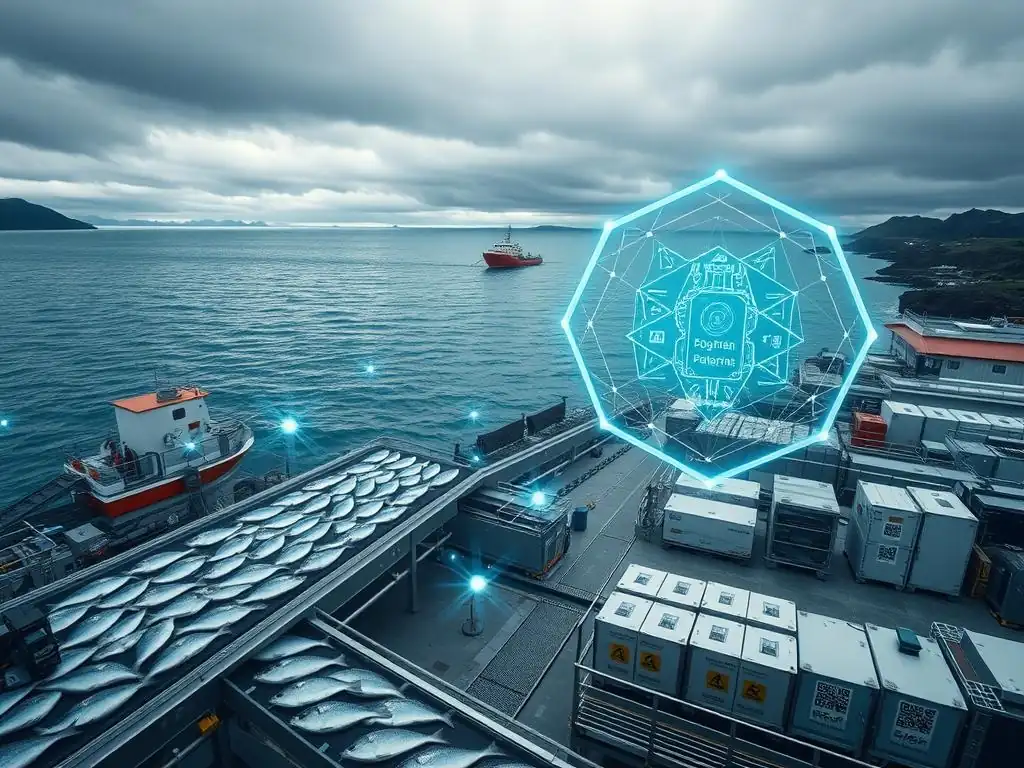
Welcome to Blockchain Trends, your gateway to understanding the profound impact of blockchain technology beyond the hype. Ever wonder how blockchain can tackle real-world issues, like ensuring the sustainability and ethical sourcing of our food? This article dives deep into blockchain seafood supply chain ethics, exploring how this innovative technology is being deployed to combat illegal fishing and fraud. Discover how transparency and immutability are revolutionizing the journey from ocean to plate, and why this is crucial for a sustainable future. Read on to uncover the fascinating potential of blockchain for social good.
Ethical Seafood Supply Chains: Blockchain to Combat Illegal Fishing and Fraud
- The Crisis in Seafood: Illegal Fishing and Supply Chain Vulnerabilities
- Blockchain Technology: A Solution for Ethical Seafood Sourcing
- Implementing Blockchain in the Seafood Supply Chain: A Step-by-Step Approach
- Real-World Examples: Blockchain Initiatives in the Seafood Industry
- Overcoming Challenges and Barriers to Blockchain Adoption in Seafood
- The Future of Blockchain and Seafood Supply Chain Ethics
- Ensuring Ethical Seafood Consumption Through Blockchain Solutions
-
Frequently Asked Questions
- How can blockchain technology help improve seafood supply chain ethics?
- What are the key benefits of using blockchain in the seafood industry?
- How does blockchain combat seafood fraud specifically?
- What role does regulation play in the adoption of blockchain for seafood supply chains?
- What is the future outlook for blockchain in ensuring ethical seafood supply chains?
- Final Reflection: Charting a Course for Ethical Seas
- Dive Deeper: Revolutionize Your Plate with Ethical Seafood!
The Crisis in Seafood: Illegal Fishing and Supply Chain Vulnerabilities
The global seafood industry faces critical challenges, primarily stemming from complex and often opaque supply chains. These vulnerabilities create fertile ground for illegal activities, environmental degradation, and consumer deception. Addressing these issues is paramount for the health of marine ecosystems and the integrity of the market.
Understanding the Scale of Illegal, Unreported, and Unregulated (IUU) Fishing
Illegal, Unreported, and Unregulated (IUU) fishing is a major threat to marine ecosystems and sustainable fisheries. It is estimated to account for up to 26 million tonnes of fish caught globally each year, representing an economic loss of USD 10 billion to USD 23 billion annually. This vast scale undermines conservation efforts, distorts markets, and disadvantages legitimate fishers who adhere to regulations. IUU fishing operations often violate labor laws, contributing to human rights abuses at sea.
The lack of transparency in traditional seafood supply chains makes it incredibly difficult to track the origin and legality of catches. Fish caught illegally can easily be mixed with legal catches, laundered through processing plants, and enter the global market undetected. This anonymity is a key enabler for IUU fishing, making robust traceability solutions essential to ensure ethical seafood practices. The complexity of global trade routes, involving multiple handoffs and changes in ownership, further exacerbates this problem, creating numerous points where illegal or mislabeled product can enter the system.
The Impact of Seafood Fraud on Consumers and the Environment
Seafood fraud, including species substitution, mislabeling of origin or weight, and false sustainability claims, is rampant across the globe. Studies by organizations like Oceana have repeatedly found high rates of mislabeling; for instance, investigations have shown mislabeling rates often exceeding 20-30% in various markets for species like snapper or tuna. This fraud deceives consumers, potentially exposing them to allergens or toxins in substituted species, and prevents them from making informed choices about sustainability.
Beyond consumer deception, seafood fraud has significant environmental consequences. When cheaper, less sustainable species are substituted for more expensive, responsibly sourced ones, it undermines the market for sustainable products and can inadvertently drive demand for fish caught through destructive or illegal methods. For example, selling illegally caught fish as "sustainably sourced" directly harms conservation efforts and allows unsustainable practices to continue unchecked. Combatting this requires a system that can verify claims from the point of catch to the point of sale, ensuring the blockchain seafood supply chain ethics are maintained.
The Urgent Need for Transparency and Traceability in Seafood Supply Chains
The inherent opaqueness of current seafood supply chains demands urgent solutions for enhanced transparency and traceability. From the moment a fish is caught, through processing, transportation, and distribution, there are multiple opportunities for critical information to be lost, altered, or fabricated. This lack of end-to-end visibility prevents regulators, businesses, and consumers from verifying the legality, origin, and sustainability of seafood products.
Implementing robust traceability systems is not just about compliance; it's about building trust and ensuring the long-term health of marine resources. A transparent supply chain allows for quicker identification and recall of unsafe products, helps combat IUU fishing by making it harder to launder illegal catches, and empowers consumers to support ethical practices. The need for a reliable, immutable record of a product's journey is critical, pointing towards technologies capable of providing a single, verifiable source of truth for blockchain seafood supply chain ethics.
Blockchain Technology: A Solution for Ethical Seafood Sourcing
Blockchain technology offers a promising pathway to address the deep-seated issues of opacity and fraud in the seafood industry. By providing a decentralized, immutable, and transparent ledger, blockchain can create a verifiable history for every seafood product, from its origin at sea to its arrival on the consumer's plate. This inherent trust mechanism is crucial for building ethical supply chains.
The application of blockchain in seafood allows for the creation of a digital trail that is resistant to tampering. Unlike traditional databases, where records can be easily altered, blockchain's distributed nature and cryptographic security ensure that once data is recorded, it cannot be changed without the consensus of the network participants. This makes it an ideal tool for verifying claims about origin, catch methods, and handling, thereby supporting blockchain seafood supply chain ethics.
How Blockchain Enhances Seafood Supply Chain Transparency
Blockchain enhances transparency by creating a shared, tamper-evident record accessible to authorized participants across the supply chain. As seafood moves from the vessel, through processors, distributors, and retailers, key data points are recorded on the blockchain. This could include information such as the vessel name, catch date and location (often recorded via GPS), species, weight, fishing gear used, processing facility details, temperature logs during transport, and certifications (e.g., sustainability labels).
This shared ledger eliminates information silos and provides a single source of truth that all parties can trust. For example, a retailer can verify the journey and claims about a batch of fish by accessing its blockchain record, rather than relying solely on paper documents or centralized databases that could be manipulated. This level of granular visibility is transformative, making it significantly harder for illegal or fraudulent products to infiltrate the legitimate supply chain and improving blockchain seafood supply chain ethics.
Immutability and Traceability: Key Features of Blockchain for Seafood Ethics
The core strengths of blockchain for the seafood industry lie in its immutability and enhanced traceability. Immutability means that once data is added to the blockchain, it is extremely difficult to alter or delete. Each new block of data is cryptographically linked to the previous one, forming a chain that is validated by the network. This ensures the integrity of the historical record, making it a powerful tool against fraud and misrepresentation.
Traceability is inherently improved because every transaction or movement of the product is recorded on this immutable ledger. From the initial catch event to the final sale, each step creates a verifiable entry. This allows for rapid, accurate tracing of a product's journey backward through the supply chain, which is critical for identifying the source of issues like IUU fishing or product contamination. This robust traceability is fundamental to establishing blockchain seafood supply chain ethics and building consumer trust.
Benefits of Blockchain in Fighting IUU Fishing and Seafood Mislabeling
Implementing blockchain technology offers direct benefits in the fight against IUU fishing and seafood mislabeling. By creating a verifiable digital identity for each catch, linked to specific vessels and permits, it becomes much harder to introduce illegal fish into the legitimate supply chain. Regulatory bodies and supply chain partners can verify that the fish originates from authorized vessels fishing in legal areas.
Furthermore, blockchain helps combat mislabeling by tying product information (species, weight, origin) to an immutable record created early in the supply chain. This record follows the product, making it difficult to substitute species or falsify origin details later on. For instance, if a batch of expensive wild salmon is swapped with cheaper farmed trout during processing, the discrepancy would become apparent when comparing the physical product to its original blockchain record. This increased accountability at every step strengthens blockchain seafood supply chain ethics.
Implementing Blockchain in the Seafood Supply Chain: A Step-by-Step Approach
Implementing blockchain in the seafood supply chain requires careful planning and execution, involving collaboration among various stakeholders from fishers to retailers. While specific implementations may vary, a general approach involves capturing data at key points and recording it securely on a blockchain platform.
Step 1: Data Collection and Integration at the Point of Capture
The crucial first step is capturing accurate and reliable data as close to the point of origin as possible – typically, when the fish is caught or landed. This involves equipping fishing vessels or landing sites with the means to record essential information. Data points collected might include:
- Date and time of capture
- GPS location of capture
- Vessel identification (name, registration number)
- Captain's identification
- Species caught
- Weight of catch
- Fishing gear used
- Relevant fishing license or permit details
This data must be collected reliably, often using digital tools like mobile apps or ruggedized tablets, and ideally integrated with existing systems (like electronic reporting systems) or IoT devices (like GPS trackers) where available. The quality and accuracy of this initial data are paramount, as it forms the foundation of the blockchain record for that specific batch of seafood, underpinning blockchain seafood supply chain ethics.
Step 2: Securely Recording Seafood Data on the Blockchain
Once the initial data is collected, it needs to be securely recorded on the chosen blockchain platform. This typically involves creating a unique digital identifier or token for each batch or individual item of seafood. The collected data is then associated with this identifier and added as a transaction or block on the blockchain.
This process usually requires the involvement of an authorized party (e.g., the fishing vessel operator, a representative at the landing site, or an initial processor) to validate and submit the data. Cryptographic techniques ensure the data's integrity before it's added to the distributed ledger. This step transforms physical information about the catch into a permanent, verifiable digital record, making it resistant to later manipulation and central to blockchain seafood supply chain ethics.
Step 3: Tracking Seafood Products Through the Supply Chain
As the seafood product moves through various stages – processing, packaging, transportation, distribution, and retail – additional relevant data points are added to its blockchain record. Each handoff or transformation represents an opportunity to update the product's digital history.
Examples of data added at subsequent steps include:
- Processing facility details (location, date of processing)
- Product form (fillets, whole fish, canned)
- Packaging details (weight, number of units, packaging type)
- Transportation information (carrier, route, temperature logs)
- Storage details (location, duration, conditions)
- Ownership transfers
Each update is recorded as a new transaction linked to the product's unique identifier on the blockchain. This creates a comprehensive, chronological log of the product's journey, providing end-to-end traceability that was previously unattainable with traditional systems, thereby reinforcing blockchain seafood supply chain ethics.
Step 4: Verification and Authentication of Seafood Products
The final step involves leveraging the blockchain record for verification and authentication at various points, ultimately empowering consumers. Retailers, restaurants, regulators, and consumers can access the product's blockchain history (often by scanning a QR code on the packaging) to verify the claims made about it.
This allows a consumer to see where and when the fish was caught, who caught it, how it was processed, and potentially view relevant certifications or sustainability scores. By comparing the information on the label or menu with the immutable record on the blockchain, discrepancies can be easily identified, helping to prevent fraud. This verifiable transparency builds trust and allows stakeholders to make informed decisions, strengthening blockchain seafood supply chain ethics across the entire value chain.
Real-World Examples: Blockchain Initiatives in the Seafood Industry
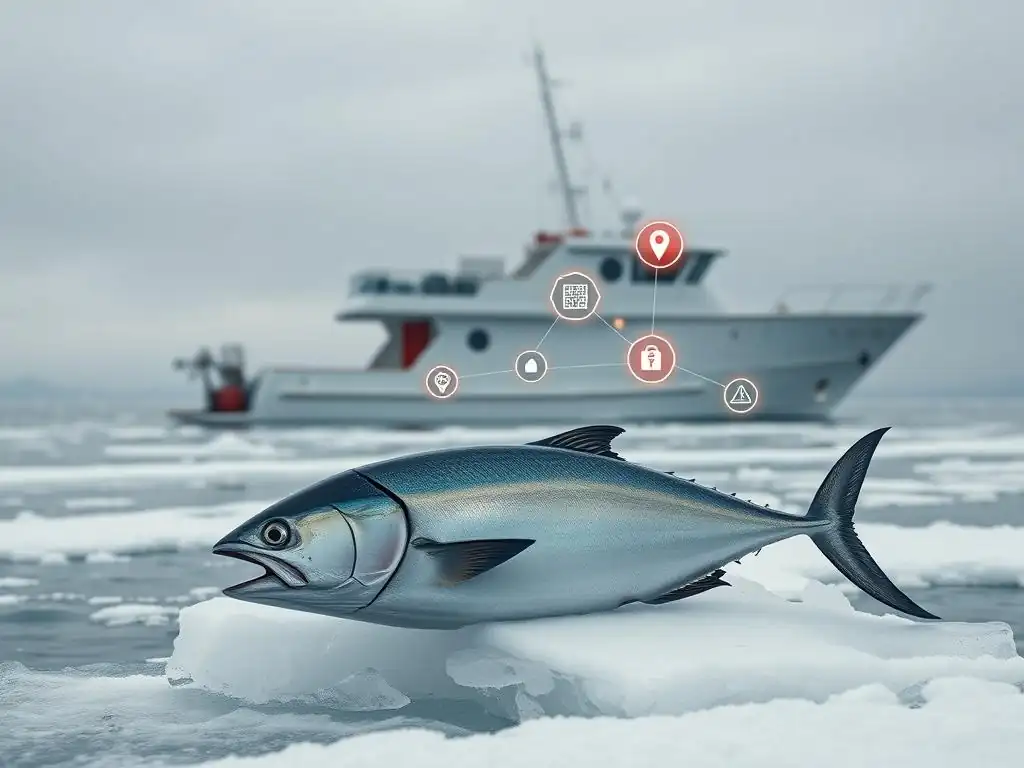
Several pioneering companies and organizations have begun implementing blockchain technology to improve traceability and ethics in the seafood industry. These early initiatives provide valuable insights into the practical application and potential benefits of this technology in complex supply chains.
Case Study 1: Bumble Bee Foods - Tracking Tuna from Ocean to Plate
Bumble Bee Foods launched a traceability initiative using SAP's blockchain technology (later integrated with the Origin platform, now part of Ripeio) to track yellowfin tuna from Indonesia. The project aimed to provide consumers with verifiable information about the journey of their canned tuna. By scanning a QR code on the can, consumers could access details about the fish's origin, including the vessel name, catch date, and fishing area, as well as information about processing and packaging.
This initiative demonstrated the feasibility of capturing data at sea, including details from small-scale fishers, and recording it on a blockchain. It highlighted how technology could bridge the gap between distant points in the supply chain and the end consumer, offering a level of transparency previously unavailable for mass-market products. The project showed how blockchain could support blockchain seafood supply chain ethics by providing a trusted, immutable record for consumers.
Case Study 2: OpenSC - Using Blockchain to Verify Sustainable Fishing Practices
OpenSC, a platform co-founded by WWF-Australia and BCG Digital Ventures, utilizes blockchain and other technologies to track products and verify sustainability and ethical claims. One of their key focuses has been on seafood, working with partners to trace products like Patagonian Toothfish (Chilean Sea Bass) and prawns. The platform integrates data from various sources, including electronic monitoring systems on vessels, processing plant records, and certification bodies.
OpenSC's approach emphasizes not just traceability but also the verification of specific ethical and sustainability attributes, such as ensuring fish was caught legally, avoiding prohibited areas, or confirming fair labor practices were followed. By putting this verified information on a blockchain, they create a trustworthy record that can be accessed by businesses and consumers, promoting blockchain seafood supply chain ethics and rewarding producers who adhere to high standards.
Lessons Learned from Early Blockchain Implementations in Seafood
Early blockchain projects in seafood have provided crucial lessons. Firstly, obtaining accurate and consistent data at the source, particularly from diverse and often low-tech fishing operations, is challenging but critical. Secondly, successful implementation requires strong collaboration across the entire supply chain, as all parties must agree to participate and share data.
Thirdly, integrating blockchain with other technologies like IoT sensors (for temperature or location), satellite monitoring, and electronic reporting systems enhances the richness and reliability of the data recorded on the chain. Finally, consumer engagement is key; the technology must be accessible and easy for consumers to use to verify product information and understand the blockchain seafood supply chain ethics behind their purchase. These pilot projects demonstrate that while challenges exist, the potential for transformative transparency is real.
Overcoming Challenges and Barriers to Blockchain Adoption in Seafood
Despite its potential, the widespread adoption of blockchain in the seafood industry faces significant hurdles. These range from technical complexities and data issues to the need for industry-wide cooperation and investment. Addressing these barriers is essential for scaling blockchain solutions and realizing their full impact on blockchain seafood supply chain ethics.
Addressing Data Standardization and Interoperability Issues
One major challenge is the lack of standardized data formats and reporting practices across the diverse global seafood industry. Different regions, fisheries, and companies use varying systems for recording catch data, processing information, and product identifiers. For blockchain to provide seamless end-to-end traceability, data from these disparate sources must be integrated and standardized before being recorded on the ledger.
Ensuring interoperability between different blockchain platforms and legacy systems is also crucial. A fish might be caught and initially recorded on one system, processed by a company using another, and sold by a retailer with yet another platform. For the traceability chain to remain unbroken, these systems must be able to communicate and share data effectively. Developing common data standards and industry protocols is a necessary step to facilitate widespread adoption and improve blockchain seafood supply chain ethics.
Ensuring Data Privacy and Security in Blockchain-Based Seafood Systems
While blockchain is inherently secure and immutable for recorded data, implementing it in a supply chain context raises questions about data privacy and access control. Not all data collected along the supply chain is intended for public view; sensitive business information, such as pricing or specific logistics details, needs to be protected.
Blockchain platforms used for supply chain traceability often employ permissioned ledgers or use techniques like zero-knowledge proofs to allow verification of data without revealing the underlying sensitive details. Ensuring that data is encrypted appropriately and that access is granted only to authorized parties (regulators, auditors, specific business partners, or consumers for public data) is critical. Balancing transparency with necessary privacy is a key design consideration for effective and secure blockchain seafood supply chain ethics solutions.
The Role of Collaboration and Partnerships in Scaling Blockchain Solutions
Scaling blockchain solutions beyond pilot projects requires extensive collaboration and partnerships across the entire seafood value chain. No single entity can implement a comprehensive traceability system alone; it requires buy-in and participation from fishers, processors, distributors, logistics providers, retailers, technology providers, and regulatory bodies.
Building trust and fostering cooperation among these often disparate groups is paramount. Industry associations, non-governmental organizations (NGOs), and governments can play a vital role in convening stakeholders, developing standards, and potentially providing incentives for adoption. Shared investment in infrastructure and training is also necessary. Successful blockchain seafood supply chain ethics initiatives will likely be the result of collaborative ecosystems rather than isolated corporate efforts.
The Future of Blockchain and Seafood Supply Chain Ethics
The application of blockchain technology in the seafood industry is still in its relatively early stages, but its potential to transform supply chain ethics and sustainability is significant. As the technology matures and adoption grows, we can expect to see more comprehensive and integrated solutions emerge.
The Potential for Blockchain to Revolutionize Seafood Sourcing
Blockchain has the potential to fundamentally change how seafood is sourced and verified. By providing an unprecedented level of verifiable transparency, it can empower consumers to make truly informed choices, shifting market demand towards ethically and sustainably sourced products. This, in turn, creates economic incentives for fishers and businesses to adopt responsible practices.
A future where blockchain is widely implemented could see regulators more effectively monitor fishing activities, financial institutions hesitant to fund operations linked to unverified or potentially illegal catches, and businesses able to build stronger brands based on trust and proven ethical sourcing. This revolution in transparency could lead to a significant reduction in IUU fishing and seafood fraud, fundamentally improving blockchain seafood supply chain ethics on a global scale.
Emerging Technologies Complementing Blockchain in Seafood Traceability
Blockchain's effectiveness in seafood traceability is significantly enhanced when combined with other emerging technologies. Internet of Things (IoT) devices, such as GPS trackers on vessels, temperature sensors in containers, and electronic monitoring systems, can automatically collect real-time data and feed it directly onto the blockchain, reducing the potential for manual data entry errors or manipulation.
Artificial intelligence (AI) and machine learning can be used to analyze the vast amounts of data collected on the blockchain, identifying patterns indicative of illegal activity or potential fraud more effectively than human analysis alone. Satellite imagery and remote sensing can provide independent verification of reported catch locations. The synergy between blockchain and these complementary technologies creates a powerful toolkit for ensuring blockchain seafood supply chain ethics with high accuracy and efficiency.
Policy and Regulatory Considerations for Blockchain in the Seafood Industry
For blockchain to achieve its full potential in the seafood industry, supportive policy and regulatory frameworks are crucial. Governments and international bodies need to consider how blockchain data can be integrated into existing fisheries management and traceability regulations. Establishing legal recognition for blockchain records as valid proof of origin or legality is an important step.
Furthermore, policies that encourage or mandate the use of robust digital traceability systems, potentially including blockchain, could accelerate adoption. Providing guidance on data standards, interoperability requirements, and data access permissions can also help build a more coherent ecosystem. Collaborative efforts between industry, technology providers, and regulators are needed to develop policies that facilitate the use of blockchain to enhance blockchain seafood supply chain ethics while ensuring compliance and enforcement.
Ensuring Ethical Seafood Consumption Through Blockchain Solutions
Ultimately, the goal of implementing blockchain in the seafood industry is to create a future where consumers can be confident that the seafood they purchase is legal, ethical, and sustainable. By providing accessible and verifiable information, blockchain empowers consumers to become active participants in driving positive change.
Empowering Consumers with Information About Seafood Origins and Sustainability
Blockchain technology directly empowers consumers by giving them unprecedented access to detailed, verifiable information about the seafood they buy. Through simple tools like scanning a QR code on packaging, consumers can instantly access the immutable history of the product – where it was caught, by whom, how it was processed, and relevant certifications.
This level of transparency allows consumers to move beyond generic labels and make purchasing decisions based on specific, verifiable facts about the product's journey and the practices used to catch and handle it. It shifts the dynamic from relying solely on brand claims to being able to authenticate those claims themselves, fostering trust and promoting blockchain seafood supply chain ethics at the point of sale.
Supporting Sustainable Fishing Practices and Protecting Marine Ecosystems
By making ethical and sustainable sourcing verifiable, blockchain creates a clear market advantage for producers who adhere to responsible practices. Consumers armed with information are more likely to choose products with a transparent, ethical history. This increased demand for verifiable sustainable seafood provides economic incentives for fishers and companies to invest in responsible fishing methods, reduce bycatch, avoid illegal areas, and protect marine habitats.
Furthermore, the enhanced traceability provided by blockchain helps conservation efforts by making it easier to track the movement of fish from specific stocks or regions, aiding in fisheries management and the fight against overfishing. By supporting businesses committed to blockchain seafood supply chain ethics, consumers directly contribute to the health and sustainability of marine ecosystems for future generations.
The Long-Term Impact of Blockchain on the Future of the Seafood Industry
The long-term impact of blockchain on the seafood industry is poised to be transformative. It has the potential to shift the industry towards greater accountability, transparency, and sustainability. As adoption grows and technologies mature, blockchain could become a standard tool for verifying the provenance and ethical attributes of seafood globally.
This will likely lead to more resilient supply chains, reduced instances of IUU fishing and fraud, and a stronger connection between consumers and the origin of their food. The widespread implementation of blockchain seafood supply chain ethics solutions is not just a technological upgrade; it represents a fundamental shift towards a more responsible and sustainable global seafood industry, benefiting marine life, legitimate businesses, and informed consumers alike.
Frequently Asked Questions
How can blockchain technology help improve seafood supply chain ethics?
Blockchain provides immutable records of each step in the supply chain, from catch to consumer. This increased transparency makes it harder for illegal fishing and fraudulent practices to occur and be hidden, ultimately promoting ethical sourcing.
What are the key benefits of using blockchain in the seafood industry?
The main benefits include enhanced traceability, improved consumer trust due to verifiable origins, and a reduction in illegal, unreported, and unregulated (IUU) fishing. This also helps protect vulnerable marine ecosystems.
How does blockchain combat seafood fraud specifically?
By recording data like the species, location of catch, and handling information on a shared, tamper-proof ledger, blockchain makes it difficult to mislabel or substitute seafood products. This verifies product authenticity.
What role does regulation play in the adoption of blockchain for seafood supply chains?
Government regulations can incentivize or mandate the use of blockchain technology to improve traceability and combat illegal fishing. These regulations create industry-wide standards and promote wider adoption.
What is the future outlook for blockchain in ensuring ethical seafood supply chains?
The future involves wider adoption, integration with IoT devices for real-time data tracking, and the development of more sophisticated blockchain-based solutions for supply chain management and consumer verification.
Final Reflection: Charting a Course for Ethical Seas
The journey through the complexities of ethical seafood supply chains, illuminated by the potential of blockchain technology, reveals a critical truth: transparency and accountability are no longer optional, but essential, for the health of our oceans and the integrity of our food systems. The fight against illegal fishing and seafood fraud is a battle we must win, and blockchain offers a powerful weapon in our arsenal.
The impact of this technology extends far beyond simply tracking fish. It touches upon the livelihoods of honest fishermen, the sustainability of marine ecosystems, and the trust consumers place in the food they consume. The ability to trace a fish from net to plate, ensuring its origin and ethical handling, is a game-changer, offering a tangible solution to a problem that has plagued the industry for far too long. Never doubt that a small group of thoughtful, committed citizens can change the world; indeed, it's the only thing that ever has.
- Margaret Mead. This quote encapsulates the spirit of innovation and determination needed to implement blockchain solutions and foster a more ethical seafood industry.
As we navigate the future, let us not forget the power we each hold to demand transparency and support sustainable practices. Consider the choices you make at the market, the questions you ask about the origin of your seafood, and the potential for technology to empower informed decisions. The future of our oceans, and the integrity of our food, depends on our collective commitment to charting a course towards ethical seas.
Dive Deeper: Revolutionize Your Plate with Ethical Seafood!
Thank you for exploring how blockchain technology is transforming the seafood industry and helping combat illegal fishing. You've seen how transparency can ensure a sustainable and ethical supply chain. Are you ready to take the next step?
Here's how you can make a difference today:
- Demand proof: Seek out and purchase seafood products with verifiable blockchain traceability. This is the most impactful action you can take!
- Share this knowledge: Inform your friends and family about the importance of ethical sourcing and how blockchain can help. Start a conversation at your next dinner gathering!
- Research local initiatives: Discover restaurants and markets committed to sustainable and transparent seafood practices. Consider suggesting they explore blockchain solutions!
What small change can you make this week to support a more ethical and transparent seafood industry?
Leave a Reply