
Ethical Sourcing Verified: Blockchain's Power to Combat Unfair Trade Practices

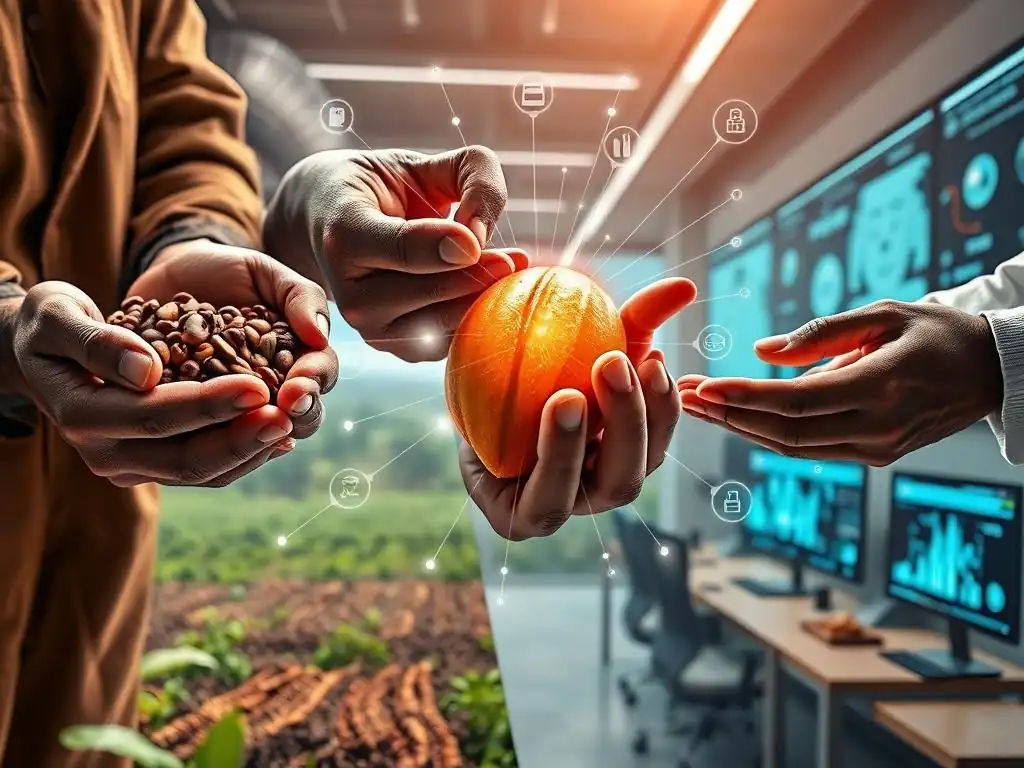
Welcome to Blockchain Trends, your definitive source for understanding the revolutionary power of blockchain technology beyond the hype. Are you ready to uncover how blockchain is reshaping industries and creating a more equitable world? This week, we delve into the crucial topic of ethical sourcing and traceability. Discover how the Blockchain ethical sourcing verification process is being implemented to combat unfair trade practices and ensure a more transparent and responsible supply chain. Intrigued? Let's explore how this innovative technology is building a future of ethical commerce.
Ethical Sourcing Verified: Blockchain's Power to Combat Unfair Trade Practices
- Introduction: The Urgent Need for Ethical Sourcing and Transparency
- Understanding the Blockchain Ethical Sourcing Verification Process
- Benefits of Implementing Blockchain for Ethical Sourcing
- Use Cases: Blockchain's Impact on Ethical Sourcing Across Industries
- Challenges and Considerations for Blockchain Implementation in Ethical Sourcing
- Overcoming Challenges: Strategies for Successful Blockchain Ethical Sourcing Adoption
- Future Trends in Blockchain and Ethical Sourcing
- Conclusion: Blockchain as a Catalyst for a More Ethical and Sustainable Future
-
Frequently Asked Questions
- How does blockchain enhance ethical sourcing verification?
- What are the main benefits of using blockchain for ethical sourcing verification?
- What types of products or industries can benefit most from blockchain-based ethical sourcing verification?
- What are the main challenges in implementing blockchain for ethical sourcing verification?
- How can regulations influence the adoption of blockchain for ethical sourcing verification?
- Final Reflection: Blockchain's Promise of Ethical Transparency
- Advocate for Transparency: Reimagine Ethical Commerce!
Introduction: The Urgent Need for Ethical Sourcing and Transparency
The Growing Demand for Ethically Sourced Products
Consumers globally are increasingly prioritizing the origin and ethical production of the goods they purchase. This heightened awareness is driven by concerns ranging from environmental impact and labor practices to human rights and animal welfare. Reports consistently show a significant portion of consumers are willing to pay a premium for products they know are ethically sourced and sustainably produced.
For example, a 2021 study indicated that roughly 60-70% of consumers across various markets actively seek out sustainable or ethical products, a figure that has steadily risen over the past decade. This growing demand puts pressure on businesses to demonstrate genuine commitment to ethical practices throughout their complex supply chains, moving beyond mere corporate social responsibility statements to verifiable actions.
This shift in consumer behavior is amplified by increased media scrutiny and the proliferation of social media, which can quickly highlight unethical practices within a company's supply chain, leading to significant reputational damage and financial loss. As a result, companies are recognizing that ethical sourcing is not just a moral imperative but also a critical business requirement for maintaining brand trust and securing market share. The ability to provide concrete evidence of ethical sourcing verification has become a competitive advantage, necessitating robust systems that can track products from their point of origin through every stage of production and distribution.
Unfair Trade Practices: A Persistent Global Challenge
Unfair trade practices, including issues like forced labor, child labor, unsafe working conditions, environmental degradation, and the exploitation of small producers, remain widespread across many global supply chains. These practices often occur in opaque, multi-layered networks where visibility is limited, making it difficult for companies and consumers to ascertain the true cost of production beyond the monetary price. The complexity of modern supply chains, involving numerous intermediaries across different jurisdictions, creates ample opportunity for unethical activities to be hidden from view. This lack of transparency allows exploitative practices to persist, harming vulnerable populations and the environment.
The economic impact of these practices is significant, distorting markets and disadvantaging businesses that adhere to ethical standards. For instance, the International Labour Organization (ILO) estimated that in 2021, 27.6 million people were in forced labor globally, generating billions of dollars in illicit profits annually.
Combating these practices requires not just regulation but also effective tools that can trace provenance, verify compliance with ethical standards, and hold actors accountable at every step of the supply chain. Traditional auditing methods often rely on snapshots in time and can be susceptible to fraud or manipulation, highlighting the need for more secure and continuous verification mechanisms.
How Blockchain Technology Addresses Ethical Concerns in Supply Chains
Blockchain technology offers a promising solution to the pervasive lack of transparency and traceability that enables unfair trade practices. By providing a decentralized, immutable, and transparent ledger, blockchain can record every transaction and transfer of goods or materials within a supply chain. This creates a permanent, verifiable history that cannot be altered or deleted, making it significantly harder to conceal unethical activities or misrepresent product origins. The shared nature of the ledger means that authorized participants across the supply chain can access and verify the same information, fostering a level of transparency previously unattainable.
Furthermore, blockchain enables the use of smart contracts – self-executing contracts with the terms of the agreement directly written into code. These contracts can automate compliance checks and trigger actions based on predefined ethical criteria being met, such as proof of fair wage payments or adherence to environmental standards.
This automation reduces reliance on manual verification and minimizes opportunities for human error or deliberate deception. The combination of immutable data recording and automated compliance verification through smart contracts forms the core of the blockchain ethical sourcing verification process, providing a powerful tool for companies committed to stamping out unfair trade.
Understanding the Blockchain Ethical Sourcing Verification Process
Defining Blockchain Ethical Sourcing Verification
Blockchain ethical sourcing verification refers to the application of distributed ledger technology to create transparent, traceable, and verifiable records of a product's journey through the supply chain, specifically focusing on confirming adherence to predetermined ethical standards. This process goes beyond simple product tracking; it integrates data points related to labor practices, environmental impact, material origins, and other ethical considerations at various stages of production and distribution.
The goal is to build a verifiable history that proves a product was sourced and produced in a manner compliant with ethical guidelines, such as fair trade certifications, sustainable forestry standards, or labor rights conventions.
At its heart, the blockchain ethical sourcing verification process leverages the inherent properties of blockchain – immutability, transparency (to authorized parties), and decentralization – to establish trust in the data being recorded. Instead of relying on potentially siloed or easily manipulated centralized databases, ethical compliance data is registered on a shared ledger accessible to relevant stakeholders. This verifiable chain of custody and compliance data provides concrete evidence to consumers, regulators, and auditors that ethical claims are substantiated, thereby building confidence in the integrity of the supply chain and the products sourced through it.
Key Components of a Blockchain-Based Ethical Sourcing System
A robust blockchain-based ethical sourcing system is typically built upon several core technological components working in concert to achieve transparency and verification. These components include the underlying immutable ledger technology, the implementation of smart contracts for automated processes, and often decentralized data storage solutions to handle associated documentation or larger datasets. Each element plays a crucial role in ensuring the integrity and effectiveness of the blockchain ethical sourcing verification process.
The successful implementation of such a system requires careful consideration of how data is collected, validated, and recorded onto the blockchain. This often involves integrating with existing supply chain management systems, utilizing IoT devices for automated data capture (e.g., tracking location or environmental conditions), and establishing clear protocols for data entry by human participants. The synergy between these components and effective data governance is essential for the system to provide reliable and actionable ethical sourcing verification.
Immutable Ledger Technology for Enhanced Traceability
The foundational element of any blockchain ethical sourcing verification process is the immutable ledger. This distributed database records every transaction or event related to a product's movement and transformation within the supply chain in chronological order. Once a record is added to the blockchain (as part of a validated block), it is cryptographically linked to the previous block, creating a chain that is extremely difficult, if not impossible, to alter without detection. This inherent immutability ensures the integrity of the historical data.
For ethical sourcing, this means that records pertaining to the origin of raw materials, the facilities where manufacturing occurred, the dates and locations of transfers, and critically, associated compliance data (like certification IDs or labor audit reports) are permanently logged. If a supplier claims materials were sourced from a certified sustainable forest, that claim, along with verification data, is recorded. This permanent record provides an undeniable audit trail, allowing anyone with access to trace the product's journey back to its origin and verify the documented conditions at each step, significantly enhancing transparency and making fraudulent claims readily apparent.
Smart Contracts for Automated Compliance Verification
Smart contracts are self-executing agreements where the terms are coded directly into the blockchain. In the context of the blockchain ethical sourcing verification process, smart contracts automate the process of checking whether specific ethical conditions or compliance requirements have been met before allowing a transaction or transfer to proceed on the ledger. For instance, a smart contract could be programmed to only release payment to a supplier if data confirming fair wage payments or adherence to specific environmental protocols is registered on the blockchain and verified.
Consider a scenario in the coffee supply chain: a smart contract could be set up to verify that coffee beans arriving at a processing plant are accompanied by a record indicating they were purchased from a farm with Fair Trade certification, as verified by a third-party auditor's data also logged on the blockchain. If the certification data is present and valid according to the contract's logic, the transaction proceeds.
If not, the system could flag it, prevent the transfer, or trigger an alert. This automation reduces the need for manual checks, speeds up verification, and enforces compliance programmatically, making the ethical sourcing process more reliable and efficient.
Decentralized Data Storage for Improved Security
While the blockchain ledger itself is excellent for storing transaction hashes and key data points, storing large files like detailed audit reports, images of certifications, or extensive documentation directly on the main blockchain can be inefficient and costly due to storage limitations and transaction fees. Decentralized data storage solutions, such as InterPlanetary File System (IPFS) or similar distributed storage networks, offer a practical alternative. In this model, the actual documents or larger data files are stored on a decentralized network, and only a unique, cryptographic hash of the file is stored on the blockchain ledger.
This approach enhances security and integrity. Storing the hash on the immutable blockchain ensures that if the original document stored on the decentralized network is tampered with in any way, its hash will change, and this change will be immediately detectable by comparing the new hash to the immutable hash stored on the blockchain.
This provides a verifiable link between the on-chain record and the off-chain documentation, allowing stakeholders to access detailed evidence supporting ethical claims while maintaining the security and efficiency of the blockchain ethical sourcing verification process. It combines the immutability of the ledger with the flexibility of handling various data types and sizes.
Benefits of Implementing Blockchain for Ethical Sourcing
Enhanced Transparency and Traceability in Supply Chains
One of the most significant advantages of using blockchain for ethical sourcing is the dramatic increase in transparency and traceability it provides. Traditional supply chains are often opaque black boxes, with limited visibility between different tiers of suppliers and producers. Blockchain creates a single, shared source of truth about a product's journey from origin to consumer. Every movement, transformation, and associated ethical compliance data point is recorded on the distributed ledger.
This unprecedented level of traceability allows companies to pinpoint the exact origin of raw materials, track products through complex manufacturing processes, and verify conditions at each stage. If a consumer scans a QR code on a product, they could potentially access a verifiable history showing where the materials came from, who handled them, and confirmation of ethical practices, such as fair wages paid or sustainable farming methods used. This transparency builds consumer trust and allows companies to proactively identify and address potential issues within their supply chain before they escalate.
Improved Trust and Accountability Among Stakeholders
Blockchain inherently fosters trust among participants in a supply chain because they rely on a shared, immutable ledger rather than trusting a single, central authority or disparate, potentially conflicting databases. Each participant who contributes data or handles the product adds to the verifiable chain of custody, increasing accountability. If an issue arises, the blockchain record makes it clear at what stage and by whom the product was handled or where a compliance failure occurred.
This improved trust and accountability extend to relationships between businesses and their suppliers, between businesses and consumers, and even between businesses and regulators or auditors. Suppliers are incentivized to adhere to ethical standards because their compliance is transparently recorded and verifiable. Companies using the blockchain ethical sourcing verification process can confidently make ethical claims to consumers, backed by immutable data. Auditors can conduct more efficient and reliable checks by accessing the verifiable history on the ledger, reducing the potential for fraud or misrepresentation.
Reduced Risk of Fraud and Counterfeiting
The immutability and cryptographic security of blockchain technology make it highly effective in reducing the risk of fraud and counterfeiting within ethical sourcing contexts. Falsifying records of origin, misrepresenting material composition, or claiming false certifications are significantly harder when every relevant transaction and data point is permanently recorded on a distributed ledger that cannot be retroactively altered without detection.
For example, in the luxury goods industry, where ethical sourcing of materials like gems or rare leathers is crucial, blockchain can track each item uniquely from its source. If a product is later found to be counterfeit or its claimed ethical origin cannot be verified against the blockchain record, the discrepancy is immediately apparent. This protects brand integrity and ensures that consumers purchasing products based on ethical claims are genuinely receiving what they paid for, reinforcing the value of the blockchain ethical sourcing verification process in combating illicit activities.
Streamlined Auditing and Compliance Processes
Traditional ethical sourcing audits can be labor-intensive, time-consuming, and costly, often involving site visits, manual document review, and reliance on self-reported data from suppliers. Implementing a blockchain ethical sourcing verification process can significantly streamline these activities. Since compliance data and transaction histories are continuously recorded on the immutable ledger, auditors can access a verifiable, near real-time stream of information.
Auditors can focus their efforts on verifying the data input mechanisms and the protocols for recording information on the blockchain, rather than sifting through mountains of paper documents or disparate digital files. Smart contracts can also automate initial compliance checks, alerting auditors only when potential issues or deviations from ethical standards are detected. This leads to more efficient, cost-effective, and reliable audits, making it easier for companies to maintain continuous oversight of ethical practices across their supply chains.
Empowering Consumers with Product Origin Information
Blockchain technology has the potential to directly connect consumers with the origin and ethical journey of the products they buy. By providing access to the verified data on the blockchain, often through simple interfaces like QR codes on packaging, consumers can gain unprecedented insight into where their products come from, how they were made, and the ethical conditions surrounding their production.
Imagine a consumer scanning a code on a chocolate bar and instantly seeing verified data showing the cacao farm it originated from, confirmation that fair wages were paid to farmers, and details about sustainable farming practices used. This level of transparency empowers consumers to make informed purchasing decisions aligned with their values, rewarding companies that genuinely commit to ethical sourcing and driving market demand for ethically produced goods. This direct link between the blockchain ethical sourcing verification process and consumer information fosters trust and encourages responsible consumption.
Use Cases: Blockchain's Impact on Ethical Sourcing Across Industries
Blockchain in the Coffee Industry: Ensuring Fair Trade Practices
The global coffee supply chain is notoriously complex, often involving numerous intermediaries between smallholder farmers and the final consumer. This complexity can make it difficult to ensure that farmers receive a fair price for their beans and that sustainable farming practices are followed. Blockchain is being piloted and implemented by various coffee companies and organizations to address these challenges.
One example involves tracking coffee beans from individual farms, recording data such as harvest date, location, quality metrics, and crucially, the price paid to the farmer. This information is logged on a blockchain, creating an immutable record. When the beans are processed, shipped, and sold, each step is added to the ledger.
Consumers or roasters can scan a code on the final product to see this verified history, confirming that the coffee meets fair trade standards and ensuring transparency regarding farmer compensation. This blockchain ethical sourcing verification process helps build trust with consumers and provides tangible proof of ethical claims, potentially allowing companies to command a premium for their ethically sourced coffee.
Blockchain in the Fashion Industry: Combating Forced Labor
The fashion industry supply chain is one of the most intricate globally, spanning raw material production (like cotton or silk), textile manufacturing, dyeing, cutting, sewing, and distribution, often across numerous countries. This opacity makes it challenging to track materials and labor conditions, contributing to issues like forced labor and unsafe working environments in certain regions.
Blockchain is being explored to create a transparent thread connecting garments back to their origins. By tagging raw materials or finished garments with unique identifiers and logging their journey on a blockchain, brands can track components from the fiber stage through to the finished product. At critical points, data related to labor conditions, such as factory audit results or certifications, can be added and verified on the ledger.
This verifiable trail makes it harder to use materials produced unethically or in factories with poor labor practices. The blockchain ethical sourcing verification process provides brands with better oversight and allows them to demonstrate to consumers that their clothes were made without exploitation.
Blockchain in the Seafood Industry: Preventing Illegal Fishing
Illegal, Unreported, and Unregulated (IUU) fishing is a major global problem, contributing to overfishing, damaging marine ecosystems, and often involving forced labor on fishing vessels. Tracing seafood from catch to plate through traditional methods is difficult, allowing illegally caught fish to enter the legitimate supply chain.
Blockchain offers a solution by tracking fish from the moment they are caught. Data such as species, catch location (verified by GPS), vessel information, and time of catch can be recorded on a blockchain at the point of harvest, even at sea. As the fish moves through processing plants, distributors, and retailers, each transfer is logged, creating an unbroken, verifiable chain of custody.
This blockchain ethical sourcing verification process allows retailers and consumers to confirm that the fish they are buying was legally and sustainably caught, helping to combat IUU fishing and associated human rights abuses. Companies like Bumble Bee Foods have piloted blockchain solutions for tracing specific seafood products like tuna.
Blockchain in the Cobalt Industry: Responsible Mineral Sourcing
Cobalt is a critical mineral used in lithium-ion batteries for electric vehicles and electronics. A significant portion of the world's cobalt comes from regions where mining is associated with serious ethical issues, including child labor, dangerous working conditions, and environmental damage. Ensuring responsible sourcing of cobalt is a major challenge for manufacturers.
Blockchain is being implemented to create a transparent and verifiable chain of custody for cobalt from the mine to the final product. Miners, aggregators, refiners, and manufacturers record the movement and processing of cobalt on a shared ledger.
Data points related to ethical mining practices, such as proof of adult labor, safety certifications, and environmental compliance, are recorded and verified at each stage. This blockchain ethical sourcing verification process provides manufacturers with assurance that the cobalt used in their products was sourced responsibly, allowing them to demonstrate compliance with due diligence requirements and respond to increasing consumer and regulatory pressure regarding mineral origins.
Challenges and Considerations for Blockchain Implementation in Ethical Sourcing

Data Privacy and Security Concerns
While blockchain offers inherent security through cryptography and immutability, implementing it for ethical sourcing raises specific data privacy and security concerns. Supply chain data, especially details about suppliers, costs, volumes, and routes, can be highly sensitive and commercially confidential. Placing all this information on a public or even a permissioned blockchain requires careful consideration of who has access to what data. While some blockchain designs allow for granular permissioning, ensuring that only necessary parties see specific information is complex.
Furthermore, ensuring the security of the data before it is recorded on the blockchain is paramount. If data is compromised or entered fraudulently at the source (e.g., a supplier falsifying labor records), the blockchain will immutably record that incorrect data. While the blockchain ethical sourcing verification process ensures data integrity on the chain, it doesn't automatically guarantee the truthfulness of the initial data input. Robust data governance and secure data collection mechanisms at the origin are crucial to mitigate this risk.
Scalability and Interoperability Issues
Scalability remains a challenge for many blockchain networks, particularly public ones like Ethereum, which can experience high transaction fees and slow processing speeds under heavy load. Supply chains, especially for high-volume consumer goods, generate a massive amount of data and transactions. Ensuring that a blockchain network can handle this volume efficiently and cost-effectively without becoming a bottleneck is critical for widespread adoption in ethical sourcing.
Interoperability is another significant hurdle. Global supply chains involve numerous companies using different legacy systems and potentially different blockchain platforms. For a blockchain ethical sourcing verification process to be truly effective end-to-end, different blockchain networks and traditional databases need to be able to communicate and share relevant data seamlessly. Achieving this level of interoperability across diverse technological landscapes requires standardization efforts and technical bridges, which are still developing.
Cost of Implementation and Maintenance
Implementing a blockchain solution for ethical sourcing is not without significant costs. These include the initial investment in technology infrastructure (hardware, software), the development or customization of blockchain applications, integration with existing enterprise resource planning (ERP) or supply chain management (SCM) systems, and training for personnel. Furthermore, there are ongoing costs associated with maintaining the network, processing transactions (depending on the blockchain type), and managing the data flow.
For small and medium-sized enterprises (SMEs), particularly those in developing countries who are often critical nodes in global supply chains (e.g., small farms or workshops), the cost and technical complexity of participating in a blockchain ethical sourcing verification process can be prohibitive. Finding cost-effective ways to include all stakeholders, especially those with limited resources or technical capabilities, is essential for building truly inclusive and transparent ethical supply chains.
Regulatory Uncertainty and Compliance Requirements
The regulatory landscape surrounding blockchain technology is still evolving globally. Different jurisdictions have varying approaches to data privacy (like GDPR), digital signatures, and the legal status of smart contracts. Companies implementing blockchain for ethical sourcing must navigate this complex and sometimes uncertain legal environment to ensure compliance with all applicable laws and regulations across the various regions their supply chain touches.
Furthermore, specific industry regulations or certifications related to ethical sourcing (e.g., organic certifications, fair labor standards) may need to be integrated into the blockchain process. Ensuring that the blockchain ethical sourcing verification process meets the requirements of these existing standards and is recognized by relevant authorities and certifying bodies is crucial for its legitimacy and effectiveness. Lack of clear regulatory guidance can slow down adoption and create legal risks for companies.
The Need for Industry Collaboration and Standardization
Developing and implementing effective blockchain ethical sourcing verification processes requires significant collaboration among diverse stakeholders across an entire industry supply chain – from raw material producers and manufacturers to logistics providers, brands, retailers, auditors, and even consumers. Establishing common data standards, protocols, and governance models that all participants can agree upon and adopt is a major challenge.
Without standardization, different companies or initiatives might develop incompatible systems, hindering the goal of end-to-end transparency and interoperability. Building consensus among competing businesses and diverse actors with potentially conflicting interests is difficult but necessary. Successful blockchain initiatives in ethical sourcing often rely on consortiums or industry-wide efforts to define shared standards and build common platforms that benefit all participants and enhance the collective ability to verify ethical practices.
Overcoming Challenges: Strategies for Successful Blockchain Ethical Sourcing Adoption
Data Governance Frameworks for Protecting Sensitive Information
To address data privacy and security concerns, companies must implement robust data governance frameworks specifically designed for blockchain-based supply chains. This involves defining clear policies on what data is recorded on the blockchain, who has access to it, and under what conditions. Utilizing permissioned blockchain networks where participation and data visibility are restricted to authorized parties is a common strategy.
Techniques like data anonymization, hashing sensitive details while storing the full data off-chain, or employing zero-knowledge proofs (cryptographic methods that allow one party to prove something is true to another party without revealing any information beyond the validity of the statement) can help protect commercially sensitive or personally identifiable information while still allowing for verification of ethical compliance. Establishing clear legal agreements among consortium members regarding data ownership, usage, and privacy is also critical for a successful blockchain ethical sourcing verification process.
Scalable Blockchain Solutions for High-Volume Supply Chains
To handle the immense volume of data generated by complex, high-volume supply chains, companies need to select or develop blockchain solutions that are inherently scalable. This might involve utilizing enterprise-grade blockchain platforms designed for high transaction throughput, such as Hyperledger Fabric, VeChain, or specific instances of Ethereum designed for enterprise use.
Exploring layer 2 scaling solutions or sidechains can also help process a large number of transactions off the main chain while leveraging its security for final settlement. Furthermore, optimizing the data being written to the blockchain, perhaps by only recording hashes of larger documents or aggregating certain data points, can reduce the load on the network. Pilot programs can help assess the scalability needs and performance of a chosen blockchain ethical sourcing verification process before full-scale deployment.
Cost-Effective Blockchain Platforms and Partnerships
Addressing the cost of implementation requires careful planning and exploration of cost-effective approaches. Companies can consider joining industry consortiums that share the cost of developing and maintaining a common blockchain platform for ethical sourcing. Utilizing Blockchain-as-a-Service (BaaS) offerings from cloud providers can reduce initial infrastructure investment.
Focusing initial blockchain implementation on high-priority or high-risk areas of the supply chain where ethical concerns are most pronounced can provide demonstrable value and build a case for further investment. Engaging with technology partners specializing in supply chain blockchain solutions can help companies leverage existing expertise and platforms, potentially reducing development costs. For small producers, providing accessible interfaces (like mobile apps) and potentially subsidizing their participation costs within the blockchain ethical sourcing verification process can help ensure their inclusion.
Proactive Engagement with Regulators and Policymakers
To mitigate regulatory uncertainty, companies and industry consortiums should proactively engage with regulators and policymakers. Participating in consultations, sharing insights from pilot programs, and helping to educate policymakers about how blockchain technology functions in the context of ethical sourcing can contribute to the development of clear and supportive regulations.
Advocating for the recognition of blockchain-based records as valid evidence in audits and legal proceedings is also important. Collaborating with certification bodies to integrate blockchain verification into existing ethical standards and compliance frameworks will lend legitimacy to the blockchain ethical sourcing verification process and encourage broader adoption by ensuring it meets established requirements.
Promoting Industry Standards and Best Practices
Overcoming the challenge of collaboration and standardization requires dedicated effort from industry leaders and participants. Establishing open standards for data formats, protocols for recording ethical compliance information, and governance models for shared blockchain networks is crucial. Industry associations and non-governmental organizations (NGOs) can play a vital role in convening stakeholders and facilitating the development of these standards.
Developing and promoting best practices for implementing and using the blockchain ethical sourcing verification process will help ensure consistency and interoperability across the industry. Sharing knowledge and lessons learned from pilot projects and early implementations can accelerate adoption and help other companies avoid common pitfalls, fostering a more harmonized and effective approach to using blockchain for ethical supply chains.
Future Trends in Blockchain and Ethical Sourcing
Integration with IoT Devices for Real-Time Tracking
A significant future trend in the blockchain ethical sourcing verification process is the deeper integration of blockchain networks with Internet of Things (IoT) devices. Sensors placed on products, containers, or in facilities can automatically collect real-time data such as temperature, humidity, location, and even environmental impact metrics (like carbon emissions or water usage).
This sensor data can be automatically fed onto the blockchain, creating a verifiable, continuous stream of information about a product's journey and the conditions it experienced. This reduces reliance on manual data entry, which can be prone to errors or manipulation, and provides more granular, objective data for ethical verification. For instance, tracking the temperature of sensitive goods like food or pharmaceuticals on a blockchain via IoT sensors verifies adherence to cold chain requirements, an ethical concern related to product quality and safety.
Adoption of AI and Machine Learning for Predictive Analytics
As blockchain networks accumulate vast amounts of supply chain data, the integration of Artificial Intelligence (AI) and Machine Learning (ML) will become increasingly valuable. AI algorithms can analyze the verifiable data on the blockchain to identify patterns, anomalies, and potential risks within the supply chain related to ethical compliance.
For example, ML models could analyze transaction patterns, timing, and associated data to predict the likelihood of fraudulent activity or identify suppliers who consistently deviate from ethical standards before a major issue occurs. AI can also help optimize supply chain routes to minimize environmental impact or identify bottlenecks that might affect timely payments to suppliers. This combination of immutable blockchain data with AI-driven insights will make the blockchain ethical sourcing verification process more proactive and predictive, allowing companies to address potential ethical lapses before they happen.
Expansion of Blockchain to New Industries and Supply Chains
Currently, blockchain for ethical sourcing is seeing significant traction in industries like food and agriculture, fashion, and mining. However, the application is expected to expand to a much wider range of industries and supply chains in the future. As the technology matures and becomes more accessible, sectors such as electronics, pharmaceuticals, construction materials, and even services could leverage blockchain to verify ethical practices and origins.
Any industry with a complex, multi-party supply chain and significant ethical or sustainability concerns is a potential candidate for adopting a blockchain ethical sourcing verification process. The increasing regulatory focus on supply chain due diligence and corporate responsibility will likely accelerate this expansion, driving demand for transparent and verifiable ethical sourcing solutions across the global economy.
The Rise of Decentralized Autonomous Organizations (DAOs) for Supply Chain Governance
Decentralized Autonomous Organizations (DAOs) are organizations whose rules and transaction records are maintained on a blockchain, managed by code and governed by participants through token-based voting. In the future, DAOs could play a role in governing ethical supply chain networks built on blockchain.
A supply chain DAO could automate enforcement of ethical standards, manage disputes based on on-chain data, and distribute incentives or penalties based on participant behavior, all according to predefined rules coded into smart contracts. This could create a more democratic and transparent governance model for ethical supply chains, potentially involving representatives from different stakeholder groups (e.g., producers, brands, NGOs) in decision-making processes related to the blockchain ethical sourcing verification process itself. This decentralized governance could further enhance trust and accountability across the network.
Conclusion: Blockchain as a Catalyst for a More Ethical and Sustainable Future
The Transformative Potential of Blockchain in Promoting Ethical Sourcing
Blockchain technology holds immense transformative potential for promoting ethical sourcing and combating unfair trade practices across global supply chains. Its core characteristics – immutability, transparency (to authorized parties), and decentralization – provide the foundation for building supply chains that are not only more efficient but also fundamentally more trustworthy and accountable. The blockchain ethical sourcing verification process offers a powerful mechanism to move beyond aspirational ethical claims to verifiable, data-backed proof of responsible practices from origin to consumer.
By creating an immutable record of a product's journey and integrating verifiable data on labor conditions, environmental impact, and fair compensation, blockchain makes it significantly harder to conceal unethical activities. It empowers businesses to have greater visibility into their complex networks, enabling them to identify risks and ensure compliance. It also empowers consumers with the information they need to make purchasing decisions aligned with their values, driving market demand for ethically produced goods and incentivizing companies to adopt more responsible practices.
Call to Action: Embracing Blockchain to Combat Unfair Trade Practices
For businesses committed to corporate responsibility and sustainability, embracing blockchain technology is no longer a futuristic concept but a tangible strategy for building trust and resilience in their supply chains. Implementing a blockchain ethical sourcing verification process requires investment, collaboration, and a willingness to embrace transparency. However, the long-term benefits in terms of risk reduction, brand reputation, operational efficiency, and consumer loyalty far outweigh the challenges.
Stakeholders across industries – from raw material producers and manufacturers to brands, retailers, technology providers, and policymakers – must collaborate to develop and adopt common standards and platforms. Investing in pilot programs, building capacity, and engaging in cross-industry dialogues are crucial steps towards widespread adoption. By actively exploring and implementing blockchain solutions, companies can move beyond traditional, often inadequate, methods of ethical verification and contribute to creating a more just and sustainable global economy.
Future Directions in Blockchain-Enabled Ethical Supply Chains
The evolution of blockchain technology, coupled with advancements in related fields like IoT and AI, promises even more sophisticated and effective solutions for ethical sourcing in the future. We can anticipate more seamless data collection, more intelligent analysis of ethical risks, and expanded application of blockchain across virtually all product categories. The development of interoperable networks and clearer regulatory frameworks will further accelerate adoption.
Ultimately, the future of ethical sourcing lies in leveraging technologies like blockchain to build supply chains where transparency is the norm, accountability is inherent, and consumers can have absolute confidence in the ethical claims made about the products they purchase. The blockchain ethical sourcing verification process is a critical catalyst in this journey, paving the way for a future where trade is not just free, but also fair and sustainable for all participants and the planet.
Frequently Asked Questions
How does blockchain enhance ethical sourcing verification?
Blockchain provides a transparent and immutable record of a product's journey, making it easier to trace its origin and verify compliance with ethical standards at each stage of the supply chain. This builds consumer trust and accountability.
What are the main benefits of using blockchain for ethical sourcing verification?
Key benefits include improved traceability and transparency, reduced risk of fraud and counterfeiting, and enhanced supply chain efficiency. This leads to better brand reputation and compliance.
What types of products or industries can benefit most from blockchain-based ethical sourcing verification?
Industries with complex supply chains and high risks of unethical practices, such as fashion, food, and electronics, stand to gain the most. Blockchain provides a verifiable record of ethical production.
What are the main challenges in implementing blockchain for ethical sourcing verification?
Challenges include the cost of implementation, lack of standardization across blockchains, and ensuring data integrity at every point in the supply chain. Overcoming these is essential for success.
How can regulations influence the adoption of blockchain for ethical sourcing verification?
Supportive regulations can incentivize companies to adopt blockchain by providing clear guidelines and standards. This can create a level playing field and encourage widespread adoption of ethical sourcing practices.
Final Reflection: Blockchain's Promise of Ethical Transparency
The journey through understanding the Blockchain ethical sourcing verification process reveals more than just technological innovation; it unveils a powerful tool for fostering a more equitable global marketplace. The potential to trace products from origin to consumer, ensuring fair labor practices and environmental sustainability, is not just a theoretical possibility, but a tangible reality being shaped right now. This technology offers a compelling solution to combat unfair trade practices, empowering consumers and producers alike.
The impact of ethical sourcing, amplified by blockchain's immutable ledger, resonates deeply within our cultural and social consciousness. The ability to make informed purchasing decisions, knowing that our choices contribute to a more just world, is a profound shift in consumer power. Never doubt that a small group of thoughtful, committed citizens can change the world; indeed, it's the only thing that ever has.
- Margaret Mead. This quote encapsulates the potential of blockchain to empower individuals and organizations to drive meaningful change in global supply chains.
As we conclude this exploration, I invite you to consider your own role in shaping a more ethical future. How can you leverage the knowledge gained about blockchain's ethical sourcing verification process to make more conscious choices? How can you support businesses committed to transparency and fair trade? The power to create a more equitable world lies within each of us, and by embracing innovative solutions like blockchain, we can collectively build a future where ethical practices are not just an aspiration, but the standard.
Advocate for Transparency: Reimagine Ethical Commerce!
Thank you for exploring how blockchain technology can transform ethical sourcing. You've seen how it can promote greater transparency and fairness in global supply chains. Want to help drive this change? Here’s how you can get involved:
- Immediately, try out our Ethical Sourcing Verifier tool, which is available soon on Blockchain Trends, to check the sourcing of products you purchase regularly. Making informed buying choices encourages demand for transparency and motivates companies to adopt blockchain solutions.
- Share this article with your network to raise awareness about blockchain's potential to fight unfair trade practices.
- Browse more articles on Blockchain Trends to learn about other innovative blockchain applications across various industries.
What small step will you take today to support more ethical and transparent supply chains?
Leave a Reply