
Fashion's Future is Fair: Blockchain for Ethical and Sustainable Apparel Supply Chains

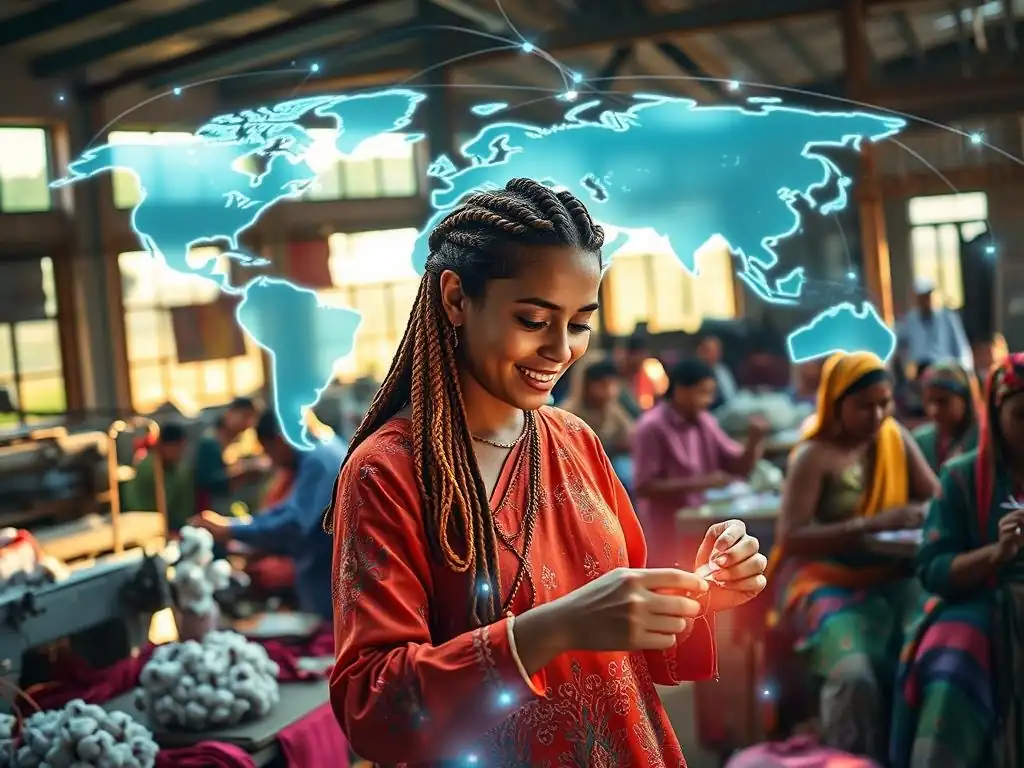
Welcome to Blockchain Trends, your compass in the rapidly evolving world of decentralized technologies. Beyond the hype of cryptocurrencies, we delve into the real-world applications that are reshaping industries. This week, we're asking: Can blockchain revolutionize fashion? Discover how blockchain ethical fashion supply chains are being implemented to ensure transparency and sustainability in the apparel industry. Intrigued? Keep reading to unravel the threads of this transformative trend.
- Understanding Blockchain for Ethical Fashion: Core Concepts
-
Frequently Asked Questions
- What is the main benefit of using blockchain in fashion supply chains?
- How can blockchain help combat counterfeiting in the fashion industry?
- What are some challenges to implementing blockchain in fashion supply chains?
- How does blockchain support sustainable practices in fashion?
- What is the role of regulation in the adoption of blockchain for ethical fashion?
- Final Reflection: Weaving a Transparent Future
- Embark on Your Ethical Fashion Revolution!
Understanding Blockchain for Ethical Fashion: Core Concepts

What is Blockchain and How Does it Work?
Blockchain is a decentralized, distributed ledger technology that records transactions across many computers. Unlike traditional databases, a blockchain groups transactions into blocks, which are then cryptographically linked together in chronological order, forming a chain. Once a block is added to the chain, it is extremely difficult to alter or delete the information it contains without consensus from a majority of the network participants. This immutability makes blockchain an exceptionally secure and trustworthy system for recording and verifying data, which is crucial for validating claims within complex global supply chains.
The underlying mechanism of blockchain involves consensus algorithms, such as Proof-of-Work or Proof-of-Stake, which ensure that all participants agree on the validity of new transactions before they are added to a block and appended to the chain. Each block contains a hash of the previous block, creating an unbreakable link that secures the entire history of transactions. This inherent security and transparency make blockchain technology a powerful tool for tracking the movement of goods, materials, and payments, offering a foundational technology for building truly Blockchain ethical fashion supply chains.
Key Benefits of Blockchain in Supply Chain Management
Implementing blockchain technology in supply chain management offers several significant advantages. One primary benefit is enhanced data integrity; because information on the blockchain is immutable and distributed, it is highly resistant to fraud and tampering. This ensures that the records of transactions, sourcing, and production steps are reliable and trustworthy, which is vital for verifying ethical sourcing claims. Furthermore, blockchain can significantly improve efficiency by streamlining processes, reducing paperwork, and automating transactions through smart contracts, leading to faster and more cost-effective operations across the entire chain, from raw material extraction to retail.
Another critical benefit for the fashion industry is increased visibility. Blockchain allows all authorized participants in the supply chain – from farmers and manufacturers to logistics providers and retailers – to access the same single source of truth regarding a product's journey. This shared, transparent ledger eliminates information silos and provides an end-to-end view of the supply chain, making it much easier to identify bottlenecks, verify compliance with ethical standards, and track the origin of materials. This level of transparency is indispensable for establishing robust Blockchain ethical fashion supply chains and building consumer trust.
Blockchain's Role in Promoting Transparency and Traceability
Transparency is arguably the most transformative aspect of blockchain for the fashion sector, particularly concerning ethical and sustainable practices. By creating a permanent, shared record of every step a product takes, from the origin of its raw materials (like cotton, wool, or synthetic fibers) through manufacturing, dyeing, assembly, and distribution, blockchain makes the entire supply chain visible.
This allows brands, regulators, and consumers to trace a garment's history back to its source, verifying claims about organic materials, fair labor practices, or environmental certifications. For example, a brand could use blockchain to prove that cotton was sourced from a specific sustainable farm or that workers at a factory received fair wages.
This granular level of traceability provides accountability that is often missing in traditional, opaque supply chains. If an issue arises, such as unsafe working conditions reported at a factory or the use of harmful chemicals, the blockchain record can help pinpoint exactly where and when the deviation occurred.
This not only facilitates corrective action but also empowers consumers, who increasingly demand to know the story behind their clothes. By providing verifiable data on a product's origin and journey, blockchain technology enables brands to build trust and demonstrate their commitment to ethical sourcing and sustainable production, laying the groundwork for effective Blockchain ethical fashion supply chains.
Frequently Asked Questions
What is the main benefit of using blockchain in fashion supply chains?
The primary benefit is enhanced transparency and traceability. This allows consumers and businesses to verify the ethical origins and sustainability practices of apparel.
How can blockchain help combat counterfeiting in the fashion industry?
Blockchain creates a permanent, immutable record of a product's journey, making it significantly harder to introduce counterfeit goods into the supply chain. Each item can have a unique digital identity verified against the blockchain.
What are some challenges to implementing blockchain in fashion supply chains?
Challenges include the complexity of integrating blockchain with existing systems, ensuring data accuracy, and achieving widespread adoption across all stakeholders.
How does blockchain support sustainable practices in fashion?
Blockchain can track resource usage, waste generation, and carbon footprint at each stage of the supply chain, promoting accountability and enabling brands to demonstrate their commitment to sustainability goals.
What is the role of regulation in the adoption of blockchain for ethical fashion?
Clear regulatory frameworks are crucial for establishing standards for data privacy, supply chain transparency, and consumer protection, fostering trust and encouraging wider adoption of blockchain solutions.
Final Reflection: Weaving a Transparent Future
The exploration of blockchain technology within the ethical fashion supply chain reveals a powerful truth: transparency is no longer a luxury, but a necessity. As consumers become increasingly aware of the human and environmental costs associated with fast fashion, the demand for accountability and verifiable sustainability is surging. Blockchain offers a tangible solution, promising to revolutionize how we trace and trust the origins of our clothing.
The impact of this technology extends far beyond mere traceability; it's reshaping the very fabric of the fashion industry. Witnessing the potential of blockchain to empower marginalized artisans and ensure fair wages is profoundly inspiring. It's a reminder that technology, when harnessed ethically, can be a powerful force for good. Fashion is not something that exists in dresses only. Fashion is in the sky, in the street, fashion has to do with ideas, the way we live, what is happening.
- Coco Chanel. This quote, though not directly about blockchain, underscores the evolving nature of fashion and its inherent connection to societal values, a connection blockchain is poised to strengthen.
Now, consider the power you hold as a consumer. Armed with the knowledge of blockchain's potential, you can actively seek out brands committed to ethical and sustainable practices. Demand transparency, ask questions, and support initiatives that prioritize people and planet over profit. Let us collectively weave a future where fashion is not just beautiful, but also fair, responsible, and truly sustainable.
Embark on Your Ethical Fashion Revolution!
Thank you for exploring how blockchain can transform the fashion industry. You've seen how increased transparency and sustainability are possible. Now, it's time to turn that knowledge into action.
Here are a few ways you can contribute to building a fairer fashion future:
- Demand Transparency! Reach out to your favorite clothing brands and inquire about their supply chain practices and whether they are implementing blockchain solutions to enhance accountability. Your voice can make a difference.
- Share this article with friends or colleagues who are interested in ethical fashion or blockchain technology. Spreading awareness helps grow the movement.
- Dive deeper into innovative applications of blockchain in sustainability by exploring more articles and resources. You might discover new ideas to support.
Are you ready to become a conscious consumer and advocate for a more ethical fashion industry? What small step will you take this week to promote a fairer and more transparent apparel supply chain?
Leave a Reply