
Financial Inclusion in the Digital Age: Blockchain as a Key Enabler


Welcome to Blockchain Trends, your compass in the evolving world of decentralized innovation!
Are you ready to uncover how blockchain is revolutionizing more than just cryptocurrency? Delve into the transformative power of this technology across diverse sectors, from DeFi to enterprise solutions. Our latest exploration focuses on the exciting landscape of Blockchain financial inclusion opportunities 2024. Discover how blockchain is breaking down barriers and creating a more equitable financial future. Read on to explore the intriguing possibilities and challenges that lie ahead!
Financial Inclusion in the Digital Age: Blockchain as a Key Enabler
- Introduction: Unveiling Blockchain's Role in Expanding Financial Access
- Understanding Blockchain and Financial Inclusion
- Blockchain Solutions for Financial Inclusion: Use Cases and Applications
- Real-World Examples of Blockchain Financial Inclusion
- Overcoming the Barriers to Blockchain Adoption for Financial Inclusion
-
The Future of Blockchain and Financial Inclusion: Trends and Predictions
- Blockchain's Evolving Financial Inclusion Potential
- The Rise of Central Bank Digital Currencies (CBDCs) and their Potential Impact
- The Convergence of Blockchain with Other Emerging Technologies (AI, IoT)
- Prediction: Increased Focus on Interoperability Between Blockchain Networks for Seamless Financial Transactions
- Conclusion: Blockchain's Transformative Potential for a More Inclusive Financial System
-
Frequently Asked Questions
- What specific blockchain financial inclusion opportunities are expected to emerge in 2024?
- How can blockchain technology contribute to reducing the financial exclusion gap?
- What are the main regulatory challenges facing blockchain-based financial inclusion initiatives?
- Beyond cryptocurrencies, what other blockchain applications are relevant to financial inclusion?
- What are the potential risks associated with relying on blockchain for financial inclusion, and how can they be mitigated?
- Final Reflection: Embracing Blockchain for Financial Empowerment
- Ignite Financial Freedom: Embrace Blockchain's Power!
Introduction: Unveiling Blockchain's Role in Expanding Financial Access
The Challenge of Financial Exclusion: A Global Perspective
Financial exclusion remains a significant barrier to economic development and poverty reduction worldwide. According to the World Bank's Global Findex Database 2021, approximately 1.4 billion adults globally still lack access to formal financial services, such as bank accounts, credit, and insurance. This exclusion disproportionately affects low-income populations, women, and individuals in remote or rural areas, trapping them in cycles of poverty and limiting their ability to save, invest, or access vital financial tools needed for improving their livelihoods.
The absence of formal financial access means individuals often rely on informal and often expensive methods for managing money, like cash or informal lenders. These methods lack security, transparency, and the ability to build financial history, which is crucial for accessing larger credit lines or participating in the formal economy. Addressing this challenge requires innovative solutions that can overcome traditional barriers such as high transaction costs, lack of physical infrastructure, and stringent identification requirements, paving the way for greater financial inclusion opportunities.
Blockchain Technology: A Potential Solution for Bridging the Financial Gap
Blockchain technology, initially known for powering cryptocurrencies like Bitcoin, offers a decentralized, transparent, and secure ledger system that can potentially revolutionize financial services. Its core characteristics – immutability, transparency, and peer-to-peer transactions – provide a foundation for building financial systems that are more accessible and affordable than traditional models. By removing intermediaries, blockchain can significantly reduce transaction costs and processing times, which are major hurdles for low-income individuals in developing economies.
The potential of blockchain for financial inclusion lies in its ability to create trust in environments where traditional institutions may be absent or inaccessible. It allows for the creation of digital identities, facilitates secure and low-cost value transfer, and enables innovative financial products like decentralized lending and insurance. Exploring these capabilities reveals significant blockchain financial inclusion opportunities 2024 and beyond.
Exploring Blockchain's Financial Inclusion Potential
The potential applications of blockchain technology in fostering financial inclusion are vast and varied. They range from providing secure digital identities for individuals without traditional identification documents to enabling micro-payments and remittances at significantly lower costs. Furthermore, blockchain can facilitate access to credit and savings mechanisms through decentralized platforms, allowing individuals to build financial histories and access capital previously unavailable to them.
Examining the landscape of blockchain financial inclusion opportunities 2024 involves looking at burgeoning areas like Decentralized Finance (DeFi), stablecoins, and blockchain-based identity solutions. These technologies are being piloted and deployed in various regions, demonstrating tangible impacts on access to financial services for underserved populations and highlighting the transformative power of decentralized technologies.
Understanding Blockchain and Financial Inclusion
Defining Financial Inclusion: What it Means and Why it Matters
Financial inclusion is broadly defined as the access to and usage of affordable, useful, and responsible financial products and services. This includes having transaction accounts for payments, savings, credit, and insurance. It is not just about having a bank account; it's about the ability to effectively use financial tools to manage income, cope with unexpected expenses, invest in opportunities, and achieve financial goals.
Achieving widespread financial inclusion is critical for poverty reduction and economic growth. When individuals and small businesses have access to appropriate financial services, they are better equipped to save for the future, start or expand businesses, invest in education or health, and protect themselves against shocks. This empowers individuals and communities, leading to more equitable development and greater overall economic stability.
How Blockchain Technology Works: A Simplified Explanation for Financial Applications
At its core, a blockchain is a distributed ledger technology that records transactions across many computers. When a transaction occurs, it is grouped with others into a 'block'. This block is then cryptographically linked to the previous block, forming a 'chain'. This process is secured by complex algorithms and verified by a network of participants, making it extremely difficult to alter past transactions without the consensus of the network.
For financial applications, this means transactions are recorded transparently and immutably on a shared ledger accessible to relevant parties. Instead of relying on a single central authority like a bank, trust is distributed across the network. This decentralized nature reduces the need for intermediaries, potentially lowering fees and increasing speed, while the cryptographic security ensures the integrity of the records, which is particularly valuable in areas lacking robust financial infrastructure.
Key Characteristics of Blockchain that Promote Financial Inclusion: Transparency, Security, and Accessibility
Blockchain's inherent characteristics make it uniquely suited to address many barriers to financial inclusion. Transparency is built into the system, as transactions are recorded on a public or permissioned ledger, allowing participants to verify activity (though specific identities can be pseudonymous). This reduces opportunities for corruption and increases trust in financial processes.
Security is paramount, achieved through cryptographic hashing and the distributed nature of the network. Tampering with data on a blockchain is computationally intensive and would require altering multiple copies of the ledger simultaneously, making it highly resistant to fraud. Accessibility is enhanced by the fact that participation often only requires an internet connection and a compatible device, bypassing the need for physical branches or extensive paperwork, thus opening up blockchain financial inclusion opportunities 2024 for those in remote areas.
Blockchain Solutions for Financial Inclusion: Use Cases and Applications
Decentralized Finance (DeFi) and its Impact on Underserved Communities
Decentralized Finance (DeFi) is a rapidly growing ecosystem of financial applications built on blockchain technology, primarily Ethereum, that aims to recreate traditional financial services in a permissionless and open manner. By removing intermediaries like banks and brokers, DeFi protocols allow users to lend, borrow, trade, and earn interest directly through smart contracts. This presents significant blockchain financial inclusion opportunities 2024 by offering alternatives to traditional, often inaccessible, financial institutions.
For underserved communities, DeFi can lower the barriers to entry for various financial activities. While challenges like complexity and volatility exist, the potential for accessing services like micro-lending or earning passive income on small amounts of capital, without needing traditional credit scores or extensive documentation, is transformative. The total value locked in DeFi protocols reached hundreds of billions of dollars in recent years, indicating a significant pool of capital that could potentially be leveraged for inclusive finance initiatives.
DeFi Lending Platforms: Providing Access to Credit for the Unbanked
DeFi lending platforms utilize smart contracts to match borrowers and lenders directly, often using cryptocurrency collateral. While over-collateralization is common, newer protocols are exploring under-collateralized or uncollateralized lending models based on reputation or social graphs built on the blockchain. This approach bypasses traditional credit scoring systems, which are often unavailable or unfavorable for individuals in emerging markets.
For example, platforms are emerging that allow users to borrow small amounts based on verified on-chain activity or community guarantees. While still nascent, the potential to access credit for starting a small business, covering emergency expenses, or investing in assets without needing a bank account or formal credit history represents a significant step towards financial empowerment for the unbanked.
Stablecoins: Facilitating Cross-Border Payments and Remittances
Stablecoins are cryptocurrencies designed to maintain a stable value, often pegged to fiat currencies like the US dollar. They combine the stability of traditional money with the efficiency and speed of blockchain transactions. This makes them ideal for payments, particularly cross-border remittances, which are a lifeline for many families in developing countries.
Traditional remittance services can be expensive, with fees often ranging from 5% to 10% or more of the transaction value, and transfers can take days. Stablecoins on blockchain networks can reduce these costs significantly, often to a fraction of a percent, and facilitate near-instantaneous transfers globally, 24/7. With global remittances totaling over $600 billion annually, lower fees facilitated by stablecoins could save billions of dollars for recipients, directly impacting household incomes and offering crucial blockchain financial inclusion opportunities 2024.
Blockchain-Based Identity Solutions: Enabling Access to Financial Services
A major hurdle for accessing formal financial services is the lack of verifiable identification. Billions of people worldwide, particularly in developing countries, do not have official identification documents required by banks for Know Your Customer (KYC) and Anti-Money Laundering (AML) regulations. Without identity, opening accounts, receiving remittances, or accessing credit becomes impossible.
Blockchain-based identity solutions, often referred to as Self-Sovereign Identity (SSI), offer a potential solution. SSI models allow individuals to create, own, and control their digital identities, sharing verifiable credentials selectively and securely. This empowers individuals and provides a trusted method for verifying identity without relying on fragile or non-existent physical documentation or centralized databases prone to breaches.
Self-Sovereign Identity (SSI) and its Role in Secure Identification
Self-Sovereign Identity puts the individual in control of their digital identity. Instead of relying on institutions (like governments or banks) to issue and manage identity credentials, individuals collect verifiable credentials from trusted sources (e.g., a government issues a birth certificate credential, an employer issues an employment credential) and store them securely on their device or a blockchain. They can then selectively present these verified credentials to service providers (like a bank) without revealing unnecessary personal information.
This model, often underpinned by blockchain for anchoring trust and ensuring the integrity of credentials, enhances privacy and security. For financial inclusion, it means someone without traditional ID might use alternative credentials like proof of address from a local utility company verified on the blockchain, or a credential issued by a trusted local community leader, to access basic financial services.
Reducing KYC/AML Costs with Blockchain-Based Identity Verification
Financial institutions face significant costs associated with traditional KYC/AML processes, including manual verification, data storage, and compliance audits. These costs can be a barrier to serving low-income customers or expanding into rural areas where verification is more challenging and expensive. Blockchain-based identity verification can streamline these processes.
Once an individual's identity credentials are verified and anchored on a blockchain or a related decentralized identity system, institutions can potentially reuse these verified credentials with the user's permission, reducing the need for repetitive and costly verification steps. This shared, secure, and reusable identity layer can lower the operational costs of onboarding new customers, making it economically viable for financial institutions to serve previously excluded populations and unlock significant blockchain financial inclusion opportunities 2024.
Microfinance on the Blockchain: Empowering Small Businesses and Entrepreneurs
Microfinance provides small loans and financial services to low-income individuals and small businesses that lack access to conventional banking. While impactful, traditional microfinance operations can face challenges with transparency, high administrative costs, and ensuring efficient fund disbursement and repayment tracking, particularly in remote areas.
Blockchain technology can enhance microfinance operations by providing a transparent and immutable ledger for tracking loans and repayments, automating processes through smart contracts, and potentially reducing operational overhead. This increased efficiency and transparency can lead to lower interest rates for borrowers and greater accountability for microfinance institutions and lenders, making microfinance more effective and reaching more people.
Smart Contracts for Automated Loan Disbursement and Repayment
Smart contracts are self-executing contracts with the terms of the agreement directly written into code. Deployed on a blockchain, they can automate processes based on predefined conditions. In microfinance, a smart contract could automatically disburse loan funds to a borrower's digital wallet once certain conditions are met (e.g., group guarantee confirmed).
Similarly, repayment schedules can be coded into the smart contract. If the borrower sends the due amount to the contract address, the contract automatically records the payment and updates the loan status. This automation reduces the need for manual tracking, minimizes potential for errors or fraud, and ensures timely processing, streamlining operations for both lenders and borrowers.
Enhanced Transparency and Accountability in Microfinance Operations
Blockchain's transparent ledger provides a clear, immutable record of all transactions – loan disbursements, repayments, and interest calculations. This transparency allows all parties involved – borrowers, lenders, and even donors or investors – to view the flow of funds and verify transaction history (while preserving borrower privacy depending on the blockchain design).
This enhanced accountability can build trust in microfinance operations, attracting more lenders and ensuring that funds reach their intended recipients. It also allows for easier auditing and reporting, potentially reducing administrative burdens and costs. The combination of automation and transparency offers compelling blockchain financial inclusion opportunities 2024 within the microfinance sector.
Real-World Examples of Blockchain Financial Inclusion
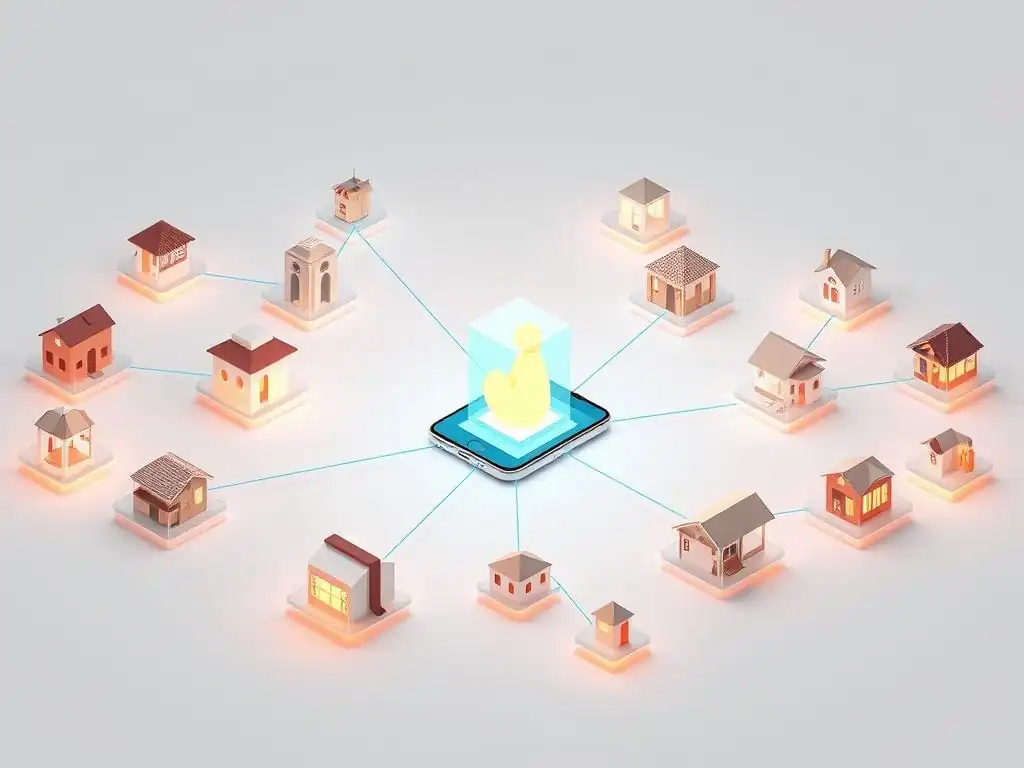
Case Study 1: Celo - Empowering Mobile-First DeFi for Emerging Markets
Celo is a mobile-first blockchain platform designed specifically for financial inclusion. Its mission is to build a financial system that creates conditions of prosperity for all. Celo uses phone numbers as public keys, making it easier for people to send and receive value using their mobile phones, even basic feature phones, addressing a key accessibility barrier in many emerging markets where smartphone penetration is lower but mobile ownership is high.
Celo's ecosystem includes stablecoins pegged to fiat currencies (like cUSD pegged to the US Dollar and cEUR pegged to the Euro) and a native token used for transaction fees and governance. These stablecoins facilitate low-cost payments and remittances. Furthermore, various DeFi applications built on Celo allow users to save, lend, borrow, and earn yield directly from their mobile wallets, bypassing traditional financial institutions. For instance, initiatives on Celo have reached users in countries like the Philippines and across Africa, enabling access to financial services previously unavailable through traditional means.
Case Study 2: Kenya - Using Blockchain to Improve Financial Access for Smallholder Farmers
In Kenya, initiatives have explored using blockchain technology to improve financial access and supply chain efficiency for smallholder farmers. Many farmers lack formal land titles or credit histories, making it difficult to access loans for seeds, fertilizers, or equipment. Projects have aimed to create digital identities and verifiable transaction histories for farmers based on their participation in agricultural value chains recorded on a blockchain.
By recording transactions such as the sale of produce or participation in training programs on a distributed ledger, farmers can build a verifiable digital footprint. This digital history can then serve as a form of collateral or proof of reliability, enabling them to access micro-loans or insurance products from participating financial providers. While specific nationwide rollout data is still emerging, pilot programs have shown promise in linking farmers to financial services based on their agricultural activity, demonstrating practical blockchain financial inclusion opportunities 2024 in the agricultural sector.
Analyzing the Successes and Challenges of Existing Blockchain Financial Inclusion Initiatives
Existing initiatives demonstrate that blockchain can indeed lower transaction costs, increase speed, enhance transparency, and provide alternative ways for the unbanked to access financial services. Projects like Celo show success in building user-friendly mobile interfaces and stable currency options suitable for daily transactions in volatile economic environments. Pilots in areas like agriculture highlight the potential to use non-traditional data sources, verified on a blockchain, to establish creditworthiness.
However, significant challenges persist. These include the need for better technological infrastructure (internet connectivity, affordable devices), regulatory uncertainty in many jurisdictions regarding digital assets and decentralized finance, and the substantial effort required for digital literacy and user education among target populations. Furthermore, the volatility of some cryptocurrencies and the complexity of managing private keys remain hurdles that need robust solutions for widespread adoption in financial inclusion contexts.
Overcoming the Barriers to Blockchain Adoption for Financial Inclusion
Regulatory Hurdles and the Need for Clear Legal Frameworks
One of the most significant barriers to the widespread adoption of blockchain for financial inclusion is the lack of clear and consistent regulatory frameworks worldwide. Governments and financial regulators are still grappling with how to classify and oversee cryptocurrencies, stablecoins, DeFi protocols, and blockchain-based identity systems. Uncertainty around these technologies creates risks for both users and service providers, hindering investment and scaling efforts.
Developing clear, proportional, and innovation-friendly regulations is crucial. This involves finding a balance between protecting consumers and preventing illicit activities (like money laundering) while allowing for the development and deployment of inclusive blockchain solutions. International cooperation and knowledge sharing among regulators are essential to create a more predictable environment for blockchain financial inclusion opportunities 2024 and beyond.
Technological Infrastructure Limitations in Developing Regions
While mobile phone penetration is high in many developing regions, access to stable internet connectivity and affordable smartphones or devices capable of running blockchain applications remains a challenge in many rural or low-income areas. Blockchain transactions, especially on some networks, can also require computational resources or incur transaction fees that might be prohibitive for the poorest populations.
Addressing these infrastructure gaps requires investment in digital infrastructure and the development of blockchain applications optimized for low-bandwidth environments and less powerful devices. Innovations like Layer 2 scaling solutions and more efficient consensus mechanisms are helping to reduce transaction costs and increase speed, making blockchain more viable for micro-transactions necessary for daily financial activities of low-income individuals.
Addressing Digital Literacy and User Adoption Challenges
Even with accessible technology, a significant barrier is the lack of digital literacy and understanding of how blockchain and digital financial services work. Concepts like private keys, wallet security, and decentralized protocols can be complex for first-time users, especially those with limited formal education or prior exposure to digital technologies. This creates a trust deficit and makes users vulnerable to scams or losing access to their funds.
Overcoming this requires substantial investment in user education and training programs tailored to the specific needs and contexts of target communities. Developing intuitive, user-friendly interfaces and providing robust customer support are also critical for driving adoption. Community-based approaches and partnerships with local organizations can be effective in building trust and facilitating the learning process, unlocking the potential of blockchain financial inclusion opportunities 2024 for wider segments of the population.
Security Concerns and Mitigation Strategies
While blockchain is inherently secure due to its cryptographic nature, the broader ecosystem presents security risks. Users can lose funds if they lose their private keys, fall victim to phishing attacks, or interact with fraudulent smart contracts. Centralized points of failure, such as exchanges or custodial wallet providers, can also be targets for hackers.
Mitigating these risks involves educating users about best practices for securing their digital assets, promoting the use of non-custodial wallets where users control their private keys, and developing robust security standards for decentralized applications. Ongoing audits of smart contracts and protocols are also essential. Building trust in blockchain for financial inclusion requires a strong focus on security at every level, from the underlying technology to user behavior.
The Future of Blockchain and Financial Inclusion: Trends and Predictions
Blockchain's Evolving Financial Inclusion Potential
The potential of blockchain technology to drive financial inclusion is continuously evolving as the technology matures and new applications emerge. Beyond basic payments and identity, we are seeing developments in areas like decentralized insurance, tokenized real-world assets (allowing fractional ownership), and decentralized autonomous organizations (DAOs) that could manage community funds or micro-investment pools.
As blockchain networks become more scalable, cheaper, and easier to use, their applicability for serving low-income populations expands. The focus is shifting from simply enabling transactions to building a full suite of accessible, affordable, and user-friendly financial services that can genuinely empower individuals to improve their economic standing. This presents exciting blockchain financial inclusion opportunities 2024 and for the coming decade.
The Rise of Central Bank Digital Currencies (CBDCs) and their Potential Impact
Many central banks around the world are exploring or actively developing Central Bank Digital Currencies (CBDCs). CBDCs are digital forms of a country's fiat currency, potentially issued on a blockchain or distributed ledger technology. While different from decentralized cryptocurrencies, CBDCs could have a significant impact on financial inclusion.
A well-designed CBDC could provide a secure, low-cost digital payment option accessible to everyone, including those without bank accounts, potentially via mobile phones or other simple interfaces. This could serve as a public digital infrastructure layer that enables greater participation in the digital economy and complements private sector blockchain initiatives aimed at financial inclusion. However, the design choices regarding privacy, accessibility, and the role of intermediaries will be critical in determining whether CBDCs effectively contribute to inclusion.
The Convergence of Blockchain with Other Emerging Technologies (AI, IoT)
The convergence of blockchain with other emerging technologies like Artificial Intelligence (AI) and the Internet of Things (IoT) holds further promise for financial inclusion. AI can be used to analyze on-chain data to build alternative credit scores for individuals without traditional financial history. IoT devices can generate verifiable data points (e.g., crop yields from connected farm sensors recorded on a blockchain) that can be used for insurance claims or supply chain finance.
This convergence can create more intelligent, automated, and data-rich financial services. For instance, AI-powered credit assessment using blockchain data could enable more accurate and inclusive lending decisions. IoT data recorded immutably on a blockchain could facilitate parametric insurance products for farmers, paying out automatically based on predefined weather conditions verified by sensors.
Prediction: Increased Focus on Interoperability Between Blockchain Networks for Seamless Financial Transactions
A key trend predicted for the near future is an increased focus on interoperability between different blockchain networks. Currently, moving assets or data between different blockchains can be complex and costly. For financial inclusion, seamless interaction between various networks – whether they are public blockchains, permissioned enterprise ledgers, or future CBDC platforms – is crucial for creating a truly interconnected and accessible global financial system.
Developing robust cross-chain bridges and standardized protocols will allow users to access services and transfer value across different platforms easily. This will reduce fragmentation, increase liquidity, and enable a wider range of financial products and services to be built and accessed, ultimately expanding blockchain financial inclusion opportunities 2024 and beyond by creating a more unified digital financial landscape.
Conclusion: Blockchain's Transformative Potential for a More Inclusive Financial System
Recap of Blockchain's Key Benefits for Financial Inclusion
Blockchain technology offers a compelling set of benefits for advancing financial inclusion. Its decentralized nature bypasses traditional gatekeepers, reducing costs and increasing speed. Transparency and immutability build trust and accountability. Accessibility through digital means lowers barriers related to physical infrastructure and identification. Use cases in DeFi, identity, and microfinance demonstrate tangible ways blockchain can provide access to payments, credit, savings, and insurance for the unbanked and underbanked.
From enabling low-cost remittances via stablecoins to providing digital identities for accessing services and automating micro-loans with smart contracts, blockchain presents diverse and powerful tools. While challenges related to regulation, infrastructure, digital literacy, and security remain, the foundational characteristics of blockchain make it a powerful enabler for creating more open and equitable financial systems.
A Call to Action: Fostering Collaboration and Innovation in the Blockchain Ecosystem
Realizing the full potential of blockchain for financial inclusion requires concerted effort and collaboration across various stakeholders. This includes technology developers building user-friendly and scalable solutions, regulators creating supportive legal frameworks, financial institutions exploring partnerships and integrating blockchain tools, and NGOs and community organizations focusing on digital literacy and user adoption.
Innovation must continue, particularly in developing solutions optimized for low-resource environments and addressing security and usability concerns. Sharing knowledge and best practices from real-world initiatives is also crucial for accelerating progress and scaling successful models. Fostering this collaborative ecosystem is key to unlocking the significant blockchain financial inclusion opportunities 2024 and improving lives globally.
Ultimately, blockchain technology holds the potential to be a powerful catalyst for economic empowerment and social development. By providing individuals with greater control over their finances, enabling access to essential financial services, and reducing dependency on costly or inaccessible traditional systems, blockchain can help lift people out of poverty and create more resilient communities. As the technology matures and adoption grows, its role in building a more inclusive and equitable global financial system will become increasingly significant.
Frequently Asked Questions
What specific blockchain financial inclusion opportunities are expected to emerge in 2024?
In 2024, we anticipate increased opportunities in areas like decentralized lending platforms, microfinance powered by blockchain, and cross-border payment solutions designed for underserved populations. These solutions aim to lower barriers to entry and reduce costs.
How can blockchain technology contribute to reducing the financial exclusion gap?
Blockchain can reduce the financial exclusion gap by providing secure and transparent platforms for financial services, enabling lower transaction costs, and facilitating access to credit and savings for those lacking traditional banking access.
What are the main regulatory challenges facing blockchain-based financial inclusion initiatives?
Regulatory challenges include navigating varying jurisdictional approaches to blockchain, addressing concerns about KYC/AML compliance, and establishing clear legal frameworks for decentralized financial systems to ensure consumer protection and stability.
Beyond cryptocurrencies, what other blockchain applications are relevant to financial inclusion?
Beyond cryptocurrencies, supply chain finance solutions using blockchain can empower small businesses, digital identity platforms can enable access to financial services, and tokenized assets can unlock new investment opportunities for marginalized communities.
What are the potential risks associated with relying on blockchain for financial inclusion, and how can they be mitigated?
Potential risks include scalability issues, security vulnerabilities, and the digital divide limiting access for some populations. Mitigation strategies involve investing in infrastructure, promoting digital literacy, and ensuring robust security protocols.
Final Reflection: Embracing Blockchain for Financial Empowerment
The journey through the landscape of financial inclusion, illuminated by the transformative potential of blockchain, reveals a critical truth: technology, when strategically deployed, can bridge the gap between the financially excluded and the opportunities they deserve. This article has explored the myriad ways blockchain is already reshaping access to financial services, and its relevance in 2024 is undeniable as we witness its increasing adoption and impact on underserved communities globally.
This exploration has underscored the profound influence that innovative technologies like blockchain can have on fostering a more equitable and just financial system. Witnessing the tangible impact of blockchain on individuals' lives, from securing land titles to facilitating cross-border remittances, reinforces the importance of continued innovation and responsible implementation. Financial inclusion is not just about access to banking; it's about empowering individuals to participate fully in the economic life of their communities.
This quote encapsulates the essence of our mission: to leverage technology to unlock the potential within every individual, regardless of their socioeconomic background.
As we stand at the cusp of a new era of financial accessibility, let us not forget the human element at the heart of this technological revolution. Consider how you can contribute to this movement, whether through supporting blockchain-based initiatives, advocating for inclusive policies, or simply educating yourself and others about the power of this technology to transform lives. The future of finance is inclusive, and it is within our collective power to shape it.
Ignite Financial Freedom: Embrace Blockchain's Power!
Thank you for exploring how blockchain technology is transforming financial inclusion. You've gained valuable insights into its potential to empower underserved communities. Are you ready to turn this knowledge into action and help build a more equitable financial future?
Here’s how you can get started:
- Learn more about a decentralized finance project focused on expanding financial access. Understand how it works and the impact it aims to achieve.
- Share this article with a friend interested in social impact or technology — let’s spread awareness and inspire others to leverage blockchain for good.
- Join the conversation! Post your thoughts on the biggest opportunities and challenges blockchain presents for financial inclusion in the comments below. Let’s learn from each other’s perspectives.
What small step will you take today to help provide financial access to those who need it most?
Leave a Reply