
Food Aid Transparency: Ensuring Secure and Accountable Food Distribution with Blockchain


Welcome to Blockchain Trends, your compass in the rapidly evolving world of decentralized technologies. Beyond the hype of cryptocurrencies, lies a vast landscape of potential, impacting everything from finance to supply chains. Curious how blockchain can revolutionize humanitarian efforts? Dive into our latest article on Blockchain food aid transparency and discover how this groundbreaking technology is ensuring secure and accountable food distribution, offering a glimpse into the future of social impact solutions. The journey to a more transparent world starts here – keep exploring!
- Case Studies: Blockchain in Action for Food Security
-
Frequently Asked Questions
- How does blockchain enhance food aid transparency?
- What are the key benefits of using blockchain for food aid distribution?
- What challenges exist in implementing blockchain for food aid programs?
- How does blockchain contribute to food security beyond immediate aid?
- What regulatory considerations are important when implementing blockchain in food aid?
- Final Reflection: Empowering Trust Through Transparency
- Revolutionize Food Aid: Take Action Now!
Case Studies: Blockchain in Action for Food Security
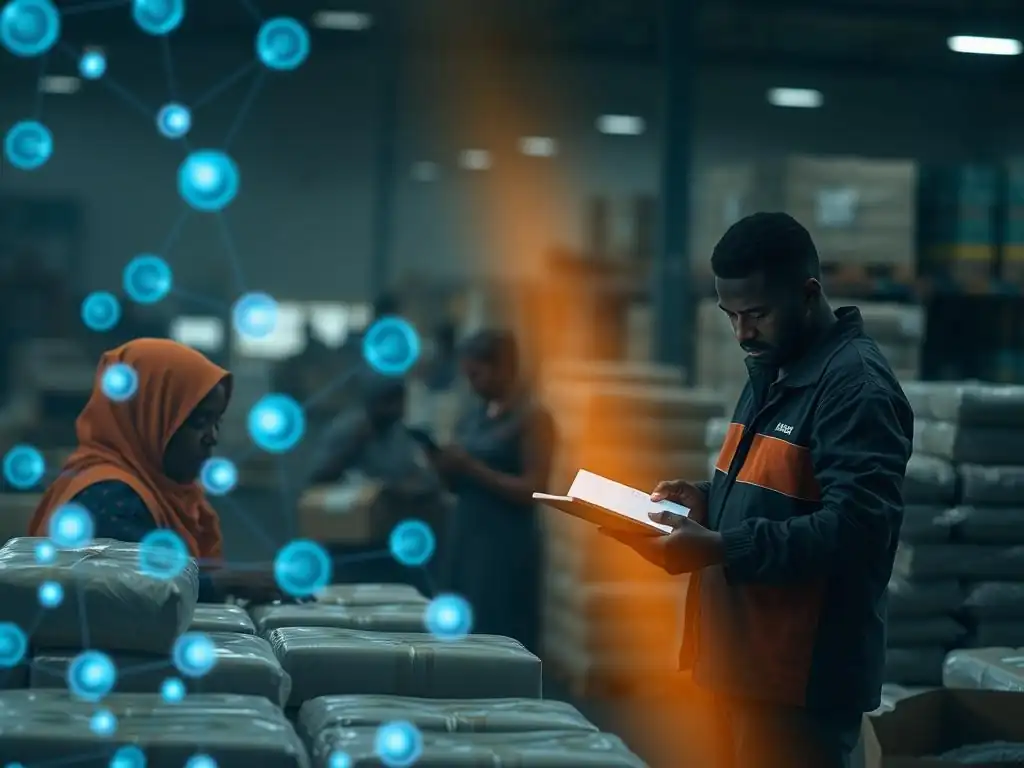
World Food Programme (WFP) Building Blocks Project in Jordan
The World Food Programme (WFP), the United Nations' food-assistance branch, pioneered the use of blockchain technology in humanitarian aid with its "Building Blocks" project, initially launched in Jordan in 2017. This initiative aimed to deliver cash-based transfers to Syrian refugees residing in the Azraq and Za'atari refugee camps, bypassing traditional banking infrastructure which could be slow, costly, and lack granular transparency.
By leveraging a private, permissioned blockchain network, WFP could record and process assistance directly between the WFP and the retailers within the camps, using iris scanning technology for identity verification. This direct approach significantly enhanced the visibility of transactions and improved blockchain food aid transparency compared to previous methods.
The initial pilot in Jordan demonstrated tangible benefits. Before Building Blocks, WFP relied on commercial banks or mobile money operators, incurring fees and facing delays. With the blockchain system, transaction fees were dramatically reduced, estimated savings in the initial phase were around 98% per transaction compared to traditional methods.
Furthermore, the system processed over 100,000 unique individuals and handled approximately $1.4 million in transactions per month during its early stages. Every transaction, from WFP sending funds to refugees purchasing food items at registered shops, was recorded on the blockchain ledger, creating an immutable audit trail that was accessible to relevant parties, thereby fostering greater accountability and contributing to blockchain food aid transparency.
Building Blocks Expansion and Impact on Refugee Assistance
Following the success of the Jordan pilot, the WFP's Building Blocks project expanded its reach to other regions facing similar humanitarian challenges. The project was scaled up and implemented in countries like Pakistan and Bangladesh, specifically to support Rohingya refugees. This expansion proved the adaptability and scalability of the blockchain solution for different contexts and populations. The core functionality remained consistent: using biometric identification (iris scan) linked to a digital identity on the blockchain to enable refugees to access their food assistance entitlements at designated retailers, ensuring that aid reached the intended beneficiaries directly and securely.
The impact of this expansion on refugee assistance has been significant. By providing a secure, efficient, and transparent method for distributing aid, Building Blocks reduced the risk of diversion or misuse of funds. The immutable record on the blockchain offered unprecedented visibility into the flow of resources, allowing WFP and donors to track exactly where and how assistance was being utilized.
This enhanced level of detail and accountability strengthened donor confidence and improved the overall effectiveness of aid delivery. The project handled billions of dollars in transactions globally, processing aid for over a million refugees across multiple countries, solidifying blockchain's role in improving blockchain food aid transparency and operational efficiency in large-scale humanitarian operations.
Lessons Learned from Early Blockchain Food Aid Initiatives
The early implementations of blockchain in food aid, particularly the WFP's Building Blocks project, provided crucial insights into the opportunities and challenges of deploying distributed ledger technology in complex humanitarian environments. One key lesson was the importance of robust digital identity verification; linking beneficiaries securely to their blockchain identity through biometrics was fundamental to preventing fraud and ensuring aid reached the right people. Another critical takeaway was the need for strong partnerships with local retailers and service providers, as their integration into the blockchain network was essential for the system's functionality at the point of service.
Furthermore, these initiatives highlighted the technical complexities involved in maintaining and scaling a permissioned blockchain network in areas with potentially unstable infrastructure. While the technology offered significant improvements in blockchain food aid transparency and efficiency, challenges related to connectivity, energy access, and the need for specialized technical expertise were evident. The experience underscored that while blockchain provides a powerful tool for transparency and accountability, successful implementation requires careful planning, significant investment in infrastructure and training, and a clear understanding of the specific operational context and needs of the beneficiary population.
Frequently Asked Questions
How does blockchain enhance food aid transparency?
Blockchain provides an immutable and auditable record of the entire food aid supply chain, from donation to distribution. This reduces fraud and ensures aid reaches its intended recipients.
What are the key benefits of using blockchain for food aid distribution?
Key benefits include increased transparency, improved traceability, and enhanced accountability. This leads to greater trust and efficiency in the aid process.
What challenges exist in implementing blockchain for food aid programs?
Challenges include lack of infrastructure in some regions, digital literacy barriers, and the need for collaboration between various stakeholders.
How does blockchain contribute to food security beyond immediate aid?
By reducing corruption and improving supply chain efficiency, blockchain can contribute to long-term food security in vulnerable communities. It can also facilitate direct funding to farmers.
What regulatory considerations are important when implementing blockchain in food aid?
Important regulatory considerations include data privacy, compliance with international laws, and ensuring interoperability between different blockchain systems.
Final Reflection: Empowering Trust Through Transparency
The journey through the intricacies of food aid distribution, illuminated by the potential of blockchain technology, reveals a critical truth: transparency is not merely a buzzword, but a lifeline. In a world grappling with food insecurity and logistical complexities, the ability to track and verify the journey of aid from donor to recipient is paramount. The promise of blockchain to enhance accountability and security in this vital process resonates deeply in our current climate, where trust in institutions is constantly challenged.
This exploration has underscored the profound impact that technology can have on humanitarian efforts. Witnessing the potential for blockchain to empower vulnerable communities and foster a more equitable distribution of resources has been truly inspiring. It reminds us that innovation, when guided by ethical considerations, can be a powerful force for good. The ultimate measure of a man is not where he stands in moments of comfort and convenience, but where he stands at times of challenge and controversy.
- Martin Luther King, Jr. This quote encapsulates the spirit of leveraging technology to address the challenges of food aid distribution, even when faced with complexities and resistance.
Now, as we conclude this exploration, I invite you to consider your own role in fostering a more transparent and accountable world. How can you, in your own sphere of influence, champion the principles of openness and integrity? Let us all strive to be catalysts for positive change, ensuring that the benefits of technology reach those who need them most, building a future where food security is not a privilege, but a fundamental right for all.
Revolutionize Food Aid: Take Action Now!
Thank you for exploring how blockchain can transform food aid distribution! You've gained valuable insights into enhancing security and accountability. Now, let's turn this knowledge into meaningful change.
Here's how you can help build a more transparent and efficient food aid system:
- Demand transparency: Contact your local representatives and advocate for the adoption of blockchain technology in food aid programs. Let them know you support secure and accountable distribution—your voice matters!
- Dig deeper: Explore other blockchain-based solutions in humanitarian efforts and share your discoveries with our community. The more we learn, the greater our impact.
- Inspire dialogue: Share this article with your network to spark conversations about blockchain’s potential to address food insecurity.
What questions do you still have about blockchain’s role in improving food aid? Share your thoughts in the comments below and join the discussion!
Leave a Reply