
The Future of Ethical Consumption: Driven by Blockchain Transparency in Supply Chains


Welcome to Blockchain Trends, your premier source for understanding the revolutionary impact of blockchain technology.
Imagine a world where you can trace the journey of your products, from origin to doorstep, with unwavering certainty. Our deep dive into blockchain supply chain transparency benefits reveals how this powerful technology is not just reshaping industries, but also fostering ethical consumption and building trust in a decentralized future. Curious to know how blockchain is forging a more transparent and accountable world? Read on to discover the possibilities...
- The Future of Ethical Consumption: Driven by Blockchain Transparency in Coffee Supply Chains
- The Challenge of Traditional Supply Chains: Opacity and Ethical Concerns
- Blockchain Technology: A Solution for Enhanced Supply Chain Transparency
- Key Blockchain Supply Chain Transparency Benefits
- Implementing Blockchain for Ethical Supply Chains: Practical Applications
- Case Studies: Blockchain's Impact on Ethical Consumption
- Overcoming Challenges in Blockchain Supply Chain Adoption
- The Future of Ethical Consumption: Blockchain as a Catalyst
- Blockchain Supply Chain Transparency: A Look Ahead
-
Frequently Asked Questions
- How does blockchain enhance supply chain transparency?
- What are the blockchain supply chain transparency benefits for businesses?
- Can blockchain help consumers make more ethical purchasing decisions?
- What role does regulation play in blockchain-based supply chains?
- How does DeFi (Decentralized Finance) intersect with blockchain supply chain transparency?
- Final Reflection: Embracing Transparency for a Sustainable Future
- Embark on Your Ethical Consumption Journey Now!
The Future of Ethical Consumption: Driven by Blockchain Transparency in Coffee Supply Chains
The Growing Demand for Ethical Products and Practices
Consumers worldwide are increasingly prioritizing ethical considerations when making purchasing decisions. This shift is not merely a trend but a fundamental change in consumer values, driven by greater awareness of social and environmental issues associated with global supply chains. Reports consistently show a willingness among consumers to pay a premium for products that can demonstrate ethical sourcing, fair labor practices, and environmental sustainability. For instance, a 2020 study by IBM and the National Retail Federation found that nearly 70% of consumers in the US and Canada believe it is important for brands to be sustainable or environmentally conscious.
This growing demand translates into market opportunities for businesses that can genuinely prove their ethical claims. Industries like coffee, where the journey from farm to cup involves numerous stages and potential ethical pitfalls, are particularly susceptible to consumer scrutiny. Businesses that can leverage technologies like blockchain to offer tangible proof of ethical sourcing gain a significant competitive advantage, appealing directly to this conscientious consumer base and highlighting the significant Blockchain supply chain transparency benefits.
Consumer Awareness and the Call for Supply Chain Accountability
The digital age has empowered consumers with unprecedented access to information. Social media, investigative journalism, and non-governmental organizations constantly highlight issues such as exploitative labor, environmental degradation, and fraudulent practices hidden within complex supply networks. Consumers are no longer satisfied with vague corporate social responsibility statements; they demand verifiable evidence and accountability from the brands they support.
This heightened awareness fuels a direct call for greater supply chain accountability. Consumers want to know the origin of their products, how they were produced, and whether everyone involved in the process, from the farmer to the factory worker, was treated fairly. This pressure forces companies to look beyond the first tier of their suppliers and seek deeper visibility, making the implementation of solutions that provide robust Blockchain supply chain transparency benefits a strategic imperative.
The Challenge of Traditional Supply Chains: Opacity and Ethical Concerns
Lack of Transparency in Conventional Supply Chain Management
Traditional supply chains are notoriously complex and opaque, especially in global commodities like coffee. A typical journey for coffee beans involves farmers, local aggregators, exporters, importers, roasters, distributors, and finally retailers. Each step represents a potential point where information can be lost, distorted, or intentionally obscured. Paper-based records or disparate digital systems that don't communicate effectively create information silos, making it incredibly difficult to trace a product's journey from origin to final destination.
This lack of end-to-end visibility means that companies often have limited knowledge of conditions further down their supply chain, particularly at the farming level. They may rely on third-party certifications, but verifying the integrity of these certifications across vast and fragmented networks is challenging. The opaqueness prevents effective monitoring and makes it hard to identify and address ethical issues proactively, underscoring the urgent need for enhanced Blockchain supply chain transparency benefits.
Ethical Issues Plaguing Traditional Supply Chains: Deforestation, Exploitation of Farmers
The opacity of traditional supply chains directly contributes to persistent ethical problems within the coffee industry and beyond. Exploitation of smallholder farmers is a significant concern, with many receiving only a tiny fraction of the final retail price – sometimes as low as 7-10%. This struggle for economic viability can trap farmers in cycles of poverty, limiting their ability to invest in sustainable practices or improve their livelihoods.
Furthermore, environmental issues like deforestation for land expansion, unsustainable water usage, and improper waste disposal are often difficult to track and attribute within complex supply networks. Child labor and unsafe working conditions can also occur undetected in areas with weak regulatory oversight. Without clear visibility and accountability, it is challenging to ensure that every step in the supply chain adheres to ethical and sustainable standards, highlighting the critical role that Blockchain supply chain transparency benefits could play in mitigating these issues.
Blockchain Technology: A Solution for Enhanced Supply Chain Transparency
How Blockchain Works: Immutability and Decentralization
Blockchain technology is fundamentally a distributed, immutable ledger that records transactions across a network of computers. Unlike traditional databases stored in a single location, a blockchain's data is replicated and shared among participants. Each transaction is grouped into a 'block,' which is then cryptographically linked to the previous block, forming a chain. Once a block is added to the chain after validation by network participants, it is extremely difficult to alter or remove the data without the consensus of the network, ensuring immutability.
This decentralized and immutable nature is key to its power in supply chains. Every time a product changes hands, undergoes a transformation (like roasting), or has a data point recorded (like a quality check or certification), that transaction can be added to the blockchain ledger. This creates a permanent, verifiable history of the product's journey. Participants in the network, with appropriate permissions, can access this shared record, providing a single source of truth that is resistant to tampering and offers foundational Blockchain supply chain transparency benefits.
Blockchain's Potential to Revolutionize Supply Chain Visibility
The inherent characteristics of blockchain technology offer a powerful solution to the transparency challenges plaguing traditional supply chains. By creating a shared, tamper-proof record of every movement and transformation of goods, blockchain provides end-to-end visibility that was previously unattainable. From the moment coffee beans are harvested and bagged at the farm, a unique digital identity can be created on the blockchain.
As the beans move through washing stations, drying patios, export facilities, shipping containers, import customs, roasteries, and distribution centers, each handoff and process can be recorded on the ledger. This granular level of tracking allows stakeholders, including potentially consumers, to trace the product's journey backward to its origin. This revolution in visibility is a core component of the significant Blockchain supply chain transparency benefits, enabling companies to monitor provenance, verify authenticity, and ensure compliance with ethical standards at every step.
Key Blockchain Supply Chain Transparency Benefits
Increased Traceability and Product Provenance
One of the most immediate and impactful Blockchain supply chain transparency benefits is the dramatic increase in traceability. Blockchain enables companies to track a product's journey with unprecedented detail, often down to the individual batch or even item level. For coffee, this means being able to follow a specific lot of beans from a particular farm in a specific region, through every stage of processing and distribution, all the way to the consumer.
This enhanced traceability provides definitive proof of origin, or provenance, which is crucial for premium and ethical products. Consumers can potentially scan a QR code on a bag of coffee and see a verified history of where the beans came from, when they were harvested, and who handled them along the way. This level of detail builds consumer trust and helps combat issues like mislabeling or the blending of lower-quality beans.
Enhanced Accountability and Reduced Fraud
Blockchain's immutable ledger holds every participant in the supply chain accountable for their role. Because records cannot be easily altered, any discrepancy, delay, or issue recorded on the blockchain can be traced back to the specific entity responsible at that point in the chain. This inherent accountability significantly reduces opportunities for fraud, such as substituting ethically sourced beans with conventionally grown ones or falsifying certifications.
For instance, if a shipment of coffee beans is found to be contaminated, the blockchain record can pinpoint exactly which entity handled the beans at the time the contamination likely occurred. This makes it much harder for bad actors to operate undetected and provides a clear audit trail for disputes or quality control issues. This enhanced accountability is a vital aspect of the Blockchain supply chain transparency benefits, fostering a more trustworthy and reliable network.
Improved Data Security and Trust
Traditional supply chain data is often stored in centralized databases, making it vulnerable to cyberattacks, data breaches, or manipulation by a single party. Blockchain, by contrast, distributes the data across a network, making it significantly more secure. Each transaction is cryptographically secured, and altering a record would require changing it on multiple nodes across the network simultaneously, which is practically impossible for malicious actors.
This distributed security model builds trust among supply chain participants who may not have prior relationships. They can rely on the data on the shared ledger knowing it is secure and has not been tampered with. This improved data security and the resulting trust are fundamental Blockchain supply chain transparency benefits, laying the groundwork for more collaborative and efficient supply chain operations.
Streamlined Processes and Cost Reduction
Beyond transparency and trust, implementing blockchain can lead to significant operational efficiencies and cost reductions. By providing a single, shared source of truth, blockchain can reduce the need for extensive paperwork, manual data entry, and time-consuming verification processes. Smart contracts, self-executing contracts with the terms directly written into code, can automate payments or trigger actions based on predefined conditions being met on the blockchain, such as proof of shipment delivery or successful quality inspection.
Automating these processes minimizes delays, reduces administrative overhead, and lowers transaction costs. For example, verifying organic or Fair Trade certifications can be streamlined by linking digital certificates to specific product batches on the blockchain, replacing cumbersome manual audits. These operational improvements contribute to the overall Blockchain supply chain transparency benefits by making the ethical supply chain not only more verifiable but also more efficient and economically viable.
Implementing Blockchain for Ethical Supply Chains: Practical Applications
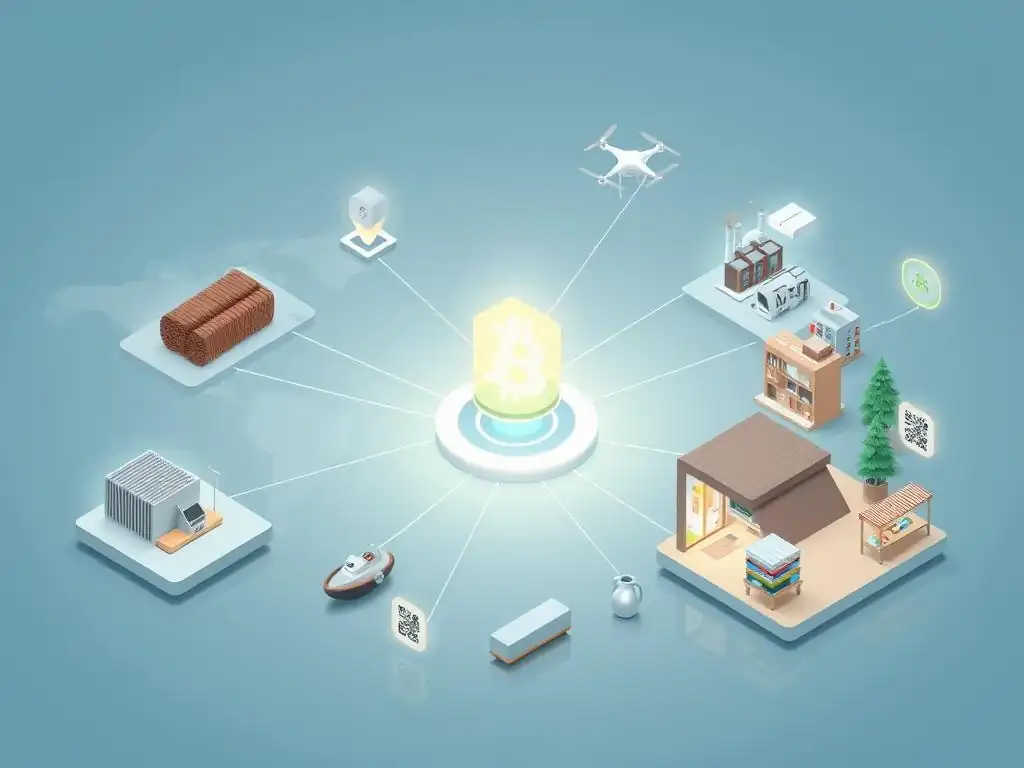
Tracking Coffee Beans from Farm to Cup
One of the most compelling practical applications of blockchain in ethical supply chains is the granular tracking of coffee beans. Imagine a farmer in Colombia harvesting a specific lot of high-quality Arabica beans. Using a blockchain platform, the farmer or a local cooperative can record the harvest date, location (geo-coordinates), bean variety, and initial processing method (e.g., washed, natural). This information is time-stamped and added to the blockchain.
As the beans are processed, dried, milled, bagged, and transported, each step is recorded. The identity of the processor, the date of milling, the weight of the bags, the shipping container number, and export/import details are all added to the immutable ledger. This creates a comprehensive digital trail.
When the bags arrive at the roastery, their receipt is verified against the blockchain record. The roasting date and profile can be added, and when the coffee is packaged, a unique identifier (like a QR code) linking back to the specific batch's blockchain history can be printed on the bag. This end-to-end tracking is a prime example of the operational Blockchain supply chain transparency benefits.
Verifying Fair Trade Practices and Sustainable Farming
Blockchain offers a robust mechanism for verifying ethical and sustainable practices throughout the coffee supply chain. Fair Trade certifications, organic certifications, and other sustainability metrics can be digitally linked to specific coffee lots on the blockchain. Instead of relying solely on periodic audits and paper trails, data points relevant to certification criteria – such as proof of payment to farmers above a certain threshold, records of sustainable farming inputs used, or documentation of waste management practices – can be recorded directly onto the ledger or referenced via verifiable digital documents.
Smart contracts can be programmed to automatically release payments to farmers or cooperatives upon verification of shipment or quality metrics recorded on the blockchain, ensuring timely and fair compensation. Furthermore, data related to environmental impacts, such as water usage or carbon footprint calculations per bean lot, can be recorded and verified, providing concrete evidence of sustainable practices. This verifiable proof of ethical conduct is a crucial aspect of the Blockchain supply chain transparency benefits, building consumer trust in ethical claims.
Ensuring Coffee Bean Authenticity and Preventing Adulteration
Adulteration and counterfeiting are significant problems in the coffee industry, where lower-grade beans are sometimes mixed with premium varieties, or coffee from one region is falsely labeled as coming from another (e.g., selling standard Arabica as expensive Kona or Jamaican Blue Mountain). Blockchain's ability to provide an immutable record of provenance and handling at each stage helps combat these issues.
By tracking specific lots from their certified origin, through processing and distribution, companies can guarantee the authenticity of the beans in a package. If a batch of coffee is labeled as single-origin Ethiopian Yirgacheffe, the blockchain record can verify that those specific beans were indeed harvested in the Yirgacheffe region and followed a documented path without unauthorized mixing. This assurance of authenticity protects both consumers and legitimate producers of premium coffees, showcasing valuable Blockchain supply chain transparency benefits.
Farmer Empowerment through Direct Access to Markets
Blockchain technology can significantly empower smallholder coffee farmers by providing them with direct access to market information and potentially connecting them directly with buyers. Traditional supply chains often involve multiple intermediaries, each taking a margin, which reduces the price received by the farmer. Blockchain platforms can cut out some of these intermediaries, allowing farmers or their cooperatives to interact more directly with roasters or even consumers.
Furthermore, by having their product's journey and quality metrics recorded on an immutable ledger, farmers gain leverage and can prove the value of their beans. Some blockchain initiatives include features that allow farmers to receive a percentage of the final retail price, traced and executed via smart contracts. This direct access to verifiable data and markets helps farmers negotiate better prices and increases their share of the value created, representing a profound social aspect of the Blockchain supply chain transparency benefits.
Case Studies: Blockchain's Impact on Ethical Consumption
Tracking Ethiopian Yirgacheffe Coffee with Blockchain
Ethiopian Yirgacheffe coffee is renowned for its quality but faces challenges with supply chain complexity and ensuring fair returns to farmers. Several initiatives have piloted blockchain technology to track this specific origin. For example, a project involving Moyee Coffee and Bext360 utilized blockchain to track coffee from cooperatives in the Yirgacheffe region. Sensors and data collection points were placed at washing stations and collection points.
When farmers brought their cherries or parchment coffee, data about the farmer, location, and weight was recorded and added to the blockchain. As the coffee moved through processing and export, subsequent data points were added. This created a verifiable record of the coffee's journey. The platform also aimed to facilitate more direct and transparent payments to farmers based on quality assessments recorded on the chain, demonstrating concrete Blockchain supply chain transparency benefits for a specific, high-value origin.
A Cooperative Ensuring Fair Prices for Farmers with Blockchain
Cooperatives play a vital role in aggregating coffee from smallholder farmers in many regions. A blockchain implementation can significantly enhance their ability to ensure fair prices for their members. Consider a coffee cooperative in Honduras using a blockchain platform. When farmers deliver their coffee cherries or parchment, the quantity and quality are recorded on the blockchain, associated with the individual farmer's digital identity.
As the cooperative processes and sells the aggregated coffee lots to international buyers, the transactions and payments are also recorded on the shared ledger. Using smart contracts, the cooperative can automate the distribution of earnings back to individual farmers based on their contribution and the agreed-upon payment structure, ensuring transparency in how the final price is allocated. Platforms like Farmer Connect have worked with cooperatives globally to implement such systems, showcasing how blockchain can directly support fair compensation, a key component of the ethical Blockchain supply chain transparency benefits.
Overcoming Challenges in Blockchain Supply Chain Adoption
Scalability Issues and Interoperability Concerns
While blockchain offers significant potential, its widespread adoption in vast and complex supply chains faces hurdles. Scalability is a major concern; public blockchains can process a limited number of transactions per second compared to traditional databases, which might not be sufficient for high-volume, fast-moving goods. Private or consortium blockchains offer better scalability but may sacrifice some degree of decentralization.
Interoperability between different blockchain platforms and legacy systems used by various supply chain participants is another challenge. A farmer might use one platform, an exporter another, and a roaster a third. Ensuring seamless data flow and communication between these disparate systems requires developing standards and integration layers, which is still an ongoing process in unlocking the full spectrum of Blockchain supply chain transparency benefits.
Regulatory Hurdles and Data Privacy Considerations
The regulatory landscape surrounding blockchain and data is still evolving. Different countries have varying laws regarding data ownership, storage, and privacy, such as GDPR in Europe. Recording sensitive supply chain data, including information about farmers or specific business transactions, on a blockchain raises questions about who owns the data, who can access it, and how privacy is protected, especially on public or semi-private ledgers.
Ensuring compliance with diverse international regulations while maintaining the desired level of transparency requires careful design and legal consideration. Clear guidelines are needed on what data should be stored on-chain, what should be kept off-chain with verifiable references, and how access permissions are managed. Navigating these regulatory and privacy issues is critical for the successful and ethical implementation of systems aiming to deliver Blockchain supply chain transparency benefits.
Educating Stakeholders and Promoting Collaboration
Implementing blockchain in a supply chain requires buy-in and active participation from all stakeholders, including farmers, intermediaries, logistics providers, and retailers. Many participants, particularly at the farming level, may have limited technical literacy or access to necessary infrastructure (like smartphones or reliable internet). Educating these diverse groups about what blockchain is, how it works, and the benefits it provides is essential but challenging.
Promoting collaboration among often competing entities within a supply chain is also necessary. Sharing data, even on a permissioned blockchain, requires a level of trust and willingness to cooperate that may not exist in traditional models. Building consortia, establishing governance models for the blockchain network, and demonstrating tangible value propositions for each participant are crucial steps in overcoming resistance and fostering the collaborative environment needed to realize the full Blockchain supply chain transparency benefits.
The Future of Ethical Consumption: Blockchain as a Catalyst
The Role of Blockchain in Building Consumer Trust
Blockchain's core strength lies in its ability to create verifiable trust through transparency and immutability. For ethical consumption, this means moving beyond marketing claims to providing concrete, auditable proof of ethical sourcing and sustainable practices. When consumers can scan a product and access a secure, transparent history of its journey and verified attributes on a blockchain, it builds a level of trust that traditional methods struggle to match.
This enhanced trust is a powerful catalyst for ethical consumption. It empowers consumers to make informed choices based on reliable information and rewards companies that genuinely invest in responsible sourcing. As more companies adopt blockchain for transparency, it will likely become a standard expectation for ethically marketed products, fundamentally changing the relationship between consumers and brands by leveraging the significant Blockchain supply chain transparency benefits.
Blockchain-Enabled Sustainability and Environmental Responsibility
Blockchain can play a pivotal role in enhancing environmental responsibility within supply chains. By tracking materials, energy usage, waste production, and carbon emissions at various stages, companies can gain unprecedented insight into their environmental footprint. Data points related to sustainable farming practices, such as water conservation methods or the use of organic fertilizers, can be recorded and verified on the blockchain.
Furthermore, blockchain can facilitate carbon offsetting or the trading of environmental credits by providing a transparent and secure ledger for tracking these transactions. For instance, verified data about reduced emissions from a cooperative using sustainable practices could be recorded on-chain, potentially allowing them to participate in carbon markets. This ability to track, verify, and incentivize sustainable actions is a key environmental aspect of the Blockchain supply chain transparency benefits.
The Convergence of Blockchain, IoT, and AI for Next-Level Transparency
The true transformative potential of blockchain in ethical supply chains emerges when it is combined with other cutting-edge technologies like the Internet of Things (IoT) and Artificial Intelligence (AI). IoT sensors placed on farms, in processing facilities, or during transport can automatically collect real-time data – such as temperature, humidity, location, or even soil conditions – and feed it directly onto the blockchain ledger, reducing manual data entry and increasing accuracy.
AI can then analyze the vast amounts of immutable data collected on the blockchain to identify patterns, predict potential issues (like crop diseases or supply chain bottlenecks), verify the consistency of recorded data against expected norms, and even optimize logistics or payment structures. This convergence creates a highly intelligent, automated, and verifiable supply chain, pushing the boundaries of Blockchain supply chain transparency benefits to levels previously unimaginable, offering not just traceability but predictive insights and automated verification.
Blockchain Supply Chain Transparency: A Look Ahead
Emerging Trends in Blockchain for Supply Chain Management
Several exciting trends are emerging in the application of blockchain for supply chain management. One notable trend is the development of industry-specific blockchain consortia, bringing together major players in sectors like coffee, agriculture, or logistics to create shared, governed platforms. This collaborative approach helps address interoperability and adoption challenges.
Another trend is the increasing use of tokenization, where physical assets or contracts within the supply chain are represented by digital tokens on the blockchain. This can facilitate fractional ownership, easier transfer of goods or rights, and innovative financing models for farmers or small businesses. The integration of Decentralized Autonomous Organizations (DAOs) for supply chain governance, allowing participants to vote on network rules or allocate collective funds, is also on the horizon, further decentralizing control and enhancing the democratic potential of Blockchain supply chain transparency benefits.
Predictions for the Future of Ethical Coffee Consumption and Blockchain Integration
Looking ahead, it is highly probable that blockchain integration will become increasingly common, if not standard, for premium and ethically marketed coffee. As pilot projects mature and platforms become more user-friendly and scalable, the cost-benefit analysis will increasingly favor adoption. Consumer demand for verifiable ethical claims will continue to rise, pushing brands to adopt technologies that can provide robust proof.
Within the next five to ten years, consumers in developed markets may routinely expect to scan a code on their coffee bag and access detailed, blockchain-verified information about its origin, ethical certifications, and environmental impact. This widespread adoption will not only transform consumer purchasing habits but also put pressure on the entire coffee industry to become more transparent and accountable, solidifying the position of Blockchain supply chain transparency benefits as a key driver for a more ethical and sustainable future for coffee.
Frequently Asked Questions
How does blockchain enhance supply chain transparency?
Blockchain creates an immutable ledger that records every step of a product's journey, providing end-to-end visibility. This allows consumers and businesses to track the product's origin and movements, fostering trust and accountability.
What are the blockchain supply chain transparency benefits for businesses?
Businesses gain benefits such as reduced fraud, improved traceability of products, and enhanced brand reputation through demonstrating ethical sourcing. This improved transparency can translate to increased customer loyalty.
Can blockchain help consumers make more ethical purchasing decisions?
Yes, blockchain empowers consumers by providing verifiable information about a product's origin, manufacturing process, and ethical certifications. This data allows consumers to make more informed and conscious purchasing choices.
What role does regulation play in blockchain-based supply chains?
Regulation is crucial for establishing standards and guidelines for data integrity, privacy, and security within blockchain supply chains. Clear regulations can promote wider adoption and build trust in the technology.
How does DeFi (Decentralized Finance) intersect with blockchain supply chain transparency?
DeFi can enable transparent and efficient financing within supply chains, facilitating payments and reducing reliance on traditional intermediaries. This can lead to fairer trade practices and increased financial inclusion for producers.
Final Reflection: Embracing Transparency for a Sustainable Future
The exploration of blockchain's role in ethical consumption has revealed its potential to revolutionize supply chains, and this potential is more crucial now than ever. As consumers become increasingly aware of the origins and impacts of their purchases, the demand for verifiable transparency is surging, making blockchain not just a technological advancement, but a necessary tool for building a more responsible and sustainable global economy.
The promise of blockchain supply chain transparency extends far beyond mere traceability; it fosters trust, empowers consumers, and incentivizes ethical practices. Witnessing the growing adoption of this technology fills me with hope, knowing that we are actively shaping a future where conscious consumption is not just a trend, but the norm. The power of blockchain lies not just in its technology, but in its ability to build trust in a trustless environment.
This quote encapsulates the transformative potential of blockchain to rebuild consumer confidence and drive positive change across industries.
Now, I invite you to consider your own consumption habits and the power you hold as a consumer. Ask yourself: How can I support brands that prioritize transparency and ethical practices? How can I leverage technology to make more informed choices? The future of ethical consumption is not just about technology; it's about our collective commitment to creating a world where every purchase contributes to a more just and sustainable future. Let's embrace the power of blockchain and demand the transparency that will shape a better tomorrow.
Embark on Your Ethical Consumption Journey Now!
Thank you for exploring how blockchain is transforming ethical consumption and increasing transparency in supply chains. With this knowledge, you can take meaningful action and contribute to positive change. Here are some steps you can start today:
- Demand Transparency! Seek out brands that use blockchain technology to demonstrate their supply chains. Supporting these companies encourages ethical practices across the industry.
- Dive Deeper: Visit our "Blockchain Success Stories" section on Blockchain Trends to see real-world examples of companies leveraging blockchain for ethical sourcing.
- Share this article with friends and family and spark a conversation about the importance of ethical consumption and the role of blockchain in promoting transparency.
What questions do you still have about ethical consumption, and what changes will you make in your habits this week? Share your thoughts in the comments below!
Leave a Reply