
The Future of Fair Trade: Blockchain and the Democratization of Ethical Sourcing

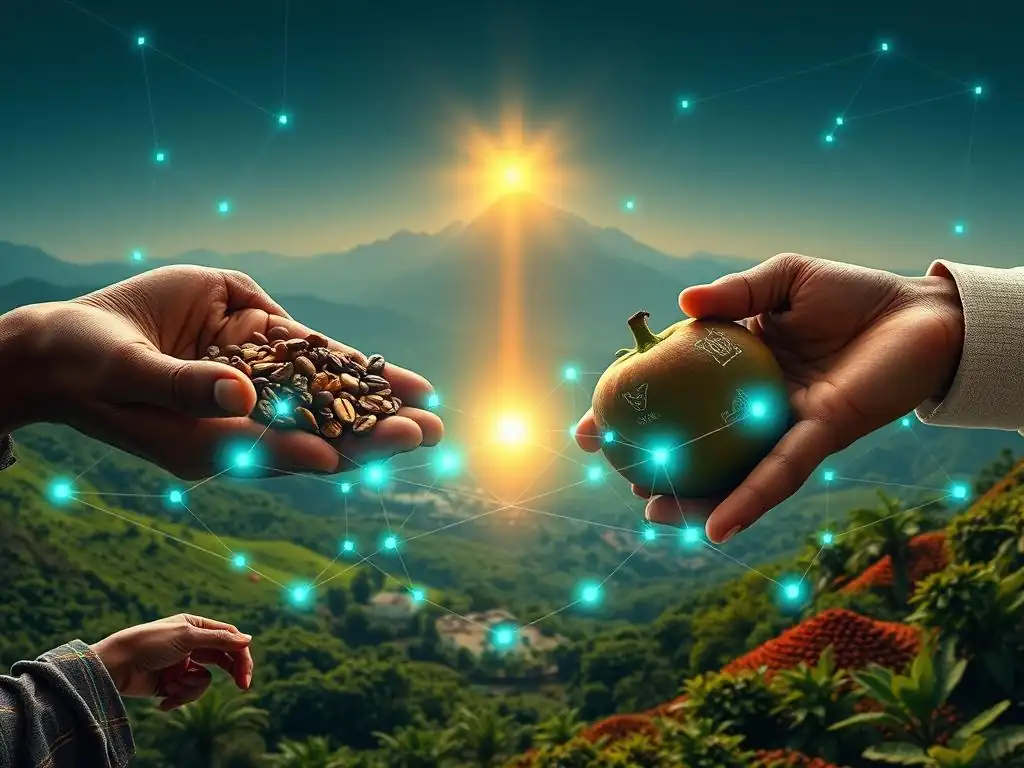
Welcome to Blockchain Trends, your source for in-depth analysis on the revolution beyond cryptocurrency. Are you ready to discover how blockchain is reshaping industries and creating a more equitable world? This week, we delve into a critical application: Blockchain fair trade sourcing ethics. Could this technology be the key to truly democratizing ethical sourcing and ensuring fair practices across global supply chains? Explore the potential impacts and challenges in our latest article and see how blockchain is paving the way for a more transparent and responsible future.
- Introduction: Revolutionizing Fair Trade with Blockchain Technology
-
Frequently Asked Questions
- How can blockchain technology improve fair trade practices?
- What are the key benefits of using blockchain for fair trade sourcing?
- What challenges might hinder the widespread adoption of blockchain in fair trade?
- How does blockchain contribute to the democratization of ethical sourcing?
- What role does regulation play in ensuring the integrity of blockchain-based fair trade systems?
- Final Reflection: Empowering Ethical Futures
- Empower Change: Build a More Ethical Future!
Introduction: Revolutionizing Fair Trade with Blockchain Technology
Fair trade and ethical sourcing have long been championed as vital practices to ensure producers in developing countries receive fair compensation and work under decent conditions. However, the complexities inherent in global supply chains often create significant hurdles.
These challenges include opaque transaction histories, difficulties in verifying claims of ethical labor practices, and convoluted distribution networks that make it hard to track the journey of a product from farm to table. The traditional system, while well-intentioned, frequently struggles with ensuring true transparency and equitable distribution of value, leaving room for exploitation and uncertainty about the origin and impact of goods.
The lack of a single, verifiable source of truth within these sprawling supply chains makes it difficult for consumers to trust ethical labels and for producers to prove their adherence to fair labor and environmental standards. Middlemen can obscure information, certifications can be faked or hard to verify across borders, and tracking payment flows to the original producer is often nearly impossible. This opacity undermines the very principles of fair trade, creating a situation where even conscious consumers find it challenging to make truly informed decisions based on reliable data about the ethical sourcing of products they purchase.
The Current Challenges in Fair Trade and Ethical Sourcing
Traditional fair trade models face significant obstacles in achieving full transparency and ensuring that benefits genuinely reach the intended producers. One major challenge is the sheer length and complexity of global supply chains, particularly for commodities like coffee, cocoa, or textiles. Products often pass through numerous intermediaries—collectors, processors, exporters, importers, distributors, and retailers—each adding layers of cost and reducing visibility.
This intricate network makes it incredibly difficult to trace the product's origin accurately or track how much of the final consumer price actually makes its way back to the farmer or artisan at the beginning of the chain. Studies often indicate that farmers receive a fraction, sometimes as low as 5-10%, of the retail price for their goods, despite fair trade premiums being paid at earlier stages.
Furthermore, verifying and enforcing ethical standards, such as fair wages, safe working conditions, and environmental sustainability, across diverse international locations poses a substantial challenge. While certification bodies exist, their audits can be costly, infrequent, and sometimes susceptible to manipulation or error.
The lack of a continuous, immutable record makes it hard to monitor conditions in real-time or verify historical data definitively. This systemic opacity not only makes it difficult to combat issues like child labor or unfair wages effectively but also erodes consumer trust, as ethical claims can be hard to substantiate with concrete, verifiable evidence throughout the entire supply chain journey.
How Blockchain Addresses Transparency and Traceability Issues
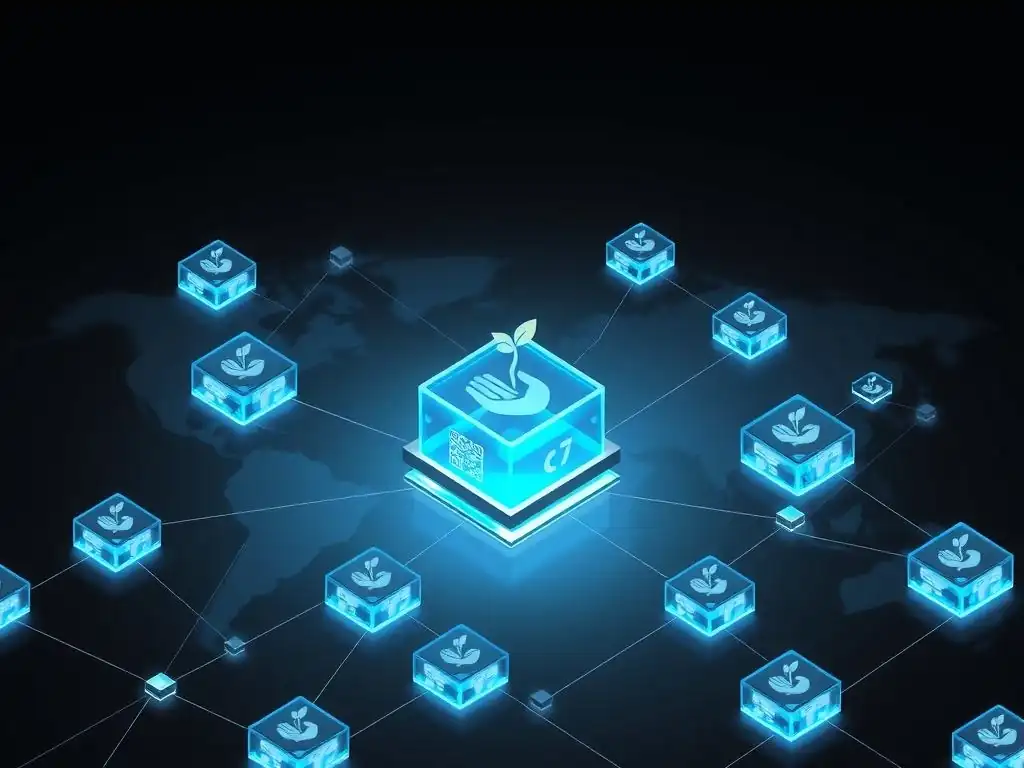
Blockchain technology offers a revolutionary approach to tackling the transparency and traceability problems plaguing traditional fair trade and ethical sourcing. At its core, blockchain is a distributed, immutable ledger that records transactions across a network of computers. Once data is added to the blockchain, it cannot be altered or deleted without the consensus of the network, creating a tamper-proof record.
In the context of supply chains, this means every step—from planting and harvesting to processing, transportation, and sale—can be recorded as a transaction on the blockchain, creating a permanent and verifiable history for each product or batch. This level of granular, secure tracking provides unprecedented visibility into the product's journey.
This enhanced traceability directly addresses the opacity issues in fair trade. By logging each transfer of ownership, processing event, or certification verification on the blockchain, stakeholders across the supply chain, including consumers (with appropriate access), can trace a product back to its origin with high confidence.
Smart contracts, self-executing contracts with the terms of the agreement directly written into code, can further automate and enforce fair practices, such as triggering payments to farmers automatically upon verification of delivery or quality standards. This capability to create a single, transparent, and verifiable record accessible to all authorized parties transforms the potential for blockchain fair trade sourcing ethics, moving beyond trust based on intermediaries to trust based on verifiable data.
Frequently Asked Questions
How can blockchain technology improve fair trade practices?
Blockchain provides immutable records of transactions, creating transparency and accountability in the supply chain. This helps ensure that producers receive fair compensation and that products are genuinely ethically sourced.
What are the key benefits of using blockchain for fair trade sourcing?
Blockchain enables enhanced traceability, allowing consumers to verify the origin and ethical standards of products. It also fosters direct connections between producers and consumers, reducing reliance on intermediaries.
What challenges might hinder the widespread adoption of blockchain in fair trade?
Implementing blockchain can be complex and costly, particularly for small-scale producers. Lack of digital literacy and infrastructure in developing countries also pose significant hurdles.
How does blockchain contribute to the democratization of ethical sourcing?
By providing transparent and verifiable information, blockchain empowers consumers to make informed purchasing decisions. This shifts power away from large corporations and towards smaller, ethical producers.
What role does regulation play in ensuring the integrity of blockchain-based fair trade systems?
Clear regulatory frameworks are crucial for establishing standards and preventing fraud within blockchain-based systems. This includes defining data privacy rights and ensuring compliance with international trade laws.
Final Reflection: Empowering Ethical Futures
The exploration of blockchain's potential to revolutionize fair trade sourcing ethics underscores a crucial point: transparency and accountability are no longer optional, but essential for a just and sustainable global economy. The ability to trace products from origin to consumer, ensuring fair compensation and ethical practices along the way, is not just a technological advancement; it's a moral imperative that resonates profoundly in our increasingly interconnected world.
The impact of this technological shift extends far beyond mere efficiency. It's about empowering marginalized communities and fostering a deeper sense of trust between producers and consumers. This journey towards ethical sourcing, fueled by blockchain, is a testament to our collective responsibility to create a fairer world. The future of fair trade is not just about better prices; it's about building a system where every participant is valued and respected.
This quote encapsulates the transformative potential of blockchain in democratizing ethical sourcing and fostering a more equitable global marketplace.
As we stand on the cusp of this new era, let us all reflect on our roles as consumers and advocates for change. Consider how you can support businesses committed to transparency and ethical practices. Embrace the power of blockchain to make informed choices and contribute to a future where fair trade is not just a niche market, but the standard for global commerce. Let's work together to build a world where ethical sourcing is the norm, and every purchase empowers a more just and sustainable future for all.
Empower Change: Build a More Ethical Future!
Thank you for exploring the future of fair trade and blockchain technology. You've gained insight into how innovative solutions can enhance transparency and support producers around the world. Are you ready to join this movement?
Here’s how you can get involved today:
- Support products certified through blockchain verification that ensure ethical sourcing. By choosing these items, you help promote responsible practices and encourage wider adoption.
- Discover initiatives that connect consumers directly with artisans and producers in developing regions. Learn about their stories and support their work.
- Share this article with your network to inspire discussions about how blockchain can revolutionize fair trade.
What actions will you take this week to help create a more transparent and ethical supply chain? Share your ideas in the comments below!
Leave a Reply