
Global Reach, Local Impact: Blockchain for International Charitable Initiatives


Welcome to Blockchain Trends, your definitive source for understanding the revolutionary potential of blockchain.
Imagine a world where charitable giving is transparent, efficient, and directly impactful. Our in-depth exploration of " Blockchain charity international impact" unveils the groundbreaking ways this technology is revolutionizing aid distribution and empowering communities worldwide. Discover how blockchain is fostering trust and accountability in humanitarian efforts, and learn about the innovative projects shaping the future of giving. Are you ready to witness the transformative power of blockchain in action?
Global Reach, Local Impact: Blockchain for International Charitable Initiatives
- Introduction: Blockchain's Transformative Potential in Global Philanthropy
- Understanding the Core Benefits of Blockchain for International Charities
- Case Studies: Blockchain in Action for International Charitable Impact
- Overcoming Challenges and Addressing Concerns in Blockchain Charity
- Blockchain Applications for Specific International Charitable Initiatives
- The Future of Blockchain in International Philanthropy: Trends and Predictions
- Maximizing the Impact: Best Practices for Implementing Blockchain in International Charity
- Conclusion: Blockchain as a Catalyst for Global Social Good
-
Frequently Asked Questions
- How can blockchain technology improve transparency in international charity organizations?
- What are some potential applications of blockchain in addressing global poverty and humanitarian crises?
- How can blockchain-based systems help to streamline supply chains in international aid efforts?
- What are the regulatory challenges and considerations for implementing blockchain solutions in international charity?
- How does the implementation of blockchain technology impact the overall efficiency and effectiveness of charitable organizations?
- Final Reflection: Empowering Change Through Decentralized Trust
- Empower Change: Pioneer Blockchain-Driven Charity!
Introduction: Blockchain's Transformative Potential in Global Philanthropy
Blockchain technology, widely recognized for its role in cryptocurrencies, is increasingly demonstrating its profound potential to revolutionize sectors far beyond finance. One area where its unique attributes are proving particularly valuable is international philanthropy and charitable work. The inherent characteristics of blockchain, such as immutability, transparency, and decentralization, offer solutions to long-standing challenges faced by organizations operating across borders to deliver aid and support.
Exploring the application of blockchain for international charitable impact unveils opportunities to build more efficient, trustworthy, and accountable systems for donation management, aid distribution, and operational transparency. As global needs continue to grow, leveraging innovative technologies like blockchain becomes crucial for maximizing the reach and effectiveness of humanitarian efforts worldwide. This exploration delves into how blockchain can redefine international aid and address critical issues within the traditional charitable landscape.
Redefining International Aid with Blockchain Technology
Blockchain technology introduces a paradigm shift in how international aid can be managed and delivered. By providing a shared, immutable ledger accessible to relevant parties, it enables a level of transparency previously difficult to achieve across complex global supply chains and diverse recipient populations. This allows donors, aid organizations, and beneficiaries to potentially track the flow of funds and resources from the point of origin to the final destination.
This enhanced visibility is particularly critical in large-scale international charitable initiatives where funds pass through multiple intermediaries. Projects leveraging blockchain for international charitable impact aim to cut down on administrative layers and potential points of failure or diversion, ensuring that a greater proportion of donated resources reaches those who need it most. The technology facilitates direct peer-to-peer transactions, which can empower local communities and reduce reliance on traditional, often costly, financial intermediaries.
Addressing Transparency and Efficiency Challenges in Traditional Charity
Traditional models of international charity often grapple with significant challenges related to transparency and operational efficiency. Donors frequently express concerns about how their contributions are used, with reports suggesting that a substantial percentage of donations can be absorbed by administrative costs, overheads, and, in some cases, misappropriation before reaching the intended beneficiaries. This lack of clear visibility erodes public trust and can hinder fundraising efforts.
Furthermore, moving funds and resources across international borders involves complex logistical and financial hurdles. High transaction fees, currency exchange costs, and slow settlement times associated with traditional banking systems can significantly reduce the value and speed of aid delivery. Blockchain for international charitable impact directly addresses these issues by offering a mechanism for near-instant, low-cost, and verifiable transactions, streamlining the process and ensuring greater accountability throughout the charitable value chain.
Understanding the Core Benefits of Blockchain for International Charities
The adoption of blockchain technology offers several fundamental advantages that are highly relevant to the operations of international charitable organizations. These benefits collectively contribute to building more effective, trustworthy, and impactful aid programs on a global scale.
Enhanced Transparency and Traceability of Donations
One of the most compelling benefits of blockchain for international charitable impact is the unprecedented level of transparency it can provide regarding donation flows. Each transaction recorded on a public or permissioned blockchain is immutable and verifiable, creating a clear audit trail from the donor to the point of expenditure or distribution. This allows stakeholders, including donors, auditors, and even beneficiaries, to track how funds are moving through the system.
For example, a donor contributing to a project using a blockchain-based platform could potentially view the confirmation of their donation, see it pooled with others, and track its disbursement to specific program activities or direct aid distribution. This level of traceability builds significant trust, assuring donors that their contributions are being utilized as intended and demonstrating the effectiveness of the international blockchain charity efforts. This stands in stark contrast to traditional systems where the journey of a donation often becomes opaque once it leaves the initial collection point.
Reducing Administrative Overhead and Transaction Costs
International financial transactions can be expensive and time-consuming, involving multiple banks and intermediaries, each adding fees and processing delays. These costs represent a significant administrative overhead for international charities, diverting valuable resources away from program delivery. Blockchain-based transactions, particularly those using cryptocurrencies or stablecoins designed for low fees, can drastically reduce these expenses.
By facilitating peer-to-peer value transfer, blockchain technology minimizes the need for traditional financial intermediaries, lowering transaction costs and speeding up the transfer of funds across borders. This efficiency gain means that a larger percentage of each donated dollar or euro can be directly applied to charitable programs on the ground, thereby maximizing the blockchain charity international impact and allowing organizations to stretch their budgets further to help more people.
Improved Security and Accountability in Aid Distribution
Ensuring that aid reaches the correct recipients and is used appropriately is a critical challenge in international charitable work, particularly in conflict zones or areas with weak infrastructure. Blockchain's inherent security features, such as cryptographic hashing and distributed ledgers, make it incredibly difficult to tamper with transaction records or divert funds undetected. This enhances the security of financial flows and resource allocation.
Furthermore, blockchain can support mechanisms for verifying recipient identities (using digital identity solutions) and tracking the delivery of goods or services. Smart contracts can be programmed to release funds automatically upon verification of delivery or completion of a specific task, adding an automated layer of accountability. These features contribute significantly to building a more secure and accountable system for aid distribution, strengthening the overall blockchain charity international impact.
Case Studies: Blockchain in Action for International Charitable Impact
Several pioneering organizations have already begun implementing blockchain technology to improve their international charitable operations. These real-world examples demonstrate the practical application and potential benefits of blockchain for international charitable impact.
UNICEF's CryptoFund: Investing in Open-Source Blockchain Solutions for Children
UNICEF, the United Nations Children's Fund, launched its CryptoFund in 2019, becoming the first UN organization to hold and disburse cryptocurrency. The CryptoFund accepts donations in Bitcoin and Ether, and its mandate is to invest in open-source technology solutions for children that can benefit humanity. This initiative is a clear example of a major international body exploring the potential of blockchain charity international impact.
Key Features and Results of the CryptoFund Implementation
The UNICEF CryptoFund operates with a high degree of transparency, with all receipts and disbursements publicly recorded on the blockchain. A key feature is its focus on funding early-stage, open-source projects that leverage technologies like blockchain, AI, machine learning, and data science to address challenges faced by children globally.
Projects funded range from those improving access to education to those enhancing financial inclusion for young people. By the end of 2021, the CryptoFund had received significant cryptocurrency donations and made investments in various startups across different countries, demonstrating a tangible application of blockchain for international charitable impact by channeling funds to innovative solutions.
BitGive Foundation: Using Bitcoin for Global Philanthropy
The BitGive Foundation is one of the earliest non-profit organizations dedicated to leveraging Bitcoin and blockchain technology for global philanthropic impact. Founded in 2013, BitGive focuses on improving public health, environmental protection, and poverty alleviation through transparent and efficient charitable giving using cryptocurrency. They have implemented various projects worldwide, showcasing the potential of international blockchain charity.
How Bitcoin Facilitates Financial Inclusion and Reduces Poverty
BitGive utilizes Bitcoin's global accessibility and low transaction fees to facilitate cross-border donations more efficiently than traditional methods. Their GiveTrack platform allows donors to follow their contributions in real-time on the blockchain, providing unparalleled transparency for specific projects like providing clean water in Kenya or supporting medical aid in Venezuela. This direct use of cryptocurrency bypasses traditional banking infrastructure, which can be slow and expensive, particularly in developing regions, thereby contributing to financial inclusion and enabling more resources to reach beneficiaries directly, enhancing the blockchain charity international impact on poverty reduction efforts.
World Food Programme's Building Blocks: Blockchain for Food Assistance
The United Nations World Food Programme (WFP) launched its Building Blocks project, a blockchain-based system designed to make cash-based transfers for food assistance more efficient, secure, and transparent. Initially piloted in refugee camps in Jordan in 2017, the project has expanded significantly, demonstrating blockchain's potential for large-scale international charitable initiatives focused on direct aid.
Ensuring Aid Reaches Intended Recipients Efficiently
Building Blocks uses a private, permissioned blockchain network where beneficiaries' identities are recorded. Instead of receiving physical cash or vouchers, refugees' identities are verified using iris scans at participating local shops. The transaction details are then recorded on the blockchain, debiting their WFP account.
This system bypasses local banks and financial service providers, significantly reducing transaction fees (reportedly saving millions of dollars annually) and increasing security by minimizing the risk of aid diversion. The project's scale, serving hundreds of thousands of refugees, highlights the practical and impactful application of blockchain for international charitable impact in delivering essential aid directly and efficiently.
Overcoming Challenges and Addressing Concerns in Blockchain Charity
While the potential of blockchain for international charitable impact is significant, its widespread adoption is not without challenges. Addressing these concerns is crucial for the successful and sustainable implementation of blockchain-based solutions in the philanthropic sector.
Regulatory Hurdles and Compliance Requirements for International Operations
Operating internationally means navigating a complex patchwork of regulations that vary significantly from country to country. The legal status of cryptocurrencies and blockchain technology is still evolving globally, creating uncertainty for international charities. Organizations must comply with diverse regulations regarding fundraising, financial transfers, anti-money laundering (AML), and counter-terrorism financing (CTF) in every jurisdiction they operate in or receive donations from.
Ensuring compliance while leveraging the decentralized nature of blockchain requires careful legal planning and often necessitates working with legal experts familiar with both blockchain technology and international financial regulations. The need to balance the benefits of blockchain transparency with compliance requirements poses a significant challenge for organizations aiming to scale their blockchain charity international impact across different legal environments.
Scalability and Interoperability Issues in Diverse Environments
Blockchain networks, depending on their design (e.g., public vs. permissioned), can face issues with scalability, potentially limiting the volume of transactions they can handle efficiently, especially during large-scale humanitarian crises. Furthermore, ensuring interoperability between different blockchain platforms, or between blockchain systems and existing legacy systems used by aid organizations and local partners, remains a technical hurdle.
International charitable initiatives often operate in environments with limited internet connectivity or unreliable power sources. Implementing blockchain solutions that require consistent digital access can be challenging in such contexts. Developing solutions that are robust, scalable, and can operate or interface effectively in diverse technological and infrastructural environments is essential for maximizing blockchain's international impact on charity.
Data Privacy and Security Considerations in Blockchain-Based Charity Platforms
While blockchain offers strong security features against data tampering, privacy is a significant concern, especially when dealing with sensitive information about beneficiaries, such as identity details or aid received. Public blockchains are transparent, meaning transaction data is visible to anyone, which may not be appropriate for all types of charitable activities or beneficiary populations.
Organizations must carefully consider which type of blockchain is suitable (e.g., permissioned ledgers where access is restricted) and implement robust data protection measures. Ensuring compliance with data privacy regulations like GDPR, even when operating internationally, is paramount. Balancing the need for transparency with the imperative to protect sensitive personal data is a critical design consideration for any blockchain charity international impact project.
Blockchain Applications for Specific International Charitable Initiatives
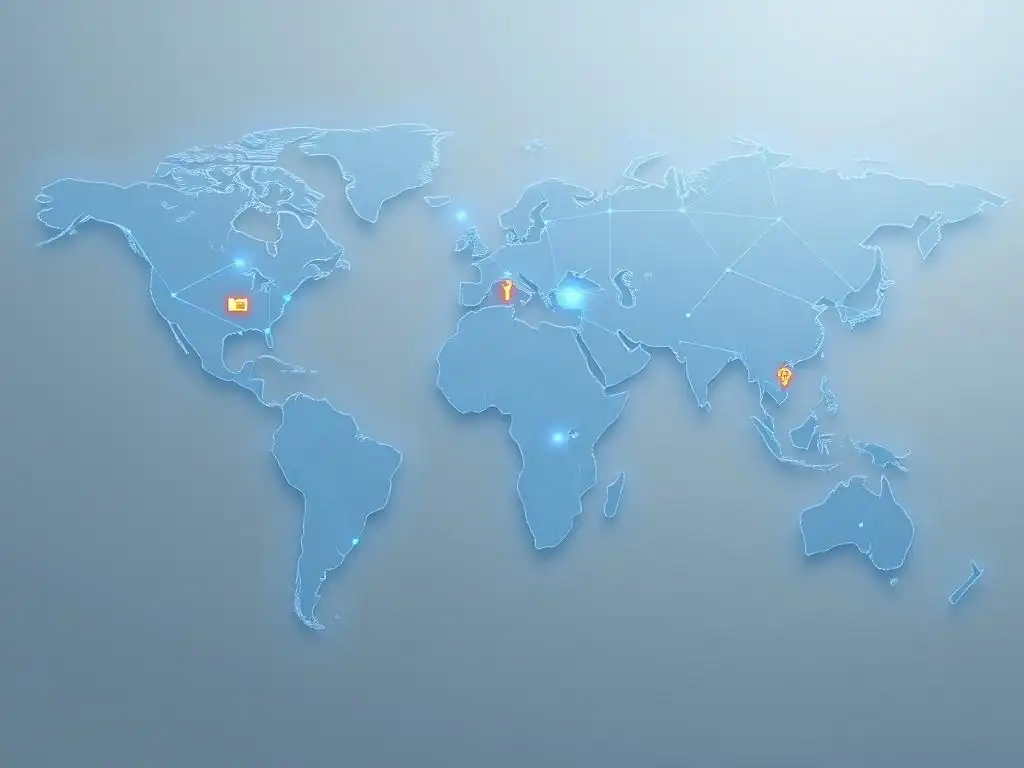
The versatility of blockchain technology allows for its application across a wide range of specific international charitable initiatives, each leveraging different aspects of the technology to address unique challenges.
Blockchain for Cross-Border Donations and Remittances
One of the most immediate and practical applications of blockchain for international charitable impact is facilitating cross-border donations and remittances. Traditional methods are plagued by high fees, slow processing times, and complex paperwork, which can deter donors and delay the delivery of much-needed funds.
Using cryptocurrencies or stablecoins on a blockchain network enables faster, cheaper, and more direct transfer of value across borders. This is particularly beneficial for receiving funds in regions where traditional banking infrastructure is limited or inaccessible. Furthermore, platforms built on blockchain can provide donors with a clear, immutable record of their contribution reaching the charity, enhancing trust in the international blockchain charity process.
Blockchain for Identity Management and Refugee Assistance
Managing the identities of displaced populations, such as refugees and asylum seekers, is a significant challenge for international aid organizations. Many refugees lack official identification documents, hindering their access to essential services like food aid, healthcare, and education. Blockchain technology offers a potential solution through decentralized digital identity systems.
By creating secure, verifiable digital identities stored on a blockchain, individuals can gain control over their personal information and prove their identity to aid providers without relying on vulnerable physical documents or centralized databases. The WFP's Building Blocks program, which uses biometric data linked to a blockchain identity for aid distribution, is a prime example of how blockchain for international charitable impact can empower vulnerable populations and ensure aid reaches the right people securely and efficiently.
Blockchain for Environmental Conservation and Sustainable Development Projects
Blockchain technology can also play a vital role in environmental conservation and sustainable development projects, which are often international in scope. Applications include tracking supply chains to verify the sustainable sourcing of goods, managing carbon credits, and creating transparent funding mechanisms for conservation efforts.
For instance, blockchain can be used to track donations specifically allocated for reforestation or wildlife protection projects, providing immutable proof of how funds are utilized and demonstrating the project's impact. Smart contracts can automate payments to local communities based on verified conservation outcomes. This application of blockchain for international charitable impact helps ensure accountability and transparency in complex environmental initiatives spanning multiple countries and stakeholders.
The Future of Blockchain in International Philanthropy: Trends and Predictions
The integration of blockchain technology into international philanthropy is still relatively nascent, but several trends suggest its role is set to expand significantly, further solidifying its blockchain charity international impact.
Decentralized Autonomous Organizations (DAOs) for Charitable Governance
Decentralized Autonomous Organizations (DAOs) offer a novel model for governance that could transform how international charities operate. DAOs use smart contracts and blockchain technology to automate decision-making processes and distribute control among stakeholders, such as donors, staff, and beneficiaries.
In a charitable context, a DAO could allow donors to vote on which projects receive funding, manage resource allocation based on predefined rules encoded in smart contracts, and ensure transparency in governance operations. This model could increase donor engagement and trust by providing a direct, verifiable say in how their contributions are used, potentially leading to more responsive and community-driven international charitable initiatives.
Smart Contracts for Automated and Conditional Donations
Smart contracts, self-executing contracts with the terms of the agreement directly written into code, hold immense potential for automating and adding conditions to international donations. These contracts can be programmed to release funds automatically when specific, verifiable milestones are met, such as a project phase completion or the delivery of aid to a verified recipient.
This automation reduces the need for manual oversight and minimizes delays, ensuring funds are disbursed efficiently based on tangible progress or outcomes. Conditional donations via smart contracts provide donors with greater assurance that their funds will be used effectively and only when specific objectives are achieved, enhancing the accountability and impact of blockchain charity international efforts.
The Role of Blockchain in Achieving the Sustainable Development Goals (SDGs)
Blockchain technology is increasingly recognized as a tool that can contribute to achieving the United Nations' Sustainable Development Goals (SDGs) by 2030. Its ability to enhance transparency, efficiency, and accountability aligns with the objectives of many SDGs, which require global cooperation and effective resource management.
From tracking climate action funding (SDG 13) and promoting responsible consumption and production (SDG 12) through supply chain transparency, to supporting financial inclusion (SDG 1) and improving access to identity (SDG 16) for vulnerable populations, blockchain offers practical applications. The future will likely see more international charitable and development organizations leveraging blockchain specifically to measure, track, and accelerate progress towards these critical global goals, amplifying the blockchain charity international impact on sustainable development.
Maximizing the Impact: Best Practices for Implementing Blockchain in International Charity
To successfully harness the potential of blockchain for international charitable impact, organizations must adopt strategic approaches and best practices during implementation.
Choosing the Right Blockchain Platform for Specific Needs
Not all blockchain platforms are created equal. Organizations must carefully evaluate their specific needs and choose a platform that aligns with their goals, technical capabilities, and operational environment. Factors to consider include the required level of transparency (public vs. permissioned), transaction speed and cost, scalability, security features, and ease of integration with existing systems.
For instance, a project focused on highly sensitive beneficiary data might opt for a permissioned or private blockchain, while a project emphasizing public transparency of donations might prefer a public network. Consulting with blockchain experts and conducting thorough pilot programs are crucial steps in selecting the platform that will best support the organization's blockchain charity international impact goals.
Building Trust and Collaboration with Local Communities
Technology is merely a tool; its success in international charitable work depends heavily on building trust and fostering collaboration with local communities and partners on the ground. Implementing blockchain solutions requires explaining the technology in an accessible way to beneficiaries and local stakeholders, ensuring they understand how it works and how it benefits them.
Involving local communities in the design and implementation process, gathering their feedback, and addressing their concerns are essential for successful adoption and long-term sustainability. A strong focus on capacity building and training for local staff and partners is also necessary to ensure they can effectively manage and utilize the blockchain-based systems, maximizing the international blockchain charity efforts' effectiveness at the local level.
Measuring and Evaluating the Impact of Blockchain-Based Initiatives
To demonstrate the value of using blockchain for international charitable impact, organizations must establish clear metrics and rigorously measure and evaluate the outcomes of their blockchain initiatives. This goes beyond simply tracking transactions on the blockchain; it involves assessing the impact on efficiency (e.g., reduced costs, faster delivery), transparency (e.g., donor engagement, reduced fraud), and, most importantly, the actual impact on the lives of beneficiaries.
Collecting data before and after implementation, conducting surveys, and sharing results transparently are vital for building confidence in the technology and attracting further support. Documenting successes and lessons learned also contributes to a growing body of knowledge that can help other organizations implement effective blockchain charity international impact projects.
Blockchain technology is emerging as a powerful catalyst for transforming international charitable initiatives. Its inherent characteristics of transparency, immutability, and efficiency offer compelling solutions to many of the systemic challenges that have long plagued global philanthropy, from opaque donation flows to inefficient aid distribution.
Empowering International Charities with Innovative Technology
By adopting blockchain, international charities can enhance their operational effectiveness, reduce costs, and build stronger trust with donors and beneficiaries alike. Real-world examples like UNICEF's CryptoFund, BitGive's projects, and the WFP's Building Blocks demonstrate that blockchain for international charitable impact is not just theoretical but is already delivering tangible results on the ground, empowering organizations to reach more people and make a greater difference.
Towards a More Transparent, Efficient, and Accountable Charitable Ecosystem
The journey towards widespread adoption of blockchain in international philanthropy involves navigating regulatory complexities, technical hurdles, and the crucial task of ensuring inclusivity and understanding among all stakeholders. However, the potential benefits — a more transparent, efficient, and accountable global charitable ecosystem – are immense. As the technology matures and best practices are established, blockchain is set to play an increasingly vital role in driving global social good and maximizing the blockchain charity international impact for a better world.
Frequently Asked Questions
How can blockchain technology improve transparency in international charity organizations?
Blockchain offers immutable records of transactions, enhancing transparency by allowing donors to track their donations and ensuring funds reach their intended recipients. This builds trust and accountability within charity operations.
What are some potential applications of blockchain in addressing global poverty and humanitarian crises?
Blockchain can facilitate direct aid distribution, bypassing intermediaries and reducing corruption. It can also establish secure digital identities for refugees, enabling access to services and financial inclusion.
How can blockchain-based systems help to streamline supply chains in international aid efforts?
Blockchain enables real-time tracking of goods and supplies, ensuring efficient delivery and preventing fraud. This leads to better resource management and responsiveness during emergencies.
What are the regulatory challenges and considerations for implementing blockchain solutions in international charity?
Regulatory landscapes vary across countries, posing challenges for cross-border blockchain implementations. Compliance with data privacy laws and anti-money laundering regulations are crucial considerations.
How does the implementation of blockchain technology impact the overall efficiency and effectiveness of charitable organizations?
Blockchain can automate processes, reduce administrative costs, and improve the speed and security of transactions. This leads to increased efficiency and enables organizations to reach more beneficiaries.
Final Reflection: Empowering Change Through Decentralized Trust
The exploration of blockchain's potential in international charitable initiatives reveals a powerful truth: technology, when ethically applied, can transcend borders and foster unprecedented levels of transparency and accountability. The promise of a more efficient and trustworthy system for delivering aid, as we've discussed, is not just a theoretical concept; it's a tangible opportunity to reshape how we address global challenges and empower communities in need.
The enduring impact of this technology lies in its ability to build trust where it's often most fragile. The potential for direct, verifiable donations, bypassing traditional intermediaries, is profoundly transformative, offering a lifeline to those who have historically been marginalized or underserved. This shift towards decentralized trust resonates deeply with the core values of humanitarianism. Never doubt that a small group of thoughtful, committed citizens can change the world; indeed, it's the only thing that ever has.
- Margaret Mead. This quote perfectly encapsulates the spirit of innovation and collective action that blockchain can ignite within the international charity sector.
As we conclude this exploration, I invite you to consider the role you can play in shaping this future. Reflect on how the principles of transparency, accountability, and decentralized trust can be applied not only in the realm of international aid but also in your own communities and spheres of influence. Embrace the potential of blockchain to empower change, and let us collectively build a world where compassion and technology converge to create a more equitable and just future for all.
Empower Change: Pioneer Blockchain-Driven Charity!
Thank you for exploring how blockchain is revolutionizing international charitable initiatives. We hope you found inspiration in its potential to increase transparency and effectiveness. Now, let's put that knowledge into action!
Here are a few ways you can contribute to this exciting movement:
- Fund a micro-grant using cryptocurrency to support a meaningful project that has been verified on a blockchain platform. Your contribution can make a real difference!
- Share this article with friends who are passionate about social impact and technology. Let’s spark a conversation and raise awareness!
- Explore open-source blockchain projects aimed at supporting charitable organizations and consider contributing your skills to help build a better future.
What small act of blockchain-powered generosity will you commit to this week?
Leave a Reply