
The Human Cost of Supply Chains: Blockchain's Role in Promoting Ethical Labor Standards

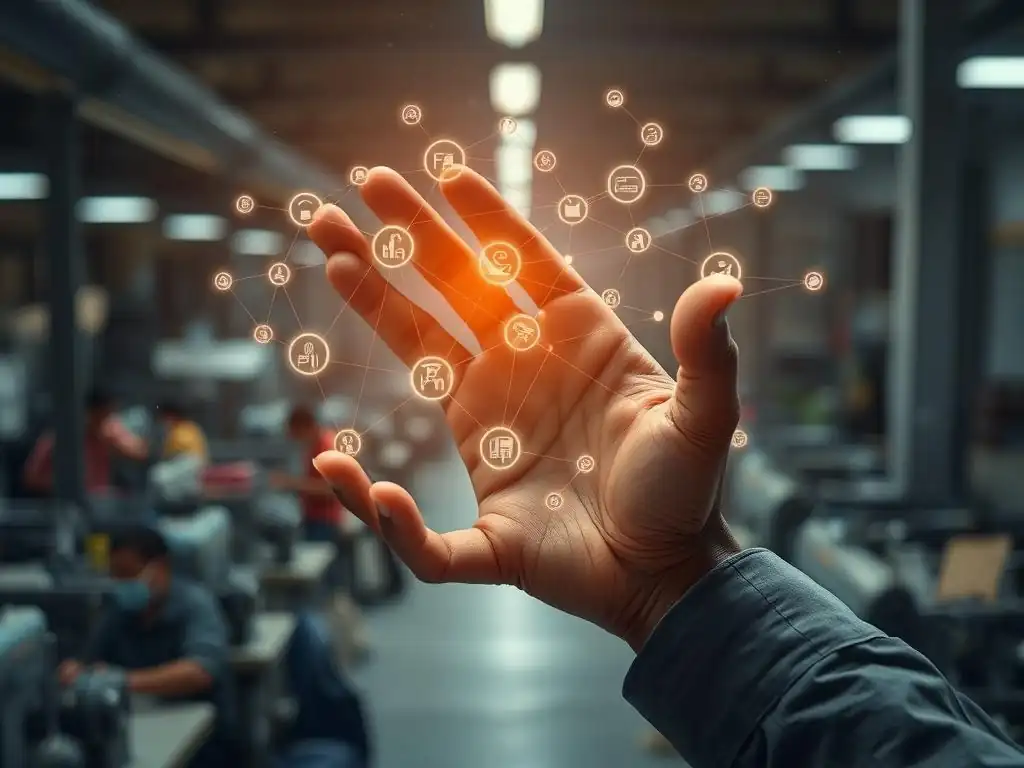
Welcome to Blockchain Trends, your trusted source for uncovering the real-world impact of blockchain technology beyond the hype. Dive deep with us as we explore how this groundbreaking innovation is reshaping industries and challenging established norms.
Ever wondered how blockchain can address the dark side of global commerce? Today, we're focusing on ethical supply chain blockchain solutions, examining how this technology can bring transparency and accountability to labor practices. Can blockchain truly help eliminate exploitation and promote fairer working conditions? Read on to discover its potential and the challenges that lie ahead in our in-depth article: The Human Cost of Supply Chains: Blockchain's Role in Promoting Ethical Labor Standards. Prepare to be informed and inspired!
Understanding Modern Slavery and Forced Labor in Supply Chains
Modern slavery and forced labor, while universally condemned, remain persistent and deeply troubling realities embedded within the lower echelons of many global supply chains. These terms describe situations where individuals are compelled to work through the use of violence, threats, coercion, or deception, effectively denying them the freedom to leave. According to the 2022 Global Estimates of Modern Slavery report by the International Labour Organization (ILO) and Walk Free Foundation, an estimated 27.6 million people were living in forced labor conditions worldwide on any given day in 2021.
A significant portion of this exploitation is directly linked to private sector supply chains, where the drive for lower costs can unfortunately override ethical considerations. Industries particularly vulnerable to forced labor include agriculture (e.g., cotton, cocoa, fishing), manufacturing (e.g., garments, electronics), construction, and mining.
For example, investigations have revealed instances of forced labor in the production of raw materials like cobalt used in electronics or in distant-water fishing fleets supplying seafood globally. This pervasive issue not only represents a grave human rights violation but also poses significant legal, reputational, and ethical risks for companies operating within these complex networks.
The mechanisms through which forced labor permeates supply chains are often insidious and difficult to detect through traditional auditing methods. Workers, frequently vulnerable migrants or individuals from marginalized communities, can become trapped through debt bondage, where excessive recruitment fees or loans tie them to an employer.
Deceptive recruitment practices, including false promises about wages, working hours, and living conditions, are also common tactics used by labor brokers or intermediaries. The sheer complexity and opacity of multi-tiered global supply chains – involving numerous suppliers, sub-suppliers, manufacturers, and logistics providers – create layers of anonymity that facilitate exploitation.
A brand at the top of the chain may have little direct visibility into the labor practices of a farm producing raw materials or a factory several tiers down. This lack of transparency makes effective monitoring and enforcement incredibly challenging, underscoring the critical need for innovative ethical supply chain blockchain solutions that can provide immutable records and verifiable traceability from source to consumer, illuminating these hidden human costs.
- What are ethical supply chain blockchain solutions and how can they help address the human cost of supply chains?
- How can blockchain technology improve transparency in supply chains, specifically regarding labor conditions?
- What are some of the challenges in implementing ethical supply chain blockchain solutions, and how can they be overcome?
- Beyond transparency, what other benefits can ethical supply chain blockchain solutions offer to businesses?
- What is the future outlook for ethical supply chain blockchain solutions and their impact on global labor standards?
Frequently Asked Questions
What are ethical supply chain blockchain solutions and how can they help address the human cost of supply chains?
Ethical supply chain blockchain solutions leverage the transparency and immutability of blockchain to track products and materials from origin to consumer. This helps ensure fair labor practices and reduces the risk of exploitation within the supply chain.
How can blockchain technology improve transparency in supply chains, specifically regarding labor conditions?
Blockchain enables a shared, verifiable record of each step in the supply chain. This allows for greater visibility into labor practices, making it easier to identify and address instances of worker exploitation and unfair treatment.
What are some of the challenges in implementing ethical supply chain blockchain solutions, and how can they be overcome?
Challenges include data standardization, interoperability between different blockchains, and the cost of implementation. Overcoming these requires industry collaboration and the development of open-source standards and affordable solutions.
Beyond transparency, what other benefits can ethical supply chain blockchain solutions offer to businesses?
Besides improved ethics, businesses can benefit from enhanced brand reputation, increased consumer trust, and reduced risk of regulatory penalties related to labor violations.
What is the future outlook for ethical supply chain blockchain solutions and their impact on global labor standards?
The future looks promising, with increasing adoption driven by consumer demand for ethical products and growing regulatory pressure. Blockchain is poised to play a significant role in promoting fairer and more sustainable global labor practices.
Final Reflection: Empowering Humanity Through Transparency
The exploration of blockchain's potential in fostering ethical labor standards within global supply chains underscores a critical truth: economic progress should never come at the expense of human dignity. The vulnerabilities exposed within these complex networks demand immediate and innovative solutions, and the promise of blockchain technology lies in its ability to provide the transparency and accountability necessary to safeguard vulnerable workers.
The journey towards ethical supply chains is far from over, but the application of blockchain offers a tangible path forward. This pursuit resonates deeply because it speaks to our shared responsibility to ensure fair treatment and safe working conditions for all, regardless of their location or role in the global economy. The ultimate measure of a man is not where he stands in moments of comfort and convenience, but where he stands at times of challenge and controversy.
- Martin Luther King, Jr. This quote reminds us that our commitment to ethical practices must be unwavering, especially when faced with the complexities of global supply chains.
As you reflect on the potential of ethical supply chain blockchain solutions, consider the power you hold as a consumer, an investor, or a business leader. Let us collectively demand transparency, advocate for fair labor practices, and champion the adoption of technologies that empower workers and hold corporations accountable. The future of ethical supply chains rests on our willingness to act, to innovate, and to prioritize human well-being above all else.
Empower Change: Reimagine Ethical Supply Chains!
Thank you for exploring the importance of human rights within global supply chains and understanding how innovative technologies like blockchain can promote more ethical practices. Now, it's time to turn awareness into action.
Here’s how you can contribute to creating a fairer future:
- Become a Conscious Consumer: Start by researching the ethical standards of the brands you support. Use online resources and apps to check company ratings and certifications related to labor practices. This is one of the most impactful steps you can take.
- Share this article with your network and spark a conversation about ethical sourcing and the role of transparency in supply chains. Let’s spread awareness!
- Learn more about blockchain technology. Explore online courses or workshops focused on its applications in supply chain management—you might even develop the next innovative solution!
What is one small change you can make in your purchasing habits this week to support companies committed to fair labor practices? Share your ideas in the comments below!
Leave a Reply