
More Than Just Crypto: Unveiling Blockchain's Power for Financial Inclusion

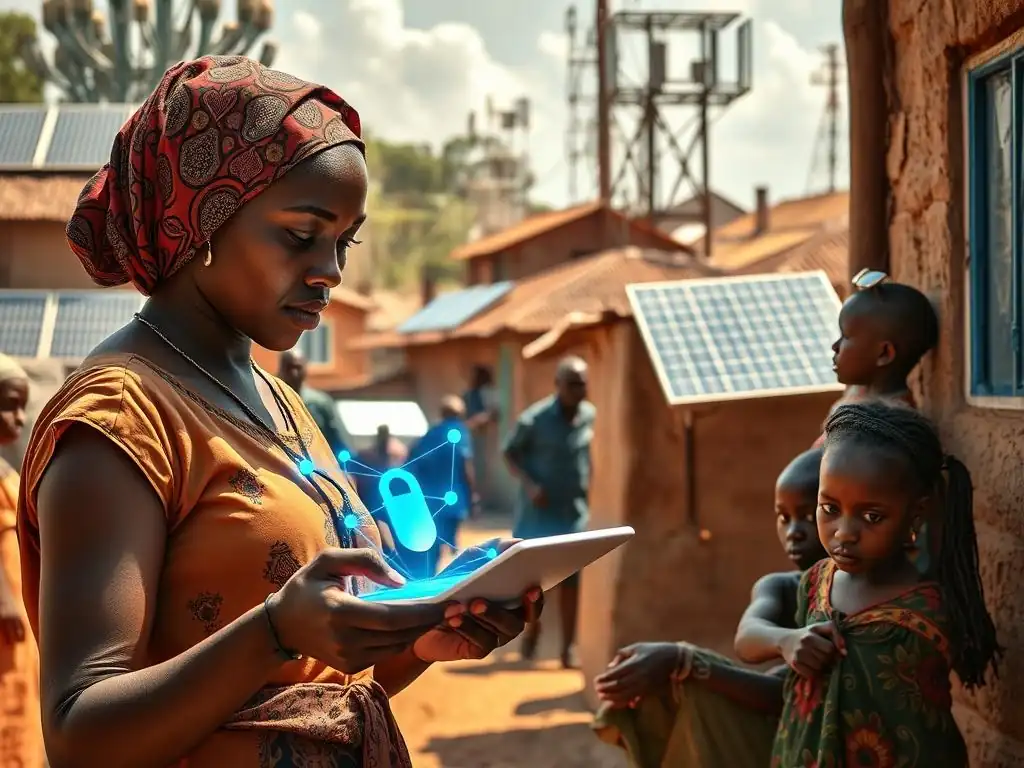
Welcome to Blockchain Trends, your go-to source for understanding the real impact of blockchain technology. Beyond the hype of cryptocurrencies lies a world of transformative potential. Curious about how this technology can bridge the gap and bring financial services to underserved populations? Dive into our analysis of blockchain financial inclusion opportunities and discover how decentralized systems are paving the way for a more equitable future. Let's explore the possibilities together...
- Blockchain and Financial Inclusion: A New Paradigm
- Understanding Blockchain Financial Inclusion Opportunities
- Use Cases: Blockchain Empowering Underserved Communities
- Overcoming the Challenges to Blockchain Adoption in Financial Inclusion
- The Future of Blockchain for Financial Empowerment
- Blockchain Financial Inclusion: Key Takeaways
-
Frequently Asked Questions
- How can blockchain technology contribute to financial inclusion?
- What are some "Blockchain financial inclusion opportunities" beyond cryptocurrency?
- What role does DeFi (Decentralized Finance) play in blockchain-based financial inclusion?
- What are some regulatory challenges associated with using blockchain for financial inclusion?
- How can enterprise applications of blockchain improve financial inclusion?
- Final Reflection: Embracing Blockchain's Inclusive Potential
- Ignite Your Financial Future: Step into the Blockchain Revolution!
Blockchain and Financial Inclusion: A New Paradigm
Financial exclusion remains a significant global challenge, affecting billions of adults who lack access to basic financial services like bank accounts, credit, or insurance. This exclusion perpetuates cycles of poverty, limits economic participation, and hinders individual and community development. Traditional financial systems often struggle to serve these populations effectively due to high operational costs associated with reaching remote areas, stringent identification requirements that many cannot meet, and a lack of trust in formal institutions. The cost of sending remittances, for example, can be prohibitively high, eating into the vital funds sent by migrant workers to their families.
Blockchain technology emerges as a potential disruptor to this status quo, offering a decentralized, transparent, and often lower-cost alternative to traditional financial infrastructure. By removing intermediaries, blockchain can facilitate peer-to-peer transactions, enable the creation of digital identities verifiable without traditional documents, and provide a secure, immutable ledger for recording assets and transactions. This inherent architecture holds significant promise for overcoming many of the barriers that exclude underserved populations, opening new avenues for economic empowerment and financial access on a global scale.
The Limitations of Traditional Financial Systems
Traditional financial systems, while serving a large portion of the global population effectively, face inherent limitations that contribute to financial exclusion. High transaction fees, particularly for low-value payments or cross-border remittances, make services unaffordable for low-income individuals. According to World Bank data, the global average cost of sending remittances was around 6.3% in the first quarter of 2023, a figure significantly higher than the Sustainable Development Goal target of 3%. This cost disproportionately affects those who rely most heavily on these transfers.
Furthermore, accessing traditional financial services often requires formal identification documents, proof of address, and a physical presence at a branch, all of which can be significant hurdles for individuals in rural areas, refugees, or those living in informal settlements. The infrastructure required for traditional banking – branches, ATMs, secure networks – is expensive to build and maintain, especially in remote or low-density areas, leading banks to prioritize more profitable urban markets. This leaves vast segments of the population without convenient access to essential financial tools, limiting their ability to save, borrow, or participate fully in the formal economy.
How Blockchain Technology Addresses Financial Exclusion
Blockchain technology offers a compelling alternative by providing a decentralized and accessible infrastructure that bypasses many limitations of traditional systems. Its distributed ledger nature allows for secure, transparent, and immutable record-keeping accessible via the internet, often through a simple smartphone app, dramatically lowering the need for physical infrastructure. This digital accessibility is key in reaching populations underserved by brick-and-mortar banks.
Moreover, blockchain's ability to handle peer-to-peer transactions can significantly reduce or eliminate intermediary fees, making financial services more affordable. Cryptocurrencies and stablecoins running on blockchain networks allow for value transfer across borders quickly and at a fraction of the cost of traditional remittance channels. Additionally, blockchain-based identity solutions are being developed to provide verifiable digital identities for individuals who lack traditional documentation, potentially unlocking access to financial services, aid, and other essential resources. These core features create significant blockchain financial inclusion opportunities.
Understanding Blockchain Financial Inclusion Opportunities
The potential for blockchain technology to foster financial inclusion is vast, spanning various applications from decentralized finance to improved payment systems. By leveraging the inherent characteristics of blockchain – transparency, immutability, and decentralization – new models are emerging that can serve populations previously excluded from the formal financial sector. These blockchain financial inclusion opportunities are not limited to simple payment transfers but extend to complex financial instruments and identity solutions.
Exploring the specific applications reveals how blockchain can lower barriers to access, reduce costs, and increase efficiency in financial services. From enabling peer-to-peer lending without traditional credit checks to providing secure digital identities for aid distribution, the technology is proving its capability to create more equitable financial systems. The development of these applications highlights the transformative power of blockchain beyond its initial association with speculative cryptocurrencies, focusing instead on real-world impact for underserved communities.
Decentralized Finance (DeFi) and Access to Capital
Decentralized Finance, or DeFi, represents a paradigm shift in financial services by removing intermediaries like banks from transactions and agreements. Built on blockchain networks, primarily Ethereum, DeFi protocols enable peer-to-peer lending, borrowing, trading, and insurance through automated smart contracts. This eliminates the need for traditional financial institutions, credit scores, and extensive paperwork, potentially opening up access to capital for individuals and small businesses who cannot meet traditional banking requirements.
While many current DeFi applications require users to have existing cryptocurrency assets as collateral, the underlying principles offer significant blockchain financial inclusion opportunities. The transparency of blockchain allows anyone to audit transactions, building trust in the system. Furthermore, the global and permissionless nature of DeFi means that anyone with an internet connection can potentially participate, regardless of their geographic location or socioeconomic status, overcoming barriers related to physical distance and institutional gatekeeping.
DeFi Lending and Borrowing Platforms for the Unbanked
While still in early stages for populations entirely outside the digital economy, the model of DeFi lending and borrowing holds promise for the unbanked or underbanked. Platforms using blockchain allow users to lend assets and earn interest or borrow funds by providing collateral, typically in the form of cryptocurrency. The terms are governed by smart contracts, ensuring execution without reliance on trust between parties or a central authority.
For truly unbanked populations, the challenge lies in acquiring initial digital assets or collateral and navigating the digital interface. However, emerging models explore alternative forms of collateral, such as reputation scores built on blockchain transaction history, or integrate with local community lending circles. Initiatives are also exploring ways to connect traditional assets or income streams to blockchain for collateralization, potentially allowing individuals without crypto holdings but with other valuable assets (like future income or physical property) to access credit through decentralized protocols.
Blockchain-Based Microfinance Initiatives
Blockchain technology is also being explored to enhance and expand microfinance initiatives. Traditionally, microfinance involves small loans provided by non-profit organizations or specialized banks to low-income individuals or groups, often in developing countries, to help them start or expand small businesses. Blockchain can streamline these operations by reducing administrative costs, increasing transparency in fund distribution, and creating immutable records of loan repayment.
Pilot programs have demonstrated the potential. By tokenizing loans or creating community-based lending pools on a blockchain, organizations can manage and disburse funds more efficiently. The transparency of the ledger can build trust among participants and donors, showing exactly where funds are going. Furthermore, blockchain can facilitate the creation of digital identities and verifiable credit histories for micro-entrepreneurs, enabling them to access larger loans or other financial services in the future based on their performance within the blockchain-based microfinance system.
Streamlining Cross-Border Payments with Blockchain
Cross-border payments, particularly remittances sent by migrant workers to their home countries, represent a critical lifeline for millions globally. However, these transactions are often slow, expensive, and lack transparency when conducted through traditional channels like banks or money transfer operators. High fees and unfavorable exchange rates significantly reduce the amount of money received by families, impacting their economic well-being.
Blockchain technology offers a significantly more efficient alternative for cross-border transactions. Networks like Ripple, Stellar, or even public blockchains like Bitcoin (though less practical for small remittances due to transaction fees and volatility) and stablecoin networks allow value to be transferred globally in minutes or seconds, rather than days. This speed and the ability to bypass multiple intermediary banks drastically reduce the overall cost and time involved in sending money across borders, unlocking substantial blockchain financial inclusion opportunities for remittance recipients.
Reducing Remittance Costs and Delays
One of the most tangible blockchain financial inclusion opportunities lies in the reduction of remittance costs. Traditional methods involve a chain of correspondent banks, each adding fees and processing time. Blockchain-based payment systems can facilitate direct peer-to-peer or business-to-business transfers, significantly cutting down on these layers of intermediaries. For example, transferring value using stablecoins pegged to major currencies can be done with minimal transaction fees (often just network fees) and settles much faster than traditional wire transfers.
Estimates suggest that lowering remittance costs by even a few percentage points could save recipients billions of dollars annually. Initiatives leveraging blockchain are actively working to build corridors for cheaper and faster remittances, particularly in developing countries. While challenges remain regarding regulatory clarity and user adoption, the potential to put more money directly into the hands of those who need it most is a powerful driver for blockchain adoption in this space.
Enhancing Transparency and Security in International Transactions
Beyond cost and speed, blockchain technology enhances the transparency and security of international transactions. Every transaction on a public or permissioned blockchain is recorded on a distributed ledger, which is immutable and auditable. This means both senders and receivers, as well as regulators if granted permission, can track the movement of funds with a high degree of certainty, reducing the risk of loss, fraud, or tampering.
This enhanced transparency is particularly valuable in regions where trust in traditional financial institutions may be low. Users can verify that their funds have been sent and received as intended. The cryptographic security underlying blockchain technology also makes transactions inherently more secure against unauthorized access or modification compared to centralized databases, providing peace of mind for individuals sending hard-earned money across continents.
Use Cases: Blockchain Empowering Underserved Communities
Real-world applications demonstrate the tangible impact of blockchain on financial inclusion. These use cases move beyond theoretical potential to show how the technology is being deployed to solve specific problems faced by underserved communities globally. From securing property rights to distributing aid and enabling access to finance for small producers, these examples highlight diverse blockchain financial inclusion opportunities.
Examining these initiatives provides concrete evidence of blockchain's ability to address systemic barriers to financial participation. They showcase how decentralized ledgers, digital identities, and tokenized assets can create pathways to economic empowerment for populations that have historically been excluded from formal financial systems. While challenges and scaling remain, the success of these pilot programs and ongoing projects offers a compelling vision for the future.
Blockchain Land Registry in Georgia
In the Republic of Georgia, the National Agency of Public Registry (NAPR) partnered with a blockchain company starting in 2016 to pilot a system for registering land titles on a blockchain. This initiative aimed to improve the security, transparency, and efficiency of the land registry, a critical component of economic stability and access to credit. Secure property rights are fundamental for individuals and businesses to leverage assets, such as land, for loans or investment.
By recording land ownership and transaction data on a blockchain, the system makes the records immutable and publicly verifiable (while respecting privacy where needed). This reduces the risk of fraud, disputes over ownership, and errors that can plague paper-based or centralized digital systems. For many citizens, clear and undisputed title to their land is essential for obtaining formal credit, as banks are more willing to lend against assets with secure proof of ownership. This project demonstrated how blockchain can underpin property rights, indirectly fostering financial inclusion by enabling asset collateralization.
Blockchain Identity Solutions for Refugee Aid Distribution by UNHCR
The United Nations High Commissioner for Refugees (UNHCR) has explored using blockchain technology to provide digital identities and facilitate aid distribution for refugees. Refugees often lack traditional identification documents, making it difficult for them to access essential services, including financial aid, healthcare, and education. A verifiable digital identity is a crucial first step towards financial inclusion and self-reliance.
UNHCR piloted a system called "Building Blocks" which used blockchain to disburse cash assistance to Syrian refugees in Jordan. Instead of relying on traditional banking or cash handouts, refugees' identities were recorded on a blockchain, linked to iris scans for verification at payment points. This system allowed UNHCR to distribute aid more efficiently, transparently, and securely, ensuring that funds reached the intended recipients directly. It also created a form of digital identity that could potentially be used for other services in the future, demonstrating significant blockchain financial inclusion opportunities stemming from identity solutions.
Blockchain Supply Chain Finance for Coffee Farmers in Colombia
Smallholder farmers, like coffee producers in Colombia, often face challenges accessing finance. They typically receive payment for their produce only after it has been harvested, processed, and sold, which can take months. This gap leaves them vulnerable to price fluctuations and in need of short-term credit, which is often unavailable or prohibitively expensive through traditional channels.
Several initiatives are exploring how blockchain can enable supply chain finance for these farmers. By recording transactions and verifying produce along the supply chain on a blockchain, from farm to exporter to roaster, a transparent and immutable record is created.
This verifiable history can then be used as proof of future income or asset ownership, making farmers more creditworthy in the eyes of lenders. Some platforms issue tokens representing future harvest value, which farmers can sell early for immediate funds, effectively allowing them to access financing based on verifiable supply chain data recorded on the blockchain, thereby improving their access to capital and financial stability.
Overcoming the Challenges to Blockchain Adoption in Financial Inclusion

Despite the significant blockchain financial inclusion opportunities, the path to widespread adoption is not without hurdles. Several challenges need to be addressed to ensure that blockchain technology can truly serve vulnerable populations effectively and safely. These challenges span regulatory landscapes, technological infrastructure, and the inherent complexities of the technology itself.
Successfully navigating these obstacles requires careful planning, collaboration, and innovative solutions. Addressing issues related to regulation, ensuring accessible infrastructure, and building secure and scalable systems are critical steps in unlocking the full potential of blockchain for financial empowerment globally. Ignoring these challenges could hinder adoption and limit the reach of these promising technologies.
Regulatory Hurdles and Compliance
One of the primary challenges for blockchain financial inclusion initiatives is the lack of clear and consistent regulatory frameworks across different jurisdictions. Financial services are heavily regulated to protect consumers and prevent illicit activities like money laundering and terrorist financing. The decentralized and often borderless nature of blockchain technology can make it difficult to apply existing regulations.
Governments and financial authorities are still grappling with how to classify and regulate cryptocurrencies, stablecoins, and decentralized finance applications. Uncertainty around Know Your Customer (KYC) and Anti-Money Laundering (AML) requirements for blockchain-based services can deter both providers and potential users. Developing regulatory sandboxes or clear guidelines that balance innovation with necessary consumer protection and financial stability is crucial for enabling the safe deployment of blockchain financial inclusion opportunities.
Infrastructure Limitations and Digital Literacy
Access to the necessary infrastructure and digital literacy are significant barriers in many regions where financial inclusion is most needed. While smartphone ownership is increasing globally, reliable internet connectivity is not ubiquitous, particularly in rural or remote areas. Access to electricity can also be inconsistent. Without consistent internet access, interacting with blockchain networks and applications becomes challenging.
Furthermore, understanding and using blockchain wallets, private keys, and decentralized applications requires a certain level of digital literacy. Many individuals currently excluded from the financial system may lack experience with digital technologies. Educational initiatives and user-friendly interfaces are essential to overcome this barrier. Solutions need to be designed with the end-users' capabilities and available technology in mind, potentially leveraging simpler interfaces or offline capabilities where possible.
Addressing Scalability and Security Concerns
While blockchain offers inherent security features like immutability, the technology faces challenges related to scalability and other security risks. Some popular blockchain networks can only process a limited number of transactions per second, which could become a bottleneck for widespread financial services adoption serving millions or billions of users. High transaction fees on some networks during peak times can also negate the cost-saving benefits for low-value transactions.
Security is another concern. While the blockchain ledger itself is highly secure, the applications built on top of it (smart contracts) can contain vulnerabilities, leading to potential hacks and loss of funds, as seen in various DeFi exploits. Users are also responsible for securing their private keys, and losing them means losing access to their funds permanently. Addressing these technical challenges through layer 2 scaling solutions, rigorous smart contract auditing, and user education on security best practices is vital for building trust and enabling secure blockchain financial inclusion opportunities.
The Future of Blockchain for Financial Empowerment
The trajectory of blockchain technology in financial inclusion points towards a future where decentralized systems play an increasingly vital role in providing access to financial services for everyone, everywhere. As the technology matures and challenges are addressed, its potential to empower individuals and foster economic growth becomes ever clearer. The convergence of technological innovation, supportive regulatory environments, and collaborative efforts will be key to realizing this vision.
Looking ahead, we can anticipate continued innovation in blockchain protocols and applications specifically designed for low-resource environments and users with limited digital literacy. The focus will likely shift from simply enabling transactions to providing a full suite of financial tools, including savings, insurance, and investment opportunities, accessible via decentralized platforms. This evolution promises to unlock even greater blockchain financial inclusion opportunities.
Expanding Access to Financial Services Through Innovation
Future developments in blockchain technology, such as more efficient consensus mechanisms, layer 2 scaling solutions, and cross-chain interoperability, will be crucial for expanding access to financial services. These advancements will enable networks to handle a higher volume of transactions at lower costs, making micro-payments and frequent small transactions economically viable. Innovation in user interface design and integration with mobile money systems will also lower the technical barrier to entry for new users.
Moreover, the development of decentralized identity solutions that are globally recognized and interoperable will be fundamental. Such identities could serve as a passport to a range of financial services, enabling credit scoring based on verifiable on-chain history or participation in decentralized autonomous organizations (DAOs) focused on community finance. These technological strides are paving the way for a truly inclusive global financial system built on blockchain.
Fostering Economic Growth and Reducing Inequality
By providing secure, affordable, and accessible financial services, blockchain technology has the potential to significantly foster economic growth and reduce inequality, particularly in developing regions. Access to savings mechanisms allows individuals to build resilience against economic shocks. Access to affordable credit enables entrepreneurs to start or expand businesses, creating jobs and stimulating local economies.
Lowering the cost of remittances puts more discretionary income into the hands of recipient families, boosting consumption and investment. Enabling secure property rights through blockchain land registries can unlock trillions of dollars in currently 'dead' capital, allowing individuals to use their assets productively. These combined effects represent powerful blockchain financial inclusion opportunities that can lift communities out of poverty and create a more equitable distribution of wealth.
The Role of Public-Private Partnerships in Blockchain Financial Inclusion
Realizing the full potential of blockchain for financial inclusion requires close collaboration between various stakeholders. Public-private partnerships involving governments, central banks, international development organizations, non-governmental organizations (NGOs), and blockchain companies are essential. Governments and regulators play a crucial role in providing a supportive legal and regulatory environment.
International organizations and NGOs can help pilot and scale blockchain solutions in underserved communities, leveraging their local knowledge and trust. Private blockchain companies bring the technical expertise and innovative spirit needed to build robust and user-friendly platforms. Collaborative efforts can pool resources, share knowledge, and build the necessary infrastructure and educational programs to ensure that blockchain financial inclusion opportunities translate into tangible improvements in people's lives.
Blockchain Financial Inclusion: Key Takeaways
Blockchain technology offers transformative blockchain financial inclusion opportunities by addressing key limitations of traditional financial systems, such as high costs, lack of access, and stringent identification requirements.
Decentralized Finance (DeFi) and streamlined cross-border payments are significant areas where blockchain can provide more affordable and accessible services.
Real-world use cases, including land registries, aid distribution, and supply chain finance, demonstrate blockchain's practical impact on empowering underserved communities.
Overcoming challenges related to regulation, infrastructure, digital literacy, scalability, and security is crucial for widespread adoption.
The future of blockchain for financial empowerment relies on continued innovation, collaborative public-private partnerships, and a focus on expanding access to a full suite of financial services to foster economic growth and reduce global inequality.
Frequently Asked Questions
How can blockchain technology contribute to financial inclusion?
Blockchain offers transparent and secure platforms, reducing reliance on traditional intermediaries. This can lower transaction costs and provide access to financial services for the unbanked through decentralized applications (dApps).
What are some "Blockchain financial inclusion opportunities" beyond cryptocurrency?
Beyond crypto, blockchain enables microfinance platforms, secure identity management for KYC/AML compliance, and decentralized lending systems. These initiatives bypass traditional banking limitations, reaching underserved populations.
What role does DeFi (Decentralized Finance) play in blockchain-based financial inclusion?
DeFi provides permissionless and accessible financial products like lending, borrowing, and yield farming. These services offer alternatives to traditional financial institutions, potentially expanding access to capital.
What are some regulatory challenges associated with using blockchain for financial inclusion?
Regulatory uncertainty surrounding DeFi and blockchain-based financial services remains a hurdle. Establishing clear AML/KYC compliance and consumer protection frameworks is crucial for responsible adoption.
How can enterprise applications of blockchain improve financial inclusion?
Enterprises can leverage blockchain for supply chain finance, enabling small businesses in developing countries to access funding. Blockchain also facilitates transparent and secure cross-border payments, reducing remittance costs.
Final Reflection: Embracing Blockchain's Inclusive Potential
The journey through blockchain's potential for financial inclusion reveals a truth that resonates deeply in our current world: technology, when thoughtfully applied, can be a powerful force for equity. We've explored the various avenues through which blockchain can bypass traditional barriers, offering access to financial services for the unbanked and underbanked populations globally. The promise of decentralized finance (DeFi), secure digital identities, and transparent supply chains paints a compelling picture of a future where financial opportunity is more widely distributed.
The impact of this technology extends far beyond mere transactions; it's about empowering individuals and communities. Witnessing the nascent stages of blockchain-driven financial inclusion fills me with hope, knowing that we are actively shaping a more equitable future. Financial inclusion is not just about access to banking services; it's about empowering people to participate fully in the economy and improve their lives.
This quote encapsulates the profound potential of blockchain to unlock economic opportunities for those who have been historically excluded.
As we conclude this exploration, I invite you to consider your own role in shaping this future. How can you support initiatives that leverage blockchain for financial inclusion? How can you educate yourself and others about the transformative power of this technology? The future of finance is being written now, and your contribution, however small, can help ensure that it's a future where everyone has the opportunity to thrive.
Ignite Your Financial Future: Step into the Blockchain Revolution!
Thank you for exploring the potential of blockchain for financial inclusion with us. We hope this article has illuminated how this technology can reshape economies and empower individuals. Now, it's time to put that knowledge into action and be part of the change!
Here's how you can get involved:
- Dive Deeper: Research one specific real-world example of blockchain improving financial access in a developing nation.: Understanding the nuances of a successful implementation can inspire further innovation.
- Share Your Insight:Start a discussion about blockchain's role in financial inclusion with your network on social media, using #BlockchainForGood and #FinancialInclusion.
- Challenge Yourself: Download a beginner-friendly blockchain wallet and send a small amount of cryptocurrency to a friend or family member.: Experience the technology firsthand and demystify it for others.
What are some other unconventional ways you think blockchain can break down financial barriers and empower underserved communities? Let us know in the comments!
Leave a Reply