
Luxury Goods and Ethics: Blockchain for Authenticity and Responsible Sourcing

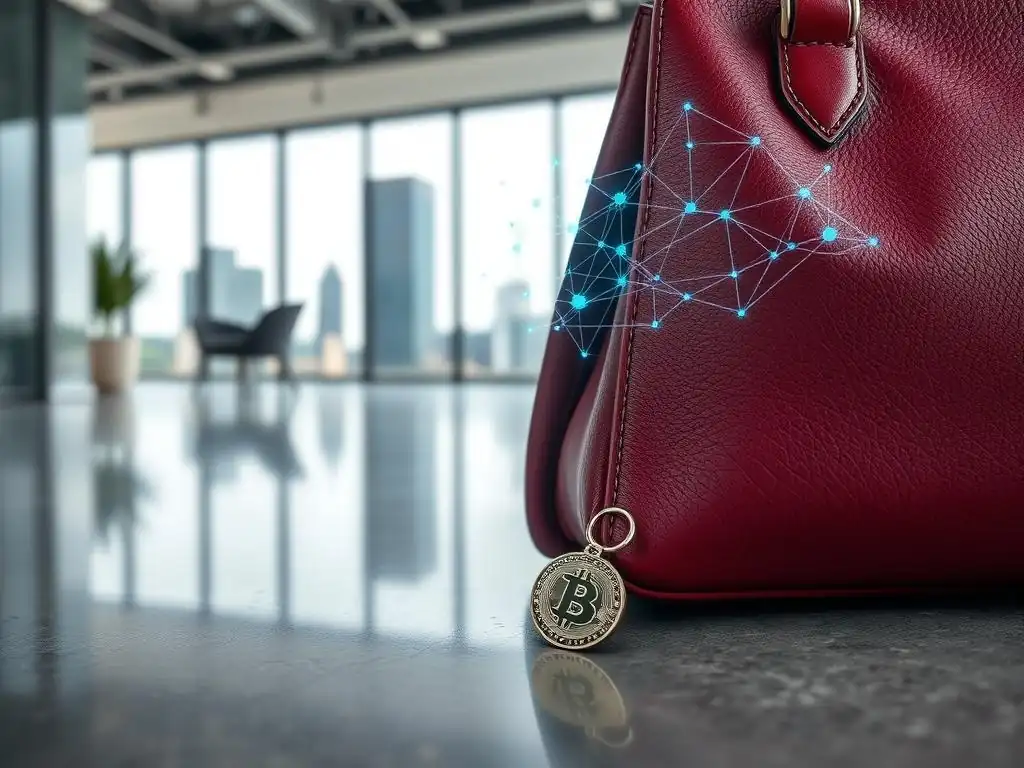
Welcome to Blockchain Trends, your guide to the revolutionary world beyond cryptocurrency. Dive into the transformative potential of blockchain, where we explore DeFi, enterprise applications, regulation, and the future of decentralized systems.
Ever wondered how blockchain can ensure the authenticity and ethical sourcing of luxury goods? Our latest article, "Luxury Goods and Ethics: Blockchain for Authenticity and Responsible Sourcing," unveils how this innovative technology is reshaping the industry. Discover how blockchain is combating counterfeiting and promoting transparency. Intrigued? Read on to learn more about blockchain luxury goods authentication and its impact on social responsibility.
Luxury Goods and Ethics: Blockchain for Authenticity and Responsible Sourcing
- The Ethical Challenges Facing the Luxury Goods Industry
- Blockchain Technology: A Solution for Luxury Authentication
- Blockchain for Responsible Sourcing in the Luxury Sector
- Case Studies: Blockchain Implementation in Luxury Brands
- Benefits of Using Blockchain for Luxury Goods Authentication and Sourcing
- Challenges and Considerations for Blockchain Adoption in Luxury
- The Future of Blockchain and Luxury: Trends and Predictions
-
Frequently Asked Questions
- How does blockchain technology help authenticate luxury goods?
- What are the benefits of using blockchain for responsible sourcing in the luxury goods industry?
- What are some challenges in implementing blockchain for luxury goods authentication?
- Beyond authentication, what other applications of blockchain are relevant to the luxury goods sector?
- What is the regulatory landscape surrounding blockchain adoption in the luxury goods industry?
- Final Reflection: Beyond Authentication, Towards Ethical Luxury
- Empower Transparency: Step into Ethical Luxury
The Ethical Challenges Facing the Luxury Goods Industry
The world of luxury goods, long associated with exclusivity, craftsmanship, and heritage, is increasingly confronting significant ethical challenges. Consumers are becoming more aware of the origins of their purchases, demanding transparency and accountability from brands. Issues ranging from rampant counterfeiting to opaque supply chains and concerns over ethical sourcing of materials are putting pressure on the industry to adapt and adopt more responsible practices. These challenges not only threaten the integrity and reputation of luxury brands but also impact the broader social and environmental landscape.
Counterfeiting and its Impact on Luxury Brands
Counterfeiting remains a persistent and formidable foe for luxury brands, costing the global economy billions annually. Estimates from various sources, including the International Chamber of Commerce, suggest that the global trade in counterfeit goods could exceed \$1.7 trillion by 2022, with luxury items like handbags, watches, apparel, and jewelry being prime targets. This illicit trade is not merely a financial drain; it erodes brand value, damages reputation, and undermines consumer trust built over decades, sometimes centuries.
The impact extends beyond lost sales revenue. Brands incur significant legal costs fighting counterfeiters, and the association of their name with low-quality, often poorly manufactured fakes dilutes their exclusivity and prestige. Furthermore, the counterfeiting industry is frequently linked to organized crime, exploitative labor practices, and unsafe working conditions, adding a dark ethical dimension to the problem. Combating this requires robust authentication methods that are difficult to replicate or tamper with, which is where solutions like blockchain luxury goods authentication come into play.
Supply Chain Transparency Issues in Luxury Manufacturing
Luxury supply chains are notoriously complex, often involving multiple tiers of suppliers, artisans, and manufacturers spread across different continents. While this global network allows access to specialized skills and materials, it also creates significant transparency challenges. Brands often lack visibility beyond their direct suppliers, making it difficult to verify the origin of components or ensure ethical practices are followed at every stage, from raw material extraction to final assembly.
This opacity can hide issues such as forced labor, unsafe working conditions, and environmental damage occurring far down the supply chain. For example, the sourcing of exotic skins or certain precious metals can involve questionable practices that are difficult for a brand to monitor effectively without a clear, immutable record of provenance. The lack of end-to-end visibility means brands struggle to make credible claims about the ethical or sustainable nature of their products, leaving consumers uncertain and potentially distrustful. Addressing this requires a system capable of tracking items and materials across disparate entities, providing verifiable data.
Ethical Sourcing of Materials: A Growing Concern for Luxury Consumers
Today's luxury consumer is increasingly sophisticated and socially conscious. They are not only buying into a brand's aesthetic and quality but also its values and ethical stance. Concerns about the environmental impact of production, the welfare of workers, and the origin of materials like diamonds, gold, leather, and rare woods are influencing purchasing decisions. A 2020 study by Deloitte found that a significant percentage of consumers are willing to pay more for products that are ethically sourced and sustainable.
Verifying the ethical sourcing of materials presents a significant challenge. For instance, ensuring that gold is conflict-free or that leather comes from farms with high animal welfare standards requires meticulous tracking and auditing. The traditional paper-based systems or centralized databases used for tracking can be prone to errors, fraud, or manipulation. Consumers want verifiable proof, not just marketing claims. This growing demand for assurance is driving the need for more reliable and transparent methods, such as those enabled by blockchain technology, to authenticate luxury goods and their components from source to sale.
Blockchain Technology: A Solution for Luxury Authentication
Blockchain, the distributed ledger technology underpinning cryptocurrencies like Bitcoin, offers a compelling framework for addressing the critical challenges of authenticity and transparency in the luxury sector. Its core properties – decentralization, immutability, transparency (to authorized parties), and cryptographic security – make it ideal for creating tamper-proof records of ownership, origin, and transaction history. By assigning a unique digital identity to each luxury item, brands can leverage blockchain to build trust and provide verifiable proof of authenticity.
Understanding Blockchain's Role in Verifying Authenticity
At its heart, blockchain provides a shared, immutable ledger where transactions or records are grouped into blocks, cryptographically linked together in a chain. Once a block is added, it is extremely difficult to alter without the consensus of the network participants. For luxury goods, this means creating a unique digital fingerprint or identity for each item – perhaps linked to a serial number, RFID tag, or NFC chip embedded in the product.
This digital identity, often represented as a unique token or NFT on the blockchain, can record key information about the item's creation, ownership history, and even details about the materials used. When a luxury item is manufactured, its data is logged onto the blockchain, creating the first immutable record. Subsequent events, such as changes in ownership during resale, repairs, or certifications, can also be added to this digital history. Consumers can then verify the authenticity and history of an item by accessing this secure, transparent record via a simple scan or lookup, providing reliable blockchain luxury goods authentication.
How Blockchain Prevents Counterfeiting of Luxury Items
Blockchain acts as a powerful deterrent and tool against counterfeiting by making it virtually impossible for fakes to carry a verifiable history or digital identity linked to the genuine product. When a luxury item is tagged with a secure, tamper-proof identifier (like a cryptographically secured QR code or an NFC chip) linked to its blockchain record, any attempt to counterfeit the item would involve creating a fake identifier or trying to replicate the blockchain entry.
Since the blockchain record is immutable and distributed, creating a fraudulent, yet verifiable, history is extremely difficult. A consumer or retailer scanning the identifier on a suspected counterfeit item would find no matching record on the blockchain, or the record would show inconsistencies compared to the expected history of a genuine product. This immediate, verifiable proof of authenticity via blockchain luxury goods authentication empowers consumers and retailers to distinguish fakes from genuine articles, significantly hindering the counterfeit market.
Enhancing Consumer Trust with Blockchain-Based Authentication
Trust is paramount in the luxury market. Consumers pay a premium for the assurance of quality, craftsmanship, and authenticity. Counterfeiting and supply chain opacity erode this trust. By implementing blockchain luxury goods authentication, brands can provide consumers with an unprecedented level of transparency and verifiable proof. A consumer can scan a tag on their new watch or handbag and instantly access its entire journey – where the materials were sourced, where it was manufactured, and confirmation that it is a genuine product registered by the brand.
This direct access to immutable data builds confidence. It transforms the brand-consumer relationship from one based on reputation alone to one based on verifiable facts. Knowing that the authenticity is secured by a decentralized, tamper-proof ledger gives consumers peace of mind, especially in the secondary market where the risk of encountering fakes is higher. This enhanced trust not only protects consumers but also strengthens brand loyalty and reputation in an increasingly skeptical marketplace.
Blockchain for Responsible Sourcing in the Luxury Sector
Beyond authenticating the final product, blockchain technology offers transformative potential for increasing transparency and ensuring responsible practices throughout the complex luxury supply chain. By creating a secure, shared ledger that tracks materials and components from their point of origin, brands can gain unprecedented visibility into the ethical and environmental conditions under which their products are made.
Tracking the Origin of Raw Materials with Blockchain
Tracing the origin of raw materials like precious stones, metals, exotic skins, or fine textiles has historically been a significant challenge. Traditional paper trails are easily lost or manipulated, and centralized databases can lack interoperability between different stages of the supply chain. Blockchain allows for the creation of a digital 'birth certificate' for raw materials, recording their initial sourcing location and details.
As these materials move through various stages – cutting, polishing, tanning, weaving, manufacturing – each transaction or transformation can be recorded on the blockchain. This creates a continuous, immutable chain of custody from the mine, farm, or mill to the finished luxury item. For instance, a diamond's journey can be logged from the rough stone's extraction point, through various cutters and polishers, to its setting in a piece of jewelry. This level of detail, secured by blockchain, provides verifiable proof of origin, helping brands ensure materials are sourced responsibly and sustainably.
Ensuring Fair Labor Practices Through Blockchain Transparency
Blockchain's ability to create a transparent and immutable record can also be applied to track and verify labor practices within the supply chain. While blockchain doesn't directly monitor working conditions, it can serve as a platform to record and verify data related to labor standards at different production sites. For example, independent audits certifying fair wages, safe working conditions, or compliance with labor laws at a manufacturing facility could have their results recorded on the blockchain.
Payments made to suppliers or workshops could also be linked to blockchain transactions, providing a verifiable financial trail. Furthermore, systems could be developed where workers, under secure conditions, could potentially provide anonymized feedback or confirmation of conditions that is logged onto the ledger. While implementing this requires careful consideration of privacy and accessibility, the potential exists to create a more accountable supply chain where claims of fair labor practices can be substantiated with verifiable data, moving beyond simple assertions to demonstrable transparency.
Promoting Sustainable Practices in Luxury Goods Production Using Blockchain
Sustainability is no longer optional for luxury brands; it's a consumer expectation. Blockchain technology can play a crucial role in verifying and promoting sustainable production methods. Brands can record data related to environmental impact – such as the use of recycled materials, energy consumption during manufacturing, water usage, or waste reduction efforts – directly onto the blockchain ledger associated with specific product batches or materials.
For instance, a fashion house using sustainable cotton could track its journey from a certified organic farm, with details about water usage or pesticide avoidance recorded at the source and verified as it moves through the supply chain. Similarly, a jewelry brand using recycled gold could record the verification process on the blockchain.
This provides consumers with verifiable proof of a product's sustainable attributes, allowing them to make informed choices based on data they can trust. By making sustainable efforts transparent and verifiable through blockchain, brands can enhance their environmental credentials and appeal to environmentally conscious consumers, further reinforcing the value of blockchain luxury goods authentication linked to ethical sourcing.
Case Studies: Blockchain Implementation in Luxury Brands

Several pioneering luxury brands and consortia have begun implementing blockchain technology to address the challenges of authenticity, traceability, and ethical sourcing. These real-world examples demonstrate the practical application and potential benefits of blockchain in the luxury sector.
De Beers - Blockchain for Diamond Traceability (Tracr)
De Beers, the world's leading diamond company, launched Tracr™, a blockchain platform designed to track diamonds from mine to retailer. The platform creates a unique, immutable record for each diamond registered, logging its journey through cutting, polishing, certification, and retail. By assigning a digital identity to each stone, Tracr provides verifiable proof of origin and ownership history.
Since its launch, Tracr has successfully tracked millions of diamonds, providing stakeholders across the value chain with increased confidence in the authenticity and ethical sourcing of the stones. This initiative directly addresses long-standing concerns about conflict diamonds and provides transparency that was previously difficult to achieve with traditional methods. The platform is an industry-wide initiative, emphasizing the collaborative potential of blockchain to establish trust and transparency across multiple players in a complex market. It serves as a prime example of blockchain luxury goods authentication and traceability at scale.
Provenance - Verifying the Origin of Leather Goods for Multiple Brands
Provenance is a platform that uses blockchain to enable supply chain transparency, and they have worked with several brands, including those in the luxury leather goods sector. Their focus is on tracking products and materials to verify claims about origin, ethical production, and sustainability. For leather goods, this might involve tracking hides from specific farms, recording details about animal welfare, tanning processes, and manufacturing locations.
By creating a digital trail on the blockchain, Provenance allows brands to share verified information about their leather goods' journey with consumers. A consumer can scan a product code and see the story of the leather, potentially including certifications related to environmental impact or social standards at the tannery or workshop. This provides tangible proof of ethical sourcing and production methods, moving beyond generic claims to specific, verifiable data points linked to the item's history through blockchain luxury goods authentication and supply chain tracking.
Arianee - Digital Product Passports for Luxury Goods
Arianee is a blockchain-based platform focused on creating digital identities or "digital passports" for luxury goods. These digital passports, often represented as NFTs, are linked to physical items and provide owners with access to exclusive content, warranty information, service history, and verifiable proof of ownership and authenticity. Major luxury groups and brands have partnered with Arianee to implement these digital passports for items like watches, jewelry, and fashion accessories.
The Arianee protocol allows brands to register products on the blockchain and transfer ownership of the digital passport to the buyer upon purchase. This creates a secure, immutable record of ownership and provides a reliable method for blockchain luxury goods authentication throughout the item's lifecycle, including the secondary market. It also opens up new avenues for direct communication between the brand and the product owner, enhancing the post-purchase experience and adding value beyond the physical item itself.
Benefits of Using Blockchain for Luxury Goods Authentication and Sourcing
The adoption of blockchain technology offers a multitude of benefits for luxury brands, consumers, and the industry as a whole, directly addressing key challenges related to trust, transparency, and efficiency.
Increased Transparency and Traceability
One of the most significant benefits is the unprecedented level of transparency and traceability that blockchain provides. By creating an immutable, shared ledger of transactions and events throughout the supply chain, brands can track materials and products from source to sale with verifiable accuracy. This end-to-end visibility allows brands to confidently assert claims about origin, ethical sourcing, and authenticity.
Consumers gain the ability to access this verified information, empowering them to make purchasing decisions based on facts rather than faith. This transparency helps rebuild trust in an industry often criticized for its opacity and complex supply chains. For example, knowing that a piece of jewelry's gold and gems have a verifiable blockchain history reduces concerns about unethical sourcing.
Enhanced Brand Reputation and Consumer Loyalty
In an era where brand reputation is paramount and consumers demand accountability, blockchain offers a powerful tool to enhance credibility. By openly demonstrating authenticity and responsible sourcing through verifiable blockchain records, luxury brands can significantly boost their reputation. Brands that are transparent about their supply chains and ethical practices are likely to resonate more strongly with socially conscious consumers.
Providing reliable blockchain luxury goods authentication and traceable sourcing information builds a deeper connection with consumers. When consumers trust a brand's claims because they are backed by immutable data, it fosters loyalty. This can lead to repeat purchases, positive word-of-mouth, and a stronger brand community centered around shared values of quality, authenticity, and ethics.
Improved Supply Chain Efficiency and Reduced Costs
Beyond ethical considerations, blockchain can also drive tangible improvements in supply chain efficiency and potentially reduce costs. Streamlined authentication processes reduce the time and resources spent manually verifying products or investigating counterfeit claims. A clear digital trail minimizes disputes regarding origin or authenticity.
Furthermore, increased supply chain visibility can help brands identify bottlenecks, optimize logistics, and reduce waste. While initial implementation costs exist, the long-term benefits of reduced fraud losses (potentially saving brands millions annually), more efficient operations, and enhanced brand value can outweigh the investment. The ability to quickly and reliably authenticate luxury goods using blockchain streamlines processes across retail, resale, and insurance sectors.
Challenges and Considerations for Blockchain Adoption in Luxury
Despite the compelling benefits, the widespread adoption of blockchain technology in the luxury sector is not without its challenges. Brands considering implementing blockchain solutions must carefully evaluate technical complexities, data management issues, and the evolving regulatory landscape.
Scalability and Interoperability of Blockchain Solutions
Current blockchain technologies, particularly public networks, can face limitations in terms of transaction speed and volume, which could be a challenge for tracking millions of individual luxury items and their numerous movements through the supply chain. While enterprise-focused or permissioned blockchains offer higher scalability, ensuring they can handle the sheer volume of data generated by a global luxury brand is critical.
Furthermore, integrating blockchain systems with existing legacy enterprise resource planning (ERP) systems, supply chain management software, and retail platforms presents a significant technical hurdle. Different blockchain protocols also need to be interoperable to allow seamless data flow across various participants in the luxury ecosystem, from raw material suppliers to end retailers and consumers. Achieving this requires significant technical expertise and investment.
Data Privacy and Security Concerns
While blockchain is designed for security, the nature of luxury supply chain data raises specific privacy concerns. Information about suppliers, manufacturing processes, costs, and logistics can be highly sensitive and proprietary. Deciding which data to make public or accessible to different parties on the blockchain, and ensuring that sensitive information remains private while maintaining necessary transparency, is a delicate balance.
Choosing the right type of blockchain (public, private, or consortium) and implementing robust access controls are essential. Ensuring compliance with data protection regulations like GDPR, especially when tracking items across international borders and involving consumer data for blockchain luxury goods authentication, adds another layer of complexity. Brands must design their blockchain solutions with privacy by design and robust security protocols to protect valuable information.
Regulatory Landscape and Compliance Requirements for Luxury Blockchain
The regulatory landscape surrounding blockchain technology and digital assets is still developing globally. Luxury brands operating across multiple jurisdictions must navigate varying regulations related to data ownership, digital product passports, tokenization (including NFTs), and supply chain traceability.
For example, regulations around the export and import of certain materials or finished luxury goods might interact with blockchain tracking systems. Furthermore, as digital product passports and NFTs become more common for blockchain luxury goods authentication and ownership, clarity is needed on how these digital assets are treated legally, particularly concerning proof of ownership, taxation, and transfer in the secondary market. Staying abreast of these evolving regulations and ensuring compliance is crucial for successful and sustainable blockchain implementation.
The Future of Blockchain and Luxury: Trends and Predictions
The intersection of blockchain technology and the luxury goods industry is set for continued evolution. As the technology matures and adoption grows, we can anticipate several key trends that will further integrate blockchain into the core operations and consumer experience of luxury brands.
Integration with IoT and AI for Enhanced Tracking
The future of blockchain luxury goods authentication and traceability will likely involve tighter integration with other advanced technologies like the Internet of Things (IoT) and Artificial Intelligence (AI). IoT sensors embedded in packaging or storage facilities could record real-time data about environmental conditions (e.g., temperature, humidity for sensitive materials like leather or wine) or location, automatically writing this data onto the blockchain ledger.
AI algorithms can analyze the vast amount of immutable data collected on the blockchain to identify patterns indicative of fraudulent activity, inefficiencies in the supply chain, or potential quality issues before they arise. This combination of real-time data collection (IoT), secure and immutable recording (Blockchain), and intelligent analysis (AI) will create highly sophisticated and proactive systems for managing and authenticating luxury goods throughout their lifecycle.
The Rise of NFTs for Digital Ownership and Authentication
Non-Fungible Tokens (NFTs) have already begun to make inroads into the luxury sector, primarily in fashion and art. Looking ahead, NFTs are poised to become a standard component of blockchain luxury goods authentication, serving as the digital twin or verifiable digital passport for physical items. Beyond simply proving authenticity, NFTs linked to luxury goods can unlock exclusive digital experiences, provide access to virtual events, facilitate seamless ownership transfer in the secondary market, and store comprehensive service and repair history.
This trend blurs the lines between the physical and digital worlds, adding new layers of value and engagement for luxury consumers. The ability to verify ownership and authenticity of a luxury item via a secure, transferable NFT is particularly valuable in the booming resale market, providing buyers and sellers with confidence and reducing the risk of counterfeiting.
Blockchain as a Driver for Sustainable and Ethical Luxury Consumption
Ultimately, the future sees blockchain technology becoming a fundamental driver for a more sustainable and ethical luxury market. As consumers increasingly demand transparency and accountability, brands that leverage blockchain to provide verifiable proof of ethical sourcing, fair labor practices, and sustainable production methods will gain a significant competitive advantage.
Blockchain-powered platforms will enable consumers to directly access the environmental and social footprint of their luxury purchases, influencing purchasing decisions and fostering a culture of responsible consumption. This technology has the potential to transform the industry from one where ethical claims are often based on trust and marketing to one where they are substantiated by verifiable, immutable data, making blockchain luxury goods authentication and traceability synonymous with responsible brand citizenship.
Frequently Asked Questions
How does blockchain technology help authenticate luxury goods?
Blockchain creates a tamper-proof ledger of each item's journey, from origin to sale. This immutable record verifies authenticity and prevents counterfeiting, giving consumers confidence.
What are the benefits of using blockchain for responsible sourcing in the luxury goods industry?
Blockchain enables transparent tracking of raw materials and production processes. This helps ensure ethical labor practices and sustainable sourcing, improving the brand's reputation.
What are some challenges in implementing blockchain for luxury goods authentication?
Challenges include data privacy concerns, the need for industry-wide adoption, and ensuring the accuracy of initial data input into the blockchain.
Beyond authentication, what other applications of blockchain are relevant to the luxury goods sector?
Blockchain can facilitate secure supply chain management, streamline logistics, and create unique digital identities for luxury items, enabling resale markets and provenance tracking.
What is the regulatory landscape surrounding blockchain adoption in the luxury goods industry?
Regulations are still evolving, but focus on data protection (like GDPR) and combating illicit activities. Compliance with regulations is crucial for building trust and ensuring sustainable implementation.
Final Reflection: Beyond Authentication, Towards Ethical Luxury
The exploration of blockchain's role in authenticating luxury goods and ensuring responsible sourcing has revealed a powerful potential for change. This technology transcends mere verification; it offers a pathway to rebuilding trust and transparency within an industry often criticized for its opaque practices. The ability to track a product's journey from raw material to finished item, immutably recorded on a blockchain, represents a significant step towards holding brands accountable and empowering consumers to make informed choices.
This shift towards ethical luxury is not just a trend; it's a reflection of evolving societal values. The demand for transparency and sustainability is reshaping consumer expectations, forcing brands to reconsider their supply chains and embrace technologies like blockchain to demonstrate their commitment to responsible practices. As Coco Chanel famously said, Luxury must be comfortable, otherwise it is not luxury.
Today, comfort extends beyond the physical; it encompasses the peace of mind that comes from knowing a product was created ethically and sustainably.
Now, consider the power you hold as a consumer. Armed with the knowledge of blockchain's potential, you can demand greater transparency from the brands you support. Ask questions about their sourcing practices, look for certifications, and champion companies that are actively embracing this technology. By making conscious choices, you can contribute to a future where luxury is not only synonymous with quality and craftsmanship, but also with integrity and social responsibility. Let's collectively shape a future where authenticity and ethics are the true hallmarks of luxury.
Empower Transparency: Step into Ethical Luxury
Thank you for exploring how blockchain is transforming the luxury goods industry. You've gained valuable insights into ensuring authenticity and responsible sourcing. Now, it's time to take action and support ethical practices.
You can contribute to creating a more transparent future by:
- Demanding Transparency: When purchasing luxury items, ask about the brand’s use of blockchain technology to verify sourcing and authenticity. Your questions can make a difference.
- Investigating emerging blockchain-based platforms dedicated to confirming the authenticity and ethical origins of luxury products.
- Sharing this article with friends and colleagues who are passionate about sustainability and responsible consumption. Let’s raise awareness and promote responsible choices.
What are your thoughts on how consumers can influence the adoption of blockchain for ethical luxury? Share your opinion in the comments!
Leave a Reply