
Medical Aid Supply Chains: Securing and Verifying Delivery of Essential Healthcare Resources with Blockchain


Welcome to Blockchain Trends, your guide to understanding the revolutionary applications of blockchain beyond the hype. Dive into the world of decentralized finance, enterprise solutions, and regulatory landscapes that are shaping the future.
Ever wondered how blockchain can ensure critical medical supplies reach those in need, free from counterfeiting and delays? Our latest article explores the vital role of blockchain healthcare supply chain security in safeguarding the delivery of essential healthcare resources. Discover how this technology is transforming supply chains and creating a more transparent and reliable system for everyone. Read on to learn more!
- Real-World Applications: Blockchain Transforming Medical Aid
-
Frequently Asked Questions
- How can blockchain technology improve the security of medical aid supply chains?
- What are some benefits of using blockchain for verifying the delivery of medical resources?
- Beyond security, how can blockchain impact the efficiency of medical aid supply chains?
- What are the potential challenges in implementing blockchain solutions for medical aid supply chains?
- How does blockchain contribute to combating counterfeit medical supplies in healthcare?
- Final Reflection: Empowering Trust in Healthcare Delivery
- Revolutionize Medical Aid: Take Action Now!
Real-World Applications: Blockchain Transforming Medical Aid
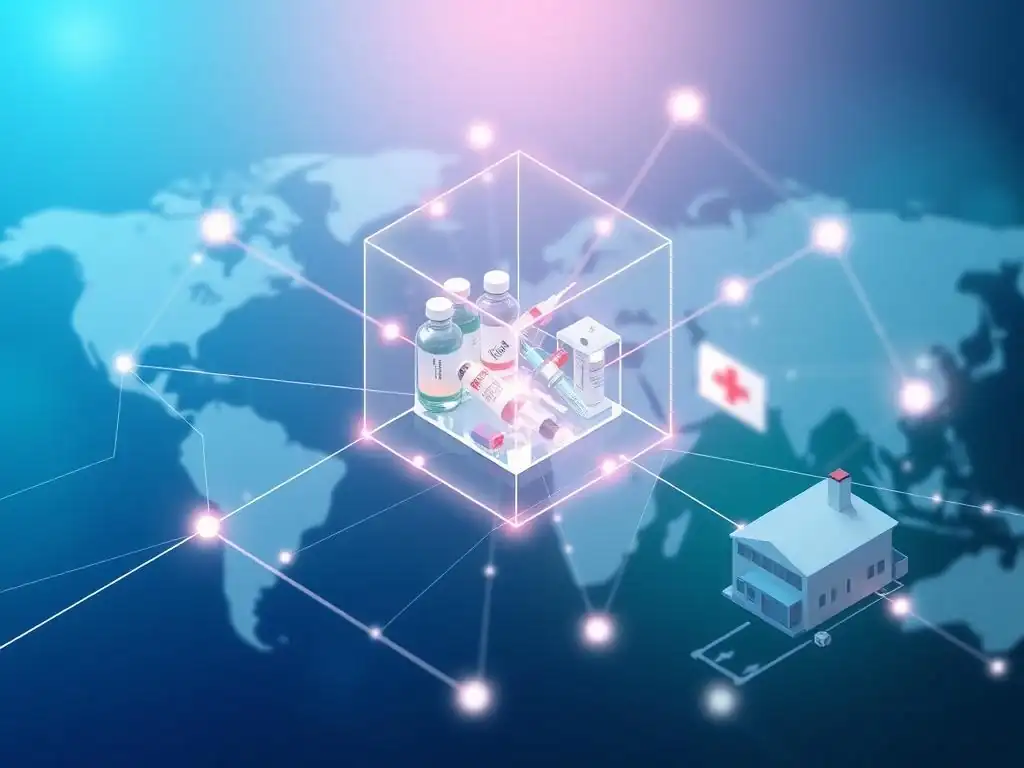
Case Study 1: Tracking Insulin Distribution in Sub-Saharan Africa
The distribution of temperature-sensitive medications like insulin in regions with challenging infrastructure, such as many parts of Sub-Saharan Africa, faces significant hurdles. Maintaining the cold chain is paramount to ensure efficacy, yet power outages, inadequate storage, and complex logistics often lead to spoilage.
It's estimated that a substantial percentage, potentially 20% or more, of temperature-sensitive pharmaceutical products are damaged during transit due to breaks in the cold chain, representing millions of dollars in lost aid and, more critically, ineffective treatment for patients relying on these medications. Implementing blockchain healthcare supply chain security addresses this by providing an immutable record of custody and condition.
A pilot program, for example, might involve tagging insulin shipments with IoT sensors that continuously monitor temperature and humidity. This data is then recorded onto a blockchain ledger at each transfer point – from manufacturer to central warehouse, regional distribution center, and finally to local clinics or hospitals. Each handler scans a QR code or uses an app to record receipt, and the system automatically logs the condition data from the sensors.
This creates a transparent, auditable trail. If the temperature deviates outside the acceptable range at any point, the blockchain record flags the batch, allowing for immediate investigation or quarantine of potentially compromised medication. This level of granular tracking significantly enhances the reliability and safety of distributing vital drugs like insulin.
Case Study 2: Preventing Falsified Antibiotics from Entering Humanitarian Aid
Counterfeit and substandard drugs, particularly antibiotics, pose a deadly threat in global health, especially within humanitarian aid efforts where supply chains can be fragmented and less regulated. The World Health Organization (WHO) estimates that 10% of medical products in low- and middle-income countries are substandard or falsified, with this figure potentially being higher in certain regions or for specific drug classes like antibiotics. These fake drugs not only fail to treat infections but can also contribute to antimicrobial resistance, a growing global health crisis. Ensuring blockchain healthcare supply chain security becomes critical to combat this infiltration.
Blockchain provides a robust mechanism to verify the authenticity of pharmaceuticals from their point of manufacture. Manufacturers can serialize each package of antibiotics and record this unique identifier, along with batch information and origin, on a blockchain. As the product moves through the supply chain – from international aid organizations, national health ministries, local distributors, down to dispensing points – each transfer is recorded on the distributed ledger.
Healthcare workers, pharmacists, or even patients can use a simple application to scan the serial number and instantly verify the drug's journey and authenticity against the secure blockchain record. Any discrepancy or attempt to introduce a product not registered on the ledger is immediately flagged, effectively preventing falsified medications from reaching vulnerable populations and undermining the integrity of humanitarian aid.
The Impact on Patient Safety and Public Health
The direct consequence of insecure medical aid supply chains is a significant risk to patient safety and broader public health outcomes. When essential medications like vaccines, insulin, or antibiotics are compromised by spoilage, counterfeiting, or diversion, patients do not receive the treatment they need. This can lead to worsening health conditions, treatment failures, increased mortality rates, and a breakdown of trust in healthcare providers and aid organizations. The ability to ensure the authenticity and integrity of every dose delivered is paramount for effective public health initiatives. Blockchain healthcare supply chain security directly mitigates these risks.
By providing an immutable, transparent, and verifiable record of every transaction and condition parameter within the supply chain, blockchain technology empowers stakeholders to identify and address issues proactively. This enhanced visibility ensures that aid reaches its intended recipients in the correct form and condition.
The reduction in counterfeit drugs means patients receive genuine, effective treatment, curbing preventable deaths and the spread of drug-resistant infections. Ultimately, securing the medical aid supply chain with blockchain builds confidence in the delivery system, allowing aid organizations to operate more effectively and contributing significantly to improving health outcomes for millions globally, particularly in areas facing the greatest health disparities.
Frequently Asked Questions
How can blockchain technology improve the security of medical aid supply chains?
Blockchain provides a secure and transparent ledger for tracking medical aid. This enhances security by making it difficult to tamper with data related to the origin, transfer, and delivery of essential healthcare resources.
What are some benefits of using blockchain for verifying the delivery of medical resources?
Blockchain offers immutable records of each transaction in the supply chain. This ensures verifiable proof of delivery, reducing fraud and improving accountability in the distribution of medical aid.
Beyond security, how can blockchain impact the efficiency of medical aid supply chains?
Blockchain streamlines processes by automating data sharing among stakeholders. This reduces delays, minimizes paperwork, and improves the overall efficiency of the supply chain, ensuring timely delivery of resources.
What are the potential challenges in implementing blockchain solutions for medical aid supply chains?
Challenges include scalability concerns, the need for interoperability with existing systems, and the cost associated with initial implementation and maintenance of the blockchain network.
How does blockchain contribute to combating counterfeit medical supplies in healthcare?
Blockchain creates a tamper-proof record of each product's journey, from manufacturer to patient. This allows for easy verification of authenticity and helps prevent counterfeit medications from entering the supply chain.
Final Reflection: Empowering Trust in Healthcare Delivery
The core of this exploration into blockchain's potential within medical aid supply chains lies in building unshakeable trust. While the complexities of implementing such a system are undeniable, the current vulnerabilities in ensuring the safe and effective delivery of essential healthcare resources demand innovative solutions. The promise of a transparent, immutable, and verifiable record, as offered by blockchain, directly addresses the critical need for accountability and security in this vital sector.
The impact of compromised medical aid supply chains extends far beyond mere logistical inefficiencies; it directly affects human lives. Witnessing the potential for blockchain to alleviate suffering and ensure equitable access to life-saving resources has been profoundly impactful. The ability to trace the provenance and integrity of medications and equipment, from manufacturer to patient, offers a powerful tool against counterfeiting, theft, and mismanagement. The best way to predict the future is to create it.
- Peter Drucker. This quote resonates deeply with the proactive approach required to revolutionize healthcare supply chains and safeguard the well-being of vulnerable populations.
Now, consider the implications of this technology on a personal level. How can you, in your own sphere of influence, advocate for greater transparency and accountability in the systems that deliver essential resources? Whether it's supporting organizations dedicated to improving healthcare access, demanding ethical sourcing practices from pharmaceutical companies, or simply educating yourself and others about the potential of blockchain, your actions can contribute to a future where trust and security are the cornerstones of medical aid delivery. Let us all strive to build a world where life-saving resources reach those who need them most, without compromise.
Revolutionize Medical Aid: Take Action Now!
Thank you for exploring how blockchain can transform medical aid supply chains. You've gained valuable insights into securing and verifying the delivery of life-saving resources. Now, let's turn that knowledge into meaningful action.
Here's how you can contribute to a more transparent and efficient future for medical aid:
- Contact your local representatives to advocate for blockchain integration in public health initiatives. This is the most impactful step you can take to drive change.
- Explore open-source blockchain projects focused on supply chain management and consider contributing your expertise or resources.
- Share this article with your network and start a conversation about the potential of blockchain to improve healthcare access worldwide.
What innovative blockchain solutions can you envision to further strengthen medical aid delivery in underserved communities? Share your ideas below!
Leave a Reply