
Overcoming Challenges: Implementing Blockchain for Ethical Supply Chain Transformation


Welcome to Blockchain Trends, your compass in the ever-evolving world of decentralized technology.
Delve into how blockchain is reshaping industries beyond cryptocurrency, from decentralized finance (DeFi) to enterprise solutions. But how can we ensure ethical practices are at the heart of this revolution? Our in-depth exploration, "Overcoming Challenges: Implementing Blockchain for Ethical Supply Chain Transformation," tackles precisely that. Are you ready to discover the practical hurdles and innovative solutions shaping the future of blockchain supply chain ethics implementation? Let's explore.
Overcoming Challenges: Implementing Blockchain for Ethical Supply Chain Transformation
- Introduction: The Promise of Blockchain for Ethical Supply Chains
- Key Challenges in Blockchain Supply Chain Ethics Implementation
- Strategies for Overcoming Implementation Challenges
- Case Studies: Successful Blockchain Supply Chain Ethics Implementation
- The Future of Blockchain and Ethical Supply Chains
-
Frequently Asked Questions
- How can blockchain technology specifically improve supply chain ethics?
- What are the main challenges in implementing blockchain for ethical supply chain transformation?
- What role does regulation play in the adoption of blockchain for supply chain ethics implementation?
- What are some practical examples of companies using blockchain to enhance supply chain ethics?
- How can businesses ensure that their blockchain supply chain ethics implementation is truly effective and not just performative?
- Final Reflection: Embracing Transparency in the Chain
- Ignite Ethical Change: Transform Your Supply Chain Today!
Introduction: The Promise of Blockchain for Ethical Supply Chains
Understanding the Growing Need for Ethical and Transparent Supply Chains
Consumers, regulators, and stakeholders are increasingly demanding greater transparency and ethical practices within global supply chains. Reports of forced labor in manufacturing, unsustainable resource extraction, and fraudulent certifications have eroded trust and highlighted the critical need for verifiable ethical sourcing. Companies face significant reputational risks and potential legal penalties if they fail to ensure their supply chains adhere to ethical standards and human rights principles. This pressure is driving a push towards systems that can provide immutable, verifiable records of provenance, labor practices, and environmental impact at every stage, from raw material to final product.
The complexity of modern, multi-tiered supply chains makes traditional auditing methods challenging and often insufficient. A single product can involve dozens of intermediaries across multiple continents, making it difficult to track its journey and verify claims about its origin or ethical production conditions. For instance, a garment might use cotton from one country, spun into yarn in another, dyed in a third, assembled in a fourth, and sold in a fifth.
Ensuring ethical labor practices and environmental compliance across this intricate network requires a robust, trustworthy, and accessible system. This is where the potential of blockchain technology emerges as a promising solution.
Blockchain Technology: A Solution for Supply Chain Integrity
Blockchain technology offers a decentralized, immutable ledger that can record transactions and information in a transparent and verifiable manner. In the context of supply chains, this means that every movement of goods, every change in ownership, every certification, and every audit result can potentially be recorded on a distributed ledger. Once recorded, this information is extremely difficult to alter or delete without the consensus of the network, providing a high degree of data integrity and trust among participating parties.
The inherent characteristics of blockchain – immutability, transparency (to authorized participants), and decentralization – directly address many of the shortcomings of traditional supply chain management systems. Instead of relying on siloed databases and paper trails that are susceptible to fraud and errors, a blockchain can provide a single, shared source of truth for supply chain data.
This enables enhanced traceability, allowing stakeholders to follow a product's journey backward to its origin, verifying claims about its ethical production, safety, and authenticity. This capability is crucial for building consumer trust and enabling businesses to demonstrate their commitment to ethical sourcing and sustainability.
Defining Blockchain Supply Chain Ethics Implementation: Scope and Objectives
Blockchain supply chain ethics implementation refers to the strategic process of integrating blockchain technology and its associated frameworks into supply chain operations specifically to enhance, verify, and enforce ethical standards. The scope typically covers aspects such as tracking provenance to prevent the use of conflict materials or forced labor, verifying sustainability certifications (e.g., organic, fair trade), ensuring compliance with environmental regulations, and increasing transparency regarding working conditions and wages. The objective is not merely to track goods, but to track and verify the ethical attributes associated with those goods and their production processes.
The primary objectives of a blockchain supply chain ethics implementation project often include increasing traceability of ethical claims, reducing opportunities for fraud related to certifications or origin, building trust with consumers and partners through verifiable transparency, and providing auditable records for compliance purposes. A successful implementation aims to create a more accountable ecosystem where all participants have incentives to uphold ethical standards, knowing their actions are recorded on an immutable ledger. This requires careful planning, consideration of technical, organizational, and economic factors, and a clear definition of which ethical data points will be captured and verified on the blockchain.
Key Challenges in Blockchain Supply Chain Ethics Implementation
Technical Hurdles in Blockchain Integration for Supply Chain Management
Implementing blockchain technology within complex, real-world supply chains presents significant technical challenges that must be carefully navigated. Unlike simple cryptocurrency transactions, tracking physical goods and their associated ethical data points involves integrating digital records with physical movements and verifying offline information. This requires robust technical infrastructure and solutions that can handle the scale and diversity of global supply chain operations.
One major technical hurdle is ensuring data accuracy at the point of capture. Blockchain guarantees the integrity of data on the chain, but garbage-in, garbage-out remains a risk. If incorrect or fraudulent data about ethical practices is entered into the system initially, the blockchain will faithfully record that inaccurate information. This necessitates reliable methods for verifying data before it is committed to the ledger, often involving IoT devices, trusted third-party attestations, or integration with existing enterprise resource planning (ERP) systems.
Interoperability Issues Between Different Blockchain Platforms
A significant technical challenge for widespread blockchain supply chain ethics implementation is the lack of seamless interoperability between different blockchain platforms. Various consortia and companies have developed supply chain solutions on different blockchain technologies, such as Hyperledger Fabric, Ethereum (often enterprise versions), R3 Corda, or proprietary platforms. When a supply chain involves participants already using disparate blockchain systems, sharing information across these networks becomes complex and often requires custom middleware or off-chain communication.
This lack of standardization means that data recorded on one platform about a raw material's origin might not be easily accessible or verifiable by a manufacturer using a different platform downstream. Achieving true end-to-end visibility and ethical verification across a multi-party, multi-platform supply chain demands solutions that can bridge these technological divides. Initiatives are underway to develop cross-chain communication protocols, but achieving broad adoption and establishing industry-wide standards for data exchange between different blockchain networks remains a major technical hurdle.
Scalability Limitations in Large-Scale Supply Chain Networks
Global supply chains generate an enormous volume of transactions and data points daily. Tracking every movement, transformation, and ethical attribute for millions of products across thousands of suppliers requires a blockchain platform capable of handling high transaction throughput and storing vast amounts of data efficiently. Many public blockchain platforms, while decentralized and secure, face limitations in terms of transaction speed (transactions per second, or TPS) and data storage capacity compared to centralized databases.
While enterprise blockchain platforms like Hyperledger Fabric or Corda offer better performance and privacy features than public chains, even they can encounter scalability issues when deployed across massive, global networks involving potentially millions of data entries per day. For example, tracking every individual coffee bean or cotton fiber from source to store would generate an overwhelming amount of data.
Effective blockchain supply chain ethics implementation requires careful consideration of which data points are critical to record on-chain, potentially utilizing off-chain storage for bulk data with on-chain hashes for verification, and exploring scaling solutions to ensure the system can handle the required transaction volume without becoming prohibitively slow or expensive.
Data Security and Privacy Concerns in Blockchain-Based Supply Chains
While blockchain is often lauded for its security through cryptography and immutability, implementing it in supply chains raises specific data security and privacy concerns. Supply chain data, especially details about suppliers, volumes, costs, and processes, is highly sensitive and proprietary. Placing all this information on a transparent, albeit permissioned, ledger requires robust mechanisms to control access and ensure that sensitive commercial data is not exposed to competitors or unauthorized parties.
Different blockchain architectures offer varying levels of privacy. Public blockchains are generally transparent, while permissioned blockchains allow for access control lists and private channels (like in Hyperledger Fabric) where data is only visible to authorized participants. However, even in permissioned networks, the design must carefully consider data segmentation and access rights.
Furthermore, linking physical goods to digital identities on the blockchain introduces potential vulnerabilities if the physical-digital link is compromised. Ensuring the security of private keys and managing identities within the network are critical aspects of a secure blockchain supply chain ethics implementation, requiring strong governance and cybersecurity protocols alongside the blockchain technology itself.
Organizational and Logistical Challenges
Beyond the technical complexities, implementing blockchain for ethical supply chains faces significant organizational and logistical hurdles. These challenges often stem from the inherent nature of supply chains as complex ecosystems involving numerous independent entities with diverse interests, capabilities, and existing systems. Successful blockchain supply chain ethics implementation requires coordination and buy-in across this disparate group.
One major organizational challenge is aligning the interests and capabilities of all supply chain participants. A blockchain network is most effective when all relevant parties – from raw material producers and manufacturers to logistics providers, distributors, and retailers – participate and contribute data. However, participants may have varying levels of technological readiness, different priorities, or concerns about sharing data, making it difficult to establish a truly comprehensive and collaborative network necessary for end-to-end ethical traceability.
Lack of Standardized Data Formats and Protocols
A fundamental logistical challenge in implementing blockchain across supply chains is the widespread lack of standardized data formats and protocols among participants. Different companies and industries use diverse systems (ERPs, WMSs, TMSs) that generate data in various formats (XML, CSV, proprietary formats) using different naming conventions and data structures. Integrating these disparate data sources into a single, consistent format suitable for a blockchain ledger is a complex and labor-intensive process.
For a blockchain supply chain ethics implementation to be effective, there needs to be agreement on how ethical data points – such as labor hours, environmental certifications, or material origin details – are defined, measured, and represented digitally. Without standardized data models, mapping information from existing systems to the blockchain becomes a significant undertaking, requiring extensive data cleaning, transformation, and ongoing maintenance. Establishing and adopting common industry standards for blockchain-based supply chain data is crucial for enabling seamless data flow and interoperability across the network.
Resistance to Change from Traditional Supply Chain Participants
Implementing blockchain for ethical supply chains represents a significant shift from traditional, often paper-based or siloed digital processes. This inevitably leads to resistance to change from various participants within the supply chain. Stakeholders may be hesitant to adopt new technologies, invest in necessary infrastructure, or change established workflows. There can also be reluctance to increase transparency, particularly from intermediaries who benefit from information asymmetry or who fear exposure of unethical practices.
Overcoming this resistance requires clear communication, demonstrating the value proposition of blockchain beyond just ethical compliance (e.g., efficiency gains, fraud reduction, market differentiation), and providing adequate training and support. Participants need to understand how the new system benefits them directly, whether through reduced administrative burden, faster payments, or improved reputation. Addressing concerns about data privacy and control is also vital to build trust and secure buy-in from all necessary parties for a successful blockchain supply chain ethics implementation.
Integrating Blockchain with Existing Legacy Systems
Most large companies and established supply chain players rely on complex, deeply integrated legacy IT systems that have been developed and customized over many years. These systems manage everything from inventory and logistics to finance and customer relationships. Integrating a new blockchain layer with these existing legacy systems presents a significant technical and logistical challenge. Simply ripping and replacing is often not feasible due to cost, complexity, and business disruption.
Effective blockchain supply chain ethics implementation requires developing robust integration layers (APIs, middleware) that can connect the blockchain network with existing ERP systems (like SAP or Oracle), warehouse management systems (WMS), transportation management systems (TMS), and other operational software. This integration must ensure data flows accurately and securely between the legacy systems and the blockchain, without disrupting ongoing business operations. The complexity of these integrations can be substantial, requiring specialized expertise and considerable development effort, posing a barrier to adoption, particularly for companies with outdated or highly customized legacy infrastructure.
Economic and Financial Barriers to Blockchain Adoption
Beyond the technical and organizational hurdles, economic and financial considerations play a significant role in the adoption rate of blockchain for ethical supply chains. While the long-term benefits can be substantial, the upfront costs and the perceived uncertainty of the return on investment can deter companies from making the necessary commitment.
Implementing a blockchain solution is not a trivial undertaking. It requires investment in technology infrastructure (nodes, servers, cloud resources), software development (platform customization, integration layers), and potentially ongoing transaction fees or network maintenance costs. Furthermore, there are costs associated with change management, training employees and partners, and potentially hiring new personnel with blockchain expertise. These initial investment costs can be significant, particularly for small and medium-sized enterprises (SMEs) within the supply chain who may lack the capital or resources of larger corporations.
High Initial Investment Costs for Blockchain Implementation
The initial outlay for developing or adopting a blockchain platform tailored for supply chain use can be substantial. Enterprise blockchain solutions often involve licensing fees, setup costs, and significant development work to customize the platform to specific business needs and integrate it with existing systems. A pilot project for a relatively contained supply chain might cost anywhere from tens of thousands to several hundred thousand dollars, while a full-scale enterprise-wide deployment across a complex global network could run into millions.
These costs include not only the blockchain software itself but also the necessary hardware infrastructure, network setup, security audits, and the significant human resources required for project management, development, testing, and deployment. For companies operating on thin margins, particularly those involved in raw material production or early-stage manufacturing, these high initial investment costs can be a significant barrier to participating in a blockchain supply chain ethics implementation initiative, even if they recognize the potential long-term benefits.
Uncertainty in Return on Investment (ROI) for Ethical Supply Chains
Quantifying the direct financial return on investment (ROI) for implementing blockchain specifically for ethical supply chain purposes can be challenging and often less clear than ROI for efficiency-focused projects. While blockchain can lead to operational efficiencies (e.g., faster dispute resolution, reduced paperwork), the primary benefits of tracking ethical data often relate to risk mitigation, brand reputation enhancement, increased consumer trust, and market differentiation. These are often difficult to translate directly into short-term financial gains.
Companies may struggle to build a compelling business case based solely on ethical benefits, especially when competing for limited IT budgets against projects with more tangible and immediate ROI metrics like cost reduction or revenue increase. The payback period for investments focused on ethical blockchain in supply chains might be longer or harder to predict. This uncertainty in ROI can make it difficult for proponents of blockchain supply chain ethics implementation to secure the necessary internal funding and executive support, requiring a strong strategic vision that values long-term sustainability and reputation alongside traditional financial metrics.
Difficulty in Quantifying the Value of Ethical Sourcing
A related economic challenge is the difficulty in precisely quantifying the financial value derived from ethical sourcing practices themselves. While consumers increasingly express a preference for ethically sourced products, translating this preference into a willingness to pay a significant premium or a guaranteed increase in sales volume is not always straightforward. Market research suggests a growing segment of conscious consumers, but their purchasing power and consistency can vary.
This makes it harder to justify the specific costs associated with blockchain supply chain ethics implementation solely based on the expectation of increased revenue from ethical products. The value proposition often needs to be framed more broadly, including benefits like reduced risk of supply chain disruption due to ethical scandals, improved employee morale, enhanced brand loyalty, and compliance with impending regulations. Developing robust metrics and frameworks to demonstrate the tangible business value of ethical practices, supported by verifiable blockchain data, is crucial for overcoming this financial barrier and driving wider adoption of blockchain for ethical supply chains.
Strategies for Overcoming Implementation Challenges
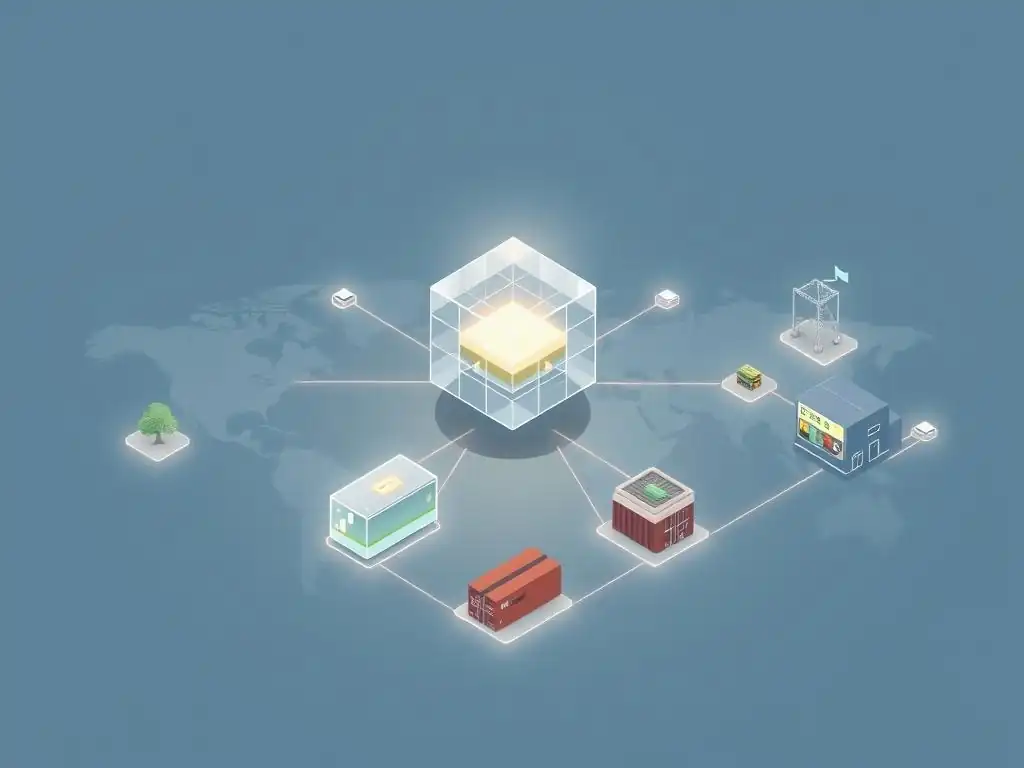
Addressing Technical Challenges with Innovative Solutions
Overcoming the technical hurdles in blockchain supply chain ethics implementation requires adopting innovative approaches and leveraging advancements in blockchain technology and related fields. Simply deploying an off-the-shelf blockchain may not suffice; tailored solutions are often needed to meet the specific demands of supply chain environments, particularly regarding scale, privacy, and data integration.
A key strategy involves selecting the right blockchain architecture for the specific use case. Permissioned blockchains or hybrid models often offer better privacy and scalability for enterprise supply chains compared to public, permissionless networks. Evaluating different platforms based on their transaction throughput, consensus mechanisms, data privacy features, and suitability for handling complex data structures is a critical first step. Furthermore, integrating technologies like IoT (Internet of Things) for automated data capture at the source and AI (Artificial Intelligence) for data verification and anomaly detection can enhance the accuracy and reliability of the information being recorded on the blockchain.
Exploring Layer-2 Scaling Solutions for Blockchain Supply Chains
To address the scalability limitations of blockchain platforms when handling the high volume of supply chain transactions, exploring Layer-2 scaling solutions is a promising strategy. Layer-2 technologies operate on top of a base blockchain layer (Layer 1) and are designed to process a large number of transactions off-chain, only settling the final results or summaries on the main chain. This significantly increases throughput and reduces transaction costs and latency.
Examples of Layer-2 approaches include state channels, plasma, and optimistic rollups, primarily developed for public blockchains like Ethereum, but similar concepts can be applied or adapted for enterprise blockchain networks. For supply chain use cases, this could mean recording frequent, low-value events (like individual package scans within a warehouse) off-chain, while only committing critical milestones (e.g., shipment departure, customs clearance, ethical compliance verification) to the main blockchain. Implementing Layer-2 solutions allows blockchain supply chain ethics implementation to handle the vast scale of global logistics without compromising the integrity of the core ethical data recorded on the immutable ledger.
Implementing Secure and Private Data Sharing Protocols
Protecting sensitive commercial data while ensuring necessary transparency for ethical verification is paramount. Implementing secure and private data sharing protocols is essential for successful blockchain supply chain ethics implementation. This involves leveraging cryptographic techniques and platform-specific features to control data visibility.
Techniques such as zero-knowledge proofs (ZKPs) allow one party to prove that a statement is true (e.g., a supplier meets a certain ethical standard) without revealing any specific details about the underlying data. This enables verification of compliance without exposing sensitive business information.
Additionally, utilizing private data collections or channels within permissioned blockchain platforms ensures that sensitive information is only shared among authorized parties on a need-to-know basis, while still maintaining a shared, verifiable record of relevant events on the broader ledger. Implementing robust identity management and access control mechanisms is also crucial to ensure that only authenticated and authorized users can access specific types of data on the blockchain, mitigating privacy concerns among supply chain partners.
Developing Interoperable Blockchain Platforms for Supply Chain Integration
Addressing the interoperability challenge requires actively working towards developing or adopting blockchain platforms designed with interoperability in mind. This involves supporting open standards and protocols that facilitate communication and data exchange between different blockchain networks and legacy systems. Industry consortia and open-source projects are playing a key role in this effort.
Developing APIs and middleware specifically designed to connect various blockchain platforms and integrate them with existing enterprise systems (like ERP, WMS) is crucial. This creates a data layer that can translate and route information between disparate systems.
Furthermore, supporting emerging standards for cross-chain communication and data formats (such as those being defined by organizations like GS1, W3C, and Hyperledger) is vital. By prioritizing interoperability in the design and implementation phase, blockchain supply chain ethics implementation can create a more connected and comprehensive view across the entire supply chain, enabling true end-to-end traceability and verification of ethical claims, regardless of the specific technology used by individual participants.
Building Organizational Capacity and Collaboration
Technical solutions alone are insufficient for successful blockchain supply chain ethics implementation. Overcoming organizational and logistical challenges requires a strong focus on building capacity, fostering collaboration, and managing change effectively across the entire supply chain ecosystem. This involves aligning incentives, establishing clear governance structures, and investing in human capital.
A key strategy is to establish a shared vision and governance model for the blockchain network. Since the network involves multiple independent entities, defining clear rules for participation, data ownership, access rights, and dispute resolution is critical. A multi-stakeholder governance body can help ensure that the network operates in a fair and equitable manner, addressing the concerns of all participants, from small producers to large corporations. Building trust among participants through transparent communication and demonstrating the mutual benefits of the system is paramount.
Establishing Industry Standards for Blockchain Data Formats
The lack of standardized data formats is a major logistical bottleneck. A critical strategy to overcome this is the collaborative development and adoption of industry-wide standards for representing supply chain data, particularly ethical and sustainability attributes, on a blockchain. This involves bringing together stakeholders from across the industry value chain, including producers, manufacturers, logistics providers, retailers, technology providers, and standards bodies.
Organizations like GS1, which provide global standards for barcodes and identification keys, are working on guidelines for using blockchain in supply chains. Adopting or adapting these existing standards, or developing new ones specifically for blockchain data structures (schemas), can significantly streamline the process of integrating data from different sources onto the ledger.
For instance, defining a standard way to record 'fair wage paid' or 'carbon emission per unit' would allow seamless data exchange and verification across different companies and platforms involved in a blockchain supply chain ethics implementation project. This reduces the need for complex, custom data mapping and transformation efforts for each participant.
Providing Training and Education for Supply Chain Stakeholders
Resistance to change and a lack of understanding about blockchain technology are significant barriers. Providing comprehensive training and education for all supply chain stakeholders is essential for successful adoption and implementation. This includes everyone from farm workers and factory managers to logistics coordinators and retail staff who may interact with the system.
Training should cover not only the technical aspects of how to use the blockchain platform (e.g., how to input data, scan QR codes linked to blockchain entries) but also explain the underlying principles of blockchain, its benefits for ethical sourcing and transparency, and how the new processes fit into their daily work. Educational programs should address concerns about data privacy, job security, and the purpose of increased transparency.
Building a sense of ownership and understanding among participants is crucial for ensuring accurate data entry and active engagement with the system, which are fundamental for the effectiveness of a blockchain supply chain ethics implementation.
Fostering Collaboration Between Blockchain Developers and Supply Chain Experts
Successful blockchain supply chain ethics implementation requires a deep understanding of both blockchain technology and the intricate realities of global supply chains. Fostering close collaboration between blockchain developers/technologists and seasoned supply chain experts is vital. Technologists understand the capabilities and limitations of the technology, while supply chain experts understand the operational workflows, pain points, and specific ethical challenges within their industry.
This collaboration should happen from the initial design phase through implementation and ongoing maintenance. Supply chain experts can help define the critical ethical data points to be tracked, identify the most impactful use cases, and ensure the technology integrates seamlessly into existing physical and operational processes. Developers can then design a system that is technically feasible, scalable, and secure, while also being user-friendly and practical for real-world supply chain environments. This cross-functional collaboration ensures that the blockchain solution is not just technologically sound but also addresses the actual needs and complexities of achieving ethical supply chain transformation.
Mitigating Economic and Financial Risks
Addressing the economic and financial barriers requires demonstrating clear value, exploring alternative funding models, and designing cost-effective solutions. Companies need to move beyond viewing blockchain for ethical supply chains solely as a compliance cost and instead recognize it as a strategic investment that can yield tangible benefits over time.
One strategy involves starting with pilot projects focused on specific high-value or high-risk areas within the supply chain where ethical concerns are most critical (e.g., conflict minerals, child labor in specific regions). This allows companies to test the technology, refine processes, and demonstrate value on a smaller scale before committing to a full-scale rollout. Measuring the impact of the pilot, not just in terms of traceability but also in terms of risk reduction, brand perception shifts, or even potential market access advantages, is crucial for building a stronger business case for broader blockchain supply chain ethics implementation.
Developing Cost-Effective Blockchain Solutions for SMEs
The high cost of enterprise blockchain solutions can exclude small and medium-sized enterprises (SMEs), which often form the crucial lower tiers of supply chains (e.g., small farms, artisanal mines, small factories). Developing cost-effective and accessible blockchain solutions is essential to enable their participation and ensure end-to-end ethical traceability. This requires technology providers to offer flexible pricing models, cloud-based solutions that reduce infrastructure costs, and user-friendly interfaces that require minimal technical expertise.
Exploring consortium-based models where costs are shared among multiple participants can also make blockchain more affordable for individual SMEs. Furthermore, focusing on capturing only the most critical ethical data points on the blockchain, while allowing participants to maintain other business data off-chain, can reduce the data volume and associated costs. Grants or subsidies from governments or NGOs focused on ethical sourcing and sustainable development can also play a role in helping SMEs adopt these technologies, facilitating a more inclusive blockchain supply chain ethics implementation.
Exploring Funding Opportunities for Ethical Supply Chain Initiatives
Given the public good aspects of ethical sourcing and supply chain transparency, exploring external funding opportunities can help mitigate the economic burden of blockchain implementation. This includes seeking grants from governmental bodies focused on trade, development, or technology adoption, as well as funding from non-governmental organizations (NGOs) dedicated to human rights, environmental protection, or ethical labor practices.
Impact investors, who seek both financial returns and positive social or environmental outcomes, may also be potential sources of funding for blockchain projects aimed at improving supply chain ethics. Public-private partnerships can combine government support, private sector investment, and technological expertise to build shared infrastructure or pilot projects. Actively seeking and securing external funding can significantly reduce the financial risk for individual companies and accelerate the adoption of blockchain supply chain ethics implementation across industries.
Demonstrating the Long-Term Value of Ethical Sourcing and Blockchain Integration
Ultimately, overcoming the economic barriers hinges on effectively demonstrating the long-term value proposition of ethical sourcing initiatives enabled by blockchain. This goes beyond immediate ROI calculations and includes quantifying benefits like enhanced brand reputation, increased consumer loyalty (potentially leading to higher sales or price premiums), reduced risk of costly scandals or supply chain disruptions, improved compliance with current and future regulations, and attracting socially conscious talent.
Companies need to track and report on metrics that showcase these long-term benefits. For example, measuring the impact of ethical transparency on customer engagement on social media, tracking the conversion rate of consumers exposed to ethical sourcing stories verified by blockchain, or quantifying the cost savings from avoiding fines or lawsuits related to unethical practices. By building a compelling case that highlights how blockchain supply chain ethics implementation contributes to long-term business resilience, brand equity, and sustainable growth, companies can justify the necessary investments and encourage broader adoption across the supply chain.
Case Studies: Successful Blockchain Supply Chain Ethics Implementation
Real-world examples demonstrate that despite the challenges, blockchain technology is being successfully implemented to enhance ethical practices and transparency in various supply chains. These case studies offer valuable insights into the practical application of blockchain supply chain ethics implementation and its potential impact.
Tracking Cobalt Sourcing in Electric Vehicle Batteries with Blockchain
Cobalt is a critical mineral used in lithium-ion batteries, demand for which is soaring due to the growth of electric vehicles (EVs) and portable electronics. However, a significant portion of the world's cobalt comes from regions where mining is associated with child labor, poor working conditions, and conflict financing. Ensuring the ethical sourcing of cobalt is a major challenge for battery manufacturers and EV companies, requiring robust traceability from mine to factory.
The Problem: Ethical Concerns and Lack of Transparency in Cobalt Mining
The cobalt supply chain is notoriously complex, involving numerous intermediaries between small-scale artisanal mines and large industrial consumers. Tracing cobalt back to its source and verifying that it was extracted without child labor or human rights abuses is incredibly difficult using traditional paper-based or centralized database systems.
Fraudulent documentation and a lack of visibility at the lower tiers of the supply chain make it easy for unethically sourced cobalt to enter the global market, exposing companies to significant reputational damage and ethical risks. Reports by organizations like Amnesty International have highlighted the severity of these issues, putting pressure on companies to ensure responsible sourcing.
Estimates vary, but reports suggest that artisanal and small-scale mining (ASM) accounts for a significant percentage of cobalt production, potentially over 20% globally, and it is within this sector that ethical risks are most pronounced. Companies needed a verifiable system to differentiate ethically sourced cobalt from that linked to human rights abuses, extending transparency beyond just the immediate suppliers to the actual mining sites.
The Solution: Implementing a Blockchain-Based Tracking System for Cobalt
Several initiatives have implemented blockchain-based tracking systems to improve transparency and ethical sourcing in the cobalt supply chain. For instance, a project involving major players in the battery value chain utilizes a permissioned blockchain platform (like Hyperledger Fabric) to create an immutable record of cobalt as it moves from the mine site through refiners, component manufacturers, and battery producers. Each transaction and transformation step is recorded on the blockchain, including data points related to the source of the ore, verification of mining conditions, weight, and ownership transfer.
Participants at key points in the supply chain use mobile applications or scanners to record the movement of materials, linking physical batches of cobalt to digital tokens or records on the blockchain. Auditors or NGOs can potentially verify ethical compliance data (e.g., proof of age for miners, safety certifications) and upload attestations to the ledger. This creates a shared, verifiable history of the cobalt's journey, allowing stakeholders to trace it back to specific, audited mines that meet ethical standards.
The Results: Enhanced Traceability and Improved Ethical Sourcing
The implementation of blockchain for tracking cobalt has led to enhanced traceability and improved confidence in ethical sourcing claims for participating companies. While not a magic bullet that instantly eradicates all issues, these systems provide a verifiable digital trail that significantly reduces the possibility of mixing ethically sourced cobalt with unverified material without detection. Companies can demonstrate to regulators and consumers that the cobalt in their batteries comes from audited, responsible sources.
For example, one project tracked over 1,500 tonnes of ethically sourced cobalt from mines in the Democratic Republic of Congo through the supply chain to battery manufacturers. This level of granular, verifiable traceability was previously unattainable. While still in early stages of widespread adoption, these blockchain initiatives are setting a new standard for transparency in mineral supply chains and are crucial steps towards ensuring that the materials powering the clean energy transition are sourced responsibly, showcasing the potential of blockchain supply chain ethics implementation in high-risk sectors.
Verifying Organic Certification of Coffee Beans with Blockchain
The market for organic coffee is substantial, driven by consumer demand for products grown without synthetic pesticides or fertilizers. However, verifying organic certification throughout the complex coffee supply chain, which involves numerous smallholder farmers, cooperatives, exporters, importers, roasters, and retailers, is challenging. Counterfeit certifications and commingling of organic and non-organic beans are persistent problems, eroding consumer trust and disadvantaging legitimate organic farmers.
The Problem: Counterfeit Organic Certifications and Lack of Consumer Trust
Organic certification relies on audits and paperwork at various stages, but this system is vulnerable to fraud. It is difficult for consumers or even retailers to verify the authenticity of an "organic" claim on a bag of coffee back to the original farm.
A study by the Organic Trade Association highlighted concerns about fraud in the organic supply chain, emphasizing the need for more robust verification mechanisms. The lack of transparency makes it easy for non-organic coffee to be mislabeled as organic, undermining the integrity of the certification process and potentially harming the income of farmers who invest in organic practices.
Farmers may receive a premium for organic beans, but this premium is only justified if the organic status can be reliably verified throughout the supply chain. Consumers paying extra for organic coffee want assurance that their purchase genuinely supports sustainable and healthy farming practices. The absence of a trustworthy, end-to-end verification system for organic status was a significant barrier to building confidence in the organic coffee market.
The Solution: Utilizing Blockchain to Verify Organic Certification Along the Supply Chain
Several companies and initiatives have implemented blockchain solutions to track coffee beans and verify their organic certification from farm to cup. These systems typically involve registering individual farmer cooperatives or farms on the blockchain, recording data about their organic certification status, and then tracking batches of beans as they move through washing stations, mills, export, import, roasting, and retail. Each transfer of ownership or change in status (e.g., roasting) is recorded as a transaction on the immutable ledger.
Farmers or cooperative managers might use simple mobile apps to record harvest data and link it to blockchain entries, often using QR codes on bags or containers. Certification bodies can upload digital copies or attestations of organic certificates to the blockchain, linked to specific batches of coffee. Consumers can scan a QR code on the final product packaging to access the blockchain record, seeing the journey of the beans and verifying their organic status, origin, and even farmer stories.
The Results: Increased Consumer Confidence and Authenticity of Organic Coffee
Implementing blockchain for organic coffee verification has led to increased transparency and significantly enhanced the authenticity of organic claims. By providing a verifiable digital trail from farm to consumer, these systems make it much harder to mislabel coffee as organic. This builds greater trust among consumers who can independently verify the product's origin and certification status.
For example, one blockchain platform tracked over 10 million pounds of coffee, enabling consumers to trace their coffee back to specific farms and verify its ethical and organic attributes. This level of transparency differentiates products and can command a premium in the market, directly benefiting farmers and other legitimate participants in the organic supply chain. These cases demonstrate how blockchain supply chain ethics implementation can protect the integrity of certifications and empower consumers to make informed choices, reinforcing ethical and sustainable practices in agriculture.
Monitoring Sustainable Palm Oil Production with Blockchain
Palm oil is a widely used ingredient, but its production has been linked to significant environmental damage, particularly deforestation, habitat loss, and greenhouse gas emissions, as well as social issues like land disputes and labor exploitation. Ensuring palm oil is sourced sustainably is a major challenge for food manufacturers and consumer goods companies. Various certifications exist (like RSPO - Roundtable on Sustainable Palm Oil), but tracing palm oil from complex supply chains back to certified sustainable sources remains difficult, and concerns about 'leakage' (mixing certified and non-certified oil) persist.
The Problem: Deforestation and Unsustainable Practices in Palm Oil Production
The global palm oil supply chain is vast and complex, involving millions of smallholder farmers, large plantations, mills, refineries, traders, and manufacturers. Tracing palm oil back to its origin and verifying sustainable practices (e.g., no deforestation after a certain date, no planting on peatlands) is challenging. The opacity of the supply chain makes it difficult to detect and prevent the use of unsustainably produced palm oil, contributing to ongoing environmental degradation and social conflict in producing regions, primarily in Southeast Asia.
Despite industry efforts and certifications, reports continue to highlight the link between palm oil expansion and deforestation. Companies face pressure from environmental groups and consumers to ensure their palm oil is genuinely sourced from sustainable and ethical operations. A system that can provide verifiable, immutable proof of origin and sustainable practices is urgently needed to build confidence in the palm oil market and support responsible producers.
The Solution: Implementing a Blockchain-Based System to Track Palm Oil from Source to Consumer
Blockchain solutions are being deployed to improve transparency and traceability in the palm oil supply chain, specifically focusing on verifying sustainable production. These systems typically register mills and plantations on the blockchain and record data related to fresh fruit bunch (FFB) deliveries from specific sources (plantations or smallholder cooperatives). Data points can include GPS coordinates of the source, volume, date, and potentially links to sustainability audit reports or certifications.
As crude palm oil (CPO) or refined palm oil (RPO) moves through refineries, traders, and manufacturers, each transaction and transformation step is recorded on the blockchain. This creates an auditable chain of custody. Integrating with satellite imagery analysis or geolocation data can help verify that the source plantations are not contributing to recent deforestation. Participants input data at key points, creating a digital twin of the physical flow of palm oil on the immutable ledger.
The Results: Improved Transparency and Reduced Deforestation Risks
Implementing blockchain for palm oil traceability has significantly improved transparency regarding the origin of palm oil and provided a more reliable mechanism for verifying sustainable sourcing claims. By creating a verifiable chain of custody on the blockchain, companies can better identify and mitigate the risk of sourcing palm oil linked to deforestation or unethical practices. This helps reinforce the value of sustainable certifications and supports responsible producers.
For instance, projects have successfully tracked palm oil from specific certified mills through complex supply chains to consumer goods manufacturers, providing a level of transparency previously impossible. While these systems are still expanding, they offer a powerful tool for companies committed to zero-deforestation pledges and ethical sourcing. The verifiable data provided by blockchain supply chain ethics implementation enables better monitoring, auditing, and accountability, contributing to the broader goal of making the palm oil industry more sustainable and ethical.
The Future of Blockchain and Ethical Supply Chains
The intersection of blockchain technology and ethical supply chain practices is an evolving field with significant potential for future development. As blockchain technology matures and its integration with other technologies increases, its capacity to drive ethical transformation in supply chains will grow.
Emerging Trends in Blockchain Supply Chain Ethics
Several emerging trends are poised to further enhance the capabilities of blockchain for ethical supply chains. These developments focus on increasing efficiency, improving data richness, and expanding the scope of ethical considerations that can be verified on the ledger.
Decentralized Finance (DeFi) for Supply Chain Finance
Integrating Decentralized Finance (DeFi) protocols with blockchain supply chain solutions offers promising avenues for improving financial flows and potentially supporting ethical practices. DeFi applications can facilitate faster, more transparent payments between supply chain participants, particularly benefiting small suppliers who often face long payment terms. Smart contracts triggered by verified events on the blockchain (e.g., successful delivery confirmed on the ledger) can automate payments, reducing delays and improving cash flow for entities at the lower tiers of the supply chain.
Furthermore, DeFi lending protocols could potentially provide access to financing for small farmers or manufacturers based on their verified performance or ethical compliance data recorded on the blockchain, bypassing traditional financial intermediaries. This could empower ethical producers and make sustainable practices more economically viable. While still nascent, the convergence of blockchain supply chain ethics implementation and DeFi could significantly reshape supply chain finance, adding a financial incentive layer to ethical behavior.
The Role of NFTs in Verifying Product Authenticity
Non-Fungible Tokens (NFTs), typically associated with digital art and collectibles, are finding practical applications in supply chains for verifying product authenticity and provenance. An NFT is a unique digital asset recorded on a blockchain, and it can serve as a digital certificate of authenticity for a physical product. By linking a physical item (e.g., a luxury good, a bottle of wine, a piece of art) to a unique NFT on a blockchain, manufacturers can create an immutable record of its origin, ownership history, and even ethical attributes.
Consumers can scan a QR code on the product to view the associated NFT and its metadata on the blockchain, verifying that the product is genuine and accessing information about its ethical sourcing journey. This application of NFTs can combat counterfeiting, which is often linked to illicit and unethical labor practices, and provide consumers with verifiable proof of a product's provenance and ethical credentials. Integrating NFTs into blockchain supply chain ethics implementation offers a novel way to enhance consumer trust and product integrity.
Integrating AI and IoT with Blockchain for Enhanced Supply Chain Visibility
The combination of Artificial Intelligence (AI) and Internet of Things (IoT) devices with blockchain technology is creating powerful synergies for enhanced supply chain visibility and ethical verification. IoT sensors (e.g., temperature, humidity, location trackers) can automatically collect data about a product's journey and conditions in real-time, providing objective and verifiable information directly to the blockchain. This reduces reliance on manual data entry, which is prone to errors and fraud.
AI algorithms can analyze the vast amounts of data collected by IoT devices and recorded on the blockchain to identify anomalies, detect potential ethical risks (e.g., unusual delays that might indicate labor issues, temperature spikes affecting perishable goods), or verify compliance with ethical standards based on collected data. For example, AI could analyze satellite data linked on the blockchain to verify deforestation claims or analyze sensor data to ensure goods were transported under conditions required for certain ethical certifications.
This integration of AI and IoT with blockchain supply chain ethics implementation creates more intelligent, automated, and trustworthy systems for monitoring and verifying ethical practices.
Policy and Regulatory Considerations for Blockchain in Supply Chains
As blockchain adoption grows, policy and regulatory frameworks will play a crucial role in shaping its use in supply chains, particularly concerning data privacy, interoperability, and the legal status of blockchain records. Clear regulations can provide certainty for businesses and encourage responsible implementation of blockchain supply chain ethics initiatives.
The Need for Clear Regulatory Frameworks
Governments and international bodies need to develop clear regulatory frameworks that address the specific challenges and opportunities presented by blockchain in supply chains. This includes clarifying the legal standing of data recorded on a blockchain, establishing guidelines for data privacy (e.g., GDPR compliance for personal data on-chain), and defining rules around the use of smart contracts for supply chain agreements. Regulations should also consider how blockchain can support compliance with existing laws related to ethical sourcing, anti-slavery, and environmental protection.
Without clear regulations, companies may be hesitant to fully commit to blockchain supply chain ethics implementation due to legal uncertainty. Harmonized international regulations would be particularly beneficial for global supply chains, avoiding a patchwork of conflicting rules. Policymakers should engage with industry stakeholders to develop frameworks that foster innovation while ensuring consumer protection, data security, and the integrity of ethical claims.
Promoting International Cooperation on Blockchain Standards
Given the global nature of supply chains, international cooperation on blockchain standards is essential for widespread adoption and interoperability. Different countries and regions adopting conflicting technical standards or data format requirements for blockchain in supply chains would create new barriers to trade and data exchange. Promoting common standards for data representation, network protocols, and governance models will facilitate seamless information flow across borders.
Organizations like the United Nations and the World Economic Forum are promoting dialogue on global blockchain standards. Collaborative efforts between governments, standards bodies (like ISO), and industry consortia are needed to define best practices and technical specifications for blockchain supply chain ethics implementation that are recognized and adopted internationally. This cooperation is crucial for building a truly interconnected and transparent global supply chain ecosystem that supports ethical practices worldwide.
Conclusion: Realizing the Transformative Potential of Blockchain for Ethical Supply Chains
Implementing blockchain for ethical supply chain transformation is not without its challenges, spanning technical complexities, organizational hurdles, and economic considerations. However, the potential benefits – including enhanced transparency, verifiable ethical sourcing, reduced fraud, and increased consumer trust – make overcoming these challenges a worthwhile endeavor. As demonstrated by real-world case studies in diverse industries like cobalt, coffee, and palm oil, successful blockchain supply chain ethics implementation is achievable with careful planning, strategic investment, and collaborative effort.
Key Takeaways and Recommendations for Implementing Blockchain Successfully
Key takeaways from successful implementations highlight the importance of a phased approach, starting with pilot projects in high-impact areas. Companies should prioritize defining clear objectives and identifying the most critical ethical data points to track on the blockchain. Building strong partnerships and fostering collaboration among all supply chain participants is crucial for data accuracy and network adoption.
Investing in training and education is essential to overcome resistance to change and ensure effective system usage. Furthermore, selecting the right technology platform that addresses scalability, privacy, and interoperability needs is vital. Finally, developing a clear business case that quantifies the long-term value of ethical sourcing and blockchain integration, beyond immediate ROI, is necessary for securing sustained investment and executive support for blockchain supply chain ethics implementation.
The Importance of a Collaborative and Ethical Approach.
Realizing the full transformative potential of blockchain for ethical supply chains requires more than just deploying technology; it necessitates a fundamental shift towards a more collaborative and ethical approach across the entire ecosystem. Blockchain provides the infrastructure for transparency and accountability, but its effectiveness depends on the willingness of participants to share accurate data and uphold ethical standards.
Building trust among supply chain partners, fostering a culture of transparency, and establishing robust governance models are as important as the technical implementation itself. By working together, companies, suppliers, consumers, and regulators can leverage blockchain technology to create supply chains that are not only efficient and resilient but also truly ethical and sustainable, contributing to a more responsible global economy.
Frequently Asked Questions
How can blockchain technology specifically improve supply chain ethics?
Blockchain provides transparency and immutability, allowing for tracking products' origins and ensuring ethical sourcing. This helps to verify compliance with fair labor practices and environmental standards.
What are the main challenges in implementing blockchain for ethical supply chain transformation?
Challenges include the lack of standardization across industries, the high initial implementation costs, and the need for collaboration among diverse stakeholders.
What role does regulation play in the adoption of blockchain for supply chain ethics implementation?
Clear regulations can provide a framework for trust and accountability, fostering wider adoption. However, overly restrictive regulations could stifle innovation and experimentation in the field.
What are some practical examples of companies using blockchain to enhance supply chain ethics?
Some companies are using blockchain to track the origin of conflict-free minerals, ensure fair trade coffee production, and verify the authenticity of luxury goods.
How can businesses ensure that their blockchain supply chain ethics implementation is truly effective and not just performative?
Businesses need to prioritize data accuracy, conduct regular audits, and engage with independent verification bodies to ensure genuine commitment and avoid greenwashing.
Final Reflection: Embracing Transparency in the Chain
The journey of exploring Blockchain supply chain ethics implementation reveals a critical need for transparency and accountability in our globalized world. The complexities of modern supply chains often obscure the ethical implications of production and distribution, but blockchain offers a powerful tool to illuminate these hidden corners and foster a more responsible and sustainable future.
This exploration has underscored the profound influence of technology on our ethical compass. The ability to trace products from origin to consumer, verifying fair labor practices and environmental responsibility, is no longer a futuristic fantasy but a tangible possibility. The ultimate test of a moral society is the kind of world that it leaves to its children.
- Dietrich Bonhoeffer. This quote resonates deeply as we consider the legacy we are building through our supply chains and the ethical choices we make today.
As we stand at the cusp of this technological revolution, I invite you to reflect on your own role in shaping a more ethical future. Consider how you can advocate for transparency, support businesses committed to responsible practices, and demand accountability from the corporations that impact our world. The power to transform supply chains lies within each of us, and by embracing blockchain's potential, we can forge a future where ethics and innovation walk hand in hand.
Ignite Ethical Change: Transform Your Supply Chain Today!
Thank you for exploring how blockchain can revolutionize ethical supply chain practices. We hope you've gained valuable insights into the challenges and opportunities that lie ahead. Now, it's time to turn that knowledge into action.
Here are a few ways you can take the next step:
- Commit to exploring blockchain solutions for at least one key product in your supply chain. Start with a small project, learn from the experience, and gradually expand.
- Share this article with colleagues or industry peers who are passionate about ethical sourcing and responsible business practices. Let's elevate the conversation!
- Dive deeper: Research emerging blockchain platforms designed for supply chain transparency and test out a demo to assess their capabilities.
What is one small, concrete step you will take this week to bring more transparency and ethics to your supply chain using blockchain? Share your commitment in the comments below!
Leave a Reply