
Revolutionizing Aid Distribution: Blockchain's Impact on Humanitarian Logistics

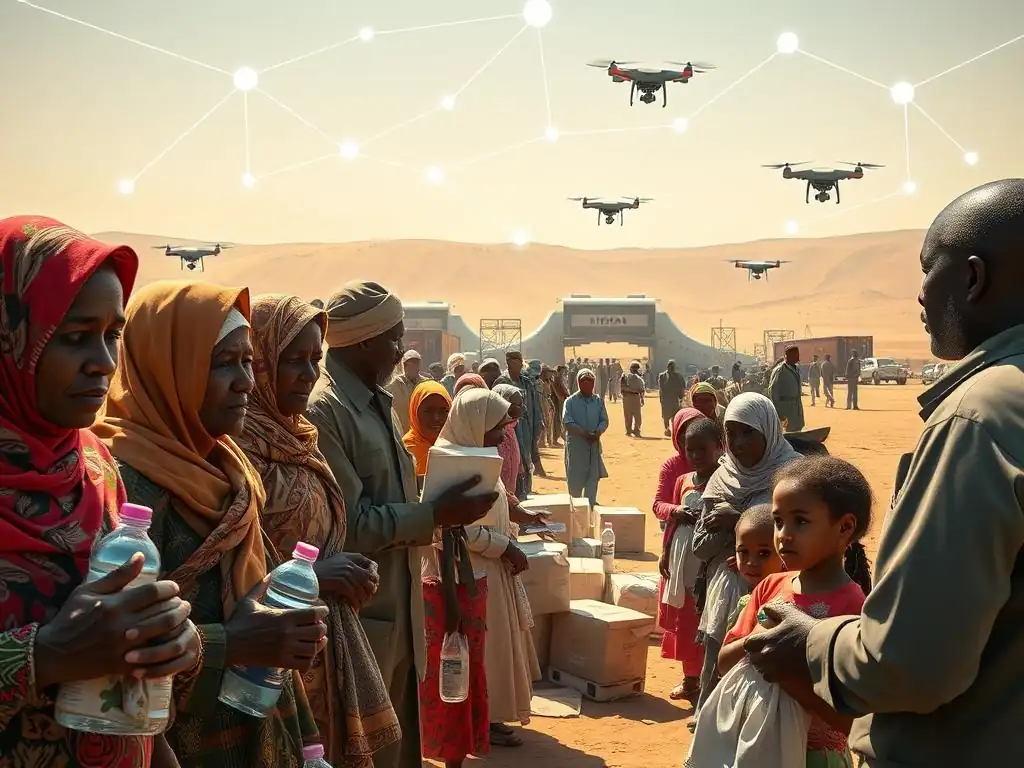
Welcome to Blockchain Trends, your compass in the rapidly evolving world of decentralized technologies. Beyond the headlines, blockchain is reshaping industries and empowering communities. In this article, we delve into how this groundbreaking technology is fostering blockchain aid distribution transparency, offering a glimpse into a future where humanitarian logistics are more efficient and accountable. Curious to see how blockchain is revolutionizing aid delivery? Let's explore the possibilities...
Revolutionizing Aid Distribution: Blockchain's Impact on Humanitarian Logistics
- The Urgent Need for Transparency in Humanitarian Aid
- Blockchain Aid Distribution: A Game Changer for Humanitarian Logistics
- Enhancing Transparency and Accountability with Blockchain
- Use Cases: Blockchain in Action for Humanitarian Relief
- Benefits of Blockchain-Based Aid Distribution
- Overcoming Challenges in Implementing Blockchain for Aid
- The Future of Blockchain in Humanitarian Assistance
- Conclusion: Blockchain - Transforming Humanitarian Aid for a More Transparent Future
-
Frequently Asked Questions
- How does blockchain enhance transparency in aid distribution?
- Can blockchain improve the speed of aid delivery?
- What are the challenges in implementing blockchain for humanitarian aid?
- How does blockchain address the issue of trust in aid organizations?
- What are some potential future applications of blockchain in humanitarian aid?
- Final Reflection: Embracing Transparency in Humanitarian Aid
- Amplify Impact: Become a Blockchain for Good Advocate!
The Urgent Need for Transparency in Humanitarian Aid
Humanitarian aid operations are complex endeavors, involving vast sums of money, intricate supply chains, and diverse stakeholders working under challenging conditions. Ensuring that aid reaches those who need it most, efficiently and without diversion, is paramount. However, traditional systems often struggle with providing the necessary level of transparency and accountability, leading to inefficiencies and a potential erosion of trust among donors and beneficiaries alike.
The call for greater blockchain aid distribution transparency has grown louder as the scale of global crises increases. Donors, whether individual citizens, corporations, or governments, want assurance that their contributions are making a tangible difference. Aid organizations themselves seek ways to optimize their operations, reduce overheads, and demonstrate impact effectively. The inherent complexities of tracking resources across multiple borders and through various intermediaries highlight the critical need for innovative solutions that can provide end-to-end visibility.
Challenges in Traditional Aid Distribution Systems
Traditional aid distribution systems face numerous hurdles that impede efficiency and transparency. One significant challenge is the lack of real-time visibility into the flow of funds and goods. Once aid leaves the donor's hands, tracking its journey through international organizations, national governments, local partners, and finally to the beneficiary can be incredibly difficult. This opacity creates opportunities for delays, mismanagement, and even corruption.
Another major challenge is the high administrative cost often associated with traditional methods. Multiple layers of intermediaries, manual record-keeping, and complex reporting requirements can consume a significant portion of aid funds before they reach the intended recipients. Estimates vary, but some reports suggest that administrative overheads and inefficiencies can account for anywhere from 10% to 40% of total aid value. Furthermore, the reliance on paper-based systems or disparate databases makes auditing and verification cumbersome, slow, and prone to errors or manipulation, undermining efforts to achieve true blockchain aid distribution transparency.
The Promise of Blockchain for Enhanced Aid Transparency
Blockchain technology offers a compelling solution to many of the inherent challenges in traditional aid distribution. At its core, blockchain is a decentralized, immutable ledger that records transactions in a verifiable and transparent manner. This fundamental characteristic directly addresses the issues of opacity and trust that plague current systems, promising a new era of blockchain aid distribution transparency.
The promise lies in blockchain's ability to create a single, shared source of truth for all transactions related to aid. From the moment a donation is recorded or aid supplies are dispatched, every subsequent step – transfer of funds, movement of goods, verification of beneficiary identity, and confirmation of delivery – can be logged on the blockchain.
This distributed ledger is accessible to authorized parties, providing unprecedented visibility across the entire humanitarian value chain. The immutability of the ledger ensures that once a transaction is recorded, it cannot be altered or deleted, significantly enhancing accountability and reducing the potential for fraud or diversion of resources.
Blockchain Aid Distribution: A Game Changer for Humanitarian Logistics
The application of blockchain technology is fundamentally changing how humanitarian aid can be delivered. By providing a secure, transparent, and efficient platform, blockchain solutions enable aid organizations to overcome long-standing operational challenges and build greater trust with their stakeholders. This shift towards blockchain aid distribution transparency is not merely incremental; it represents a potential paradigm shift in the sector.
The integration of blockchain into humanitarian logistics allows for a more direct connection between donors and beneficiaries, reducing the reliance on multiple intermediaries. This streamlining can lead to faster delivery of aid, lower operational costs, and a clearer picture of the impact of contributions. For organizations operating in complex and often volatile environments, the enhanced security and resilience offered by a decentralized ledger are invaluable assets, ensuring that critical operations can continue even when traditional infrastructure is compromised.
How Blockchain Technology Improves Aid Delivery
Blockchain technology improves aid delivery through several key mechanisms. Firstly, it facilitates secure and traceable digital identities for beneficiaries. In situations where traditional identification documents are lost or unavailable, a blockchain-based identity can enable individuals to access aid securely and reliably. This is crucial for ensuring that aid reaches eligible recipients and prevents duplicate claims.
Secondly, blockchain enables the use of digital tokens or cryptocurrencies for cash transfers. Instead of relying on physical cash distribution, which can be risky and inefficient, aid organizations can transfer digital tokens directly to beneficiaries' digital wallets. These tokens can then be redeemed for goods or services at authorized vendors. Every transaction is recorded on the blockchain, providing a verifiable audit trail and significantly enhancing blockchain aid distribution transparency and efficiency. This method also reduces the need for intermediaries involved in cash handling and distribution.
Key Features of Blockchain for Aid Organizations
Several core features of blockchain technology make it particularly well-suited for humanitarian aid operations:
- Decentralization: Data is stored across a network of computers rather than in a single location, making the system more resilient to failure or attack and reducing reliance on a central authority.
- Immutability: Once data is recorded on the blockchain, it cannot be altered or deleted. This provides a tamper-proof record of all transactions, essential for auditing and accountability.
- Transparency: Transactions on a public or permissioned blockchain are visible to authorized participants, providing unprecedented visibility into the flow of funds and resources. This is the bedrock of blockchain aid distribution transparency.
- Security: Cryptographic principles are used to secure transactions and link blocks, making it extremely difficult for malicious actors to compromise the system.
- Programmability (Smart Contracts): Self-executing contracts with the terms of the agreement directly written into code. These can automate processes like fund release upon verification of delivery, increasing efficiency and reducing administrative burden.
These features collectively enable aid organizations to build more robust, efficient, and trustworthy systems for delivering assistance to vulnerable populations.
Enhancing Transparency and Accountability with Blockchain
One of the most compelling arguments for adopting blockchain in humanitarian aid is its potential to dramatically increase transparency and accountability. Traditional systems often suffer from a lack of clear oversight regarding how funds are spent and where supplies end up. Blockchain provides the tools necessary to create an indisputable record of every transaction, making the entire process verifiable and auditable. This enhanced visibility is crucial for demonstrating impact to donors and building trust with beneficiaries.
By creating a shared, immutable ledger accessible to relevant stakeholders, blockchain removes the ambiguity often associated with aid flows. Donors could potentially track their contribution from the point of donation through various stages of distribution, right up to the point it is utilized by a beneficiary. This level of insight was previously impossible, and it represents a significant step towards achieving comprehensive blockchain aid distribution transparency.
Real-Time Tracking of Aid Supplies on the Blockchain
Blockchain technology enables the real-time tracking of aid supplies as they move through the supply chain. By assigning unique identifiers to goods and recording their movement at various checkpoints on the blockchain, organizations can create a digital trail that mirrors the physical journey of the supplies. This process can be integrated with IoT devices, such as sensors tracking temperature or location, to provide even richer data.
For example, shipments of essential medicines or food parcels can be scanned and logged onto the blockchain at the point of dispatch, transit hubs, and finally upon arrival at distribution centers or directly with beneficiaries. Each transaction – a handover from one party to another, a change in location, or a status update – is recorded immutably. This provides logistics managers with unprecedented visibility, allowing them to identify bottlenecks, verify deliveries, and respond quickly to issues. This granular level of tracking is a fundamental component of achieving blockchain aid distribution transparency.
Immutable Records for Auditing and Accountability in Aid Spending
The immutable nature of blockchain records is a game-changer for auditing and financial accountability in aid programs. Every transaction, whether it's a transfer of funds or the verification of aid delivery, is permanently recorded on the distributed ledger. These records cannot be altered or deleted by any single party, providing a tamper-proof history of all activities.
This creates an unprecedented level of accountability. Auditors can access the blockchain ledger to verify expenditures, trace the flow of funds, and confirm that resources were used as intended. This eliminates the possibility of manipulating records or hiding transactions, which can occur in traditional, centralized databases. By providing a verifiable and complete audit trail, blockchain significantly strengthens governance and helps build confidence among donors and the public regarding the integrity of aid operations. This inherent feature is central to ensuring robust blockchain aid distribution transparency.
Reducing Corruption and Fraud in Aid Programs Using Blockchain
Corruption and fraud are persistent challenges in humanitarian aid, diverting critical resources away from those in need. Blockchain technology offers powerful tools to mitigate these risks by removing opportunities for illicit activities and making fraudulent transactions easily detectable. The transparency and immutability of the ledger make it incredibly difficult for funds or supplies to be diverted without leaving a permanent, visible trace.
By using blockchain for cash transfers or supply chain tracking, organizations can reduce the number of intermediaries handling resources, thereby limiting points of potential corruption. Smart contracts can automate the release of funds only when predefined conditions are met (e.g., verified delivery of goods), removing discretionary power that can be exploited.
Furthermore, the ability to audit every transaction on a transparent ledger acts as a strong deterrent, as any attempt at fraud would be permanently recorded and visible to authorized parties. This direct link between blockchain's features and the reduction of corruption is a key driver for promoting blockchain aid distribution transparency.
Use Cases: Blockchain in Action for Humanitarian Relief
Several leading humanitarian organizations have already begun piloting and implementing blockchain technology to improve their operations, demonstrating its practical potential in real-world scenarios. These early adopters are paving the way for wider adoption by showcasing tangible benefits in areas like cash transfers, identity management, and supply chain traceability. Their experiences provide valuable insights into both the opportunities and challenges of integrating blockchain into complex humanitarian contexts.
These case studies highlight how blockchain is moving beyond theoretical discussions to deliver concrete improvements in efficiency, accountability, and blockchain aid distribution transparency. While implementation requires careful planning and adaptation to local contexts, the results from these pilots are encouraging and demonstrate the transformative potential of the technology for the sector.
World Food Programme's Building Blocks: Blockchain for Cash Transfers
The United Nations World Food Programme (WFP) has been a pioneer in using blockchain technology with its "Building Blocks" project. Launched initially in Jordan in 2017, the project uses a private, permissioned blockchain network to manage cash and voucher assistance for Syrian refugees. Instead of physical vouchers or traditional bank transfers, beneficiaries receive assistance via a blockchain-based system linked to iris scanning for identity verification.
By the end of 2018, Building Blocks was processing transactions for over 100,000 people in Jordan. By early 2020, it had expanded to serve over one million refugees in Jordan and potentially other regions, processing over $1 billion in transfers by late 2020. This system significantly reduces transaction fees charged by financial intermediaries, speeds up the delivery of aid, and provides WFP with a secure, real-time record of all transactions, dramatically enhancing blockchain aid distribution transparency and accountability for donor funds.
UNHCR's Blockchain Identity Management for Refugees
The United Nations High Commissioner for Refugees (UNHCR) has explored using blockchain for digital identity management, particularly for refugees and displaced persons who often lack official documentation. A secure, verifiable digital identity is essential for accessing aid, healthcare, education, and legal status.
UNHCR's initiatives have focused on creating self-sovereign identity systems where individuals have more control over their own data. Using blockchain, a refugee's identity attributes (e.g., name, date of birth, family links, aid received) can be securely stored and shared with authorized aid partners with the individual's consent. This not only protects sensitive personal data but also ensures that aid is delivered efficiently and securely to the correct individuals, preventing fraud and improving the overall effectiveness of assistance programs. This application directly contributes to blockchain aid distribution transparency by ensuring that aid is linked to verified identities.
BanQu: Empowering Farmers Through Blockchain-Based Supply Chains
BanQu is a for-profit company using blockchain to create economic opportunities for people living in extreme poverty, including smallholder farmers and refugees, by connecting them to global supply chains. While not a traditional aid organization, its model is highly relevant to humanitarian goals of economic empowerment.
BanQu provides individuals with a digital identity and a blockchain-based economic passport that records their transaction history, such as sales of crops to large corporations. This creates a verifiable economic identity for individuals who may not have traditional bank accounts or credit history.
For aid organizations, this technology could be used to track the distribution of seeds, tools, or other inputs to farmers and then potentially track the resulting produce within a localized supply chain, ensuring inputs lead to tangible economic activity and providing transparency on the impact of aid. This approach fosters blockchain aid distribution transparency beyond direct cash transfers, focusing on sustainable livelihoods.
Benefits of Blockchain-Based Aid Distribution
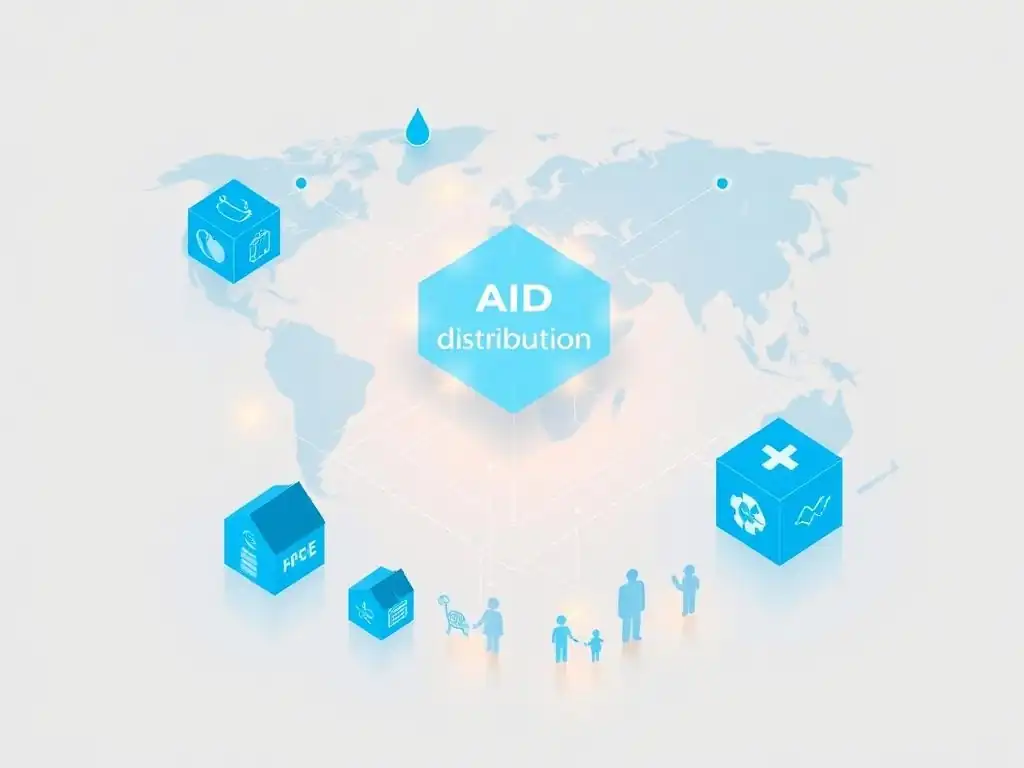
The adoption of blockchain technology in humanitarian aid promises a range of significant benefits, impacting everything from operational efficiency to donor confidence and beneficiary empowerment. These advantages collectively contribute to making aid delivery more effective, equitable, and sustainable. Moving towards blockchain aid distribution transparency unlocks these potential gains.
The benefits extend beyond just financial savings; they encompass improved trust, enhanced security, and a more dignified experience for aid recipients. As the technology matures and implementation becomes more widespread, these benefits are expected to scale, potentially transforming the entire humanitarian sector.
Increased Efficiency and Speed of Aid Delivery
Blockchain streamlines processes by reducing the need for manual verification, reconciliation, and multiple intermediaries. Smart contracts can automate fund disbursements or trigger actions based on predefined conditions being met, such as confirmation of delivery. This reduces delays and administrative bottlenecks.
For example, cash transfers via blockchain can be near-instantaneous, compared to traditional methods that might take days or weeks. Tracking supplies on a shared ledger reduces paperwork and potential errors in logistics. This increased efficiency means aid reaches beneficiaries faster, which can be critical in emergency situations. The ability to quickly and reliably move resources is a direct outcome of implementing blockchain aid distribution transparency systems.
Improved Trust and Donor Confidence in Aid Organizations
Transparency is directly linked to trust. By providing a clear, verifiable, and immutable record of how funds are spent and where aid goes, blockchain technology allows aid organizations to demonstrate accountability to their donors like never before. Donors can have greater confidence that their contributions are reaching the intended recipients and being used effectively.
This enhanced transparency can lead to increased donor willingness to contribute and potentially unlock new funding sources. When organizations can clearly show the impact of donations through auditable blockchain records, it builds a stronger relationship with supporters. This move towards verifiable blockchain aid distribution transparency is essential for the long-term financial health and public perception of aid organizations.
Lower Administrative Costs and Reduced Middlemen in Aid Chains
Traditional aid distribution involves significant administrative overheads and often relies on multiple intermediaries, each taking a percentage or adding costs. Blockchain can help reduce these costs significantly. By enabling direct transfers to beneficiaries and providing a shared, efficient ledger for tracking, the need for numerous administrative layers and third-party service providers can be minimized.
For instance, using blockchain for cash transfers can drastically cut down on transaction fees associated with banks or money transfer services. Automating processes with smart contracts reduces manual administrative work. While initial investment in blockchain infrastructure is required, the long-term operational cost savings can be substantial, meaning more of every donated dollar goes directly to aid programs, improving blockchain aid distribution transparency by reducing opaque fees.
Empowering Beneficiaries with Control Over Aid Resources
Blockchain-based systems can empower beneficiaries by giving them more control and agency over the aid they receive. Digital identities allow individuals to access aid securely and privately. Digital wallets for cash transfers give beneficiaries the flexibility to spend assistance on their most urgent needs, rather than being restricted to specific in-kind distributions.
Furthermore, in some models, beneficiaries can have access to the blockchain ledger (or a user-friendly interface linked to it) to see the aid they have received and verify transactions. This transparency empowers them to hold organizations accountable and reduces the potential for exploitation or unfair treatment. Giving beneficiaries this level of visibility and control is a crucial aspect of achieving true blockchain aid distribution transparency.
Overcoming Challenges in Implementing Blockchain for Aid
While the potential benefits of blockchain in humanitarian aid are significant, implementing these solutions in complex and often fragile environments presents considerable challenges. These range from technical hurdles to regulatory uncertainties and the practicalities of scaling new technologies in areas with limited infrastructure. Addressing these challenges is crucial for the successful and sustainable adoption of blockchain aid distribution transparency systems.
Successfully navigating these obstacles requires careful planning, collaboration among stakeholders, investment in training and infrastructure, and a phased approach to implementation. It's not simply about deploying technology, but about integrating it into existing systems and ensuring it meets the specific needs and contexts of humanitarian operations.
Technical Barriers to Blockchain Adoption in Humanitarian Settings
Implementing blockchain requires a certain level of technical infrastructure and expertise that may be lacking in remote or conflict-affected areas where aid is often needed most. Reliable internet connectivity, access to compatible devices (like smartphones), and a consistent power supply are not always guaranteed.
Furthermore, aid organizations need access to technical staff capable of developing, deploying, and maintaining blockchain solutions. Training local staff and beneficiaries on how to use new technologies can also be a significant undertaking. While some blockchain solutions are designed to work offline or with low bandwidth, these technical constraints remain a key consideration when planning for blockchain aid distribution transparency in challenging environments.
Regulatory Considerations and Compliance for Blockchain Aid Projects
The regulatory landscape for blockchain and cryptocurrencies is still evolving globally, and this uncertainty can pose challenges for aid organizations operating across multiple jurisdictions. Different countries have varying rules regarding the use of digital assets, data privacy, and financial transactions.
Aid organizations must navigate these complex regulations to ensure their blockchain projects are compliant with local laws in every country where they operate. This requires careful legal analysis and potentially engaging with local governments and regulatory bodies. The lack of clear international standards for blockchain use in humanitarian contexts adds another layer of complexity to ensuring smooth and compliant blockchain aid distribution transparency operations.
Data Privacy and Security Concerns in Blockchain-Based Aid Systems
While blockchain offers enhanced security through cryptography and immutability, managing sensitive beneficiary data on a distributed ledger raises important privacy concerns. Information about vulnerable populations, such as refugees or disaster victims, is highly sensitive and must be protected rigorously.
Organizations must carefully design their blockchain solutions to comply with data protection regulations like GDPR, even when operating outside of the EU. This might involve using permissioned blockchains, employing privacy-enhancing technologies, or storing only hashed data on the chain while keeping sensitive details off-chain in secure databases. Balancing the need for transparency with the imperative of protecting beneficiary privacy is a critical challenge in implementing secure blockchain aid distribution transparency.
Scaling Blockchain Solutions for Large-Scale Humanitarian Operations
Humanitarian crises can affect millions of people simultaneously, requiring aid solutions that can operate at massive scale. Scaling blockchain technology to handle the volume of transactions and users required for large-scale humanitarian operations is a significant technical challenge. Public blockchains can face issues with transaction speed and cost (gas fees), while managing large permissioned networks requires robust governance.
Ensuring that a blockchain system can reliably serve hundreds of thousands or millions of beneficiaries, process potentially millions of transactions per day, and remain cost-effective is crucial for widespread adoption. Organizations need to carefully select the appropriate blockchain architecture and infrastructure to meet the demands of large-scale humanitarian response while maintaining blockchain aid distribution transparency.
The Future of Blockchain in Humanitarian Assistance
Despite the challenges, the potential for blockchain to transform humanitarian assistance is immense. As the technology matures and the humanitarian sector gains more experience with its implementation, we can expect to see broader adoption and more innovative applications. The focus will increasingly be on integrating blockchain into existing aid ecosystems and leveraging its unique capabilities to build more resilient and effective systems for helping those in need.
The future of blockchain aid distribution transparency involves not just replicating existing processes on a distributed ledger, but fundamentally rethinking how aid is delivered, governed, and experienced by beneficiaries. Emerging trends suggest a move towards more interconnected systems and a greater emphasis on empowering local communities.
Emerging Trends in Blockchain Aid Distribution
Several emerging trends are shaping the future of blockchain in humanitarian aid. One is the increasing focus on interoperability – enabling different blockchain networks or blockchain-based systems used by various organizations to communicate and share information securely. This could facilitate better coordination of aid efforts and a more holistic view of needs and resources.
Another trend is the exploration of Decentralized Autonomous Organizations (DAOs) for aid governance. DAOs could potentially allow a wider group of stakeholders, including beneficiaries and local community representatives, to have a more direct say in how aid projects are managed and resources are allocated. Furthermore, the integration of blockchain with other technologies like IoT, AI, and geospatial data is opening up new possibilities for enhanced tracking, verification, and impact assessment, further strengthening blockchain aid distribution transparency.
The Role of Blockchain in Building More Resilient Humanitarian Systems
Blockchain's decentralized nature contributes directly to building more resilient humanitarian systems. By distributing data and operational capabilities across a network, it reduces reliance on centralized points of failure, which can be vulnerable in conflict zones or during natural disasters. A blockchain-based system can continue to function even if parts of the network are disrupted.
Moreover, the immutable record provided by blockchain ensures that critical data about beneficiaries, aid distributions, and financial flows is preserved, even if physical infrastructure is damaged or destroyed. This data resilience is crucial for maintaining operations and accountability during and after a crisis. This inherent resilience supports the long-term sustainability of blockchain aid distribution transparency efforts.
Predictions for the Growth of Blockchain in Charity and Philanthropy
Predictions for the growth of blockchain in the charity and philanthropy sector are generally positive, albeit with an acknowledgment of the need for continued learning and adaptation. Experts anticipate increased pilot programs and gradual scaling of successful initiatives in areas like cash transfers, supply chain management, and identity verification over the next 5-10 years.
While mainstream adoption across all aid organizations will take time, driven by factors like cost, capacity building, and regulatory clarity, the demonstrated benefits in efficiency, cost reduction, and blockchain aid distribution transparency are strong motivators. As the technology becomes more user-friendly and accessible, and as successful case studies proliferate, blockchain is poised to become a standard tool in the humanitarian arsenal, fundamentally changing how aid is delivered and perceived.
Conclusion: Blockchain - Transforming Humanitarian Aid for a More Transparent Future
The challenges in traditional humanitarian aid distribution systems are significant, often leading to inefficiencies, high costs, and a lack of transparency that can erode trust. Blockchain technology offers a powerful set of tools to address these issues head-on. By providing a decentralized, immutable, and transparent ledger, blockchain enables real-time tracking of aid, ensures immutable records for accountability, and significantly reduces opportunities for corruption and fraud.
Pioneering initiatives by organizations like the WFP and UNHCR demonstrate the practical feasibility and tangible benefits of using blockchain for cash transfers, identity management, and supply chain transparency. While challenges related to technical infrastructure, regulation, privacy, and scalability remain, they are being actively addressed by the sector.
The future of blockchain aid distribution transparency looks promising, with emerging trends pointing towards more integrated, resilient, and beneficiary-centric aid systems. Ultimately, blockchain has the potential to fundamentally transform humanitarian aid, ensuring that assistance reaches those who need it most, efficiently, securely, and with unprecedented transparency, paving the way for a more trustworthy and effective philanthropic landscape.
Frequently Asked Questions
How does blockchain enhance transparency in aid distribution?
Blockchain creates an immutable and transparent ledger, allowing for real-time tracking of funds and supplies. This increased visibility reduces the risk of corruption and ensures aid reaches its intended recipients. This improved accountability is key.
Can blockchain improve the speed of aid delivery?
Yes, blockchain can streamline processes by automating transactions and reducing the need for intermediaries. This faster verification and disbursement of funds leads to quicker aid delivery in emergency situations. This results in less time wasted.
What are the challenges in implementing blockchain for humanitarian aid?
Challenges include the digital divide, requiring reliable internet access and digital literacy, and the lack of standardization across different blockchain platforms. Scalability concerns also arise when dealing with large-scale aid operations.
How does blockchain address the issue of trust in aid organizations?
By providing a transparent and auditable record of transactions, blockchain builds trust between donors, aid organizations, and recipients. This increased transparency reduces skepticism and encourages greater participation in aid efforts. Accountability is improved.
What are some potential future applications of blockchain in humanitarian aid?
Future applications include digital identity verification for refugees, smart contracts for automated aid disbursement based on pre-defined conditions, and supply chain management for tracking goods from origin to destination. These innovations improve efficiency and effectiveness.
Final Reflection: Embracing Transparency in Humanitarian Aid
The journey of exploring how blockchain is revolutionizing aid distribution underscores a crucial truth: transparency is no longer a luxury, but a necessity in humanitarian efforts. The inefficiencies and opaqueness that have plagued traditional aid systems are now being challenged by the immutable and traceable nature of blockchain technology, offering a pathway towards greater accountability and effectiveness in delivering aid to those who need it most.
This shift towards transparency is not just a technological advancement; it's a cultural one. It demands a fundamental rethinking of how we approach aid, prioritizing the dignity and agency of recipients. The potential for blockchain to empower communities and ensure that resources reach their intended destinations is immense. The ultimate measure of a man is not where he stands in moments of comfort and convenience, but where he stands at times of challenge and controversy.
- Martin Luther King, Jr. This quote resonates deeply, reminding us that our commitment to ethical and effective aid is most critical when faced with complex humanitarian crises.
As we move forward, let us not simply marvel at the technological possibilities of blockchain. Instead, let us actively champion its adoption, advocate for policies that promote transparency, and demand accountability from all stakeholders involved in aid distribution. Consider how you can contribute to this movement, whether through supporting organizations embracing blockchain solutions, educating yourself and others about its potential, or simply demanding greater transparency from the aid organizations you support. The future of humanitarian aid hinges on our collective commitment to building a more transparent, equitable, and effective system for all.
Here's a CTA for an article titled "Revolutionizing Aid Distribution: Blockchain's Impact on Humanitarian Logistics," for the website "Blockchain Trends" with the domain "blockchaintrends.org":
Amplify Impact: Become a Blockchain for Good Advocate!
Thank you for diving into the transformative potential of blockchain in humanitarian logistics. We hope this article has illuminated how this technology can revolutionize aid distribution, ensuring transparency and efficiency where it's needed most. Now, let's put that knowledge into action!
Here are some ways you can contribute to this crucial movement:
- Become a Blockchain for Good Advocate: Share this article with your network and start conversations about the benefits of blockchain technology in humanitarian aid.
- Explore Open-Source Blockchain Projects: Investigate existing open-source blockchain initiatives focused on aid distribution and consider contributing your skills or resources. Look for projects specifically using blockchain to improve transparency and efficiency.
- Identify existing issues, and suggest solutions using blockchain on the Blockchain Trends Forum.
Ready to become a part of the blockchain for good movement and help redefine how humanitarian aid reaches those in need? Let us know your suggestions in the comments below!
Leave a Reply