
The Role of NFTs in Ethical Supply Chains: Proof of Provenance and Fair Trade

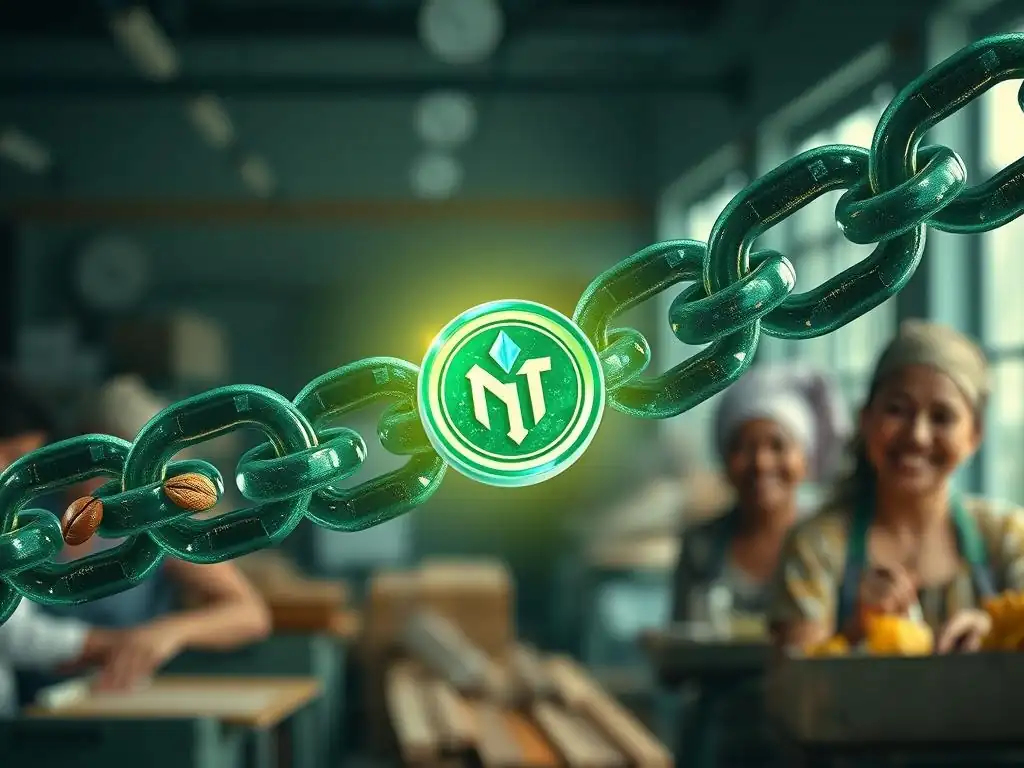
Welcome to Blockchain Trends, your guide to the revolutionary world beyond cryptocurrency.
Ever wondered how blockchain can foster real-world change? Dive in as we unravel the fascinating role of NFTs in ethical supply chain provenance. Discover how these unique digital assets are transforming fair trade practices and offering unprecedented transparency, creating a more responsible and accountable global marketplace. Intrigued? Let's explore the future of ethical sourcing, powered by the blockchain.
The Role of NFTs in Ethical Supply Chains: Proof of Provenance and Fair Trade
- Introduction: Blockchain Trends and the Rise of NFTs for Supply Chain Transparency
- Understanding NFTs and Their Core Functionality
- The Problem: Opacity and Ethical Concerns in Traditional Supply Chains
- NFTs as a Solution: Revolutionizing Supply Chain Provenance Tracking
- Implementing NFTs for Ethical Supply Chains: A Step-by-Step Approach
- Case Studies: Real-World Applications of NFTs in Ethical Supply Chains
- Benefits of Using NFTs for Supply Chain Ethics
- Challenges and Considerations for NFT Adoption in Supply Chains
- The Future of NFTs and Ethical Supply Chain Management
- Conclusion: NFTs as a Catalyst for Ethical and Transparent Supply Chains
-
Frequently Asked Questions
- How can NFTs be used to prove the provenance of a product in a supply chain?
- What are the ethical implications of using NFTs in supply chains?
- How do NFTs contribute to fair trade practices in supply chains?
- What challenges exist in implementing NFT-based supply chain solutions?
- What is the future outlook for NFTs in ethical supply chain management?
- Final Reflection: Empowering Transparency Through NFTs
- Unveil the Future: Become an Ethical Blockchain Advocate!
Introduction: Blockchain Trends and the Rise of NFTs for Supply Chain Transparency
Exploring the Intersection of NFTs, Blockchain, and Ethical Sourcing
Blockchain technology has fundamentally altered perceptions of digital ownership and value, primarily through the advent of Non-Fungible Tokens (NFTs). While initially gaining prominence in the art and collectibles markets, the underlying principles of NFTs – unique identification, immutability, and transparency – offer significant potential far beyond digital curiosities. This potential is particularly impactful in transforming traditional systems that suffer from opacity and trust deficits, such as global supply chains. The intersection of NFTs, the inherent transparency and security of blockchain, and the growing demand for ethical sourcing creates a powerful synergy.
Leveraging NFTs within a blockchain framework allows for the creation of a verifiable, tamper-proof digital twin or record associated with physical goods or their components. This linkage facilitates the tracking of an item's journey from its origin point through manufacturing, distribution, and sale.
By embedding key data points into the NFT's metadata or linking to off-chain data hashed onto the chain, stakeholders can gain unprecedented visibility into the provenance of goods. This capability is crucial for establishing NFTs ethical supply chain provenance, ensuring that products meet specific standards related to labor practices, environmental impact, and authenticity, thereby building trust with consumers and partners.
The Urgent Need for Transparency in Global Supply Chains
Global supply chains are notoriously complex, often spanning multiple countries and involving numerous intermediaries. This complexity frequently leads to a lack of transparency, making it difficult to ascertain the true origin, handling, and ethical considerations associated with a product. Issues such as forced labor, unsafe working conditions, environmental degradation, and the proliferation of counterfeit goods thrive in these opaque environments. Consumers and regulatory bodies are increasingly demanding greater visibility and accountability from corporations regarding their sourcing practices.
The absence of reliable, end-to-end traceability mechanisms undermines efforts to ensure products are ethically sourced and sustainable. Without clear NFTs ethical supply chain provenance, companies struggle to verify claims made about their products, leaving them vulnerable to reputational damage and legal challenges. For instance, reports of unethical mining practices for minerals used in electronics or unfair wages paid to garment workers highlight the systemic issues. A clear, immutable record of a product's journey, verifiable by all parties, is no longer a luxury but a necessity for businesses aiming for integrity and long-term sustainability in a conscious market.
Understanding NFTs and Their Core Functionality
What are Non-Fungible Tokens (NFTs)? A Technical Overview
Non-Fungible Tokens, or NFTs, are unique digital assets recorded on a blockchain. Unlike cryptocurrencies such as Bitcoin or Ethereum, where each unit is interchangeable (fungible), each NFT possesses distinct characteristics that differentiate it from every other NFT. This uniqueness is established through a unique identifier and associated metadata stored on the blockchain. The underlying technology, typically built on smart contract platforms like Ethereum (using standards like ERC-721 or ERC-1155) or other blockchains, ensures that the ownership and transaction history of an NFT are transparent and immutable.
Technically, an NFT is a pointer or certificate of authenticity and ownership for a specific item, whether digital or physical. The token itself resides on the blockchain, while the actual asset it represents might be stored elsewhere (e.g., on decentralized storage like IPFS or even a physical location). The smart contract governing the NFT defines its properties, ownership rules, and how it can be transferred. This makes NFTs ideal for representing unique items, serial numbers, deeds, or records within a system requiring verifiable uniqueness and transparent transfer of rights or association.
How NFTs Enable Unique Digital Asset Representation
The fundamental power of NFTs lies in their ability to definitively represent a unique item or concept in the digital realm. Each NFT is minted with a unique token ID, and its characteristics are defined by associated metadata. This metadata can include details like a description, properties, links to external files (like images, documents, or even physical location data), and a history of ownership. Because this information is stored or referenced on a blockchain, it benefits from the chain's security features – it's resistant to tampering and provides a transparent ledger of transactions.
In the context of supply chains, this unique representation means that a specific batch of coffee beans, a single diamond, or even a component part in a complex machine can be associated with a distinct NFT. This NFT acts as a digital passport, carrying verifiable information about that specific item's origin, manufacturing date, certifications, and journey through the supply chain. This granular level of identification, linked to an immutable blockchain record, is what enables precise tracking and verification of NFTs ethical supply chain provenance.
Key Benefits of Using NFTs for Data Integrity and Traceability
Using NFTs on a blockchain backbone offers several critical benefits for ensuring data integrity and enhancing traceability within supply chains. Firstly, the data associated with an NFT, or the hash of that data, is recorded on an immutable ledger. Once written, it cannot be altered or deleted without consensus mechanisms, making it highly resistant to fraud or manipulation. This provides a high degree of trust in the historical record of an item.
Secondly, NFTs enable end-to-end traceability by creating a continuous, verifiable chain of custody. As an item moves through the supply chain, new data points (location scans, quality checks, ownership transfers, certifications) can be added to the NFT's record or linked via the blockchain. This builds a comprehensive, transparent history accessible to authorized parties. This enhanced traceability is fundamental for verifying NFTs ethical supply chain provenance, allowing businesses and consumers alike to trace a product back to its source and confirm ethical or sustainable claims.
The Problem: Opacity and Ethical Concerns in Traditional Supply Chains
Lack of Visibility: Challenges in Tracking Products from Origin to Consumer
Traditional supply chains are often characterized by siloed systems and limited data sharing between different participants – from raw material producers to manufacturers, distributors, retailers, and finally, consumers. This fragmentation creates significant blind spots. Companies often lack real-time, granular visibility into the exact location, condition, and handling of goods as they move through complex networks. This opacity makes it difficult to manage logistics effectively, respond quickly to disruptions, and, crucially, verify the journey and conditions under which a product was created and transported.
The difficulty in tracking products end-to-end means that verifying claims about origin or ethical practices relies heavily on paper trails, manual checks, and audits, which are prone to errors, delays, and outright falsification. For instance, proving that a specific batch of seafood was caught sustainably or that a particular garment was made without child labor becomes incredibly challenging when information is scattered across disparate databases and physical documents, none of which are easily verifiable by external parties.
Counterfeit Goods and the Erosion of Brand Trust
The lack of robust, verifiable tracking mechanisms in traditional supply chains provides fertile ground for counterfeiters. Illicit goods, ranging from luxury items and pharmaceuticals to electronics and consumer goods, infiltrate legitimate supply chains, causing billions of dollars in losses annually. The Global Brand Counterfeiting Report 2018 estimated global losses due to counterfeiting at $323 billion, and this figure has likely grown significantly since. Counterfeits not only harm revenue but also erode brand trust when consumers unknowingly purchase fake or substandard products.
Proving the authenticity of a product often relies on physical security features (holograms, serial numbers) or centralized databases, which can themselves be copied or compromised. Without an immutable, verifiable record of a product's genuine journey from manufacturing, it is difficult for brands to definitively prove that an item is authentic, especially once it has left their direct control. This challenges their ability to stand behind their product quality and ethical claims.
Ethical Sourcing Issues: Addressing Labor Exploitation and Environmental Damage
Ensuring ethical sourcing and minimizing environmental impact are major challenges in global supply chains. The drive for lower costs can incentivize unethical labor practices, such as forced labor, child labor, unsafe working conditions, and unfair wages, particularly in regions with weak regulatory oversight. The 2020 Global Estimates of Modern Slavery report indicated approximately 25 million people are in forced labor globally, many within complex supply chains. Furthermore, verifying environmental claims, such as sustainable forestry, responsible mining, or reduced carbon emissions during transport, is difficult without transparent, verifiable data.
Current auditing processes, while important, often provide only snapshots in time and can be circumvented. Tracing the origin of raw materials and verifying the conditions under which they were extracted or processed, as well as monitoring every step of manufacturing and distribution for compliance with ethical standards, is incredibly complex. The absence of a transparent, immutable record makes it hard to hold parties accountable and for companies to genuinely demonstrate their commitment to ethical and sustainable practices, directly impacting their ability to claim NFTs ethical supply chain provenance.
NFTs as a Solution: Revolutionizing Supply Chain Provenance Tracking
How NFTs Provide Immutable Proof of Origin and Ownership
NFTs, built on blockchain technology, offer a revolutionary approach to establishing proof of origin and ownership within supply chains. By minting a unique NFT for a product, a batch of goods, or even specific components, a company can create a permanent, verifiable digital record associated with that item. This record can include data points like the origin location, date of production, initial ownership, and certifications. Because this information is recorded on the blockchain, it becomes virtually immutable – resistant to unauthorized changes or deletion.
This immutability means that the claim of origin recorded at the beginning of the supply chain journey is preserved and verifiable throughout the product's lifecycle. Each transfer of ownership or significant event (like export, import, or quality check) can be recorded on the blockchain, updating the NFT's associated data or adding to its transaction history. This creates a transparent, unbroken chain of custody that provides undeniable proof of an item's journey and initial source, forming the bedrock of NFTs ethical supply chain provenance.
Enhancing Traceability: Tracking Products Through Each Stage of the Supply Chain
NFTs significantly enhance end-to-end traceability by providing a standardized, decentralized way to track unique items. As a product moves from raw material to finished good and then to the consumer, relevant data points can be linked to its corresponding NFT on the blockchain. This could include:
- Origin of raw materials (e.g., mine location, farm coordinates)
- Manufacturing details (e.g., factory ID, production date, batch number)
- Quality control results
- Certifications (e.g., Fair Trade, Organic, sustainability standards)
- Logistics information (e.g., shipping routes, transport conditions)
- Ownership transfers at each handoff
[x] Mint NFT for raw materials
[ ] Record initial provenance data
[ ] Link manufacturing data to NFT
[ ] Add quality control data
[ ] Record logistics events
[ ] Track ownership changes
[ ] Provide consumer access to verify history
This granular, real-time tracking capability, enabled by associating physical goods with digital NFTs on a blockchain, allows all authorized participants in the supply chain to have access to the same verifiable information. This shared, transparent ledger eliminates information silos and provides unprecedented visibility, which is essential for verifying NFTs ethical supply chain provenance claims and ensuring compliance with standards.
Reducing Counterfeiting: Verifying Authenticity with NFT-Based Certificates
One of the most immediate benefits of using NFTs in supply chains is their effectiveness in combating counterfeiting. By linking a unique NFT to a physical product at the point of manufacture or origin, brands can create a verifiable digital certificate of authenticity. This NFT acts as the product's unique digital twin and proof of its legitimate creation and journey through the authorized supply chain.
Consumers or retailers can scan a QR code or NFC tag on the product, which links to the associated NFT on the blockchain. By viewing the NFT's details and transaction history, they can verify its origin and confirm that it has followed the legitimate path recorded on the immutable ledger.
If a product lacks a corresponding NFT, or if its recorded history doesn't match expectations (e.g., it appears to have skipped key stages in the authorized supply chain), it raises a significant red flag for potential counterfeiting. This provides a powerful, decentralized method for verifying authenticity that is far more difficult for counterfeiters to replicate than traditional physical or centralized digital methods, thereby protecting brand integrity and enhancing NFTs ethical supply chain provenance.
Implementing NFTs for Ethical Supply Chains: A Step-by-Step Approach
Minting NFTs for Raw Materials and Components
The implementation process for using NFTs in ethical supply chains typically begins at the earliest possible stage: the sourcing of raw materials or the manufacturing of key components. At this point, each distinct unit, batch, or lot of material or component is assigned a unique identifier. This identifier is then used to mint a corresponding NFT on a chosen blockchain platform.
The metadata embedded within this initial NFT would capture crucial provenance information. For example, for minerals, this could include the mine location (verified via GPS coordinates or other methods), the date of extraction, the mining company's ID, and any initial ethical or environmental certifications associated with that source. For agricultural products, it might include farm location, planting date, type of seed, and organic certifications. This foundational step creates the immutable digital anchor for the physical item, establishing the initial record of its NFTs ethical supply chain provenance.
Recording Key Data Points on the Blockchain (e.g., Origin, Date, Location)
As the raw material or component moves through subsequent stages of the supply chain – processing, manufacturing, assembly, packaging, transport, distribution – critical data points related to its journey and handling are recorded on the blockchain, linked to the corresponding NFT. This is typically done by authorized parties scanning identifiers (like QR codes or NFC tags) attached to the physical item or its packaging, triggering a transaction on the blockchain via a smart contract.
Examples of data points recorded include:
- Date and time of processing or manufacturing steps
- Location of facilities (factories, warehouses)
- Quality control results and inspector IDs
- Certifications obtained at different stages (e.g., fair labor audits, energy efficiency ratings)
- Logistics information (e.g., carrier ID, shipping route, temperature logs)
- Transfer of ownership between different companies in the chain
Each data entry creates a timestamped, immutable record on the distributed ledger, building a comprehensive history accessible through the NFT. This continuous data stream provides the detailed narrative required to verify NFTs ethical supply chain provenance at every step.
Integrating NFT Data with Existing Supply Chain Management Systems
While NFTs and blockchain provide the secure, transparent ledger for provenance data, they typically need to integrate with existing enterprise systems like Enterprise Resource Planning (ERP) or Supply Chain Management (SCM) platforms. The blockchain acts as a verifiable source of truth for critical provenance and ethical data, while traditional systems manage the day-to-day operational workflows (inventory management, logistics planning, order processing).
Integration can involve using APIs to connect the blockchain platform with ERP/SCM systems. Data recorded on the blockchain (e.g., proof of a successful quality check, transfer of ownership) can trigger updates or actions within the traditional system. Conversely, operational data from ERP/SCM (e.g., batch numbers, production orders) can be used to initiate the minting of NFTs or populate their metadata. This hybrid approach leverages the strengths of both systems, ensuring that the verifiable NFTs ethical supply chain provenance data is accessible and actionable within the company's existing operational framework.
Case Studies: Real-World Applications of NFTs in Ethical Supply Chains
Tracking Colombian Emeralds from Mine to Market with NFTs
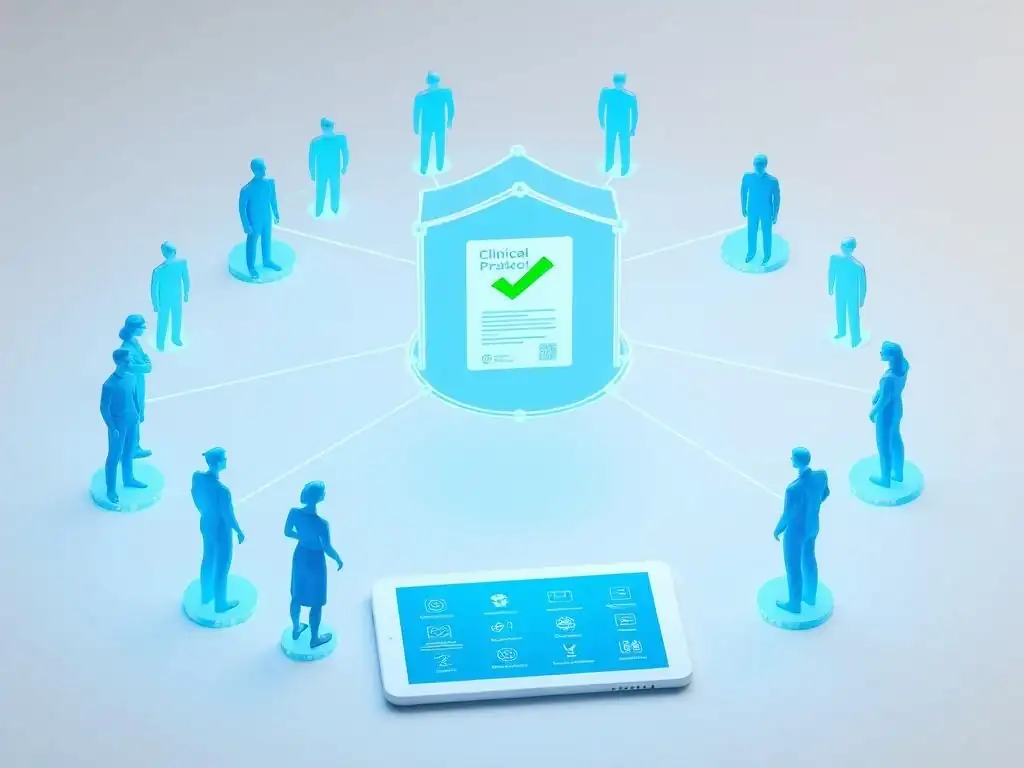
The gemstone industry, particularly for high-value items like emeralds, has long faced challenges with provenance verification, ethical sourcing, and preventing the flow of conflict gems. Several initiatives have explored using blockchain and NFTs to address this. One notable area of focus has been tracking Colombian emeralds. Companies are piloting systems where newly mined emeralds are registered on a blockchain, and a unique NFT is minted for each stone or parcel of stones.
The NFT's metadata includes details like the mine of origin (often with GPS coordinates), the date of extraction, rough weight, and initial certifications regarding labor practices at the mine. As the emerald moves through cutting, polishing, grading, and sale, each step is recorded on the blockchain, linked to the NFT. This creates an immutable digital history from "mine to market."
For instance, a specific 5-carat Colombian emerald might have an NFT showing it originated from the Muzo mine region, was cut by a specific workshop in Bogotá certified for fair labor, and was graded by a particular gemological lab. This provides verifiable NFTs ethical supply chain provenance that can be accessed by jewelers and end consumers, building trust and commanding a premium for ethically sourced stones.
Verifying Organic Cotton Production and Fair Labor Practices using Blockchain and NFTs
The textile industry, particularly cotton production, is another sector grappling with complex supply chains, environmental concerns (water usage, pesticides), and labor issues (fair wages, working conditions). Projects are leveraging blockchain and NFTs to bring transparency to organic cotton sourcing and verify fair labor. In such systems, farmers growing organic cotton might register their yield on a blockchain, receiving an NFT representing a specific bale or lot of cotton.
This NFT would carry data verifying its organic certification (e.g., GOTS certification details), the farm location, and potentially data related to water usage or soil health. As the cotton is processed into yarn, then fabric, and finally garments, each step – spinning, weaving, dyeing, cutting, sewing – is recorded on the blockchain, linked to the original cotton NFT. Data points related to factory audits, labor compliance (e.g., Sedex or SA8000 certifications), and environmental impact at each stage are added.
This creates an end-to-end verifiable history. For example, a t-shirt could have an NFT allowing a consumer to see it was made from organic cotton from a specific farm in India, processed in a factory in Portugal certified for fair wages, and transported with a recorded carbon footprint, showcasing its NFTs ethical supply chain provenance and sustainability credentials.
Ensuring Traceability and Sustainability of Tuna Fishing with NFT-Based Records
The seafood industry faces major challenges related to illegal, unreported, and unregulated (IUU) fishing, overfishing, and ensuring fair labor practices on fishing vessels. Several initiatives are using blockchain and NFTs to track seafood, particularly high-value species like tuna, from catch to plate. In these systems, when tuna is caught, data such as the vessel ID, catch location (using GPS), date, species, and weight are recorded on a blockchain, and a corresponding NFT is minted for that specific fish or batch.
This NFT then follows the fish through processing plants, distributors, and retailers. Data points added at each stage include processing date, location, handling conditions (e.g., temperature logs), and any certifications (e.g., MSC certification for sustainable fishing, BAP certification for processing standards). If the fish is processed into fillets or canned tuna, the original NFT can be fractionalized or linked to new NFTs representing the final products.
This allows consumers to scan a code on canned tuna and trace it back to the specific vessel, date, and location where the fish was caught, verifying its legitimacy, sustainability claims, and NFTs ethical supply chain provenance. Initial pilots in the Pacific have shown promising results in improving traceability and combating IUU fishing.
Benefits of Using NFTs for Supply Chain Ethics
Increased Consumer Trust and Brand Loyalty
In an era where consumers are increasingly conscious about the ethical and environmental impact of their purchases, transparency is paramount. By providing verifiable, immutable proof of a product's journey and ethical sourcing through NFTs, companies can build significant trust with their customer base. Consumers can scan a product's NFT and instantly access its detailed history, confirming claims about origin, labor practices, or sustainability.
This level of transparency goes beyond marketing claims; it's backed by a decentralized, tamper-proof record. Brands that openly share this verifiable NFTs ethical supply chain provenance demonstrate genuine commitment to ethical practices, fostering loyalty among conscious consumers. This can translate into a competitive advantage, as consumers are often willing to pay a premium for products they trust are ethically and sustainably produced.
Improved Compliance with Ethical and Sustainability Standards
Navigating the complex landscape of global ethical and sustainability regulations and standards is a significant challenge for businesses. These standards, such as those related to conflict minerals, deforestation-free sourcing, or labor rights, often require extensive documentation and auditing. Using NFTs and blockchain streamlines the process of collecting, storing, and verifying compliance data.
As products move through the supply chain, relevant certifications, audit reports, and data points demonstrating adherence to specific standards can be linked to or recorded via the product's NFT on the blockchain. This creates a readily accessible, verifiable audit trail for regulators, auditors, and internal compliance teams. This makes it easier and more efficient for companies to prove compliance, reducing the risk of fines, legal challenges, and reputational damage, thereby strengthening their NFTs ethical supply chain provenance framework.
Enhanced Supply Chain Efficiency and Reduced Costs
While the primary focus might be on ethics and transparency, implementing NFTs for provenance tracking can also lead to tangible operational efficiencies and cost reductions. The improved visibility provided by a shared, immutable ledger reduces delays caused by manual data reconciliation and disputes between supply chain partners. Knowing the exact location and status of goods in real-time allows for better inventory management and logistics planning.
Furthermore, the ability to quickly verify the authenticity and provenance of goods using NFTs can significantly reduce losses due to counterfeiting and the costs associated with verifying legitimate products. Streamlined auditing processes, enabled by easily accessible blockchain records, can also lead to cost savings. While initial implementation costs exist, the long-term benefits in terms of reduced fraud, improved efficiency, and enhanced trust can outweigh these investments, contributing to a more streamlined and cost-effective NFTs ethical supply chain provenance system.
Supporting Fair Trade Practices and Empowering Producers
Fair Trade principles aim to ensure producers in developing countries receive fair prices for their goods and work under decent conditions. Establishing verifiable NFTs ethical supply chain provenance is crucial for ensuring that the benefits of Fair Trade certifications actually reach the intended producers. By tracking products from the source (e.g., a coffee farmer cooperative, a cacao bean grower) using NFTs, the entire supply chain becomes transparent.
This transparency allows consumers and organizations to verify that a product genuinely originated from a certified Fair Trade source and followed a path consistent with ethical sourcing. It can also facilitate direct payments or transparent benefit sharing mechanisms linked to the NFT's transaction history. Empowering producers with verifiable digital identities linked to their products via NFTs can give them greater visibility, potentially enabling them to connect directly with buyers or access decentralized finance (DeFi) solutions based on their verified output and provenance data.
Challenges and Considerations for NFT Adoption in Supply Chains
Scalability Issues and Blockchain Network Congestion
One significant challenge for widespread NFT adoption in large-scale supply chains is the scalability of current blockchain networks. Public blockchains, like Ethereum, which host many NFTs, can suffer from congestion and high transaction fees (gas costs) during periods of high network activity. While layer 2 scaling solutions and transitions to more efficient consensus mechanisms (like Ethereum's move to Proof-of-Stake) are addressing this, handling the sheer volume of transactions required to track millions or billions of individual items or batches across global supply chains can still be demanding.
Enterprise-focused blockchain platforms or private/consortium chains may offer higher throughput and lower costs, but they can sometimes sacrifice the full decentralization and transparency benefits of public networks. Choosing the right blockchain infrastructure that can handle the transaction volume, data storage needs, and required speed at a reasonable cost is a critical consideration for implementing NFTs ethical supply chain provenance solutions effectively at scale.
Data Privacy Concerns and GDPR Compliance
While blockchain offers transparency and immutability, recording sensitive supply chain data on a public ledger raises privacy concerns. Information such as supplier identities, pricing data, specific logistics routes, or internal process details might be commercially sensitive or fall under data protection regulations like GDPR (General Data Protection Regulation). GDPR, for instance, grants individuals the "right to erasure" (the right to be forgotten), which is fundamentally at odds with the immutable nature of blockchain where data cannot be easily deleted.
Solutions involve carefully considering what data is stored directly on-chain versus what is stored off-chain (e.g., in encrypted databases) with only a verifiable hash stored on the blockchain. Using privacy-preserving technologies like zero-knowledge proofs or implementing permissioned blockchain networks where data access is restricted to authorized participants are strategies being explored. Balancing the need for transparency to verify NFTs ethical supply chain provenance with data privacy requirements is a complex but necessary consideration.
Interoperability Challenges Between Different Blockchain Platforms
The blockchain landscape is fragmented, with numerous different platforms and protocols existing (e.g., Ethereum, Polygon, Solana, Hyperledger Fabric, VeChain). Different companies within a complex supply chain might choose to use different blockchain networks for their internal operations or for tracking specific types of goods. This creates interoperability challenges – how can an NFT minted on one blockchain seamlessly interact or share data with systems or NFTs on another blockchain?
For NFTs to truly enable end-to-end traceability across diverse supply chains, there needs to be a way for data and assets to move or be verified across different chains. Cross-chain bridges and interoperability protocols are under development, but they add complexity and potential security risks. Establishing industry standards or consortiums that agree on common protocols or networks could help mitigate this challenge and facilitate the widespread adoption of NFTs ethical supply chain provenance solutions across various sectors.
The Environmental Impact of Certain Blockchain Technologies (Proof-of-Work vs. Proof-of-Stake)
The environmental impact of blockchain technology, particularly those using Proof-of-Work (PoW) consensus mechanisms (like Bitcoin and historically Ethereum), has been a significant concern due to their high energy consumption. While newer blockchains and upgrades (like Ethereum's transition to Proof-of-Stake, which reduced energy consumption by over 99%) are far more energy-efficient, the perception and the reality of energy-intensive blockchains remain a challenge for implementing solutions aimed at sustainability.
For companies focused on reducing their environmental footprint, adopting NFT solutions built on energy-intensive PoW chains would be counterproductive to their sustainability goals. Therefore, businesses looking to leverage NFTs for NFTs ethical supply chain provenance and environmental tracking must carefully select blockchain platforms that utilize energy-efficient consensus mechanisms (like Proof-of-Stake, Proof-of-Authority, or Proof-of-History) to ensure their technology choice aligns with their broader sustainability commitments.
The Future of NFTs and Ethical Supply Chain Management
Emerging Trends: Decentralized Supply Chain Finance (DeFi) and NFTs
The convergence of NFTs and Decentralized Finance (DeFi) presents exciting possibilities for supply chain management. NFTs can represent not just the provenance of goods but also associated assets or rights, such as invoices, purchase orders, or even fractional ownership of high-value cargo. Linking verifiable NFTs ethical supply chain provenance data to financial instruments on decentralized platforms could unlock new forms of supply chain finance.
For instance, a small producer with a verifiable NFT history of ethically sourced goods could potentially use that NFT as collateral to access financing through DeFi lending protocols, without relying on traditional banks. This could provide much-needed liquidity to smaller players in the supply chain, fostering fairer economic practices. Furthermore, smart contracts could automate payments or release funds based on verifiable milestones recorded via NFTs on the blockchain, increasing efficiency and reducing payment risks.
The Role of NFTs in Promoting Circular Economy Principles
The circular economy model focuses on minimizing waste and making the most of resources by keeping products and materials in use for as long as possible through recycling, repair, and reuse. NFTs can play a crucial role in enabling and verifying circular economy practices by creating a digital history that extends beyond the initial point of sale.
An NFT associated with a product can store information about its materials composition, repair history, warranty, and instructions for recycling or disassembly. This verifiable information, accessible via the NFT, makes it easier for recycling facilities, repair shops, or consumers to understand how to properly handle a product at the end of its initial life cycle. Tracking materials through different life cycles using NFTs creates transparency and accountability, promoting reuse and reducing waste. This verifiable lifecycle history, built on NFTs ethical supply chain provenance, is vital for closing the loop in production and consumption.
Predictions for the Widespread Adoption of NFT-Based Supply Chain Solutions
While still in relatively early stages for widespread enterprise adoption, the use of NFTs for supply chain provenance and ethics is predicted to grow significantly. As blockchain technology matures, becomes more scalable and energy-efficient, and as regulatory frameworks develop, the barriers to entry will decrease. Industry consortiums are likely to emerge, establishing standards and shared platforms that facilitate interoperability.
Consumer and regulatory pressure for greater transparency and accountability will continue to rise, incentivizing companies to adopt verifiable provenance solutions. It's plausible that within the next five to ten years, tracking high-value goods, ethically sourced products, and regulated items via NFTs on a blockchain will become a standard practice rather than a niche application. This shift will fundamentally transform how businesses manage and communicate their NFTs ethical supply chain provenance, leading to more trustworthy and sustainable global trade networks.
Conclusion: NFTs as a Catalyst for Ethical and Transparent Supply Chains
Embracing Blockchain Technology for a More Sustainable Future
Blockchain technology, particularly through the application of NFTs, offers a powerful toolkit for building more ethical and sustainable global supply chains. By providing an immutable, transparent, and verifiable ledger for tracking the journey and characteristics of goods, blockchain addresses fundamental issues of opacity, lack of trust, and difficulty in verifying ethical claims. Embracing this technology allows companies to move beyond simple assertions about their practices and provide concrete, verifiable proof.
The journey towards truly ethical and sustainable supply chains is complex, requiring systemic change. However, the ability of blockchain and NFTs to create a single source of truth for provenance data represents a significant leap forward. It empowers businesses to implement robust traceability systems, enabling them to identify and mitigate risks related to unethical labor, environmental damage, and counterfeiting more effectively. This technological shift is a vital step towards fostering corporate responsibility and building supply chains that benefit people and the planet.
The Potential of NFTs to Transform Global Trade and Promote Fair Practices
The potential of NFTs to transform global trade lies in their ability to imbue physical goods with verifiable digital identities and histories. This capability fundamentally changes the dynamics of trust and information asymmetry within supply chains. By creating undeniable NFTs ethical supply chain provenance, this technology empowers consumers to make informed choices, holds companies accountable for their sourcing, and provides producers with greater visibility and potentially more direct access to markets and finance.
As NFT-based solutions become more integrated into global logistics and trade finance, they have the potential to streamline processes, reduce costs, and most importantly, promote fairness and ethical conduct across borders. While challenges remain, the trajectory is clear: NFTs, powered by blockchain, are set to become a foundational technology in the development of transparent, ethical, and sustainable global trade systems, ultimately contributing to a more equitable and trustworthy global economy.
Frequently Asked Questions
How can NFTs be used to prove the provenance of a product in a supply chain?
NFTs act as a digital certificate of authenticity and ownership. Each NFT contains immutable data about the product's origin, history, and journey through the supply chain, making it traceable and verifiable. This helps consumers confirm a product's origin.
What are the ethical implications of using NFTs in supply chains?
Using NFTs can enhance transparency and accountability within supply chains. This can help ensure fair labor practices and prevent exploitation by allowing consumers to trace a product's history and confirm it meets ethical standards.
How do NFTs contribute to fair trade practices in supply chains?
By providing verifiable proof of origin and ethical sourcing, NFTs empower consumers to make informed purchasing decisions. This can support producers who adhere to fair trade principles, ensuring they receive fair compensation for their goods.
What challenges exist in implementing NFT-based supply chain solutions?
Challenges include the cost of implementation, the need for standardized data formats, and ensuring all stakeholders in the supply chain adopt the technology. Furthermore, data privacy and security are also important considerations.
What is the future outlook for NFTs in ethical supply chain management?
The future looks promising, with increasing adoption expected as NFT infrastructure matures and becomes more accessible. We can expect to see greater integration with other technologies like IoT and AI to further optimize supply chain traceability and ethical oversight.
Final Reflection: Empowering Transparency Through NFTs
The journey of a product, from its origin to our hands, is often shrouded in mystery. NFTs offer a revolutionary solution, providing an immutable record of provenance and fostering ethical practices within supply chains. This technology isn't just about digital art; it's about empowering consumers with knowledge and holding businesses accountable for their impact on the world.
The potential for NFTs to reshape how we understand and interact with the goods we consume is profound. Witnessing the growing adoption of blockchain technology in various industries fuels hope for a future where transparency and fair trade are not just ideals, but realities. The power of blockchain lies not just in its ability to record transactions, but in its ability to build trust in a trustless environment.
This quote perfectly encapsulates the transformative potential of NFTs in creating ethical and sustainable supply chains.
Now, consider the power you hold as a consumer. By demanding transparency and supporting businesses that embrace ethical practices verified by NFTs, you can actively contribute to a more just and sustainable world. Let us all strive to be informed consumers, demanding proof of provenance and championing fair trade, one NFT-verified product at a time.
Unveil the Future: Become an Ethical Blockchain Advocate!
Thank you for exploring the potential of NFTs to revolutionize ethical supply chains! By understanding how these digital assets can ensure provenance and fair trade, you're already one step ahead. Now, let's put that knowledge into action.
Here's how you can make a difference:
- Commit to supporting brands that leverage NFTs for supply chain transparency. Seek out companies actively using blockchain to prove the origin and ethical sourcing of their products.
- Dig deeper:Research existing NFT-based supply chain solutions across different industries and share your findings with your network on social media, tagging us @BlockchainTrendsOrg.
- Consider minting an NFT yourself! Document a personal item with a clear origin story and list it on a marketplace to learn the process firsthand (e.g., a handmade item or a piece of art).
What small ethical choice will you make this week to support the evolution of transparent, NFT-powered supply chains? Share your plans below!
Leave a Reply