
Smart Giving: Leveraging Smart Contracts for Conditional and MilestoneBased Donations

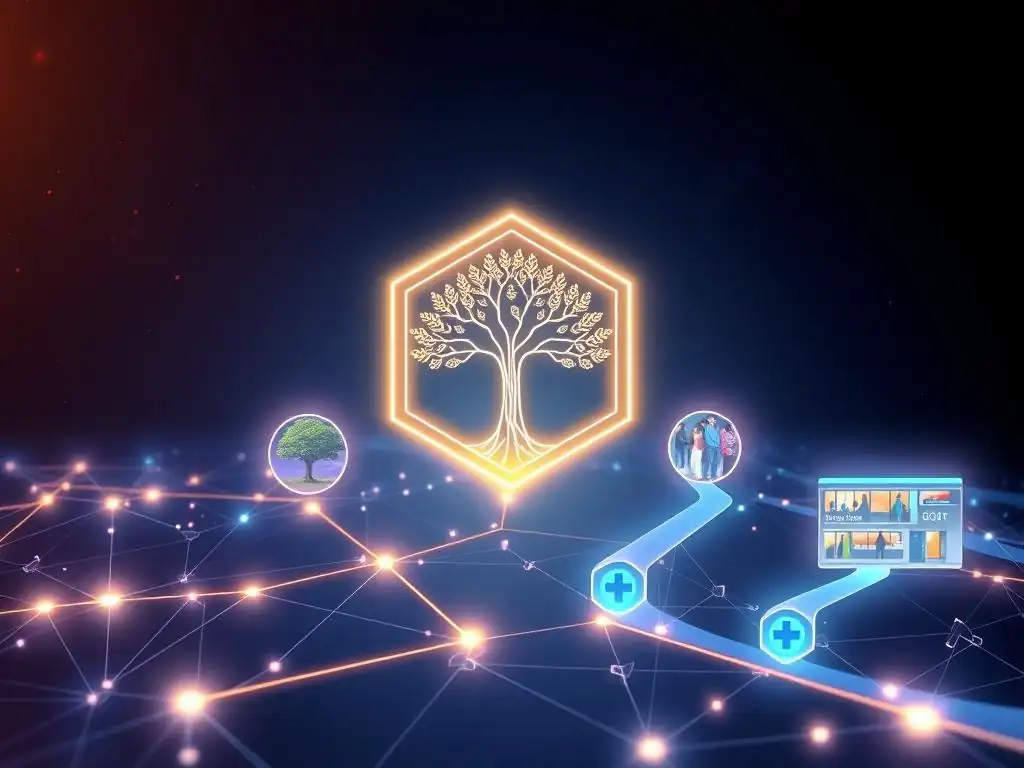
Welcome to Blockchain Trends, your go-to source for understanding the revolutionary power of blockchain beyond just digital currencies. Ever wondered how blockchain can truly change the world?
Dive into our latest exploration of smart contract donations for charities and discover how these innovative agreements are revolutionizing philanthropy. Can conditional giving and milestone-based funding unlock a new era of transparency and impact in charitable endeavors? Read on to find out...
Smart Giving: Leveraging Smart Contracts for Conditional and MilestoneBased Donations
- Introduction: Revolutionizing Charitable Giving with Blockchain Technology
- The Power of Smart Contract Donations for Charities
- Conditional Donations: Specifying Impact with Smart Contracts
- Milestone-Based Donations: Tracking Progress and Impact
- Benefits of Using Smart Contracts for Charitable Giving
- Practical Applications of Smart Contract Donations
- Overcoming Challenges in Implementing Smart Contract Donations
- The Future of Smart Contract Donations for Charities
- Conclusion: Embracing Smart Contracts for a More Transparent and Impactful Future
-
Frequently Asked Questions
- How do smart contract donations work for charities?
- What are the advantages of using smart contracts for charitable giving compared to traditional methods?
- Can smart contract donations be automated, and how does this benefit charities?
- How does blockchain technology ensure the security and transparency of donations made through smart contracts?
- What are the potential challenges or regulatory hurdles associated with using smart contracts for charitable donations?
- Final Reflection: Empowering Philanthropy Through Trustless Technology
- Unlock the Future of Philanthropy: Start Giving Smarter Today!
Introduction: Revolutionizing Charitable Giving with Blockchain Technology
The Evolution of Philanthropy: From Traditional Methods to Decentralized Solutions
Philanthropy has long been a cornerstone of human societies, adapting over centuries from direct, personal almsgiving to large-scale institutional foundations and global aid organizations. Traditionally, charitable giving relied on trust in intermediaries – whether religious institutions, non-profits, or governmental bodies – to channel funds from donors to beneficiaries. While this system has facilitated immense good, it has also been plagued by issues of transparency, efficiency, and donor confidence.
Donors often lack visibility into how their money is spent, and administrative costs can sometimes consume a significant portion of contributions, leading to a disconnect between the intent of giving and the actual impact. The digital age brought online donation platforms, increasing convenience, but the fundamental challenges of trust and transparency in the flow of funds remained.
The advent of blockchain technology presents a paradigm shift for the philanthropic sector. Its decentralized, immutable ledger offers a potential solution to these long-standing challenges by providing an unprecedented level of transparency and accountability. By recording transactions on a public or permissioned ledger, blockchain allows anyone to verify the movement of funds, from the initial donation to the final disbursement.
This inherent transparency builds trust, as donors can see precisely where their contributions are going. Furthermore, blockchain enables the creation of novel mechanisms like smart contracts, which can automate processes and add layers of conditional logic to donations, potentially reducing administrative overhead and ensuring funds are used exactly as intended. This technological evolution is paving the way for a new era of "smart giving," fundamentally altering how smart contract donations for charities operate and are perceived.
Understanding the Potential of Smart Contracts in the Charity Sector
Smart contracts are self-executing contracts with the terms of the agreement directly written into lines of code. This code exists on a blockchain network, making it immutable and transparent. Once deployed, a smart contract automatically executes predefined actions when specific conditions are met, without the need for intermediaries.
In the context of philanthropy, this technology has the potential to revolutionize how donations are made, managed, and tracked. Instead of simply sending money to a charity and trusting them to use it appropriately, a donor could send funds into a smart contract that is programmed to release the money only when certain criteria are fulfilled.
For example, a smart contract could be programmed to disburse funds for a specific aid project only upon verification of certain milestones, such as the delivery of supplies to a particular location or the completion of a construction phase, potentially verified by oracle services or multi-signature approvals. This introduces a level of control and accountability that is difficult to achieve with traditional methods.
Smart contract donations for charities enable conditional giving, allowing donors to attach specific requirements to their contributions. This not only assures donors that their money will be used for the intended purpose but also streamlines the process by automating the release of funds once conditions are met, reducing manual administrative burdens and the potential for human error or malfeasance.
The Power of Smart Contract Donations for Charities
Enhancing Transparency and Accountability in Charitable Funds
One of the most significant advantages of implementing smart contract donations for charities is the dramatic increase in transparency and accountability they offer. Traditional charitable models often involve complex financial flows through multiple bank accounts and intermediaries, making it difficult for donors to track the journey of their contribution. While annual reports provide an overview, they typically lack the granular detail and real-time visibility that many donors desire.
This opacity can erode trust, particularly in cases where charities face scrutiny over administrative costs or the effectiveness of their programs. Blockchain-based donations, managed through smart contracts, record every transaction on a public or permissioned ledger, creating an immutable and verifiable audit trail.
By leveraging smart contracts, a charity can receive donations directly into a contract address that is publicly visible on the blockchain. The terms programmed into the smart contract dictate exactly how and when those funds can be moved or disbursed. For instance, a smart contract could be designed to release funds only when a specific expense is verified, such as a payment to a supplier for goods or services related to a project.
This level of transparency means that anyone, from the individual donor to a watchdog organization, can inspect the transaction history on the blockchain to see where the money originated and where it went. This inherent traceability significantly enhances accountability, making it much harder for funds to be misappropriated or diverted from their intended purpose, thereby building stronger donor confidence in smart contract donations for charities.
Reducing Overhead Costs and Maximizing Donation Impact
Another compelling benefit of utilizing smart contract donations for charities is the potential for reducing administrative overhead and transaction costs, ultimately maximizing the impact of each donated dollar. Traditional fundraising and donation processing often involve various fees charged by payment processors, banks, and fundraising platforms. While these fees might seem small individually, they can accumulate, especially for large volumes of transactions, taking a percentage away from the funds intended for charitable work. Furthermore, managing donations, tracking their usage, and providing detailed reports to donors requires significant administrative effort, staffing, and associated costs for charities.
Smart contracts can automate many of these processes. Once a donation is sent to a smart contract, the contract handles the logic of fund distribution based on predefined conditions, reducing the need for manual intervention. Transaction fees on blockchain networks, particularly on efficient or layer-2 solutions, can often be lower than traditional payment processing fees, although they can fluctuate depending on network congestion and the specific blockchain used.
Beyond direct transaction costs, the automation provided by smart contracts can streamline operations related to fund allocation, reporting, and conditional disbursements. By minimizing the portion of donations consumed by fees and administrative expenses, charities can ensure a larger percentage of the donated amount directly reaches the beneficiaries or projects it was intended for. This efficiency gain is a powerful argument for the adoption of smart contract donations for charities, promising greater impact for every contribution.
Conditional Donations: Specifying Impact with Smart Contracts
Defining Conditions for Donation Disbursement: Examples and Use Cases
Conditional donations, facilitated by smart contracts, allow donors to attach specific, verifiable requirements to their contributions before the funds are released to the charity or project. This moves beyond simply donating to an organization's general fund and enables targeted giving with built-in accountability mechanisms.
The conditions can be as simple as specifying the project or program the funds must support, or as complex as requiring proof of certain activities or outcomes. For example, a donor contributing to a clean water project might stipulate that funds are only released from the smart contract upon verifiable proof that a certain number of wells have been dug or water filters have been distributed in a specific region.
Real-world use cases demonstrate the power of this approach. Imagine a donor wants to fund the purchase of textbooks for a school in a developing country. Using a smart contract, the donor can deposit funds into the contract, which is programmed to release the money only when the charity provides verifiable proof of purchase of the textbooks (e.g., a transaction ID on a supply chain blockchain or a cryptographic hash of an invoice verified by an oracle).
Another example could involve funding medical aid: a smart contract could release funds only when a certain quantity of medical supplies is delivered to a clinic, potentially verified by GPS data or signed attestations recorded on the blockchain. These examples highlight how smart contract donations for charities empower donors to ensure their money is used precisely for the purpose they intended, adding a layer of programmatic control that was previously impractical.
Ensuring Accountability: How Conditional Smart Contracts Protect Donors' Interests
Conditional smart contracts act as an automated escrow service, holding donated funds until the specified conditions are met. This structure inherently protects donors' interests by preventing the charity from accessing the funds until they demonstrate compliance with the donor's requirements.
Unlike traditional donations where funds are immediately available to the charity upon receipt, funds held in a conditional smart contract are only released upon the fulfillment of objective, verifiable criteria coded into the contract. If the conditions are not met within a specified timeframe, the smart contract can be programmed to automatically return the funds to the donor, or redirect them to an alternative, pre-approved cause.
This mechanism significantly reduces the risk of funds being diverted, mismanaged, or used for purposes other than what the donor intended. Donors gain peace of mind knowing that the release of their funds is tied to tangible actions or outcomes, not just the charity's promise to use the money appropriately. For instance, if a donor contributes to a specific research project via a smart contract that requires quarterly progress reports verified by an independent third party (acting as an oracle), the funds for the next quarter are only released after the verification occurs.
This structure forces a higher level of accountability on the part of the charity or project managers, as their access to funding is directly dependent on fulfilling their commitments. This robust, automated accountability layer is a core benefit of using smart contract donations for charities for conditional giving.
Milestone-Based Donations: Tracking Progress and Impact
Implementing Milestone Tracking in Charitable Projects via Smart Contracts
Milestone-based donations, a specific form of conditional giving, tie the release of funds to the achievement of predefined project milestones. This approach is particularly effective for larger, long-term projects where progress can be segmented into distinct phases. Instead of receiving the entire donation upfront, the charity receives portions of the funds as they successfully complete each agreed-upon stage of the project.
Implementing milestone tracking using smart contracts involves defining these specific milestones in the contract code, along with the mechanisms for verifying their completion. Verification can range from simple attestations (less secure) to complex integrations with external data sources (oracles) or multi-signature approvals from trusted parties.
Consider a project to build a school. Milestones could include: 1) Securing land permits, 2) Completing the foundation, 3) Erecting the walls and roof, and 4) Finalizing interior work and receiving occupancy permits. A smart contract would hold the total donation amount and release a predefined percentage (e.g., 25%) upon the verifiable completion of each milestone.
Verification might involve uploading signed documents to a decentralized storage system whose hash is recorded on-chain, or having an independent engineer (acting as an oracle) submit a signed transaction confirming milestone completion. This phased funding approach, managed automatically by the smart contract, provides charities with predictable funding streams tied directly to project progress, while offering donors clear visibility into how their money is being utilized at each stage. This structured approach is a powerful application of smart contract donations for charities.
Verifiable Impact: Demonstrating the Tangible Results of Donations
One of the persistent challenges in philanthropy is effectively demonstrating the tangible impact of donations to donors. While charities provide reports and stories, donors often crave more direct, verifiable proof that their contribution led to real-world results. Milestone-based smart contracts directly address this by linking fund disbursement to the achievement of concrete, predefined outcomes. The completion of each milestone serves as verifiable proof of progress and impact, recorded transparently on the blockchain.
When a smart contract releases funds upon the completion of a milestone – for instance, the distribution of 1,000 mosquito nets in a specific village, verified by an oracle service tracking distribution data – this transaction is immutably recorded. Donors can look up the smart contract on the blockchain explorer and see that the transaction occurred, linked to the fulfillment of that specific milestone.
This provides a level of objective proof that goes beyond narrative reports. For a project funding vaccinations, a smart contract could release payments to healthcare workers upon verifiable records of vaccinations administered, potentially using blockchain-based identity or health records (with privacy considerations addressed).
This verifiable link between donation funds and achieved milestones builds immense trust and allows charities to showcase the tangible results of their work with unprecedented clarity. This ability to demonstrate verifiable impact is a key driver for the adoption of smart contract donations for charities.
Benefits of Using Smart Contracts for Charitable Giving
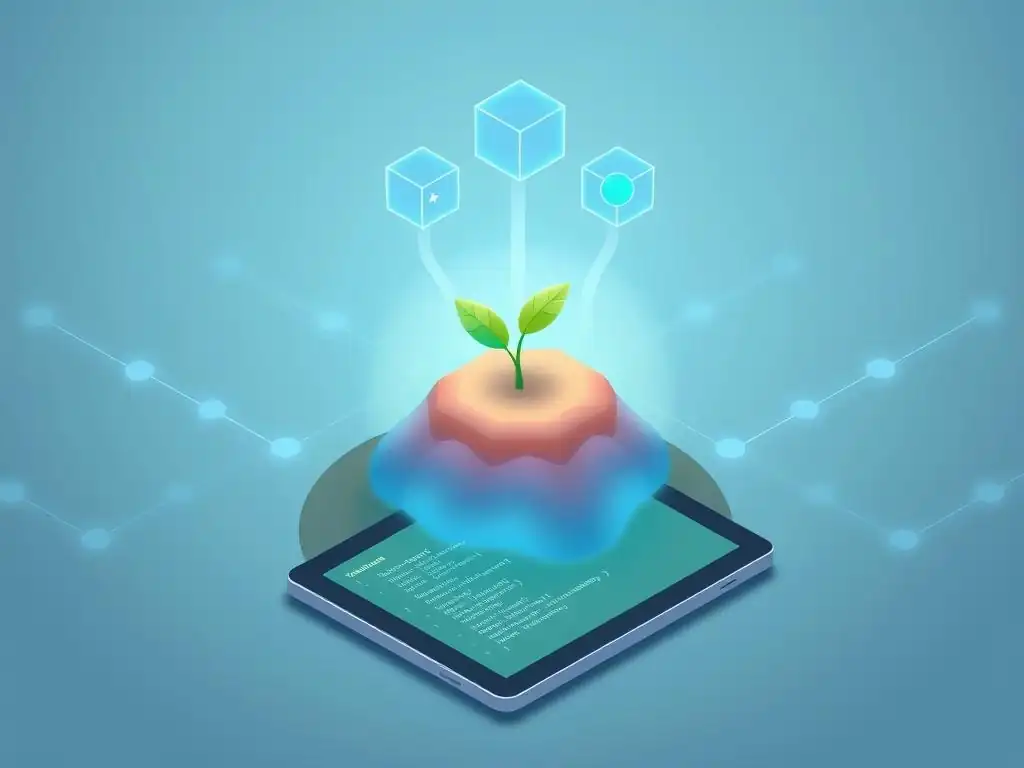
Increased Donor Trust and Confidence
Trust is the bedrock of philanthropy. Without donor confidence that their money will be used effectively and ethically, charitable giving suffers. Traditional systems, despite the best intentions of many organizations, can struggle with perceptions of inefficiency, high overhead, and lack of transparency.
Smart contracts directly tackle these issues by embedding transparency and accountability into the donation process itself. Every transaction related to the smart contract donation is recorded on a public or permissioned ledger, creating an immutable and auditable history. Donors can verify that their funds were received by the smart contract and track their disbursement based on the coded conditions.
This inherent transparency builds significant trust. Donors are no longer relying solely on faith in the organization's reporting; they can independently verify the flow of funds and the fulfillment of conditions or milestones. Knowing that funds are held in escrow by code and released only when predefined criteria are met provides donors with a much higher degree of confidence that their contribution will achieve its intended purpose.
This increased trust can lead to greater willingness to donate and potentially larger contribution amounts, as donors feel more assured about the impact of their generosity. The enhancement of trust is perhaps the most crucial benefit driving interest in smart contract donations for charities.
Automated and Efficient Donation Management
Managing donations traditionally involves significant manual processes: receiving funds, issuing receipts, tracking allocations, processing payments to vendors or beneficiaries, and reporting to donors. These tasks require staff time, administrative systems, and can be prone to human error. Smart contracts automate many of these steps, leading to increased efficiency and reduced administrative burden for charities.
Once a donation is received by a smart contract, the contract automatically handles the logic of fund disbursement based on the coded conditions or milestones. For example, if a milestone is verified, the smart contract automatically releases the next tranche of funds. This eliminates the need for manual review and approval processes for each disbursement tied to a condition.
Furthermore, the transparent ledger reduces the need for extensive internal tracking systems for donor-restricted funds, as the allocation and disbursement history is publicly visible on the blockchain. While setup and initial technical integration are required, the ongoing management of conditional or milestone-based disbursements becomes significantly more automated, allowing charity staff to focus more time and resources on their core mission rather than administrative tasks. This operational efficiency is a compelling reason for charities to explore smart contract donations for charities.
Enhanced Security and Reduced Risk of Fraud
Blockchain technology and smart contracts offer inherent security advantages over traditional systems, significantly reducing the risk of fraud and misuse of funds. Transactions recorded on a blockchain are cryptographically secured and immutable, meaning they cannot be altered or deleted once confirmed. This makes it extremely difficult for malicious actors to tamper with transaction records or divert funds undetected. Unlike traditional databases which can be vulnerable to hacking or internal manipulation, the decentralized nature of many blockchains adds an extra layer of security.
Smart contracts execute code exactly as written, without human intervention in the disbursement process once the conditions are met. This eliminates points of vulnerability associated with manual handling of funds, such as check fraud, wire transfer scams, or internal embezzlement. Funds held within a smart contract are locked by the code until the predefined, verifiable conditions are met.
This programmatic control provides a higher level of security against unauthorized access or fraudulent disbursement compared to funds held in traditional bank accounts, which can be accessed based on signatures or internal processes. While smart contracts themselves can contain bugs if not audited properly, the underlying technology provides a robust foundation for secure fund management. The enhanced security and reduced risk of fraud are critical benefits for both donors and charities embracing smart contract donations for charities.
Practical Applications of Smart Contract Donations
Funding Specific Projects
One of the most direct and effective practical applications of smart contract donations for charities is funding specific projects. Donors often feel more connected to a cause when they know exactly what their money is supporting, whether it's building a well, funding a classroom, or providing medical supplies for a specific clinic. Smart contracts allow charities to create dedicated contracts for individual projects, clearly defining the project's goals, milestones, and how funds will be used and verified.
For example, a charity undertaking a reforestation project in a specific region could set up a smart contract. Donors contribute to this contract, which is programmed to release funds based on verifiable milestones like purchasing saplings, preparing land, planting trees (potentially verified via satellite imagery or geotagged photos uploaded to decentralized storage and referenced on-chain), and maintaining them for a certain period.
Each milestone payment is triggered automatically upon verifiable completion, providing donors with a clear, step-by-step view of the project's progress and the impact of their funds. This model of targeted, verifiable funding via smart contracts is highly appealing to donors who want assurance that their contribution is tied to concrete outcomes rather than going into a general fund.
Disaster Relief: Rapid and Transparent Aid Distribution
Disaster relief efforts require rapid deployment of funds and resources, often in chaotic environments where traditional financial infrastructure may be damaged or non-existent, and concerns about aid diversion are high. Smart contract donations for charities can significantly improve the speed, transparency, and accountability of disaster relief funding. A smart contract can be set up immediately after a disaster strikes, with clear conditions for fund disbursement based on urgent needs.
Donors can contribute cryptocurrency directly to the smart contract. The contract can be programmed to release funds automatically to verified aid workers or local organizations upon receiving verifiable proof of delivery of essential supplies like food, water, or medical kits to affected areas. Verification could involve cryptographic signatures from multiple trusted parties on the ground, or integration with supply chain tracking systems built on blockchain.
This approach bypasses slow banking systems and reduces the risk of intermediaries siphoning off funds. Furthermore, the transparent record on the blockchain allows anyone to see the flow of aid funding in near real-time, building trust during critical periods. For instance, during a hypothetical earthquake relief effort, a smart contract could be set up to release funds for temporary shelter materials upon verification of distribution to a specific number of displaced families, offering unprecedented speed and accountability.
Supporting Research Initiatives: Ensuring Accountability in Scientific Funding
Funding for scientific research often involves multi-year grants with deliverables tied to specific phases of study. Ensuring that research funds are used specifically for the approved research activities and milestones is crucial for accountability, both to funders and the public. Smart contracts offer a robust mechanism for managing research grants with built-in conditions and milestone tracking.
A research institution receiving a grant could deploy a smart contract representing the grant agreement. The grant funds would be held in the contract, and tranches of funding would be released automatically upon the verifiable achievement of predefined research milestones. Milestones could include submitting a specific phase of clinical trial data, publishing preliminary findings in a peer-reviewed journal (verified via oracle), or completing a specific laboratory experiment.
Verification could involve cryptographically signing research reports or data hashes, or having an independent review board (acting as an oracle) attest to milestone completion on-chain. This ensures that funding is directly tied to research progress and outcomes, providing transparency to funders (whether government agencies, foundations, or private donors) and promoting responsible use of research dollars. This application of smart contract donations for charities (or research grants, which share similar principles) enhances accountability in the scientific funding ecosystem.
Overcoming Challenges in Implementing Smart Contract Donations
Addressing Regulatory Concerns and Legal Frameworks
Implementing smart contract donations for charities requires navigating complex regulatory landscapes and legal frameworks that were not designed with decentralized technologies in mind. Charities operate under specific regulations regarding fundraising, financial reporting, donor privacy, and the handling of assets. The legal status of cryptocurrencies varies widely across jurisdictions, as does the legal standing of smart contracts themselves. Charities must ensure that accepting crypto donations via smart contracts complies with local laws concerning digital assets, tax regulations (for both the charity and potentially the donor), and anti-money laundering (AML) and know-your-customer (KYC) requirements, especially for larger donations.
Furthermore, the legal enforceability of smart contracts in a charitable context needs clarification. While smart contracts are code, their interaction with traditional legal agreements and the rights and obligations of parties involved (donor, charity, beneficiaries, oracles) require careful consideration. Charities need to consult with legal experts familiar with both non-profit law and blockchain technology to establish clear terms and conditions for smart contract donations, ensuring compliance and mitigating legal risks. Standardized legal templates or frameworks for charity smart contracts could help address this challenge over time.
Ensuring User-Friendliness and Accessibility for Donors
While blockchain technology offers significant benefits, its technical complexity can be a major barrier to adoption, particularly for non-technical donors. Interacting with smart contracts typically requires users to have cryptocurrency wallets, understand blockchain addresses, manage private keys, and pay network transaction fees (gas). This user experience is often less intuitive than clicking a "Donate Now" button and entering credit card details on a website. For smart contract donations for charities to become mainstream, the process needs to be as simple and accessible as traditional online giving.
Solutions are emerging to bridge this gap. This includes user-friendly donation platforms that abstract away the technical complexities, allowing donors to contribute using familiar interfaces while the platform handles the underlying blockchain interactions. Services that facilitate donating using traditional fiat currency which is then converted and channeled through a smart contract can also increase accessibility. Charities need to invest in or partner with platforms that prioritize user experience, provide clear instructions, and offer support to donors who are new to cryptocurrency and smart contracts. Simplifying the donor journey is critical for widespread adoption.
Educating Charities and Donors on Blockchain Technology
A significant hurdle is the general lack of understanding about blockchain technology, cryptocurrencies, and smart contracts among both charity staff and potential donors. Charity professionals may be hesitant to adopt a technology they don't fully understand, fearing technical difficulties, security risks, or regulatory non-compliance. Donors may be wary of donating assets they perceive as volatile or complex, or may not understand the benefits of smart contract-based giving compared to traditional methods.
Addressing this requires dedicated educational efforts. Charities need access to training and resources that explain the fundamentals of blockchain, the specific benefits and risks of smart contract donations for charities, and practical guidance on implementation. This could involve workshops, webinars, and partnerships with blockchain experts or organizations.
Similarly, charities need to educate their donor base. This can be done through clear communication on their websites, in newsletters, and during fundraising events, explaining in simple terms what smart contract donations are, how they work, and the specific advantages they offer in terms of transparency, accountability, and impact. Building knowledge and confidence among stakeholders is essential for fostering adoption.
The Future of Smart Contract Donations for Charities
Predictions for the Growth of Blockchain-Based Philanthropy
The trajectory for blockchain-based philanthropy, including smart contract donations for charities, points towards significant growth in the coming years. As blockchain technology matures, becomes more user-friendly, and gains wider acceptance, its application in the non-profit sector is likely to expand rapidly. We can anticipate more charities, both large and small, exploring and implementing smart contract solutions to enhance transparency and efficiency. The increasing number of platforms specifically designed for blockchain-based giving will also lower the barrier to entry for organizations.
Furthermore, as younger, digitally-native generations become a larger part of the donor base, their comfort with and preference for decentralized technologies and cryptocurrency are expected to drive demand for innovative giving methods like smart contracts. We may see a rise in donor-advised funds managed partially or wholly through smart contracts, allowing donors greater programmatic control over their philanthropic capital.
While traditional giving methods will persist, blockchain-based approaches, powered by smart contracts, are poised to capture a growing share of the philanthropic market, particularly among donors prioritizing verifiable impact and transparency. Industry reports, though still nascent, suggest a growing interest, with some platforms already processing millions in crypto donations annually, a portion of which could transition to smart contract models for enhanced features.
The Role of Decentralized Autonomous Organizations (DAOs) in Charitable Giving
Decentralized Autonomous Organizations (DAOs) represent a cutting-edge evolution of blockchain technology with significant potential for the future of smart contract donations for charities. A DAO is an organization whose rules are encoded as a transparent computer program, controlled by organization members, and not influenced by a central government or single entity. In a charitable context, a "Charity DAO" could manage donated funds and direct their use based on proposals and voting by its members, who could be donors, beneficiaries, or domain experts.
Smart contracts are the backbone of DAOs, automating decision-making processes based on consensus mechanisms. For instance, a Charity DAO focused on environmental conservation could receive donations into a smart contract pool. Proposals for funding specific conservation projects (e.g., clearing a forest area, funding research) could be submitted to the DAO.
Members would then vote on these proposals using governance tokens, and if a proposal meets the predefined consensus threshold programmed into the smart contract, the smart contract automatically releases the necessary funds to the project proponents (potentially with further milestone-based conditions). This eliminates the need for a traditional non-profit board of directors, distributing governance and decision-making power among the community and offering unparalleled transparency in how funds are allocated and used. While still in early stages, the DAO model, powered by smart contracts, offers a glimpse into a highly decentralized and community-driven future for charitable giving.
Conclusion: Embracing Smart Contracts for a More Transparent and Impactful Future
The Transformative Potential of Blockchain in Revolutionizing Charitable Giving
Blockchain technology, particularly through the implementation of smart contracts, holds immense transformative potential for the charitable sector. It addresses fundamental challenges that have long plagued philanthropy, offering solutions for enhancing transparency, increasing accountability, reducing administrative costs, and building donor trust. Smart contract donations for charities enable a new level of control and visibility for donors, allowing for conditional and milestone-based giving that ensures funds are used precisely as intended and demonstrates tangible impact. This shift moves philanthropy towards a more verifiable, efficient, and trustworthy model.
From rapid and transparent disaster relief to accountable project funding and the potential for decentralized charitable governance through DAOs, the applications of smart contracts in this space are vast and promising. While challenges related to regulation, user adoption, and education must be addressed, the benefits offered by this technology are too significant for the sector to ignore. Embracing blockchain is not just about adopting a new technology; it's about fundamentally rethinking how we give and how charities operate to maximize impact and restore faith in the power of collective generosity.
Call to Action: Exploring Opportunities for Smart Giving and Supporting Innovation in Philanthropy
The future of philanthropy is increasingly digital and decentralized. Donors and charities alike have an opportunity to be at the forefront of this evolution by exploring and adopting smart contract donations for charities. For donors, this means seeking out charities that offer blockchain-based donation options and engaging with platforms that provide the transparency and control offered by smart contracts. It's an opportunity to make your giving more impactful and verifiable than ever before.
For charities, the call to action is to educate yourselves about this technology, understand its potential benefits and challenges, and consider piloting smart contract solutions for specific projects or campaigns. Partnering with blockchain experts and leveraging emerging platforms designed for non-profits can help navigate the technical and regulatory complexities.
By embracing innovation and the power of smart contracts, the charitable sector can build a more transparent, efficient, and trustworthy ecosystem, ultimately leading to greater impact for the causes and communities they serve. The journey towards smart giving is just beginning, and active participation is key to unlocking its full potential.
Frequently Asked Questions
How do smart contract donations work for charities?
Smart contract donations allow donors to set predefined conditions for fund release. Funds are only released to the charity when these conditions are met, providing increased transparency and accountability. This builds donor trust.
What are the advantages of using smart contracts for charitable giving compared to traditional methods?
Smart contracts offer greater transparency and reduced administrative overhead compared to traditional methods. They also enable conditional donations and milestone-based funding, ensuring funds are used as intended.
Can smart contract donations be automated, and how does this benefit charities?
Yes, donations can be automated based on pre-set criteria, such as project completion or specific dates. This reduces the need for manual processing and ensures funds are allocated efficiently, freeing up charity resources.
How does blockchain technology ensure the security and transparency of donations made through smart contracts?
Blockchain's immutable ledger records all transactions, making them auditable and transparent. Cryptography ensures the security of the funds and prevents unauthorized access, improving donor confidence.
What are the potential challenges or regulatory hurdles associated with using smart contracts for charitable donations?
Challenges include the complex regulatory landscape surrounding digital assets and the need for clear legal frameworks. The technical expertise required to implement and manage smart contracts can also be a barrier.
Final Reflection: Empowering Philanthropy Through Trustless Technology
The exploration of smart contract donations for charities reveals a powerful convergence of technological innovation and philanthropic intent. The ability to automate conditional and milestone-based giving represents a paradigm shift in how we approach charitable contributions, offering unprecedented transparency and accountability in an era where trust is paramount. This isn't just about automating transactions; it's about reimagining the very foundation of charitable giving.
The potential of smart contracts to revolutionize philanthropy is undeniable, influencing not only how charities operate but also how donors perceive their impact. This technology offers a tangible solution to concerns about fund mismanagement and lack of transparency, fostering a deeper connection between donors and the causes they support. The best way to find yourself is to lose yourself in the service of others.
- Mahatma Gandhi. This quote encapsulates the spirit of giving, and smart contracts provide a new avenue for that spirit to flourish, ensuring that contributions directly and demonstrably benefit those in need.
As we stand at the cusp of this technological evolution in philanthropy, I invite you to consider the implications of smart contract donations for charities. How can you, as a donor, leverage this technology to ensure your contributions have the greatest impact? How can charities embrace these tools to build trust and attract a new generation of philanthropists? Let us all strive to create a future where giving is not just an act of generosity, but a smart, transparent, and impactful investment in a better world.
Unlock the Future of Philanthropy: Start Giving Smarter Today!
Thank you for exploring how smart contracts can revolutionize charitable giving. Now that you understand how to enhance transparency and maximize impact through your donations, it's time to take action.
Here's how you can get involved:
- Choose a cause you're passionate about and research organizations that are adopting smart contract-based donations. Consider reaching out to offer your support or feedback.
- Explore existing platforms for blockchain-enabled charitable giving, review their features, and get hands-on experience. You might even find a new cause that resonates with you.
- Share this article with your network and start a conversation about the future of philanthropy and the role blockchain technology can play. Let’s spread awareness about smarter giving!
What small step will you take this week to explore smart contract donations and support the causes you care about? Share your thoughts in the comments!
Leave a Reply