
What are Social Impact DAOs and Why They Matter for a Better World?

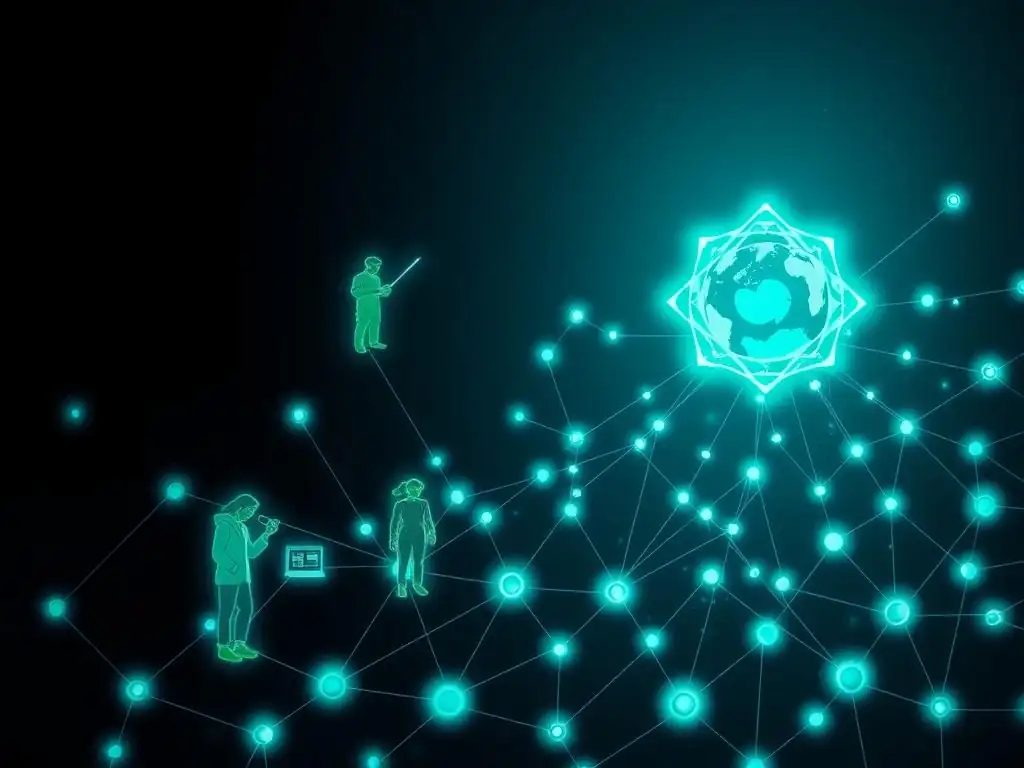
Welcome to Blockchain Trends, your go-to source for understanding the real-world applications of blockchain technology. Forget just cryptocurrencies – we delve into the transformative power of decentralized finance, enterprise solutions, and the evolving regulatory landscape.
But what if blockchain could actively improve society? Dive into our latest article to discover how Social Impact Decentralized Autonomous Organizations are revolutionizing philanthropy and community engagement. Explore their potential and understand why they might just be the key to a better, more equitable future. Intrigued? Read on to learn more!
Social Impact DAOs: Decentralized Solutions for a Better World
- Understanding Social Impact DAOs: Decentralized Solutions for Global Challenges
- Blockchain for Social Good: How DAOs Enable Change
- Key Benefits of Social Impact DAOs
- Real-World Examples of Social Impact DAOs
- Challenges and Opportunities for Social Impact DAOs
- The Future of Decentralized Social Impact: The Role of DAOs
- Getting Involved: How to Support Social Impact DAOs
-
Frequently Asked Questions
- What exactly are Social Impact Decentralized Autonomous Organizations (DAOs)?
- How do Social Impact DAOs differ from traditional charities or NGOs?
- What kind of projects are typically funded by Social Impact DAOs?
- What are the main benefits of using a DAO structure for social impact initiatives?
- What are some of the challenges faced by Social Impact DAOs?
- Final Reflection: Empowering Change Through Decentralization
- Embrace Decentralized Change: Launch Your Impact!
The concept of decentralized autonomous organizations (DAOs) has rapidly evolved from a niche application within the cryptocurrency space to a powerful framework for coordinating human and financial capital. While many DAOs focus on investment, DeFi protocols, or NFT communities, a growing movement is harnessing this technology for philanthropic and social good initiatives. These entities, known as Social Impact DAOs, represent a novel approach to tackling some of the world's most pressing challenges, leveraging blockchain's inherent properties to foster transparency, efficiency, and community governance in the pursuit of positive change.
Social Impact DAOs operate on the principle that decentralized coordination can lead to more equitable and effective outcomes than traditional centralized structures. By distributing decision-making power among members and automating operations through smart contracts, these organizations aim to minimize bureaucracy, maximize the impact of contributions, and ensure that initiatives truly reflect the needs and desires of the communities they serve. This shift towards decentralized social impact has the potential to redefine how we approach charitable giving, community development, and global problem-solving in the digital age.
Social impact decentralized autonomous organizations (DAOs) are blockchain-based entities designed to achieve specific social or environmental goals. Unlike traditional nonprofits or foundations, they are governed by code and community consensus rather than a centralized board of directors. Membership and participation are typically managed through tokens, granting holders voting rights on proposals related to funding allocation, project selection, and operational decisions. The core idea is to create a self-executing, transparent, and community-driven mechanism for channeling resources towards impactful initiatives.
These organizations leverage blockchain technology to automate governance processes and manage funds, ensuring that every transaction and decision is recorded on an immutable ledger. This inherent transparency is a defining characteristic, allowing anyone to audit how funds are raised and spent. Furthermore, the decentralized nature means that power is distributed among a network of participants, reducing reliance on single points of failure and fostering a more resilient and democratic structure for pursuing social good objectives.
Core Principles: Transparency and Community Governance
Transparency is perhaps the most critical principle underpinning Social Impact DAOs. All transactions, proposals, and voting results are typically recorded on a public blockchain, making them auditable by anyone. This contrasts sharply with the often opaque financial structures of traditional organizations, where detailed breakdowns of overhead and project spending can be difficult for the public to access. For example, a Social Impact DAO funding clean water projects might record every donation received and every expenditure made on the blockchain, allowing donors and stakeholders to verify that funds reached their intended destination.
Community governance empowers token holders to propose, discuss, and vote on the DAO's direction and activities. This distributed decision-making model ensures that the organization remains aligned with the collective will of its members, who are often directly invested in the social mission.
This can lead to more innovative and contextually relevant solutions, as decisions are made by a diverse group rather than a small, centralized committee. For instance, a DAO focused on educational access might have teachers, students, and community leaders as token holders, enabling them to collectively decide which educational programs or technologies to fund based on direct experience and needs.
The fundamental difference between Social Impact DAOs and traditional nonprofits lies in their organizational structure and mode of operation. Traditional nonprofits typically have a hierarchical structure with a board of directors overseeing executive staff who manage operations and programs. While many are highly effective, they can face challenges related to administrative overhead, donor trust regarding fund allocation, and potential bottlenecks in decision-making processes. According to Charity Navigator, the average administrative expense ratio for rated charities in the US is around 10-15%, though this varies significantly.
Social Impact DAOs, conversely, aim to minimize overhead by automating many administrative tasks through smart contracts and distributing governance responsibilities among members. While they still incur costs (e.g., blockchain gas fees, development costs, community management), the potential exists for significantly lower operational ratios, meaning a larger percentage of donated funds can directly reach beneficiaries. Furthermore, the transparent nature of blockchain transactions can build higher levels of trust with donors, who can independently verify how their contributions are utilized. This shift towards decentralized social impact governance represents a paradigm change in philanthropic models.
Blockchain technology provides the foundational layer upon which Social Impact DAOs are built, offering unique capabilities that are particularly well-suited for social good initiatives. Its inherent features, such as immutability, transparency, and the ability to execute automated agreements via smart contracts, address many of the systemic challenges faced by traditional philanthropic and aid organizations, including issues of trust, efficiency, and accountability. By leveraging these technological advantages, Social Impact DAOs can operate more effectively and inspire greater confidence among contributors and beneficiaries alike.
The use of blockchain extends beyond mere transaction recording; it enables entirely new models of coordination and value distribution for social impact. It allows for fractional ownership of assets intended for public good, transparent tracking of aid distribution, and the creation of incentive structures that reward positive contributions to community goals. This technological infrastructure not only facilitates the operations of social impact decentralized autonomous organizations but also enhances their potential reach and efficacy in addressing complex global problems.
Blockchain Technology for Transparency and Accountability
Blockchain's distributed ledger technology ensures that once data is recorded, it is extremely difficult to alter or delete. This immutability is crucial for transparency and accountability in social impact work. Every donation, expenditure, and governance vote within a Social Impact DAO can be recorded on a public blockchain, creating an open, verifiable history of the organization's activities. Donors can track their contributions from wallet to project, gaining unprecedented insight into how their money is being used.
This level of transparency helps build trust, which is often cited as a major challenge in traditional philanthropy. A 2020 study by Fidelity Charitable found that only 32% of donors felt they had a good understanding of how nonprofits use their money. By providing an immutable and auditable record of all financial flows and decisions, Social Impact DAOs can significantly improve donor confidence and encourage greater participation in funding social good initiatives.
Smart Contracts and Automated Initiatives
Smart contracts are self-executing contracts with the terms of the agreement directly written into code. They reside on a blockchain and automatically execute when predefined conditions are met. Social Impact DAOs heavily rely on smart contracts to automate critical functions like fund distribution, proposal voting, and even the execution of specific project milestones. For example, a smart contract could be programmed to release funds to a project only upon verification that a certain goal (e.g., digging a well, delivering supplies) has been achieved and validated by community members.
This automation reduces the need for intermediaries and administrative overhead, streamlining operations and ensuring that funds and resources are deployed efficiently according to the DAO's rules. It also minimizes the potential for human error or deliberate misuse of funds, as the execution is governed by code, not discretionary decisions. This capability allows Social Impact DAOs to operate with greater agility and certainty in executing their mission compared to relying solely on manual processes and approvals.
Enhancing Trust and Reducing Corruption
Corruption and mismanagement of funds are significant barriers to effective social impact worldwide. The opacity in financial flows within traditional systems can make it difficult to track where money goes, increasing the risk of diversion. The United Nations Development Programme (UNDP) estimates that billions of dollars are lost to corruption globally each year, significantly hindering development efforts.
Blockchain technology, as utilized by Social Impact DAOs, offers a powerful antidote to this problem. The public, immutable ledger provides an inherent audit trail for all financial transactions. Every transfer of funds from the DAO's treasury to a project or beneficiary is recorded and publicly verifiable. This radical transparency makes it significantly harder for corruption to occur undetected. Furthermore, governance decisions being made via transparent, on-chain voting mechanisms reduces the potential for backroom deals or biased allocations, enhancing overall accountability within the organization and fostering greater trust among all stakeholders involved in decentralized social impact efforts.
Social Impact DAOs offer several compelling advantages over traditional models for organizing and funding social good initiatives. Their decentralized nature, combined with blockchain technology, creates an environment that can potentially lead to greater efficiency, broader participation, and more impactful outcomes. These benefits stem from the core principles of transparency, community governance, and automation that define decentralized autonomous organizations focused on social good.
The structural differences enable these organizations to overcome some of the common limitations faced by traditional nonprofits and foundations. By distributing power and leveraging technology to streamline operations, Social Impact DAOs can potentially unlock new sources of funding, engage a wider range of participants, and ensure that resources are directed towards the most pressing needs as determined by the community itself.
Increased Efficiency and Reduced Overhead
One of the primary goals of many Social Impact DAOs is to minimize the percentage of funds spent on administrative costs, ensuring that more resources go directly to the intended beneficiaries or projects. By automating processes like voting, fund distribution, and proposal management through smart contracts, DAOs can significantly reduce the need for large administrative staffs and complex bureaucratic procedures that are common in traditional organizations.
While exact figures vary greatly depending on the specific DAO and its stage of development, the potential for lower overhead is significant. For instance, some early Social Impact DAOs have aimed for administrative costs well below the average 10-15% seen in traditional charities, sometimes targeting single-digit percentages for direct operational costs handled on-chain. This efficiency gain means that for every dollar donated to a social impact decentralized autonomous organization, a larger portion can be applied directly to achieving its mission.
Democratized Funding and Resource Allocation
Social Impact DAOs democratize the process of funding and resource allocation. Instead of decisions being made by a small board or foundation, token holders within the DAO typically vote on which proposals to fund, which projects to support, or how to disburse aid. This allows a broader community of stakeholders – including donors, volunteers, experts, and even beneficiaries – to have a direct say in the organization's priorities and spending.
Platforms like Gitcoin Grants, which operates using quadratic funding (a mechanism often associated with DAO-like public goods funding), exemplify this principle. Quadratic funding prioritizes projects with broader community support over those with fewer large donors, effectively giving more weight to the number of contributors than the amount contributed. Over several rounds, Gitcoin Grants has facilitated the distribution of tens of millions of dollars (e.g., over $50 million by late 2021, according to public data) to open-source software projects and other public goods, demonstrating the power of decentralized, community-driven funding for social impact.
Empowering Communities Through DAO Governance
Empowering the communities directly affected by social issues is a core tenet of Social Impact DAOs. By granting governance tokens to individuals within these communities, DAOs provide them with a voice and a vote in decisions that directly impact their lives. This shifts the power dynamic from external aid providers making decisions for a community to the community itself having agency in the decision-making process.
For example, a Social Impact DAO focused on environmental restoration in a specific region might distribute governance tokens to local residents, enabling them to vote on which conservation projects are prioritized or how funds are allocated for sustainable development initiatives. This level of direct involvement ensures that projects are relevant, culturally sensitive, and have genuine local support, leading to more sustainable and effective outcomes compared to top-down approaches. Decentralized social impact initiatives thrive when local voices are amplified and empowered through robust governance mechanisms.
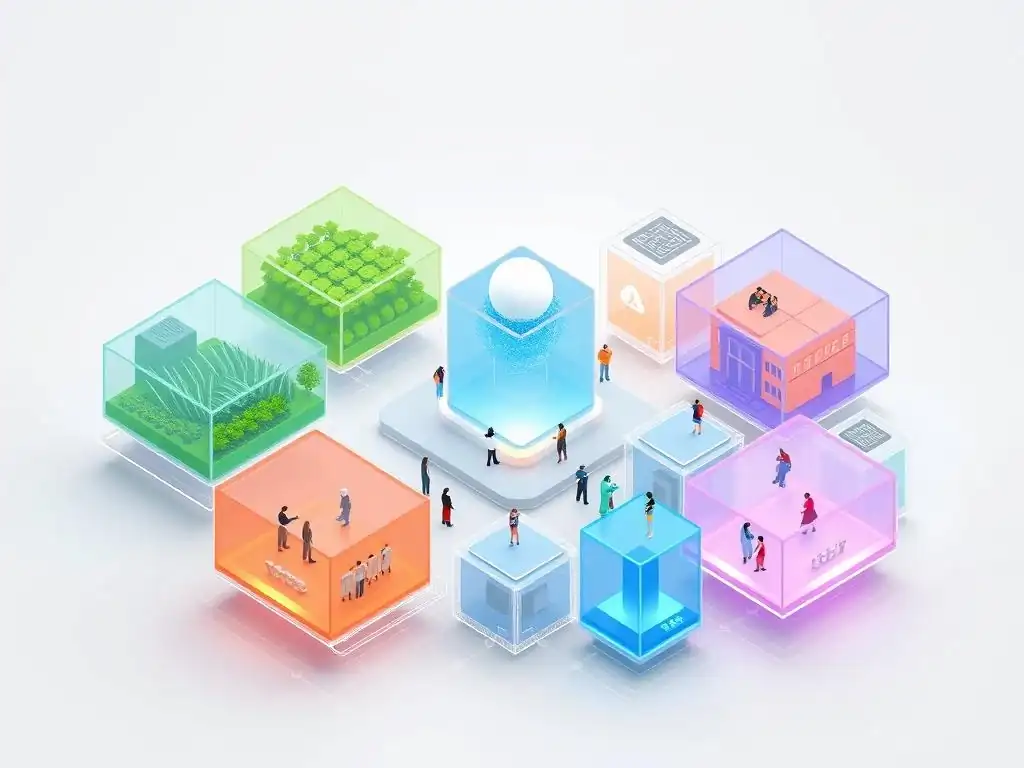
While the concept of Social Impact DAOs is relatively new, several pioneering organizations are already demonstrating the potential of this model to drive real-world change. These examples span various sectors, from climate action and open-source development to humanitarian aid, showcasing the versatility of decentralized autonomous organizations in addressing diverse social challenges. They provide tangible evidence of how blockchain-based structures can mobilize resources and coordinate efforts for the collective good, illustrating the practical application of decentralized social impact principles.
These early examples, despite facing nascent challenges, highlight the promise of leveraging decentralized technologies for philanthropic and social purposes. They represent the forefront of innovation in the social sector, experimenting with new models of funding, governance, and community engagement to achieve their missions effectively and transparently.
ClimateDAO: Funding Climate Solutions
ClimateDAO emerged with the ambitious goal of using the DAO structure to take direct action against climate change. One of their notable early initiatives involved attempting to acquire shares in publicly traded fossil fuel companies to influence their environmental policies from within. While this specific activist strategy faced market challenges, the organization's broader aim is to explore various decentralized mechanisms for funding and supporting climate solutions.
The DAO aims to facilitate collective action and investment in projects ranging from renewable energy initiatives to conservation efforts and carbon capture technologies. By pooling resources from a global community of token holders, ClimateDAO seeks to deploy capital strategically towards high-impact climate interventions, governed by the collective decisions of its members. This represents a novel application of decentralized finance (DeFi) principles towards achieving environmental social impact goals.
Gitcoin Grants: Funding Open-Source Development
Gitcoin Grants is a platform that utilizes blockchain technology and quadratic funding to support open-source software development and other public goods crucial for the web3 ecosystem and beyond. While not a DAO in the strictest sense initially, it has increasingly incorporated decentralized governance mechanisms and is often cited as a prime example of decentralized, community-driven funding for social good.
Since its inception, Gitcoin Grants has facilitated the distribution of significant funding, totaling over $50 million (as noted earlier, figure from late 2021, demonstrating scale) across numerous funding rounds. This funding has supported thousands of projects, many of which serve as foundational infrastructure for decentralized technologies and digital public goods that benefit everyone. The platform demonstrates how decentralized quadratic funding can effectively allocate resources to projects that have broad community support, showcasing a powerful model for funding social impact and public goods.
UkraineDAO: Supporting Humanitarian Efforts
UkraineDAO was rapidly formed in early 2022 in response to the humanitarian crisis in Ukraine. It quickly mobilized the global web3 community to raise funds for Ukrainian relief efforts. The DAO facilitated the sale of a fractionalized NFT of the Ukrainian flag, which garnered significant attention and participation from thousands of contributors worldwide.
Within days of its launch, UkraineDAO successfully raised over $6 million (a widely reported figure from its initial fundraising efforts) in cryptocurrency. These funds were then directed to reputable NGOs providing aid on the ground, such as Come Back Alive. UkraineDAO serves as a powerful example of how decentralized autonomous organizations can be rapidly deployed for emergency response and humanitarian aid, leveraging the speed and global reach of blockchain networks to mobilize resources for immediate social impact.
Despite their significant potential, Social Impact DAOs face several hurdles that need to be addressed for them to achieve widespread adoption and maximize their impact. These challenges range from navigating complex legal and regulatory landscapes to ensuring that these decentralized structures are truly inclusive and accessible to the diverse communities they aim to serve. Overcoming these obstacles presents significant opportunities for growth and refinement within the decentralized social impact space.
Addressing these issues requires ongoing innovation, collaboration, and thoughtful design. The path forward involves not only technological development but also focused efforts on education, community building, and engaging with existing legal and social structures to create a supportive environment for Social Impact DAOs to thrive and scale their efforts for a better world.
Regulatory Uncertainty and Legal Frameworks
One of the most significant challenges for Social Impact DAOs is the lack of clear legal and regulatory frameworks in most jurisdictions. The decentralized and often pseudonymous nature of DAOs doesn't fit neatly into existing legal categories designed for traditional corporations or nonprofits. This uncertainty creates risks regarding liability, taxation, and legal standing.
Efforts are underway in various regions to develop legal wrappers or frameworks for DAOs, such as the pioneering legislation passed in Wyoming, USA, recognizing DAOs as limited liability companies (LLCs). However, these are early steps, and a globally harmonized approach is far from established. Navigating this complex and evolving legal landscape requires careful consideration and potentially novel legal structures to ensure Social Impact DAOs can operate legally and effectively while protecting participants.
Ensuring Inclusivity and Accessibility
While aiming for decentralized governance, Social Impact DAOs must actively work to ensure inclusivity and accessibility. Participation often requires a certain level of technical literacy, access to internet and blockchain wallets, and the ability to understand complex proposals and voting mechanisms. This can inadvertently exclude individuals and communities who stand to benefit most from social impact initiatives, particularly in underserved regions.
Addressing this requires intentional design choices, such as developing user-friendly interfaces, providing educational resources, and exploring alternative participation mechanisms that don't solely rely on token ownership or technical expertise. Efforts to bridge the digital divide and make blockchain technology more intuitive are crucial for ensuring that social impact decentralized autonomous organizations truly empower a broad and diverse group of stakeholders.
Scaling for Greater Global Impact
Scaling Social Impact DAOs to address global challenges requires overcoming technical, organizational, and human coordination challenges. As DAOs grow, managing proposals, facilitating discussions, and ensuring active participation from a large, geographically dispersed community can become complex. Ensuring efficient decision-making while maintaining decentralization is a delicate balance.
Furthermore, integrating with existing aid delivery mechanisms, working with local partners, and navigating diverse cultural contexts presents significant scaling hurdles. While blockchain offers global reach, effective on-the-ground social impact requires localized understanding and relationships. Future development of Social Impact DAOs needs to focus on creating modular, interoperable structures that can effectively coordinate global resources while enabling localized execution and governance to achieve significant worldwide social impact.
The emergence and evolution of Social Impact DAOs signal a potential paradigm shift in how we organize and fund efforts for the common good. As blockchain technology matures and decentralized governance models become more refined, the role of DAOs in driving social impact is poised to grow significantly. They offer a compelling alternative or complement to traditional structures, promising greater transparency, efficiency, and community empowerment in the pursuit of a better world.
The future holds the potential for Social Impact DAOs to become integral players in achieving global development goals, fostering systemic change, and building more equitable and sustainable societies. Their ability to mobilize distributed resources and coordinate collective action on a global scale positions them as powerful tools for addressing complex, interconnected challenges that require collaborative solutions.
DAOs as Catalysts for Systemic Change
Social Impact DAOs have the potential to act as catalysts for systemic change by challenging existing power structures and creating new models for resource allocation and governance. By enabling direct participation and transparent decision-making, they can bypass traditional gatekeepers and reduce the influence of vested interests that may hinder progress in addressing social and environmental issues.
For example, a Social Impact DAO focused on healthcare access could fund grassroots initiatives directly, bypassing layers of bureaucracy often associated with large international aid organizations. This direct funding model, combined with transparent reporting on the blockchain, can ensure resources reach the intended beneficiaries more efficiently and effectively, potentially leading to faster and more impactful systemic improvements in healthcare delivery.
The United Nations' Sustainable Development Goals (SDGs) provide a global blueprint for peace and prosperity. Social Impact DAOs are uniquely positioned to contribute to achieving many of these goals, leveraging blockchain's capabilities for transparency, traceability, and decentralized coordination.
- SDG 1 (No Poverty): DAOs can facilitate direct aid distribution and fund microfinance initiatives transparently.
- SDG 6 (Clean Water and Sanitation): DAOs can fund and manage water infrastructure projects with community oversight.
- SDG 13 (Climate Action): DAOs like ClimateDAO are specifically designed to mobilize resources for climate solutions.
- SDG 16 (Peace, Justice, and Strong Institutions): The inherent transparency and accountability of DAOs contribute to building more trustworthy and democratic structures.
By providing verifiable data on fund flows and impact metrics recorded on the blockchain, Social Impact DAOs can enhance accountability towards achieving the SDGs and demonstrate tangible progress to a global community of stakeholders. This integration of blockchain, social impact goals, and decentralized governance offers a powerful new avenue for global development efforts.
Building an Equitable and Sustainable Future
Ultimately, Social Impact DAOs represent a step towards building a more equitable and sustainable future by enabling decentralized, community-driven action. They empower individuals to collectively address shared challenges, offering a model where resources are pooled and directed based on collective consensus rather than centralized authority.
As the technology and governance models mature, Social Impact DAOs could play a crucial role in funding public goods, managing shared resources (like environmental commons), and coordinating global responses to crises. Their potential to foster radical transparency and distribute power among stakeholders aligns with the fundamental principles required to build resilient, fair, and sustainable societies for generations to come. The vision is one of decentralized social impact driving positive change from the ground up.
Supporting Social Impact DAOs is an opportunity to engage directly with decentralized initiatives aimed at creating positive change in the world. As these organizations grow, they rely on the active participation and contributions of individuals who believe in their mission and the power of decentralized governance for social good. There are multiple avenues through which you can contribute, depending on your skills, resources, and interests.
Engaging with Social Impact DAOs allows you to be part of a community that is experimenting with new models for philanthropy, aid, and collective action. Whether you have financial resources to contribute, technical skills to offer, or simply time to dedicate to research and voting, your participation can help shape the future of decentralized social impact.
Ways to Participate: Voting, Funding, Skill-Sharing
There are several key ways to get involved with Social Impact DAOs:
- Funding: Contributing cryptocurrency (or sometimes fiat via gateways) to the DAO's treasury. This is often done by acquiring governance tokens, which grant voting rights, or through specific fundraising campaigns like those seen with UkraineDAO. Many DAOs also participate in public goods funding rounds on platforms like Gitcoin.
- Voting: If you hold governance tokens, you can participate in the DAO's decision-making process by voting on proposals. This could include voting on which projects to fund, how to allocate resources, or changes to the DAO's operational structure. Active participation in voting is crucial for effective decentralized governance.
- Skill-Sharing: Many Social Impact DAOs require diverse skills beyond just financial contributions. This can include:
- ✅ Development (smart contracts, web interfaces)
- ✅ Design (branding, UI/UX)
- ✅ Community Management (moderation, education)
- ✅ Proposal Writing & Research (identifying needs, drafting initiatives)
- ✅ Marketing & Communications (spreading the word)
- ✅ Legal & Regulatory Expertise (navigating frameworks)
Contributing your expertise directly helps the DAO function and grow, allowing it to maximize its social impact potential without solely relying on paid staff.
Resources for Learning More
Exploring the world of Social Impact DAOs requires research and engagement with the community. The decentralized nature means information is often spread across various platforms.
To learn more, you can explore:
- DAO Aggregators & Directories: Websites that list various DAOs, often categorized by focus area (including social impact).
- Specific DAO Websites & Documentation: Most DAOs have their own websites, whitepapers, and documentation explaining their mission, structure, and how to participate.
- Community Forums & Chat Channels: Join Discord servers, Telegram groups, or forums associated with specific Social Impact DAOs or the broader decentralized social impact movement. This is where discussions happen, proposals are debated, and community members connect.
- Blockchain Explorers: Use tools like Etherscan (for Ethereum-based DAOs) to view on-chain transactions, treasury balances, and smart contract activity, providing transparent insight into the DAO's operations.
- Web3 Education Platforms: Numerous online resources offer courses and guides on blockchain, DAOs, and decentralized governance.
Engaging with these resources will provide deeper insights into how Social Impact DAOs operate and how you can effectively contribute to their mission of leveraging decentralized technology for a better world.
Frequently Asked Questions
They are decentralized autonomous organizations (DAOs) specifically focused on creating positive social impact. They leverage blockchain for transparency and community governance to address global challenges.
Unlike traditional organizations, they utilize blockchain technology for transparent fund management and democratic decision-making. This fosters greater trust and accountability within the community.
Projects range widely, from environmental conservation and humanitarian aid to educational initiatives and community development. The focus is always on creating a measurable and positive social outcome.
The key benefits include increased transparency, enhanced efficiency, and greater community participation. This leads to more effective and sustainable solutions to social problems.
Challenges include regulatory uncertainty, technical complexities, and the need for strong community governance. Overcoming these requires education, collaboration, and adaptive strategies.
Final Reflection: Empowering Change Through Decentralization
The exploration of Social Impact DAOs reveals a powerful convergence of technology and altruism, and their potential to reshape how we address global challenges is undeniable. From funding community initiatives to tackling climate change, these decentralized organizations offer a transparent and accountable alternative to traditional philanthropic models, proving that collective action, powered by blockchain, can indeed be a force for good.
The rise of Social Impact DAOs is not merely a technological trend; it's a reflection of a growing desire for more equitable and participatory systems. Witnessing the evolution of these organizations, and their ability to empower marginalized communities, reinforces the belief that technology can be a catalyst for positive social change. Never doubt that a small group of thoughtful, committed citizens can change the world; indeed, it's the only thing that ever has.
- Margaret Mead
As we conclude this exploration of Social Impact DAOs, consider the role you can play in this burgeoning movement. Whether you're a developer, an activist, or simply someone who believes in a better world, explore the possibilities of contributing to these decentralized ecosystems. Embrace the power of collective action, and let us together build a future where technology serves humanity.
Okay, I will generate a CTA for the end of a web article titled "What are Social Impact DAOs and Why They Matter for a Better World?" for the website Blockchain Trends (blockchaintrends.org), following the provided instructions.
Embrace Decentralized Change: Launch Your Impact!
Thank you for exploring the world of Social Impact DAOs and their potential to reshape our future. You've now gained valuable insights into how these decentralized organizations are driving positive change. Ready to move from learning to action?
Here's how you can get involved:
- Dive deep and contribute to an existing Social Impact DAO. Find one that aligns with your values and offer your skills—whether it's coding, marketing, or community building! This is your chance to directly impact a cause you care about.
- Explore platforms that list Social Impact DAOs and track their progress. Discover innovative projects and funding opportunities.
- Share this article with your network! Help spread awareness about the power of Social Impact DAOs to create a more equitable and sustainable world.
What's one small action you'll take this week to support or explore Social Impact DAOs?
Leave a Reply