
Transparency as a Strategy: Leveraging Blockchain for Ethical Supply Chain Advantage

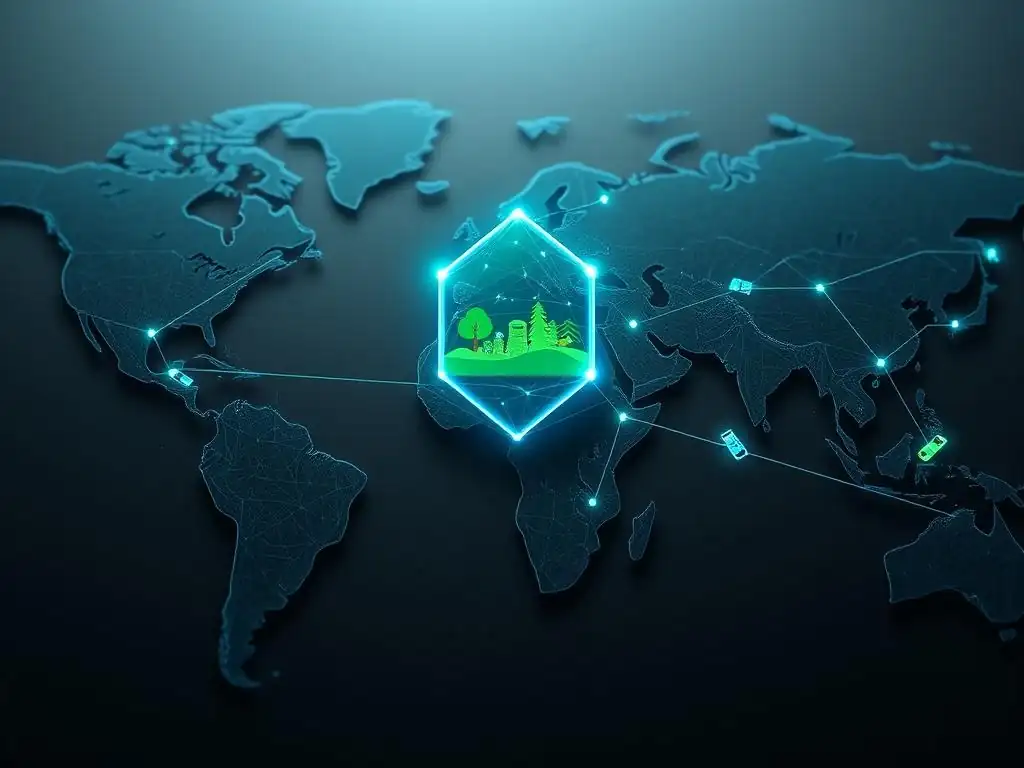
Welcome to Blockchain Trends, your go-to source for understanding the real-world impact of blockchain technology. Beyond the hype surrounding cryptocurrencies, we delve into the transformative power of decentralized systems across industries. Ever wonder how blockchain can create a more ethical and transparent world? This week, we explore a groundbreaking blockchain supply chain ethics strategy, uncovering how businesses are leveraging this technology to build trust and gain a competitive advantage. Discover how transparency can be more than just a buzzword – it can be your strategy.
Transparency as a Strategy: Leveraging Blockchain for Ethical Supply Chain Advantage
- Introduction: Blockchain and the New Era of Ethical Supply Chains
- Understanding Blockchain's Role in Supply Chain Ethics
- The Benefits of a Blockchain Supply Chain Ethics Strategy
- Implementing a Blockchain-Based Ethical Supply Chain
- Real-World Examples of Blockchain for Ethical Supply Chain Management
- Overcoming Challenges in Blockchain Supply Chain Adoption
- The Future of Blockchain and Supply Chain Ethics
- Conclusion: Embracing Blockchain for a More Ethical and Transparent Future
-
Frequently Asked Questions
- What is the main benefit of using blockchain for supply chain ethics, as highlighted in the article?
- How does blockchain technology help in implementing a "Blockchain supply chain ethics strategy"?
- Beyond tracking, what other applications of blockchain are relevant to ethical supply chain management?
- How can companies demonstrate their commitment to ethical sourcing using blockchain?
- What are some of the challenges in implementing a blockchain-based ethical supply chain?
- Final Reflection: Embracing Transparency in the Chain
- Embrace the Future: Reimagine Your Ethical Impact!
Introduction: Blockchain and the New Era of Ethical Supply Chains
The Growing Demand for Transparency in Supply Chains
In today's globalized economy, supply chains are increasingly complex, spanning multiple countries and involving numerous intermediaries. Consumers, regulators, and investors are placing unprecedented pressure on companies to demonstrate the ethical sourcing and production of their goods. Recent surveys indicate that a significant portion of consumers, often cited as over 60%, are willing to pay more for products from companies that can prove ethical practices, such as fair labor conditions and sustainable resource management. This growing demand is driven by increased awareness of social and environmental issues linked to opaque supply chains, including forced labor, environmental damage, and product counterfeiting.
This heightened scrutiny means that simply stating a commitment to ethics is no longer sufficient. Businesses must provide verifiable evidence of their ethical claims. Regulatory bodies worldwide are also imposing stricter requirements, such as the EU's due diligence obligations regarding supply chain risks and the US Uyghur Forced Labor Prevention Act. Without a robust system for tracking goods from origin to consumption, companies face reputational damage, legal penalties, and financial losses. Developing a clear Blockchain supply chain ethics strategy is becoming essential not just for compliance, but for competitive advantage.
How Blockchain Technology Addresses Supply Chain Ethical Concerns
Blockchain technology offers a novel solution to the inherent opacity and fragmentation that plague traditional supply chains. Its core characteristics—immutability, transparency, and decentralization—directly counter the challenges of data silos, lack of trust between parties, and the potential for data manipulation. By creating a shared, tamper-proof record of transactions and product movements, blockchain can establish an indisputable chain of custody. This allows stakeholders, from producers to consumers, to verify the origin, journey, and handling of products, providing an unprecedented level of visibility.
Specifically, blockchain can help address ethical concerns by making it difficult to hide unethical practices. For instance, if a product's origin is linked to regions with known labor issues, the blockchain record can flag this. If materials are sourced from unsustainable locations, the ledger can reflect this. This verifiable transparency enables companies to proactively identify and mitigate risks within their supply chain, ensuring that ethical standards are not just stated but demonstrably upheld. Implementing a comprehensive Blockchain supply chain ethics strategy transforms transparency from a mere reporting requirement into a strategic tool for building trust and ensuring integrity.
Understanding Blockchain's Role in Supply Chain Ethics
What is Blockchain and How Does it Work for Supply Chain Traceability?
At its heart, blockchain is a distributed ledger technology (DLT) that records transactions across a network of computers. Unlike traditional databases, the ledger is not stored in a single location but is replicated and synchronized across all participating nodes. Each transaction, or block of transactions, is cryptographically linked to the previous one, forming a chain that is extremely difficult to alter retroactively. When applied to a supply chain, each significant event—such as a product being harvested, processed, shipped, or sold—can be recorded as a transaction on the blockchain.
For supply chain traceability, this means that as a product moves through different stages, relevant data points are added to the blockchain. This could include information about the source of raw materials, manufacturing details, quality control checks, transportation routes, and timestamps. Because each record is linked and validated by the network, it creates an auditable, end-to-end history of the product. This shared, single source of truth eliminates disputes over data accuracy and provides verifiable proof of provenance, which is fundamental to any effective Blockchain supply chain ethics strategy.
Key Features of Blockchain for Enhanced Supply Chain Transparency
Immutability and Data Integrity
One of the most critical features of blockchain for supply chain ethics is its immutability. Once data is recorded on the blockchain and validated by the network, it is virtually impossible to change or delete it without the consensus of a majority of participants. This characteristic is vital in supply chains where data manipulation can be used to conceal unethical practices, such as misrepresenting product origin, hiding hazardous waste disposal, or falsifying quality certifications.
The immutability ensures that the recorded history of a product – detailing its source, handling, and journey – is reliable and tamper-proof. For example, if a batch of coffee beans is recorded as originating from a fair-trade certified farm on the blockchain, that information cannot be fraudulently altered later in the chain. This integrity builds a foundation of trust and provides verifiable proof points essential for demonstrating ethical compliance as part of a robust Blockchain supply chain ethics strategy.
Decentralization and Trust
Traditional supply chain data systems often rely on centralized databases managed by individual companies or intermediaries. This creates data silos and requires parties to trust the central authority or each other to maintain accurate records. Trust can be a major hurdle in complex global supply chains involving many different entities with potentially competing interests. Blockchain, being a decentralized ledger, removes the need for a single point of authority or trust.
In a blockchain-based supply chain, data is shared across a network of participants, and the validation of transactions is distributed among them. This distributed trust model means that no single entity has complete control over the data, making it more resistant to collusion and manipulation. All authorized participants can view the same ledger, fostering transparency and collaboration. This inherent trust layer is critical for enabling an effective Blockchain supply chain ethics strategy across a diverse ecosystem of suppliers, manufacturers, distributors, and retailers.
Smart Contracts for Automated Compliance
Smart contracts are self-executing contracts with the terms of the agreement directly written into lines of code. These contracts reside on the blockchain and automatically execute predefined actions when specific conditions are met. In the context of supply chain ethics, smart contracts can automate compliance checks and trigger actions based on verifiable data recorded on the ledger.
For instance, a smart contract could be programmed to release payment to a supplier only after the blockchain verifies that goods arrived at a specific location and met certain quality standards, potentially verified by IoT sensors also linked to the blockchain. Similarly, a smart contract could enforce ethical sourcing rules, automatically flagging or halting transactions if the recorded data indicates a breach of pre-agreed ethical standards, such as sourcing from a prohibited region or failing to provide proof of labor compliance.
This automation streamlines processes, reduces the need for manual checks, and provides an objective enforcement mechanism for a Blockchain supply chain ethics strategy.
The Benefits of a Blockchain Supply Chain Ethics Strategy
Enhanced Traceability and Provenance Tracking
One of the most tangible benefits of implementing a Blockchain supply chain ethics strategy is the dramatic improvement in traceability. Companies can achieve granular, end-to-end visibility into the journey of their products, from the initial raw material or component to the final consumer. This level of detail allows businesses to pinpoint the exact origin of goods, track every step of their processing and transportation, and verify the authenticity of materials and certifications.
For example, a company using blockchain to track conflict minerals can verify the mine of origin and ensure that the minerals have not passed through conflict zones. In the food industry, traceability is crucial for verifying claims like "organic," "fair trade," or "region-specific." This enhanced traceability not only helps ensure compliance with ethical sourcing policies but also allows for rapid identification and isolation of issues, such as contaminated products, limiting the scope and impact of recalls.
Improved Accountability and Reduced Risk of Fraud
Blockchain's immutable and shared ledger significantly enhances accountability among all participants in the supply chain. Because every transaction and data point is recorded and visible to authorized parties, it becomes much harder for individual actors to hide misconduct or shift blame. If an ethical lapse occurs, the blockchain record provides clear evidence of where and when it happened, allowing companies to hold the responsible party accountable.
This transparency acts as a strong deterrent against fraudulent activities, including counterfeiting, adulteration, and mislabeling. For instance, in the luxury goods market, blockchain can track each item's unique identifier from manufacturing, providing verifiable proof of authenticity and making it difficult to introduce fakes into the supply chain. By reducing the opportunities for fraud and increasing accountability, a Blockchain supply chain ethics strategy helps build a more trustworthy and reliable network.
Building Consumer Trust and Brand Reputation
In an era where consumers are increasingly concerned about the ethical and environmental impact of their purchases, the ability to transparently demonstrate responsible practices is a powerful differentiator. A Blockchain supply chain ethics strategy allows companies to share verifiable information with consumers about the products they buy – where they came from, who made them, and under what conditions. This can be done through QR codes on packaging linked to the blockchain data.
Providing this level of transparency helps build trust and strengthens brand reputation. Consumers are more likely to support brands they perceive as ethical and transparent. For example, a coffee company using blockchain to prove fair wages were paid to farmers can directly communicate this value to consumers. This not only fosters loyalty but can also attract new customers who prioritize ethical consumption, contributing to market share growth and positive brand perception.
Streamlined Audits and Regulatory Compliance
Navigating the complex landscape of supply chain regulations and ethical certifications can be a time-consuming and resource-intensive process. Traditional audits often rely on disparate, potentially incomplete, or inconsistent records held by different parties. A blockchain-based system centralizes and standardizes this data on an immutable ledger.
With all relevant transaction and compliance data recorded on the blockchain, audits become significantly more efficient. Auditors can access a single, trustworthy source of information, reducing the need for extensive manual checks and verification across multiple systems. This streamlined process not only saves time and money but also improves the accuracy of audits and makes it easier for companies to demonstrate compliance with ethical standards and regulatory requirements, strengthening their overall Blockchain supply chain ethics strategy.
Implementing a Blockchain-Based Ethical Supply Chain
Identifying Key Stakeholders and Data Points
Implementing a successful Blockchain supply chain ethics strategy begins with a thorough understanding of the supply chain ecosystem and the specific ethical challenges it faces. The first step is to identify all key stakeholders involved, from raw material suppliers and farmers to manufacturers, logistics providers, distributors, retailers, and even recyclers. Engaging these parties early is crucial for gaining their buy-in and cooperation.
Simultaneously, businesses must define the critical data points that need to be tracked on the blockchain to address specific ethical concerns. This might include origin data (e.g., farm location, mine ID), labor condition certifications, environmental impact data (e.g., water usage, waste disposal records), quality control results, and transportation details. Clearly defining these data requirements ensures that the blockchain solution is designed to capture the information necessary to prove ethical compliance and build a robust Blockchain supply chain ethics strategy.
Choosing the Right Blockchain Platform
The blockchain landscape is diverse, with various platforms offering different features, consensus mechanisms, and levels of privacy and scalability. Choosing the right platform is a critical decision. Options range from public blockchains (like Ethereum or Bitcoin, though less common for enterprise supply chains due to privacy/cost) to permissioned blockchains (like Hyperledger Fabric, R3 Corda) and consortium blockchains, which are often preferred for supply chain use cases.
Factors to consider include the required transaction throughput, data privacy needs (who should see what data), ease of integration with existing systems, the cost of transactions, and the maturity of the platform's ecosystem and tooling. A permissioned or consortium blockchain often provides the necessary control over participant access and data visibility while maintaining the core benefits of immutability and transparency essential for a Blockchain supply chain ethics strategy. Pilots and proof-of-concept projects can help evaluate platform suitability before full-scale deployment.
Developing a Governance Model for Data Sharing and Access
While blockchain inherently promotes transparency, not all data in a supply chain is suitable or legally permissible for public view. A robust governance model is essential to define who has access to which data on the blockchain and under what conditions. This involves establishing clear rules and protocols for data input, validation, access permissions, and dispute resolution among network participants.
The governance model should address issues such as data ownership, the process for adding new participants, how errors (rare but possible, e.g., incorrect initial entry) are handled, and how sensitive commercial or personal data is protected while maintaining the integrity of the ethical tracking data. A well-defined governance framework ensures that the blockchain network operates effectively and maintains the trust necessary to support a comprehensive Blockchain supply chain ethics strategy among all involved parties.
Integrating Blockchain with Existing Supply Chain Systems
Integrating a new blockchain solution with existing legacy supply chain systems (such as ERP, WMS, TMS) is often one of the most complex steps in implementation. Data needs to flow seamlessly between these systems and the blockchain to ensure accurate and real-time tracking. This often requires developing APIs (Application Programming Interfaces) or middleware to connect disparate systems.
The goal is to automate the process of capturing relevant data points from existing operational systems and recording them on the blockchain without requiring significant manual effort. This integration ensures that the blockchain ledger reflects actual physical movements and events within the supply chain. Successful integration is key to unlocking the full potential of a Blockchain supply chain ethics strategy, making the process efficient and ensuring data accuracy without disrupting current operations.
Real-World Examples of Blockchain for Ethical Supply Chain Management
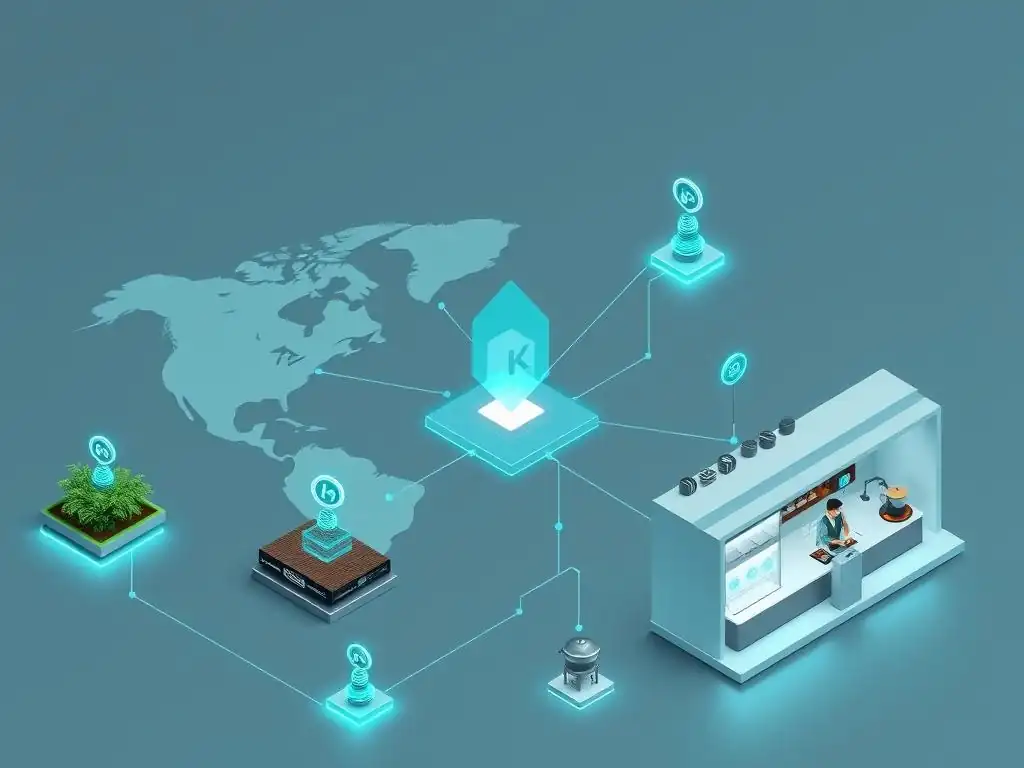
Case Study 1: De Beers' Tracr Platform for Diamond Tracking
The diamond industry has long faced challenges related to verifying the origin of stones and ensuring they are not "conflict diamonds" or associated with unethical labor practices. De Beers, a leading diamond company, developed the Tracr platform using blockchain technology to address these issues and enhance consumer confidence.
Tracr creates a unique, immutable digital record for each diamond registered on the platform, tracking it from the mine of origin through cutting, polishing, manufacturing, and retail. Key data points like weight, color, clarity, cut, and unique identifiers are recorded at each stage. This provides verifiable proof of provenance, assuring retailers and consumers that the diamond is ethically sourced and authentic. By implementing this blockchain supply chain ethics strategy, De Beers aims to increase transparency across the value chain and combat illicit trade.
Case Study 2: Walmart's Blockchain for Tracking Mangoes
Walmart, one of the world's largest retailers, has successfully piloted and implemented blockchain technology, particularly for food traceability, to enhance safety and ethical sourcing. A notable example is their use of blockchain to track mangoes from farm to store.
Before blockchain, tracing the origin of a contaminated food item could take days or even weeks, potentially leading to widespread illness. Using the Hyperledger Fabric blockchain, Walmart reduced the time it takes to trace a package of mangoes back to its source farm from approximately seven days to just seconds. While primarily focused on food safety, this rapid traceability also supports ethical sourcing by making it easier to verify farm conditions and practices. This demonstrates how a Blockchain supply chain ethics strategy can overlap with and enhance food safety protocols, providing rapid, verifiable data.
Case Study 3: IBM Food Trust for Food Safety
IBM Food Trust is a blockchain-based platform designed to connect participants across the food supply chain, from producers and processors to wholesalers, distributors, manufacturers, retailers, and consumers. Built on Hyperledger Fabric, it aims to improve transparency and efficiency in tracing food products.
While its primary driver is food safety and reducing the impact of recalls, IBM Food Trust inherently supports ethical sourcing and sustainability initiatives. By providing a shared, permissioned ledger of food origins, certifications (like organic or fair trade), and transportation details, it enables participants to verify ethical claims and track products associated with specific ethical standards. Companies like Dole and Nestlé have joined the platform to enhance traceability and build consumer trust, showcasing how a collaborative Blockchain supply chain ethics strategy can be implemented across an entire industry.
Overcoming Challenges in Blockchain Supply Chain Adoption
Data Privacy and Security Considerations
While blockchain enhances security through cryptography and decentralization, implementing a Blockchain supply chain ethics strategy still presents data privacy challenges. Supply chain data can be highly sensitive, containing proprietary information about suppliers, costs, routes, and customer details. Ensuring that only authorized parties have access to specific information on the blockchain is crucial.
Permissioned blockchains offer more control over data access compared to public chains, allowing companies to define granular permissions. However, designing the network and smart contracts to protect sensitive commercial data while making relevant ethical data transparent requires careful planning. Compliance with data privacy regulations like GDPR also needs to be considered, especially when dealing with personal data potentially linked to individuals within the supply chain. Robust encryption and access control mechanisms are paramount.
Scalability and Interoperability Issues
Scalability remains a significant challenge for many blockchain platforms. As the number of transactions and participants grows across complex, high-volume supply chains, the network's ability to process transactions quickly and efficiently can become strained. While newer blockchain technologies are addressing this, it's a key consideration when choosing a platform for a large-scale Blockchain supply chain ethics strategy.
Interoperability, the ability of different blockchain networks and traditional IT systems to communicate and exchange data, is another hurdle. A global supply chain might involve participants using different blockchain platforms or legacy systems. Seamless data flow across these disparate systems is essential for end-to-end visibility. Developing standards and middleware for interoperability is an ongoing effort in the blockchain space, but it requires careful planning during implementation.
Regulatory Hurdles and Compliance Requirements
The regulatory landscape surrounding blockchain technology is still evolving in many jurisdictions. Uncertainty about legal status, data ownership, and the enforceability of smart contracts can pose challenges for widespread adoption of a Blockchain supply chain ethics strategy. Different countries may have conflicting regulations regarding data localization, privacy, and digital signatures.
Furthermore, integrating blockchain data with existing compliance reporting frameworks requires careful consideration. Companies need to ensure that the data recorded on the blockchain meets the requirements of relevant industry standards, certifications (e.g., ISO standards, fair trade labels), and governmental regulations. Navigating this complex regulatory environment requires legal expertise and careful design of the blockchain solution to ensure compliance.
Cost-Benefit Analysis of Blockchain Solutions
Implementing a blockchain solution involves significant initial investment in technology, infrastructure, integration with existing systems, and training personnel. The ongoing costs include network maintenance, transaction fees (depending on the platform), and potential upgrades. For many companies, especially SMEs, the perceived cost can be a barrier to adopting a Blockchain supply chain ethics strategy.
A thorough cost-benefit analysis is essential to justify the investment. The benefits, while sometimes hard to quantify initially, include reduced risk of fraud and recalls, improved efficiency in audits, enhanced brand reputation leading to increased sales, and potential access to new markets that demand high levels of transparency. Demonstrating a clear return on investment by quantifying these benefits is crucial for securing internal buy-in and successfully implementing a blockchain supply chain ethics strategy.
The Future of Blockchain and Supply Chain Ethics
Emerging Trends in Blockchain-Based Supply Chain Solutions
The field of blockchain for supply chains is rapidly evolving. One key trend is the move towards more specialized, industry-specific blockchain solutions tailored to the unique needs and ethical challenges of sectors like food, pharmaceuticals, fashion, and electronics. These platforms often come with pre-built modules for tracking specific data points relevant to that industry's ethical considerations, such as temperature monitoring for pharmaceuticals or material certifications for fashion.
Another trend is the development of more user-friendly interfaces and tools that abstract away the technical complexities of blockchain, making it easier for non-technical stakeholders within the supply chain to participate and contribute data. Furthermore, advancements in privacy-preserving technologies on blockchain, such as zero-knowledge proofs, are enabling companies to share verifiable data about ethical compliance without revealing sensitive underlying business information, addressing some of the privacy concerns. These trends will make implementing a Blockchain supply chain ethics strategy more accessible and effective.
The Role of AI and IoT in Enhancing Blockchain Transparency
The true power of blockchain in supply chains is amplified when combined with other emerging technologies like the Internet of Things (IoT) and Artificial Intelligence (AI). IoT devices, such as sensors tracking temperature, humidity, location, or even air quality, can automatically collect real-time data about a product's journey and conditions.
This data can then be directly fed onto the blockchain, creating an automated, objective, and continuous record of events. AI can analyze this vast amount of immutable data on the blockchain to identify anomalies, predict potential ethical risks (e.g., deviations in temperature suggesting product spoilage or unusual delays indicating potential diversion), and audit compliance patterns more efficiently than human auditors. The synergy between blockchain, IoT, and AI offers the potential for unprecedented levels of transparency and proactive ethical risk management within a sophisticated Blockchain supply chain ethics strategy.
Predictions for the Adoption of Blockchain in Various Industries
Industry analysts predict significant growth in the adoption of blockchain technology specifically for supply chain management and traceability in the coming years. Reports suggest the global blockchain in supply chain market could reach tens of billions of dollars by the mid-2020s. While adoption rates vary by industry, sectors with high-value goods, complex regulatory environments, or significant consumer demand for ethical sourcing are leading the way.
The food and agriculture, pharmaceuticals, luxury goods, and extractives industries are expected to see particularly strong growth in blockchain adoption for traceability and ethical compliance. As the technology matures, costs decrease, and successful case studies proliferate, blockchain will likely become a standard tool for companies across a wide range of sectors seeking to build trust, enhance efficiency, and demonstrate ethical responsibility through a robust Blockchain supply chain ethics strategy.
Conclusion: Embracing Blockchain for a More Ethical and Transparent Future
The Long-Term Benefits of a Blockchain Supply Chain Ethics Strategy
Adopting a Blockchain supply chain ethics strategy offers profound long-term benefits that extend far beyond simple compliance. It builds a foundation of verifiable trust and transparency across the entire supply chain ecosystem, fostering stronger relationships with suppliers, partners, and customers. This enhanced trust translates into improved collaboration, reduced disputes, and greater overall efficiency.
Furthermore, by proactively addressing ethical risks and demonstrating a commitment to responsible practices, companies can significantly enhance their brand reputation, attract ethically conscious consumers, and potentially command premium pricing. The ability to quickly and accurately trace products also drastically reduces the impact and cost of recalls or regulatory investigations. Ultimately, a well-executed Blockchain supply chain ethics strategy is not just about mitigating risk; it's a strategic investment in building a resilient, reputable, and future-proof business that aligns with growing global demands for corporate responsibility.
Call to Action: Exploring Blockchain Solutions for Your Supply Chain
The evidence is clear: blockchain technology holds immense potential to transform supply chains, making them more transparent, accountable, and ethical. For businesses navigating the complexities of global sourcing and increasing stakeholder expectations, exploring how blockchain can be integrated into their operations is no longer optional but a strategic imperative.
Companies should begin by assessing their current supply chain vulnerabilities, identifying key ethical risks, and evaluating where enhanced traceability and transparency could yield the most significant benefits. Engaging with blockchain solution providers and potentially participating in industry consortiums or pilot programs can provide valuable insights and experience. Embracing a forward-thinking Blockchain supply chain ethics strategy is a critical step towards building a more responsible business and securing a competitive edge in the global market.
Frequently Asked Questions
What is the main benefit of using blockchain for supply chain ethics, as highlighted in the article?
The primary benefit is enhanced transparency. Blockchain allows for immutable tracking of products, verifying ethical sourcing and production practices throughout the supply chain. This builds consumer trust and reduces the risk of unethical practices.
How does blockchain technology help in implementing a "Blockchain supply chain ethics strategy"?
Blockchain provides a shared, distributed ledger where every transaction is recorded and verifiable. This allows businesses to track products from origin to consumer, providing evidence of ethical practices and compliance with regulations. It helps build a trustworthy and transparent system.
Beyond tracking, what other applications of blockchain are relevant to ethical supply chain management?
Blockchain can facilitate smart contracts to automatically enforce ethical standards and agreements with suppliers. It can also be used for secure data sharing among stakeholders and to verify certifications related to ethical and sustainable practices.
How can companies demonstrate their commitment to ethical sourcing using blockchain?
By integrating blockchain into their supply chain, companies can provide verifiable proof of their ethical practices. This includes tracking the origin of raw materials, labor conditions, and environmental impact, all accessible through a transparent and auditable ledger.
What are some of the challenges in implementing a blockchain-based ethical supply chain?
Challenges include the complexity of integrating blockchain with existing systems, the need for collaboration among all supply chain partners, and the potential for data privacy concerns that need to be addressed through careful design and implementation.
Final Reflection: Embracing Transparency in the Chain
The journey through the potential of blockchain for ethical supply chain management culminates in a powerful realization: transparency is no longer just a buzzword, but a strategic imperative. The ability to trace products from origin to consumer, ensuring fair labor practices and sustainable sourcing, is not only ethically sound but also a competitive advantage in today's conscious marketplace.
The impact of this shift is already rippling through industries, forcing companies to re-evaluate their practices and embrace accountability. The demand for ethically sourced goods is only growing stronger, and blockchain offers a tangible solution to build trust and demonstrate genuine commitment. The future of supply chains is not just about efficiency, but about ethics and transparency. Consumers are demanding it, and technology is enabling it.
- Unknown Industry Analyst
As we stand at the cusp of this transformation, it's time to ask ourselves: how can we personally contribute to a more ethical and transparent world? Let us embrace the power of informed choices, support businesses that prioritize ethical practices, and advocate for the adoption of blockchain technology to ensure a future where every product tells a story of fairness, sustainability, and integrity.
Okay, I understand. Here's a Call to Action (CTA) I've crafted for the end of a web article titled "Transparency as a Strategy: Leveraging Blockchain for Ethical Supply Chain Advantage" on Blockchain Trends (blockchaintrends.org):
Embrace the Future: Reimagine Your Ethical Impact!
Thank you for exploring how blockchain can revolutionize ethical supply chains. Now that you've gained insights into fostering transparency and building trust, it's time to transform knowledge into action and reshape the future of responsible business practices.
Here's how to start making a difference:
- Dive deep: Audit one key aspect of your supply chain for potential ethical improvements, documenting the process on a publicly accessible, permissioned blockchain.: This is the biggest step towards true accountability.
- Explore related articles on blockchaintrends.org to discover groundbreaking real-world implementations of blockchain in supply chain management and share the most impactful one with your professional network to spark further discussion.
- Challenge your industry peers to adopt similar ethical transparency initiatives. Nominate a company to receive the "Ethical Supply Chain Innovator" award (hypothetically, of course!) and publicly announce your nomination on social media.
What specific ethical challenge within your industry’s supply chain are you most passionate about addressing using blockchain technology, and what initial steps are you planning to take this week? Let us know in the comments!
Leave a Reply