
Unlocking Economic Opportunity: How Blockchain Can Foster Financial Inclusion Worldwide


Welcome to Blockchain Trends, your go-to source for understanding the transformative power of blockchain technology. Beyond the headlines of cryptocurrencies lies a universe of possibilities, particularly in areas like blockchain financial inclusion opportunities. Intrigued by how this disruptive technology can empower the underserved and unlock economic opportunity for millions? Dive in and explore how blockchain is revolutionizing access to finance and shaping a more equitable future. Let's uncover the potential, together.
- Blockchain Financial Inclusion Opportunities: A Deep Dive
-
Frequently Asked Questions
- What are the primary Blockchain financial inclusion opportunities discussed in the article?
- How can blockchain technology help the unbanked population gain access to financial services?
- What role does regulation play in maximizing Blockchain financial inclusion opportunities?
- Beyond cryptocurrencies, what are some specific enterprise applications of blockchain that contribute to financial inclusion?
- What does the article suggest about the future of decentralized systems in relation to Blockchain financial inclusion opportunities?
- Final Reflection: Embracing Decentralized Prosperity
- Empower Change: Take Action for Global Financial Inclusion!
Blockchain Financial Inclusion Opportunities: A Deep Dive
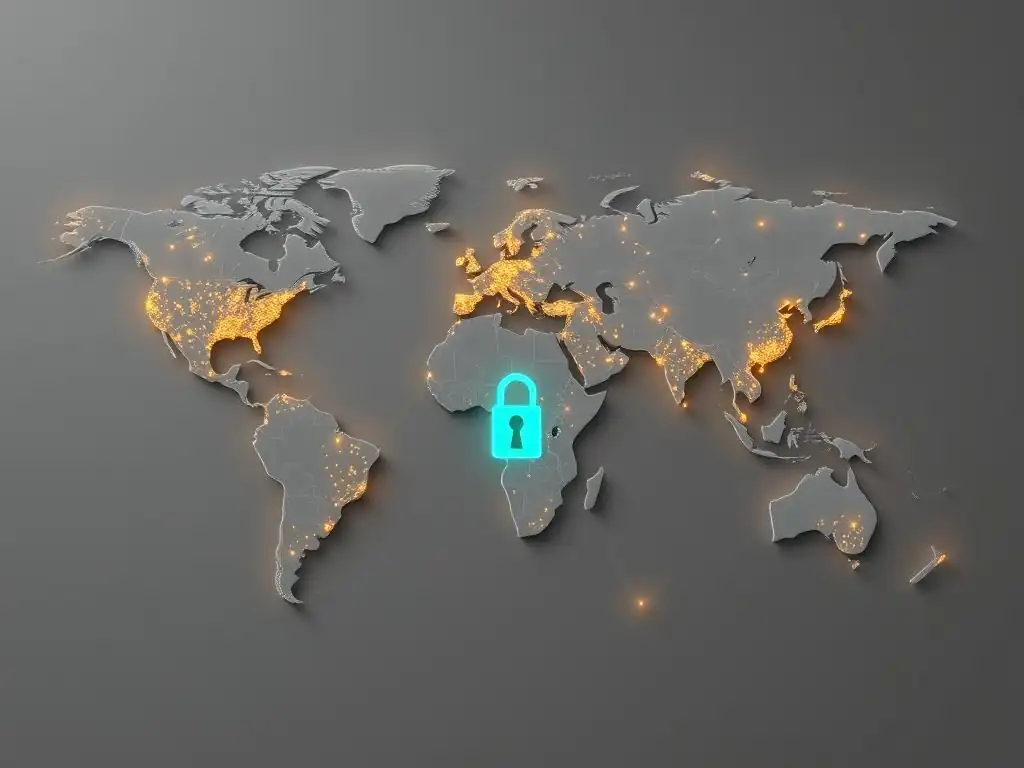
Lowering Transaction Costs with Blockchain Technology
One of the most significant barriers to financial inclusion, particularly for low-income populations and migrants, is the high cost of traditional financial transactions. Sending remittances across borders often involves multiple intermediaries, each adding fees. According to the World Bank, the global average cost of sending remittances was around 6.2% in the first quarter of 2023, although this figure can be significantly higher in certain corridors, sometimes exceeding 10%.
These costs disproportionately affect those who can least afford them, reducing the amount of money received by families and hindering economic development. Traditional banking fees for basic services or small transactions can also be prohibitive for many, effectively pricing them out of the formal financial system.
Blockchain technology offers a compelling alternative by enabling peer-to-peer transactions that bypass many of these traditional intermediaries. By leveraging decentralized networks, the operational costs associated with maintaining bank branches, extensive staffing, and complex legacy systems are drastically reduced. This structural efficiency translates directly into lower transaction fees for users.
For example, sending money via a blockchain-based platform can potentially cost less than 2% of the transaction value, sometimes even less than 1% for certain protocols or stablecoin transfers. This dramatic reduction in costs unlocks significant Blockchain financial inclusion opportunities, making it feasible for individuals to send and receive smaller amounts of money affordably, pay for goods and services, and participate in micro-economies without being burdened by excessive fees.
Enhancing Transparency and Security in Financial Services
Lack of trust and concerns about security are major deterrents for individuals considering formal financial services, especially in regions where corruption or opaque practices are perceived risks. Traditional financial systems, while regulated, can sometimes lack transparency for the end-user regarding how their funds are handled or why certain fees are applied. Furthermore, centralized databases holding sensitive financial information can be attractive targets for cyberattacks, leading to potential data breaches and financial loss. For individuals with limited financial literacy or trust in institutions, these factors create significant hurdles to participation.
Blockchain's inherent characteristics address these concerns head-on, providing robust Blockchain financial inclusion opportunities built on trust and security. The distributed ledger records all transactions on a network of computers, making it virtually impossible for any single entity to alter records retroactively without the consensus of the network. This immutability provides a high degree of transparency, as transactions can be verified and audited by participants (depending on the type of blockchain).
Cryptographic security ensures that transactions are secure and that funds can only be accessed by the rightful owner. This enhanced transparency and security can help build confidence among potential users, reduce fraud risks in lending and payments, and provide a verifiable history of transactions, which can be crucial for accessing services like microcredit or insurance for individuals without traditional credit histories.
Decentralized Identity (DID): Empowering the Unbanked
A fundamental challenge for financial inclusion is the lack of official identification. An estimated 1 billion people globally lack legally recognized proof of identity, according to the World Bank. Without identity documents, individuals cannot open bank accounts, access formal credit, receive government benefits, register businesses, or even prove land ownership. Traditional identity systems are often centralized, bureaucratic, expensive to obtain, and difficult to verify, particularly for marginalized populations, refugees, or those living in remote areas. This lack of identity is a critical barrier preventing access to essential financial services and economic participation.
Decentralized Identity (DID) systems, often leveraging blockchain technology, offer a transformative solution to this problem, creating substantial Blockchain financial inclusion opportunities. Unlike traditional systems where identity data is stored and controlled by central authorities (governments, banks), DID models allow individuals to own and manage their digital identity. Users can selectively share verifiable credentials (e.g., proof of age, address, employment history, educational qualifications) directly with service providers without needing a central intermediary.
These credentials are cryptographically secured and recorded on a blockchain, making them tamper-proof and easily verifiable. By providing a portable, secure, and self-sovereign identity, DID empowers the unbanked to prove who they are and access a range of services previously unavailable to them, from opening a digital wallet to applying for a microloan or receiving remittances, thereby opening pathways to economic empowerment.
Frequently Asked Questions
What are the primary Blockchain financial inclusion opportunities discussed in the article?
The article focuses on how blockchain can reduce transaction costs, improve access to financial services for the unbanked, and enhance transparency in financial operations.
How can blockchain technology help the unbanked population gain access to financial services?
Blockchain enables peer-to-peer transactions without intermediaries, creating decentralized finance (DeFi) solutions that can reach underserved communities directly, bypassing traditional banking infrastructure.
What role does regulation play in maximizing Blockchain financial inclusion opportunities?
Regulation is crucial for establishing trust and security, promoting responsible innovation, and protecting consumers participating in blockchain-based financial systems.
Beyond cryptocurrencies, what are some specific enterprise applications of blockchain that contribute to financial inclusion?
Supply chain finance and identity management are two key enterprise applications. Blockchain provides transparent and secure record-keeping, which can facilitate access to credit and streamline KYC processes.
What does the article suggest about the future of decentralized systems in relation to Blockchain financial inclusion opportunities?
The article suggests a future where decentralized systems offer more equitable and accessible financial services globally, promoting economic empowerment and reducing inequality through innovative blockchain solutions.
Final Reflection: Embracing Decentralized Prosperity
The potential of blockchain to revolutionize financial inclusion, as explored throughout this article, is not just a theoretical concept; it's a tangible opportunity to reshape global economies and empower marginalized communities. The barriers to traditional financial systems are often insurmountable for billions, but blockchain offers a decentralized, transparent, and accessible alternative that can unlock economic potential on an unprecedented scale.
The impact of blockchain on financial inclusion is already being felt, though its full potential remains largely untapped. Witnessing the emergence of micro-lending platforms, secure digital identities, and transparent supply chains built on blockchain underscores the profound shift underway. Financial inclusion is not just about access to banking services; it's about empowering individuals to participate fully in the economy and build a better future for themselves and their families.
This quote encapsulates the core of what we're striving for: a world where everyone has the opportunity to thrive.
As we look ahead, let us not simply observe the evolution of blockchain financial inclusion opportunities, but actively participate in shaping them. Consider how you can contribute, whether through supporting innovative projects, advocating for inclusive policies, or simply educating yourself and others about the transformative power of this technology. The future of financial inclusion is not predetermined; it is a future we build together, brick by digital brick.
Empower Change: Take Action for Global Financial Inclusion!
Thank you for exploring how blockchain technology can transform financial access for underserved communities. You've gained valuable insights into the potential for economic empowerment through innovative solutions. Now, it's time to turn that knowledge into meaningful action.
Here are some steps you can take to make a difference:
- Become an Advocate for Financial Inclusion: Reach out to local organizations dedicated to financial literacy or poverty alleviation and explore ways you can contribute your time, skills, or resources to support blockchain-based initiatives.
- Learn and Share: Research successful blockchain projects in developing economies and share articles or podcasts with your network to raise awareness about its transformative potential.
- Start the Conversation: Share this article on your social media platforms and encourage your contacts to discuss the future of financial inclusion through blockchain technology.
What specific actions will you take to promote blockchain-driven financial inclusion and help create a more equitable world?
Leave a Reply