
Unlocking Untapped Potential: Blockchain's Role in Scaling Global Philanthropy


Welcome to Blockchain Trends, your guide to navigating the evolving landscape of decentralized technologies. Beyond the buzzwords, we delve into the real-world applications of blockchain, from transforming finance to reshaping industries. Are you ready to discover how this revolutionary technology is poised to create a more equitable and efficient world?
This month, we explore a particularly compelling application: blockchain philanthropy scaling solutions. Can blockchain unlock untapped potential and revolutionize how we approach global giving? Join us as we investigate the innovative ways blockchain is being used to increase transparency, reduce costs, and ultimately, scale the impact of philanthropic efforts worldwide. Prepare to be inspired by the possibilities!
Revolutionizing Global Aid: Blockchain Solutions for Enhanced Transparency and Impact
- Introduction: The Transformative Potential of Blockchain in Humanitarian Aid
- Understanding the Current Landscape of Global Humanitarian Aid
- Blockchain Technology: A Foundation for Scalable and Transparent Aid
- Blockchain Solutions for Scaling Aid: Practical Applications and Use Cases
- Overcoming Challenges to Blockchain Adoption in Humanitarian Aid
- The Future of Humanitarian Aid: Blockchain-Enabled Transformation
- Blockchain Solutions for Scaling Aid: Key Takeaways
- Conclusion: Embracing Blockchain for a More Impactful and Equitable Future
-
Frequently Asked Questions
- What are the primary benefits of using blockchain technology for philanthropy?
- How can blockchain address the issue of trust in philanthropic organizations?
- What are some examples of DeFi solutions being used to enhance philanthropic efforts?
- What are the key regulatory challenges facing blockchain-based philanthropic initiatives?
- How can blockchain technology help scale philanthropic efforts to reach more people in need?
- Final Reflection: Embracing Transparency for a Brighter Future
- Ignite Change: Become a Blockchain Philanthropy Pioneer!
Introduction: The Transformative Potential of Blockchain in Humanitarian Aid
Beyond Traditional Aid Models: Why Blockchain is Crucial for Modern Humanitarian Efforts
The landscape of global humanitarian aid is vast and complex, with billions of dollars disbursed annually to address crises ranging from natural disasters to protracted conflicts. In 2022, global humanitarian funding reached a record $24.5 billion, yet the needs continue to outstrip resources significantly. Despite the scale of these efforts, traditional aid models often grapple with systemic inefficiencies.
These include opaque financial flows involving multiple intermediaries, high transaction costs that erode the value of donations, and logistical bottlenecks in delivering aid to remote or insecure locations. Estimates suggest that administrative overhead and lost resources can consume a substantial percentage of aid funds, potentially diverting millions from reaching those who need it most.
These inefficiencies not only diminish the impact of generous contributions but also contribute to a lack of trust among donors and the public. Without clear visibility into the journey of funds and resources, it becomes challenging to verify their effective use and ensure accountability. This is where blockchain technology emerges as a potentially disruptive force.
Its core attributes – transparency, immutability, and decentralization – offer a compelling alternative to the centralized, often fragmented systems currently in place. By providing a shared, tamper-proof ledger of transactions and activities, blockchain can fundamentally reshape how aid is managed, tracked, and delivered, paving the way for more effective blockchain philanthropy scaling solutions.
Blockchain Solutions for Scaling Aid: Addressing Critical Challenges
Scaling humanitarian aid effectively means more than just increasing funding; it requires overcoming fundamental operational challenges that limit reach and impact. Critical issues include establishing reliable identities for beneficiaries in areas lacking civil documentation, ensuring secure and timely financial transfers to vulnerable populations, and managing complex supply chains involving diverse goods and numerous actors across borders. Traditional systems often struggle with these complexities, leading to delays, errors, and increased opportunities for corruption or diversion of resources.
Blockchain technology offers specific tools designed to tackle these scaling impediments head-on. Digital identity solutions built on a blockchain can provide verifiable identities for individuals without traditional credentials, enabling their inclusion in aid programs. Cryptocurrencies and stablecoins facilitate rapid, low-cost cross-border payments, bypassing slow and expensive banking infrastructure.
Smart contracts can automate the distribution of aid based on predefined conditions, reducing manual processes and potential for human error. By providing a robust, transparent, and efficient infrastructure layer, blockchain supports the development of innovative blockchain philanthropy scaling solutions that can extend the reach of aid to previously inaccessible populations and maximize the impact of every dollar donated.
Understanding the Current Landscape of Global Humanitarian Aid
Inefficiencies and Transparency Issues in Traditional Aid Delivery
Traditional humanitarian aid delivery mechanisms, while well-intentioned, are often plagued by significant inefficiencies and a lack of transparency. Financial transfers from large international donors or foundations to implementing partners on the ground frequently pass through multiple layers of banks and intermediaries. Each step can incur fees, currency conversion costs, and delays, sometimes taking weeks or even months for funds to arrive.
Remittance costs globally still average around 6%, and can be significantly higher in fragile states, directly reducing the amount of aid available for direct assistance. Beyond financial flows, tracking the movement of physical goods – like food, medicine, or shelter materials – through complex international supply chains is notoriously difficult, making it hard to identify bottlenecks or verify delivery at the point of need.
This complexity and opacity contribute to a pervasive transparency gap. Donors often receive aggregated reports that provide limited detail on precisely how their funds were used or which specific individuals or communities benefited. This lack of granular visibility makes it difficult to assess program effectiveness, identify potential areas of waste, or detect instances of fraud or diversion.
A 2018 report by Transparency International highlighted that corruption remains a significant risk in humanitarian aid, estimating that substantial amounts could be lost. The difficulty in providing clear, verifiable proof of impact erodes public trust and can potentially dampen future philanthropic contributions, underscoring the urgent need for more transparent and accountable systems like those offered by blockchain philanthropy scaling solutions.
The Need for Enhanced Accountability, Traceability, and Reduced Corruption
The core principles demanded by modern humanitarian efforts are enhanced accountability and traceability. Accountability means that aid organizations and their partners are responsible for their actions and expenditures, and can demonstrate that aid reached its intended recipients and achieved its objectives.
Traceability means the ability to follow the journey of funds and resources from their origin (the donor) to their destination (the beneficiary or activity on the ground) through every step of the process. Currently, achieving this level of detail and verification is challenging with paper-based records and disparate digital systems that do not easily communicate or provide immutable logs.
Corruption, in its various forms, from petty bribery to large-scale siphoning of funds, remains a significant threat to the effectiveness of aid. By introducing verifiable, immutable records of every transaction and distribution event, blockchain technology offers a powerful deterrent to corrupt practices.
If every movement of value or goods is logged on a transparent ledger accessible to relevant parties (auditors, donors, even beneficiaries), it becomes exponentially harder to divert resources without leaving a permanent, traceable record. This inherent resistance to tampering makes blockchain an ideal foundation for building systems that enforce accountability and provide the traceability needed to significantly reduce corruption and build trust in blockchain philanthropy scaling solutions.
The Untapped Potential for Reaching Vulnerable Populations More Effectively
Reaching the most vulnerable populations is a persistent challenge in humanitarian aid. These groups often reside in remote geographical areas, are displaced by conflict or disaster, or lack basic infrastructure like roads, communication networks, or banking facilities. Delivering physical aid in such contexts is logistically difficult, costly, and can even put aid workers at risk. Furthermore, many vulnerable individuals lack official identification documents, making it hard to register them for aid programs through traditional means.
The advent of mobile technology, even in low-resource settings, presents a significant opportunity. While traditional banking may be absent, mobile phone penetration is often surprisingly high. This opens the door for digital aid delivery mechanisms.
Blockchain-based solutions, particularly those incorporating digital identity and mobile-based digital wallets, can bypass the need for physical infrastructure and traditional documents. This enables aid agencies to identify and deliver assistance directly to beneficiaries via their mobile phones, even in challenging environments. This direct, digital approach unlocks significant untapped potential for reaching previously underserved populations quickly, safely, and efficiently, demonstrating the power of blockchain philanthropy scaling solutions to expand aid's reach.
Blockchain Technology: A Foundation for Scalable and Transparent Aid
Distributed Ledger Technology (DLT): The Core of Blockchain's Power in Humanitarian Aid
At the heart of blockchain technology lies the concept of a Distributed Ledger Technology (DLT). Unlike traditional databases that are stored in a single location and controlled by a central authority, a DLT is replicated and shared across a network of computers. When a transaction occurs (such as an aid payment or the delivery of goods), it is bundled with other transactions into a "block."
This block is then validated by the network participants according to predefined rules. Once validated, the block is added to the chain of previous blocks using complex cryptography, creating an immutable and chronological record of all transactions. Altering any past transaction would require altering all subsequent blocks, a computationally infeasible task on a sufficiently distributed network.
This decentralized and immutable nature is precisely what makes DLT revolutionary for humanitarian aid. It creates a single, shared source of truth for all recorded activities that cannot be easily manipulated or erased. Every donation received, every dollar disbursed, every item delivered can be logged on the ledger, creating a permanent, verifiable history. This inherent transparency means that relevant stakeholders – from donors to auditors – can have unprecedented visibility into the flow of aid, fostering trust and accountability in ways previously impossible. This foundational technology is essential for building robust and transparent blockchain philanthropy scaling solutions.
Smart Contracts: Automating and Securing Aid Distribution and Accountability
Building on the foundation of DLT, smart contracts add a layer of automated logic to blockchain systems. A smart contract is essentially a self-executing contract with the terms of the agreement written directly into lines of code.
This code resides on the blockchain and automatically executes predefined actions when specific conditions are met and verified by the network. For instance, a smart contract could be programmed to automatically release a tranche of aid funds to a local partner only after the successful delivery of a specific quantity of supplies is verified on the ledger, or to disburse payments to beneficiaries upon verification of their identity and presence in a target area.
The power of smart contracts in humanitarian aid lies in their ability to automate processes, reduce reliance on manual intervention, and enforce contractual obligations programmatically. This automation minimizes the potential for human error, speeds up the delivery of aid, and ensures that funds and resources are disbursed precisely according to the established rules. By encoding the logic of aid distribution and accountability directly into immutable code, smart contracts enhance security and transparency, providing a high degree of assurance that processes will unfold as intended. This automation and security are critical components for effective blockchain philanthropy scaling solutions.
Cryptocurrencies and Digital Assets: Enabling Faster and More Efficient Aid Transfers
While blockchain is the underlying technology, cryptocurrencies and other digital assets often serve as the medium of exchange in blockchain-based aid systems. Unlike traditional fiat currencies transferred through banks, cryptocurrencies and stablecoins can be sent directly from one digital wallet to another, often within minutes and at significantly lower transaction costs. This is particularly advantageous for international aid transfers, which typically involve multiple currency conversions and hefty fees imposed by correspondent banks, potentially consuming 5% or more of the transferred amount.
Using digital assets allows aid organizations to bypass these traditional financial intermediaries, sending value directly and efficiently to implementing partners or even beneficiaries. Stablecoins, whose value is pegged to a stable asset like the US dollar, are often preferred in aid contexts to mitigate the volatility associated with some cryptocurrencies. This ability to conduct rapid, low-cost, peer-to-peer value transfers is transformative for humanitarian aid, enabling faster response times in emergencies and ensuring that a greater proportion of donated funds reaches the point of need. This financial efficiency is a key driver for developing impactful blockchain philanthropy scaling solutions.
Blockchain Solutions for Scaling Aid: Practical Applications and Use Cases
Transparent Aid Tracking and Management with Blockchain
One of the most compelling applications of blockchain in humanitarian aid is creating transparent and immutable records of aid tracking and management. Imagine a system where every step of the aid supply chain – from the initial donation, procurement of goods, transportation, storage in warehouses, to the final distribution to beneficiaries – is recorded as a transaction on a blockchain.
Each entry would be time-stamped, verifiable, and permanently linked to previous steps. Aid organizations could log details such as the type and quantity of goods, the individuals or entities responsible for handling them at each stage, and the eventual recipients.
This creates an end-to-end audit trail that is accessible (with appropriate permissions) to all relevant parties – including the donor organization, implementing partners, auditors, and potentially even beneficiaries themselves. This level of granular transparency makes it incredibly difficult for goods or funds to be diverted or lost without detection. It allows for real-time monitoring of aid flows, helps identify bottlenecks in the supply chain, and provides verifiable proof of delivery. This enhanced transparency and accountability are fundamental to building trust and are essential components of effective blockchain philanthropy scaling solutions.
Streamlining Aid Distribution with Blockchain-Based Identity and Payment Systems
Delivering aid directly to beneficiaries, especially in remote or crisis-affected areas, presents significant logistical challenges. Many vulnerable individuals lack official identification, making registration difficult, and traditional banking infrastructure is often non-existent. Blockchain technology offers a solution through decentralized digital identity and integrated payment systems. Beneficiaries can be registered and assigned a unique, verifiable digital identity stored on a blockchain, potentially linked to biometric data like iris scans (as seen in the WFP example) or other verifiable attributes, without relying on traditional documents.
Once a beneficiary has a digital identity and an associated digital wallet (which can be accessed via a simple mobile phone), aid can be delivered directly in the form of cryptocurrency or stablecoins. This bypasses the need for physical cash distribution, which can be risky and costly, and eliminates reliance on traditional banks. Aid payments can be triggered automatically via smart contracts based on the beneficiary's verified identity and eligibility. This streamlines the entire distribution process, making it faster, safer, and more efficient, enabling significant blockchain philanthropy scaling solutions by reaching people traditional systems cannot.
Building Trust and Accountability through Immutable Records of Aid Delivery
The immutable nature of blockchain records is a powerful tool for building trust among all stakeholders in the aid ecosystem. When every transaction, every distribution event, and potentially even verification of aid use is permanently recorded on a shared, tamper-proof ledger, it creates an undeniable source of truth. Donors can have confidence that their contributions are being tracked effectively. Aid organizations can demonstrate their operational efficiency and integrity with verifiable data. Auditors can conduct more effective audits with clear, complete, and unalterable records.
This enhanced accountability framework helps to combat fraud and mismanagement by making illicit activities significantly harder to conceal. Knowing that every action leaves a permanent footprint on the blockchain encourages adherence to proper procedures. Furthermore, by potentially allowing beneficiaries themselves to verify receipt of aid on the ledger, it empowers them and adds another layer of accountability. This fundamental shift towards verifiable transparency builds confidence in the aid process, encouraging continued support and investment in blockchain philanthropy scaling solutions.
Case Study: World Food Programme's Building Blocks Project in Jordan
A leading example of blockchain's practical application in humanitarian aid is the World Food Programme's (WFP) "Building Blocks" project. Launched in 2017 and expanded significantly since, the project uses a private, permissioned blockchain network to manage cash assistance for Syrian refugees in Jordan. Instead of distributing physical cash or vouchers through traditional banks or financial service providers, WFP registered beneficiaries using biometric data (iris scans) linked to a digital identity on the blockchain.
Refugees could then redeem their monthly assistance allocation at participating local shops by simply scanning their iris at a point-of-sale terminal. The transaction was recorded directly on the blockchain, automatically debiting their account and crediting the merchant. By late 2019, the project was serving over 100,000 refugees and had processed over $100 million in transactions.
A key benefit was the significant reduction in transaction fees previously paid to commercial banks and payment processors, reportedly saving WFP millions of dollars annually that could be redirected to providing more aid. This project clearly demonstrates the potential for efficiency, transparency, and significant blockchain philanthropy scaling solutions in a large-scale humanitarian context.
Overcoming Challenges to Blockchain Adoption in Humanitarian Aid
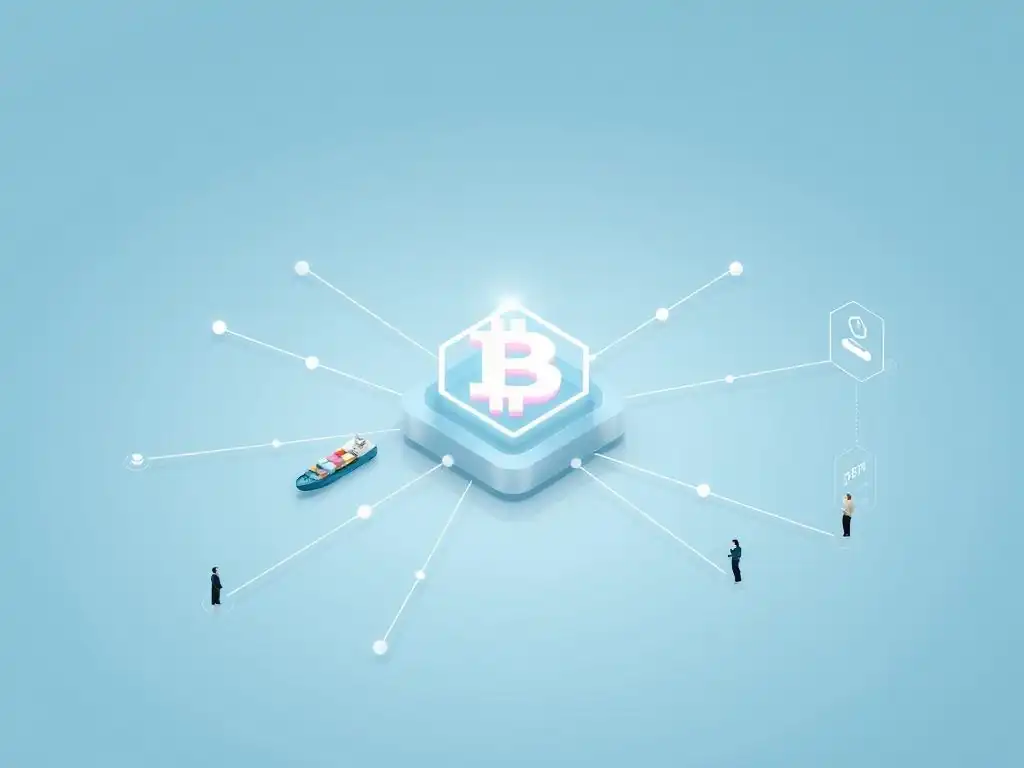
Addressing Regulatory Compliance and Legal Frameworks
Implementing blockchain solutions in humanitarian aid operates across diverse and often complex legal and regulatory environments. Navigating the varying stances of different countries on cryptocurrencies, data privacy (such as GDPR in Europe or similar regulations elsewhere), and digital identity poses a significant challenge. What is permissible in one jurisdiction may be restricted or illegal in another, creating a patchwork of rules that can complicate cross-border aid operations. Furthermore, aid agencies must ensure that their use of blockchain technology aligns with international humanitarian principles and legal frameworks.
Addressing these challenges requires proactive engagement with governments, central banks, and international regulatory bodies. Developing clear guidelines and standards for the use of blockchain, cryptocurrencies, and digital identity in humanitarian contexts is crucial. This involves advocating for supportive legal frameworks that facilitate the transparent and efficient flow of aid while mitigating potential risks like money laundering or terrorist financing. Establishing these clear rules of the road is essential for scaling blockchain philanthropy solutions responsibly and effectively across different operational areas.
Ensuring Data Privacy and Security of Beneficiary Information
The populations targeted by humanitarian aid are often highly vulnerable, and protecting their personal data is paramount. While blockchain technology itself is designed to be secure and immutable, the way sensitive information is handled within a blockchain application is critical. Storing highly sensitive personal or biometric data directly on a public blockchain could raise significant privacy concerns. Therefore, careful architectural design is needed to determine what information resides on-chain (e.g., transaction hashes, verified claims) versus off-chain (e.g., detailed personal profiles, medical history), using appropriate encryption and access controls for off-chain data.
Robust security protocols are essential not only for the blockchain network itself but also for all associated systems and devices (like mobile phones or point-of-sale terminals) used by aid workers and beneficiaries. Preventing data breaches, phishing attacks, or unauthorized access to digital wallets is crucial to maintaining trust and protecting vulnerable individuals from harm. Implementing strong identity verification processes and educating users on digital security best practices are vital steps in ensuring the ethical and secure deployment of blockchain philanthropy scaling solutions.
Bridging the Digital Divide: Accessibility and Training for Aid Workers and Recipients
While mobile phone penetration is increasing globally, a significant digital divide still exists, particularly among the most marginalized populations who may lack access to smartphones, reliable internet connectivity, or even basic digital literacy. Implementing blockchain solutions that rely heavily on digital interfaces presents a challenge in ensuring equitable access for all intended beneficiaries. Similarly, aid workers on the ground, who are critical for implementing these solutions, may require substantial training on new technologies and processes.
Overcoming this requires designing solutions that are accessible across a range of devices, including potentially basic feature phones, and exploring offline or intermittent connectivity capabilities. Partnering with local community organizations and leaders can help build trust and provide on-the-ground support and training. Investing in digital literacy programs for both aid workers and beneficiaries is crucial to ensure they can confidently and safely interact with blockchain-based systems. Addressing these accessibility and training gaps is fundamental to ensuring that blockchain philanthropy scaling solutions genuinely benefit those most in need.
Fostering Collaboration and Standardization Across Organizations
The humanitarian sector is characterized by a large number of diverse organizations, each with its own mandates, operational procedures, and often, different technological systems. The lack of interoperability between these systems is a significant barrier to efficient coordination and data sharing. Introducing blockchain technology adds another layer of complexity if different organizations adopt incompatible platforms or data standards. This can hinder the seamless transfer of aid, beneficiary information, or impact data across different agencies working in the same crisis zone.
Fostering greater collaboration and standardization among humanitarian organizations is essential for unlocking the full potential of blockchain. This involves developing common data standards for recording aid transactions and beneficiary information, agreeing on best practices for implementing blockchain solutions, and potentially exploring shared infrastructure where appropriate. Initiatives that promote knowledge sharing, joint pilot projects, and the development of open-source tools can help build a more cohesive and effective ecosystem, accelerating the adoption and scaling of blockchain philanthropy scaling solutions across the sector.
The Future of Humanitarian Aid: Blockchain-Enabled Transformation
Decentralized Autonomous Organizations (DAOs) for Community-Led Aid Initiatives
Looking ahead, blockchain technology could enable more radical shifts in how aid is governed and delivered, moving towards more decentralized models. Decentralized Autonomous Organizations (DAOs) are blockchain-based entities governed by rules encoded in smart contracts and controlled by token holders or participants rather than a central authority. In a humanitarian context, DAOs could potentially empower local communities and beneficiaries to have a more direct say in how aid is allocated and managed.
Imagine a community DAO where members vote on local needs, propose and approve aid projects, and oversee the distribution of resources using transparent blockchain mechanisms. This model could shift power dynamics, increase local ownership, and ensure that aid interventions are better aligned with community priorities. While still nascent in the aid sector, the potential for DAOs to facilitate truly community-led and highly transparent initiatives represents an exciting future direction for blockchain philanthropy scaling solutions.
Impact Measurement and Reporting on the Blockchain for Data-Driven Decisions
Measuring the true impact of humanitarian aid interventions is notoriously difficult. Traditional reporting often relies on manual data collection and aggregation, which can be time-consuming, prone to error, and lack real-time insights. Blockchain offers the potential to create verifiable, immutable records of impact data. This could include recording verified deliveries of aid (as in the WFP example), logging participation in training programs, or even incorporating data from sensors or IoT devices confirming the functionality of installed infrastructure like water pumps.
By recording key impact metrics on the blockchain, organizations can create a transparent and auditable history of outcomes. This data can then be used for real-time monitoring, rigorous evaluation, and more accurate reporting to donors. Having access to verifiable, data-driven insights enables aid agencies to make more informed decisions about resource allocation, program design, and strategy, ultimately leading to more effective and impactful interventions. This data integrity is a crucial element for advancing blockchain philanthropy scaling solutions.
Creating a More Efficient, Transparent, and Resilient Global Aid Ecosystem
Ultimately, the future vision for humanitarian aid enabled by blockchain is one of a more efficient, transparent, and resilient global ecosystem. Efficiency is gained through streamlined processes, automated distributions via smart contracts, and faster, cheaper financial transfers using digital assets. Transparency is achieved through immutable, shared ledgers that provide unprecedented visibility into aid flows and activities, rebuilding trust among donors and the public.
Resilience is built by reducing reliance on centralized points of failure, mitigating risks of corruption, and enabling faster, more direct responses in crisis situations. While challenges remain in adoption and implementation, the unique properties of blockchain technology offer a clear path towards addressing many of the systemic issues that have long hampered humanitarian efforts. Embracing this technology responsibly holds the promise of unlocking significant potential for blockchain philanthropy scaling solutions and creating a world where aid reaches those who need it most, with maximum impact and integrity.
Blockchain Solutions for Scaling Aid: Key Takeaways
The Potential for Increased Transparency, Accountability, and Reduced Fraud
Blockchain's core promise for the humanitarian sector lies in its ability to inject unprecedented levels of transparency and accountability into aid operations. By creating immutable, shared records of every transaction and event, from the initial donation to the final distribution, it becomes possible to track the flow of funds and resources with a level of detail and certainty previously unattainable. This inherent transparency serves as a powerful tool to build trust among donors, who can gain clearer insights into how their contributions are utilized.
Furthermore, the immutability of the blockchain significantly reduces opportunities for fraud and corruption. Any attempt to alter records would be detectable by the network. This enhanced integrity not only protects valuable resources from being diverted but also strengthens the credibility of aid organizations themselves. Implementing robust blockchain philanthropy scaling solutions centered on transparency and accountability is key to ensuring that more aid reaches its intended destination and is used effectively.
The Opportunity to Reach Vulnerable Populations More Effectively and Efficiently
One of the most significant impacts of blockchain technology on humanitarian aid is its potential to bridge the gap between aid agencies and the most vulnerable populations. By enabling the creation of verifiable digital identities and facilitating direct, digital cash transfers via mobile phones or other simple interfaces, blockchain solutions can bypass traditional barriers like lack of identification, absence of banking infrastructure, or physical insecurity associated with cash distribution.
This direct delivery model ensures that aid reaches beneficiaries faster, more safely, and more efficiently. It can also empower recipients by providing them with digital cash that they can spend according to their most pressing needs, offering dignity and choice. Unlocking this potential for direct, efficient access to aid is a critical aspect of successful blockchain philanthropy scaling solutions, ensuring that no one is left behind due to systemic limitations.
The Importance of Collaboration, Innovation, and Ethical Considerations
While the technological potential of blockchain for humanitarian aid is immense, realizing it requires more than just implementing the technology. It necessitates a concerted effort across the sector involving collaboration, continuous innovation, and a strong focus on ethical considerations. Organizations must work together to develop shared standards and best practices, ensuring interoperability and avoiding a fragmented landscape of incompatible systems.
Innovation is needed to adapt blockchain technology to the unique challenges of humanitarian contexts, such as low connectivity environments and the need for simple, user-friendly interfaces. Crucially, ethical considerations, particularly regarding data privacy, security, and the potential impact on vulnerable populations, must be at the forefront of every implementation. Prioritizing these aspects is vital for building sustainable, trustworthy, and impactful blockchain philanthropy scaling solutions that truly serve humanity.
Conclusion: Embracing Blockchain for a More Impactful and Equitable Future
Blockchain's Enduring Role in Revolutionizing Global Humanitarian Aid
Blockchain technology is poised to play an enduring and transformative role in the future of global humanitarian aid. It is not merely a marginal improvement but a foundational technology that addresses some of the most persistent and challenging issues within the sector: lack of transparency, inefficiency in financial flows, difficulties in tracking resources, and the challenge of reaching vulnerable populations directly. By providing a tamper-proof, transparent, and decentralized ledger, blockchain creates an infrastructure capable of supporting a fundamentally more accountable and efficient aid ecosystem.
From enabling direct cash transfers and transparent supply chain tracking to potentially facilitating community-led initiatives through DAOs, blockchain offers a suite of tools that can enhance every stage of the aid lifecycle. Its inherent properties make it uniquely suited to build trust and integrity in a sector that relies heavily on public confidence. As the technology matures and is adapted to the specific needs of humanitarian contexts, its role in revolutionizing how aid is delivered and managed will only continue to grow, solidifying its position as a key enabler for blockchain philanthropy scaling solutions.
Call to Action: Encouraging Exploration, Adoption, and Responsible Implementation of Blockchain Solutions
The potential benefits of blockchain for scaling humanitarian aid are clear, but realizing this potential requires action. We encourage humanitarian organizations, NGOs, government aid agencies, corporate donors, and individual philanthropists to actively explore and pilot blockchain-based solutions. Learn from existing projects like WFP's Building Blocks and other innovative initiatives. Identify specific pain points in current operations – whether it's financial transfers, supply chain management, or beneficiary registration – and assess how blockchain technology could offer a more effective approach.
Crucially, this exploration and adoption must be guided by principles of responsible implementation. Prioritize the privacy and security of beneficiary data above all else. Ensure solutions are accessible and user-friendly for both aid workers and the communities they serve, bridging the digital divide. Foster collaboration and knowledge sharing across the sector to develop common standards and avoid fragmented efforts. By embracing blockchain technology thoughtfully and ethically, the global aid community can unlock unprecedented potential for blockchain philanthropy scaling solutions, creating a more transparent, efficient, and ultimately, more impactful future for humanitarian action worldwide.
Frequently Asked Questions
What are the primary benefits of using blockchain technology for philanthropy?
Blockchain offers increased transparency and traceability of donations, ensuring funds reach their intended recipients. It also allows for reduced administrative overhead and faster disbursement of aid.
How can blockchain address the issue of trust in philanthropic organizations?
Blockchain's immutable ledger creates a verifiable record of all transactions. This builds trust by providing donors with clear insight into how their contributions are used and managed.
What are some examples of DeFi solutions being used to enhance philanthropic efforts?
Decentralized finance (DeFi) offers tools like yield farming and stablecoins that can generate returns on donated assets. This can maximize the impact of philanthropic funds over time.
What are the key regulatory challenges facing blockchain-based philanthropic initiatives?
Regulatory uncertainty surrounding digital assets and cross-border transactions can hinder adoption. A clearer legal framework is needed to foster innovation and protect donors.
How can blockchain technology help scale philanthropic efforts to reach more people in need?
Blockchain can automate processes, reduce fraud, and streamline distribution, making it easier to deliver aid efficiently and effectively to a wider audience.
Final Reflection: Embracing Transparency for a Brighter Future
The exploration of blockchain's potential to revolutionize global philanthropy underscores a crucial need for increased trust and efficiency in charitable giving. As we've seen, the technology offers innovative solutions to long-standing challenges, promising a future where donations reach their intended recipients with greater transparency and impact. The potential for blockchain philanthropy scaling solutions is not just theoretical; it's a tangible opportunity to reshape how we address global needs.
The impact of this technology extends far beyond mere efficiency. It fosters a sense of empowerment and accountability within the philanthropic ecosystem. By providing verifiable records and reducing intermediaries, blockchain can inspire greater confidence in donors and beneficiaries alike. This shift towards transparency is not just a technological advancement; it's a cultural one, demanding a re-evaluation of how we approach charitable giving. The best way to predict the future is to create it.
- Peter Drucker. This quote perfectly encapsulates the proactive role we must take in harnessing blockchain's power for social good.
Ultimately, the promise of blockchain philanthropy scaling solutions lies in its ability to connect us more directly to the causes we care about. Let us all consider how we can contribute to this evolving landscape, whether through supporting blockchain-based charities, advocating for greater transparency in the sector, or simply educating ourselves on the potential of this transformative technology. The future of philanthropy is being written now; let's ensure it's a future built on trust, efficiency, and a shared commitment to making a difference.
Ignite Change: Become a Blockchain Philanthropy Pioneer!
Thank you for exploring how blockchain can revolutionize global philanthropy! We hope this article shed light on the exciting possibilities and the potential for increased transparency and impact. Now it's time to put that knowledge into action.
Here are a few ways you can contribute to this exciting movement:
- Dive Deeper: Research blockchain-based charities and initiatives. Understand their missions, governance, and impact measurement to find organizations aligned with your values. This is the first step to impactful support.
- Amplify the Message: Share this article and other resources about blockchain philanthropy with your network. Help spread awareness and inspire others to join the cause.
- Consider a Micro-Donation: Even small contributions to blockchain-enabled charities can make a significant difference. Explore platforms that facilitate transparent and trackable donations.
What innovative blockchain solution do you believe holds the greatest potential for transforming the philanthropic landscape? Share your thoughts below!
Leave a Reply