
Verifying Impact: Blockchain's Potential to Ensure Aid Reaches Those in Need


Welcome to Blockchain Trends, your source for understanding the real-world applications of this revolutionary technology.
Imagine a world where aid truly reaches those who need it most. Our latest exploration delves into how blockchain aid distribution transparency is revolutionizing the humanitarian sector. Discover how this innovative approach is tackling corruption and ensuring accountability, offering a powerful glimpse into the future of ethical and efficient aid delivery. Are you ready to uncover the potential to build a more transparent and trustworthy world? Read on to learn more!
Verifying Impact: Blockchain's Potential to Ensure Aid Reaches Those in Need
- Introduction: The Crisis of Trust in Humanitarian Aid and the Promise of Blockchain
- Understanding Blockchain Aid Distribution
- Current Challenges in Aid Distribution and How Blockchain Can Help
- Real-World Examples of Blockchain in Aid Distribution
- Overcoming the Obstacles to Blockchain Adoption in the Aid Sector
- The Future of Blockchain and Aid: A Vision for Transparent and Accountable Humanitarian Assistance
- Conclusion: Blockchain as a Catalyst for Trust and Impact in Humanitarian Aid
-
Frequently Asked Questions
- How can blockchain technology improve aid distribution?
- What are the key benefits of using blockchain for aid distribution transparency?
- What challenges exist in implementing blockchain for aid distribution?
- How does blockchain ensure aid reaches the right people?
- What is the role of regulation in the use of blockchain for aid distribution transparency?
- Final Reflection: Empowering Humanity Through Transparent Aid
- Empower Change: Use Blockchain for Good!
Introduction: The Crisis of Trust in Humanitarian Aid and the Promise of Blockchain
Addressing Aid Delivery Challenges: Corruption, Inefficiency, and Lack of Transparency
Humanitarian aid operations face persistent and complex challenges that often hinder effective delivery and erode public trust. Corruption is a significant impediment, with estimates suggesting that a substantial portion of aid can be diverted or misappropriated before reaching intended beneficiaries. This can range from petty bribery to large-scale fraud involving inflated costs, kickbacks, or the diversion of resources like food, medicine, or supplies. The lack of clear, auditable trails makes it difficult to identify where aid goes astray, limiting accountability and perpetuating the cycle of loss.
Beyond corruption, inherent inefficiencies plague traditional aid systems. Manual processes, paper-based documentation, and fragmented data systems create bottlenecks in the supply chain, slow down delivery, and increase administrative costs. Coordinating multiple stakeholders – including donors, international organizations, local NGOs, and governments – across vast geographical areas with limited infrastructure adds layers of complexity. The absence of a unified, transparent tracking mechanism means that understanding the flow of aid, from initial donation to final distribution, is often incomplete or delayed, making real-time monitoring and adaptive responses difficult.
How Blockchain Technology Can Revolutionize Aid Distribution Transparency
Blockchain technology offers a transformative approach to addressing these deep-seated issues by providing a secure, immutable, and transparent ledger for tracking aid flows. At its core, blockchain allows for the creation of a shared, distributed database where transactions are recorded chronologically and cryptographically linked, making them tamper-proof. This inherent design feature means that every step in the aid distribution process – from fund allocation and procurement to logistics and final delivery to beneficiaries – can be recorded on the blockchain.
Implementing blockchain in aid distribution allows for unprecedented levels of visibility and accountability. Donors can potentially track their contributions through the entire supply chain, verifying that funds or goods reach their intended destinations. Aid organizations can manage inventory, verify beneficiary identities, and record deliveries in a way that is resistant to fraud and error.
The immutability of the ledger ensures that once a transaction is recorded, it cannot be altered or deleted, creating a permanent, auditable history of aid movements. This enhanced blockchain aid distribution transparency is crucial for rebuilding trust among donors, implementing agencies, and the communities receiving assistance.
Understanding Blockchain Aid Distribution
What is Blockchain and How Does it Work for Aid?
Blockchain is a type of distributed ledger technology (DLT) that records transactions across a network of computers. Instead of a single, central database, copies of the ledger are shared and synchronized among participants. Transactions are grouped into "blocks," and once a block is validated by the network, it is added to the end of the chain using cryptographic principles, making it nearly impossible to alter previous blocks without consensus from the majority of the network. This distributed and immutable nature makes blockchain highly resistant to manipulation and single points of failure.
In the context of aid, blockchain can be used to create a transparent and traceable record of resources. Imagine a system where every donation, every purchase of supplies, every shipment, and every distribution event is recorded as a transaction on a blockchain. A digital token representing funds or goods could be tracked as it moves through the supply chain.
Beneficiary identities could be verified and linked to specific aid disbursements using secure digital IDs stored or referenced on the chain. This creates a verifiable trail, enhancing blockchain aid distribution transparency from the point of origin to the point of impact, providing a clear, auditable history of aid flow.
Key Features of Blockchain for Aid Management: Immutability, Traceability, and Security
Three core features of blockchain technology are particularly relevant for improving aid management: immutability, traceability, and security. Immutability means that once data is recorded on the blockchain, it cannot be changed or deleted. This is critical for creating an unalterable record of aid transactions, preventing fraudulent alterations of records regarding fund transfers, procurement contracts, or beneficiary lists. An immutable ledger ensures that the historical flow of aid is preserved accurately, providing a reliable basis for audits and evaluations.
Traceability is another powerful feature enabled by blockchain. By recording each transaction on the chain, a complete history of an asset or fund can be tracked backward and forward. In aid distribution, this means tracking funds from a donor to an implementing partner, then to a local vendor, and finally to a beneficiary.
Similarly, goods like food or medicine can be traced from the point of procurement through warehousing, transportation, and distribution. This end-to-end traceability significantly enhances blockchain aid distribution transparency, allowing stakeholders to see exactly where resources are at any given time and verify their intended use. Cryptographic security, through hashing and digital signatures, protects the integrity of the data and the network, ensuring that transactions are authentic and the ledger is secure against unauthorized access or tampering, further safeguarding the aid process.
The Benefits of Using Blockchain for Aid: A Comprehensive Overview
The implementation of blockchain technology in humanitarian aid offers a multitude of benefits that can lead to more effective and ethical operations. Primarily, it dramatically improves transparency and accountability. By creating a shared, immutable ledger accessible to relevant stakeholders (with appropriate permissions), it becomes possible to track funds and resources throughout the entire aid lifecycle. This level of visibility helps deter corruption and provides verifiable proof of delivery, strengthening trust among donors, aid organizations, and beneficiaries. Enhanced blockchain aid distribution transparency builds confidence in the system.
Furthermore, blockchain can significantly increase efficiency and reduce costs. By automating processes through smart contracts – self-executing contracts with the terms of the agreement directly written into code – and eliminating intermediaries, administrative overhead can be reduced. For instance, conditional cash transfers can be programmed via smart contracts to be released automatically upon verification of certain criteria, speeding up delivery and reducing manual processing.
Real-time tracking provides better inventory management and logistics optimization. Finally, blockchain can empower beneficiaries by giving them greater control over their digital identities and potentially facilitating direct, secure receipt of aid, bypassing traditional bottlenecks and reducing the risk of diversion.
Current Challenges in Aid Distribution and How Blockchain Can Help
Combating Corruption in Humanitarian Aid: The Role of Blockchain Auditing
Corruption remains a pervasive threat to the effectiveness of humanitarian aid, diverting critical resources from those who need them most. Traditional auditing methods often rely on fragmented data, manual verification, and periodic checks, making it difficult to detect sophisticated fraud or systemic leakage across complex, international operations. The opacity of multi-layered distribution channels provides ample opportunity for misappropriation at various points, from procurement and contract negotiation to logistics and local distribution.
Blockchain offers a powerful tool for combating corruption by providing an immutable and transparent audit trail. Every transaction, whether it's the allocation of funds, the purchase of supplies, or the recording of delivery to a beneficiary, is permanently recorded on the distributed ledger. This creates a comprehensive, real-time history that is accessible to authorized auditors and stakeholders.
Irregularities or discrepancies become much easier to spot when the entire flow of resources is visible and verifiable on the chain. For example, if a shipment is recorded as delivered but no corresponding beneficiary transaction is logged, it raises an immediate red flag. This inherent auditability dramatically enhances blockchain aid distribution transparency, making it significantly harder for corrupt actors to operate undetected and improving the integrity of aid programs.
Improving Efficiency in Aid Delivery: Streamlining Processes with Blockchain
Inefficiency in aid delivery stems from bureaucratic hurdles, manual data entry, lack of coordination, and slow transaction processing. Getting aid to remote or disaster-stricken areas quickly requires agile and streamlined processes, which traditional systems often fail to provide. Paperwork can be lost, communications can be delayed, and the verification of identities and needs can be time-consuming and prone to error, particularly in contexts where traditional identification documents are scarce.
Blockchain can streamline multiple aspects of aid delivery. Supply chain management can be optimized by tracking goods from origin to destination on the blockchain, providing real-time visibility into inventory levels and shipment locations. This reduces delays, minimizes losses due to spoilage or theft, and allows for better planning and resource allocation.
Identity management can be made more efficient and secure using blockchain-based digital identities, allowing for quicker and more reliable verification of beneficiaries. Furthermore, the use of stablecoins or tokenized value on a blockchain can facilitate faster, cheaper, and more transparent cash transfers directly to beneficiaries' digital wallets, bypassing traditional banking infrastructure which may be unavailable or costly in crisis zones. This efficiency gain directly contributes to more effective blockchain aid distribution transparency by accelerating the flow of resources while maintaining a clear record.
Enhancing Accountability and Transparency in Aid Programs: Blockchain's Impact
A lack of accountability and transparency erodes trust among donors, beneficiaries, and the public, making it harder to raise funds and sustain support for humanitarian efforts. When it's unclear where aid money goes or whether it reaches the intended recipients, confidence in the aid system dwindles. Reports of aid diversion or mismanagement, even if isolated, can have a disproportionately negative impact on the perception of the entire sector.
Blockchain directly addresses the need for enhanced accountability and transparency. By creating a shared, immutable, and accessible ledger of all transactions, it provides an unprecedented level of visibility into aid operations. Every step, from funding to delivery, is recorded and verifiable.
This allows donors to track their contributions, organizations to demonstrate responsible stewardship of resources, and beneficiaries to confirm receipt of aid. The inherent openness of a blockchain ledger (while respecting privacy concerns through appropriate design) means that operations can be scrutinized by relevant parties, fostering a culture of accountability. This demonstrable blockchain aid distribution transparency is crucial for restoring and maintaining trust in humanitarian initiatives, ensuring that aid programs are perceived as effective and reliable.
Real-World Examples of Blockchain in Aid Distribution
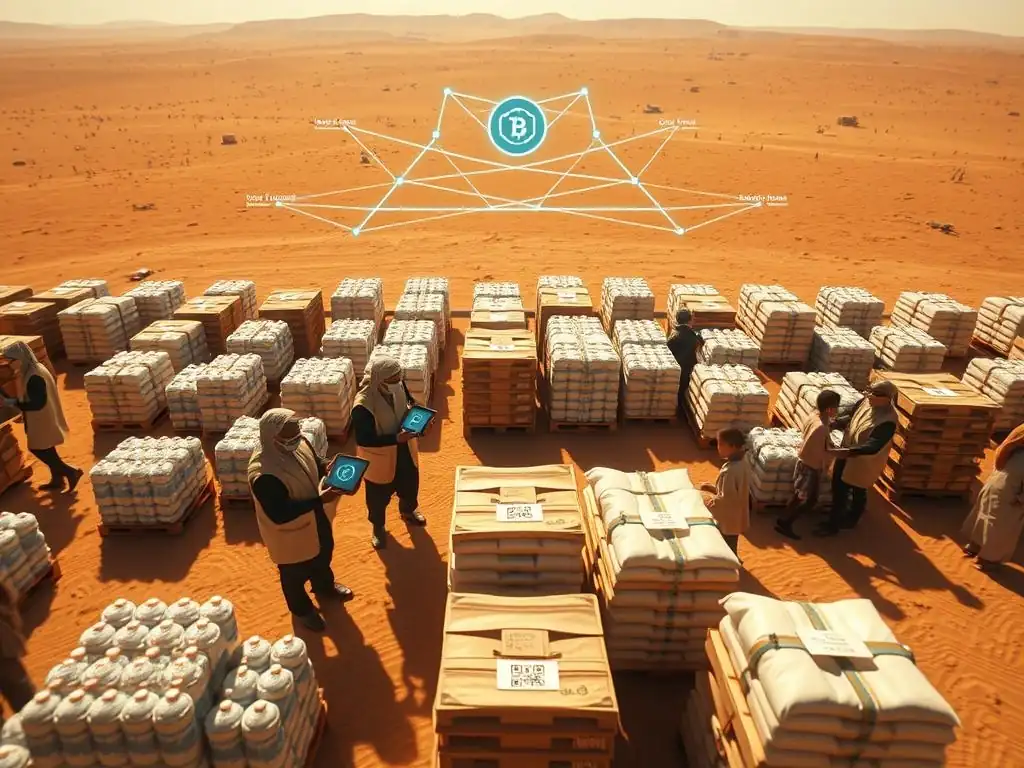
Case Study 1: World Food Programme's Building Blocks Initiative
The World Food Programme (WFP), a leading humanitarian organization, has been a pioneer in exploring blockchain for aid distribution transparency through its "Building Blocks" project. Launched in 2017, the initiative initially focused on using a private, permissioned blockchain network to manage cash transfers to Syrian refugees in Jordan. Instead of distributing physical cash or vouchers, WFP recorded cash entitlements on the blockchain. Refugees could then redeem these entitlements at participating local shops simply by undergoing iris scanning for identity verification, with the transaction recorded instantly on the blockchain.
Building Blocks has demonstrated significant success and scalability. By 2020, the program was supporting over one million refugees across Jordan and Bangladesh, processing monthly transactions totaling over $10 million. A key benefit observed was the reduction in financial transaction fees, saving WFP millions of dollars annually that could be redirected to aid. Furthermore, the program significantly enhanced transparency and security, providing WFP and donors with a clear, real-time, and immutable record of every single cash transfer, ensuring that aid reached the intended individuals and improving blockchain aid distribution transparency at scale.
Case Study 2: Oxfam's Unblocked Cash Project in Vanuatu
Oxfam, another major international aid organization, explored the use of blockchain for providing humanitarian cash assistance in response to natural disasters. Their "Unblocked Cash" project, piloted in Vanuatu following Tropical Cyclone Harold in 2020, aimed to deliver aid more quickly and transparently in a challenging, remote environment with limited traditional infrastructure. The project utilized a private blockchain platform to distribute digital cash vouchers to vulnerable households.
Beneficiaries received a digital wallet and could redeem their vouchers at local vendors using mobile phones. Each transaction was recorded on the blockchain, creating an immutable record of the aid flow from Oxfam to the recipient and then to the vendor. The pilot successfully demonstrated that blockchain could facilitate rapid cash transfers in a disaster context, empowering recipients with choice and supporting local economies. It also provided Oxfam and donors with enhanced visibility into the distribution process, offering a transparent and auditable trail of funds, thereby improving blockchain aid distribution transparency in a crisis response setting.
Lessons Learned from Existing Blockchain Aid Projects
Pilot projects like WFP's Building Blocks and Oxfam's Unblocked Cash have provided valuable insights into the practical application and challenges of blockchain in aid. A primary lesson is that blockchain is not a standalone solution but needs to be integrated into existing aid delivery mechanisms and infrastructure. Successful implementation requires careful consideration of the local context, including available technology, digital literacy levels, and regulatory environments.
Another key learning is the importance of user-centric design. The technology must be accessible and easy for beneficiaries and local partners to use, often requiring significant training and support. While the technology promises efficiency, the initial setup and integration can be complex and costly. However, these projects have definitively proven the potential for blockchain to enhance security, reduce costs, and significantly improve blockchain aid distribution transparency and accountability compared to traditional methods, paving the way for broader adoption.
Overcoming the Obstacles to Blockchain Adoption in the Aid Sector
Technical Challenges: Scalability, Interoperability, and Data Privacy
Despite its promise, the widespread adoption of blockchain in aid faces significant technical hurdles. Scalability is a major concern; humanitarian crises often involve reaching millions of people quickly, requiring systems capable of handling a very high volume of transactions simultaneously without becoming slow or prohibitively expensive. While newer blockchain protocols are addressing this, scaling to meet the demands of global aid operations remains a challenge.
Interoperability is another critical issue. The aid sector involves numerous organizations using diverse systems. For blockchain to be truly transformative, different blockchain networks and legacy systems need to be able to communicate and share information securely and effectively. Establishing standards for data exchange and ensuring seamless integration is complex.
Furthermore, while blockchain enhances transparency, ensuring data privacy – particularly for sensitive beneficiary information – is paramount. Designing systems that balance the need for an auditable trail with the requirement to protect individual privacy, potentially using techniques like zero-knowledge proofs or off-chain data storage with on-chain hashes, is a significant technical and ethical challenge. Achieving robust blockchain aid distribution transparency must not come at the cost of beneficiary privacy.
Regulatory Challenges: Compliance and Legal Frameworks for Blockchain Aid
The regulatory landscape for blockchain technology is still evolving globally, presenting challenges for its application in the aid sector. Aid organizations operate across numerous jurisdictions, each with its own laws regarding digital assets, data protection (like GDPR), and financial regulations. Using cryptocurrencies or tokenized value for aid distribution can encounter legal ambiguities or restrictions in certain countries.
Ensuring compliance with anti-money laundering (AML) and counter-terrorism financing (CTF) regulations is also critical. While blockchain's transparency can help track funds, integrating identity verification processes (Know Your Customer/Client - KYC) in a way that is compliant, scalable, and appropriate for humanitarian contexts is complex. Aid organizations need clear legal frameworks and guidance on how to operate blockchain-based programs across borders, ensuring they meet all compliance obligations while maintaining the efficiency and transparency benefits of blockchain aid distribution transparency. The lack of standardized international regulations creates uncertainty and can hinder cross-border implementation.
One of the most significant obstacles to implementing blockchain-based aid solutions is the social context of the communities they aim to serve. Many beneficiaries live in areas with limited access to technology, unreliable internet connectivity, and low levels of digital literacy. Introducing digital wallets, QR codes, or biometric scanning requires substantial investment in infrastructure, training, and ongoing support.
Ensuring equitable access is crucial; solutions must be designed to be inclusive and not exclude the most vulnerable who may lack digital access or skills. Building trust in a new, complex technology within communities that may have experienced exploitation or mistrust of external systems is also vital.
User adoption depends not just on the technology's functionality but on its perceived usability, reliability, and trustworthiness by the people it is intended to help. Overcoming these social barriers requires a human-centered approach to design and deployment, prioritizing community engagement and capacity building alongside technical development to ensure blockchain aid distribution transparency is realized equitably.
The Future of Blockchain and Aid: A Vision for Transparent and Accountable Humanitarian Assistance
Emerging Trends in Blockchain Aid Distribution
The field of blockchain for aid is rapidly evolving, with several emerging trends pointing towards its increasing integration into humanitarian operations. Beyond cash and voucher assistance, there is growing interest in using blockchain for supply chain management, tracking goods like food, medicine, and shelter materials from procurement to delivery. This enhances visibility and combats theft or diversion. Another trend is the development of decentralized identity solutions, allowing beneficiaries to have greater control over their personal data and simplifying verification processes while maintaining privacy.
Furthermore, the exploration of decentralized autonomous organizations (DAOs) for aid governance is on the horizon, potentially enabling more transparent and community-driven decision-making in aid allocation. The use of stablecoins pegged to local currencies is also gaining traction as a way to mitigate volatility risks associated with cryptocurrencies while retaining the benefits of blockchain for fast, low-cost transactions. These trends collectively aim to leverage blockchain's unique properties to build more robust, efficient, and transparent aid systems, pushing the boundaries of blockchain aid distribution transparency.
The Potential for Blockchain to Transform the Aid Ecosystem
Blockchain technology has the potential to fundamentally transform the entire humanitarian aid ecosystem, moving it towards greater transparency, accountability, and efficiency. By providing a single, shared source of truth for aid flows, it can bridge the information gaps between donors, international organizations, local partners, and beneficiaries. This enhanced visibility can foster greater trust and encourage increased funding by demonstrating the effective use of resources.
Beyond improving current processes, blockchain could enable new models of aid delivery, such as direct peer-to-peer donations facilitated by smart contracts or community-managed aid funds operating on a decentralized ledger. It can empower beneficiaries by giving them agency through digital wallets and verifiable digital identities. Ultimately, blockchain offers a pathway to a future where humanitarian assistance is not only more efficient and secure but also deeply transparent and accountable to all stakeholders, ensuring that aid reaches those who need it most with maximum impact. This vision centers on achieving pervasive blockchain aid distribution transparency across the sector.
Call to Action: Encouraging Collaboration and Innovation in Blockchain for Aid
Realizing the full potential of blockchain for humanitarian aid requires concerted effort and collaboration across the sector. Aid organizations, technology providers, donors, governments, and research institutions must work together to develop, test, and scale appropriate blockchain solutions. This includes investing in research and development to overcome technical challenges like scalability and interoperability, as well as developing best practices and ethical guidelines for implementation.
Furthermore, there is a critical need for capacity building within aid organizations and among aid-receiving communities to ensure digital literacy and effective adoption. Donors can play a crucial role by funding pilot projects and advocating for the integration of transparent technologies. By fostering a collaborative environment that encourages innovation and knowledge sharing, the humanitarian community can harness the power of blockchain to build a more transparent, accountable, and effective future for aid distribution, ultimately maximizing the impact of every donation and improving blockchain aid distribution transparency globally.
Conclusion: Blockchain as a Catalyst for Trust and Impact in Humanitarian Aid
Reaffirming the Potential of Blockchain for Enhancing Aid Distribution
The challenges of corruption, inefficiency, and lack of transparency have long plagued humanitarian aid efforts, undermining their effectiveness and eroding public trust. Blockchain technology offers a powerful, innovative solution to these systemic issues. Its core features—immutability, traceability, and security—provide the foundation for building aid distribution systems that are inherently more transparent and accountable than traditional methods. Real-world pilots by organizations like WFP and Oxfam have already demonstrated its practical viability and significant benefits, from reducing costs and increasing efficiency to providing verifiable, real-time tracking of resources.
Implementing blockchain in aid distribution creates a permanent, auditable record of every transaction, making it significantly harder for funds or goods to be diverted and easier to identify where issues occur. This enhanced visibility not only helps combat corruption but also allows for better management, planning, and response in complex environments. The potential for blockchain aid distribution transparency to restore trust among donors and the public is immense, encouraging continued support for vital humanitarian work.
The Importance of Continued Investment and Development in Blockchain Aid Solutions
While the potential of blockchain for aid is clear, its widespread adoption is not without challenges. Technical hurdles related to scalability and interoperability, regulatory complexities, and the need for digital literacy and user adoption in vulnerable communities require ongoing effort and investment. Overcoming these obstacles demands continued research, development, and collaborative action from all stakeholders in the aid ecosystem.
Sustained investment in developing tailored blockchain solutions, building necessary infrastructure, and providing adequate training and support is essential. Donors play a crucial role in funding these initiatives and advocating for the use of transparent technologies. By committing to the continued exploration and implementation of blockchain, the humanitarian sector can move closer to a future where aid reaches those in need more effectively, efficiently, and transparently. The journey towards truly transparent and accountable aid distribution with blockchain is ongoing, but the demonstrated potential makes it a vital path forward.
Frequently Asked Questions
How can blockchain technology improve aid distribution?
Blockchain enhances aid distribution transparency by creating a verifiable and immutable ledger of all transactions. This makes it easier to track funds and ensure they reach their intended recipients, reducing the risk of corruption and diversion.
What are the key benefits of using blockchain for aid distribution transparency?
The primary benefits include increased trust and accountability, reduced administrative costs by automating processes, and enhanced visibility into the entire aid distribution chain. This leads to more efficient and effective aid delivery.
What challenges exist in implementing blockchain for aid distribution?
Challenges include lack of digital infrastructure in some regions, resistance to change from traditional aid organizations, and the need for data privacy and security considerations to protect beneficiary information.
How does blockchain ensure aid reaches the right people?
Blockchain uses digital identities and smart contracts to verify recipients and automate the disbursement of aid. This ensures that assistance is delivered directly to those who are pre-approved and eligible, minimizing fraud and errors.
What is the role of regulation in the use of blockchain for aid distribution transparency?
Regulations are needed to establish clear guidelines and standards for the use of blockchain in aid distribution. This will help to ensure compliance with legal requirements and promote the responsible and ethical use of the technology.
Final Reflection: Empowering Humanity Through Transparent Aid
The promise of blockchain technology to revolutionize aid distribution is no longer a futuristic fantasy, but a tangible solution with the potential to alleviate suffering and build trust in humanitarian efforts. The ability to track aid from donor to recipient with unprecedented transparency and security addresses a critical need in a world often plagued by corruption and inefficiency. This shift towards verifiable impact is not just about technological advancement; it's about restoring faith in our collective capacity to help those most vulnerable.
The impact of blockchain on aid distribution extends far beyond mere efficiency gains. It fosters a sense of ownership and accountability, empowering both donors and recipients. Witnessing the potential for blockchain to cut through bureaucratic red tape and ensure aid reaches its intended destination has been profoundly inspiring. Transparency and accountability are essential for effective humanitarian action. Blockchain offers a powerful tool to achieve these goals and build a more just and equitable world.
This technology is not just about tracking transactions; it's about building a more compassionate and trustworthy global community.
As we move forward, let us embrace the transformative power of blockchain to create a more transparent and effective aid ecosystem. Consider how you can support initiatives that leverage this technology to empower communities and ensure that aid reaches those who need it most. The future of humanitarian aid hinges on our willingness to embrace innovation and prioritize transparency. Let's work together to build a world where every act of kindness truly makes a difference.
Empower Change: Use Blockchain for Good!
Thank you for exploring how blockchain technology can revolutionize aid distribution and ensure it reaches those who need it most. Now, it's time to put this knowledge into action and contribute to a more transparent and efficient world.
Here are a few ways you can make a difference:
- Support blockchain-based aid initiatives through donations or volunteering. Your involvement can make a significant impact.
- Share this article and start a conversation about blockchain's potential to drive positive change within your community.
- Explore more articles on blockchain applications to discover new opportunities for innovative solutions.
Which blockchain-based solution resonates with you the most, and how do you envision contributing to its success? Share your thoughts below!
Leave a Reply