
Bitcoin Mining's Carbon Footprint: A Global Perspective


Welcome to Blockchain Trends, your compass in the ever-evolving world of decentralized technology! We delve deeper than just cryptocurrencies, exploring the vast potential of blockchain across diverse sectors. But what about the environmental cost? This article tackles a critical question: the Bitcoin carbon footprint impact. Join us as we analyze the global implications of Bitcoin mining, uncovering the facts and examining potential solutions for a more sustainable future. Discover the full story and challenge your assumptions – the journey starts now.
Bitcoin Mining's Carbon Footprint: A Global Perspective
- Introduction: Understanding the Bitcoin Carbon Footprint Impact
- Bitcoin Mining: A Primer on the Process and Energy Demands
- Quantifying the Bitcoin Carbon Footprint: Metrics and Methodologies
- Global Distribution of Bitcoin Mining and its Environmental Consequences
- The Environmental Impact of Bitcoin Mining: A Detailed Analysis
- Renewable Energy Integration in Bitcoin Mining: A Sustainable Path Forward?
- The Role of Bitcoin Mining Pools and their Environmental Responsibility
- Regulatory Landscape and Policy Implications for Bitcoin Mining
- Innovations and Technological Solutions to Mitigate Bitcoin's Environmental Impact
- Case Studies: Examining Specific Bitcoin Mining Operations and their Environmental Practices
- The Future of Bitcoin Mining and its Environmental Sustainability
- Conclusion: Towards a More Sustainable Bitcoin Ecosystem
-
Frequently Asked Questions
- What is the main argument presented regarding Bitcoin mining's environmental impact?
- How does the article address the debate surrounding Bitcoin's energy usage?
- Does the article discuss potential solutions for mitigating the carbon footprint of Bitcoin mining?
- Does the article only focus on the negative impacts of Bitcoin mining, or are there any potential benefits discussed?
- How does the article frame the future of Bitcoin in relation to its environmental impact?
- Final Reflection: Navigating the Digital Gold Rush Responsibly
- Pledge to Power a Greener Blockchain Future!
Introduction: Understanding the Bitcoin Carbon Footprint Impact
The Growing Concern Over Bitcoin's Energy Consumption
The rapid growth of Bitcoin and its underlying technology, blockchain, has brought significant attention to its operational requirements, particularly its energy consumption. The process of validating transactions and adding new blocks to the Bitcoin blockchain, known as mining, relies on a computationally intensive method called Proof-of-Work (PoW). This process requires vast amounts of electricity, leading to a substantial energy footprint. As Bitcoin's price and adoption have increased over the years, so too has the scale of its mining operations, escalating the overall power demand and raising alarms among environmentalists, policymakers, and the general public about the associated environmental costs.
This heightened energy demand directly translates into a significant Bitcoin carbon footprint impact, especially when the electricity is generated from fossil fuels. The scale of this consumption is often compared to that of entire nations. While estimates vary widely depending on methodology and data sources, figures often cited suggest Bitcoin's annual electricity use rivals that of countries like Argentina or Norway. This immense energy requirement, and the resulting emissions, is arguably the most significant environmental challenge facing the world's largest cryptocurrency today, prompting urgent discussions about sustainability within the digital asset space.
Scope of the Article: A Global Examination of Bitcoin's Environmental Impact
This article aims to provide a comprehensive, global perspective on the environmental impact of Bitcoin mining, with a particular focus on its carbon footprint. We will delve into the technical underpinnings of Bitcoin mining, explaining why it consumes so much energy and the factors that influence this consumption. The discussion will then move to the challenging task of quantifying the Bitcoin carbon footprint impact, exploring the various metrics and methodologies used by researchers and the inherent difficulties in obtaining precise figures.
Furthermore, we will examine the geographical distribution of Bitcoin mining operations across the globe and analyze how location significantly influences the carbon intensity of the energy consumed. The article will detail the direct and indirect environmental consequences, including carbon emissions and electronic waste. Crucially, we will explore ongoing efforts and innovations aimed at mitigating this impact, such as the integration of renewable energy sources, the exploration of alternative consensus mechanisms, and the potential role of regulation and industry initiatives in fostering a more sustainable Bitcoin ecosystem.
Bitcoin Mining: A Primer on the Process and Energy Demands
How Bitcoin Mining Works: A Simplified Explanation
Bitcoin mining is the process by which new Bitcoins are entered into circulation and new transactions are validated and added to the blockchain. Miners use powerful computers to solve complex mathematical problems.
These problems are essentially cryptographic puzzles designed to be computationally challenging to solve but easy for others to verify. The first miner to find a valid solution to the current block's puzzle earns the right to add the next block of transactions to the blockchain and is rewarded with a set amount of new Bitcoin (the block reward) plus the transaction fees from the transactions included in that block.
This competitive process is fundamental to Bitcoin's security and decentralized nature. It prevents double-spending and ensures the integrity of the ledger without needing a central authority. The difficulty of these puzzles is automatically adjusted by the Bitcoin protocol roughly every two weeks, ensuring that, on average, a new block is added to the chain approximately every ten minutes, regardless of the total computing power (hashrate) dedicated to mining. This constant competition and the increasing difficulty over time require ever more powerful and numerous machines, directly contributing to the high energy demands.
Energy Intensive Proof-of-Work (PoW) Consensus Mechanism
At the heart of Bitcoin's energy intensity is its Proof-of-Work (PoW) consensus mechanism. PoW requires participants (miners) to expend significant computational effort to solve the cryptographic puzzle. This "work" is the proof that the miner has dedicated resources to the network, making it costly for malicious actors to attempt to manipulate the blockchain. To successfully attack the network (e.g., perform a 51% attack), an entity would need to control more than half of the total network hashrate, which would be prohibitively expensive due to the energy and hardware costs involved.
The computational tasks in PoW involve repeatedly guessing a random number (a 'nonce') and hashing it along with the block data until the resulting hash meets a specific target requirement (starts with a certain number of zeros). This trial-and-error process requires billions or trillions of guesses per second from individual mining machines. The sheer volume of these calculations across the entire network, which currently involves a global hashrate measured in exahashes per second (EH/s), necessitates an enormous amount of electrical power to run the specialized hardware (ASICs) and cool the facilities, directly impacting the Bitcoin carbon footprint.
Key Factors Influencing Bitcoin Mining Energy Consumption
Several key factors influence the total energy consumption and, consequently, the Bitcoin carbon footprint impact. The most significant is the network's total hashrate – the aggregate computing power dedicated to mining. As more miners join the network and deploy more powerful hardware, the hashrate increases, and the protocol automatically adjusts the mining difficulty upwards to maintain the target block time. Higher difficulty requires more computational effort, thus more energy.
Another crucial factor is the efficiency of the mining hardware. Over the years, mining technology has evolved from CPUs and GPUs to highly specialized Application-Specific Integrated Circuits (ASICs). Newer generation ASICs are significantly more energy-efficient per unit of computing power than older models, meaning more hashes can be performed for the same amount of electricity.
However, the rapid obsolescence of older hardware also contributes to electronic waste. Finally, the energy source used by mining operations is paramount in determining the carbon footprint; mining powered by renewable energy has a much lower carbon intensity than mining powered by coal or natural gas, directly affecting the scale of the Bitcoin carbon footprint impact.
Quantifying the Bitcoin Carbon Footprint: Metrics and Methodologies
Challenges in Accurately Measuring Bitcoin's Environmental Impact
Accurately quantifying the environmental impact of Bitcoin mining is a complex task fraught with challenges. One major difficulty lies in obtaining precise data on the total electricity consumption of the global mining network. Mining operations are geographically distributed across many countries, often operating privately, making it difficult to track their exact energy usage in real-time. Furthermore, reported hashrate data provides a measure of computing power but doesn't directly translate to energy consumption without knowing the specific hardware models used by all miners and their individual power efficiency.
Another significant challenge is determining the energy mix used by miners. While the location of mining activity provides clues about the regional energy grid, it doesn't reveal whether specific mining facilities are sourcing power from renewables, purchasing carbon offsets, or utilizing off-grid solutions. The opacity of some operations and the dynamic nature of the mining landscape (miners frequently relocate based on energy costs and regulations) make it hard to pin down the true carbon intensity of the energy consumed, leading to a wide range of estimates for the Bitcoin carbon footprint impact.
Different Methodologies for Estimating Bitcoin's Carbon Emissions
Researchers employ various methodologies to estimate Bitcoin's energy consumption and carbon footprint, each with its assumptions and limitations. One common approach, exemplified by the Cambridge Bitcoin Electricity Consumption Index (CBECI), uses network data like total hashrate and estimates the energy consumption based on a range of assumed hardware efficiencies (from the least efficient hardware still in use to the most efficient). This gives a plausible range of consumption but doesn't directly account for the energy mix.
Other methodologies attempt to estimate consumption by aggregating data from known large mining facilities or surveying miners. To estimate carbon emissions, researchers then typically multiply the estimated electricity consumption by the average carbon intensity of the electricity grid in the regions where mining is believed to be concentrated. Some studies also attempt to factor in the lifecycle emissions of hardware manufacturing and electronic waste, providing a more holistic view of the Bitcoin carbon footprint impact, though these are even more challenging to calculate accurately.
Key Metrics Used: Tonnes of CO2 Equivalent per Year, kWh per Transaction, Carbon Intensity per Hashrate
Several key metrics are used to communicate the scale of the Bitcoin carbon footprint impact. The most common is the estimated total annual carbon emissions, typically expressed in tonnes of CO2 equivalent (tCO2e) per year. Estimates for Bitcoin's annual emissions have ranged widely, sometimes exceeding 60 million tCO2e per year, comparable to the emissions of some developed countries. This metric provides a macro-level view of the network's overall contribution to greenhouse gas emissions.
Another metric is the energy consumed per transaction, often measured in kilowatt-hours (kWh) per transaction. While intuitively appealing, this metric can be misleading because the energy consumed by the Bitcoin network is largely independent of the number of transactions processed in a given block; the energy is expended to find a valid block, regardless of its contents. A more technically relevant metric for assessing efficiency is carbon intensity per unit of computing power (e.g., tCO2e per EH/s), which helps evaluate how "green" the mining process is based on its energy source, irrespective of network size or transaction volume.
Global Distribution of Bitcoin Mining and its Environmental Consequences
China's Dominance and the Shift in Mining Locations
For many years, China was the undisputed global leader in Bitcoin mining, accounting for a significant majority of the network's hashrate. This was largely due to access to cheap electricity, particularly surplus hydroelectric power during the wet season in provinces like Sichuan and Yunnan, and the availability of affordable hardware. However, China's dominance also meant that a substantial portion of the Bitcoin carbon footprint impact was tied to the country's energy mix, which still heavily relies on coal power in many regions, especially during the dry season when hydro power availability decreases.
In mid-2021, a sweeping regulatory crackdown in China led to a near-total shutdown of Bitcoin mining activities in the country. This event triggered a dramatic, rapid geographical redistribution of the global hashrate. Miners relocated to various other countries, including the United States (particularly Texas and Georgia), Kazakhstan, Canada, Russia, and others. This shift fundamentally altered the global map of Bitcoin mining and introduced new dynamics regarding the energy sources powering the network and, consequently, the distribution and composition of the Bitcoin carbon footprint impact.
Impact of Mining Location on Carbon Intensity: Comparing Renewable and Fossil Fuel Sources
The location of Bitcoin mining operations has a profound impact on the carbon intensity of the energy consumed. When mining is powered by electricity generated from fossil fuels – coal, natural gas, or oil – the carbon emissions per kilowatt-hour are significantly higher compared to renewable sources like hydro, solar, or wind power. For example, a mining farm in a region heavily reliant on coal power will have a much larger Bitcoin carbon footprint impact than one operating in a region with abundant hydroelectric or geothermal energy.
The post-China shift saw a move towards countries with diverse energy mixes. While some destinations like Kazakhstan heavily rely on coal, others like Canada and parts of the United States have substantial renewable energy capacity. This geographical diversification has led to varying degrees of carbon intensity across the network. Regions offering cheap power, regardless of source, tend to attract miners, highlighting the economic drivers behind location decisions and their direct link to the overall environmental footprint.
Regional Variations in Energy Mix and Environmental Regulations
The energy mix varies dramatically from region to region, directly influencing the environmental impact of local Bitcoin mining operations. Countries like Iceland and Norway benefit from abundant geothermal and hydroelectric power, offering low-carbon electricity that significantly reduces the Bitcoin carbon footprint impact for miners located there. In contrast, regions dependent on coal-fired power plants face a much higher carbon intensity per unit of energy consumed.
Furthermore, regional environmental regulations play a role. Some jurisdictions offer incentives for renewable energy adoption, while others impose carbon taxes or restrictions on energy-intensive industries like cryptocurrency mining. These regulations can influence where miners choose to operate and can potentially steer the industry towards greener energy sources. Understanding these regional variations is key to assessing the global Bitcoin carbon footprint impact and identifying opportunities for mitigation.
The Environmental Impact of Bitcoin Mining: A Detailed Analysis
Direct Carbon Emissions from Bitcoin Mining Operations
The most significant environmental impact of Bitcoin mining stems from the direct carbon emissions produced by the electricity generation used to power mining hardware and associated infrastructure (like cooling systems). As discussed, the magnitude of these emissions is directly proportional to the total energy consumed and the carbon intensity of the energy sources. When mining operations rely on fossil fuels, which historically has been a large component of the global energy mix, the resulting greenhouse gas emissions contribute to climate change.
Estimates of Bitcoin's annual carbon emissions vary, but figures often cited are in the range of tens of millions of tonnes of CO2 equivalent per year. For context, this level of emissions can be comparable to the annual carbon footprint of countries like New Zealand or Peru. Reducing this direct Bitcoin carbon footprint impact requires a fundamental shift towards lower-carbon or carbon-neutral energy sources for mining operations globally.
Indirect Environmental Effects: E-Waste and Infrastructure Development
Beyond direct energy consumption and emissions, Bitcoin mining also generates indirect environmental effects. A significant concern is the production of electronic waste (e-waste). Specialized ASIC mining hardware becomes obsolete relatively quickly, often within a few years, as newer, more efficient models are released. This rapid turnover results in a large volume of electronic waste, which contains hazardous materials and requires proper disposal and recycling to prevent environmental contamination.
Furthermore, the development of large-scale mining farms can require significant infrastructure development, including power lines, buildings, and cooling systems. While the environmental impact of this development varies depending on the location and scale, it can contribute to habitat disruption, land use changes, and resource depletion, adding another layer to the overall environmental cost associated with the Bitcoin carbon footprint impact.
Assessing the Long-Term Ecological Consequences
Assessing the long-term ecological consequences of Bitcoin mining requires considering its cumulative impact over time. If the energy consumption continues to grow and a significant portion remains reliant on fossil fuels, the contribution to global greenhouse gas emissions will persist, exacerbating climate change effects such as rising global temperatures, sea levels, and more frequent extreme weather events.
Moreover, the increasing volume of e-waste poses a long-term challenge for waste management systems and resource recovery. Without effective recycling initiatives, the accumulation of obsolete mining hardware will contribute to landfill burdens and the potential release of toxic substances into the environment. Addressing the long-term Bitcoin carbon footprint impact necessitates not only a transition to renewable energy but also the implementation of sustainable practices for hardware lifecycle management.
Renewable Energy Integration in Bitcoin Mining: A Sustainable Path Forward?
The Rise of Green Bitcoin Mining Initiatives
In response to growing environmental concerns, there has been a notable rise in "green" Bitcoin mining initiatives. These efforts focus on powering mining operations using renewable energy sources or utilizing energy that would otherwise be wasted. The narrative is shifting within the industry, with more companies and pools actively seeking out locations with abundant and low-cost renewable power, driven by both environmental consciousness and the economic advantage often offered by such sources.
These initiatives range from small-scale operations utilizing stranded energy resources to large-scale mining farms strategically located near major renewable power generation sites. The goal is to reduce or eliminate the reliance on fossil fuels, thereby significantly lowering the Bitcoin carbon footprint impact associated with mining. This trend suggests a potential path towards a more sustainable future for the industry.
Utilizing Solar, Wind, and Hydro Power for Bitcoin Mining
Solar, wind, and hydroelectric power are the primary renewable energy sources being explored and utilized for Bitcoin mining. Hydroelectric power has historically been attractive due to its low cost and consistent supply in certain regions, leading to concentrations of mining activity in areas with abundant hydro resources like parts of Canada, Norway, and historically, China's wet season.
Wind and solar power, while more intermittent, are increasingly being paired with mining operations, sometimes utilizing surplus energy that would otherwise be curtailed from the grid. For instance, mining facilities are being set up near wind farms or solar arrays, particularly in regions with deregulated energy markets. This integration helps improve the economics of renewable projects by providing a consistent, interruptible load, and it directly contributes to reducing the Bitcoin carbon footprint impact.
Challenges and Opportunities for 100% Renewable Bitcoin Mining
Achieving 100% renewable Bitcoin mining faces several challenges.
- Intermittency: Solar and wind power are not constantly available, requiring battery storage or reliance on grid power during downtimes, which may not be 100% renewable.
- Location Constraints: The most attractive renewable energy sources are often located in remote areas, requiring infrastructure development.
- Cost: While renewables are becoming cheaper, initial setup costs can be high.
- Data Transparency: It remains challenging to verify claims of 100% renewable usage across the entire network.
However, significant opportunities exist. Mining can act as a flexible load, absorbing surplus renewable energy that might otherwise be wasted. This can help stabilize grids and improve the economics of renewable projects. Furthermore, mining can utilize stranded energy resources in remote locations, turning otherwise unproductive power into value. The drive towards carbon neutrality presents a clear opportunity for the industry to innovate and significantly reduce the Bitcoin carbon footprint impact.
The Role of Bitcoin Mining Pools and their Environmental Responsibility
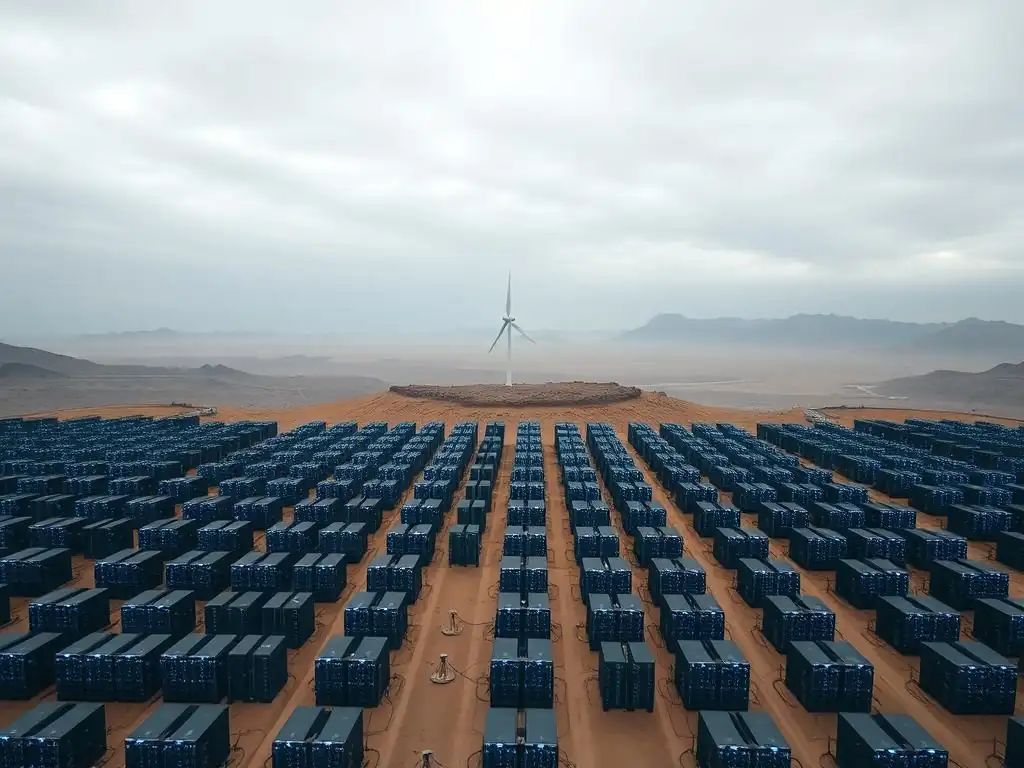
Influence of Mining Pools on Energy Source Selection
Mining pools, which allow individual miners to combine their computing power and share block rewards proportionally, play a significant role in the Bitcoin ecosystem. While individual miners ultimately choose their hardware and energy source, mining pools can influence the overall network's energy profile through their policies, reporting, and the location of their pooled hashrate. Large pools can potentially encourage or even require participants to report their energy sources or favor miners using renewable energy, though enforcing such policies across a decentralized network is difficult.
However, the concentration of hashrate within large pools gives them a platform to advocate for sustainable practices. By promoting transparency about the energy mix of their collective hashrate, pools can raise awareness and potentially influence miner behavior towards greener options, subtly impacting the overall Bitcoin carbon footprint.
Sustainable Mining Pool Initiatives and Transparency
Some mining pools have started launching initiatives aimed at promoting sustainability. This includes publishing reports on the estimated renewable energy percentage of their pooled hashrate or partnering with environmental organizations. While the accuracy and scope of these reports vary, they represent a step towards greater transparency regarding the environmental impact.
For example, some pools might offer dashboards showing the estimated carbon intensity of the energy used by their participants, based on reported data or regional grid averages. Increased transparency from pools is crucial for researchers and the public to gain a clearer picture of the actual Bitcoin carbon footprint impact and track progress towards sustainability goals.
The Potential for Collective Action in Reducing Bitcoin's Carbon Footprint
Mining pools have the potential to drive collective action within the industry. By setting standards, encouraging best practices, and providing resources or incentives for adopting renewable energy or energy-efficient hardware, pools can leverage their influence to accelerate the transition to greener mining.
Collaboration between pools, hardware manufacturers, energy providers, and policymakers is essential. Joint initiatives focused on developing infrastructure for renewable-powered mining or creating industry-wide standards for reporting energy usage and emissions could lead to a more coordinated effort to reduce the overall Bitcoin carbon footprint impact.
Regulatory Landscape and Policy Implications for Bitcoin Mining
Global Regulatory Approaches to Bitcoin Mining and Energy Consumption
The environmental impact of Bitcoin mining has attracted the attention of regulators worldwide, leading to varied policy approaches. Some countries or regions have considered or implemented measures specifically targeting the energy consumption of cryptocurrency mining. China's outright ban was the most drastic example, significantly altering the global mining landscape.
Other jurisdictions are exploring different regulatory avenues. These include requiring mining operations to register, report their energy usage and sources, or adhere to specific environmental standards. The European Union, for instance, has debated potential measures related to the energy consumption of crypto assets as part of its broader digital finance strategy. Regulatory actions, or the threat thereof, can act as a significant driver for miners to seek out locations with more favorable environmental policies or cheaper, potentially renewable, energy sources, thus influencing the global Bitcoin carbon footprint impact distribution.
Carbon Taxes, Energy Efficiency Standards, and Mining Restrictions
Specific policy tools being considered or implemented include carbon taxes on energy-intensive activities, energy efficiency standards for mining hardware or facilities, and outright restrictions or moratoriums on mining operations in certain areas. Carbon taxes aim to internalize the environmental cost of emissions, potentially making fossil-fuel-powered mining less economically viable compared to renewable alternatives.
Energy efficiency standards could mandate the use of newer, more efficient ASIC hardware, reducing the energy consumed per hash. Some local governments have also imposed temporary or permanent bans on new mining operations, citing concerns about grid stability or environmental impact. These regulatory measures can significantly alter the economic calculus for miners and push the industry towards more sustainable practices, directly addressing the Bitcoin carbon footprint impact.
The Impact of Regulations on Bitcoin Mining's Location and Energy Sources
Regulations have a direct impact on the geographical distribution of Bitcoin mining and the energy sources utilized. Countries with clear, favorable regulations and access to cheap, clean energy are becoming more attractive destinations. Conversely, regions with stringent environmental rules or high energy costs may see miners relocate.
This regulatory push and pull creates a dynamic environment. It can accelerate the adoption of renewable energy by making it economically advantageous to mine in regions with abundant hydro, solar, or wind power, or by penalizing fossil fuel use. Understanding this interplay between regulation, geography, and energy sources is crucial for analyzing the evolving Bitcoin carbon footprint impact.
Innovations and Technological Solutions to Mitigate Bitcoin's Environmental Impact
Transitioning to More Energy-Efficient Mining Hardware (ASICs)
A key factor in mitigating the energy consumption of Bitcoin mining is the continuous development and adoption of more energy-efficient hardware. The evolution from CPUs and GPUs to specialized ASICs has dramatically increased the computational power per watt of electricity consumed. Newer generation ASICs, such as those based on smaller semiconductor process nodes (e.g., 7nm or 5nm), offer significant improvements in efficiency compared to older models.
While the total hashrate continues to grow, the increasing efficiency of the hardware deployed helps to slow the rate of increase in total energy consumption compared to what it would be if older hardware remained dominant. Encouraging the retirement of inefficient hardware and the adoption of the latest generation ASICs is a necessary step in reducing the energy footprint per unit of security provided by the network and thus mitigating the Bitcoin carbon footprint impact.
Exploring Alternative Consensus Mechanisms: Proof-of-Stake (PoS) and Beyond
Perhaps the most discussed technological solution to reduce the energy consumption of blockchain networks is the transition to alternative consensus mechanisms that do not rely on energy-intensive computation like Proof-of-Work. Proof-of-Stake (PoS) is the most prominent alternative, where validators are chosen to create new blocks based on the amount of cryptocurrency they "stake" (hold and are willing to lock up) as collateral.
Networks like Ethereum have successfully transitioned from PoW to PoS, resulting in a drastic reduction in energy consumption – estimated to be over 99% lower than its previous PoW model. While Bitcoin remains committed to PoW due to its perceived security advantages and the difficulty of implementing such a fundamental change, the success of PoS in other major networks highlights the potential for significantly lower energy consumption in the broader blockchain space, offering a stark contrast to the Bitcoin carbon footprint impact. Other mechanisms like Proof-of-Capacity or Proof-of-History also exist, each with different resource requirements.
Carbon Offset Programs and Cryptocurrency Environmental Funds
Another approach to address the environmental impact is through carbon offset programs and the establishment of cryptocurrency environmental funds. Some mining operations and companies in the crypto space purchase carbon credits to offset their estimated emissions. Carbon offsets represent a reduction in greenhouse gas emissions achieved elsewhere, such as through renewable energy projects or reforestation efforts.
Furthermore, initiatives are emerging to create funds specifically dedicated to investing in environmental projects, sometimes financed by contributions from crypto companies or a portion of transaction fees. While carbon offsets can be a controversial solution, potentially seen as compensating for ongoing emissions rather than eliminating them, they can provide a mechanism for the industry to contribute financially to global environmental efforts and acknowledge the need to address the Bitcoin carbon footprint impact.
Case Studies: Examining Specific Bitcoin Mining Operations and their Environmental Practices
Hydroelectric-Powered Mining in Iceland
Iceland provides a compelling case study for sustainable Bitcoin mining due to its abundant geothermal and hydroelectric energy resources. These sources provide nearly 100% renewable electricity at relatively low costs. Mining facilities in Iceland have leveraged this clean energy, significantly reducing their local carbon footprint compared to operations powered by fossil fuels.
Companies operating in Iceland often highlight their use of renewable energy as a key selling point. While the total hashrate in Iceland is a fraction of the global total, these operations demonstrate that large-scale, energy-intensive computing can be powered by clean energy, offering a model for how the Bitcoin carbon footprint impact can be minimized through strategic location and energy sourcing.
Some mining operations in colder climates, particularly in Scandinavia, are exploring and implementing solutions to utilize the significant amount of waste heat generated by mining hardware. Instead of simply venting this heat into the atmosphere, facilities are experimenting with using it for heating nearby buildings, greenhouses, or even fish farms.
This approach turns a byproduct of the energy-intensive mining process into a useful resource, improving overall energy efficiency and reducing the net environmental burden. While still relatively niche, these projects showcase innovative ways to mitigate the environmental impact and improve the sustainability profile beyond just the energy source, offering a different angle on addressing the Bitcoin carbon footprint impact.
Lessons Learned and Best Practices from Sustainable Bitcoin Mining
Case studies from regions like Iceland and initiatives utilizing waste heat offer valuable lessons. Firstly, access to cheap, abundant renewable energy is a primary driver for reducing the Bitcoin carbon footprint impact. Secondly, innovation in utilizing the output of mining (heat) can improve efficiency. Best practices emerging from these examples include:
- Prioritizing locations with high percentages of renewable energy in the grid mix.
- Investing in the most energy-efficient hardware available.
- Exploring opportunities for waste heat recovery and utilization.
- Increasing transparency about energy sources and consumption.
These lessons highlight that while the fundamental PoW mechanism is energy-intensive, there are significant opportunities to reduce its environmental footprint through strategic decisions and technological applications.
The Future of Bitcoin Mining and its Environmental Sustainability
Predictions for Bitcoin's Energy Consumption in the Coming Years
Predicting Bitcoin's future energy consumption is challenging, as it depends on factors like price appreciation (incentivizing more mining), hardware efficiency improvements, and the global distribution of hashrate influenced by regulations and energy costs. Some models project continued growth in energy consumption if the network's hashrate keeps increasing and the energy mix doesn't significantly decarbonize.
However, counterarguments suggest that as mining matures and competition intensifies, miners will be increasingly driven to find the cheapest energy, which is often renewable in many locations. Furthermore, improvements in ASIC efficiency could potentially outpace hashrate growth. The trajectory of the Bitcoin carbon footprint impact will hinge on the interplay of these competing forces.
Technological Advancements and their Potential to Reduce the Carbon Footprint
Technological advancements hold significant potential to reduce the Bitcoin carbon footprint impact. Continued improvements in ASIC efficiency will mean less energy is required per computation. Innovations in energy storage could make intermittent renewable sources like solar and wind more viable for consistent mining operations.
Furthermore, developments in smart grids and energy management could allow mining operations to act as flexible loads, consuming power when renewable supply is high and demand is low, thereby supporting grid stability and maximizing the use of clean energy. While PoW itself is energy-intensive, the technologies supporting its infrastructure are evolving in ways that could mitigate its environmental impact.
The Role of Consumer Awareness and Responsible Investment in Sustainable Bitcoin
Consumer awareness and the demand for sustainable practices are increasingly influencing industries, and Bitcoin is no exception. As investors and the public become more aware of the Bitcoin carbon footprint impact, there may be growing pressure on exchanges, custodians, and funds to demonstrate that the Bitcoin they handle is associated with sustainable mining practices.
Responsible investment trends could steer capital towards mining operations that prioritize renewable energy and transparency. This 'green premium' could incentivize miners to accelerate the transition to cleaner energy sources, driven not just by cost but also by market demand for ethically sourced digital assets.
Conclusion: Towards a More Sustainable Bitcoin Ecosystem
Recapping the Key Findings on Bitcoin's Carbon Footprint
This article has explored the significant Bitcoin carbon footprint impact, primarily driven by the energy-intensive Proof-of-Work consensus mechanism. We've seen that quantifying this impact is complex but estimates highlight substantial energy consumption and associated carbon emissions, particularly when mining relies on fossil fuels. The global distribution of mining, influenced by energy costs and regulations, plays a crucial role in determining the carbon intensity of the network.
We've also examined the indirect environmental effects like e-waste and infrastructure development. Crucially, the rise of green mining initiatives, the integration of renewable energy sources, and technological advancements in hardware efficiency and alternative consensus mechanisms offer pathways to mitigate this impact, demonstrating that while the challenge is significant, efforts are underway to move towards a more sustainable future for Bitcoin mining.
The Importance of Collaboration and Innovation in Addressing the Environmental Challenges
Addressing the environmental challenges posed by Bitcoin mining requires a concerted effort involving collaboration and innovation across the industry. Miners, mining pools, hardware manufacturers, energy providers, policymakers, and the broader crypto community must work together. Sharing data, developing industry standards for sustainability, investing in renewable energy infrastructure, and exploring technological solutions are all critical steps.
Innovation is needed not only in energy technology and hardware efficiency but also in business models that align economic incentives with environmental responsibility. Turning the challenge of the Bitcoin carbon footprint impact into an opportunity for innovation can drive positive change within the ecosystem.
Call to Action: Fostering a Greener Future for Bitcoin and Blockchain Technology
Fostering a greener future for Bitcoin and blockchain technology is a shared responsibility.
- Miners: Prioritize renewable energy sourcing and invest in efficient hardware.
- Mining Pools: Promote transparency and encourage sustainable practices among participants.
- Developers: Continue exploring and refining energy-efficient technologies and protocols.
- Investors and Users: Support initiatives focused on green mining and demand greater transparency regarding the environmental impact of their crypto holdings.
- Policymakers: Implement regulations that encourage sustainable energy adoption without stifling innovation.
By collectively taking action and prioritizing sustainability, the industry can significantly reduce the Bitcoin carbon footprint impact and pave the way for a more environmentally responsible decentralized future.
Frequently Asked Questions
What is the main argument presented regarding Bitcoin mining's environmental impact?
The article examines the global perspective on the carbon footprint of Bitcoin mining, detailing its energy consumption and related emissions. It doesn't take a specific stance but aims to present the various aspects.
How does the article address the debate surrounding Bitcoin's energy usage?
The article likely explores the ongoing debate by presenting data and analysis of Bitcoin mining's energy consumption, considering factors like renewable energy sources and geographic distribution.
Does the article discuss potential solutions for mitigating the carbon footprint of Bitcoin mining?
While this depends on the specific content, the article may touch upon potential solutions such as transitioning to renewable energy sources, improving mining efficiency, and carbon offsetting initiatives.
Does the article only focus on the negative impacts of Bitcoin mining, or are there any potential benefits discussed?
The article likely focuses primarily on the negative impacts, such as high energy consumption and associated carbon emissions, but may briefly acknowledge any arguments for potential long-term benefits, however minor.
How does the article frame the future of Bitcoin in relation to its environmental impact?
The future outlook likely involves considerations of regulatory pressures, technological advancements in mining, and the adoption of sustainable energy practices to reduce the Bitcoin carbon footprint impact.
The exploration of Bitcoin mining's carbon footprint, as detailed throughout this article, reveals a critical intersection between technological innovation and environmental responsibility. The undeniable truth is that Bitcoin's energy consumption has a tangible impact on our planet, demanding a conscious and proactive approach to mitigate its effects. Ignoring this reality would be a disservice to future generations and a betrayal of our commitment to a sustainable future.
The ongoing debate surrounding Bitcoin's environmental impact has profoundly shaped the discourse around cryptocurrency, forcing us to confront the ethical implications of our technological advancements. This examination has personally reinforced the importance of informed decision-making and the need to advocate for sustainable solutions within the digital realm. We are the first generation to feel the effect of climate change and the last generation who can do something about it.
- Barack Obama. This quote serves as a stark reminder that the responsibility to address Bitcoin's carbon footprint rests squarely on our shoulders.
As we stand at the precipice of a new era of digital finance, let us not be blinded by the allure of technological progress. Instead, I urge you to reflect on the information presented here and consider how you can contribute to a more sustainable future. Whether it's supporting renewable energy initiatives, advocating for more efficient mining practices, or simply making informed investment choices, your actions can make a difference. Let us strive to harness the power of Bitcoin while minimizing its environmental footprint, ensuring a brighter and more sustainable future for all.
Pledge to Power a Greener Blockchain Future!
Thank you for exploring the environmental impact of Bitcoin and the broader cryptocurrency industry. We hope you now have a better understanding of the challenges and opportunities involved in making blockchain technology more sustainable. Now, let's turn that knowledge into action!
Here's how you can contribute to a more eco-friendly blockchain ecosystem:
- Calculate your own carbon footprint related to crypto activities: Use online tools to quantify your impact and identify areas for improvement. This is a crucial first step toward responsible engagement.
- Research and support renewable energy initiatives within the blockchain industry. Look for projects that power mining operations with solar, wind, or other sustainable sources.
- Engage in constructive conversations about sustainable blockchain solutions with your friends, family, and online communities. Sharing information can inspire wider adoption and innovation.
What small change will you make today to reduce your crypto carbon footprint and support a greener blockchain?
Leave a Reply