
Blockchain for Climate Action: Tracking and Monitoring Environmental Data with Transparency


Welcome to Blockchain Trends, your guide to understanding the revolutionary potential of blockchain technology.
Are you ready to discover how blockchain is moving beyond cryptocurrencies and tackling critical global challenges? In this article, we delve into the innovative applications of blockchain climate data tracking. Imagine a world where environmental data is immutable, transparent, and readily accessible. We'll explore how this technology can revolutionize climate action, fostering accountability and driving sustainable solutions. Intrigued? Keep reading to uncover the possibilities!
Blockchain for Climate Action: Tracking and Monitoring Environmental Data with Transparency
- Introduction: The Urgent Need for Transparent Climate Data
- Blockchain Climate Data Tracking: Addressing the Challenges
- How Blockchain Enables Transparent Environmental Data Management
- Use Cases: Blockchain Applications in Climate Action
- Benefits of Blockchain for Climate Data Tracking
- Challenges and Considerations for Blockchain Implementation in Climate Action
- The Future of Green Blockchain Tech: A Sustainable Path Forward
- Conclusion: Blockchain's Transformative Potential for Climate Action
-
Frequently Asked Questions
- How can blockchain enhance climate data tracking?
- What are the key benefits of using blockchain for environmental data?
- What types of environmental data can be tracked using blockchain?
- How does blockchain contribute to building trust in climate action initiatives?
- What are some potential challenges in implementing blockchain for climate data tracking?
- Final Reflection: Empowering a Sustainable Future with Blockchain
- Empower Your Environmental Impact!
Introduction: The Urgent Need for Transparent Climate Data
The Growing Importance of Accurate Environmental Monitoring
Accurate and transparent environmental monitoring is no longer a niche concern; it is a global imperative. As the impacts of climate change intensify, from rising sea levels threatening coastal cities to extreme weather events disrupting agriculture and infrastructure, the need for reliable data on greenhouse gas emissions, deforestation rates, biodiversity loss, and pollution levels becomes paramount.
This data forms the foundation for informed policy-making, effective conservation strategies, and verifiable progress towards sustainability goals set by international agreements like the Paris Agreement. Without precise measurements and clear reporting, it is difficult, if not impossible, to assess the true scale of environmental challenges, track the effectiveness of mitigation and adaptation efforts, and hold entities accountable for their environmental footprint.
The demand for granular, verifiable environmental data is increasing across sectors. Businesses face pressure from consumers, investors, and regulators to demonstrate sustainability commitments, often requiring detailed reporting on supply chain impacts and carbon emissions. For instance, a company aiming for net-zero emissions needs to accurately track Scope 1, 2, and 3 emissions, which involves complex data collection across operations and value chains.
Similarly, governments require robust monitoring systems to track compliance with environmental regulations and assess the health of natural resources. The sheer volume and complexity of the environmental data required today necessitate advanced tools and methodologies to ensure its accuracy, integrity, and accessibility for all stakeholders involved in climate action.
How Blockchain Technology Can Revolutionize Climate Action
Blockchain technology, a distributed ledger system known for its transparency, immutability, and security features, offers a compelling solution to many of the challenges inherent in traditional environmental data management. By providing a decentralized and tamper-proof record of transactions or data entries, blockchain can fundamentally alter how environmental information is collected, stored, shared, and verified.
This potential spans various applications, from creating transparent carbon markets and tracking sustainable supply chains to monitoring ecosystem health and verifying renewable energy production. The core value proposition lies in establishing a single, shared source of truth for environmental data that is accessible to authorized parties and resistant to manipulation.
Implementing blockchain for climate action can unlock unprecedented levels of trust and collaboration among diverse stakeholders – including governments, corporations, NGOs, and local communities. Imagine a system where verifiable data on carbon emissions from industrial facilities is recorded on a blockchain, instantly accessible to regulators and the public, or where every stage of a product's journey, from raw material sourcing to disposal, is tracked on a transparent ledger, verifying its sustainability claims.
This enhanced transparency fosters accountability and incentivizes genuine environmental stewardship. The focus on Blockchain climate data tracking leverages these intrinsic properties of the technology to build more robust, reliable, and equitable systems for environmental monitoring and reporting, accelerating the transition to a sustainable future.
Blockchain Climate Data Tracking: Addressing the Challenges
Limitations of Traditional Environmental Data Collection Methods
Traditional methods for collecting and managing environmental data often suffer from significant limitations that hinder effective climate action. Data is frequently collected in silos, using disparate systems and formats across different agencies, organizations, or even within the same entity. This fragmentation makes it challenging to aggregate, analyze, and share data comprehensively, leading to incomplete pictures of complex environmental systems. For example, monitoring air quality might involve data from various sensors managed by different local authorities, making a unified regional analysis difficult without significant manual effort and data reconciliation.
Furthermore, traditional data systems can be prone to errors, inconsistencies, and even intentional manipulation. Manual data entry is susceptible to human error, while centralized databases can be vulnerable to cyberattacks or unauthorized alterations. In contexts like carbon reporting or compliance monitoring, this lack of integrity can undermine trust and create opportunities for "greenwashing" or underreporting.
For instance, verifying emission reduction claims often relies on self-reported data, which can be difficult for external parties to audit effectively. The absence of a transparent, immutable audit trail means that tracing the origin and verifying the accuracy of environmental data points retrospectively can be a complex and often impossible task, directly impacting the reliability of climate data tracking efforts.
The Potential of Distributed Ledger Technology (DLT) for Climate Transparency
Distributed Ledger Technology (DLT), the underlying framework for blockchain, offers a powerful paradigm shift for enhancing climate transparency. Unlike centralized databases, DLT distributes copies of the ledger across multiple nodes, making it highly resilient to single points of failure and manipulation.
Once data is recorded on a DLT, it is cryptographically linked to previous entries, creating an immutable chain that is virtually impossible to alter without the consensus of the network participants. This inherent immutability is a critical feature for establishing trust in environmental data, ensuring that historical records of emissions, resource use, or conservation efforts remain accurate and verifiable over time.
The transparency features of DLT also play a crucial role. While not all DLTs are public (private or permissioned ledgers also exist), even permissioned systems can provide a shared, verifiable record accessible to authorized stakeholders. This allows for greater scrutiny of environmental data, enabling auditors, regulators, and even the public (depending on the system design) to independently verify claims and track environmental performance.
For example, a DLT could record every transaction related to carbon credit issuance or retirement, providing a transparent log that prevents double-counting and increases market integrity. By leveraging DLT for Blockchain climate data tracking, organizations can build systems that are not only more secure and reliable but also foster greater accountability and trust among all participants in climate action initiatives.
How Blockchain Enables Transparent Environmental Data Management
Immutable Records for Verified Climate Data
The cornerstone of blockchain's utility for environmental data management is its ability to create immutable records. Once data is added to a block and that block is appended to the chain through a consensus mechanism, it becomes extremely difficult, if not computationally infeasible, to alter or delete that data without re-writing subsequent blocks and achieving consensus across the network.
This property is invaluable for ensuring the integrity and reliability of climate data over long periods. Imagine tracking greenhouse gas emissions from a factory over several years; recording this data on a blockchain provides a permanent, verifiable history that cannot be retroactively changed to hide non-compliance or misrepresent performance.
This immutability builds a foundation of trust that is often lacking in traditional systems. When environmental data, such as measurements from remote sensors monitoring air quality or satellite imagery confirming forest cover changes, is timestamped and recorded on a blockchain, stakeholders can be confident that the data represents a true snapshot in time.
This verifiable history is essential for auditing environmental performance, ensuring compliance with regulations, and accurately assessing progress towards climate goals. For instance, verifying carbon sequestration projects requires tracking data over decades; blockchain ensures that the data points collected today will be available and unaltered for future verification, making Blockchain climate data tracking a powerful tool for long-term environmental stewardship.
Enhanced Data Security and Integrity with Blockchain
Blockchain technology inherently enhances data security and integrity through cryptographic principles and distributed architecture. Each block in the chain contains a cryptographic hash of the previous block, creating a secure link. Any attempt to tamper with the data in a block would change its hash, breaking the chain and immediately signaling the alteration to the network.
This makes unauthorized modifications virtually impossible without detection. Furthermore, in a public or permissioned distributed ledger, the data is not stored in a single, vulnerable location but is replicated across multiple nodes, making it resistant to single points of failure and denial-of-service attacks that could compromise a centralized database.
The use of digital signatures linked to cryptographic keys ensures that data entries can be attributed to specific authorized parties, adding another layer of accountability. For example, environmental monitoring data from a specific sensor could be signed with the private key of the authorized monitoring station, verifying the source and authenticity of the data recorded on the blockchain.
This combination of cryptographic security, distributed storage, and immutable records significantly reduces the risk of data breaches, manipulation, or loss, providing a robust framework for managing sensitive environmental information. This enhanced security and integrity are crucial for building reliable Blockchain climate data tracking systems that stakeholders can trust for critical decision-making.
Decentralized Data Storage for Increased Accessibility
Beyond security and immutability, blockchain's decentralized nature can also improve the accessibility of environmental data, albeit with careful consideration of privacy and permissioning. In a decentralized system, data is not held by a single entity or stored in one central location. Instead, it is distributed across the network.
This architecture can facilitate easier and more direct access for authorized parties, breaking down data silos that often impede collaboration in environmental initiatives. For example, researchers from different institutions could potentially access the same verifiable dataset on regional water quality or species migration patterns recorded on a decentralized ledger, provided they have the necessary permissions.
Decentralization can also empower data ownership and sharing models. Entities collecting environmental data, such as community-based monitoring groups or individual citizens using sensors, could potentially control access to the data they generate while contributing it to a broader, verifiable ledger. This contrasts with traditional models where data is often controlled by large organizations or government agencies, sometimes limiting access for external parties.
While public blockchains offer maximum transparency, permissioned blockchains can provide controlled access to sensitive data while still maintaining a shared, immutable record among consortium members (e.g., government agencies, NGOs, corporations collaborating on a specific environmental project). This distributed access model supports more collaborative and inclusive approaches to Blockchain climate data tracking and environmental management.
Use Cases: Blockchain Applications in Climate Action
Carbon Credit Tracking and Offset Verification with Blockchain
Improving Carbon Market Integrity
One of the most promising applications of blockchain in climate action is in improving the integrity and efficiency of carbon markets, both voluntary and compliance-based. Traditional carbon markets, estimated to be worth billions of dollars annually (e.g., the voluntary market reached approximately $2 billion in 2021), often face challenges related to transparency, double-counting of credits, and verification of offset projects. Blockchain can provide a transparent, immutable ledger for tracking the issuance, ownership, and retirement of carbon credits.
When a verifiable carbon reduction or removal project (like a reforestation effort or renewable energy installation) generates credits, these credits can be tokenized on a blockchain. Every transaction involving these tokens – from their initial issuance to their sale and eventual retirement – is recorded on the ledger, creating a clear audit trail accessible to all market participants.
This transparency helps mitigate fraud and increases trust among buyers and sellers. Buyers of carbon credits, whether corporations seeking to offset emissions or individuals, can verify the legitimacy of the credits they purchase and confirm that they have been genuinely retired and are not being used by multiple parties.
Platforms like Toucan Protocol or Flowcarbon are exploring ways to bring tokenized carbon credits onto public blockchains, aiming to increase liquidity and transparency in the voluntary carbon market. By providing a single, verifiable source of truth for carbon credit data, blockchain technology is poised to make carbon markets more efficient, trustworthy, and impactful in driving emission reductions, significantly enhancing Blockchain climate data tracking within this sector.
Preventing Double Counting of Carbon Credits
A critical issue in carbon markets is the risk of double-counting, where a single emission reduction or removal is claimed by more than one entity or used to generate credits multiple times. This undermines the environmental integrity of the market, as it leads to an overestimation of actual climate benefits. Blockchain's distributed and immutable ledger is ideally suited to prevent this problem.
When a carbon credit is issued as a unique digital token on a blockchain, its entire lifecycle can be tracked. Once a credit is used to offset emissions (retired), this action is recorded on the blockchain, and the token is typically 'burned' or marked as retired, making it impossible to be used again.
For example, if a forest carbon project in Brazil generates 1,000 tonnes of CO2 removal credits, these could be represented as 1,000 unique tokens on a blockchain. If Company A buys 100 of these tokens and retires them to offset its emissions, this transaction is recorded on the public ledger, and those 100 tokens are marked as retired.
Company B, or any other party, can view the ledger and see that those specific credits have been used, preventing them from being sold or claimed again. This transparent and permanent record-keeping mechanism ensures that each tonne of carbon reduction or removal is accounted for only once, providing a robust solution to a long-standing challenge in carbon markets and strengthening the reliability of Blockchain climate data tracking for offsets.
Supply Chain Transparency for Sustainable Products
Tracking the Origin and Environmental Impact of Goods
Consumers and regulators are increasingly demanding transparency regarding the origin and environmental impact of the products they purchase. Blockchain can create end-to-end traceability within supply chains, allowing stakeholders to track goods from raw material extraction to final product and even disposal. By recording key data points at each stage of the supply chain on a blockchain – such as sourcing locations, manufacturing processes, transportation methods, and certifications (e.g., organic, fair trade, low carbon) – companies can build a verifiable history for each product. This immutable record provides concrete evidence for sustainability claims, moving beyond simple labels to data-backed transparency.
Consider a fashion brand committed to using sustainable cotton. Using blockchain, they could track the cotton from the farm (recording location, water usage data, pesticide use) through ginning, spinning, weaving, dyeing, and garment manufacturing. Each transfer of ownership and processing step could be recorded.
A QR code on the final garment could link consumers to this blockchain record, allowing them to verify the cotton's origin and the sustainability practices used at each stage. Projects like IBM Food Trust have demonstrated the potential for blockchain in tracking goods (initially food), reducing the time to trace a product's origin from days to seconds. Applying similar principles to environmental data within supply chains enables robust Blockchain climate data tracking, helping companies and consumers make more informed choices about the products they buy and sell.
Ensuring Ethical Sourcing and Fair Trade Practices
Beyond environmental impacts, blockchain traceability can also verify ethical sourcing and fair labor practices within complex global supply chains. Many sustainability initiatives include commitments to fair wages, safe working conditions, and avoiding child labor or forced labor. Traditional auditing methods can be time-consuming and provide only snapshots in time, making it difficult to ensure continuous compliance. By recording data related to labor practices, certifications, and payments on a blockchain, companies can create a transparent and auditable trail.
For instance, in the cobalt mining industry, which has faced scrutiny over labor practices, blockchain pilot projects are being explored to track cobalt from mine to battery manufacturer. Data points could include worker attendance, payment records, and safety inspection results, cryptographically linked to the mineral's journey. This allows downstream companies and consumers to verify that the materials in their products were sourced ethically.
While challenges remain in ensuring the accuracy of the initial data entry at the source, blockchain provides the necessary infrastructure for verifiable reporting once data is captured. This application of Blockchain climate data tracking extends to social sustainability, providing a more holistic view of a product's journey and its impact on people and the planet.
Monitoring Deforestation and Land Use Changes
Real-time Data on Forest Cover and Ecosystem Health
Deforestation and unsustainable land use are major contributors to climate change and biodiversity loss. Monitoring these changes accurately and in a timely manner is crucial for conservation efforts and enforcing land use regulations. Traditional methods often rely on periodic surveys or satellite imagery analysis that can be slow to process and share.
Integrating satellite data, ground sensor readings, and local observations with blockchain technology can create more dynamic and transparent monitoring systems. Data feeds from sources like the European Space Agency's Sentinel satellites or commercial providers like Planet Labs, showing changes in forest cover or land use, can be processed and the key findings (e.g., detection of illegal logging activity in a specific location) recorded as immutable entries on a blockchain.
Community-based monitoring groups can also contribute data, authenticated on the blockchain, providing valuable on-the-ground insights. For example, a project might use a decentralized application (dApp) where local rangers or indigenous communities can upload geotagged photos or sensor data reporting illegal activity or changes in ecosystem health. This data, once validated (perhaps through a consensus mechanism involving multiple local validators or AI analysis), is added to the blockchain, creating a verifiable record accessible to relevant authorities, researchers, and the public.
This approach facilitates near real-time monitoring and creates an indisputable log of changes, supporting enforcement actions and research. This application of Blockchain climate data tracking provides a powerful tool for protecting vital ecosystems.
Empowering Local Communities in Environmental Stewardship
Blockchain technology can empower local communities, particularly indigenous peoples and those living in or near sensitive ecosystems, to play a more active and equitable role in environmental stewardship and benefit from conservation efforts. By participating in decentralized monitoring systems, communities can contribute valuable local knowledge and data, ensuring their observations are recorded on a transparent and immutable ledger. This gives their data legitimacy and makes it accessible to external stakeholders, potentially influencing policy and conservation strategies. Furthermore, blockchain can facilitate direct payments or incentives for environmental services.
For instance, a program designed to reward communities for protecting forests could use a blockchain to track verifiable conservation milestones (based on monitoring data) and automatically disburse payments or tokenized benefits directly to community members or a designated community fund via smart contracts. This removes intermediaries, reduces administrative costs, and increases trust that funds are reaching the intended recipients based on verifiable outcomes.
Providing communities with tools to contribute data and benefit directly from conservation strengthens their role as stewards of the land. This integration of local participation with Blockchain climate data tracking fosters a more inclusive and effective approach to environmental protection.
Tracking Renewable Energy Production and Consumption
Promoting Green Energy Adoption
Tracking the production and consumption of renewable energy is essential for verifying progress towards clean energy targets and facilitating the growth of decentralized energy markets. Traditional methods often involve complex contractual agreements and certificates that can be cumbersome to manage and prone to errors. Blockchain can streamline this process by tokenizing units of renewable energy or Renewable Energy Certificates (RECs). Each kilowatt-hour (kWh) of green energy produced by a solar panel or wind turbine can be recorded on a blockchain, creating a digital twin of the energy generated.
Platforms like Powerledger or Energy Web Chain are developing blockchain-based solutions that allow individuals and businesses to track the origin of their electricity consumption and even trade renewable energy directly. For example, a homeowner with rooftop solar panels could automatically record their excess energy production on a blockchain.
Other consumers or businesses in the same local grid could then purchase this energy directly from the homeowner via a smart contract, verified on the blockchain. This peer-to-peer energy trading model incentivizes local renewable energy generation and provides consumers with verifiable proof that their energy comes from green sources, promoting wider adoption of renewables and enhancing Blockchain climate data tracking for energy flows.
Verifying Renewable Energy Certificates (RECs)
Renewable Energy Certificates (RECs), or similar instruments like Guarantees of Origin (GOs) in Europe, are market-based instruments that certify that one megawatt-hour (MWh) of electricity was generated from a renewable energy source. They are crucial for companies and individuals to prove they are using renewable energy, even if they are drawing power from a grid that includes fossil fuels. However, traditional REC tracking systems can be fragmented and susceptible to double-counting or fraudulent certificates. Blockchain offers a robust solution for creating, tracking, and retiring RECs.
When a renewable energy facility generates 1 MWh of electricity, a corresponding digital REC can be issued on a blockchain. This token contains metadata about the source (type of renewable, location, date of generation). As the REC is traded or transferred, each transaction is recorded on the immutable ledger.
When a party uses the REC to claim consumption of renewable energy, the token is retired on the blockchain, preventing it from being used again. This transparent and verifiable system ensures the integrity of the REC market, providing stakeholders with confidence that their investment in RECs genuinely supports renewable energy generation and avoids double-counting. This is a prime example of how Blockchain climate data tracking can bring much-needed transparency and efficiency to environmental commodity markets.
Benefits of Blockchain for Climate Data Tracking
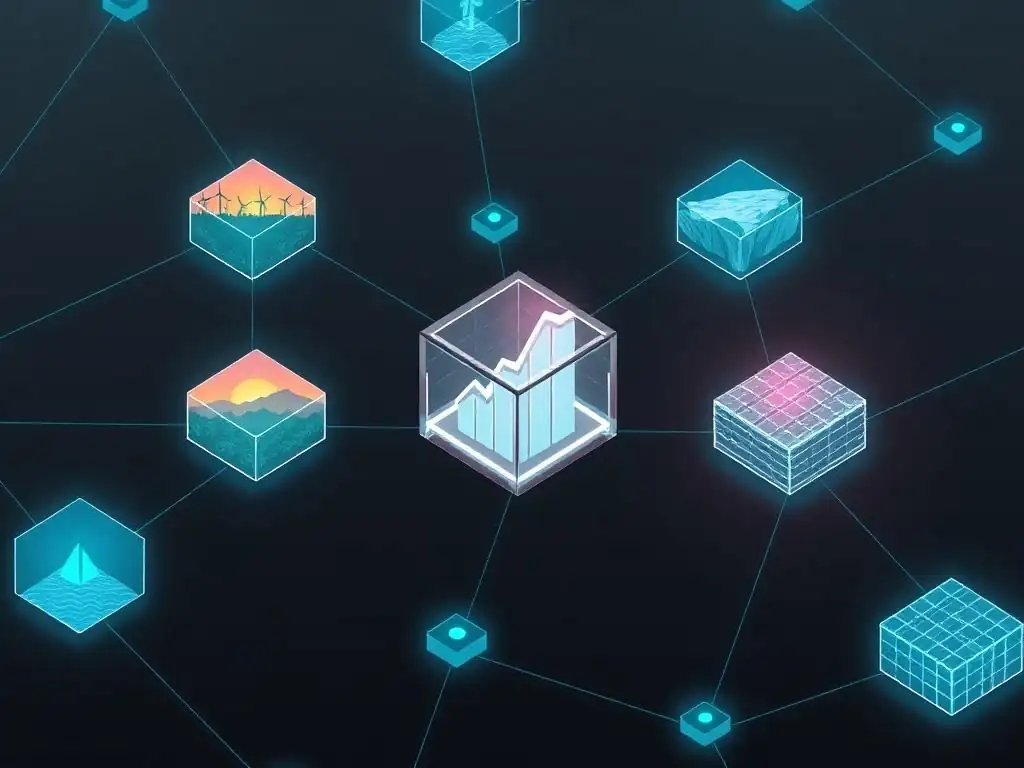
Increased Trust and Accountability in Environmental Reporting
One of the most significant benefits of using blockchain for environmental data tracking is the substantial increase in trust and accountability it enables. By providing a transparent, immutable, and verifiable ledger for environmental data, blockchain removes the reliance on single, potentially fallible or biased sources. Stakeholders, including regulators, investors, NGOs, and the public, can independently verify reported data, reducing the potential for greenwashing, fraud, or accidental errors.
This enhanced transparency builds confidence in environmental claims and reporting, which is critical for effective climate action. For instance, when a corporation reports a reduction in its carbon footprint, the underlying data recorded on a blockchain can be audited and verified by external parties, holding the company accountable for its stated progress.
This increased trust fosters greater collaboration among diverse groups who may otherwise be hesitant to share data or rely on others' reports. A shared, verifiable ledger encourages participation and data contribution, knowing that the information will be secure and its source attributable.
This is particularly important in multi-stakeholder initiatives, such as regional conservation projects or international supply chain sustainability efforts, where data sharing and mutual accountability are essential for success. By making environmental performance data more reliable and accessible, blockchain supports a culture of accountability, where entities are incentivized to meet their commitments because their actions are transparently recorded, fundamentally improving Blockchain climate data tracking processes.
Improved Data Accuracy and Reliability
Blockchain's design inherently improves the accuracy and reliability of environmental data over time. While the initial data capture still relies on accurate sensors, measurements, or reporting, once data is recorded on the blockchain, its integrity is protected. The immutability prevents unauthorized changes, ensuring that historical data remains a true record of past conditions or performance. Cryptographic hashing and digital signatures verify the data's integrity and source, making it difficult to inject false information without detection. This is crucial for longitudinal studies, compliance monitoring, and assessing the long-term impact of environmental policies or projects.
Consider monitoring water quality in a river system. Data from distributed sensors, once validated and recorded on a blockchain, provides a reliable historical record of pollution levels, temperature, and flow rates. Researchers and environmental agencies can access this data years later with confidence that it has not been altered.
This level of data reliability is often difficult to achieve with traditional database systems that may lack robust audit trails or be subject to data migration issues. By providing a secure and permanent repository for environmental information, blockchain significantly enhances the accuracy and reliability of the data available for analysis and decision-making, making Blockchain climate data tracking a more dependable source of truth.
Enhanced Collaboration and Data Sharing Among Stakeholders
Environmental challenges are complex and often span geographical and organizational boundaries, requiring collaboration among a wide range of stakeholders. Traditional data silos and lack of trust can be significant barriers to effective data sharing and joint action. Blockchain technology, particularly permissioned or consortium blockchains, can facilitate enhanced collaboration by providing a shared, secure platform for data exchange. Participants in the network can contribute data and access information relevant to their role, based on predefined permissions, all while maintaining a single, consistent view of the ledger.
For example, a consortium focused on sustainable agriculture might include farmers, food processors, retailers, certification bodies, and government agencies. A blockchain could be used to track data related to farming practices (e.g., soil health metrics, water usage, fertilizer application), certifications (e.g., organic status), and supply chain movements. Each participant could contribute their relevant data points to the shared ledger.
This allows for unprecedented visibility across the value chain, enabling better coordination, faster problem-solving (e.g., tracing contaminated produce quickly), and collective progress towards sustainability goals. By creating a trusted environment for data sharing, blockchain breaks down silos and enables more effective collaborative efforts in environmental protection and Blockchain climate data tracking.
Reduced Costs and Increased Efficiency in Environmental Monitoring
While initial setup costs can vary, implementing blockchain for environmental monitoring and data management can lead to reduced operational costs and increased efficiency over time. By automating processes through smart contracts, such as the issuance or retirement of carbon credits, or the disbursement of payments based on verifiable environmental outcomes, administrative overhead can be significantly reduced. Manual data reconciliation across disparate systems is minimized when a single, shared ledger is used. The increased transparency and data integrity also reduce the need for costly and time-consuming audits, as the data on the blockchain is inherently verifiable.
Furthermore, decentralized systems can potentially reduce reliance on expensive centralized infrastructure. Data collection from distributed sensors can be managed and authenticated on a decentralized network, potentially lowering the costs associated with central data processing and storage.
For instance, a system tracking renewable energy generation from thousands of distributed solar panels can record data points on a blockchain more efficiently than aggregating and verifying them through traditional, centralized billing and certification systems. While specific cost savings depend on the scale and design of the implementation, the automation, reduced need for intermediaries, and streamlined verification processes offered by blockchain can lead to significant efficiencies in Blockchain climate data tracking and broader environmental management efforts.
Challenges and Considerations for Blockchain Implementation in Climate Action
Scalability and Energy Consumption of Blockchain Networks
Despite its potential, implementing blockchain for large-scale environmental data tracking faces significant challenges, particularly regarding scalability and energy consumption. Public Proof-of-Work (PoW) blockchains, like Bitcoin, are notoriously energy-intensive due to the computational power required for mining.
While some environmental applications might use private or permissioned blockchains that are less energy-intensive, using PoW for tracking vast amounts of environmental data, such as real-time sensor feeds from millions of devices, would be environmentally counterproductive and computationally prohibitive. For example, Bitcoin's annual energy consumption is often compared to that of small to medium-sized countries (e.g., Belgium or Argentina, though estimates vary), making it unsuitable for green applications without fundamental changes.
Scalability is another hurdle. Many existing blockchain networks have limited transaction throughput compared to traditional databases or payment systems. Tracking granular environmental data points from numerous sources could generate a massive volume of transactions.
While Layer-2 solutions and alternative consensus mechanisms like Proof-of-Stake (PoS) offer significant improvements in both scalability and energy efficiency (e.g., Ethereum's transition to PoS is estimated to reduce its energy consumption by over 99%), deploying these solutions at a global scale for diverse environmental applications still requires significant development and adoption. Addressing these technical limitations is crucial for making Blockchain climate data tracking viable and environmentally sound on a large scale.
Regulatory Frameworks and Standardization
The regulatory landscape surrounding blockchain technology is still evolving in many jurisdictions, creating uncertainty for its application in sensitive areas like environmental data and carbon markets. Lack of clear legal frameworks regarding the status of tokenized assets (like carbon credits), data ownership on a decentralized ledger, and the legal enforceability of smart contracts can hinder widespread adoption.
Different countries and regions may develop differing regulations, creating interoperability challenges for global environmental initiatives. For instance, a blockchain system tracking sustainable timber might need to comply with varying forestry laws and data privacy regulations in different countries where the timber is sourced, processed, and sold.
Furthermore, establishing standardized protocols and data formats is essential for ensuring that environmental data recorded on different blockchain platforms or by different entities is interoperable and comparable. Without common standards for measuring and reporting specific environmental metrics (e.g., greenhouse gas emissions from a particular industrial process, biodiversity indicators), integrating data from various sources, even if on a blockchain, remains difficult.
Efforts by organizations like the ISO (International Organization for Standardization) or specific industry bodies to develop standards for using DLT in sustainability applications are underway but require broad consensus and adoption to unlock the full potential of Blockchain climate data tracking.
Data Privacy and Security Concerns
While blockchain offers enhanced security against tampering, data privacy remains a significant consideration, particularly on public blockchains where all transaction data is typically visible. Recording sensitive environmental data, such as proprietary industrial emission data, location data of endangered species, or detailed supply chain information, on a public ledger may raise privacy concerns for businesses, individuals, or conservation efforts. While data can be anonymized or aggregated before being recorded, the immutable nature of the blockchain means that once data is on the ledger, it is permanently there.
Permissioned blockchains offer more control over data access, allowing only authorized participants to view specific information. However, even in these systems, robust access control mechanisms and data encryption are necessary to protect sensitive information.
Ensuring the security of the private keys used to access and write data to the blockchain is also paramount, as compromised keys could potentially allow unauthorized data entry or manipulation (though altering past, validated data remains difficult). Designing blockchain solutions for environmental data requires careful consideration of privacy requirements and implementing appropriate technical and governance measures to balance transparency with the need to protect sensitive information, which is a key challenge for effective Blockchain climate data tracking.
Interoperability with Existing Environmental Data Systems
Integrating new blockchain systems with existing legacy environmental data infrastructure presents a significant technical challenge. Governments, research institutions, and companies have often invested heavily in established databases, monitoring networks, and reporting systems. Replacing these entirely is often impractical and costly. Therefore, blockchain solutions need to be able to interoperate with these existing systems, allowing data to flow securely and reliably between the blockchain and traditional databases.
This requires developing robust Application Programming Interfaces (APIs) and data connectors that can translate data between different formats and protocols. Ensuring data consistency and preventing errors during data transfer between systems is critical. For example, a blockchain system tracking water usage permits might need to pull data from a government's legacy water management database and push compliance data back. Achieving seamless and trustworthy interoperability requires careful system design, standardized data models, and ongoing maintenance. Overcoming these integration challenges is essential for the practical deployment and widespread adoption of Blockchain climate data tracking solutions within the existing environmental management ecosystem.
The Future of Green Blockchain Tech: A Sustainable Path Forward
Exploring Sustainable Blockchain Solutions for Climate Action
The future of green blockchain technology is intrinsically linked to developing and adopting more sustainable and energy-efficient consensus mechanisms and network architectures. The high energy consumption of Proof-of-Work (PoW) blockchains is a significant barrier to their widespread use in climate-focused applications. Fortunately, the blockchain space is rapidly innovating. Proof-of-Stake (PoS) and its variations (like Delegated Proof-of-Stake) consume vastly less energy than PoW because they rely on validators staking cryptocurrency rather than competing with computational power to secure the network. Ethereum's successful transition to PoS in 2022 is a prime example, reducing its energy footprint by an estimated 99.95%.
Beyond PoS, other consensus mechanisms like Proof-of-Authority (PoA), Proof-of-History (PoH), or various forms of Byzantine Fault Tolerance are being explored and implemented in different DLT platforms. Many permissioned blockchains designed for enterprise use already utilize less energy-intensive consensus methods.
Furthermore, research into optimizing blockchain data structures, using off-chain computing for heavy processes (Layer-2 solutions), and developing inter-chain communication protocols is aimed at improving efficiency and reducing the environmental footprint of blockchain operations. The focus is shifting towards building "green blockchains" or leveraging existing low-carbon DLTs specifically designed for sustainability applications, paving the way for truly environmentally beneficial Blockchain climate data tracking systems.
The Role of Blockchain in Achieving Climate Goals
Blockchain technology has the potential to play a significant enabling role in achieving global climate goals, such as those outlined in the Paris Agreement and the Sustainable Development Goals (SDGs). By providing a foundation of trust, transparency, and accountability, blockchain can accelerate progress in several key areas. It can help scale up carbon markets by providing the infrastructure for verifiable carbon credit issuance and trading, unlocking finance for emission reduction and removal projects. It can support the transition to a circular economy by enabling transparent tracking of materials and products throughout their lifecycle, facilitating recycling and reuse.
Blockchain can also empower citizens and communities by providing tools for decentralized environmental monitoring and enabling participation in green finance mechanisms. It can streamline reporting and verification processes for corporations and governments, making it easier to track progress against sustainability commitments and comply with regulations.
While not a silver bullet, blockchain's ability to create shared, immutable records of environmental data and transactions provides a powerful new tool in the fight against climate change. Its successful application in areas like Blockchain climate data tracking can provide the verifiable data needed to measure impact, demonstrate progress, and ensure that climate action is effective and equitable.
Advancements in Layer-2 Solutions and Proof-of-Stake Mechanisms
Significant advancements in blockchain technology, particularly in Layer-2 scaling solutions and the widespread adoption of Proof-of-Stake (PoS) consensus, are making blockchain more viable and environmentally friendly for large-scale applications like environmental data tracking. Layer-2 solutions, such as rollups (optimistic and zero-knowledge) and state channels, process transactions off the main blockchain (Layer-1) and periodically settle them on-chain in a compressed or verified form. This dramatically increases transaction throughput and reduces the computational load on the main network, making it feasible to handle the volume of data generated by extensive environmental monitoring networks.
The transition of major networks like Ethereum to PoS has fundamentally addressed the energy consumption issue associated with PoW. PoS networks consume orders of magnitude less energy, making them environmentally sustainable for building green applications. For instance, the energy required to run the entire Ethereum 2.0 network post-merge is estimated to be roughly equivalent to that of a few dozen households, a stark contrast to its previous consumption.
These technological advancements are lowering the technical and environmental barriers to using blockchain for critical applications like environmental monitoring, carbon markets, and sustainable supply chains. The future looks promising for leveraging these more efficient and scalable blockchain solutions to power robust and environmentally conscious Blockchain climate data tracking systems.
Conclusion: Blockchain's Transformative Potential for Climate Action
Harnessing Blockchain for a More Sustainable Future
Blockchain technology offers a powerful suite of capabilities that can fundamentally transform how we approach climate action. Its core features – transparency, immutability, security, and decentralization – directly address many of the limitations inherent in traditional environmental data management and climate finance mechanisms.
From creating trustworthy carbon markets and verifiable supply chains to enabling granular environmental monitoring and empowering local communities, blockchain provides the infrastructure for building more effective, equitable, and transparent systems. By creating shared, verifiable records of environmental data and transactions, blockchain builds trust among diverse stakeholders, fosters accountability, and unlocks new pathways for financing and implementing sustainability initiatives.
While challenges related to scalability, regulation, and interoperability remain, ongoing technological advancements, particularly in energy-efficient consensus mechanisms and Layer-2 scaling solutions, are rapidly making blockchain more viable for large-scale environmental applications. The increasing focus on "green blockchain" development signals a clear trajectory towards harnessing this technology responsibly for the benefit of the planet.
The potential to improve the accuracy and reliability of environmental data, enhance collaboration, and reduce costs makes blockchain a compelling tool for accelerating progress towards global climate goals. Embracing this technology responsibly can help build the transparent and accountable systems needed to address the climate crisis effectively.
Call to Action: Embracing Transparency and Innovation in Climate Solutions
Addressing the climate crisis requires urgent action and innovative solutions. The potential of Blockchain climate data tracking to bring unprecedented transparency and integrity to environmental monitoring, reporting, and verification processes is a critical step forward. Stakeholders across all sectors – governments, corporations, financial institutions, NGOs, researchers, and individuals – should explore how blockchain technology can be integrated into their climate strategies. This involves investing in pilot projects, developing standardized frameworks, fostering collaboration across disciplines, and supporting the development of sustainable and scalable blockchain infrastructure.
Embracing transparency means actively seeking ways to make environmental data more accessible and verifiable, allowing for better-informed decisions and increased accountability. Innovation in climate solutions requires exploring the potential of emerging technologies like blockchain to overcome existing barriers and create new possibilities for action. By working together to harness the transformative potential of blockchain for environmental stewardship, we can build a more sustainable, equitable, and resilient future. The time to act is now, and leveraging the power of transparent, verifiable data through technologies like blockchain is essential for driving meaningful progress in the fight against climate change.
Frequently Asked Questions
How can blockchain enhance climate data tracking?
Blockchain provides a decentralized and immutable ledger, ensuring data integrity and transparency in climate data collection and monitoring. This helps prevent manipulation and builds trust among stakeholders.
What are the key benefits of using blockchain for environmental data?
The primary benefits include increased transparency, improved data accuracy, and enhanced accountability in climate action initiatives. It also fosters collaboration among different organizations.
What types of environmental data can be tracked using blockchain?
A wide range of data can be tracked, including carbon emissions, deforestation rates, renewable energy production, and pollution levels. This enables better monitoring of environmental impact.
How does blockchain contribute to building trust in climate action initiatives?
By providing an immutable record of data, blockchain ensures that information cannot be altered or tampered with, building trust and confidence among participants in climate initiatives.
What are some potential challenges in implementing blockchain for climate data tracking?
Challenges include scalability issues, high energy consumption (depending on the blockchain used), and the need for standardized data formats to ensure interoperability between different systems.
Final Reflection: Empowering a Sustainable Future with Blockchain
The insights shared throughout this exploration of blockchain for climate action underscore a crucial point: transparency and accountability are paramount in achieving meaningful environmental progress. The ability to immutably track and verify environmental data, facilitated by blockchain technology, is no longer a futuristic concept but a vital tool for addressing the urgent challenges of climate change, providing a much-needed layer of trust in a world grappling with greenwashing and skepticism.
The potential of blockchain to revolutionize climate data tracking extends far beyond mere technological innovation. It represents a fundamental shift in how we approach environmental stewardship, empowering individuals, organizations, and governments to collaborate with unprecedented transparency and efficiency. This shift is critical because, as Margaret Mead so eloquently stated: Never doubt that a small group of thoughtful, committed citizens can change the world; indeed, it's the only thing that ever has.
Blockchain provides the platform for that small group to build a verifiable and impactful movement.
Now, as you reflect on the possibilities presented by blockchain climate data tracking, consider how you can contribute to this transformative movement. Whether you're a developer, a policymaker, an investor, or simply a concerned citizen, the opportunity to leverage this technology for a more sustainable future is within reach. Embrace the potential of blockchain to empower transparency, foster collaboration, and ultimately, safeguard our planet for generations to come.
Empower Your Environmental Impact!
Thank you for exploring how blockchain is transforming climate action through transparent data tracking. Now, let's turn knowledge into action — it's time to make a difference!
Here's how you can contribute to a more transparent and sustainable future:
- Start exploring platforms that use blockchain for environmental monitoring. Get familiar with their features and capabilities. This is your first step toward active participation!
- Share this article with your network on social media, using a relevant hashtag to raise awareness and encourage discussions about the importance of transparent environmental data.
- Research local environmental initiatives in your community. Think about how blockchain technology could improve their data collection and reporting processes.
What innovative ways do you see for blockchain to support climate action in your community?
Leave a Reply