
The Blockchain Energy Revolution: Decentralizing Power for a Sustainable Planet

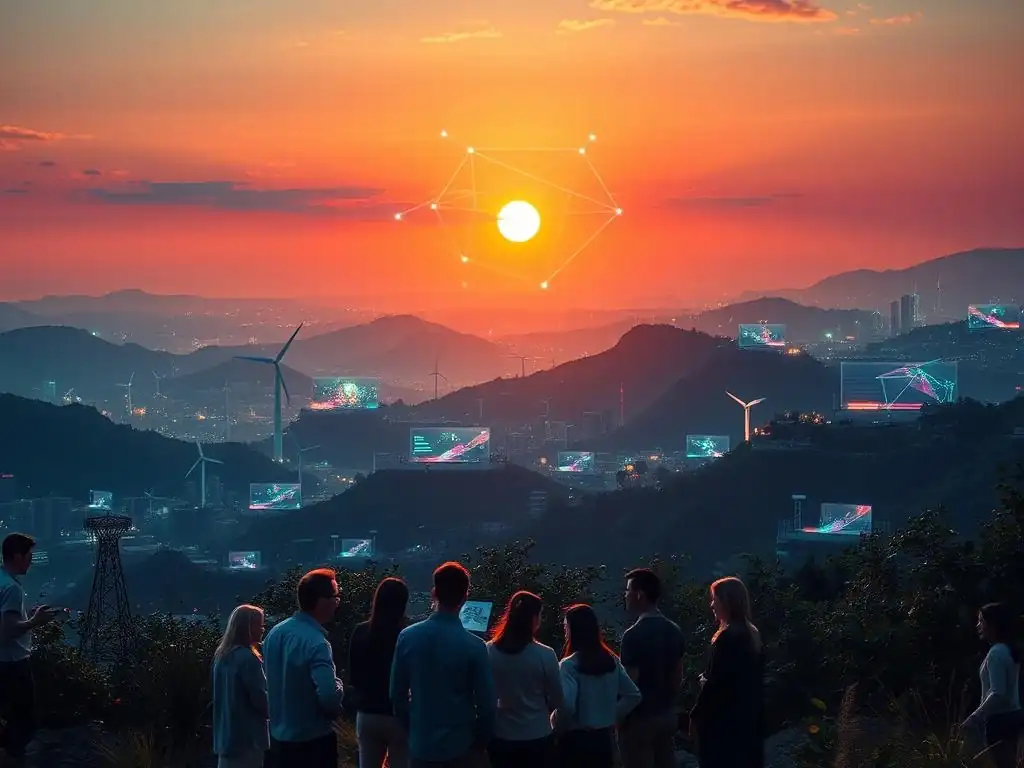
Welcome to Blockchain Trends, your compass in the rapidly evolving world of decentralized technology. Are you ready to witness a paradigm shift? Dive into our exploration of blockchain's transformative power extending far beyond digital currencies. This month, we ignite the conversation with a crucial topic: Blockchain Energy Decentralized Sustainability Solutions. Discover how blockchain is revolutionizing the energy sector, paving the way for a greener, more sustainable future. Intrigued? The potential is electrifying... keep reading to uncover the possibilities!
The Blockchain Energy Revolution: Decentralizing Power for a Sustainable Planet
- Introduction: Blockchain Technology Driving Sustainable Energy Solutions
- The Current Energy Landscape: Challenges and Inefficiencies
- How Blockchain Technology is Revolutionizing the Energy Sector
- Blockchain Energy Decentralized Sustainability Solutions: Key Applications
- Benefits of Blockchain in the Energy Sector
- Case Studies: Real-World Examples of Blockchain Energy Projects
- Challenges and Obstacles to Blockchain Adoption in Energy
- The Future of Blockchain and Sustainable Energy
- Conclusion: Embracing Blockchain for a Greener Energy Future
-
Frequently Asked Questions
- What are the key benefits of using blockchain technology in the energy sector?
- How does blockchain facilitate decentralized energy trading?
- What role does blockchain play in promoting sustainability within the energy industry?
- What are some of the current regulatory challenges facing blockchain-based energy solutions?
- What is the future outlook for blockchain technology in transforming the energy landscape?
- Final Reflection: Embracing Decentralized Energy Futures
- Ignite Your Energy Future!
Introduction: Blockchain Technology Driving Sustainable Energy Solutions
Blockchain technology, initially recognized for powering cryptocurrencies, is rapidly demonstrating its potential to transform sectors far beyond finance. One of the most promising areas for this disruptive innovation is the energy industry, which faces significant challenges related to efficiency, transparency, and the urgent need to transition towards sustainable sources. The inherent characteristics of blockchain—decentralization, immutability, and transparency—offer compelling solutions to long-standing problems within traditional energy grids and markets. By enabling secure, peer-to-peer transactions and verifiable data records, blockchain can facilitate a more distributed, resilient, and environmentally friendly energy ecosystem.
This article explores how blockchain is poised to revolutionize the energy landscape, focusing on its role in enabling decentralized energy systems and fostering sustainability. We will delve into the limitations of current centralized models and examine the specific applications where blockchain energy decentralized sustainability solutions are already making an impact. From managing renewable energy microgrids to facilitating carbon credit trading, blockchain provides the technological backbone for a future where energy is not only clean but also more accessible, efficient, and controlled by the consumers themselves.
Understanding the Potential of Decentralized Energy Grids with Blockchain
Decentralized energy grids represent a paradigm shift from the traditional hub-and-spoke model, where large power plants distribute electricity over vast networks. Instead, decentralized grids rely on numerous smaller, distributed energy resources (DERs) such as rooftop solar panels, wind turbines, and battery storage systems, often located closer to the point of consumption. This model enhances resilience by reducing dependence on single points of failure and allows for more localized energy production and consumption. However, managing the complexity of a grid with thousands or millions of intermittent DERs requires sophisticated coordination and trust mechanisms.
Blockchain technology provides a robust framework for managing these decentralized grids. Its distributed ledger can record every transaction and data point related to energy generation, consumption, and storage in a transparent and immutable way. This allows for automated processes, such as balancing supply and demand or settling transactions between participants, without the need for a central authority. The potential extends to creating local energy markets where neighbors can trade excess solar power directly, reducing reliance on the main grid and fostering community-level energy independence.
The Current Energy Landscape: Challenges and Inefficiencies
The global energy sector is at a critical juncture, grappling with the dual challenges of meeting ever-increasing demand while simultaneously mitigating the environmental impact of fossil fuels. Traditional energy systems, built around large, centralized power plants, often suffer from significant inefficiencies, including energy losses during transmission and distribution, estimated to be around 5-8% globally. Furthermore, the lack of granular visibility into energy flows makes it difficult to optimize resource allocation and respond dynamically to fluctuations in supply and demand, particularly as intermittent renewable sources are integrated.
Beyond operational inefficiencies, the current energy landscape is often characterized by opaque markets and complex billing structures that offer consumers limited control or insight into their energy usage and sources. The centralized nature of these systems can also hinder the rapid adoption of distributed renewable energy technologies, as integrating many small-scale producers into a legacy grid infrastructure presents technical and regulatory hurdles. Addressing these fundamental challenges is crucial for building a sustainable energy future.
The Limitations of Traditional Centralized Energy Systems
Traditional centralized energy systems, while effective for mass production and distribution over the past century, are increasingly ill-suited for the demands of the 21st century. Their reliance on large-scale power plants, often fueled by fossil fuels, contributes significantly to greenhouse gas emissions and climate change. The long-distance transmission required to deliver power to consumers results in substantial energy losses, reducing overall efficiency. Moreover, the hierarchical structure of these systems can be slow to adapt to technological advancements and changing consumer needs.
These systems also face inherent security vulnerabilities, as a single point of failure at a major power plant or transmission hub can lead to widespread blackouts. The lack of granular data visibility across the network makes it difficult to detect and respond to issues quickly or to integrate variable renewable energy sources seamlessly. This rigidity and inefficiency underscore the urgent need for a more flexible, resilient, and sustainable energy infrastructure capable of supporting distributed generation and smart grid technologies.
The Need for Sustainable and Decentralized Energy Solutions
The transition to a sustainable energy future necessitates a fundamental shift away from fossil fuels towards renewable sources like solar, wind, and geothermal. This transition is not just about changing the source of energy but also about transforming how energy is produced, distributed, and consumed. Decentralized energy solutions, which involve generating power closer to where it is used, play a vital role in this shift. By integrating distributed renewable energy resources (DERs) like rooftop solar and local battery storage, grids become more resilient, efficient, and environmentally friendly.
Decentralized systems also empower consumers, turning them into "prosumers" who can both consume and produce energy. This model requires advanced technological frameworks to manage complex interactions, transactions, and data flows between numerous participants. The need for transparency, security, and automation in these distributed networks highlights the potential for innovative technologies that can facilitate peer-to-peer energy trading, optimize grid balancing, and ensure the integrity of energy data, paving the way for effective blockchain energy decentralized sustainability solutions.
How Blockchain Technology is Revolutionizing the Energy Sector
Blockchain technology is acting as a powerful catalyst for transformation across the energy sector by providing a decentralized, transparent, and secure platform for managing energy transactions and data. Its core features—a distributed, immutable ledger accessible to all participants—enable novel approaches to energy distribution, trading, and management that were previously difficult or impossible within centralized frameworks. By removing the need for intermediaries, blockchain can streamline processes, reduce costs, and build trust among diverse stakeholders, from large utilities to individual energy prosumers.
The application of blockchain in energy extends beyond simple transaction recording. It enables the creation of sophisticated smart contracts that can automate complex processes based on predefined conditions, such as executing energy trades when specific price or supply thresholds are met. This level of automation and trust is essential for managing the dynamic nature of decentralized energy grids and facilitating peer-to-peer interactions. Blockchain's ability to provide verifiable records of energy origin and flow also supports the tracking of renewable energy certificates and carbon credits, enhancing transparency in sustainability efforts.
Blockchain's Role in Decentralizing Energy Distribution
Blockchain fundamentally supports the decentralization of energy distribution by enabling direct interactions between energy producers and consumers. In a traditional grid, power flows from large plants through a centralized network managed by utilities. With blockchain, a homeowner with solar panels can potentially sell excess electricity directly to a neighbor, bypassing the conventional utility as the sole intermediary for that specific transaction. This creates a meshed network of energy exchange rather than a linear, centralized one.
This decentralized model fosters greater grid resilience, as power can be sourced locally during outages affecting the main grid. It also incentivizes the adoption of distributed renewable energy resources, as individuals and communities gain direct economic benefit from generating their own power and trading surpluses. Blockchain provides the secure and transparent ledger necessary to track these numerous, small-scale transactions, ensuring that energy is accounted for and settled efficiently among all participants in the decentralized network.
Enhancing Transparency and Traceability in Energy Supply Chains
Transparency and traceability are critical for building trust in the energy sector, particularly regarding the origin of energy and the environmental attributes associated with it. Traditional systems often lack the granularity and verifiability needed to track energy from its source to its consumption point, making it difficult to prove that energy consumed is truly renewable or to accurately track emissions. Blockchain's immutable ledger provides a solution by creating a permanent, verifiable record of every energy transaction and associated data.
This enhanced transparency allows consumers to know exactly where their energy comes from and can facilitate the tracking of renewable energy certificates (RECs) or guarantees of origin. Each unit of renewable energy generated can be tokenized on a blockchain, and its journey tracked as it is traded or consumed. This makes it significantly harder to double-count renewable attributes and provides a trustworthy system for companies and individuals seeking to verify their use of green energy, contributing to effective blockchain energy decentralized sustainability solutions.
Facilitating Peer-to-Peer (P2P) Energy Trading with Blockchain
Peer-to-peer (P2P) energy trading is one of the most direct applications of blockchain in the energy sector, enabling individuals or businesses with distributed energy resources (like solar panels) to sell surplus power directly to nearby consumers. This cuts out traditional intermediaries, potentially leading to better prices for both buyers and sellers and optimizing the use of locally generated renewable energy. Blockchain provides the secure and transparent platform needed to manage these dynamic, multi-party transactions without a central clearinghouse.
Using smart contracts, P2P energy trading platforms built on blockchain can automate the entire transaction process. When a prosumer has excess energy (verified by smart meter data), a smart contract can automatically find a buyer in the local network, agree on a price based on predefined rules, and execute the energy transfer and payment simultaneously. This capability is crucial for unlocking the full potential of distributed renewable energy and creating truly localized energy markets, a key component of blockchain energy decentralized sustainability solutions.
Blockchain Energy Decentralized Sustainability Solutions: Key Applications
Blockchain technology is enabling a range of innovative blockchain energy decentralized sustainability solutions that are transforming how we generate, distribute, and consume power. These applications leverage the unique properties of blockchain to address inefficiencies, enhance transparency, and facilitate the transition to a more sustainable energy future. From managing localized energy markets to tracking carbon emissions, blockchain is providing the infrastructure for a decentralized and greener energy ecosystem.
The adoption of these solutions is growing globally, driven by increasing demand for renewable energy, falling costs of distributed energy resources, and the urgent need to address climate change. While still in relatively early stages compared to the traditional energy sector, pilot projects and commercial deployments are demonstrating the tangible benefits of applying blockchain to energy challenges. These diverse applications collectively contribute to building a more resilient, efficient, and sustainable energy infrastructure.
Renewable Energy Microgrids Powered by Blockchain
Renewable energy microgrids are localized energy systems that can operate independently of the main grid or connect to it. They typically combine local renewable generation (solar, wind), energy storage (batteries), and smart management systems to provide reliable power to a specific community, campus, or facility. Managing the complex interactions between diverse generation sources, storage units, and fluctuating demand within a microgrid requires sophisticated coordination and trust among participants.
Blockchain provides an ideal platform for the operational and transactional layers of a renewable energy microgrid. It can record every unit of energy generated, stored, and consumed within the microgrid, ensuring transparency and accuracy. Smart contracts can automate crucial microgrid functions, such as balancing the local grid by dispatching stored energy or curtailing non-essential loads based on real-time conditions. Furthermore, blockchain can facilitate internal energy trading within the microgrid, allowing participants to buy and sell energy among themselves, optimizing the use of local renewable resources and enhancing energy independence, a prime example of blockchain energy decentralized sustainability solutions.
Smart Contracts for Automated Energy Trading and Management
Smart contracts, self-executing contracts with the terms of the agreement directly written into code, are fundamental to many blockchain energy decentralized sustainability solutions. They enable the automation of complex energy transactions and grid management processes without the need for manual intervention or intermediaries. For instance, a smart contract can be programmed to automatically purchase energy from a local solar producer when the price drops below a certain threshold, or to sell excess battery storage back to the grid during peak demand periods.
These automated agreements ensure that transactions are executed precisely as agreed upon, based on verified data feeds (like energy meter readings or price signals). This reduces transaction costs, minimizes disputes, and increases the speed and efficiency of energy markets. Smart contracts are essential for enabling dynamic P2P trading platforms, automating grid balancing services in decentralized networks, and managing the complexities of distributed energy resources, making them a cornerstone technology for the blockchain energy revolution.
Blockchain-Based Carbon Credit Tracking and Trading Systems
Accurately tracking and trading carbon credits and other environmental attributes is crucial for incentivizing emissions reductions and promoting sustainable practices. Traditional carbon markets often face challenges related to double-counting, lack of transparency, and high transaction costs. Blockchain technology offers a robust solution by providing a secure, transparent, and immutable ledger for issuing, tracking, and retiring carbon credits.
By tokenizing carbon credits on a blockchain, each credit becomes a unique digital asset with a verifiable history. This prevents double-spending or fraudulent claims and provides clear proof of ownership and retirement. Furthermore, blockchain can facilitate direct, peer-to-peer trading of these tokenized credits, reducing the need for intermediaries and lowering transaction fees. Platforms built on blockchain can connect organizations that need to offset their emissions with projects that reduce greenhouse gases, ensuring that investments in carbon reduction are verifiable and transparently accounted for, contributing significantly to blockchain energy decentralized sustainability solutions.
Improving Energy Efficiency with IoT and Blockchain Integration
Improving energy efficiency is a critical component of achieving sustainability goals. The Internet of Things (IoT) provides the means to collect granular, real-time data from energy devices, appliances, and infrastructure, offering unprecedented insights into energy consumption patterns. Integrating IoT data with blockchain technology can unlock new levels of efficiency and automation in energy management.
IoT devices, such as smart meters or sensors in buildings, can record energy usage data directly onto a blockchain. This creates an immutable audit trail of energy consumption, enabling more accurate billing, better demand forecasting, and identification of inefficiencies. Smart contracts can act upon this data, automatically adjusting energy consumption based on grid conditions, price signals, or predefined user preferences. For example, a smart contract could automatically optimize the charging of an electric vehicle based on renewable energy availability and grid prices, enhancing efficiency and promoting the use of green energy—a powerful combination for blockchain energy decentralized sustainability solutions.
Benefits of Blockchain in the Energy Sector

The adoption of blockchain technology in the energy sector promises a multitude of benefits that can address current inefficiencies, enhance resilience, and accelerate the transition to a sustainable future. These advantages stem from blockchain's core characteristics: its distributed nature, immutability, transparency, and the ability to execute smart contracts. Collectively, these benefits create a more dynamic, efficient, and trustworthy energy ecosystem.
From improving market operations and reducing costs to empowering consumers and enhancing grid security, blockchain is poised to reshape the energy landscape. The potential impacts are far-reaching, affecting everything from how energy is traded and managed to how environmental attributes are tracked and verified. Embracing blockchain energy decentralized sustainability solutions offers a path towards a more equitable and environmentally conscious energy system.
Increased Transparency and Accountability in Energy Markets
One of the significant benefits of using blockchain in energy markets is the dramatic increase in transparency and accountability. Every transaction, from the generation of a kilowatt-hour of electricity to its sale and consumption, can be recorded on a shared, distributed ledger that is accessible to all authorized participants. This eliminates information asymmetry and provides a single, trustworthy source of truth for energy data and transactions.
This enhanced transparency makes it easier to audit energy flows, verify the origin of renewable energy, and track compliance with regulations. It also fosters greater trust among market participants, as all parties have access to the same verified data. This accountability is crucial for building confidence in new energy models, such as peer-to-peer trading and carbon credit markets, ensuring that claims about renewable energy use or emissions reductions are credible and verifiable.
Reduced Costs and Improved Efficiency in Energy Management
Blockchain technology has the potential to significantly reduce operational costs and improve efficiency across various energy sector processes. By eliminating the need for intermediaries in transactions (like brokers or clearinghouses in energy trading) and automating processes through smart contracts, transaction fees and administrative overhead can be substantially lowered. For instance, settling energy trades on a blockchain can be near-instantaneous and significantly cheaper than traditional methods.
Furthermore, the increased transparency and data accuracy provided by blockchain can lead to better grid management and resource optimization. Real-time, verifiable data on energy generation and consumption allows utilities and grid operators to make more informed decisions, reducing inefficiencies related to balancing supply and demand. This streamlined data flow and automation contribute directly to operational savings and improved overall system efficiency, supporting the economic viability of blockchain energy decentralized sustainability solutions.
Enhanced Security and Resilience of Energy Infrastructure
Cybersecurity is a major concern for critical infrastructure like energy grids. Centralized systems present attractive targets for malicious actors. Blockchain's distributed nature inherently enhances security and resilience. Because the ledger is distributed across multiple nodes, there is no single point of failure that can be easily exploited. To alter data on the blockchain, an attacker would theoretically need to control a majority of the network's computing power, which is extremely difficult and costly for large, permissioned energy blockchains.
The immutability of the blockchain ledger also ensures data integrity. Once a transaction or data point is recorded, it cannot be altered or deleted without the consensus of the network participants, making it highly resistant to tampering. This robust security is vital for protecting sensitive energy data and ensuring the reliable operation of decentralized energy networks and microgrids, making blockchain a strong foundation for secure blockchain energy decentralized sustainability solutions.
Empowering Consumers with Greater Control Over Their Energy Consumption
Blockchain technology empowers energy consumers by giving them greater control, transparency, and participation in energy markets. Through P2P trading platforms, consumers with distributed energy resources can become active participants, selling excess power and earning revenue. This shifts them from passive consumers to active 'prosumers'. Blockchain also provides consumers with unprecedented visibility into their energy usage data and the source of their energy, often via user-friendly interfaces connected to the blockchain ledger.
Smart contracts allow consumers to set preferences for how they buy and sell energy, automating decisions based on price, source (e.g., preferring local solar), or time of day. This level of control enables consumers to optimize their energy costs and make more informed choices about their environmental impact. By facilitating direct participation and providing transparent information, blockchain energy decentralized sustainability solutions put power back into the hands of the consumer.
Case Studies: Real-World Examples of Blockchain Energy Projects
Several pioneering projects around the world are demonstrating the practical application and potential of blockchain technology in the energy sector. These real-world examples showcase how blockchain energy decentralized sustainability solutions are moving from theoretical concepts to tangible deployments, addressing specific challenges and creating new opportunities in energy trading, grid management, and renewable energy integration. While some are still in pilot phases, others have evolved into operational platforms serving actual users.
These case studies highlight the diverse ways blockchain is being implemented, from facilitating local energy markets within a neighborhood to building foundational infrastructure for a global energy web. They provide valuable insights into the technical, regulatory, and social hurdles involved in deploying blockchain solutions in a complex and heavily regulated industry like energy, while also demonstrating the promising benefits they can deliver.
Brooklyn Microgrid: Local Energy Trading in New York
The Brooklyn Microgrid, initiated by LO3 Energy, is one of the earliest and most well-known examples of a blockchain-based, peer-to-peer energy trading project. Launched in 2016 in the borough of Brooklyn, New York City, the project aimed to allow residents with rooftop solar panels to sell their excess energy directly to their neighbors using a blockchain platform to record and settle transactions. This created a local energy market independent, in terms of trading, from the traditional utility structure.
The project utilizes a private, permissioned blockchain to manage the energy transactions, integrating with smart meters to record generation and consumption data. Participants can set rules via a mobile app determining how they buy and sell energy, such as preferring to buy from a neighbor versus the utility grid or setting price limits. While facing regulatory complexities and operating on a relatively small scale (involving dozens of participants across a few neighborhoods), the Brooklyn Microgrid successfully demonstrated the technical feasibility and potential of blockchain for local, decentralized energy trading.
Power Ledger: P2P Renewable Energy Trading Platform in Australia
Power Ledger is a leading energy trading platform that uses blockchain technology to facilitate peer-to-peer trading of renewable energy. Originating in Australia, Power Ledger's platform enables individuals and businesses to sell excess solar power directly to other consumers on the network, using their blockchain (initially Ethereum, now their own EcoChain) to record and manage transactions. Their technology is being deployed in various projects globally, including in Australia, Europe, and the US.
The platform integrates with smart meters to track energy generation and consumption in real-time. Participants can set price preferences and trading rules, and smart contracts on the Power Ledger blockchain automate the process of matching buyers and sellers and settling payments in their native token (POWR) or local currency. Power Ledger's projects range from residential P2P trading in urban areas to managing renewable energy flows in strata properties and even trading renewable energy certificates, showcasing a diverse set of blockchain energy decentralized sustainability solutions.
Energy Web Foundation: Building a Decentralized Operating System for Energy Grids
The Energy Web Foundation (EWF) is a global non-profit organization focused on accelerating the low-carbon transition by unleashing the potential of blockchain and decentralized technologies in the energy sector. EWF is building the Energy Web Chain, a public, permissioned blockchain specifically designed for enterprise and grid operator use cases. Their goal is to create a digital infrastructure—a "decentralized operating system"—that energy companies and grid operators can use to build various decentralized applications.
EWF collaborates with a consortium of global energy companies, utilities, and technology providers. Their platform supports a wide range of applications, including managing distributed energy resources, facilitating wholesale energy trading, issuing and tracking renewable energy certificates, and managing electric vehicle charging. By providing a dedicated, scalable blockchain platform tailored for the energy industry's specific needs, EWF aims to accelerate the deployment of blockchain energy decentralized sustainability solutions on a large scale, moving beyond pilot projects to widespread adoption by established players.
Challenges and Obstacles to Blockchain Adoption in Energy
Despite the significant potential and demonstrated benefits, the widespread adoption of blockchain technology in the energy sector faces several notable challenges. As a relatively nascent technology being introduced into a deeply established and complex industry, it encounters hurdles related to existing regulations, technical scalability, data management, and general awareness. Overcoming these obstacles is crucial for blockchain energy decentralized sustainability solutions to achieve their full transformative potential.
Addressing these challenges requires collaborative efforts involving technology developers, energy companies, regulators, and consumers. It involves developing robust and scalable technological solutions, establishing clear and supportive regulatory frameworks, ensuring stringent data privacy and security measures, and educating stakeholders about the capabilities and benefits of blockchain in energy.
- [ ] Resolve regulatory uncertainties
- [ ] Improve blockchain scalability for grid-level data
- [ ] Establish data privacy standards
- [ ] Increase public and industry education
Regulatory Hurdles and Policy Uncertainty
One of the most significant challenges for blockchain adoption in energy is navigating the existing regulatory landscape. Energy markets are heavily regulated, and current rules were designed for a centralized, traditional grid model. Decentralized blockchain-based applications, such as peer-to-peer energy trading or automated grid services managed by smart contracts, often do not fit neatly within these established frameworks. There is often a lack of clear guidelines or legal precedents for how these new models should be regulated.
Policy uncertainty creates risk for companies looking to invest in and deploy blockchain energy decentralized sustainability solutions. Regulators need to understand the technology and its implications to develop supportive policies that protect consumers and ensure grid stability while allowing for innovation. This process is often slow and varies significantly across different jurisdictions, creating a fragmented environment for deployment and hindering widespread adoption.
Scalability and Interoperability Issues
While blockchain technology has advanced rapidly, scalability remains a key concern for energy sector applications. Managing the vast amount of real-time data generated by millions of distributed energy resources, smart meters, and IoT devices in a large-scale grid environment requires a blockchain platform capable of processing a very high volume of transactions quickly and efficiently. Many current public blockchains may not yet meet the performance requirements for grid-critical applications.
Furthermore, ensuring interoperability between different blockchain platforms, legacy energy systems, and various IoT devices is crucial. Energy infrastructure is complex and involves numerous disparate systems. Blockchain solutions need to seamlessly integrate with existing operational technologies (OT) and information technologies (IT) to be effectively deployed. Developing standards and protocols for interoperability is essential for creating a cohesive and functional decentralized energy ecosystem leveraging blockchain energy decentralized sustainability solutions.
Data Privacy and Security Concerns
While blockchain's immutability enhances security against tampering, the transparency of public blockchains raises privacy concerns, particularly regarding sensitive energy consumption data linked to individuals or businesses. Granular energy usage data can reveal detailed information about occupants' activities, which needs to be protected. While permissioned blockchains can offer more privacy controls by restricting access, ensuring robust data protection mechanisms is paramount to build trust and comply with data privacy regulations like GDPR.
Beyond privacy, securing the interfaces between blockchain platforms, IoT devices, and grid control systems is critical. Smart contracts, if not rigorously audited, can contain vulnerabilities. Ensuring the security of private keys and preventing unauthorized access to blockchain nodes are also ongoing challenges. Robust cybersecurity frameworks are essential to protect the integrity and reliability of blockchain-based energy systems and the data they manage.
Public Awareness and Education on Blockchain Technology
A significant obstacle to the adoption of blockchain energy decentralized sustainability solutions is the general lack of understanding of the technology among both energy consumers and many industry professionals. For consumers to participate in P2P trading or utilize blockchain-based energy management tools, they need to understand the benefits and how the technology works in a simple, accessible way. Without this understanding, there may be skepticism or resistance to adopting new energy models.
Within the energy industry, there is a need for education and training to equip engineers, grid operators, and business strategists with the knowledge required to evaluate, implement, and manage blockchain solutions. Bridging this knowledge gap is crucial for fostering innovation and facilitating the integration of blockchain technology into existing energy infrastructure and business processes. Effective communication and demonstration of successful projects are key to building confidence and driving adoption.
The Future of Blockchain and Sustainable Energy
The trajectory for blockchain technology in the energy sector points towards increasing integration and sophistication, playing a pivotal role in the transition to a sustainable and decentralized energy future. As the technology matures and challenges related to scalability, regulation, and interoperability are addressed, the scope of blockchain energy decentralized sustainability solutions is expected to expand significantly. The confluence of blockchain with other emerging technologies like IoT and Artificial Intelligence will further accelerate this transformation.
Predictions suggest substantial growth in the market for blockchain in energy, driven by the urgent need for decarbonization, grid modernization, and consumer empowerment. This future involves more dynamic, intelligent, and resilient energy networks where energy is traded, managed, and verified in a transparent and automated manner. Blockchain is poised to be a foundational layer for this future energy landscape, enabling innovative models and fostering a more sustainable planet.
The Convergence of Blockchain, IoT, and Artificial Intelligence for Smart Grids
The future of energy grids lies in becoming increasingly smart, automated, and responsive. This evolution is being powered by the convergence of several key technologies: IoT, AI, and Blockchain. IoT devices provide the real-time data from every corner of the grid—generation, consumption, storage, and infrastructure status. AI algorithms can analyze this massive data stream to optimize energy flows, predict demand, identify anomalies, and manage distributed resources efficiently.
Blockchain provides the secure, transparent, and immutable layer to record the data collected by IoT devices and to execute the decisions made by AI algorithms via smart contracts. For example, AI could determine the optimal time to charge a fleet of electric vehicles based on grid load and renewable energy availability, with smart contracts on a blockchain executing the charging instructions and settling the associated transactions securely. This powerful convergence enables highly automated, efficient, and resilient smart grids, representing advanced blockchain energy decentralized sustainability solutions.
Blockchain's Role in Achieving Global Sustainability Goals
Achieving global sustainability goals, particularly those related to climate action and affordable and clean energy (like SDG 7 and SDG 13), requires systemic changes in how we produce, distribute, and consume energy. Blockchain technology can play a crucial enabling role in this transition. By facilitating the integration of distributed renewable energy, enabling efficient peer-to-peer trading, and providing transparent systems for tracking carbon emissions and renewable energy attributes, blockchain directly supports the shift away from fossil fuels.
Furthermore, blockchain can enable innovative financing mechanisms for renewable energy projects, such as tokenized green bonds or crowdfunding platforms that allow broader participation. Its transparency and immutability build trust in green claims and environmental markets. By creating efficient, decentralized, and transparent energy systems, blockchain energy decentralized sustainability solutions contribute significantly to reducing greenhouse gas emissions, improving energy access, and fostering a more sustainable global energy ecosystem.
Predictions for the Growth of Blockchain Energy Decentralized Sustainability Solutions
Market analysts predict substantial growth in the adoption of blockchain technology within the energy sector over the coming years. While estimates vary, reports often project the global blockchain in energy market to reach several billion dollars by the late 2020s or early 2030s, growing at a significant compound annual growth rate (CAGR). This growth is expected across various applications, including grid management, energy trading, and electric vehicle charging.
The increasing investment in renewable energy and distributed energy resources, coupled with the growing need for grid modernization and enhanced cybersecurity, are key drivers for this predicted expansion. As pilot projects mature into commercial deployments and regulatory clarity improves, the pace of adoption for blockchain energy decentralized sustainability solutions is likely to accelerate. The trend indicates a clear move towards leveraging decentralized technologies to build a more efficient, resilient, and sustainable energy future.
Conclusion: Embracing Blockchain for a Greener Energy Future
The energy sector stands on the cusp of a profound transformation, driven by the urgent need to transition to sustainable sources and the technological advancements enabling decentralized systems. Blockchain technology, with its inherent characteristics of transparency, security, and decentralization, offers a powerful set of tools to navigate this complex transition. By enabling peer-to-peer energy trading, enhancing grid management, and providing robust systems for tracking environmental attributes, blockchain is proving to be a key enabler of a more sustainable energy future.
Embracing blockchain energy decentralized sustainability solutions is not merely a technological upgrade; it represents a fundamental shift in how energy markets operate, how grids are managed, and how consumers interact with their energy supply. While challenges remain, the demonstrated benefits and the increasing number of successful projects globally underscore the immense potential of this technology to create a more efficient, resilient, equitable, and environmentally friendly energy ecosystem for generations to come.
Blockchain as a Catalyst for a More Sustainable and Equitable Energy System
Blockchain technology acts as a powerful catalyst for building a more sustainable and equitable energy system. By facilitating the integration of distributed renewable energy sources and enabling local energy trading, it democratizes energy production and consumption, empowering individuals and communities to become active participants rather than passive recipients. This decentralization reduces reliance on large, often fossil-fuel-based, power plants and supports the growth of clean energy at the local level.
The transparency and immutability of blockchain also foster trust and accountability in energy markets and environmental initiatives. This ensures that investments in renewable energy and carbon reduction are verifiable, promoting genuine progress towards sustainability goals. By creating more efficient markets and potentially lowering transaction costs, blockchain can also help make clean energy more accessible and affordable, contributing to energy equity.
Call to Action: Supporting the Development and Adoption of Blockchain Energy Solutions
The potential of blockchain energy decentralized sustainability solutions to contribute to a greener planet is clear, but realizing this potential requires concerted effort. Stakeholders across the energy ecosystem—including utilities, technology providers, regulators, investors, and consumers—must actively support the development and adoption of these innovative solutions. This involves investing in research and development, participating in pilot projects, and collaborating to create supportive regulatory environments.
Educating the public and industry professionals about the benefits and capabilities of blockchain in energy is also crucial for fostering acceptance and driving widespread adoption. By working together to overcome the remaining challenges and championing the deployment of blockchain-based energy technologies, we can accelerate the transition to a decentralized, sustainable, and resilient energy future that benefits everyone and helps safeguard our planet.
Frequently Asked Questions
What are the key benefits of using blockchain technology in the energy sector?
Blockchain offers enhanced transparency and traceability in energy transactions. It also enables decentralized energy markets, facilitating peer-to-peer energy trading and reducing reliance on centralized grids. This leads to greater energy sustainability.
How does blockchain facilitate decentralized energy trading?
Blockchain creates a secure and transparent platform for peer-to-peer energy transactions. Smart contracts automate the process, ensuring fair pricing and efficient distribution. This bypasses traditional intermediaries and promotes localized energy ecosystems.
What role does blockchain play in promoting sustainability within the energy industry?
By enabling decentralized renewable energy sources, blockchain reduces reliance on fossil fuels. It also optimizes energy consumption through smart grid management, leading to lower carbon emissions and improved environmental sustainability.
What are some of the current regulatory challenges facing blockchain-based energy solutions?
Lack of clear regulatory frameworks and standards hinders widespread adoption. Concerns around data privacy and security also need to be addressed. Governments need to create supportive policies for blockchain energy innovation.
What is the future outlook for blockchain technology in transforming the energy landscape?
The future includes more efficient and resilient energy grids. Blockchain can unlock new business models and incentivize sustainable energy practices. Expect greater integration of blockchain with renewable energy infrastructure.
Final Reflection: Embracing Decentralized Energy Futures
The promise of blockchain-powered energy solutions is no longer a distant dream; it's a tangible reality reshaping how we generate, distribute, and consume power. As we've explored, the convergence of blockchain technology and renewable energy sources offers a compelling pathway towards a more sustainable and equitable energy future, one where communities are empowered and environmental impact is minimized.
The impact of this revolution extends far beyond mere technological advancement. It touches upon fundamental questions of energy access, economic empowerment, and environmental stewardship. Witnessing the growth of peer-to-peer energy trading platforms and decentralized microgrids underscores the profound potential for communities to take control of their energy destinies. The future of energy is decentralized, democratized, and decarbonized.
- Jeremy Rifkin. This quote encapsulates the transformative power of blockchain in creating a more resilient and sustainable energy ecosystem.
Now, it's your turn to become a part of this revolution. Consider how you can support or participate in decentralized energy initiatives, whether through advocating for policy changes, investing in sustainable energy projects, or simply making conscious choices about your energy consumption. The power to shape a cleaner, more equitable energy future lies within each of us. Let's harness it together.
Ignite Your Energy Future!
Thank you for exploring how blockchain is transforming the energy industry. You now have a good understanding of its potential to decentralize power and promote sustainability. Are you ready to take the next step?
Here’s how you can get involved:
- Explore a local community energy project and consider participating or investing. Supporting these initiatives is a direct way to help drive change.
- Learn more about blockchain technology by exploring open-source projects and experimenting with developing a decentralized energy application.
- Share this article with friends or colleagues who are passionate about sustainability and start a conversation about the future of energy.
What specific action will you take this week to contribute to a decentralized and sustainable energy future? Share your ideas in the comments below!
Leave a Reply