
Blockchain for Sustainable Supply Chains: Tracking Products from Origin to End

Welcome to Blockchain Trends, your compass in the evolving world of decentralized technology.
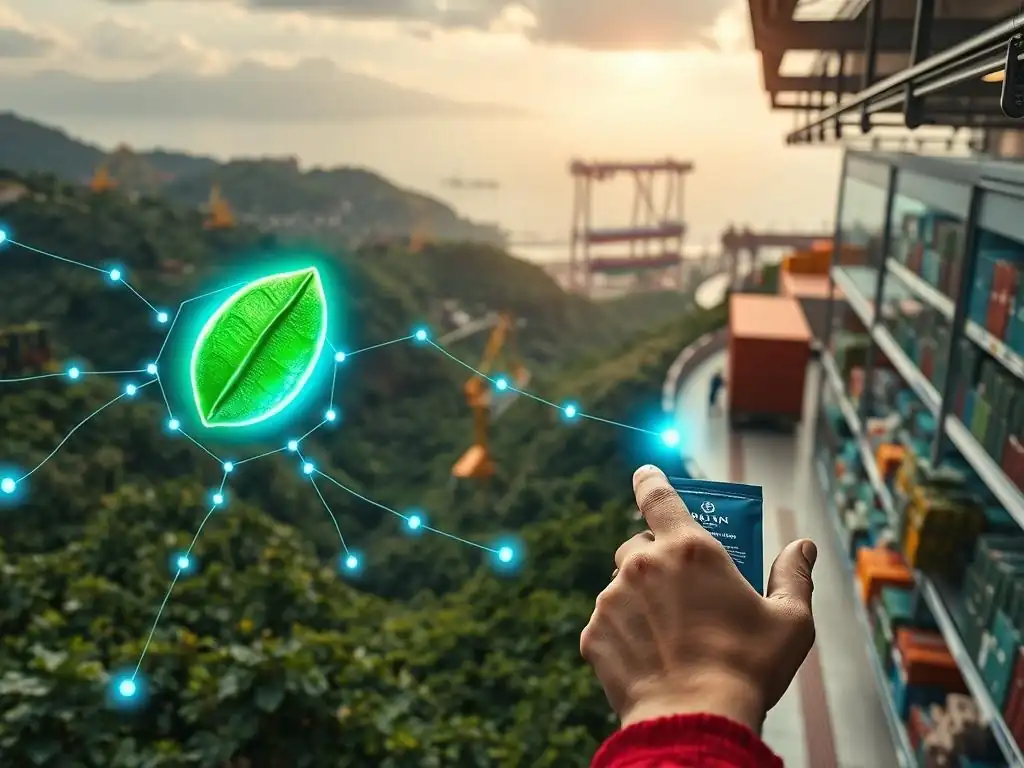
Ever wondered how blockchain can revolutionize more than just finance? Dive into our exploration of the transformative potential of blockchain, moving beyond cryptocurrency hype. Today, we unravel the fascinating intersection of technology and environmental responsibility with our deep dive into blockchain supply chain sustainability tracking. Discover how this innovative approach is providing unprecedented transparency and accountability, and ask yourself: Can blockchain truly create a more ethical and sustainable future for global supply chains? Let's explore.
- Blockchain for Ethical Coffee Supply Chains: From Bean to Brew
- Improving Coffee Traceability with Blockchain
- Key Benefits of Blockchain in Ethical Coffee Supply Chains
- Implementing Blockchain for Coffee Tracking: A Step-by-Step Guide
- Real-World Examples of Blockchain-Enabled Ethical Coffee Supply Chains
- Overcoming Challenges in Blockchain Adoption for Coffee
- The Future of Blockchain and Ethical Coffee Sourcing
- Measuring the Impact of Blockchain on Ethical Coffee
- Conclusion: Blockchain as a Tool for Ethical and Sustainable Coffee
-
Frequently Asked Questions
- How can blockchain technology improve supply chain transparency?
- What is "Blockchain supply chain sustainability tracking" and why is it important?
- What are some real-world examples of blockchain being used for supply chain sustainability?
- What are the main challenges to implementing blockchain in supply chains?
- How might blockchain regulation impact the use of blockchain for supply chain sustainability?
- Final Reflection: Empowering Transparency Through Blockchain
- Uncover the Future: Empower Sustainable Choices Today!
Blockchain for Ethical Coffee Supply Chains: From Bean to Brew
Understanding Ethical Sourcing Challenges in the Coffee Industry
The global coffee industry, valued at hundreds of billions of dollars annually, faces significant challenges related to ethical sourcing and sustainability. Complex, multi-layered supply chains often obscure the journey of coffee beans from smallholder farms in developing nations to consumers worldwide. This lack of transparency creates fertile ground for issues such as unfair farmer compensation, exploitative labor practices including child labor, and environmentally damaging farming methods.
For instance, estimates suggest that coffee farmers in some regions receive as little as 7-10% of the final retail price of coffee, making it difficult for them to invest in sustainable practices or even earn a living wage. The opacity makes effective Blockchain supply chain sustainability tracking crucial but challenging with traditional methods.
Furthermore, verifying certifications like Fair Trade or Organic becomes difficult when numerous intermediaries handle the product. A coffee bean might pass through several collectors, processors, exporters, importers, and roasters before reaching the consumer. At each step, the risk of mixing ethically sourced beans with conventionally produced ones, or losing critical data about origin and practices, increases. This dilution of information weakens the assurance that consumers receive about the ethical credentials of their coffee, eroding trust and potentially undermining the market for responsibly produced goods. The absence of a reliable, immutable record hinders genuine Blockchain supply chain sustainability tracking efforts.
How Blockchain Enhances Transparency and Accountability
Blockchain technology offers a decentralized, immutable ledger that can record every transaction and movement of coffee beans throughout the supply chain. From the moment beans leave the farm, data points such as weight, price paid to the farmer, processing methods, certification status (e.g., organic, fair trade), and transportation details can be logged onto the blockchain. This creates a permanent, verifiable history accessible to all authorized participants.
Unlike traditional databases that can be altered or manipulated, blockchain's cryptographic security ensures the integrity of the recorded data, making it incredibly difficult to falsify information about origin or ethical practices. This inherent transparency fundamentally improves Blockchain supply chain sustainability tracking.
By providing an end-to-end view of the supply chain, blockchain enhances accountability for every stakeholder involved. If a batch of coffee is certified as shade-grown and fair trade at the farm level, this information is immutably recorded. Any participant down the chain, such as an exporter or roaster, can verify this claim by accessing the blockchain record linked to that specific batch.
This capability discourages fraudulent activities, such as mislabeling conventional coffee as ethical, because discrepancies become immediately apparent. The technology effectively creates a shared source of truth, empowering farmers by documenting fair payments and providing consumers with verifiable proof of sustainability claims, significantly advancing Blockchain supply chain sustainability tracking initiatives.
Improving Coffee Traceability with Blockchain
Real-Time Tracking of Coffee Beans from Farm to Roaster
Implementing blockchain allows for granular, near real-time tracking of coffee beans as they move through various stages of the supply chain. Each batch or lot of coffee can be assigned a unique digital identity on the blockchain.
As the coffee progresses from the farm to washing stations, dry mills, warehouses, and ultimately to roasters, key events are recorded: date of harvest, processing method (washed, natural, honey), drying time, weight at different checkpoints, and transportation logistics. For example, a 500kg lot of Arabica from a specific cooperative in Kenya could be logged upon leaving the farm, with subsequent entries detailing its arrival at a mill, quality grading results (e.g., SCA score), and export packaging.
This level of detail, recorded on an immutable ledger, provides unprecedented visibility. Roasters can trace a specific bag of beans back to the exact group of farmers who produced it and see the conditions under which it was processed. This eliminates information asymmetry and allows for quicker identification of issues, whether they relate to quality control, logistical delays, or concerns about ethical practices at a particular stage. The robust data trail facilitates efficient Blockchain supply chain sustainability tracking, enabling businesses to respond proactively to problems and build more resilient supply chains.
Verifying Fair Labor Practices and Environmental Standards
Beyond simply tracking the physical movement of goods, blockchain can be used to verify compliance with fair labor practices and environmental standards. Data points related to these criteria can be uploaded and validated on the chain. For instance, records of payments made to farmers, potentially linked to mobile payment systems, can be logged to demonstrate fair compensation. Information about labor conditions, such as verification of no child labor through third-party audits or even farmer self-attestations signed digitally on the blockchain, can be included.
Similarly, environmental data can be integrated. This might include records of organic certification validity, data from sensors monitoring soil health or water usage (though integrating IoT requires careful consideration), or documentation of shade-grown practices. Third-party auditors can stamp their verification directly onto the blockchain record associated with a specific farm or batch, making their findings transparent and immutable. This verifiable data provides concrete evidence for Blockchain supply chain sustainability tracking, allowing companies to confidently market their coffee as ethically and sustainably sourced, backed by data that consumers can potentially access and trust.
Key Benefits of Blockchain in Ethical Coffee Supply Chains
Using blockchain for Blockchain supply chain sustainability tracking in the coffee industry offers a multitude of benefits:
- Reduced Risk of Exploitation and Child Labor: Increased transparency makes it harder for exploitative practices to go unnoticed. Verifiable payment records and labor condition attestations on the blockchain provide a strong disincentive for unfair treatment.
- Improved Farmer Livelihoods and Community Development: By documenting fair prices paid at the farm gate and potentially enabling direct payments or micro-financing based on verifiable production data, blockchain can help ensure farmers receive a larger, more equitable share of the value generated.
- Enhanced Data Security and Integrity of Certification Information: Blockchain's inherent security features protect crucial data about origin, processing, and certifications from tampering or loss, ensuring that claims are based on reliable information.
- Increased Consumer Confidence in Ethical Coffee Brands: Consumers are increasingly demanding ethical and sustainable products. Blockchain provides them with verifiable proof of origin and practices, building trust in brands that use the technology for transparent Blockchain supply chain sustainability tracking.
Implementing Blockchain for Coffee Tracking: A Step-by-Step Guide
Implementing Blockchain supply chain sustainability tracking for coffee requires careful planning and collaboration. Here is a general framework:
-
Step 1: Engaging Farmers, Cooperatives, and Roasters
Involve all key stakeholders from the outset. Conduct workshops and consultations to explain the benefits of blockchain for traceability and ethical sourcing. Address concerns about technology access, data privacy, and potential costs. Gaining buy-in from farmers, who are at the critical origin point, is paramount.
-
Step 2: Selecting a Permissioned Blockchain Platform
Choose a suitable blockchain platform, likely a permissioned one where participants are known and authorized. Evaluate platforms based on scalability, cost-effectiveness, ease of use, and features relevant to supply chain tracking, such as support for smart contracts and data privacy controls. Platforms like Hyperledger Fabric or VeChain are often considered for enterprise supply chain solutions.
-
Step 3: Integrating with Existing Farm Management and Logistics Systems
Identify how data will be captured and entered onto the blockchain. This might involve integrating the blockchain platform with existing farm management software, cooperative record-keeping systems, washing station logs, and transportation tracking systems. Consider mobile applications for data entry at points where traditional systems are not available.
-
Step 4: Defining Data Standards for Origin, Processing, and Certification
Establish clear, standardized data fields for all relevant information. This includes geographic origin (down to the specific farm or cooperative), harvest date, coffee variety, processing method, drying details, quality scores, payment information, and specific certification details (e.g., certificate ID, issuing body, validity period). Consistency in data input is vital for accurate Blockchain supply chain sustainability tracking.
-
Step 5: Training Stakeholders on Blockchain Data Entry and Verification
Provide comprehensive training to all participants on how to use the blockchain platform, enter data accurately, and verify information recorded by others. This is particularly important for farmers and cooperative managers who may have limited experience with digital technologies. Ongoing support and clear documentation are essential.
Real-World Examples of Blockchain-Enabled Ethical Coffee Supply Chains
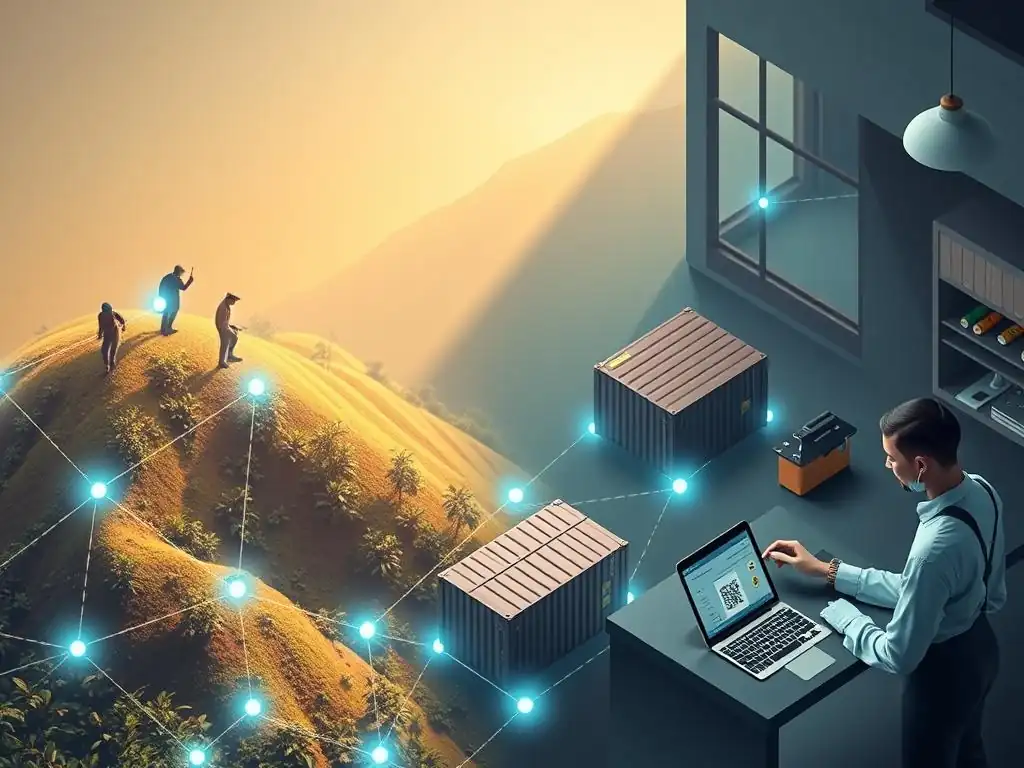
While the adoption of Blockchain supply chain sustainability tracking in coffee is still evolving, several initiatives demonstrate its potential:
Case Study 1: Tracking Arabica Beans from Colombia to Europe
Several companies and initiatives have piloted blockchain projects for Colombian coffee. One example involves tracking specialty Arabica beans from specific farms in regions like Huila or Nariño. Using a blockchain platform, data is recorded at the farm gate, including farmer identity, lot size (e.g., 60kg bags), and initial quality assessments.
As the coffee moves to a local cooperative, then to a central mill for processing, and finally to an exporter shipping to Europe, each step is logged. Roasters in Europe can scan a QR code on the bag to access the blockchain record, seeing the coffee's journey, the farmer's story, and potentially even the price paid at origin. This provides consumers with a verifiable connection to the source.
Case Study 2: Verifying Organic Certification of Coffee Farms in Ethiopia
In Ethiopia, where coffee is deeply culturally and economically significant, verifying organic certification across numerous smallholder farms can be complex. A blockchain pilot project focused on tracking organic-certified Sidamo coffee aimed to improve this process. Data about the farm's organic certification status, including the certifying body and audit dates, was recorded on the blockchain.
Subsequent logs tracked the separation of organic beans during processing and transport, ensuring they were not mixed with conventional coffee. This immutable record provided stronger assurance of the organic claim throughout the supply chain, enhancing the credibility of Blockchain supply chain sustainability tracking for certified produce.
Case Study 3: Monitoring Fair Trade Practices in Indonesian Coffee Production
Monitoring fair trade compliance, particularly ensuring the minimum price and social premiums reach the farmers, is a key challenge in regions like Indonesia. A blockchain initiative focused on Sumatran coffee aimed to increase transparency around financial flows. When a cooperative sold coffee to an exporter, the agreed-upon price and the portion designated for the social premium were recorded on the blockchain.
Subsequent transactions, potentially linking to mobile money transfers to farmers, could also be logged. This created a transparent audit trail for financial transactions, helping to verify that fair trade principles were being upheld and improving the Blockchain supply chain sustainability tracking of financial equity.
Overcoming Challenges in Blockchain Adoption for Coffee
Despite its promise, implementing Blockchain supply chain sustainability tracking in the coffee sector faces hurdles:
Addressing Digital Literacy Gaps Among Farmers
Many smallholder coffee farmers, particularly in remote areas, may have limited access to technology or lack digital literacy. Relying solely on smartphone apps or complex software for data entry is impractical. Solutions must be designed with accessibility in mind, potentially involving intermediaries like cooperative managers or using simple interfaces, voice commands, or even paper records that are later digitized and uploaded by trusted parties. Training and ongoing support are critical investments.
Ensuring Data Accuracy and Preventing Fraudulent Claims
Blockchain ensures data integrity once it's on the chain, but it doesn't inherently guarantee the accuracy of the data before it's entered. A dishonest actor could still input false information at the source. Combating this requires a combination of measures: involving trusted parties (like cooperatives or auditors) in data entry, using smart contracts to automate verification processes where possible, and integrating with physical verification methods and audits. The goal is to make it difficult and costly to introduce false data into the Blockchain supply chain sustainability tracking system.
Fostering Collaboration Among Diverse Supply Chain Participants
The coffee supply chain involves a wide array of players with varying levels of resources, technical capabilities, and trust. Getting everyone, from farmers to roasters, to agree on a single platform and data standards, and to actively participate in recording information, is a significant undertaking. Building a successful Blockchain supply chain sustainability tracking system requires strong leadership, clear communication of shared benefits, and a collaborative governance model for the blockchain network.
The Future of Blockchain and Ethical Coffee Sourcing
The trajectory for Blockchain supply chain sustainability tracking in coffee is promising, with several trends emerging:
Emerging Trends in Blockchain-Based Coffee Certifications
Expect to see more traditional certification bodies exploring or piloting blockchain integration. This could involve issuing digital certificates on the blockchain or using the technology to verify the chain of custody for certified coffee. New, blockchain-native certification models might also emerge, offering more dynamic and transparent verification processes.
The Role of IoT Sensors in Monitoring Coffee Quality and Conditions
Integration with Internet of Things (IoT) sensors could add another layer of verifiable data. Sensors could monitor temperature and humidity during drying and storage, track GPS location during transport, or even provide data on soil conditions or water usage at the farm. This machine-generated data is inherently less prone to human error or manipulation, enhancing the accuracy of Blockchain supply chain sustainability tracking.
The Potential for Blockchain to Support Farmer Financing and Access to Markets
Beyond traceability, blockchain could facilitate innovative financial solutions for farmers. Verifiable production data on the blockchain could serve as a basis for accessing micro-loans or insurance. Smart contracts could automate payments upon verification of quality or delivery, improving cash flow. Furthermore, direct-to-consumer models using blockchain could potentially cut out intermediaries, allowing farmers to capture more value and gain direct access to global markets based on the verifiable story of their coffee.
Measuring the Impact of Blockchain on Ethical Coffee
Quantifying the benefits of Blockchain supply chain sustainability tracking is essential to demonstrate its value:
Key Performance Indicators (KPIs) for Ethical Coffee Supply Chains
Relevant KPIs could include the percentage of coffee traced from farm to consumer, the average price received by farmers compared to the market price, the reduction in reported instances of fraud or mislabeling, the efficiency gains in audits and certifications, and consumer engagement metrics related to traceability features.
Measuring the impact on farmers requires collecting data on income levels, investment in farms, access to resources, and overall well-being. This could involve surveys, interviews, and analysis of payment data recorded on the blockchain, comparing conditions before and after implementing the Blockchain supply chain sustainability tracking system.
Demonstrating ROI for Roasters and Consumers
For roasters, ROI might be measured by increased sales of ethically sourced coffee, improved brand reputation, reduced risks from supply chain disruptions or scandals, and potentially streamlined compliance costs. For consumers, the return is primarily in confidence and trust, the ability to make informed purchasing decisions, and the knowledge that their purchase supports ethical practices, enabled by transparent Blockchain supply chain sustainability tracking.
Conclusion: Blockchain as a Tool for Ethical and Sustainable Coffee
Blockchain technology offers a powerful solution to the long-standing challenges of transparency and accountability in the complex coffee supply chain. By creating an immutable, shared record of the coffee's journey from bean to brew, blockchain enables robust Blockchain supply chain sustainability tracking, allowing stakeholders at every step to verify origin, processing methods, and ethical practices.
While challenges related to accessibility, data accuracy, and collaboration remain, ongoing pilot projects and technological advancements demonstrate the significant potential for blockchain to transform the coffee industry. Ultimately, blockchain can serve as a vital tool, empowering farmers, ensuring fair practices, building consumer trust, and driving the shift towards a truly ethical and sustainable future for coffee.
Frequently Asked Questions
How can blockchain technology improve supply chain transparency?
Blockchain provides an immutable and shared ledger, allowing all stakeholders to track a product's journey from origin to end. This increased visibility helps identify inefficiencies and verify product authenticity, fostering trust.
What is "Blockchain supply chain sustainability tracking" and why is it important?
It refers to using blockchain to record and verify sustainable practices throughout the supply chain. This is crucial for consumers and businesses seeking ethically sourced and environmentally friendly products.
What are some real-world examples of blockchain being used for supply chain sustainability?
Companies are using blockchain to track conflict-free minerals, verify organic certifications, and monitor carbon emissions associated with product transportation and manufacturing.
What are the main challenges to implementing blockchain in supply chains?
Challenges include the complexity of integrating with existing systems, the need for collaboration among multiple parties, and the initial investment required for infrastructure and training.
How might blockchain regulation impact the use of blockchain for supply chain sustainability?
Clear regulatory frameworks can provide legal certainty and encourage wider adoption. Regulations focused on data privacy and security are particularly important for building trust in blockchain-based supply chain solutions.
Final Reflection: Empowering Transparency Through Blockchain
The journey from raw material to consumer product is often shrouded in opacity, but blockchain technology offers a powerful solution for creating truly transparent and sustainable supply chains. This article has explored how blockchain can revolutionize the way we track products, ensuring ethical sourcing, reducing waste, and empowering consumers with unprecedented access to information.
The potential of blockchain to reshape our understanding of product origins and environmental impact is profound. This technology isn't just about efficiency; it's about accountability and building trust in a world increasingly concerned with ethical consumption. The future of supply chains is not just about moving goods faster, but about moving them responsibly.
This quote encapsulates the shift towards a more conscious and sustainable approach, driven by technologies like blockchain.
As we move forward, let us all consider the power we hold as consumers and as individuals to demand greater transparency. Embrace the possibilities that blockchain offers to support sustainable practices and make informed choices that contribute to a more ethical and environmentally responsible future. The power to create a better world, one traceable product at a time, lies within our grasp.
Uncover the Future: Empower Sustainable Choices Today!
Thank you for diving into this article about the transformative role of blockchain in fostering sustainable supply chains! By exploring the journey of products from their origin to end, you’ve taken an important step toward understanding how technology can create meaningful change. Now, let’s turn that knowledge into action!
- Start incorporating sustainable practices in your purchases by opting for brands that prioritize transparency through blockchain technology.
- Share this article with your network to inspire others to learn about the power of blockchain in ensuring responsible sourcing.
- Consider joining a local sustainability group or online community to engage with like-minded individuals and discuss innovative supply chain solutions.
What new sustainable practices will you adopt in your daily life to support responsible supply chains?
Leave a Reply