
Blockchain for Waste Management: Optimizing Recycling and Reducing Landfill

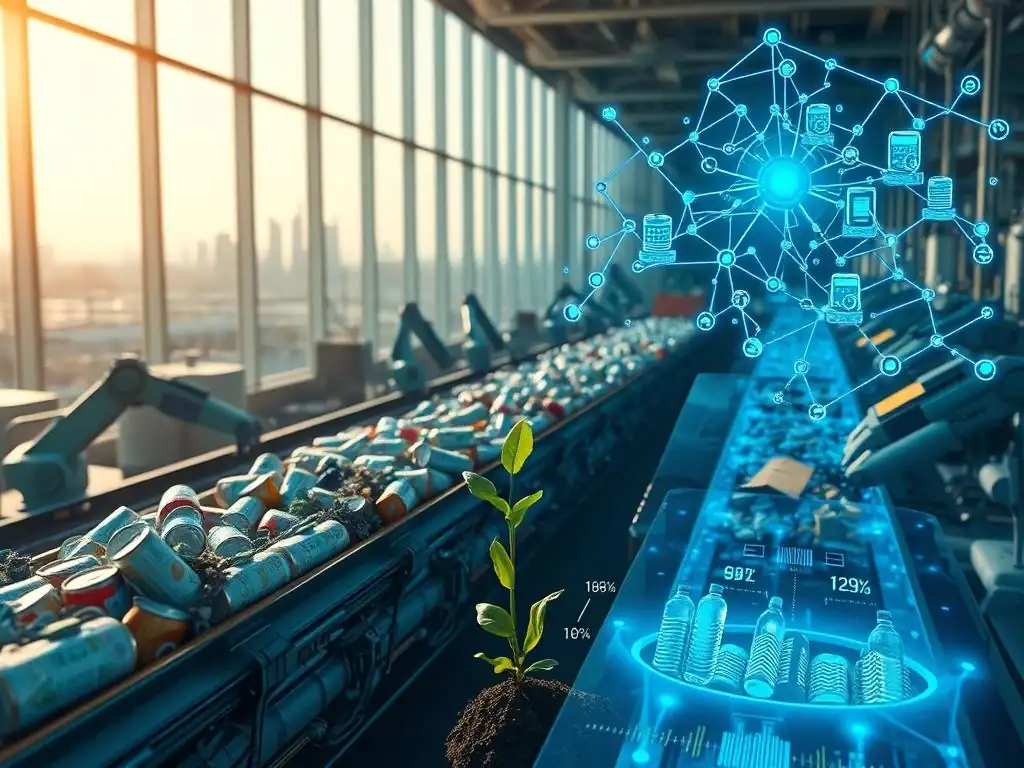
Welcome to Blockchain Trends, your guide to understanding the revolutionary impact of blockchain technology beyond the hype!
Dive into the world of decentralized innovation and discover how blockchain is reshaping industries. Ever wondered how blockchain waste management solutions optimize recycling processes and minimize environmental impact? This article explores just that, unveiling the power of blockchain to create a more sustainable future. Intrigued? Read on to learn how this groundbreaking technology is transforming waste management and paving the way for a cleaner planet.
Blockchain for Waste Management: Optimizing Recycling and Reducing Landfill
- Introduction: The Urgent Need for Improved Waste Management Systems
- Blockchain Waste Management Solutions Optimize Recycling Processes
- Reducing Landfill Waste Through Blockchain-Enabled Circular Economy
- Real-World Applications of Blockchain in Waste Management
- Benefits of Blockchain Technology for Waste Management
- Challenges and Considerations for Blockchain Adoption in Waste Management
- The Future of Blockchain in Sustainable Waste Management
- Conclusion: Towards a Cleaner, More Sustainable Future with Blockchain
-
Frequently Asked Questions
- What are some of the primary benefits of using blockchain for waste management?
- How can blockchain help optimize recycling processes specifically?
- What role does blockchain play in reducing landfill waste?
- How can blockchain facilitate better compliance with waste management regulations?
- What is the future outlook for blockchain waste management solutions and their impact?
- Final Reflection: Embracing Transparency for a Sustainable Future
- Empower Change: Take Action for a Greener Future!
Introduction: The Urgent Need for Improved Waste Management Systems
The Growing Global Waste Crisis: An Overview
The world is facing an escalating waste crisis, driven by rapid urbanization, population growth, and changing consumption patterns. According to the World Bank, global waste generation is projected to increase by 70% by 2050, reaching 3.4 billion tonnes annually, up from 2.01 billion tonnes in 2016. This massive volume of waste poses significant environmental, social, and economic challenges, contributing to pollution, greenhouse gas emissions, and resource depletion.
Without effective strategies, landfills continue to grow, contaminating soil and water, while valuable materials are lost, hindering the transition to a sustainable, circular economy. Addressing this crisis requires innovative approaches that can transform how waste is collected, sorted, processed, and repurposed.
Moreover, inefficient waste management disproportionately affects low-income countries, where over 90% of waste is often disposed of in unregulated dumps or burned openly, creating serious health hazards and environmental damage. Even in developed nations, significant amounts of recyclable materials end up in landfills due to a lack of transparency, inefficient processes, and poor tracking.
The complexity of the waste value chain, involving multiple stakeholders from households and businesses to collectors, sorters, processors, and manufacturers, makes traditional oversight difficult. This complexity highlights the need for a system that can bring visibility, accountability, and efficiency to every stage of waste handling, laying the groundwork for more effective waste management solutions.
Limitations of Traditional Waste Management Practices
Traditional waste management systems suffer from several inherent limitations that impede progress towards sustainability. A primary issue is the lack of transparency across the supply chain. Once waste leaves its point of origin, it often enters a complex, opaque network where its journey to disposal or recycling is difficult to track.
This opacity makes it challenging to verify recycling rates accurately, combat illegal dumping, and ensure that waste is handled in an environmentally responsible manner. Furthermore, the reliance on manual data entry and paper-based records is prone to errors, delays, and potential manipulation, undermining trust and efficiency within the system.
Another significant limitation is the inefficiency in logistics and collection. Current systems often operate on fixed schedules or reactive requests, leading to suboptimal routing, increased fuel consumption, and higher operational costs. There's also a disconnect between waste generators and recycling facilities, making it difficult to match specific waste streams with appropriate processing capabilities.
The absence of a unified, trustworthy system for tracking materials and incentives hinders the development of a robust circular economy, where materials are continuously reused and recycled. These inefficiencies not only increase the cost of waste management but also reduce the overall effectiveness of recycling programs, contributing to the growing landfill problem.
Blockchain Technology: A Transformative Solution for Sustainability
Blockchain technology offers a promising avenue to overcome the limitations of traditional waste management and foster a more sustainable approach. Its core characteristics—decentralization, immutability, and transparency—are uniquely suited to address the challenges of tracking, verifying, and managing waste streams. By creating a shared, tamper-proof ledger, blockchain can record every transaction and movement of waste materials from their source to their final destination, whether it's a recycling facility, a treatment plant, or a landfill. This inherent transparency builds trust among stakeholders and provides an unprecedented level of accountability, crucial for ensuring compliance with environmental regulations and achieving sustainability goals.
Integrating blockchain waste management solutions optimize processes by enabling real-time tracking and verification, which is essential for proving the provenance and handling of waste materials. This capability supports the development of 'digital passports' for waste, detailing their composition, origin, and journey.
Furthermore, blockchain can facilitate the use of smart contracts to automate payments and agreements based on verifiable data, improving efficiency and reducing administrative overhead. By providing a secure and transparent infrastructure, blockchain technology lays the foundation for innovative models like tokenized incentives for recycling and decentralized marketplaces for waste materials, driving the transition towards a circular economy and significantly contributing to waste reduction efforts.
Blockchain Waste Management Solutions Optimize Recycling Processes
Enhancing Transparency and Traceability in the Waste Supply Chain
Blockchain technology fundamentally enhances transparency and traceability within the waste supply chain by providing a distributed and immutable ledger. Every step of a waste item's journey—from collection from a household or business, through sorting and processing centers, to final disposal or recycling—can be recorded as a transaction on the blockchain. This creates a comprehensive, verifiable history that is accessible to authorized participants, including waste generators, collection companies, recycling facilities, and regulatory bodies.
For example, a pilot project in Europe tracked specific types of plastic waste using blockchain, demonstrating the ability to follow materials from collection points in one country to recycling plants in another, proving the origin and destination of the material. This level of detail makes it nearly impossible for waste to be mishandled or diverted illegally without being detected, addressing the opacity that plagues traditional systems.
The enhanced traceability provided by blockchain waste management solutions optimize the ability to monitor compliance with environmental standards and regulations. Authorities can audit the entire process with greater ease and confidence, verifying that waste is processed according to established guidelines. This transparency also extends to the materials themselves; detailed information about the composition and type of waste can be attached to its digital record, ensuring that it is directed to the most appropriate recycling or treatment facility.
For instance, a project tracking electronic waste (e-waste) used blockchain to verify that hazardous components were separated and processed correctly, reducing environmental risks. This granular tracking capability is crucial for maximizing material recovery and ensuring responsible disposal of non-recyclable waste.
Tracking Waste from Origin to Disposal with Blockchain
Tracking waste from its origin to disposal using blockchain involves creating a digital identity or 'hash' for each batch or type of waste at the point of generation. This digital identity is then linked to a series of transactions on the blockchain as the waste moves through the supply chain. For example, when a waste collector picks up a batch of mixed recyclables, a transaction is recorded on the blockchain, noting the origin (e.g., a specific address), the time of collection, and the collector's identity.
When the waste arrives at a sorting facility, another transaction is added, detailing the time of arrival and potentially the initial weight or volume. After sorting, subsequent transactions would record the different waste streams (e.g., paper, plastic, glass) and their respective destinations (e.g., specific recycling plants).
This continuous chain of verifiable transactions provides an unbroken record of the waste's journey. Consider a scenario where a company claims to recycle 80% of its waste. With a blockchain tracking system, this claim can be independently verified by examining the blockchain records, which show the volume of waste generated and the volume delivered to certified recycling facilities.
This level of detail goes far beyond traditional paper manifests or centralized databases, which can be easily altered. The immutability of the blockchain ensures that once a transaction is recorded, it cannot be changed, providing a high degree of trust and accountability throughout the entire waste management process, ensuring that blockchain waste management solutions optimize transparency.
Verifying Recycling Claims and Preventing Fraud
One of the significant challenges in waste management is verifying whether materials designated for recycling actually get recycled and preventing fraudulent activities like illegal dumping or mislabeling. Blockchain provides a robust mechanism to address this by creating an immutable and transparent record of recycling activities. When a batch of waste arrives at a certified recycling facility, the facility can record its processing (e.g., sorting, cleaning, shredding) as a transaction on the blockchain.
This transaction can include details like the weight of processed material, the date, and the type of material recovered. This data, once recorded, serves as irrefutable proof that the material was received and processed for recycling.
Furthermore, blockchain can be integrated with IoT sensors and other tracking devices to automatically record data points, reducing the potential for human error or deliberate fraud. For instance, smart bins could weigh waste and record collection events directly onto the blockchain. Recycling facilities could use sensors to verify the weight of incoming materials or the energy consumed during processing, with this data automatically triggering blockchain transactions.
By making the entire process visible and verifiable on a distributed ledger, blockchain waste management solutions optimize the ability to audit claims and deter fraudulent practices. Companies can confidently report their recycling rates based on verifiable blockchain data, and consumers can trust that their efforts to separate waste are actually contributing to a circular economy, preventing billions of dollars in potential losses due to fraud and inefficiency.
Improving Efficiency and Reducing Costs in Waste Collection
Efficiency in waste collection is paramount for reducing operational costs and environmental impact. Traditional methods often involve fixed routes and schedules, which can lead to bins being collected when they are not full or routes being suboptimal, wasting fuel and time. Blockchain technology, combined with other innovations like IoT and AI, can significantly improve this efficiency.
By using smart bins equipped with fill-level sensors and GPS, real-time data on the status and location of waste containers can be collected. This data can be recorded on a blockchain, providing a secure and transparent source of truth about collection needs. For example, a smart contract could be programmed to automatically trigger a collection request transaction on the blockchain when a bin reaches a certain fill level.
This real-time, data-driven approach allows waste management companies to dynamic optimize collection routes and schedules. Instead of following static routes, collection vehicles can be dispatched based on the actual needs of bins reported on the blockchain. This reduces unnecessary trips, lowers fuel consumption (potentially by 10-20% in optimized systems), and decreases the carbon footprint of waste collection operations.
Moreover, the transparent record of collection events on the blockchain improves accountability for collection crews and provides accurate data for performance analysis and route planning improvements. By enabling this level of dynamic optimization and data utilization, blockchain waste management solutions optimize operational efficiency and lead to significant cost savings.
Smart Contracts for Automated Waste Collection Scheduling
Smart contracts, self-executing contracts with the terms of the agreement directly written into code, can automate and streamline waste collection scheduling based on verifiable data recorded on the blockchain. Imagine a scenario where a smart bin's sensor data (e.g., fill level, weight) is uploaded to the blockchain. A smart contract can be programmed to monitor this data for a specific bin or a group of bins.
When the criteria defined in the smart contract are met—for instance, a bin reaches 80% capacity or a specific time threshold is reached since the last collection—the smart contract automatically triggers an action. This action could be generating a collection request, alerting a collection vehicle, or even initiating a payment transaction to the service provider upon successful collection verification.
This automated process removes the need for manual scheduling and reduces delays. It ensures that waste is collected only when necessary, leading to more efficient resource allocation. Furthermore, the execution of the smart contract is transparent and recorded on the blockchain, providing an auditable log of when and why collection requests were triggered and fulfilled.
This improves accountability and allows waste management companies to manage their resources more effectively. For example, a city could use smart contracts to manage waste collection across different zones, with payments to collectors automatically released upon verification (via GPS data and potentially weight checks recorded on the blockchain) that collections were completed as scheduled by the contract. This application of blockchain waste management solutions optimize the entire collection process by making it data-driven, automated, and highly efficient.
Optimizing Waste Routing and Logistics with Blockchain Data
Optimizing waste routing and logistics involves using data to determine the most efficient paths for collection vehicles. Traditional systems often rely on historical data or static planning, which doesn't account for real-time variables like traffic, vehicle breakdowns, or actual bin fill levels. By integrating real-time data from IoT sensors on bins and collection vehicles, recorded securely on the blockchain, waste management companies can gain unprecedented insights into their operations. This data includes bin locations, fill levels, collection times, vehicle locations, speed, and status. This rich dataset, available on a shared, immutable ledger, can be fed into sophisticated routing algorithms.
These algorithms can then calculate the most efficient routes dynamically, considering factors like the locations of bins that need collection (as indicated by smart contracts or sensor data on the blockchain), current traffic conditions (potentially integrated from external data sources), and the capacity of collection vehicles. For example, a route could be adjusted in real-time if a bin reports a critical fill level or if traffic data indicates significant delays on the planned path. The blockchain provides the reliable, tamper-proof data foundation necessary for these algorithms to function effectively.
This dynamic optimization leads to reduced mileage, lower fuel consumption, decreased emissions, and improved service levels by ensuring timely collections where they are most needed. By providing a single source of truth for operational data, blockchain waste management solutions optimize logistics and routing, contributing significantly to cost reduction and environmental sustainability.
Reducing Landfill Waste Through Blockchain-Enabled Circular Economy
Facilitating Material Recovery and Reuse with Blockchain Platforms
Blockchain platforms are instrumental in facilitating the recovery and reuse of materials, key components of a circular economy model. By providing a trusted and transparent framework for tracking materials, blockchain enables stakeholders to identify and recover valuable resources that would otherwise end up in landfills. Platforms built on blockchain can create digital twins or passports for specific types of waste, detailing their composition, origin, and potential for reuse or recycling.
This makes it easier for businesses and individuals to see the value in waste materials and connect them with appropriate processing facilities or potential buyers of recycled goods. For instance, a company generating plastic waste could use a blockchain platform to list the type and volume of plastic available, making it visible to plastic recycling companies seeking feedstock.
These platforms can also integrate quality verification data onto the blockchain. As materials are processed, data regarding their purity, quality, and readiness for reuse can be added to their digital passport. This builds trust among potential buyers of recycled materials, as they can verify the quality and provenance of the materials they are purchasing through the immutable blockchain record.
For example, a textile recycler processing cotton waste could record data on fiber length and contamination levels on the blockchain, assuring textile manufacturers using recycled cotton about the material's suitability for their processes. This transparency and verification mechanism lowers the risk for businesses using recycled content, encouraging greater adoption of recovered materials and diverting significant volumes of waste from landfills.
Creating Digital Waste Passports for Recyclable Materials
Digital Waste Passports, powered by blockchain technology, act as digital identities for recyclable materials, providing a comprehensive and transparent history from source to potential reuse. Each passport would contain key information about the material, such as its type (e.g., PET plastic, aluminum, specific electronic components), origin (e.g., manufacturing plant, residential area), date of generation, and potentially information about its composition or any contaminants.
As the material moves through the waste management chain—collection, sorting, processing—each step is recorded on the blockchain, added to the material's digital passport. This creates an immutable history detailing who handled the material, when, and what processing steps were performed.
For example, a batch of collected glass bottles from a city could have a digital passport created upon collection. When it arrives at a sorting facility, the sorting process and the resulting cullet quality could be added to the passport. When sold to a glass manufacturer, the transaction is recorded, and the manufacturer can access the passport to verify the material's origin and quality before using it in production.
This level of detail and transparency makes it significantly easier to track high-value waste streams, ensure they are directed to appropriate recycling channels, and verify the authenticity and quality of recycled materials. By providing this verifiable history, digital waste passports facilitate the trade and reuse of secondary raw materials, actively contributing to reducing the amount of waste sent to landfill.
Incentivizing Recycling and Waste Reduction through Tokenization
Tokenization, the process of representing an asset or utility as a digital token on a blockchain, offers a powerful mechanism to incentivize recycling and waste reduction behaviors. By issuing tokens as rewards for desired actions—such as correctly sorting waste, returning specific materials (like plastic bottles or e-waste), or participating in community clean-up initiatives—blockchain platforms can directly motivate individuals and businesses to engage in sustainable practices.
For example, a municipality could launch a program where residents earn tokens for depositing recyclable materials in designated smart bins that verify the type and weight of the material. These tokens could then be exchanged for local services, discounts, or even fiat currency.
This approach creates a tangible economic incentive for responsible waste management. Unlike traditional reward systems that can be cumbersome or prone to fraud, tokenization on a blockchain provides transparency and security. Every action that earns tokens is recorded on the immutable ledger, ensuring fairness and preventing double-spending or fraudulent claims.
Several pilot programs have shown promising results; Plastic Bank, for instance, enables collectors in developing countries to exchange plastic waste for digital tokens that can be used to purchase necessities. By providing a clear, verifiable reward system, tokenization encourages participation in recycling programs, increases the volume of materials diverted from landfills, and fosters a more engaged community around waste reduction. These blockchain waste management solutions optimize participation in circular economy activities.
Connecting Waste Generators with Recycling Facilities
Effectively connecting waste generators (households, businesses, industries) with appropriate recycling and processing facilities is crucial for maximizing material recovery and reducing landfill waste. Often, waste generators are unaware of the available options for specific waste streams beyond basic municipal collection, and recycling facilities struggle to secure consistent supplies of sorted materials. Blockchain platforms can act as decentralized marketplaces or registries that bridge this gap, providing a transparent and efficient way to match waste supply with processing demand.
These platforms allow waste generators to list the types and volumes of waste materials they have available, along with details provided by their digital waste passports. Simultaneously, recycling facilities can list the types of materials they are seeking and their processing capabilities.
Smart contracts on the blockchain can facilitate agreements between parties, automating transactions and ensuring that waste is directed to facilities that can effectively process it. This direct connection reduces intermediaries, streamlines the logistics of waste transfer, and ensures that valuable materials are channeled towards recycling and reuse instead of being sent to landfills due to a lack of connection or information.
Matching Waste Supply and Demand Using Blockchain Marketplaces
Blockchain-powered marketplaces for waste materials function similarly to online commodity exchanges but with the added benefits of transparency, traceability, and security inherent to blockchain technology. Waste generators—ranging from large industrial facilities producing specific scrap materials to collection companies with sorted recyclables—can list their available waste streams on the platform. Each listing can be linked to the material's digital waste passport on the blockchain, providing verified information about its origin, composition, and handling history. This allows potential buyers (recycling facilities, manufacturers using secondary raw materials) to assess the quality and suitability of the waste material with confidence.
Recycling facilities and manufacturers can browse listings based on material type, quantity, location, and quality specifications. Once a match is found, a deal can be negotiated and executed via a smart contract on the blockchain.
This automates the agreement, outlines terms like price per unit and delivery schedule, and potentially triggers payment upon verification of delivery and quality (data that can also be recorded on the blockchain). This direct, transparent marketplace mechanism streamlines the process of finding buyers for sorted waste materials, increases the likelihood that materials are recycled rather than landfilled, and can potentially lead to better prices for high-quality sorted waste, further incentivizing proper sorting and recovery efforts.
Streamlining Waste Brokerage and Trading Processes
Traditional waste brokerage and trading can be complex, involving multiple intermediaries, manual contracts, and a lack of transparency regarding the actual flow and processing of materials. Blockchain technology can significantly streamline these processes by providing a single, shared, and immutable record of all transactions and material movements. Waste brokers can use blockchain platforms to list and trade verified waste materials with greater efficiency and reduced counterparty risk, as the provenance and handling history of the materials are transparently recorded on the ledger.
Smart contracts can automate agreements between brokers, sellers (waste generators/collectors), and buyers (recycling facilities/manufacturers). This reduces the need for extensive paperwork and manual verification, speeding up transaction times and lowering administrative costs. For example, a smart contract could automatically release payment to a waste collector once a shipment of sorted plastic is verified as delivered to a recycling plant, with the verification data recorded on the blockchain.
Furthermore, the transparency of the blockchain helps to combat illegal waste trafficking, as the movement of materials is tracked and auditable. By creating a more efficient, transparent, and trustworthy system for trading secondary raw materials, blockchain waste management solutions optimize the flow of resources within the circular economy, ensuring more waste is traded for recycling rather than sent to landfill.
Real-World Applications of Blockchain in Waste Management
Plastic Bank is a notable example of blockchain being used to address both environmental and social challenges within waste management. The organization empowers disadvantaged communities to collect plastic waste from their local environments, particularly near coastlines, before it enters the ocean. This collected plastic is then exchanged for digital tokens, often referred to as 'Social Plastic' tokens, which can be redeemed for necessities like food, cooking fuel, school tuition, or even digital currency. The process is recorded on a blockchain, ensuring transparency and providing a secure, verifiable system for tracking collections and rewards.
Problem Addressed: Ocean Plastic Pollution and Poverty
The core problems Plastic Bank addresses are the massive scale of ocean plastic pollution, particularly in regions lacking formal waste management infrastructure, and the pervasive poverty experienced by coastal communities in these areas. Millions of tonnes of plastic enter the ocean each year, devastating marine ecosystems and economies. Simultaneously, many communities living near coastlines face extreme poverty, lacking access to basic services and economic opportunities. Traditional recycling efforts often fail to reach these communities or provide sufficient incentive to collect low-value plastic waste scattered in the environment.
Blockchain Solution: Tokenizing Plastic Collection and Rewards
Plastic Bank utilizes a proprietary blockchain platform to create a secure and transparent system for collecting and exchanging plastic waste. Collectors bring the plastic to designated collection points, where it is weighed and sorted. The value of the plastic is calculated based on market rates, and the equivalent value is transferred to the collector's digital wallet in the form of Social Plastic tokens.
This transaction is recorded on the blockchain, creating a transparent and immutable record of the collection. The collected plastic is then processed and sold as 'Social Plastic' to partner companies who use it in their products, ensuring the material is recycled and doesn't re-enter the environment.
Results Achieved: Reduced Plastic Waste and Improved Livelihoods
Since its inception, Plastic Bank has established collection ecosystems in several countries, including Haiti, the Philippines, Indonesia, and Egypt. They have demonstrably prevented millions of kilograms of plastic from entering the ocean. For example, by early 2023, they had already prevented over 70 million kilograms of plastic from reaching waterways and the ocean. The program provides collectors with a reliable source of income and access to essential goods and services through the token redemption system, significantly improving their livelihoods and community well-being. This case study effectively illustrates how blockchain waste management solutions optimize social impact alongside environmental benefits.
Case Study 2: RecycleGO's Waste Management Platform
RecycleGO is a platform designed to bring greater efficiency and transparency to the commercial waste and recycling industry using blockchain technology. It focuses on connecting businesses with waste haulers and recycling facilities, providing tools for tracking, managing, and optimizing waste streams. The platform aims to reduce costs for businesses while increasing recycling rates and ensuring compliance through verifiable data.
Problem Addressed: Inefficient Waste Collection and Tracking
Businesses often face challenges in managing their waste effectively, including inconsistent collection services, opaque pricing structures, and a lack of verifiable data on how their waste is handled. This inefficiency leads to higher costs, missed opportunities for recycling, and difficulty in proving compliance with environmental regulations. Traditional waste hauling contracts can be complex, and tracking waste from a business's premises to its final destination is often difficult, hindering efforts to improve sustainability.
Blockchain Solution: Real-time Waste Tracking and Optimized Routing
RecycleGO leverages blockchain to create a transparent and immutable record of waste collection and processing events. Businesses can use the platform to schedule pickups, and waste haulers use a mobile application to record collections, including time, location (verified via GPS), and potentially weight or volume. This data is recorded on the blockchain, providing businesses with real-time visibility into their waste pickups. The platform also uses data analytics and potentially smart contracts to optimize collection routes and schedules, ensuring timely service and reducing operational costs for haulers.
Results Achieved: Increased Recycling Rates and Reduced Operational Costs
By providing real-time tracking and verifiable data, RecycleGO helps businesses improve their waste management practices and increase recycling rates. Businesses can see exactly when their waste was collected and where it was transported, building trust in the system. The optimization features help waste haulers reduce mileage and fuel consumption, leading to lower operational costs, which can translate into more competitive pricing for businesses.
While specific aggregate data across all users might vary, individual businesses using the platform have reported significant improvements in efficiency and verifiable increases in the proportion of waste sent for recycling compared to landfill. This demonstrates how blockchain waste management solutions optimize operational efficiency and environmental outcomes for commercial waste.
Benefits of Blockchain Technology for Waste Management

Increased Transparency and Accountability
One of the most significant benefits of integrating blockchain into waste management is the dramatic increase in transparency and accountability. By recording every transaction and movement of waste on a distributed, immutable ledger, blockchain creates a single source of truth accessible to authorized participants. This means stakeholders, from waste generators to regulators, can track the journey of waste materials from origin to destination with unprecedented clarity.
This transparency makes it difficult for waste to be mismanaged, illegally dumped, or misrepresented, holding all parties in the supply chain accountable for their actions. This level of visibility is crucial for building trust in waste management systems and ensuring compliance with environmental standards.
Improved Efficiency and Cost Savings
Blockchain technology, especially when combined with IoT and smart contracts, can lead to substantial improvements in operational efficiency and corresponding cost savings within waste management. Automated processes through smart contracts reduce administrative overhead and potential for errors. Real-time data from sensors, secured on the blockchain, enables dynamic route optimization for collection vehicles, reducing fuel consumption and labor costs.
Streamlined trading of secondary materials on blockchain marketplaces reduces transaction costs and speeds up the process of getting recyclables to processors. These efficiencies contribute to a more cost-effective waste management infrastructure, making sustainable practices more economically viable. Blockchain waste management solutions optimize resource allocation and operational workflows.
Enhanced Data Security and Integrity
The inherent cryptographic security of blockchain ensures the integrity and security of waste management data. Data recorded on the blockchain is distributed across a network of computers, making it extremely difficult for any single party to alter or tamper with the records without the change being detected by the network.
This immutability is critical for maintaining trustworthy records of waste handling, particularly for compliance and auditing purposes. Unlike centralized databases which are vulnerable to hacking or single points of failure, a blockchain provides a highly resilient system for storing sensitive information about waste streams, ensuring that data used for tracking, verification, and reporting is accurate and reliable.
Promotion of Circular Economy Principles
Blockchain technology is a powerful enabler of the circular economy within waste management. By providing transparency and traceability, it facilitates the identification, recovery, and reuse of valuable materials that might otherwise be lost. Digital waste passports track the history and characteristics of materials, making them more attractive and trustworthy for use as secondary raw materials.
Tokenization creates incentives for individuals and businesses to participate in recycling and waste reduction. Blockchain marketplaces connect waste generators with users of recycled materials, closing the loop. Together, these capabilities promote the principles of reducing waste, reusing materials, and recycling everything possible, actively diverting waste from landfills and fostering a more sustainable economic model.
Challenges and Considerations for Blockchain Adoption in Waste Management
Scalability and Interoperability of Blockchain Systems
One significant challenge for widespread blockchain adoption in waste management is the scalability of current blockchain networks to handle the potentially massive volume of transactions generated by tracking individual waste items or even batches across large geographic areas. Public blockchains might face throughput limitations and high transaction costs (gas fees), while private or consortium blockchains require careful management and can raise questions about true decentralization and transparency.
Furthermore, ensuring interoperability between different blockchain platforms or between blockchain systems and legacy waste management IT systems is crucial for seamless data flow and integration across the complex waste value chain. Developing scalable and interoperable solutions is key to enabling widespread blockchain waste management solutions optimize implementation.
Regulatory Hurdles and Legal Frameworks
The adoption of blockchain in waste management also faces regulatory hurdles and the need for clear legal frameworks. Existing waste management regulations were not designed with blockchain technology in mind, and there can be uncertainty regarding data ownership, liability, and compliance verification when using distributed ledgers.
For example, determining legal responsibility in case of waste mismanagement when multiple parties are involved and recorded on a blockchain requires new legal interpretations. Establishing clear regulatory guidelines that recognize and facilitate the use of blockchain for tracking, reporting, and compliance is essential for encouraging adoption and ensuring that blockchain-based systems meet environmental standards and legal requirements.
Data Privacy and Security Concerns
While blockchain is inherently secure and tamper-proof, concerns regarding data privacy remain, particularly when dealing with sensitive information about waste generation from individuals or businesses. Public blockchains offer transparency, but this might not be desirable for all data points (e.g., specific business waste profiles). Private or consortium blockchains offer more control over data access, but require careful consideration of access permissions and governance.
Ensuring compliance with data protection regulations like GDPR is paramount. Designing blockchain solutions with privacy-preserving features, such as zero-knowledge proofs or selective data sharing, is necessary to balance the need for transparency and traceability with the requirement to protect sensitive information.
Public Awareness and Education
The successful adoption of blockchain technology in waste management also depends on public awareness and education among all stakeholders. Many individuals and businesses may not understand what blockchain is or how it can benefit waste management. Explaining the value proposition – increased transparency, verified recycling, potential incentives – in clear and accessible terms is crucial.
Educating waste management professionals, regulators, and the general public about how blockchain systems work, how data is secured, and how they can participate effectively is necessary to build trust and facilitate widespread implementation. Without adequate understanding and buy-in from users, even the most technically sound blockchain waste management solutions optimize potential will remain unrealized.
The Future of Blockchain in Sustainable Waste Management
Emerging Trends and Innovations
The application of blockchain in waste management is still relatively nascent, but several emerging trends and innovations suggest a promising future. We are likely to see increased development of specialized blockchain platforms designed specifically for environmental tracking and supply chain transparency. Innovations in consensus mechanisms and scaling solutions (like Layer 2 protocols) are addressing the scalability challenges, making blockchain more viable for large-scale waste tracking.
The development of industry standards for digital waste passports and interoperability protocols will facilitate seamless data exchange across different platforms and stakeholders. Furthermore, we can expect more sophisticated tokenization models that incentivize a wider range of sustainable behaviors, from reducing consumption to choosing products made from recycled materials tracked on the blockchain.
Potential for Integration with IoT and AI
The true transformative potential of blockchain in waste management lies in its integration with other cutting-edge technologies, particularly the Internet of Things (IoT) and Artificial Intelligence (AI). IoT sensors on bins, vehicles, and processing equipment can generate vast amounts of real-time data about waste volume, composition, location, and handling. Blockchain provides the secure, immutable ledger to store and verify this data.
AI algorithms can then analyze this blockchain-verified data to provide advanced insights, optimize collection routes dynamically, predict waste generation patterns, identify opportunities for material recovery, and even automate quality control in recycling facilities. This synergy between IoT data collection, blockchain data integrity, and AI analysis will enable highly intelligent, efficient, and transparent waste management systems that are currently unimaginable with traditional technologies.
Blockchain technology has a significant role to play in helping countries and organizations achieve the United Nations' Sustainable Development Goals (SDGs), particularly those related to sustainable consumption and production (SDG 12) and protecting life below water (SDG 14) and on land (SDG 15). By enabling a circular economy, blockchain waste management solutions optimize resource use and reduce the amount of waste generated and sent to landfills or polluting the environment. Increased transparency and traceability help combat illegal waste dumping and ensure responsible management of hazardous materials.
Incentivization through tokenization can empower communities and promote sustainable behaviors. Providing verifiable data on waste streams and recycling rates also supports reporting and monitoring progress towards SDG targets. As blockchain technology matures and its applications in waste management expand, it will become an increasingly critical tool for building a more sustainable future and achieving global environmental objectives.
Conclusion: Towards a Cleaner, More Sustainable Future with Blockchain
Embracing Blockchain Waste Management Solutions for a Circular Economy
The global waste crisis demands innovative and transformative solutions. Traditional waste management systems, plagued by opacity, inefficiency, and a lack of accountability, are proving insufficient to handle the escalating volumes of waste and facilitate the transition to a circular economy. Blockchain technology offers a powerful new paradigm, addressing these fundamental shortcomings by providing unprecedented transparency, traceability, and security across the entire waste value chain. By creating immutable records of waste movements, verifying recycling processes, enabling smart contracts for automation, and facilitating tokenized incentives, blockchain waste management solutions optimize every aspect of how we handle waste.
Embracing these solutions is not just about improving logistics or reducing costs; it's about building a foundation of trust and accountability necessary for a truly sustainable circular economy. Digital waste passports, blockchain marketplaces for secondary materials, and integrated IoT/AI systems are paving the way for a future where waste is viewed not as a burden, but as a valuable resource.
While challenges related to scalability, regulation, and education remain, the real-world applications and emerging trends demonstrate the immense potential of blockchain to drive significant positive change. By leveraging the unique capabilities of blockchain, we can move towards a cleaner, more efficient, and more sustainable future, where waste is minimized, resources are maximized, and our planet is better protected.
Frequently Asked Questions
What are some of the primary benefits of using blockchain for waste management?
Blockchain enhances traceability and transparency in waste streams, ensuring responsible disposal and recycling. It also facilitates efficient tracking of materials, reducing fraud and improving data accuracy.
How can blockchain help optimize recycling processes specifically?
Blockchain can create a decentralized ledger to track recyclable materials from origin to recycling facility. This ensures material authenticity and fair compensation for recyclers, incentivizing higher recycling rates.
What role does blockchain play in reducing landfill waste?
By providing accurate tracking of waste generation and disposal, blockchain enables better waste reduction strategies. It also promotes a circular economy by connecting waste producers with recyclers and reuse opportunities.
How can blockchain facilitate better compliance with waste management regulations?
Blockchain's immutable ledger provides an audit trail for waste management activities, ensuring compliance with regulations. This helps organizations demonstrate responsible disposal and avoid penalties.
What is the future outlook for blockchain waste management solutions and their impact?
The future involves wider adoption of blockchain, leading to smarter waste management systems and increased environmental sustainability. Expect more integrated solutions connecting waste generators, recyclers, and regulators.
Final Reflection: Embracing Transparency for a Sustainable Future
The potential of blockchain waste management solutions to optimize recycling processes and significantly reduce landfill waste is no longer a futuristic concept, but a tangible opportunity within our grasp. The insights shared throughout this article highlight the transformative power of decentralized, transparent systems in addressing one of the most pressing environmental challenges of our time. By fostering accountability and streamlining operations, blockchain offers a pathway towards a more circular and sustainable economy.
The impact of this technology extends far beyond mere efficiency gains; it fundamentally reshapes our relationship with waste. It challenges us to view waste not as a discarded byproduct, but as a valuable resource within a closed-loop system. This shift in perspective is crucial for fostering a culture of responsibility and encouraging active participation from individuals, businesses, and governments alike. We are called to be architects of the future, not its victims.
- R. Buckminster Fuller. This quote encapsulates the proactive approach needed to leverage blockchain and other innovative technologies to build a more sustainable world.
Now, consider how you can contribute to this transformative movement. Reflect on your own consumption habits and waste generation. Explore opportunities to support businesses and initiatives that are embracing blockchain waste management solutions. Advocate for policies that encourage transparency and accountability in waste management practices. The future of our planet depends on our collective commitment to embracing innovative solutions and building a more sustainable future, one block at a time.
Empower Change: Take Action for a Greener Future!
Thank you for exploring how blockchain technology can revolutionize waste management. We hope this article has highlighted the potential for creating a more sustainable and efficient future. Now, it's time to put that knowledge into practice.
Here are some ways you can contribute to this important movement:
- Advocate for blockchain-based waste management solutions with your local representatives. Your voice can make a significant impact!
- Discover innovative and lesser-known sustainable practices. Research alternative waste reduction strategies that can complement blockchain technology.
- Spark a conversation! Share this article on your social media platforms and tag us to help raise awareness and connect with others interested in building a greener future.
What small change will you commit to this week to reduce your waste footprint and support sustainability? Share your commitment in the comments below!
Leave a Reply