
Can Blockchain Trace the Path to Sustainable Seafood?


Welcome to Blockchain Trends, your compass in the rapidly evolving world of decentralized technology. Dive beyond the hype and discover the real-world applications of blockchain, from revolutionizing finance to reshaping industries. Ever wonder if blockchain can help save our oceans? Our latest article explores just that, focusing on Blockchain sustainable seafood traceability and how it's charting a course towards a more ethical and transparent future. Read on to uncover how this groundbreaking technology can ensure a sustainable catch and protect our marine ecosystems.
- Can Blockchain Trace the Path to Sustainable Seafood? Exploring Blockchain for Seafood Traceability
- Blockchain Technology: A Solution for Enhanced Seafood Traceability
- Blockchain Seafood Traceability: A Step-by-Step Implementation
- Real-World Examples of Blockchain in Seafood Traceability
- Overcoming Challenges and Scaling Blockchain for Sustainable Seafood
- The Future of Blockchain and Sustainable Seafood
- Conclusion: Blockchain's Role in Securing a Sustainable Seafood Future
-
Frequently Asked Questions
- How can blockchain improve seafood traceability?
- What makes blockchain a good fit for sustainable seafood initiatives?
- What are the main benefits of using blockchain for seafood companies?
- What are some challenges in implementing blockchain for seafood traceability?
- How does blockchain help combat illegal, unreported, and unregulated (IUU) fishing?
- Final Reflection: Navigating the Future of Seafood Sustainability through Blockchain
- Seize Your Role: Dive Into Sustainable Seafood Now!
Can Blockchain Trace the Path to Sustainable Seafood? Exploring Blockchain for Seafood Traceability
The Growing Demand for Seafood and its Environmental Impact
Global seafood consumption has been on a significant upward trajectory for decades. According to the FAO's State of World Fisheries and Aquaculture (SOFIA) reports, per capita fish consumption reached a new high of 20.5 kg in 2020, nearly double the 10 kg recorded in the 1960s. This burgeoning demand puts immense pressure on marine ecosystems.
Over one-third of global fish stocks are estimated to be fished at biologically unsustainable levels, a drastic increase from the approximately 10% in the 1970s. This overfishing depletes populations, disrupts marine food webs, and can have cascading effects on biodiversity and the health of the oceans.
Furthermore, the methods used to catch or farm seafood can have severe environmental consequences. Destructive fishing practices like bottom trawling can decimate seabed habitats. Aquaculture, while alleviating pressure on wild stocks, can sometimes lead to habitat destruction (e.g., mangrove clearing for shrimp farms), pollution from feed and waste, and the spread of diseases to wild populations. The sheer scale of the industry means that addressing its environmental footprint is critical for ocean health and long-term food security. Effective Blockchain sustainable seafood traceability is seen as a key tool to monitor and mitigate these impacts throughout the complex supply chain.
Current Challenges in Seafood Traceability: Economic Adulteration and Illegal Fishing
The seafood supply chain is notoriously complex, often involving multiple intermediaries across different countries before reaching the consumer. This complexity creates numerous opportunities for fraud and illegal activities. Economic adulteration, such as species substitution (selling cheaper fish under the name of a more expensive one), mislabeling origin, or misrepresenting weight, is rampant. Studies have shown that a significant percentage of seafood sold globally is mislabeled; for example, Oceana reports have frequently found mislabeling rates above 20% in various markets, sometimes exceeding 40% for certain species or locations. This deceives consumers and undermines legitimate businesses.
Illegal, Unreported, and Unregulated (IUU) fishing poses an even greater threat. IUU fishing is estimated to cost the global economy tens of billions of dollars annually, potentially representing up to 26 million tonnes of fish, or over 15% of world catches. IUU fishing depletes fish stocks, damages marine habitats, distorts markets, and is often linked to other illicit activities, including human rights abuses.
Traditional paper-based or fragmented digital tracing systems are easily manipulated or incomplete, making it incredibly difficult to verify the legality and sustainability claims of seafood products and combat these pervasive issues. Implementing robust Blockchain sustainable seafood traceability offers a path towards greater accountability.
Why Traditional Methods Fall Short in Ensuring Seafood Sustainability
Traditional traceability systems in the seafood industry typically rely on paper records or disparate, centralized databases that are vulnerable to tampering and errors. Information about a fish's journey – from where it was caught, by whom, using what gear, and how it was handled – is often recorded manually at various points.
These records can be lost, forged, or simply not shared effectively between different actors in the supply chain, such as fishermen, processors, distributors, and retailers. The lack of a single, immutable source of truth makes it challenging to verify sustainability certifications or prove that seafood was sourced legally and responsibly.
Moreover, these traditional systems often operate in silos, with limited interoperability. Data collected at the point of catch might not be easily accessible or verifiable by a retailer on the other side of the world. This fragmentation prevents end-to-end transparency, which is essential for building consumer trust and enforcing sustainable practices. Without a reliable way to track seafood from ocean to plate, it's difficult to hold stakeholders accountable for unsustainable fishing practices or supply chain malpractice. This is where the potential of Blockchain sustainable seafood traceability becomes apparent, offering a more secure and connected approach.
Blockchain Technology: A Solution for Enhanced Seafood Traceability
How Blockchain Ensures Transparency and Immutability in the Seafood Supply Chain
Blockchain technology, fundamentally a distributed ledger, offers a powerful solution to the transparency and trust deficits in the seafood supply chain. Each transaction or data entry – whether it's recording a catch event, processing information, or shipping details – is grouped into a block. This block is then cryptographically linked to the previous block, forming a chain. Once a block is added to the chain and validated by multiple participants (nodes) in the network, it becomes incredibly difficult to alter or remove the data without consensus from a majority of the network, effectively making the ledger immutable.
This inherent immutability means that once information about a seafood product's journey is recorded on the blockchain, a permanent and verifiable history is created. This shared, tamper-proof ledger is accessible to authorized participants across the supply chain, from the point of origin to the final consumer. This level of transparency allows for unprecedented scrutiny of the seafood's provenance, providing a reliable backbone for Blockchain sustainable seafood traceability. Consumers, regulators, and businesses can gain confidence that the information they access is accurate and has not been manipulated along the way.
Key Features of Blockchain for Seafood Tracking: Smart Contracts and Distributed Ledger Technology
Beyond the core distributed ledger technology (DLT), several key features of blockchain make it particularly suited for seafood traceability. The distributed nature of the ledger means that data is not stored in a single, vulnerable central location but is replicated across numerous computers or servers. This decentralization increases resilience against data loss or malicious attacks. If one copy of the ledger is compromised, the others remain intact, preserving the integrity of the overall record.
Smart contracts are another pivotal feature. These are self-executing contracts with the terms of the agreement directly written into code. In the context of seafood, smart contracts can automatically trigger actions or verify compliance based on predefined conditions recorded on the blockchain.
For instance, a smart contract could automatically release payment to a fisherman only after verifying that the reported catch details (species, location, date) match regulatory requirements recorded on the ledger. They can also automate sustainability checks, ensuring that only seafood meeting specific criteria progresses through the chain. These features combine to create a robust system for Blockchain sustainable seafood traceability.
Benefits of Blockchain-Based Seafood Traceability: Increased Consumer Trust and Reduced Seafood Fraud
Implementing Blockchain sustainable seafood traceability offers significant benefits for all stakeholders. For consumers, it provides unprecedented transparency and confidence in the seafood they purchase. By scanning a QR code on packaging, consumers can potentially access detailed information about the fish's origin, catch method, date, and even sustainability certifications, directly verified on the blockchain. This level of transparency builds trust, empowering consumers to make informed choices based on sustainability and ethical considerations. A study by the Marine Stewardship Council (MSC) indicated that consumers are increasingly interested in knowing the origin of their seafood.
For businesses, blockchain helps combat costly seafood fraud, estimated to cost the global industry billions annually. By creating an immutable record, blockchain makes it much harder to substitute species, mislabel origins, or introduce illegally caught fish into the supply chain. This protects brand reputation and ensures fair competition for businesses operating legally and sustainably. Furthermore, improved traceability can streamline supply chain management, reduce waste, and facilitate faster recalls if necessary. The ability to verify sustainability claims reliably also opens up premium markets and strengthens relationships with environmentally conscious buyers.
Blockchain Seafood Traceability: A Step-by-Step Implementation
From Catch to Consumer: Mapping the Seafood Supply Chain on a Blockchain
Implementing Blockchain sustainable seafood traceability requires mapping the entire journey of the seafood product, from the moment it is caught or harvested until it reaches the final consumer. This process begins at the point of origin, where initial data points are captured and recorded on the blockchain. For wild-caught fish, this involves registering the fishing vessel, captain, date, time, location (often via GPS), species, quantity, and gear type used.
For aquaculture, it includes farm location, species, feed type, and harvesting date. Each subsequent handover or transformation event in the supply chain constitutes a new block of information added to the ledger.
As the seafood moves through processors (filleting, freezing, packaging), distributors, wholesalers, and retailers, relevant data is added at each stage. This includes processing dates, facility locations, temperature logs during transport, shipping routes, and ownership transfers. Assigning unique identifiers (like QR codes or RFID tags) to batches or even individual items of seafood allows for granular tracking. This comprehensive, step-by-step recording on the distributed ledger creates an unbroken chain of custody, providing full visibility into the product's history.
Data Points Tracked on the Blockchain: Location, Date, Fishing Method, and Temperature
A robust Blockchain sustainable seafood traceability system relies on capturing and verifying critical data points at each stage. Key information includes:
- Location: Where and when the fish was caught (specific coordinates or fishing zone) or farmed (farm location).
- Date and Time: Exact timestamps for catch, processing, packaging, and shipping events.
- Species and Quantity: Precise identification of the species and the weight or count of the catch/batch.
- Fishing/Farming Method: Details about the gear used (e.g., longline, purse seine, net type) or farming practices employed, crucial for verifying sustainability claims (e.g., dolphin-safe methods).
- Vessel/Farm Identification: Unique identifiers for the source.
- Handling and Processing: Information on how the fish was handled, processed (e.g., filleted, frozen), and packaged, including facility details.
- Temperature Logs: Continuous monitoring and recording of temperature during storage and transport to ensure quality and safety.
- Certifications: Recording relevant sustainability certifications (e.g., MSC, ASC) and their validity.
These data points, when recorded immutably on the blockchain, provide a detailed narrative of the seafood's journey. The integrity and consistency of this data are paramount for the system's effectiveness.
Ensuring Data Integrity: Verification and Validation Processes
Simply recording data is not enough; ensuring its accuracy and integrity is crucial for effective Blockchain sustainable seafood traceability. This involves implementing robust verification and validation processes. At the point of catch, data might be automatically captured via IoT devices (like GPS trackers on vessels) or entered by authorized personnel. This initial data needs to be validated against regulations or quotas. For example, smart contracts can check if the reported catch location is within legal fishing zones or if the quantity exceeds permitted limits for that vessel or species.
Throughout the supply chain, data entered by each participant needs to be verified. This could involve cross-referencing information with physical inspections, sensor data (e.g., temperature logs from cold storage), or even external databases (like government vessel registries). Consensus mechanisms within the blockchain network also play a role, ensuring that multiple parties agree on the validity of the data before it is added to a block. Implementing strong identity management and access controls ensures that only authorized and verified entities can add or modify data points, further strengthening the reliability of the Blockchain sustainable seafood traceability system.
Real-World Examples of Blockchain in Seafood Traceability
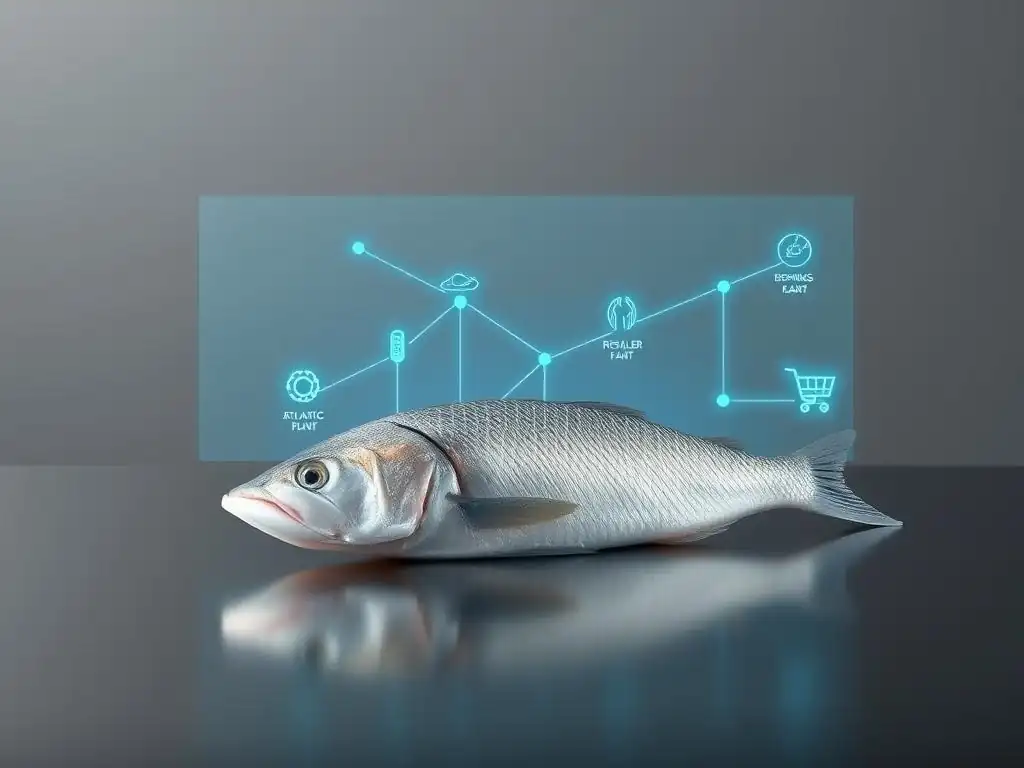
Case Study 1: Tuna Company - Implementing Blockchain for Tuna Traceability
One prominent example of Blockchain sustainable seafood traceability in action is the work done by companies like Bumble Bee Foods, in partnership with SAP, to trace yellowfin tuna. Launched in 2019, their system allows consumers to scan a QR code on certain tuna products to access information about the specific fish in their can. This information includes the size of the catch, where and when it was caught, the fishing vessel's name, and even the name of the captain.
The system leverages blockchain to record data points from the moment the tuna is caught in the Western and Central Pacific Ocean. As the tuna moves through processing plants in Fiji, distribution centers, and finally to retail shelves, each step is recorded on the blockchain. This provides an immutable record visible to the consumer. While initial implementation focused on a specific product line and region, it demonstrated the feasibility of providing granular, verifiable origin data for a widely consumed seafood product like tuna, directly addressing consumer demand for transparency and supporting claims of responsible sourcing.
Case Study 2: Shrimp Farm - Improving Shrimp Supply Chain Transparency with Blockchain
Another example is the application of Blockchain sustainable seafood traceability in the aquaculture sector, particularly for shrimp. Companies and organizations have explored using blockchain platforms to track shrimp from farms in Southeast Asia to markets in the West. Traditionally, the shrimp supply chain has faced challenges related to labor practices, environmental impacts, and disease outbreaks. Blockchain helps address these by providing a transparent record.
For instance, a project might track shrimp from a specific farm certified for sustainable practices. Data points recorded include the farm's location, feed usage, health treatments, harvesting dates, and subsequent processing and export details. This immutable ledger allows importers and retailers to verify the origin and conditions under which the shrimp were raised, mitigating risks associated with unsustainable farming or unethical labor. While scaling across the entire fragmented shrimp industry remains a challenge, these pilot projects demonstrate blockchain's potential to significantly enhance visibility and accountability in aquaculture supply chains, bolstering consumer confidence in sustainable shrimp.
Analyzing the Successes and Challenges of Early Implementations
Early implementations of Blockchain sustainable seafood traceability have shown promising successes. They have proven that it is technically feasible to capture and record granular data points across complex supply chains on a distributed ledger. These projects have successfully demonstrated the ability to provide consumers with verifiable information, leading to increased trust and potentially differentiating products in the market. They also highlight the potential for improving operational efficiency and reducing opportunities for fraud.
However, these early examples also reveal significant challenges. One major hurdle is the initial cost and complexity of implementing the technology, especially for smaller players in the supply chain like individual fishermen or small farms. Data entry at the point of origin can be difficult in remote locations with limited connectivity or technical expertise.
Achieving widespread adoption requires collaboration across diverse stakeholders who may have competing interests or varying levels of technological readiness. Furthermore, ensuring the accuracy of the data input into the blockchain remains critical; blockchain verifies the integrity of the record, but it doesn't inherently validate the truthfulness of the initial data capture itself.
Overcoming Challenges and Scaling Blockchain for Sustainable Seafood
Addressing Concerns About Data Privacy and Security
While blockchain is designed for security and immutability, concerns about data privacy persist, particularly regarding sensitive commercial information or the locations of fishing grounds. Public blockchains, where data is visible to everyone, may not be suitable for all aspects of Blockchain sustainable seafood traceability. Private or permissioned blockchains, where participation and data access are restricted to authorized parties, offer a solution. These networks allow companies to share necessary traceability data with trusted partners or regulators while keeping commercially sensitive information private.
Implementing robust access controls and data encryption within the blockchain framework is also essential. Data can be stored off-chain in secure databases with only cryptographic hashes stored on the blockchain for verification, a common practice to manage data volume and privacy. Smart contracts can be designed to reveal specific data points only to parties who meet predefined criteria. Addressing these privacy and security concerns through careful system design is paramount for gaining widespread industry adoption and building trust in Blockchain sustainable seafood traceability solutions.
Interoperability and Integration with Existing Systems
A significant challenge in scaling Blockchain sustainable seafood traceability is integrating new blockchain systems with the diverse, often legacy, IT systems already used by various players in the supply chain. Fishing vessels might use specific electronic logbook software, processing plants have their inventory management systems, and retailers use different point-of-sale or supply chain platforms. For blockchain to be effective, it needs to seamlessly exchange data with these existing systems without requiring a complete overhaul of current infrastructure.
Achieving interoperability between different blockchain platforms and traditional databases is also crucial. As multiple blockchain initiatives emerge in the seafood sector, they need to be able to communicate and share data effectively to create a truly connected supply chain. Developing industry-wide data standards and APIs (Application Programming Interfaces) will be key to facilitating this integration. Focusing on solutions that can layer onto existing systems rather than replacing them entirely will significantly accelerate the adoption and scaling of Blockchain sustainable seafood traceability.
The Role of Collaboration and Standardization in Blockchain Adoption
Widespread adoption of Blockchain sustainable seafood traceability cannot happen in isolation. It requires significant collaboration among all stakeholders: fishermen, farmers, processors, distributors, retailers, technology providers, NGOs, and regulatory bodies. Developing common standards for data capture, formatting, and sharing is essential to ensure that data recorded by one entity can be understood and verified by another across the chain. Industry consortiums and multi-stakeholder initiatives are vital for driving this standardization process and building consensus on best practices.
Government support and regulatory frameworks also play a critical role. Regulations that encourage or mandate electronic reporting and traceability can provide a significant impetus for adopting blockchain-based solutions. Pilot projects supported by industry bodies or governments can demonstrate the value proposition and build momentum. By working together to establish shared protocols and build trust in the technology, the seafood industry can collectively overcome the hurdles to scale Blockchain sustainable seafood traceability from niche projects to a global standard, ultimately benefiting both the environment and consumers.
The Future of Blockchain and Sustainable Seafood
Emerging Technologies Complementing Blockchain for Enhanced Traceability: IoT and AI
The future of Blockchain sustainable seafood traceability will likely involve the integration of blockchain with other cutting-edge technologies, particularly the Internet of Things (IoT) and Artificial Intelligence (AI). IoT devices, such as sensors for temperature, location trackers (GPS), and potentially even bio-sensors, can automatically capture data at various points in the supply chain (e.g., on a vessel, in a storage facility) and feed it directly onto the blockchain. This reduces the reliance on manual data entry, minimizing errors and increasing the reliability of the information recorded on the ledger.
AI can complement this by analyzing the vast amounts of data collected through IoT and stored on the blockchain. AI algorithms can identify anomalies or patterns that might indicate potential fraud, illegal activity, or breaches in sustainability protocols. For example, AI could flag discrepancies between reported catch locations and vessel movement patterns, or identify unusual spikes in disease reports from a farm. This combination of automated data capture (IoT), secure, immutable record-keeping (Blockchain), and intelligent analysis (AI) creates a powerful, proactive system for ensuring Blockchain sustainable seafood traceability and supply chain integrity.
The Potential for Blockchain to Drive Consumer Demand for Sustainable Seafood
As consumers become increasingly aware of the environmental and social impacts of their food choices, the ability to verify sustainability claims transparently becomes a powerful market differentiator. Blockchain sustainable seafood traceability has the potential to directly connect consumers with the origin story of their seafood, providing credible evidence of responsible sourcing. Imagine scanning a code and not just seeing where your fish was caught, but also confirming it came from a fishery with a specific sustainability certification, verified by data points recorded immutably on a distributed ledger.
This enhanced transparency can build significant consumer trust and loyalty for brands that adopt blockchain technology. By empowering consumers with verifiable information, blockchain can shift purchasing decisions towards sustainably sourced products. This increased demand for traceable, sustainable seafood can, in turn, incentivize more industry players to adopt responsible practices, creating a virtuous cycle where market forces align with environmental conservation goals. This market-driven approach is a key potential outcome of widespread Blockchain sustainable seafood traceability.
Policy and Regulation: Supporting Blockchain Adoption for Seafood Sustainability
While market forces and technological advancements are crucial, supportive policy and regulation can significantly accelerate the adoption of Blockchain sustainable seafood traceability. Governments and international bodies have a vested interest in combating IUU fishing and promoting sustainable resource management. Mandates for electronic catch reporting, requirements for end-to-end traceability, and incentives for adopting innovative technologies can pave the way for blockchain implementation. For example, regulations requiring granular data sharing throughout the supply chain naturally align with blockchain's capabilities.
Furthermore, regulatory bodies can play a role in establishing data standards and governance frameworks for blockchain networks in the seafood sector. They can also help facilitate pilot projects and provide funding for technology adoption, particularly for small and medium-sized enterprises (SMEs) that might struggle with initial investment costs. By creating a supportive legal and policy environment, regulators can lower barriers to entry and encourage industry-wide participation, making Blockchain sustainable seafood traceability a standard practice rather than an exception, ultimately contributing to healthier oceans and more secure food systems.
Conclusion: Blockchain's Role in Securing a Sustainable Seafood Future
Blockchain: A Powerful Tool for Promoting Responsible Fishing Practices
Blockchain technology offers a transformative approach to achieving sustainable seafood supply chains. By providing an immutable, transparent, and distributed ledger for recording every step of a seafood product's journey from origin to plate, blockchain directly addresses the fundamental challenges of opacity, fraud, and lack of accountability that plague traditional systems. The ability to verify data points related to location, date, fishing method, and handling provides unprecedented visibility, making it significantly harder for illegal or unsustainable products to enter the market.
The core features of blockchain, including its inherent security, immutability, and the potential for smart contracts, make it uniquely suited to create reliable audit trails. This reliability empowers regulators to better monitor compliance, enables businesses to prove the provenance and sustainability of their products, and allows consumers to make informed choices based on verifiable data. Blockchain sustainable seafood traceability is not a silver bullet, but it is a powerful and necessary tool in the complex effort to protect marine ecosystems and ensure the long-term viability of seafood resources for future generations.
Investing in Blockchain Seafood Traceability: A Call to Action
The evidence from pilot projects and the inherent capabilities of the technology clearly demonstrate the potential of Blockchain sustainable seafood traceability to revolutionize the industry. However, realizing this potential requires collective action and investment. Businesses across the supply chain, from fishing companies and farms to processors and retailers, should explore and invest in blockchain-based solutions to enhance their traceability capabilities, protect their brands, and meet growing consumer demand for sustainable products.
Technology providers must continue to develop user-friendly, scalable, and interoperable blockchain platforms tailored to the specific needs of the seafood sector, addressing challenges like data input in remote environments. Governments and international organizations should support the development of standards, create enabling regulatory environments, and potentially offer incentives for adoption. Consumers, by demanding transparently sourced and sustainably certified seafood, can further drive the market towards greater traceability. Investing in Blockchain sustainable seafood traceability is an investment in the health of our oceans, the integrity of our food systems, and a more sustainable future for the planet.
Frequently Asked Questions
How can blockchain improve seafood traceability?
Blockchain provides a tamper-proof and transparent ledger that records each step in the supply chain, from catch to consumer. This enhanced visibility helps verify the origin and handling of seafood, combating fraud and illegal fishing practices.
What makes blockchain a good fit for sustainable seafood initiatives?
Its immutable record-keeping ensures that data cannot be altered, fostering trust and accountability within the seafood industry. This helps consumers make informed choices and supports sustainable fishing practices.
What are the main benefits of using blockchain for seafood companies?
Companies gain access to real-time data about their supply chains, improving efficiency and reducing waste. They can also demonstrate their commitment to sustainability, attracting environmentally conscious consumers.
What are some challenges in implementing blockchain for seafood traceability?
Adoption requires collaboration across the entire supply chain, which can be complex and costly. Data standardization and integration with existing systems are also significant hurdles to overcome.
How does blockchain help combat illegal, unreported, and unregulated (IUU) fishing?
By providing a verifiable chain of custody, blockchain makes it harder for IUU-caught seafood to enter the market. This increased transparency helps authorities enforce regulations and protect marine ecosystems.
In an era where environmental consciousness is at the forefront of consumer choices, the intersection of blockchain technology and sustainable seafood traceability is more relevant than ever. As we grapple with the challenges of overfishing, illegal fishing practices, and the demand for transparency in our food systems, the potential for blockchain to revolutionize the seafood industry is both promising and urgent. The call for accountability in sourcing seafood has never been louder, and blockchain stands as a beacon of hope in ensuring that our oceans are not only preserved but also respected.
The influence of blockchain on the cultural and social landscape of seafood consumption is profound. As consumers become increasingly aware of the origins of their food, the demand for transparency grows stronger. This shift is not just a trend; it represents a fundamental change in how we perceive our relationship with the ocean and its resources. As noted by industry experts, Transparency is the new currency in the seafood market.
This sentiment underscores the importance of embracing innovative solutions like blockchain to foster trust and sustainability in our food systems.
As we look to the future, I invite you to reflect on your own choices and their impact on the environment. Consider how you can advocate for sustainable seafood practices in your community and support businesses that prioritize traceability. Together, we can champion a movement that not only protects our oceans but also ensures that future generations can enjoy the bounty of the sea. Let us harness the power of technology to create a more sustainable and equitable food system, one traceable bite at a time.
Seize Your Role: Dive Into Sustainable Seafood Now!
Thank you for exploring how blockchain technology is transforming seafood traceability. You've gained valuable insights into creating a more transparent and ethical supply chain. Now, it's time to take action and contribute to positive change.
Here’s how you can make a difference:
- Demand Transparency: Support seafood brands that openly use blockchain to verify their supply chain. Your choices can encourage industry-wide accountability.
- Explore Blockchain’s Potential: Investigate how other sectors are applying blockchain for sustainability. Share your discoveries with friends and colleagues to foster awareness and discussion.
- Start Small, Eat Responsibly: Choose one sustainably sourced seafood item each week and encourage loved ones to do the same. Small steps can lead to meaningful impact.
What is one sustainable seafood choice you'll commit to this week? Share your pledge in the comments below!
Leave a Reply