
Citizen Science and Blockchain: Empowering Communities in Environmental Monitoring


Welcome to Blockchain Trends, your go-to source for unraveling the transformative power of blockchain technology beyond the hype. Ever wondered how blockchain can be used to protect our planet? Dive in as we explore how blockchain empowers citizen environmental monitoring, offering a groundbreaking approach to data collection and transparency. Discover how decentralized systems are revolutionizing environmental stewardship and fostering a future where communities are at the forefront of safeguarding our natural resources. Learn more and join the movement!
Citizen Science and Blockchain: Empowering Communities in Environmental Monitoring
- Introduction: Blockchain's Role in Revolutionizing Environmental Monitoring
- Understanding Citizen Science and Environmental Monitoring
- Blockchain Empowers Citizen Environmental Monitoring: A Decentralized Approach
-
Key Benefits of Using Blockchain for Environmental Citizen Science
- Increased Transparency and Accountability in Environmental Data
- Improved Data Accuracy and Reliability Through Cryptographic Verification
- Enhanced Community Participation and Empowerment in Environmental Stewardship
- Secure and Decentralized Data Storage for Long-Term Preservation
- Traceability of Environmental Impact and Carbon Footprint
- Real-World Applications: Blockchain in Environmental Monitoring Initiatives
- Overcoming Challenges and Future Directions for Blockchain-Based Citizen Science
- The Role of Sustainable Blockchain Solutions in Citizen Environmental Monitoring
- Conclusion: Blockchain's Transformative Potential for Citizen-Led Environmental Protection
-
Frequently Asked Questions
- How can blockchain technology specifically empower citizen science initiatives in environmental monitoring?
- What are the potential benefits of using blockchain for data management in citizen-led environmental projects?
- How does blockchain contribute to the incentivization of citizen participation in environmental monitoring?
- What are the key challenges in implementing blockchain solutions for citizen environmental monitoring projects?
- What role does regulation play in the adoption of blockchain for citizen science and environmental monitoring applications?
- Final Reflection: Blockchain Empowers Citizen Environmental Monitoring
- Unleash Your Inner Environmental Guardian!
Introduction: Blockchain's Role in Revolutionizing Environmental Monitoring
The Growing Need for Transparent and Reliable Environmental Data
The urgency to monitor environmental changes and pollution levels is escalating globally. Traditional methods often face challenges related to data silos, lack of transparency, and difficulty in verifying the accuracy of collected information. For instance, tracking air quality or water pollution across different jurisdictions can involve multiple agencies using disparate systems, leading to fragmented and potentially contradictory datasets.
A report by the UN Environment Programme highlighted in 2020 the critical gaps in environmental data, particularly in developing regions, emphasizing the need for more robust, accessible, and trustworthy information to inform policy and action. Without reliable data, effective environmental protection and conservation efforts are severely hampered, making it difficult to identify trends, pinpoint sources of pollution, or measure the impact of mitigation strategies accurately.
Furthermore, public trust in environmental data reported by governments or corporations is sometimes questioned due to concerns about potential biases or manipulation. Incidents of data being altered or withheld have underscored the necessity for systems that are inherently more transparent and verifiable. The increasing complexity of environmental challenges, such as climate change and biodiversity loss, demands a collaborative approach involving diverse stakeholders, including citizens. This necessitates a data infrastructure that is not only reliable but also open and accessible, fostering accountability and enabling informed decision-making at all levels, from local communities to international bodies.
How Blockchain Technology Can Enhance Citizen Science Initiatives
Blockchain technology offers a compelling solution to many of the limitations inherent in traditional environmental data collection and management, particularly within the context of citizen science. By providing a decentralized, immutable, and transparent ledger, blockchain can significantly enhance the integrity and trustworthiness of data gathered by citizen scientists. Each piece of environmental data – whether it's a water sample reading, an air quality measurement, or a wildlife sighting – can be timestamped and recorded on the blockchain, creating a verifiable audit trail that is resistant to tampering. This inherent security and transparency build confidence in the data's reliability.
Moreover, blockchain can facilitate seamless data sharing and collaboration among distributed groups of citizen scientists, researchers, and environmental organizations. Smart contracts, self-executing contracts with the terms of the agreement directly written into code, can automate processes like data verification, reward distribution for validated contributions, or granting access permissions. This streamlined approach reduces administrative overhead and encourages greater participation by ensuring contributors are fairly recognized and that their efforts directly contribute to a shared, reliable dataset. This is how blockchain empowers citizen environmental monitoring by providing the technological backbone for secure, collaborative, and trustworthy data initiatives.
Understanding Citizen Science and Environmental Monitoring
Defining Citizen Science: Engaging the Public in Scientific Research
Citizen science, also known as community science or crowd-sourced science, involves the participation of the general public in scientific research activities. This can range from simple tasks like observing and recording bird sightings or cloud types to more complex endeavors such as analyzing genetic data or monitoring water quality parameters.
Projects are often designed by professional scientists, but the data collection or analysis is performed by volunteers who may or may not have formal scientific training. The core idea is to leverage the collective power and geographical distribution of interested individuals to gather data on a scale that would be impossible for professional researchers alone.
The scope of citizen science is vast and covers numerous disciplines, with environmental monitoring being a particularly active area. Projects might focus on tracking invasive species, monitoring pollution levels in local rivers, documenting phenological changes (like plant flowering times), or contributing to large-scale climate research by collecting weather data. Citizen scientists often use accessible tools, mobile apps, or simple testing kits provided by the project organizers. Their contributions provide valuable data points that can supplement or validate data from professional sensors and surveys, contributing significantly to our understanding of complex environmental systems and changes over time.
The Importance of Citizen-Led Environmental Monitoring Projects
Citizen-led environmental monitoring projects play a crucial role in filling critical data gaps and providing hyper-local environmental information that professional monitoring networks often cannot achieve. For example, a network of citizen scientists monitoring water quality in a specific river basin can collect samples from numerous points along the river and its tributaries much more frequently and at a lower cost than a professional team. This dense network of data points provides a more detailed and nuanced picture of the river's health, helping to identify localized pollution sources or track the spread of contaminants.
Beyond data collection, these projects foster environmental stewardship and increase public awareness about local environmental issues. When individuals are actively involved in monitoring their local environment, they develop a deeper connection to it and are often more motivated to participate in conservation efforts or advocate for policy changes. Citizen science empowers communities by giving them the tools and opportunity to directly contribute to understanding and protecting their local ecosystems. This collective engagement is vital for addressing environmental challenges effectively, as it builds a base of informed and motivated citizens.
Current Challenges in Traditional Environmental Data Collection
Traditional environmental data collection methods face several significant challenges that can limit their effectiveness and reach. One major hurdle is the cost associated with deploying and maintaining professional monitoring equipment and personnel. High-fidelity sensors and regular field surveys require substantial financial investment, often restricting the scope and frequency of monitoring, particularly in areas with limited resources. This can lead to sparse datasets that may not capture the full complexity or variability of environmental conditions.
Another challenge is data fragmentation and lack of interoperability. Data collected by different agencies or research groups often reside in separate databases using varying formats and standards, making it difficult to integrate, analyze, and share information effectively. Furthermore, the reliability and verification of data can be problematic. Manual data entry is prone to errors, and without robust verification mechanisms, the accuracy of collected information can be questioned. These issues underscore the need for more scalable, cost-effective, and trustworthy approaches to environmental monitoring, which is where innovative solutions like blockchain technology become relevant.
Blockchain Empowers Citizen Environmental Monitoring: A Decentralized Approach
Enhancing Data Integrity and Trust with Blockchain's Immutability
One of the most significant ways blockchain empowers citizen environmental monitoring is through its core feature of immutability. Once environmental data, collected by a citizen scientist, is recorded on a blockchain, it is cryptographically linked to the previous block and distributed across multiple nodes in the network. This makes it extremely difficult, if not practically impossible, to alter or delete the data retroactively without consensus from the majority of the network participants. This inherent tamper-evidence ensures the integrity of the dataset, providing a high degree of confidence in the reliability of the information.
For citizen science projects, where data might be collected by individuals with varying levels of experience, guaranteeing data integrity is paramount. By timestamping and hashing each data entry on the blockchain, a permanent and transparent record is created. Researchers and policymakers can trust that the data they are analyzing has not been manipulated since it was first recorded. This foundational layer of trust is essential for the widespread acceptance and utilization of citizen-generated environmental data in scientific research and policy formulation.
Blockchain's Potential to Streamline Data Collection and Verification
Blockchain technology can significantly streamline the processes involved in citizen environmental data collection and verification. By using blockchain-based platforms, citizen scientists can submit their data directly through secure interfaces, such as mobile apps. This data, potentially linked with metadata like GPS coordinates and timestamps, can be immediately recorded on the distributed ledger. Smart contracts can be programmed to perform initial automated checks, such as range validation or consistency checks with other data points, before the data is permanently added to the blockchain.
Further verification can be integrated using decentralized consensus mechanisms. For example, a system could require validation from a certain number of other participants or designated expert nodes before data is officially 'confirmed' on the chain. This distributed verification process reduces reliance on a single central authority and leverages the collective intelligence of the community. This streamlined, automated, and decentralized approach to data handling and verification is a key aspect of how blockchain empowers citizen environmental monitoring initiatives, making the process more efficient and trustworthy from submission to final record.
Fostering Community Engagement and Ownership Through Decentralization
Decentralization is a core tenet of blockchain technology and plays a vital role in fostering community engagement and a sense of ownership within citizen environmental monitoring projects. In traditional models, data is often owned and controlled by the central organization running the project. A blockchain-based approach can shift this paradigm, allowing data to be owned collectively by the network participants or making it publicly accessible on the decentralized ledger. This shared ownership model can incentivize participation and build a stronger community around the project.
Furthermore, blockchain can facilitate the implementation of token-based incentive systems. Citizen scientists who contribute valuable and verified data can be rewarded with digital tokens. These tokens could potentially be exchanged for goods or services, used for governance within the project, or represent a stake in the project's future success. This direct and transparent reward mechanism acknowledges and values the contributions of citizen scientists, encouraging sustained participation and commitment. This empowerment through decentralized ownership and incentive structures is a powerful way blockchain empowers citizen environmental monitoring efforts.
Key Benefits of Using Blockchain for Environmental Citizen Science
Increased Transparency and Accountability in Environmental Data
A primary benefit of integrating blockchain into environmental citizen science is the significant increase in transparency. Every transaction, representing a data submission or verification event, is recorded on the public or permissioned ledger, visible to all participants. This open record allows anyone to audit the data trail, from its origin to its inclusion in the final dataset. This level of transparency builds trust and confidence among researchers, policymakers, and the public regarding the reliability of the collected environmental information.
Accountability is also enhanced. Because data submissions and verification actions are linked to participant identities (even if pseudonymously), it creates a system where contributions and validations can be tracked. If errors are identified later, the source and verification process can be reviewed on the blockchain, facilitating correction and improving future protocols. This inherent traceability makes participants more accountable for the quality and accuracy of the data they submit or verify, ultimately leading to a more robust and dependable environmental dataset.
Improved Data Accuracy and Reliability Through Cryptographic Verification
Blockchain technology inherently improves data accuracy and reliability through the use of cryptographic principles. Data submitted by citizen scientists can be hashed, and this unique digital fingerprint is stored on the blockchain. Any subsequent attempt to alter the original data would result in a different hash, immediately signaling that the data has been tampered with. This makes the data highly resistant to malicious changes after it has been recorded, ensuring its integrity over time.
Beyond immutability, blockchain-based systems can implement sophisticated verification protocols using smart contracts and consensus mechanisms. For example, data from a new sensor reading might need to be cross-referenced with data from nearby sensors or validated by a consensus of multiple network nodes before being permanently added. This multi-layered verification process, often automated by smart contracts, minimizes the risk of inaccurate or fraudulent data entering the system, thereby enhancing the overall reliability of the environmental dataset generated by citizens.
Enhanced Community Participation and Empowerment in Environmental Stewardship
Blockchain's decentralized nature and potential for tokenization directly enhance community participation and empowerment in environmental stewardship. By giving participants a sense of ownership over the data they collect and potentially rewarding them for their contributions, blockchain platforms can motivate sustained engagement. This moves beyond simply collecting data; it transforms participants into active stakeholders in environmental monitoring and protection.
Consider a project monitoring plastic waste: citizen scientists collecting plastic could be rewarded with tokens for verified submissions. This not only incentivizes collection but also makes participants feel valued and directly involved in the solution. This empowerment stems from having a verifiable impact recorded on a transparent ledger and potentially gaining tangible or intangible rewards for their efforts. This model fosters a dedicated community more likely to remain involved in long-term environmental monitoring initiatives.
Secure and Decentralized Data Storage for Long-Term Preservation
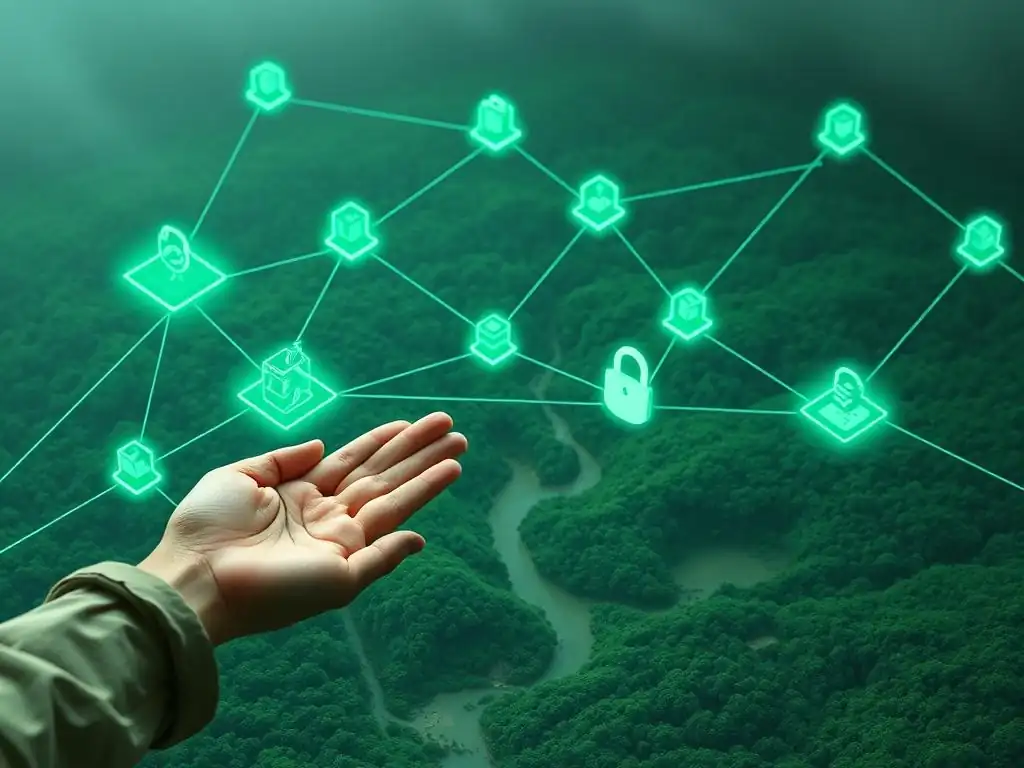
Storing large volumes of environmental data securely and ensuring its long-term preservation is a critical challenge. Centralized databases are vulnerable to single points of failure, cyberattacks, and data loss. Blockchain, particularly when combined with decentralized storage solutions like IPFS (InterPlanetary File System), offers a more robust and secure alternative for preserving citizen environmental monitoring data. The data itself might be stored off-chain using decentralized storage, with only its cryptographic hash recorded on the blockchain, providing a tamper-evident link.
This decentralized storage model distributes data across multiple nodes, making it highly resilient to attacks or failures affecting a single location. The immutability of the blockchain ensures that the record of where the data is stored and its integrity check (the hash) remain unchanged. This provides a reliable and secure archive for valuable environmental data collected over extended periods, ensuring it is available for future analysis, research, and historical reference, crucial for tracking long-term environmental trends.
Traceability of Environmental Impact and Carbon Footprint
Blockchain's ability to create transparent and immutable records is invaluable for tracing environmental impact and carbon footprints. In citizen science contexts, this could involve tracking the lifecycle of recycled materials collected by citizens, monitoring the impact of local conservation efforts, or even tracing the source of pollution reported by community members. Each step or observation can be recorded on the blockchain, creating a verifiable chain of custody or impact.
For example, a project focused on sustainable consumption might use blockchain to trace products from origin to disposal, with citizen input at various stages (e.g., reporting proper recycling). Similarly, tracking carbon offsets or emissions reductions achieved through community initiatives can be recorded on a blockchain, providing a transparent and verifiable account of environmental benefits. This traceability enhances accountability and allows for accurate reporting on the environmental outcomes of citizen-led initiatives, further demonstrating how blockchain empowers citizen environmental monitoring for tangible results.
Real-World Applications: Blockchain in Environmental Monitoring Initiatives
Case Study 1: Plastic Bank - Rewarding Plastic Recycling with Cryptocurrency
Plastic Bank is a prominent example of how blockchain technology is being used to incentivize and track environmental action at the citizen level. The initiative establishes recycling centers in vulnerable coastal communities, primarily in countries like Haiti, the Philippines, Indonesia, and Egypt. Local collectors, acting as citizen environmental monitors, gather plastic waste from their environment. This collected plastic is then brought to Plastic Bank branches.
At these branches, the plastic is weighed and exchanged for digital tokens, often referred to as "Social Plastic" tokens, which are recorded on a blockchain. These tokens can be redeemed for necessities such as cash, groceries, cooking fuel, or even school tuition. This system creates value for plastic waste, preventing it from entering the ocean while providing economic opportunities for collectors.
The blockchain ensures that each transaction – the deposit of plastic and the issuance of tokens – is transparent and immutable, allowing for precise tracking of how much plastic is collected and by whom. As of early 2023, Plastic Bank reported preventing millions of kilograms of plastic from entering the ocean and improving the lives of thousands of collectors, demonstrating a tangible environmental and social impact verified by their blockchain system.
Case Study 2: ClimateTrade - Utilizing Blockchain for Carbon Offset Tracking
ClimateTrade is a platform that leverages blockchain technology to facilitate the transparent and efficient buying and selling of carbon credits and offsets. While not purely a citizen science project in data collection, it involves companies and individuals participating in environmental action (reducing emissions, funding offset projects) and uses blockchain to track the impact. Companies can purchase tokenized carbon credits that represent verified emission reductions from various projects.
The blockchain records the entire lifecycle of a carbon credit, from its issuance by a certifying body to its purchase and retirement by an entity. This provides an immutable and transparent record that prevents double-counting – a significant problem in traditional carbon markets – and ensures that once a credit is used to offset emissions, it cannot be resold.
While the primary participants are often businesses, the transparency offered by the blockchain ledger means that the public, including interested citizens, can potentially audit the flow and retirement of these environmental assets, fostering trust in corporate climate action claims. The platform has facilitated transactions for numerous corporations aiming to achieve carbon neutrality, with the blockchain providing the necessary layer of trust and verification for these environmental claims.
Examples of Blockchain-Enabled Platforms for Environmental Data Sharing
Several emerging platforms are exploring or implementing blockchain to enable decentralized environmental data sharing, further illustrating how blockchain empowers citizen environmental monitoring. One example is the concept of tokenizing data from environmental sensors, whether professional or citizen-operated. Platforms are being developed where data streams from air quality monitors, water sensors, or weather stations can be recorded on a blockchain, potentially rewarding data providers with tokens.
Another area is using blockchain for supply chain transparency related to environmental impact. While not direct citizen science data collection, citizens can act as auditors or contributors by reporting on conditions they observe, with these reports potentially being recorded on a blockchain linked to specific products or locations.
Projects like Hyperledger Fabric or Ethereum have been explored as foundational technologies for such platforms, enabling secure, permissioned, or public sharing of environmental data among consortiums of organizations and potentially integrating verified citizen contributions. These platforms aim to create shared, trustworthy repositories of environmental information accessible to researchers, regulators, and the public.
Overcoming Challenges and Future Directions for Blockchain-Based Citizen Science
Addressing Scalability Issues in Blockchain Networks
Scalability remains a significant challenge for many blockchain networks, particularly public ones. Processing a high volume of transactions, such as millions of data points submitted daily by citizen scientists, can lead to network congestion, slow transaction times, and high fees (gas costs). This can hinder the widespread adoption of blockchain in large-scale environmental monitoring projects. For instance, a project collecting air quality data from thousands of citizen sensors every minute would generate an immense amount of data to be recorded.
Efforts are underway to address these scalability issues through various methods. Layer 2 scaling solutions, such as rollups (Optimistic and ZK-rollups), process transactions off-chain and periodically submit aggregated proofs to the main chain, drastically increasing throughput. Sharding, which divides the blockchain network into smaller, more manageable segments, is another approach being explored by protocols like Ethereum 2.0. Utilizing more efficient consensus mechanisms, like Proof-of-Stake (PoS) instead of Proof-of-Work (PoW), also improves transaction speed and capacity. Implementing these scaling solutions is crucial for blockchain to effectively handle the data volume generated by widespread citizen environmental monitoring initiatives.
Ensuring Data Privacy and Security in Decentralized Systems
While blockchain offers immutability and transparency, ensuring data privacy and security, especially when dealing with sensitive location data or personal information of citizen scientists, presents challenges. Public blockchains are transparent, meaning anyone can view the transactions. While identities can be pseudonymous, linking a pseudonym to a real person or specific location could compromise privacy. For example, revealing the precise location of a rare species sighting by a citizen scientist could put the species at risk.
Solutions involve careful system design. Permissioned blockchains, where participation and data visibility are restricted to authorized entities, can offer more privacy for sensitive projects. Zero-Knowledge Proofs (ZKPs) are cryptographic techniques that allow one party to prove that something is true to another party without revealing any information beyond the validity of the statement itself.
ZKPs can be used to verify data integrity or compliance with certain parameters without exposing the raw data itself. Furthermore, storing sensitive raw data off-chain in encrypted decentralized storage, with only non-sensitive metadata and cryptographic hashes on the blockchain, is a common strategy to balance transparency with privacy requirements in blockchain-empowered citizen environmental monitoring.
Integrating Blockchain with Existing Environmental Monitoring Technologies
Integrating blockchain systems with existing environmental monitoring technologies, such as sensors, data loggers, and established databases, is essential for practical implementation. Most current environmental sensors and data collection tools are not inherently designed to interact directly with blockchain networks. Bridging this gap requires developing middleware, APIs, and standardized data formats that can securely transfer data from the point of collection to the blockchain ledger.
Furthermore, established environmental databases and analytical platforms used by researchers and regulators need to be able to access and process data stored on blockchain networks. This requires creating interoperability layers that allow traditional systems to query and retrieve verified data from the blockchain. Developing industry standards for blockchain-based environmental data and fostering collaboration between blockchain developers and environmental technology providers are critical steps to ensure seamless integration and unlock the full potential of how blockchain empowers citizen environmental monitoring by connecting distributed citizen efforts with broader scientific and policy frameworks.
The Future of Citizen Science: A Blockchain-Powered Ecosystem
The future of citizen science, particularly in environmental monitoring, is poised to be significantly shaped by blockchain technology. We can envision a global, decentralized ecosystem where countless citizen scientists contribute diverse environmental data streams – from air and water quality to biodiversity and climate indicators. This data would be securely recorded and verified on interconnected blockchain networks, creating a trusted, publicly auditable, and comprehensive global environmental ledger.
In this blockchain-powered ecosystem, smart contracts could automate complex processes like data validation, cross-referencing with satellite imagery or professional sensor data, and triggering alerts for critical environmental changes. Tokenomics could incentivize data quality and coverage, rewarding contributors for accurate and valuable submissions. This decentralized infrastructure would democratize environmental data, making it accessible to researchers, policymakers, educators, and the public worldwide, fostering unprecedented collaboration and enabling more informed and rapid responses to environmental challenges. This vision highlights the transformative potential of how blockchain empowers citizen environmental monitoring on a truly global scale.
The Role of Sustainable Blockchain Solutions in Citizen Environmental Monitoring
Exploring Energy-Efficient Blockchain Protocols for Environmental Applications
Given the environmental focus of citizen monitoring projects, it is imperative that the underlying blockchain technology itself is sustainable. Early blockchain protocols, notably those using Proof-of-Work (PoW) consensus mechanisms like Bitcoin, are known for their high energy consumption. Running environmental initiatives on such energy-intensive chains would be counterproductive to their goals. Fortunately, the blockchain space is rapidly evolving towards more energy-efficient alternatives.
Proof-of-Stake (PoS) is a leading alternative where validators are chosen based on the amount of cryptocurrency they stake, rather than computational power. PoS networks like Ethereum 2.0 consume significantly less energy – estimates suggest a reduction of over 99% compared to PoW. Other energy-efficient consensus mechanisms include Delegated Proof-of-Stake (DPoS), Proof-of-Authority (PoA), and various forms of Proof-of-Contribution or Proof-of-Reputation that align incentives with positive network behavior rather than energy expenditure. Selecting or developing blockchain protocols that utilize these low-energy consensus mechanisms is crucial for the environmental sustainability of blockchain-based citizen science platforms.
Reducing the Environmental Footprint of Blockchain Technology
Beyond the core consensus mechanism, reducing the overall environmental footprint of blockchain technology involves considering the entire ecosystem. This includes the energy consumption of the hardware running nodes, the energy sources used, and the electronic waste generated by outdated equipment. Promoting the use of renewable energy sources to power blockchain nodes is a key step. Initiatives are emerging that certify blockchain operations powered entirely by green energy.
Furthermore, optimizing code efficiency, minimizing unnecessary on-chain data storage, and utilizing off-chain solutions for large datasets (with hashes on-chain for integrity) can help reduce the computational and storage requirements, thereby lowering energy needs. Encouraging the development of lightweight blockchain clients and applications that can run on less powerful, more energy-efficient devices also contributes to reducing the overall environmental impact. Addressing these aspects ensures that the technology enabling citizen environmental monitoring is as environmentally friendly as the goals of the projects it supports.
Promoting Sustainable Practices in Blockchain Development and Deployment
Promoting sustainable practices in the development and deployment of blockchain solutions for environmental citizen science is vital for long-term success and credibility. This involves making conscious choices throughout the project lifecycle, from initial design to ongoing operation. Developers should prioritize writing efficient smart contracts and code that minimize computational overhead and storage requirements on the blockchain.
Deployment strategies should consider the energy sources of the infrastructure hosting nodes and servers, favoring renewable energy providers. Project teams should also consider the lifecycle of hardware used, exploring options for extending the life of devices or implementing responsible recycling practices. Educating the community of citizen scientists and node operators about energy-efficient practices and the importance of using sustainable infrastructure reinforces the environmental mission of the project. By embedding sustainability into the very fabric of blockchain development and deployment, these projects can serve as models for environmentally responsible technology use.
Conclusion: Blockchain's Transformative Potential for Citizen-Led Environmental Protection
Empowering Communities to Take Control of Their Environmental Data
Blockchain technology offers a powerful pathway to empower communities and individual citizens in environmental monitoring and protection efforts. By providing a decentralized, transparent, and immutable platform, it enables citizen scientists to collect, verify, and share environmental data with unprecedented trust and reliability. This shift moves control away from centralized authorities and places verifiable data into the hands of the communities directly affected by environmental changes.
The ability to contribute to a shared, trustworthy ledger of environmental conditions gives citizens a stronger voice and a more direct role in advocating for environmental health in their localities and beyond. This fundamental empowerment through data ownership and integrity is a game-changer for citizen-led environmental initiatives.
Building a More Sustainable and Transparent Future with Blockchain Technology
Integrating blockchain into environmental citizen science is not just about better data collection; it's about building a more sustainable and transparent future. The technology's inherent transparency fosters accountability among polluters, governments, and corporations by providing verifiable evidence of environmental conditions and impacts. By enabling the tracking of environmental assets like carbon credits or recycled materials on a public ledger, it helps build trust in green initiatives and markets.
Furthermore, by leveraging energy-efficient blockchain protocols and promoting sustainable development practices, the technology itself can align with environmental goals. This combination of transparency, accountability, and sustainable design makes blockchain a transformative tool for environmental stewardship.
Call to Action: Encouraging Collaboration and Innovation in Blockchain-Based Citizen Science
The potential of blockchain to empower citizen environmental monitoring is vast, but realizing this potential requires continued collaboration and innovation. Researchers, environmental organizations, technology developers, policymakers, and citizen scientists must work together to design and implement effective blockchain-based platforms. This includes developing user-friendly tools for data collection, establishing clear data standards, creating robust verification mechanisms, and designing sustainable tokenomics models that incentivize participation and data quality.
Investing in research to overcome challenges like scalability and privacy, and fostering pilot projects in diverse environmental contexts, are crucial next steps. By embracing this collaborative and innovative approach, we can harness the power of blockchain to build a global network of empowered citizens actively contributing to a healthier planet.
Frequently Asked Questions
How can blockchain technology specifically empower citizen science initiatives in environmental monitoring?
Blockchain provides a transparent and immutable ledger for recording environmental data collected by citizens. This enhances data credibility and allows for easier verification by researchers and policymakers.
What are the potential benefits of using blockchain for data management in citizen-led environmental projects?
Blockchain ensures data integrity and immutability, making it resistant to tampering. It also facilitates secure data sharing amongst participants and fosters greater trust in the data collected.
How does blockchain contribute to the incentivization of citizen participation in environmental monitoring?
Blockchain enables the creation of token-based reward systems for contributors. These rewards can incentivize citizens to actively participate in data collection and analysis, fostering a more engaged community.
What are the key challenges in implementing blockchain solutions for citizen environmental monitoring projects?
Challenges include the technical complexity of blockchain implementation and the need for user-friendly interfaces. Furthermore, data privacy concerns and scalability issues must be addressed.
What role does regulation play in the adoption of blockchain for citizen science and environmental monitoring applications?
Clear and supportive regulations can foster innovation and build trust in blockchain-based solutions. However, overly restrictive regulations could hinder adoption and limit the potential benefits of the technology.
Final Reflection: Blockchain Empowers Citizen Environmental Monitoring
The promise of democratized environmental monitoring through citizen science, amplified by the immutable and transparent nature of blockchain technology, is no longer a distant dream. It's a burgeoning reality, offering communities the tools to actively participate in safeguarding their environments and holding stakeholders accountable. This shift towards decentralized data collection and verification is crucial in an era where trust in traditional institutions is waning and the urgency of environmental action is paramount.
The impact of this synergy extends far beyond simply collecting data; it fosters a deeper sense of ownership and responsibility within communities. Witnessing firsthand the power of verifiable data to influence policy and drive positive change is profoundly empowering. Never doubt that a small group of thoughtful, committed citizens can change the world; indeed, it's the only thing that ever has.
- Margaret Mead. This quote resonates deeply with the core principles of citizen science and the transformative potential of blockchain in amplifying its reach and impact.
As we look to the future, consider how you can contribute to this growing movement. Whether it's participating in a local monitoring project, advocating for the adoption of blockchain-based solutions, or simply educating yourself and others about the potential of this technology, your involvement can make a tangible difference. Embrace the power of citizen science and blockchain to become an active steward of our planet, ensuring a healthier and more sustainable future for all.
Unleash Your Inner Environmental Guardian!
Thank you for exploring how blockchain can transform citizen science and empower communities to monitor our planet. We hope you're inspired by the possibilities. Now, let's turn that inspiration into action.
Here are a few ways you can get involved today:
- Identify a local environmental issue and research existing citizen science projects addressing it. This is your first step toward contributing to a real-world solution!
- Share this article with your network and spark a conversation about the potential of blockchain in environmental monitoring. Let's amplify this message!
- Explore existing blockchain-based citizen science platforms. Could you contribute data or even propose a new project?
What environmental issue are you most passionate about addressing, and how could citizen science combined with blockchain help? Share your thoughts in the comments below!
Leave a Reply