
Democratizing Energy: Blockchain's Role in PeertoPeer Renewable Energy Trading


Welcome to Blockchain Trends, your guide to understanding the revolutionary power of blockchain technology!
Imagine a world where you can directly sell excess solar energy to your neighbors, cutting out the middleman and fostering a truly decentralized energy grid. This future is closer than you think. Explore the fascinating possibilities of peer-to-peer energy trading powered by blockchain, and discover how this innovative approach is reshaping the energy landscape and paving the way for a more sustainable future. Ready to dive in and see how blockchain is democratizing energy?
Democratizing Energy: Blockchain's Role in Peer-to-Peer Renewable Energy Trading
- Introduction: The Promise of Peer-to-Peer Energy Trading
- The Energy Sector's Challenges and the Rise of Decentralized Solutions
- How Blockchain Facilitates Peer-to-Peer Energy Trading
- Benefits of Blockchain-Based Peer-to-Peer Energy Trading Platforms
- Real-World Examples: Blockchain P2P Energy Trading Projects
- Overcoming Barriers to Widespread Adoption
- The Future of Energy: Blockchain and a Decentralized Grid
- Conclusion: Blockchain's Transformative Power in Energy
-
Frequently Asked Questions
- What is peer-to-peer (P2P) energy trading, and how does blockchain facilitate it?
- How does blockchain technology ensure trust and security in P2P energy trading?
- What are the potential benefits of using blockchain for P2P energy trading beyond cost savings?
- What regulatory challenges currently exist for blockchain-based P2P energy trading platforms?
- What is the future outlook for blockchain's role in revolutionizing the energy sector through P2P trading?
- Final Reflection: Empowering Communities Through Energy
- Ignite Your Energy Future: Start Trading Renewables Now!
Introduction: The Promise of Peer-to-Peer Energy Trading
The global energy landscape is undergoing a significant transformation. Driven by the urgent need to combat climate change and the decreasing cost of renewable energy technologies like solar and wind power, there's a growing shift towards decentralized energy generation. This movement is paving the way for innovative models, none more promising than peer-to-peer energy trading.
Harnessing Renewable Energy Through Decentralization
The traditional energy grid operates as a centralized system, with large power plants distributing electricity unidirectional to consumers. However, the proliferation of rooftop solar panels, residential battery storage, and small-scale wind turbines is creating a new class of energy participants: prosumers, who both consume and produce electricity. This decentralization inherently requires a more dynamic and flexible system for managing energy flows and transactions, moving away from the rigid utility-centric model.
Harnessing this distributed renewable energy potential efficiently requires a new market mechanism. Peer-to-peer energy trading allows these prosumers to directly sell their excess renewable energy to neighbors or other participants on the grid, cutting out traditional intermediaries and fostering a more localized and resilient energy ecosystem. This model directly supports the growth of renewable energy adoption by providing a clear economic incentive for individuals and communities to invest in and utilize green energy sources.
Defining Peer-to-Peer (P2P) Energy Trading Networks
Peer-to-peer (P2P) energy trading networks are systems that enable direct transactions of electricity between individual producers (prosumers) and consumers. Instead of selling excess energy back to the utility at potentially low feed-in tariffs and then buying energy from the grid at retail prices, participants in a P2P network can trade directly with each other based on agreed-upon prices. This creates a local energy market where the value of distributed renewable energy can be more fully realized.
These networks fundamentally change the relationship between energy users and the grid. Participants gain more control over their energy sourcing and sales, potentially leading to cost savings and greater energy independence. The core concept of peer to peer energy trading is to create a transparent, efficient, and fair marketplace where energy flows and financial settlements are managed seamlessly, often enabled by digital technologies like blockchain.
The Energy Sector's Challenges and the Rise of Decentralized Solutions
The existing energy infrastructure, largely built for fossil fuel-based generation and centralized distribution, faces significant challenges in adapting to the influx of distributed renewable energy resources. These challenges include managing grid stability with intermittent renewable sources, integrating millions of small-scale producers, and handling complex billing and settlement processes for bidirectional energy flows.
Decentralized solutions, particularly those leveraging technologies like blockchain, are emerging as viable pathways to address these complexities. By distributing control and data management, these solutions can offer the flexibility, transparency, and efficiency required to manage a grid populated by numerous small-scale producers and consumers engaging in peer to peer energy trading.
Grid Limitations and the Need for Energy Distribution Optimization
The current electrical grid infrastructure was not designed to handle large-scale, bidirectional energy flows from millions of distributed sources. Integrating significant amounts of intermittent renewable energy, such as solar and wind, poses challenges for grid stability, voltage regulation, and frequency control. Managing congestion in local distribution networks becomes increasingly complex as prosumers export excess power onto lines designed primarily for one-way delivery.
Optimizing energy distribution in a decentralized landscape requires sophisticated real-time monitoring, forecasting, and management capabilities. Traditional systems struggle with the granularity and speed needed to balance supply and demand at a local level, manage local market transactions, and ensure grid reliability when energy is being traded directly between peers. New digital layers are essential to facilitate efficient peer to peer energy trading and optimize energy flow within these dynamic local networks.
Blockchain Technology as an Enabler for Energy Democratization
Blockchain technology offers a compelling solution for building the digital infrastructure necessary for decentralized energy markets and peer to peer energy trading. Its core characteristics – transparency, immutability, security, and the ability to execute automated transactions via smart contracts – align well with the requirements of a P2P energy network.
By providing a shared, tamper-proof ledger of all energy transactions, blockchain ensures trust and transparency among participants who may not know each other. This eliminates the need for a central authority to verify every trade. Furthermore, smart contracts built on the blockchain can automate the complex processes of metering, billing, and settlement for peer to peer energy trading, significantly reducing administrative overhead and transaction costs, thereby democratizing access to energy markets.
How Blockchain Facilitates Peer-to-Peer Energy Trading
Blockchain technology serves as the foundational layer for many modern peer-to-peer energy trading platforms. It provides the necessary infrastructure for recording transactions, managing identities, and automating processes in a secure and transparent manner, which is critical for building trust in a decentralized marketplace.
Enhanced Transparency and Traceability in Energy Transactions
One of the primary benefits of using blockchain for peer to peer energy trading is the enhanced transparency it provides. Every energy transaction – from the amount of energy traded to the price and participants involved – can be recorded on the blockchain ledger. This ledger is typically distributed and accessible to all participants (depending on the blockchain type), allowing anyone to verify the details of a transaction.
This level of transparency builds trust among participants and with regulators. It allows for clear auditing of energy flows and financial settlements, reducing the potential for disputes or fraudulent activity. The traceability provided by blockchain also ensures that renewable energy credits or certificates can be accurately tracked and verified, guaranteeing that traded energy is indeed from a renewable source, adding value to the peer to peer energy trading ecosystem.
Smart Contracts: Automating Energy Agreements and Payments
Smart contracts are self-executing contracts with the terms of the agreement directly written into code. In the context of peer to peer energy trading, smart contracts are invaluable for automating the entire transaction process. Once a buyer and seller agree on a price and quantity of energy, a smart contract can be deployed on the blockchain to manage the exchange.
The smart contract can automatically trigger payment from the buyer's digital wallet to the seller's wallet once metering data, often fed via secure IoT devices, confirms that the agreed-upon amount of energy has been delivered. This automation eliminates the need for manual billing, reduces processing delays, and minimizes the potential for errors, making peer to peer energy trading significantly more efficient and cost-effective for participants.
Secure and Efficient Energy Data Management with Blockchain
Managing vast amounts of energy consumption and production data from numerous distributed sources is a complex task. Blockchain offers a secure and efficient way to handle this data. Energy generation and consumption data, recorded by smart meters or IoT devices, can be timestamped and immutably stored on the blockchain.
This ensures the integrity and reliability of the data used for transactions and settlements in a peer to peer energy trading network. The decentralized nature of the blockchain also makes the system more resilient to cyberattacks compared to centralized databases. Secure data management is fundamental to ensuring accurate billing, efficient grid balancing, and building confidence in the peer to peer energy trading platform.
Benefits of Blockchain-Based Peer-to-Peer Energy Trading Platforms
Implementing peer-to-peer energy trading platforms using blockchain technology offers a multitude of benefits, not just for individual participants but also for the broader energy system and the environment. These advantages contribute to creating a more decentralized, efficient, and sustainable energy future.
Empowering Consumers as Prosumers in the Energy Market
Blockchain-based peer to peer energy trading fundamentally shifts power to the edge of the grid, empowering individuals to become active participants – prosumers – in the energy market. Instead of being passive recipients of energy and utility bills, households with rooftop solar or other distributed energy resources can actively sell their surplus energy to neighbors or other consumers in their community.
This empowerment gives prosumers more control over their energy assets and provides an economic incentive to invest in and maintain renewable energy systems. They can potentially earn revenue from selling excess energy at favorable prices determined by local market dynamics, rather than being limited to standard feed-in tariffs. This direct participation fosters a sense of ownership and engagement in the local energy ecosystem.
Reducing Reliance on Traditional Energy Utilities
By enabling direct energy transactions between peers, blockchain-based platforms can reduce the reliance on traditional, centralized energy utilities for energy supply and transaction management. While utilities still play a crucial role in maintaining grid infrastructure and ensuring overall stability, the P2P model allows a portion of local energy needs to be met through local generation and trading.
This decentralization enhances energy resilience, particularly in local areas or microgrids, as communities can become more self-sufficient. It also introduces competition, potentially encouraging utilities to innovate and offer more customer-centric services. The shift towards peer to peer energy trading represents a gradual evolution away from a monopolistic or oligopolistic energy market structure towards a more distributed and competitive model.
Fostering Investment in Renewable Energy Sources
The clear economic benefits offered by peer to peer energy trading serve as a significant catalyst for increased investment in distributed renewable energy sources. When individuals and businesses can directly profit from selling their excess solar or wind power on a local market, the return on investment for installing such systems becomes more attractive.
This direct financial incentive accelerates the deployment of rooftop solar, battery storage, and other distributed energy resources. For example, a homeowner might be more inclined to install a larger solar array if they know they can easily sell surplus energy to neighbors through a P2P platform, rather than just offset their own consumption. This distributed investment in renewables is crucial for achieving broader decarbonization goals.
Lowering Energy Costs and Increasing Energy Efficiency
Peer to peer energy trading has the potential to lower energy costs for both buyers and sellers. Sellers can often receive a better price for their excess renewable energy than standard feed-in tariffs, while buyers may be able to purchase local, renewable energy at a price lower than the standard retail rate from the utility. Transaction costs associated with energy trading can also be significantly reduced by automating processes using blockchain and smart contracts, potentially lowering fees compared to traditional utility billing systems.
Furthermore, by making energy transactions more transparent and giving consumers more options, P2P platforms encourage more conscious energy consumption and production. Participants are incentivized to optimize their energy use and generation based on market prices and availability, which can lead to overall improvements in energy efficiency within the network.
Real-World Examples: Blockchain P2P Energy Trading Projects
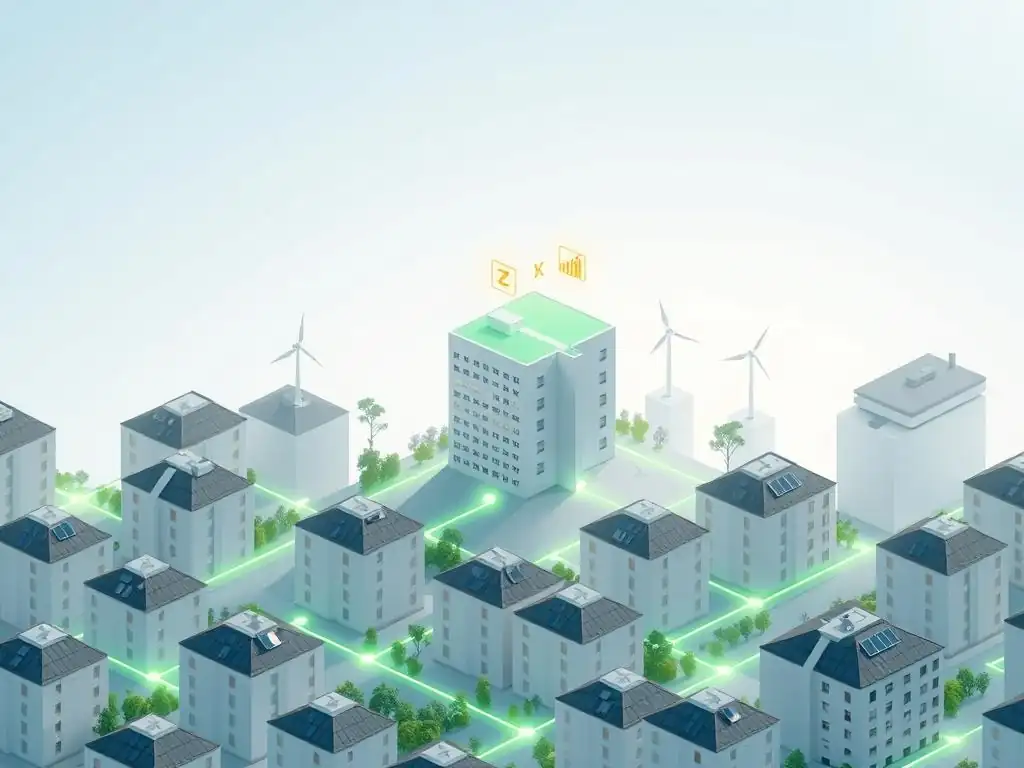
Several pioneering projects around the world have demonstrated the feasibility and potential of using blockchain for peer to peer energy trading. These initiatives, though often pilot programs or limited deployments, provide valuable insights into the practical implementation and challenges of this new energy model.
Brooklyn Microgrid: Successes and Challenges
One of the earliest and most widely cited examples is the Brooklyn Microgrid project, initiated by LO3 Energy in partnership with Siemens. Launched as a pilot in 2016 in the Park Slope neighborhood of Brooklyn, New York, the project aimed to allow residents with solar panels to sell excess energy directly to their neighbors using a blockchain-based platform. The project involved a few dozen participants in its initial phases.
The Brooklyn Microgrid successfully demonstrated the technical feasibility of facilitating local energy transactions via blockchain and smart contracts. It proved that prosumers could indeed sell renewable energy directly to consumers within a defined local network, bypassing the traditional utility for those specific transactions. Challenges included navigating complex energy regulations designed for the traditional grid, scaling the technology to accommodate more participants, and integrating with existing utility infrastructure for grid stability and backup power. The project highlighted the significant regulatory and technical hurdles that need to be addressed for widespread adoption of peer to peer energy trading.
Power Ledger in Western Australia: Implementation and Impact
Power Ledger, an Australian company, has been a prominent player in developing blockchain-based platforms for peer to peer energy trading globally. One of their notable early implementations was a trial in Western Australia with energy retailer Clean Energy Retail and Busselton Shire. This project allowed households with rooftop solar to sell their excess energy directly to neighbors using the Power Ledger platform.
The trial demonstrated that the platform could accurately track energy flows and manage settlements between participants transparently. Power Ledger's technology has since been used in various other trials and projects worldwide, including in Thailand, India, and Europe, involving thousands of households in some cases. These implementations have shown the potential for blockchain to create efficient local energy markets, increase the value of distributed renewables, and provide consumers with more choice. The impact includes potentially reducing energy costs for participants and encouraging further investment in rooftop solar.
Lessons Learned from Early Blockchain Energy Trading Initiatives
Early peer to peer energy trading projects like Brooklyn Microgrid and Power Ledger's trials have provided crucial lessons. Firstly, the technology itself is largely proven to be capable of handling the transaction and data management requirements. Blockchain and smart contracts can effectively track energy flows and automate settlements.
However, these projects also underscore the significant non-technical barriers. Regulatory frameworks in most jurisdictions are not designed for P2P energy trading and often create obstacles. Interoperability with legacy grid systems and utility operations remains a challenge. Public awareness and education about how peer to peer energy trading works and its benefits are also critical for broader participation. Scaling these initiatives from small pilots to widespread deployment requires collaboration between technology providers, regulators, utilities, and the community.
Overcoming Barriers to Widespread Adoption
Despite the significant potential demonstrated by pilot projects, the widespread adoption of blockchain-based peer to peer energy trading faces substantial hurdles. These challenges span regulatory, technological, and social domains and require concerted efforts from various stakeholders to overcome.
Regulatory Hurdles and the Need for Clear Policy Frameworks
Perhaps the most significant barrier to the widespread adoption of peer to peer energy trading is the existing regulatory landscape. Energy markets are heavily regulated, and current rules were designed for a centralized utility model. P2P trading models often don't fit neatly into existing categories for energy generation, distribution, and retail.
Issues include how P2P transactions are taxed, how grid access charges are applied, and how participants are licensed or authorized to trade energy. Lack of clear legal and regulatory frameworks creates uncertainty for technology providers, investors, and potential participants. Developing supportive policies that enable peer to peer energy trading while ensuring grid stability, consumer protection, and fair cost recovery for grid infrastructure is crucial for scaling these initiatives.
Technology Scalability and Interoperability Challenges
While blockchain technology has proven capable in pilot projects, scaling a peer to peer energy trading platform to accommodate millions of participants and billions of transactions presents technical challenges. Public blockchains can face issues with transaction speed and cost (gas fees), while private or consortium blockchains require careful consideration of governance and decentralization levels.
Ensuring seamless interoperability between the blockchain platform, smart meters, IoT devices, grid management systems, and utility billing systems is also complex. Data standards, communication protocols, and secure integration points need to be established. While significant progress has been made, continued development is needed to build robust, scalable, and interoperable platforms capable of supporting national or even regional peer to peer energy trading markets.
Public Awareness and Education on P2P Energy Trading Benefits
A less obvious but equally important barrier is the general public's lack of awareness and understanding of peer to peer energy trading and the technologies that enable it, like blockchain. The concept of buying and selling electricity directly with a neighbor is fundamentally different from the familiar monthly bill from a utility.
Educating consumers about the benefits – potential cost savings, support for local renewables, increased energy independence – and explaining how the technology ensures security and transparency is vital for building trust and encouraging participation. Clear communication, user-friendly platforms, and community engagement initiatives are necessary to demystify peer to peer energy trading and drive adoption beyond early adopters.
The Future of Energy: Blockchain and a Decentralized Grid
The trajectory of the energy sector points towards increasing decentralization, digitalization, and reliance on renewable sources. Blockchain technology, particularly its application in peer to peer energy trading, is poised to play a significant role in shaping this future grid structure.
Potential for Microgrids and Community-Based Energy Systems
Blockchain is particularly well-suited for managing transactions within microgrids and community-based energy systems. These localized grids can operate independently from the main grid during outages, enhancing resilience. Within such a system, peer to peer energy trading allows community members to share locally generated renewable energy, optimizing its use within the community before importing power from the main grid.
Blockchain provides the perfect infrastructure for transparently managing energy flows, tracking contributions from community-owned assets (like solar farms or battery storage), and settling transactions among members. This fosters energy independence and strengthens community ties around shared energy goals. The development of more sophisticated peer to peer energy trading platforms could accelerate the deployment and effectiveness of these localized, resilient energy systems.
Integrating Electric Vehicles (EVs) into P2P Energy Networks
Electric vehicles (EVs) represent a significant and growing component of energy demand and potential storage capacity. Integrating EVs into peer to peer energy trading networks presents exciting possibilities. EVs can act as mobile energy storage units, potentially buying energy when prices are low (e.g., during peak solar production) and selling energy back to the grid or directly to peers when demand and prices are high (Vehicle-to-Grid or Vehicle-to-Home).
Blockchain can manage the complex, granular transactions required for EV charging and discharging within a P2P market. Smart contracts can automate charging based on price signals or grid conditions, and securely record energy exchanged. This integration could turn EV owners into active participants in the energy market, helping to balance the grid and increase the utilization of renewable energy through smart charging and discharging managed via peer to peer energy trading platforms.
The Role of IoT and AI in Optimizing Blockchain Energy Trading
The effectiveness of blockchain-based peer to peer energy trading is significantly enhanced by integrating with other advanced technologies like the Internet of Things (IoT) and Artificial Intelligence (AI). IoT devices, such as smart meters and connected appliances, provide the real-time, granular data on energy generation, consumption, and storage that is essential for executing transactions via smart contracts on the blockchain.
AI can be used to analyze this vast amount of data to forecast energy production and consumption patterns, optimize trading strategies for participants, predict grid congestion, and manage energy flow within the P2P network more efficiently. AI algorithms can help participants in peer to peer energy trading make informed decisions about when to buy, sell, or store energy, maximizing their economic benefits and contributing to grid stability. The synergy between blockchain, IoT, and AI is key to unlocking the full potential of decentralized energy markets.
Conclusion: Blockchain's Transformative Power in Energy
The energy sector is on the cusp of a major transformation, moving towards a more decentralized, renewable, and participant-driven model. Blockchain technology is emerging as a critical enabler of this shift, particularly through its application in peer to peer energy trading.
Accelerating the Transition to a Sustainable Energy Future with P2P Trading
Peer to peer energy trading, powered by blockchain, offers a compelling pathway to accelerate the transition to a sustainable energy future. By providing a direct economic incentive for individuals and communities to generate and trade renewable energy, it encourages greater investment in distributed solar, wind, and storage technologies. This decentralized approach complements utility-scale renewable projects and helps integrate green energy into the grid more effectively.
The transparency and efficiency gains offered by blockchain-based platforms reduce transaction costs and complexities, making renewable energy more accessible and affordable for participants. As regulatory frameworks evolve and technology scales, peer to peer energy trading is set to become a significant force in decarbonizing the energy supply and empowering energy citizens.
The Long-Term Vision of a Decentralized and Democratic Energy Ecosystem
The long-term vision is a decentralized and democratic energy ecosystem where consumers are also prosumers, actively participating in local energy markets. Blockchain technology, by providing a secure, transparent, and automated platform for peer to peer energy trading, is fundamental to realizing this vision.
This future grid is not just about technology; it's about shifting power dynamics, creating resilient local energy systems, and fostering community engagement in energy production and consumption. While challenges remain in regulation, scalability, and public adoption, the foundational role of blockchain in enabling trustless, efficient peer to peer energy trading positions it as a cornerstone technology for the energy grid of tomorrow – one that is cleaner, more resilient, and truly democratic.
Frequently Asked Questions
What is peer-to-peer (P2P) energy trading, and how does blockchain facilitate it?
P2P energy trading allows individuals or businesses with renewable energy sources to directly sell excess energy to others. Blockchain enables this by providing a transparent and secure platform for transactions, removing intermediaries.
How does blockchain technology ensure trust and security in P2P energy trading?
Blockchain provides an immutable record of all transactions, verifiable by all participants. This increased transparency and security reduces the risk of fraud and builds trust in the system.
What are the potential benefits of using blockchain for P2P energy trading beyond cost savings?
Beyond potentially lower costs, blockchain can enable greater energy independence, promote the adoption of renewable energy sources, and create more resilient and decentralized energy grids.
What regulatory challenges currently exist for blockchain-based P2P energy trading platforms?
Current regulations are often designed for centralized energy systems, creating uncertainty and legal hurdles for P2P trading. Defining clear regulatory frameworks is crucial for widespread adoption.
What is the future outlook for blockchain's role in revolutionizing the energy sector through P2P trading?
The future looks promising, with blockchain poised to transform energy markets by fostering decentralized, sustainable, and efficient energy systems. This will likely involve increased integration with smart grids and IoT devices.
Final Reflection: Empowering Communities Through Energy
The promise of peer-to-peer energy trading is no longer a futuristic fantasy; it's a tangible opportunity to reshape our energy landscape and empower communities. As we've explored, blockchain technology provides the secure, transparent, and decentralized infrastructure necessary to facilitate this revolution, moving us closer to a truly democratized energy system where individuals can directly participate in the generation and distribution of renewable energy.
This shift towards decentralized energy models has profoundly impacted the cultural and social landscape, fostering a sense of ownership and responsibility towards our energy consumption. The ability to directly trade renewable energy not only empowers individuals economically but also strengthens community bonds and promotes environmental consciousness. The future of energy is not about centralized control, but about distributed empowerment.
This quote encapsulates the essence of peer-to-peer energy trading, highlighting its potential to transform passive consumers into active participants in a sustainable energy future.
Now, more than ever, it's crucial to embrace the potential of peer-to-peer energy trading and advocate for policies that support its growth. Consider how you can contribute to this movement, whether it's by exploring local renewable energy initiatives, supporting companies developing blockchain-based energy solutions, or simply educating yourself and others about the benefits of a decentralized energy future. Let's work together to build a more sustainable, equitable, and empowered world, one kilowatt-hour at a time.
Okay, I'm ready to craft a Call to Action for an article titled "Democratizing Energy: Blockchain's Role in Peer-to-Peer Renewable Energy Trading" on Blockchain Trends (blockchaintrends.org). Here's my attempt:
Ignite Your Energy Future: Start Trading Renewables Now!
Thanks for exploring how blockchain is revolutionizing energy and empowering individuals like you to participate in a cleaner, more decentralized power grid. Now, let's put that knowledge into action and build a more sustainable future, together.
Here are some ways you can immediately contribute to the energy revolution:
- Dive deeper and register for a free webinar on setting up a microgrid using blockchain technology. Unlock exclusive insights from industry leaders and take your first step towards energy independence. (Primary action - specifically tied to the article's theme)
- Share this article with three friends or family members who are passionate about sustainability and decentralization – spark a conversation and spread the word about the power of peer-to-peer energy trading!
- Investigate local renewable energy cooperatives or initiatives in your area. Could blockchain technology enhance their operations and empower more community members?
What small change will you make this week to contribute to a more democratized and sustainable energy system? Let us know in the comments below!
Leave a Reply